

-
1 side affect
Общая лексика: побочный эффект -
2 side airflow duct kit
комплект для организации поперечных воздушных потоков
-
[Интент]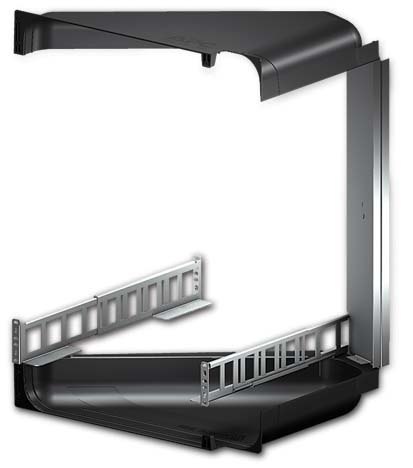
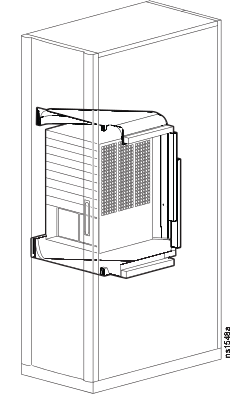

Вид на шкаф сверху
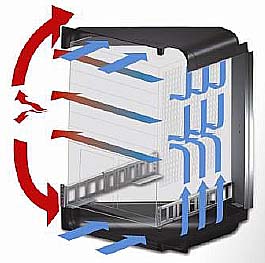
1.Duct kit directs cold air into intake and isolates hot air
2.Hot, exhaust air is directed to the rear of the enclosure
3.Cable routing does not affect airflow since the air pulled in from the top and bottom ductsРис. APC
Тематики
EN
Англо-русский словарь нормативно-технической терминологии > side airflow duct kit
-
3 authority
n1) власть2) полномочия; права3) pl власти; администрация; должностные лица4) авторитет, вес, влияние5) авторитет, крупный специалист6) авторитетный источник, надежный источник, заслуживающий доверия источник•to acknowledge smb's authority — признавать чей-л. авторитет
to act on one's own authority — действовать самостоятельно / по собственному почину / на свой страх и риск
to assert one's authority over smb — утверждать свою власть над кем-л.
to be in authority — возглавлять; быть во главе
to be under the authority of smb — находиться в чем-л. ведении
to bolster smb's authority — усиливать чью-л. власть
to buttress one's authority — укреплять свой авторитет
to challenge smb's authority — оспаривать чьи-л. полномочия
to consolidate one's authority — укреплять свою власть
to curtail smb's authority — ограничивать чью-л. власть
to delegate one's authority to smb — передавать свои полномочия кому-л.
to establish one's authority — утверждать свой авторитет
to exercise one's authority — пользоваться своими полномочия
to forfeit one's moral authority to do smth — утрачивать моральное право делать что-л.
to give authority — давать / предоставлять полномочия
to have authority — иметь власть, обладать властью
to have authority over / with smb — пользоваться авторитетом у кого-л.
to have the authority to do smth — иметь полномочия / разрешение делать что-л.
to overstep one's authority — превышать свои полномочия
to reassert one's authority — заново утверждать свой авторитет
to register with the authorities — официально зарегистрировать (партию, движение, организацию)
to reject smb's authority — не признавать чью-л. власть; отказываться подчиняться кому-л.; отрицать чей-л. авторитет
to release smb into the care of authorities — освобождать кого-л., передавая его властям
to side with the authorities — принимать / становиться на сторону властей
to surrender oneself to the authorities — сдаваться властям
- absolute authorityto undermine smb's authority — подрывать чей-л. авторитет / чью-л. власть
- additional authority
- administrative authorities
- appropriate authorities
- authority is eroding
- authority on smth
- authority seeping away
- authority to do smth
- authorities external to the UN
- by smb's authority
- central authority
- centralized authority
- civil authorities
- colonial authorities
- competent authorities
- complaints authorities
- complete authority
- constitutional authority
- coordinating authorities
- customs authorities
- decision-making authorities
- declining authority
- defect of authority
- defense authorities
- delegated authority - education authorities
- exclusive authority
- executive authority
- federal authorities
- final judicial authorities
- full authority
- generally recognized authority
- good authority
- great authority
- harbor authorities
- health authorities
- higher authorities
- immigration authorities
- in defiance of the authorities
- indisputable authority
- interim authority
- International Atomic Energy Athorities
- investigating authorities
- irrefutable authority
- irreparable blow to smb's authority
- law-enforcement authorities
- lawful authority
- LEA
- leading authority
- legal authority
- legislative authority
- legitimate authority
- local authorities
- Local Education Athorities
- man of authority
- man set in authority
- military authorities
- ministerial authority
- monetary authorities
- moral authority
- municipal authorities
- occupation authorities
- occupying authorities
- on one's own authority
- on smb's authority
- on the highest authority
- open connivance of the authorities
- original classification authority
- parliament's authority
- police authorities
- policy-making authorities
- political authority
- port authorities
- presidential authority
- provisional authority
- public authority
- regional authorities
- reliable authority
- respected authority
- responsible authorities
- reviewing authorities
- royal authority
- state authority
- statutory authority
- supervisory authorities
- supreme authority
- transfer of authority
- under the authority of smb
- unimpeachable authority
- unlimited authority
- unquestioned authority
- water authorities
- weakening authority
- wide authority
- with the authority of smb -
4 work
[wɜːk] 1. сущ.1) работа; труд; занятие; делоexhausting / tiring work — утомительный труд
shoddy / slipshod / sloppy work — недобросовестный труд, плохо выполненная работа, халтура
to be at work upon smth. — быть занятым чем-л.
to begin work — начать работу, приступить к работе
to set / get to work — приняться за дело
to set smb. to work — дать кому-л. работу, засадить кого-л. за работу
to quit / stop work — окончить, завершить работу
They quit work at one o'clock. — Они заканчивают работу в час дня.
- hard workThey never do any work. — Они всегда бездельничают.
- paper work
- physical work
- social work
- undercover workSyn:2) место работы; занятие; должностьat work — на работе, за работой
out of work — без работы, безработный
to go to work — пойти на работу, начать работать
They are still at work. — Они всё ещё на работе.
Many people travel to work by car. — Многие едут на работу на машине.
Syn:job II 1.3) действие, поступокdirty work — грязный, низкий поступок
4)а) результат труда, изделие, продуктdelicate / meticulous / precise work — тонкая, изящная работа
It can help to have an impartial third party look over your work. — Будет полезно, если бы Вашу работу осмотрел кто-нибудь незаинтересованный.
That's a beautiful piece of work. — Это прекрасная работа.
б) продукт, эффект, результат (от работы какого-л. механизма, структуры)в) произведение, работа, сочинение, (письменный) труд (научного, политического или художественного характера)to exhibit / hang smb.'s works — выставлять чьи-л. полотна (в картинной галерее, в выставочном зале)
In my opinion, this is Rembrandt's greatest work. — Я думаю, это самое значительное произведение Рембрандта.
- published worksUnder his arm, there was a book which looked like the complete works of Shakespeare. — Он нёс под мышкой том размером с полное собрание сочинений Шекспира.
- selected works5) ( works) преим. брит.; употр. с гл. в ед. предприятие, завод, фабрикаSyn:6)а) воен. фортификационные сооружения, укрепления, оборонительные сооруженияб) ( works) инженерно-технические сооружения7) ( works) механизм (работающие или движущиеся части какого-л. механизма)8) мастерство, умение, искусство выполнения, обработкаSyn:9) вышивание, рукоделие, шитьёSyn:10) брожение, ферментацияSyn:11) физ. работа•Gram:[ref dict="LingvoGrammar (En-Ru)"]work[/ref]••to have one's work cut out (for one) — иметь трудную задачу, трудное дело
2. прил.to make short work — быстро разобраться, расправиться с чем-л.
1) рабочий, используемый для работы3. гл.; прош. вр., прич. прош. вр. worked, уст. wroughtwork clothes — рабочая одежда; спецодежда
1) работать, заниматьсяto work hard / strenuously — работать усердно, усиленно
to work like a horse / dog / beaver / navvy / nigger / slave — работать как лошадь, как негр (на плантации)
to work one's tail off, to work double tides — работать не покладая рук, работать день и ночь
They were working on a new book. — Они работали над новой книгой.
Tasso had been working at his epic poem. — Тассо работал над своей эпической поэмой.
You have to work at being friendlier with people. — Тебе нужно учиться быть дружелюбнее в общении с людьми
2) работать, служить; быть занятым (каким-л.) постоянным деломShe works for a large firm. — Она работает в большой фирме.
to work side by side with smb. — тесно сотрудничать с кем-л.
I worked to a man called Duncan. — Я работал на человека по имени Дункан.
They work for a farmer. — Они работают у фермера.
3)He worked them nearly to death. — Он заставлял их работать до полного изнеможения.
Richard said that he would work his fingers to the bone for Ada. — Ричард сказал, что ради Ады он будет работать не покладая рук.
б) эксплуатировать, использовать (чей-л. труд, функциональность какого-л. аппарата)Syn:exploit II4) функционировать, действовать; быть эффективнымHis plan didn't work. — Его план не сработал.
The pump will not work. — Насос не работает.
Syn:5) приводить в действие (что-л.); управлять, осуществлять управление (чем-л.)This computer is worked from a central server. — Управление этим компьютером осуществляется с центрального сервера.
Syn:6) приводить, доводить (до какого-л. состояния); приводить себя в какое-л. состояниеShe worked herself into a rage. — Она пришла в ярость.
It would take some time for the trade to work itself right. — Потребуется определённое время, чтобы торговля стала успешной.
7) быть в постоянном движении; быть в состоянии волнения; метаться, кипеть, бурлитьHis face worked with emotion. — Его лицо подёргивалось от волнения.
While thoughts like these were working in the minds of many Dissenters. — В то время как подобные мысли метались в головах многих диссентеров.
Syn:8)а) воздействовать, влиять, убеждать, склонять (особенно тонкими, хитрыми способами); приводить в (какое-л.) настроениеI have been working him even now to abandon her. — Я продолжал даже теперь убеждать его оставить её.
Syn:б) = work up волновать, возбуждать; провоцировать, подстрекатьSyn:10) амер. обманывать, вымогать, добиваться (чего-л.) обманным путёмSyn:11) прош. вр., прич. прош. вр. worked, wroughtа) обрабатывать, возделывать (землю, почву); культивировать, выращивать (какое-л. растение)Syn:б) разрабатывать (жилу, карьер, каменоломню и т. п.)в) взбивать, месить, мешать (тесто, масло и т. п.)Syn:г) выделывать, вытёсывать, выковывать, придавать определённую форму (камню, металлу или другому твёрдому веществу)The wood is easily worked. — Дерево легко поддаётся обработке.
12) = work off, = work out оплачивать трудом, отрабатыватьOne of the greatest bores in packing is choosing which shoes to take. They are heavy and do not really work their passage. — Самое трудное при упаковке вещей - это выбор обуви. Обувь тяжёлая и не оправдывает затраченных на её транспортировку усилий.
13)а) прош. вр., прич. прош. вр. worked, wrought осуществлять, выполнять, вызыватьThe beer had wrought no bad effect upon his appetite. (Ch. Dickens) — Пиво не перебило ему аппетит.
the destruction wrought by the sea — разрушения, произведённые волнами
Syn:б) разг. организовывать, устраиватьIf you can possibly work it meet me somewhere tomorrow. — Если тебе удастся это устроить, то давай где-нибудь завтра встретимся.
Uncle Fred, did you work this? — Дядя Фред, это ты устроил?
He can work it so that you can take your vacation. — Он может устроить всё так, что ты сможешь взять отпуск.
Syn:14) шить, вышивать, вязать, заниматься рукоделиемSyn:15) уст.; прош. вр., прич. прош. вр. worked, wroughtа) делать (нечто плохое, губительное); совершать (грех, преступление и т. п.)б) соблюдать, осуществлять (обряды, ритуалы и т. п.)the 26th degree known as Prince of Mercy (not worked in England) — 26-ая ступень, известная как Принц Милосердия (не соблюдаемая в Англии)
16) прош. вр., прич. прош. вр. worked, wrought делать, выполнять, совершать (деяние, ряд действий, работу, задачу и т. п.)to work wonders — делать, демонстрировать чудеса
The special work which he undertook, and the rich ability with which he wrought it. — Особая работа, за которую он взялся и с которой он замечательно справился.
17)а) бродить ( о напитках)•Syn:18)а) производить, изготовлятьThe flint instruments of oval shape have been mostly worked by gentle blows. — Кремневые инструменты овальной формы в основном обрабатывались лёгкими ударами.
б) уст. создавать ( о Боге)в) уст. строить (дома, церкви, мосты и т. п.)forty-six noble columns, some wrought in granite and some in marble — сорок шесть величественных колонн, часть из них построена из гранита, часть - из мрамора
19) разг. передвигаться, перемещаться, выполняя обязанности, работу, какие-л. действия (о разносчиках, агентах, нищих, ворах и т. п.)a professional beggar who "works" seventy or eighty streets in a few hours — профессиональный нищий, который "отрабатывает" семьдесят или восемьдесят улиц за несколько часов
The night being comparatively young, Billy decided to work the trams. — Так как ночь только начиналась, Билли решил заняться трамваями.
He had been a fur thief working the big department stores. — Он был вором по мехам и работал в больших универмагах.
20) исследовать, систематически изучатьThere are very many forms and when worked they will doubtless yield interesting results. — Существует много форм, и если их систематически изучать, то они раскроют много интересного.
21) двигать, передвигатьIn vain I shifted my aching legs and worked my benumbed hands. — Напрасно я двигал ногами, которые очень болели, и разминал окоченевшие руки.
A neighbouring battery of guns were being worked into position. — Соседняя артиллерийская батарея выдвигалась на позицию.
22) идти, складыватьсяOur family life does not work any more. — Наша семейная жизнь разладилась.
It won't work. — Этот номер не пройдёт.
23) пробираться, продвигаться; перемещатьсяThe women worked themselves into the centre of the crowd. — Женщины протиснулись в центр толпы.
Mrs. Trafford worked her way round to Major Lovelace. — Миссис Трэффорд прокладывала себе путь к майору Лавлейсу.
He gradually wrought his way against the usual obstacles which a poor artist must always encounter. — Постепенно он преодолевал препятствия, которые всегда возникают на пути бедного артиста.
The dog worked round and round him, as if undecided at what particular point to go in for the assault. — Собака медленно кружила вокруг него, как будто в нерешительности, в какое конкретно место вцепиться.
A new conversation starts up every hour, and debateable points acquire a fresh interest because there is never time to work to a conclusion. — Каждый час возникает новый разговор, и дискуссионные темы вызывают новый интерес, так как никогда не хватает времени дойти до какого-либо решения.
24) производить, делать с помощью длительного применения какой-л. силыHe works holes in the seat of his trousers. — Он протирает себе дырки на штанах.
25)а) вставлять, всовывать; включатьShe worked a few jokes into her speech. — Она вставила несколько шуток в свою речь.
Syn:26) = work out вычислять, решать (пример и т. п.)The sum comes to the same figures, worked either way. — Сумма оказывается одной и той же, как бы её ни вычисляли.
•- work in- work off
- work out
- work over
- work up••to work one's will upon smb. — заставлять кого-л. делать по-своему
-
5 price
-
6 touch
коснуться глагол:прикасаться (touch, contact)коснуться (touch, concern)дотрагиваться (touch, dab)растрогать (move, touch)имя существительное:осязание (touch, feel)туше (touch, finger)наречие:
См. также в других словарях:
affect vs effect — Affect and effect are two words that are commonly confused. affect is usually a verb (action) effect is usually a noun (thing) Hint: If it s something you re going to do, use affect. If it s something you ve already done, use effect. To… … English dictionary of common mistakes and confusing words
affect vs effect — Affect and effect are two words that are commonly confused. affect is usually a verb (action) effect is usually a noun (thing) Hint: If it s something you re going to do, use affect. If it s something you ve already done, use effect. To… … English dictionary of common mistakes and confusing words
Supply-side economics — is an arguably heterodox school of macroeconomic thought that argues that economic growth can be most effectively created using incentives for people to produce (supply) goods and services, such as adjusting income tax and capital gains tax rates … Wikipedia
Far side of the Moon — The far side of the Moon is the lunar hemisphere that is permanently turned away from the Earth. The far hemisphere was first photographed by the Soviet Luna 3 probe in 1959, and was first directly observed by human eyes when the Apollo 8 mission … Wikipedia
East Side Access — is a public works project being undertaken by the Metropolitan Transportation Authority (MTA) in New York City, designed to bring the Long Island Rail Road (LIRR) into a new East Side station to be built below and incorporated into Grand Central… … Wikipedia
Cholesterol side-chain cleavage enzyme — Cytochrome P450, family 11, subfamily A, polypeptide 1 Identifiers Symbols CYP11A1; CYP11A; P450SCC External IDs … Wikipedia
demand side — Ⅰ. demand side UK US (also demand side) noun [S] ECONOMICS ► the part of an economy relating to demand (= the amount of goods and services that customers want to buy or use): »The report laid emphasis on the development of the domestic market on… … Financial and business terms
Demand-side — The Demand side is a term used in economics to refer to a number of things: The demand element of a supply and demand partial equilibrium diagram, in microeconomics The aggregate demand in an economy, in macroeconomics Economic policy actions… … Wikipedia
bright side — Bright Bright, a. [OE. briht, AS. beorht, briht; akin to OS. berht, OHG. beraht, Icel. bjartr, Goth. ba[ i]rhts. [root]94.] 1. Radiating or reflecting light; shedding or having much light; shining; luminous; not dark. [1913 Webster] The sun was… … The Collaborative International Dictionary of English
to look on the bright side — Bright Bright, a. [OE. briht, AS. beorht, briht; akin to OS. berht, OHG. beraht, Icel. bjartr, Goth. ba[ i]rhts. [root]94.] 1. Radiating or reflecting light; shedding or having much light; shining; luminous; not dark. [1913 Webster] The sun was… … The Collaborative International Dictionary of English
Maafa — The word Maafa (also known as the African Holocaust or Holocaust of Enslavement) is derived from a Swahili word meaning disaster, terrible occurrence or great tragedy. [Nicole Cheeves, Denise. Legacy . 2004, page 1.] Harp, O.J. Across Time:… … Wikipedia
