

-
41 maintainability
- эксплуатационная надёжность
- удобство обслуживания
- ремонтопригодность
- приспособленность к поддержанию работоспособного состояния
- надёжность эксплуатации
надёжность эксплуатации
—
[ http://slovarionline.ru/anglo_russkiy_slovar_neftegazovoy_promyishlennosti/]Тематики
EN
приспособленность к поддержанию работоспособного состояния
—
[А.С.Гольдберг. Англо-русский энергетический словарь. 2006 г.]Тематики
EN
ремонтопригодность
Свойство объекта, заключающееся в приспособленности к поддержанию и восстановлению работоспособного состояния путем технического обслуживания и ремонта.
[ ГОСТ 27.002-89]
ремонтопригодность
Свойство объекта, заключающееся в его приспособленности при заданных условиях эксплуатации к поддержанию или восстановлению состояния, в котором он способен выполнять требуемую функцию, путем проведения технического обслуживания и ремонта, выполняемых с использованием установленых процессов и ресурсов.
[ОСТ 45.152-99]
ремонтопригодность
Свойство товара, заключающееся в приспособлении к предупреждению причин возникновения отказов, сбоев, поддержанию работоспособного состояния путем проведения техобслуживания и ремонтов.
[ ГОСТ Р 52104-2003]
ремонтопригодность
По ГОСТ 27. 002-89
В соответствии с ГОСТ 27.002-89 под ремонтопригодностью понимается "свойство объекта, заключающееся в приспособленности к предупреждению и обнаружению причин возникновения его отказов, повреждений и устранению их путем проведения ремонтов и технического обслуживания". При этом следует иметь в виду, что приспособленность объекта к плановым ремонтам относится к его ремонтопригодности.
[ ГОСТ 21623-76]EN
maintainability (performance)
the ability of an item under given conditions of use, to be retained in, or restored to, a state in which it can perform a required function, when maintenance is performed under given conditions and using stated procedures and resources
NOTE – The term "maintainability" is also used as a measure of maintainability performance.
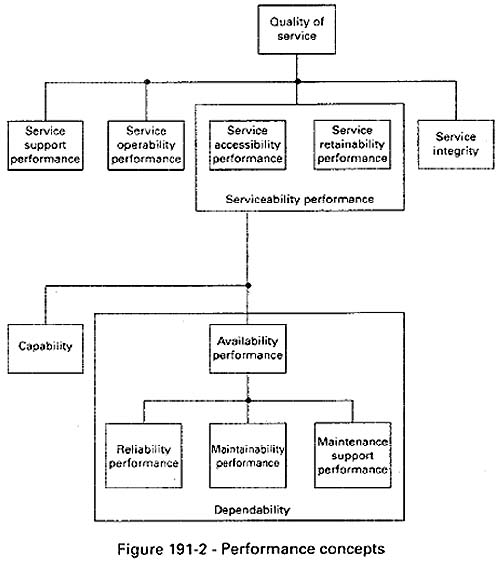
[IEV number 191-02-07]
maintainability
the probability that a given active maintenance action, for an item under given conditions of use can be carried out within a stated time interval, when the maintenance is performed under stated conditions and using stated procedures and resources
NOTE – The term "maintainability" is also used to denote the maintainability performance quantified by this probability.
Source: see 191-02-07
[IEV number 191-13-01]FR
maintenabilité
dans des conditions données d'utilisation, aptitude d'une entité à être maintenue ou rétablie dans un état dans lequel elle peut accomplir une fonction requise, lorsque la maintenance est accomplie dans des conditions données, avec des procédures et des moyens prescrits
NOTE – Le terme "maintenabilité" est aussi employé comme caractéristique de cette aptitude.
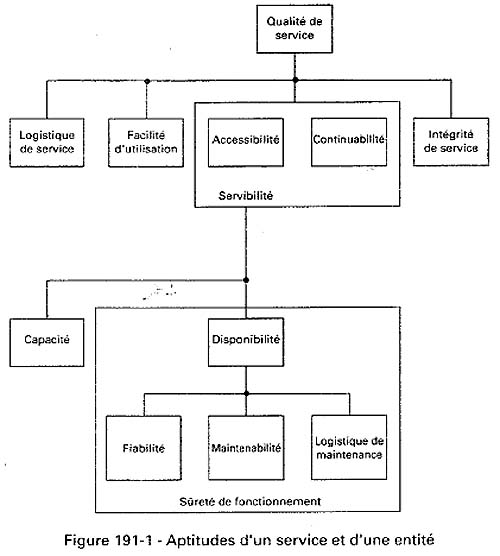
[IEV number 191-02-07]
maintenabilité
pour une entité donnée, utilisée dans des conditions données d'utilisation, probabilité pour qu'une opération donnée de maintenance active puisse être effectuée pendant un intervalle de temps donné, lorsque la maintenance est assurée dans des conditions données et avec l'utilisation de procédures et de moyens prescrits
NOTE – Le terme "maintenabilité" est aussi employé pour désigner l'aptitude caractérisée par cette probabilité.
Source: voir 191-02-07
[IEV number 191-13-01]Тематики
- надежность, основные понятия
- ресурсосбережение, обращение с отходами
- система техн. обслуж. и ремонта техники
- тех. обсл. и ремонт средств электросвязи
Обобщающие термины
EN
DE
FR
эксплуатационная надёжность
—
[А.С.Гольдберг. Англо-русский энергетический словарь. 2006 г.]Тематики
EN
1.4. Ремонтопригодность
Maintainability
Свойство объекта, заключающееся в приспособленности к поддержанию и восстановлению работоспособного состояния путем технического обслуживания и ремонта
Источник: ГОСТ 27.002-89: Надежность в технике. Основные понятия. Термины и определения оригинал документа
3.38 ремонтопригодность (maintainability): Вероятность того, что конкретная операция по обслуживанию устройства в данных условиях эксплуатации может быть выполнена в заранее определенный период времени, в заранее определенных условиях с использованием заранее определенных операций и средств.
[МЭК 60987, пункт 2.10, модифицировано]
Источник: ГОСТ Р МЭК 61513-2011: Атомные станции. Системы контроля и управления, важные для безопасности. Общие требования оригинал документа
Англо-русский словарь нормативно-технической терминологии > maintainability
-
42 Concepts
From a psychological perspective, concepts are mental representations of classes (e.g., one's beliefs about the class of dogs or tables), and their most salient function is to promote cognitive economy.... By partitioning the world into classes, we decrease the amount of information we must perceive, learn, remember, communicate, and reason about. Thus, if we had no concepts, we would have to refer to each individual entity by its own name; every different table, for example, would be denoted by a different word. The mental lexicon required would be so enormous that communication as we know it might be impossible. Other mental functions might collapse under the sheer number of entities we would have to keep track of.Another important function of concepts is that they enable us to go beyond the information given.... When we come across an object, say a wolf, we have direct knowledge only of its appearance. It is essential that we go beyond appearances and bring to bear other knowledge that we have, such as our belief that wolves can bite and inflict severe injury. Concepts are our means of linking perceptual and nonperceptual information. We use a perceptual description of the creature in front of us to access the concept wolf and then use our nonperceptual beliefs to direct our behavior, that is, run. Concepts, then, are recognition devices; they serve as entry points into our knowledge stores and provide us with expectations that we can use to guide our actions.A third important function of concepts is that they can be combined to form complex concepts and thoughts. Stoves and burn are two simple concepts; Stoves can burn is a full-fledged thought. Presumably our understanding of this thought, and of complex concepts in general, is based on our understanding of the constituent concepts. (Smith, 1988, pp. 19-20)The concept may be a butterfly. It may be a person he has known. It may be an animal, a city, a type of action, or a quality. Each concept calls for a name. These names are wanted for what may be a noun or a verb, an adjective or an adverb. Concepts of this type have been formed gradually over the years from childhood on. Each time a thing is seen or heard or experienced, the individual has a perception of it. A part of that perception comes from his own concomitant interpretation. Each successive perception forms and probably alters the permanent concept. And words are acquired gradually, also, and deposited somehow in the treasure-house of word memory.... Words are often acquired simultaneously with the concepts.... A little boy may first see a butterfly fluttering from flower to flower in a meadow. Later he sees them on the wing or in pictures, many times. On each occasion he adds to his conception of butterfly.It becomes a generalization from many particulars. He builds up a concept of a butterfly which he can remember and summon at will, although when he comes to manhood, perhaps, he can recollect none of the particular butterflies of past experience.The same is true of the sequence of sound that makes up a melody. He remembers it after he has forgotten each of the many times he heard or perhaps sang or played it. The same is true of colours. He acquires, quite quickly, the concept of lavender, although all the objects of which he saw the colour have faded beyond the frontier of voluntary recall. The same is true of the generalization he forms of an acquaintance. Later on he can summon his concept of the individual without recalling their many meetings. (Penfield, 1959, pp. 228-229)Historical dictionary of quotations in cognitive science > Concepts
-
43 Reading
1) The Discovery of Truth Depends on the Thoughtful Reading of Authoritative TextsFor the Middle Ages, all discovery of truth was first reception of traditional authorities, then later-in the thirteenth century-rational reconciliation of authoritative texts. A comprehension of the world was not regarded as a creative function but as an assimilation and retracing of given facts; the symbolic expression of this being reading. The goal and the accomplishment of the thinker is to connect all these facts together in the form of the "summa." Dante's cosmic poem is such a summa too. (Curtius, 1973, p. 326)The readers of books... extend or concentrate a function common to us all. Reading letters on a page is only one of its many guises. The astronomer reading a map of stars that no longer exist; the Japanese architect reading the land on which a house is to be built so as to guard it from evil forces; the zoologist reading the spoor of animals in the forest; the card-player reading her partner's gestures before playing the winning card; the dancer reading the choreographer's notations, and the public reading the dancer's movements on the stage; the weaver reading the intricate design of a carpet being woven; the organ-player reading various simultaneous strands of music orchestrated on the page; the parent reading the baby's face for signs of joy or fright, or wonder; the Chinese fortune-teller reading the ancient marks on the shell of a tortoise; the lover blindly reading the loved one's body at night, under the sheets; the psychiatrist helping patients read their own bewildering dreams; the Hawaiian fisherman reading the ocean currents by plunging a hand into the water; the farmer reading the weather in the sky-all these share with book-readers the craft of deciphering and translating signs....We all read ourselves and the world around us in order to glimpse what and where we are. We read to understand, or to begin to understand. We cannot do but read. Reading, almost as much as breathing, is our essential function. (Manguel, 1996, pp. 6-7)There is a pitched battle between those theorists and modellers who embrace the primacy of syntax and those who embrace the primacy of semantics in language processing. At times both schools have committed various excesses. For example, some of the former have relied foolishly on context-free mathematical-combinatory models, while some of the latter have flirted with versions of the "direct-access hypothesis," the idea that skilled readers process printed language directly into meaning without phonological or even syntactic processing. The problems with the first excess are patent. Those with the second are more complex and demand more research. Unskilled readers apparently do rely more on phonological processing than do skilled ones; hence their spoken dialects may interfere with their reading-and writing-habits. But the extent to which phonological processing is absent in the skilled reader has not been established, and the contention that syntactic processing is suspended in the skilled reader is surely wrong and not supported by empirical evidence-though blood-flow patterns in the brain are curiously different during speaking, oral reading, and silent reading. (M. L. Johnson, 1988, pp. 101-102)Historical dictionary of quotations in cognitive science > Reading
-
44 near cash
!гос. фин. The resource budget contains a separate control total for “near cash” expenditure, that is expenditure such as pay and current grants which impacts directly on the measure of the golden rule.This paper provides background information on the framework for the planning and control of public expenditure in the UK which has been operated since the 1998 Comprehensive Spending Review (CSR). It sets out the different classifications of spending for budgeting purposes and why these distinctions have been adopted. It discusses how the public expenditure framework is designed to ensure both sound public finances and an outcome-focused approach to public expenditure.The UK's public spending framework is based on several key principles:"consistency with a long-term, prudent and transparent regime for managing the public finances as a whole;" "the judgement of success by policy outcomes rather than resource inputs;" "strong incentives for departments and their partners in service delivery to plan over several years and plan together where appropriate so as to deliver better public services with greater cost effectiveness; and"the proper costing and management of capital assets to provide the right incentives for public investment.The Government sets policy to meet two firm fiscal rules:"the Golden Rule states that over the economic cycle, the Government will borrow only to invest and not to fund current spending; and"the Sustainable Investment Rule states that net public debt as a proportion of GDP will be held over the economic cycle at a stable and prudent level. Other things being equal, net debt will be maintained below 40 per cent of GDP over the economic cycle.Achievement of the fiscal rules is assessed by reference to the national accounts, which are produced by the Office for National Statistics, acting as an independent agency. The Government sets its spending envelope to comply with these fiscal rules.Departmental Expenditure Limits ( DEL) and Annually Managed Expenditure (AME)"Departmental Expenditure Limit ( DEL) spending, which is planned and controlled on a three year basis in Spending Reviews; and"Annually Managed Expenditure ( AME), which is expenditure which cannot reasonably be subject to firm, multi-year limits in the same way as DEL. AME includes social security benefits, local authority self-financed expenditure, debt interest, and payments to EU institutions.More information about DEL and AME is set out below.In Spending Reviews, firm DEL plans are set for departments for three years. To ensure consistency with the Government's fiscal rules departments are set separate resource (current) and capital budgets. The resource budget contains a separate control total for “near cash” expenditure, that is expenditure such as pay and current grants which impacts directly on the measure of the golden rule.To encourage departments to plan over the medium term departments may carry forward unspent DEL provision from one year into the next and, subject to the normal tests for tautness and realism of plans, may be drawn down in future years. This end-year flexibility also removes any incentive for departments to use up their provision as the year end approaches with less regard to value for money. For the full benefits of this flexibility and of three year plans to feed through into improved public service delivery, end-year flexibility and three year budgets should be cascaded from departments to executive agencies and other budget holders.Three year budgets and end-year flexibility give those managing public services the stability to plan their operations on a sensible time scale. Further, the system means that departments cannot seek to bid up funds each year (before 1997, three year plans were set and reviewed in annual Public Expenditure Surveys). So the credibility of medium-term plans has been enhanced at both central and departmental level.Departments have certainty over the budgetary allocation over the medium term and these multi-year DEL plans are strictly enforced. Departments are expected to prioritise competing pressures and fund these within their overall annual limits, as set in Spending Reviews. So the DEL system provides a strong incentive to control costs and maximise value for money.There is a small centrally held DEL Reserve. Support from the Reserve is available only for genuinely unforeseeable contingencies which departments cannot be expected to manage within their DEL.AME typically consists of programmes which are large, volatile and demand-led, and which therefore cannot reasonably be subject to firm multi-year limits. The biggest single element is social security spending. Other items include tax credits, Local Authority Self Financed Expenditure, Scottish Executive spending financed by non-domestic rates, and spending financed from the proceeds of the National Lottery.AME is reviewed twice a year as part of the Budget and Pre-Budget Report process reflecting the close integration of the tax and benefit system, which was enhanced by the introduction of tax credits.AME is not subject to the same three year expenditure limits as DEL, but is still part of the overall envelope for public expenditure. Affordability is taken into account when policy decisions affecting AME are made. The Government has committed itself not to take policy measures which are likely to have the effect of increasing social security or other elements of AME without taking steps to ensure that the effects of those decisions can be accommodated prudently within the Government's fiscal rules.Given an overall envelope for public spending, forecasts of AME affect the level of resources available for DEL spending. Cautious estimates and the AME margin are built in to these AME forecasts and reduce the risk of overspending on AME.Together, DEL plus AME sum to Total Managed Expenditure (TME). TME is a measure drawn from national accounts. It represents the current and capital spending of the public sector. The public sector is made up of central government, local government and public corporations.Resource and Capital Budgets are set in terms of accruals information. Accruals information measures resources as they are consumed rather than when the cash is paid. So for example the Resource Budget includes a charge for depreciation, a measure of the consumption or wearing out of capital assets."Non cash charges in budgets do not impact directly on the fiscal framework. That may be because the national accounts use a different way of measuring the same thing, for example in the case of the depreciation of departmental assets. Or it may be that the national accounts measure something different: for example, resource budgets include a cost of capital charge reflecting the opportunity cost of holding capital; the national accounts include debt interest."Within the Resource Budget DEL, departments have separate controls on:"Near cash spending, the sub set of Resource Budgets which impacts directly on the Golden Rule; and"The amount of their Resource Budget DEL that departments may spend on running themselves (e.g. paying most civil servants’ salaries) is limited by Administration Budgets, which are set in Spending Reviews. Administration Budgets are used to ensure that as much money as practicable is available for front line services and programmes. These budgets also help to drive efficiency improvements in departments’ own activities. Administration Budgets exclude the costs of frontline services delivered directly by departments.The Budget preceding a Spending Review sets an overall envelope for public spending that is consistent with the fiscal rules for the period covered by the Spending Review. In the Spending Review, the Budget AME forecast for year one of the Spending Review period is updated, and AME forecasts are made for the later years of the Spending Review period.The 1998 Comprehensive Spending Review ( CSR), which was published in July 1998, was a comprehensive review of departmental aims and objectives alongside a zero-based analysis of each spending programme to determine the best way of delivering the Government's objectives. The 1998 CSR allocated substantial additional resources to the Government's key priorities, particularly education and health, for the three year period from 1999-2000 to 2001-02.Delivering better public services does not just depend on how much money the Government spends, but also on how well it spends it. Therefore the 1998 CSR introduced Public Service Agreements (PSAs). Each major government department was given its own PSA setting out clear targets for achievements in terms of public service improvements.The 1998 CSR also introduced the DEL/ AME framework for the control of public spending, and made other framework changes. Building on the investment and reforms delivered by the 1998 CSR, successive spending reviews in 2000, 2002 and 2004 have:"provided significant increase in resources for the Government’s priorities, in particular health and education, and cross-cutting themes such as raising productivity; extending opportunity; and building strong and secure communities;" "enabled the Government significantly to increase investment in public assets and address the legacy of under investment from past decades. Departmental Investment Strategies were introduced in SR2000. As a result there has been a steady increase in public sector net investment from less than ¾ of a per cent of GDP in 1997-98 to 2¼ per cent of GDP in 2005-06, providing better infrastructure across public services;" "introduced further refinements to the performance management framework. PSA targets have been reduced in number over successive spending reviews from around 300 to 110 to give greater focus to the Government’s highest priorities. The targets have become increasingly outcome-focused to deliver further improvements in key areas of public service delivery across Government. They have also been refined in line with the conclusions of the Devolving Decision Making Review to provide a framework which encourages greater devolution and local flexibility. Technical Notes were introduced in SR2000 explaining how performance against each PSA target will be measured; and"not only allocated near cash spending to departments, but also – since SR2002 - set Resource DEL plans for non cash spending.To identify what further investments and reforms are needed to equip the UK for the global challenges of the decade ahead, on 19 July 2005 the Chief Secretary to the Treasury announced that the Government intends to launch a second Comprehensive Spending Review (CSR) reporting in 2007.A decade on from the first CSR, the 2007 CSR will represent a long-term and fundamental review of government expenditure. It will cover departmental allocations for 2008-09, 2009-10 and 2010 11. Allocations for 2007-08 will be held to the agreed figures already announced by the 2004 Spending Review. To provide a rigorous analytical framework for these departmental allocations, the Government will be taking forward a programme of preparatory work over 2006 involving:"an assessment of what the sustained increases in spending and reforms to public service delivery have achieved since the first CSR. The assessment will inform the setting of new objectives for the decade ahead;" "an examination of the key long-term trends and challenges that will shape the next decade – including demographic and socio-economic change, globalisation, climate and environmental change, global insecurity and technological change – together with an assessment of how public services will need to respond;" "to release the resources needed to address these challenges, and to continue to secure maximum value for money from public spending over the CSR period, a set of zero-based reviews of departments’ baseline expenditure to assess its effectiveness in delivering the Government’s long-term objectives; together with"further development of the efficiency programme, building on the cross cutting areas identified in the Gershon Review, to embed and extend ongoing efficiency savings into departmental expenditure planning.The 2007 CSR also offers the opportunity to continue to refine the PSA framework so that it drives effective delivery and the attainment of ambitious national standards.Public Service Agreements (PSAs) were introduced in the 1998 CSR. They set out agreed targets detailing the outputs and outcomes departments are expected to deliver with the resources allocated to them. The new spending regime places a strong emphasis on outcome targets, for example in providing for better health and higher educational standards or service standards. The introduction in SR2004 of PSA ‘standards’ will ensure that high standards in priority areas are maintained.The Government monitors progress against PSA targets, and departments report in detail twice a year in their annual Departmental Reports (published in spring) and in their autumn performance reports. These reports provide Parliament and the public with regular updates on departments’ performance against their targets.Technical Notes explain how performance against each PSA target will be measured.To make the most of both new investment and existing assets, there needs to be a coherent long term strategy against which investment decisions are taken. Departmental Investment Strategies (DIS) set out each department's plans to deliver the scale and quality of capital stock needed to underpin its objectives. The DIS includes information about the department's existing capital stock and future plans for that stock, as well as plans for new investment. It also sets out the systems that the department has in place to ensure that it delivers its capital programmes effectively.This document was updated on 19 December 2005.Near-cash resource expenditure that has a related cash implication, even though the timing of the cash payment may be slightly different. For example, expenditure on gas or electricity supply is incurred as the fuel is used, though the cash payment might be made in arrears on aquarterly basis. Other examples of near-cash expenditure are: pay, rental.Net cash requirement the upper limit agreed by Parliament on the cash which a department may draw from theConsolidated Fund to finance the expenditure within the ambit of its Request forResources. It is equal to the agreed amount of net resources and net capital less non-cashitems and working capital.Non-cash cost costs where there is no cash transaction but which are included in a body’s accounts (or taken into account in charging for a service) to establish the true cost of all the resourcesused.Non-departmental a body which has a role in the processes of government, but is not a government public body, NDPBdepartment or part of one. NDPBs accordingly operate at arm’s length from governmentMinisters.Notional cost of a cost which is taken into account in setting fees and charges to improve comparability with insuranceprivate sector service providers.The charge takes account of the fact that public bodies donot generally pay an insurance premium to a commercial insurer.the independent body responsible for collecting and publishing official statistics about theUK’s society and economy. (At the time of going to print legislation was progressing tochange this body to the Statistics Board).Office of Government an office of the Treasury, with a status similar to that of an agency, which aims to maximise Commerce, OGCthe government’s purchasing power for routine items and combine professional expertiseto bear on capital projects.Office of the the government department responsible for discharging the Paymaster General’s statutoryPaymaster General,responsibilities to hold accounts and make payments for government departments and OPGother public bodies.Orange bookthe informal title for Management of Risks: Principles and Concepts, which is published by theTreasury for the guidance of public sector bodies.Office for NationalStatistics, ONS60Managing Public Money————————————————————————————————————————"GLOSSARYOverdraftan account with a negative balance.Parliament’s formal agreement to authorise an activity or expenditure.Prerogative powerspowers exercisable under the Royal Prerogative, ie powers which are unique to the Crown,as contrasted with common-law powers which may be available to the Crown on the samebasis as to natural persons.Primary legislationActs which have been passed by the Westminster Parliament and, where they haveappropriate powers, the Scottish Parliament and the Northern Ireland Assembly. Begin asBills until they have received Royal Assent.arrangements under which a public sector organisation contracts with a private sectorentity to construct a facility and provide associated services of a specified quality over asustained period. See annex 7.5.Proprietythe principle that patterns of resource consumption should respect Parliament’s intentions,conventions and control procedures, including any laid down by the PAC. See box 2.4.Public Accountssee Committee of Public Accounts.CommitteePublic corporationa trading body controlled by central government, local authority or other publiccorporation that has substantial day to day operating independence. See section 7.8.Public Dividend finance provided by government to public sector bodies as an equity stake; an alternative to Capital, PDCloan finance.Public Service sets out what the public can expect the government to deliver with its resources. EveryAgreement, PSAlarge government department has PSA(s) which specify deliverables as targets or aimsrelated to objectives.a structured arrangement between a public sector and a private sector organisation tosecure an outcome delivering good value for money for the public sector. It is classified tothe public or private sector according to which has more control.Rate of returnthe financial remuneration delivered by a particular project or enterprise, expressed as apercentage of the net assets employed.Regularitythe principle that resource consumption should accord with the relevant legislation, therelevant delegated authority and this document. See box 2.4.Request for the functional level into which departmental Estimates may be split. RfRs contain a number Resources, RfRof functions being carried out by the department in pursuit of one or more of thatdepartment’s objectives.Resource accountan accruals account produced in line with the Financial Reporting Manual (FReM).Resource accountingthe system under which budgets, Estimates and accounts are constructed in a similar wayto commercial audited accounts, so that both plans and records of expenditure allow in fullfor the goods and services which are to be, or have been, consumed – ie not just the cashexpended.Resource budgetthe means by which the government plans and controls the expenditure of resources tomeet its objectives.Restitutiona legal concept which allows money and property to be returned to its rightful owner. Ittypically operates where another person can be said to have been unjustly enriched byreceiving such monies.Return on capital the ratio of profit to capital employed of an accounting entity during an identified period.employed, ROCEVarious measures of profit and of capital employed may be used in calculating the ratio.Public Privatepartnership, PPPPrivate Finance Initiative, PFIParliamentaryauthority61Managing Public Money"————————————————————————————————————————GLOSSARYRoyal charterthe document setting out the powers and constitution of a corporation established underprerogative power of the monarch acting on Privy Council advice.Second readingthe second formal time that a House of Parliament may debate a bill, although in practicethe first substantive debate on its content. If successful, it is deemed to denoteParliamentary approval of the principle of the proposed legislation.Secondary legislationlaws, including orders and regulations, which are made using powers in primary legislation.Normally used to set out technical and administrative provision in greater detail thanprimary legislation, they are subject to a less intense level of scrutiny in Parliament.European legislation is,however,often implemented in secondary legislation using powers inthe European Communities Act 1972.Service-level agreement between parties, setting out in detail the level of service to be performed.agreementWhere agreements are between central government bodies, they are not legally a contractbut have a similar function.Shareholder Executive a body created to improve the government’s performance as a shareholder in businesses.Spending reviewsets out the key improvements in public services that the public can expect over a givenperiod. It includes a thorough review of departmental aims and objectives to find the bestway of delivering the government’s objectives, and sets out the spending plans for the givenperiod.State aidstate support for a domestic body or company which could distort EU competition and sois not usually allowed. See annex 4.9.Statement of Excessa formal statement detailing departments’ overspends prepared by the Comptroller andAuditor General as a result of undertaking annual audits.Statement on Internal an annual statement that Accounting Officers are required to make as part of the accounts Control, SICon a range of risk and control issues.Subheadindividual elements of departmental expenditure identifiable in Estimates as single cells, forexample cell A1 being administration costs within a particular line of departmental spending.Supplyresources voted by Parliament in response to Estimates, for expenditure by governmentdepartments.Supply Estimatesa statement of the resources the government needs in the coming financial year, and forwhat purpose(s), by which Parliamentary authority is sought for the planned level ofexpenditure and income.Target rate of returnthe rate of return required of a project or enterprise over a given period, usually at least a year.Third sectorprivate sector bodies which do not act commercially,including charities,social and voluntaryorganisations and other not-for-profit collectives. See annex 7.7.Total Managed a Treasury budgeting term which covers all current and capital spending carried out by the Expenditure,TMEpublic sector (ie not just by central departments).Trading fundan organisation (either within a government department or forming one) which is largely orwholly financed from commercial revenue generated by its activities. Its Estimate shows itsnet impact, allowing its income from receipts to be devoted entirely to its business.Treasury Minutea formal administrative document drawn up by the Treasury, which may serve a wide varietyof purposes including seeking Parliamentary approval for the use of receipts asappropriations in aid, a remission of some or all of the principal of voted loans, andresponding on behalf of the government to reports by the Public Accounts Committee(PAC).62Managing Public Money————————————————————————————————————————GLOSSARY63Managing Public MoneyValue for moneythe process under which organisation’s procurement, projects and processes aresystematically evaluated and assessed to provide confidence about suitability, effectiveness,prudence,quality,value and avoidance of error and other waste,judged for the public sectoras a whole.Virementthe process through which funds are moved between subheads such that additionalexpenditure on one is met by savings on one or more others.Votethe process by which Parliament approves funds in response to supply Estimates.Voted expenditureprovision for expenditure that has been authorised by Parliament. Parliament ‘votes’authority for public expenditure through the Supply Estimates process. Most expenditureby central government departments is authorised in this way.Wider market activity activities undertaken by central government organisations outside their statutory duties,using spare capacity and aimed at generating a commercial profit. See annex 7.6.Windfallmonies received by a department which were not anticipated in the spending review.———————————————————————————————————————— -
45 as
в пересчете наacidity as acetic acid, mg/100ml кислотность в пересчете на уксусную кислоту, мг/100 мл;esters as ethyl acetate, mg/100ml содержание эфиров в пересчете на этилацетат, мг/100 млas and when required по первому требованиюas applicable 1. в конкретных случаях; в зависимости от конкретных условий 2. в каждом конкретном случае 3. в зависимости от применения / ситуации / обстоятельств 4. по принадлежности 5. установленным порядком; в установленном порядке; как положено 6. в части касающейсяas applied to 1. применительно кtogether with permissible variations of these values as applied to the design of piping а также допустимые отклонения этих величин применительно к проектированию трубопроводных систем 2. в случаеas applied to А в случае Аas appropriate 1. в зависимости от того, что больше подходит / используется 2. там, где это уместно 3. если таковой имеется 4. соответственно 5. установленным порядком; в установленном порядке 6. как положено 7. (см. appropriate)as can be observed from как следует изas commissioned by А по поручению Аas a consequence в результате этогоas designed по проектуas directed by A по указанию А; согласно указаниям Аas determined определяемыйas distinct from в отличие отas distinguished from в отличие отas an exception: as an exception,for pipe with D0/t < 10, the value of S shall be the lesser of the following values Исключение составляют трубы с D (/t< 10, для которых за величину S принимается меньшее из следующих значенийas expected: A was very much as expected А во многом подтвердило наши ожиданияas far as possible в крайнем (переднем, заднем, верхнем и т.д.) положенииand hold levers (1) and (2) forward as far as possible и удерживать рычаги (1) и (2) в крайнем переднем положенииas follows 1. в следующем объеме 2. следующим образомas for Specification... по ТУ...as given in поas given in Specification... по ТУ...as a guide для справки;take smth. as a guide руководствоваться чем-л.;When..., one must take A as a guide При... следует руководствоваться Aas intended 1. исправно; нормальноthose parts whose failure to function as intended would result in a released fluid to the atmosphere[me] детали, прекращение нормальной работы которых приводит к выбросу жидкости в атмосферу2. как положено 3. в установленном порядкеas is typical in как это принято на / вas it applies по принадлежностиas it happens так получилось, чтоas long as: as long as the A is maintained при условии сохранения А;The design of the tool may vary as long as the essential dimensions are maintained При условии сохранения ключевых размеров конструкция инструмента может менятьсяas many as desired произвольный ( по количеству)as a minimum как минимумas nearly as possible с максимальным приближениемas normal в штатном режиме;work as normal работать в штатном режимеas of this writing в данный момент (т.е. когда пишутся эти строки)as opposed to (противит.) а не; в отличие от; в то время как; наоборотas (a) part of 1. в ходе (напр., выполнения чего-л.)as part of the production process в ходе производства 2. в рамках (напр., выполнения какой-л. программы)as a part of the inspection process в рамках единого процесса входного контроля;impact tests performed as part of the welding procedure qualification испытания на ударную вязкость, проводимые в рамках аттестации технологии сваркиas per по (в знач. в соответствии с)as per Dwg. \# по чертежу №as per Standard... по стандарту...as a proof of в доказательство (чего-л.)as received в состоянии поставки; в состоянии доставкиas recently as a couple of years ago, fast-tracking offshore projects became the main challenge for operators and contractors всего пару лет / каких-нибудь два года назад главной проблемой как для эксплуатационников, так и для строителей стало возведение морских объектов форсированными темпамиas reflected by судя поas related to применительно кas relevant 1. как положено 2. в установленном порядкеas required 1. в установленном порядке 2. как положено 3. не регламентируетсяas a result таким образом as a result of в связи сas small as: values as small as значения, начиная сas soon as с момента;as soon as he accepted job assignment с момента получения им рабочего заданияas soon as possible безотлагательно; без промедленияas specified 1. в соответствии с нормативными требованиями 2. в установленном порядкеas specified in [NACE MR01-75] по стандарту [NACE MR01-75]as stock items частямиas typified by о чем можно судить, например, поas used in применительно к чему-л.;as used in engineering design and construction применительно к проектированию и производству работas well as \as при одновременном...;A would increase В as well as decrease С А повышает В при одновременном снижении Сas a whole в полном объемеThese rules apply only when specified by the owner, and only as a whole, not in part Эти правила имеют силу только в том случае, если они предписываются владельцем, причем только в полном объеме, а не частичноEnglish-Russian dictionary of scientific and technical difficulties vocabulary > as
-
46 Language
Philosophy is written in that great book, the universe, which is always open, right before our eyes. But one cannot understand this book without first learning to understand the language and to know the characters in which it is written. It is written in the language of mathematics, and the characters are triangles, circles, and other figures. Without these, one cannot understand a single word of it, and just wanders in a dark labyrinth. (Galileo, 1990, p. 232)It never happens that it [a nonhuman animal] arranges its speech in various ways in order to reply appropriately to everything that may be said in its presence, as even the lowest type of man can do. (Descartes, 1970a, p. 116)It is a very remarkable fact that there are none so depraved and stupid, without even excepting idiots, that they cannot arrange different words together, forming of them a statement by which they make known their thoughts; while, on the other hand, there is no other animal, however perfect and fortunately circumstanced it may be, which can do the same. (Descartes, 1967, p. 116)Human beings do not live in the object world alone, nor alone in the world of social activity as ordinarily understood, but are very much at the mercy of the particular language which has become the medium of expression for their society. It is quite an illusion to imagine that one adjusts to reality essentially without the use of language and that language is merely an incidental means of solving specific problems of communication or reflection. The fact of the matter is that the "real world" is to a large extent unconsciously built on the language habits of the group.... We see and hear and otherwise experience very largely as we do because the language habits of our community predispose certain choices of interpretation. (Sapir, 1921, p. 75)It powerfully conditions all our thinking about social problems and processes.... No two languages are ever sufficiently similar to be considered as representing the same social reality. The worlds in which different societies live are distinct worlds, not merely the same worlds with different labels attached. (Sapir, 1985, p. 162)[A list of language games, not meant to be exhaustive:]Giving orders, and obeying them- Describing the appearance of an object, or giving its measurements- Constructing an object from a description (a drawing)Reporting an eventSpeculating about an eventForming and testing a hypothesisPresenting the results of an experiment in tables and diagramsMaking up a story; and reading itPlay actingSinging catchesGuessing riddlesMaking a joke; and telling itSolving a problem in practical arithmeticTranslating from one language into anotherLANGUAGE Asking, thanking, cursing, greeting, and praying-. (Wittgenstein, 1953, Pt. I, No. 23, pp. 11 e-12 e)We dissect nature along lines laid down by our native languages.... The world is presented in a kaleidoscopic flux of impressions which has to be organized by our minds-and this means largely by the linguistic systems in our minds.... No individual is free to describe nature with absolute impartiality but is constrained to certain modes of interpretation even while he thinks himself most free. (Whorf, 1956, pp. 153, 213-214)We dissect nature along the lines laid down by our native languages.The categories and types that we isolate from the world of phenomena we do not find there because they stare every observer in the face; on the contrary, the world is presented in a kaleidoscopic flux of impressions which has to be organized by our minds-and this means largely by the linguistic systems in our minds.... We are thus introduced to a new principle of relativity, which holds that all observers are not led by the same physical evidence to the same picture of the universe, unless their linguistic backgrounds are similar or can in some way be calibrated. (Whorf, 1956, pp. 213-214)9) The Forms of a Person's Thoughts Are Controlled by Unperceived Patterns of His Own LanguageThe forms of a person's thoughts are controlled by inexorable laws of pattern of which he is unconscious. These patterns are the unperceived intricate systematizations of his own language-shown readily enough by a candid comparison and contrast with other languages, especially those of a different linguistic family. (Whorf, 1956, p. 252)It has come to be commonly held that many utterances which look like statements are either not intended at all, or only intended in part, to record or impart straightforward information about the facts.... Many traditional philosophical perplexities have arisen through a mistake-the mistake of taking as straightforward statements of fact utterances which are either (in interesting non-grammatical ways) nonsensical or else intended as something quite different. (Austin, 1962, pp. 2-3)In general, one might define a complex of semantic components connected by logical constants as a concept. The dictionary of a language is then a system of concepts in which a phonological form and certain syntactic and morphological characteristics are assigned to each concept. This system of concepts is structured by several types of relations. It is supplemented, furthermore, by redundancy or implicational rules..., representing general properties of the whole system of concepts.... At least a relevant part of these general rules is not bound to particular languages, but represents presumably universal structures of natural languages. They are not learned, but are rather a part of the human ability to acquire an arbitrary natural language. (Bierwisch, 1970, pp. 171-172)In studying the evolution of mind, we cannot guess to what extent there are physically possible alternatives to, say, transformational generative grammar, for an organism meeting certain other physical conditions characteristic of humans. Conceivably, there are none-or very few-in which case talk about evolution of the language capacity is beside the point. (Chomsky, 1972, p. 98)[It is] truth value rather than syntactic well-formedness that chiefly governs explicit verbal reinforcement by parents-which renders mildly paradoxical the fact that the usual product of such a training schedule is an adult whose speech is highly grammatical but not notably truthful. (R. O. Brown, 1973, p. 330)he conceptual base is responsible for formally representing the concepts underlying an utterance.... A given word in a language may or may not have one or more concepts underlying it.... On the sentential level, the utterances of a given language are encoded within a syntactic structure of that language. The basic construction of the sentential level is the sentence.The next highest level... is the conceptual level. We call the basic construction of this level the conceptualization. A conceptualization consists of concepts and certain relations among those concepts. We can consider that both levels exist at the same point in time and that for any unit on one level, some corresponding realizate exists on the other level. This realizate may be null or extremely complex.... Conceptualizations may relate to other conceptualizations by nesting or other specified relationships. (Schank, 1973, pp. 191-192)The mathematics of multi-dimensional interactive spaces and lattices, the projection of "computer behavior" on to possible models of cerebral functions, the theoretical and mechanical investigation of artificial intelligence, are producing a stream of sophisticated, often suggestive ideas.But it is, I believe, fair to say that nothing put forward until now in either theoretic design or mechanical mimicry comes even remotely in reach of the most rudimentary linguistic realities. (Steiner, 1975, p. 284)The step from the simple tool to the master tool, a tool to make tools (what we would now call a machine tool), seems to me indeed to parallel the final step to human language, which I call reconstitution. It expresses in a practical and social context the same understanding of hierarchy, and shows the same analysis by function as a basis for synthesis. (Bronowski, 1977, pp. 127-128)t is the language donn eґ in which we conduct our lives.... We have no other. And the danger is that formal linguistic models, in their loosely argued analogy with the axiomatic structure of the mathematical sciences, may block perception.... It is quite conceivable that, in language, continuous induction from simple, elemental units to more complex, realistic forms is not justified. The extent and formal "undecidability" of context-and every linguistic particle above the level of the phoneme is context-bound-may make it impossible, except in the most abstract, meta-linguistic sense, to pass from "pro-verbs," "kernals," or "deep deep structures" to actual speech. (Steiner, 1975, pp. 111-113)A higher-level formal language is an abstract machine. (Weizenbaum, 1976, p. 113)Jakobson sees metaphor and metonymy as the characteristic modes of binarily opposed polarities which between them underpin the two-fold process of selection and combination by which linguistic signs are formed.... Thus messages are constructed, as Saussure said, by a combination of a "horizontal" movement, which combines words together, and a "vertical" movement, which selects the particular words from the available inventory or "inner storehouse" of the language. The combinative (or syntagmatic) process manifests itself in contiguity (one word being placed next to another) and its mode is metonymic. The selective (or associative) process manifests itself in similarity (one word or concept being "like" another) and its mode is metaphoric. The "opposition" of metaphor and metonymy therefore may be said to represent in effect the essence of the total opposition between the synchronic mode of language (its immediate, coexistent, "vertical" relationships) and its diachronic mode (its sequential, successive, lineal progressive relationships). (Hawkes, 1977, pp. 77-78)It is striking that the layered structure that man has given to language constantly reappears in his analyses of nature. (Bronowski, 1977, p. 121)First, [an ideal intertheoretic reduction] provides us with a set of rules"correspondence rules" or "bridge laws," as the standard vernacular has it-which effect a mapping of the terms of the old theory (T o) onto a subset of the expressions of the new or reducing theory (T n). These rules guide the application of those selected expressions of T n in the following way: we are free to make singular applications of their correspondencerule doppelgangers in T o....Second, and equally important, a successful reduction ideally has the outcome that, under the term mapping effected by the correspondence rules, the central principles of T o (those of semantic and systematic importance) are mapped onto general sentences of T n that are theorems of Tn. (P. Churchland, 1979, p. 81)If non-linguistic factors must be included in grammar: beliefs, attitudes, etc. [this would] amount to a rejection of the initial idealization of language as an object of study. A priori such a move cannot be ruled out, but it must be empirically motivated. If it proves to be correct, I would conclude that language is a chaos that is not worth studying.... Note that the question is not whether beliefs or attitudes, and so on, play a role in linguistic behavior and linguistic judgments... [but rather] whether distinct cognitive structures can be identified, which interact in the real use of language and linguistic judgments, the grammatical system being one of these. (Chomsky, 1979, pp. 140, 152-153)23) Language Is Inevitably Influenced by Specific Contexts of Human InteractionLanguage cannot be studied in isolation from the investigation of "rationality." It cannot afford to neglect our everyday assumptions concerning the total behavior of a reasonable person.... An integrational linguistics must recognize that human beings inhabit a communicational space which is not neatly compartmentalized into language and nonlanguage.... It renounces in advance the possibility of setting up systems of forms and meanings which will "account for" a central core of linguistic behavior irrespective of the situation and communicational purposes involved. (Harris, 1981, p. 165)By innate [linguistic knowledge], Chomsky simply means "genetically programmed." He does not literally think that children are born with language in their heads ready to be spoken. He merely claims that a "blueprint is there, which is brought into use when the child reaches a certain point in her general development. With the help of this blueprint, she analyzes the language she hears around her more readily than she would if she were totally unprepared for the strange gabbling sounds which emerge from human mouths. (Aitchison, 1987, p. 31)Looking at ourselves from the computer viewpoint, we cannot avoid seeing that natural language is our most important "programming language." This means that a vast portion of our knowledge and activity is, for us, best communicated and understood in our natural language.... One could say that natural language was our first great original artifact and, since, as we increasingly realize, languages are machines, so natural language, with our brains to run it, was our primal invention of the universal computer. One could say this except for the sneaking suspicion that language isn't something we invented but something we became, not something we constructed but something in which we created, and recreated, ourselves. (Leiber, 1991, p. 8)Historical dictionary of quotations in cognitive science > Language
-
47 заданная функция
Большой англо-русский и русско-английский словарь > заданная функция
-
48 salon
'sælon, ]( American) sə'lon(a name sometimes given to a place where hairdressing etc is done: a beauty-salon; My hairdresser has opened a new salon.) salón de peluquería, salón de belleza
salón sustantivo masculino salón de baile ballroom; salón de belleza beauty salon, beauty parlor; salón de fiestas (AmL) function room, reception room; salón náutico/del automóvil boat/motor show
salón sustantivo masculino
1 (de una casa) lounge, living o sitting room
2 (de un edificio para diversos usos) hall
salón de actos, assembly hall, US auditorium
salón de conferencias, conference room
3 (establecimiento) salón de baile, ballroom, dance hall
salón de belleza, beauty salon o parlour, US parlor
salón de té, tearoom, teashop
4 (exposición) exhibition
salón del automóvil, motor show
5 (de) salón (frívolo, insustancial) un político/ escritor/periodista de salón, a second rate politician/ writer/journalist ' salón' also found in these entries: Spanish: barrer - comer - haber - instituto - mueble - pared - pisada - presidir - atestado - confitería - fastuoso - peinar - peluquería English: amusement arcade - apartment - assembly - ballroom - ballroom dancing - beauty parlour - beauty salon - dance hall - dancing - drawing room - grand - living room - lounge - salon - show - teashop - wedding reception - ball - beauty - board - court - drawing - front - hall - motor - parlor - pump - sales - sitting - teatr['sælɒn]1 (shop) salón nombre masculino\SMALLIDIOMATIC EXPRESSION/SMALLbeauty salon salón nombre masculino de bellezahairdressing salon peluqueríasalon [sə'lɑn, 'sæ.lɑn, sæ'lɔ̃] n: salón mbeauty salon: salón de bellezan.• exposición de obras de arte s.f.• sala s.f.• salón s.m.sə'lɑːn, 'sælɒnbeauty salon — salón m de belleza
['sælɒn]N salón mhair salon — salón m de peluquería
beauty salon — salón m de belleza
* * *[sə'lɑːn, 'sælɒn]beauty salon — salón m de belleza
-
49 discharge
1. transitive verb1) (dismiss, allow to leave) entlassen ( from aus); freisprechen [Angeklagte]; (exempt from liabilities) befreien ( from von)2) abschießen [Pfeil, Torpedo]; ablassen [Flüssigkeit, Gas]; absondern [Eiter]3) (fire) abfeuern [Gewehr, Kanone]4) erfüllen [Pflicht, Verbindlichkeiten, Versprechen]; bezahlen [Schulden]2. intransitive verbentladen werden; [Schiff auch:] gelöscht werden; [Batterie:] sich entladen3. noun1) (dismissal) Entlassung, die ( from aus); (of defendant) Freispruch, der; (exemption from liabilities) Befreiung, die2) (emission) Ausfluss, der; (of gas) Austritt, der; (of pus) Absonderung, die; (Electr.) Entladung, die; (of gun) Abfeuern, das* * *1. verb1) (to allow to leave; to dismiss: The soldier was discharged from the army; She was discharged from hospital.) entlassen2) (to fire (a gun): He discharged his gun at the policeman.) abfeuern4) (to pay (a debt).) tilgen5) (to (cause to) let or send out: The chimney was discharging clouds of smoke; The drain discharged into the street.) ausströmen2. noun1) ((an) act of discharging: He was given his discharge from the army; the discharge of one's duties.) die Entlassung2) (pus etc coming from eg a wound.) der Eiterausfluß* * *dis·chargeI. vt[dɪsˈtʃɑ:ʤ, AM -ɑ:rʤ]1. (from confinement)▪ to \discharge sb jdn freisprechento \discharge a patient from hospital einen Patienten aus dem Krankenhaus entlassento \discharge a prisoner einen Gefangenen freilassen [o entlassen] [o SCHWEIZ a. fam springen lassen2. (from employment)to \discharge rounds [or shots] Schüsse abgeben [o abfeuern]to \discharge a weapon eine Waffe abfeuern4. (emit)the wound is still discharging a lot of fluid die Wunde sondert immer noch viel Flüssigkeit abto \discharge a liquid eine Flüssigkeit abgeben [o absondern]to \discharge sewage Abwasser ablassen [o ablaufen lassen]to \discharge smoke/gas Rauch/Gas ausstoßen [o ausströmen lassen5. (utter)to \discharge abuse Beleidigungen von sich dat geben▪ to \discharge sth etw bezahlen [o begleichen]to \discharge a debt eine Schuld tilgen [o begleichen]to \discharge one's liabilities eine Schuld begleichen, eine Verbindlichkeit erfüllento \discharge a bankrupt person einen Konkursschuldner/eine Konkursschuldnerin entlasten7. (perform)to \discharge one's duty seiner Verpflichtung nachkommen, seine Pflicht erfüllento \discharge one's responsibility seiner Verantwortung nachkommen, sich akk seiner Verantwortung stellen8. PHYS, ELEC▪ to \discharge sth etw entladen9. NAUT▪ to \discharge sth etw entladen [o ausladen]to \discharge cargo Ladung löschento \discharge a ship ein Schiff entladen▪ to \discharge sth etw aufhebenII. vi[dɪsˈtʃɑ:ʤ, AM -ɑ:rʤ]III. n[ˈdɪstʃɑ:ʤ, AM -ɑ:rʤ]absolute \discharge unbeschränkte Entlassung\discharge from hospital/prison Entlassung aus dem Krankenhaus/Gefängnis; of employee Kündigung f, Entlassung f; of soldier Abschied m, Entlassung fdishonourable \discharge MIL unehrenhafte Entlassungaccidental \discharge versehentliche Auslösungnasal \discharge Nasensekret nt, Nasenschleim mvaginal \discharge Scheidenausfluss m, Scheidensekret ntfinal \discharge letzte Tilgungsratein full \discharge of a debt Schuldentilgung f in voller Höhe\discharge of one's duty Pflichterfüllung f\discharge by performance Leistungserfüllung f7. PHYS, ELEC Entladung f9. LAW (ending of contract) Erlöschen eines Vertrages [durch Erfüllung, Befreiung, Vertragsverletzung]\discharge by agreement einverständliche Vertragsbeendigungconditional \discharge Strafaussetzung f zur Bewährung* * *[dɪs'tʃAːdZ]1. vt1) employee, prisoner, patient entlassen; accused freisprechenhe discharged himself (from hospital) — er hat das Krankenhaus auf eigene Verantwortung verlassen
2) (= emit ELEC) entladen; liquid, gas (pipe etc) ausstoßen; workers ausströmen lassen; (MED) ausscheiden, absondernthe factory was discharging toxic gas into the atmosphere — aus der Fabrik strömten giftige Gase in die Atmosphäre
the tanker was discharging oil into the Channel —
how much oil has been discharged? (deliberately) — wie viel Öl ist ausgelaufen? wie viel Öl hat man abgelassen?
3) (= unload) ship, cargo löschen4) (gun) abfeuern2. vi(wound, sore) eitern3. n['dɪstʃAːdZ]1) (= dismissal of employee, prisoner, patient) Entlassung f; (of accused) Freispruch m; (of soldier) Abschied m2) (ELEC) Entladung f; (of gas) Ausströmen nt; (of liquid MED) (vaginal) Ausfluss m; (of pus) Absonderung f* * *discharge [dısˈtʃɑː(r)dʒ]A v/t2. ausladen:a) ein Schiff etc entladenb) eine Ladung löschenc) Passagiere ausschiffen3. ein Gewehr, Geschoss etc abfeuern, abschießenthe river discharges itself into a lake der Fluss ergießt sich oder mündet in einen See6. Dämpfe etc von sich geben, ausströmen, -stoßen7. MED, PHYSIOL absondern:the ulcer discharges matter das Geschwür eitertof, from von Verpflichtungen etc;from doing sth davon, etwas zu tun)13. einen Wechsel einlösen14. JURa) einen Schuldner entlasten:discharge a bankrupt einen Gemeinschuldner entlastenb) obs einen Gläubiger befriedigen15. ein Amt verwalten, ausübendischarge one’s duty auch seiner Pflicht nachkommen17. THEAT obs eine Rolle spielen18. JUR ein Urteil etc aufheben19. Färberei: (aus)bleichen20. obs oder schott verbietenB v/i1. sich einer Last entledigen2. hervorströmen3. abfließen4. sich ergießen, münden ( beide:5. Flüssigkeit ausströmen lassen6. MED eitern7. losgehen, sich entladen (Gewehr etc)8. ELEK sich entladen9. ver-, auslaufen (Farbe)C s [a. ˈdıstʃɑː(r)dʒ]1. Entladung f (eines Schiffes etc)2. Löschung f (einer Ladung)3. Abfeuern n (eines Gewehrs etc)4. Aus-, Abfluss m5. TECHa) Ab-, Auslass m:discharge cock Ablasshahn m;discharge pipe Abflussrohr nb) Auslauf m (einer Verpackungsmaschine etc):discharge chute Auslaufrutsche f6. Abflussmenge f7. MED, PHYSIOLa) Absonderung f (von Speichel etc)b) (Augen- etc) Ausfluss m:8. a) Ausstoßen n (von Dämpfen etc)b) ELEK Entladung f:of, from von Verpflichtungen etc)12. JUR Aufhebung f (eines Urteils etc)13. JUR Entlastung f (eines Schuldners):discharge of a bankrupt Entlastung eines Gemeinschuldners14. a) Erfüllung f (einer Verpflichtung etc)b) Bezahlung f, Tilgung f (einer Schuld):in discharge of zur Begleichung von (od gen)c) Einlösung f (eines Wechsels)15. Erfüllung f (einer Pflicht etc)16. Verwaltung f, Ausübung f (eines Amtes)17. Quittung f:discharge in full vollständige Quittung19. ARCH Entlastung f, Stütze f* * *1. transitive verb1) (dismiss, allow to leave) entlassen ( from aus); freisprechen [Angeklagte]; (exempt from liabilities) befreien ( from von)2) abschießen [Pfeil, Torpedo]; ablassen [Flüssigkeit, Gas]; absondern [Eiter]3) (fire) abfeuern [Gewehr, Kanone]4) erfüllen [Pflicht, Verbindlichkeiten, Versprechen]; bezahlen [Schulden]2. intransitive verbentladen werden; [Schiff auch:] gelöscht werden; [Batterie:] sich entladen3. noun1) (dismissal) Entlassung, die ( from aus); (of defendant) Freispruch, der; (exemption from liabilities) Befreiung, die2) (emission) Ausfluss, der; (of gas) Austritt, der; (of pus) Absonderung, die; (Electr.) Entladung, die; (of gun) Abfeuern, das* * *(medicine) n.Ausfluss -ë m. (military) n.Verabschiedung f. n.Abfluss -¨ m.Austrag -¨e m.Austritt -e m.Durchfluss m.Erguss -e m. v.abführen v.ausladen v.entladen v.entlassen v.freisprechen v. -
50 Poisson's equation
< math> (Laplacian of an unknown function is equal to a given function) ■ Poisson'sche Potentialgleichung f ; poissonsche Potentialgleichung f -
51 run
1. noun1) Lauf, dermake a late run — (Sport or fig.) zum Endspurt ansetzen
come towards somebody/start off at a run — jemandem entgegenlaufen/losrennen
I've had a good run for my money — ich bin auf meine Kosten gekommen
go for a run [in the car] — einen [Auto]ausflug machen
3)she has had a long run of success — sie war lange [Zeit] erfolgreich
have a long run — [Stück, Show:] viele Aufführungen erleben
5) (tendency) Ablauf, derthe general run of things/events — der Lauf der Dinge/der Gang der Ereignisse
6) (regular route) Strecke, die7) (Cricket, Baseball) Lauf, der; Run, derproduction run — Ausstoß, der (Wirtsch.)
10)11) (unrestricted use)12) (animal enclosure) Auslauf, der2. intransitive verb,-nn-, ran, run1) laufen; (fast also) rennenrun for the bus — laufen od. rennen, um den Bus zu kriegen (ugs.)
2) (compete) laufen3) (hurry) laufendon't run to me when things go wrong — komm mir nicht angelaufen, wenn etwas schiefgeht (ugs.)
4) (roll) laufen; [Ball, Kugel:] rollen, laufen5) (slide) laufen; [Schlitten, [Schiebe]tür:] gleiten6) (revolve) [Rad, Maschine:] laufen7) (flee) davonlaufen8) (operate on a schedule) fahrenrun between two places — [Zug, Bus:] zwischen zwei Orten verkehren
the train is running late — der Zug hat Verspätung
the train doesn't run on Sundays — der Zug verkehrt nicht an Sonntagen
9) (pass cursorily)run through — überfliegen [Text]
run through one's head or mind — [Gedanken, Ideen:] einem durch den Kopf gehen
run through the various possibilities — die verschiedenen Möglichkeiten durchspielen
10) (flow) laufen; [Fluss:] fließenrun dry — [Fluss:] austrocknen; [Quelle:] versiegen
run low or short — knapp werden; ausgehen
11) (be current) [Vertrag, Theaterstück:] laufen12) (be present)run in the family — [Eigenschaft, Begabung:] in der Familie liegen
13) (function) laufenkeep/leave the engine running — den Motor laufen lassen/nicht abstellen
the machine runs on batteries/oil — etc. die Maschine läuft mit Batterien/Öl usw.
14) (have a course) [Straße, Bahnlinie:] verlaufeninflation is running at 15 % — die Inflationsrate beläuft sich auf od. beträgt 15 %
17) (seek election) kandidierenrun for mayor — für das Amt des Bürgermeisters kandidieren
18) (spread quickly)a shiver ran down my spine — ein Schau[d]er (geh.) lief mir den Rücken hinunter
19) (spread undesirably) [Butter, Eis:] zerlaufen; (in washing) [Farben:] auslaufen20) (ladder) [Strumpf:] Laufmaschen bekommen3. transitive verb,-nn-, ran, runrun one's hand/fingers through/along or over something — mit der Hand/den Fingern durch etwas fahren/über etwas (Akk.) streichen
run an or one's eye along or down or over something — (fig.) etwas überfliegen
2) (cause to flow) [ein]laufen lassen3) (organize, manage) führen, leiten [Geschäft usw.]; durchführen [Experiment]; veranstalten [Wettbewerb]; führen [Leben]4) (operate) bedienen [Maschine]; verkehren lassen [Verkehrsmittel]; einsetzen [Sonderbus, -zug]; laufen lassen [Motor]; abspielen [Tonband]run forward/back — vorwärts-/zurückspulen [Film, Tonband]
5) (own and use) sich (Dat.) halten [Auto]this car is expensive to run — dieses Auto ist im Unterhalt sehr teuer
6) (take for journey) fahrenI'll run you into town — ich fahre od. bringe dich in die Stadt
7) (pursue) jagenrun somebody hard or close — jemandem auf den Fersen sein od. sitzen (ugs.)
be run off one's feet — alle Hände voll zu tun haben (ugs.); (in business) Hochbetrieb haben (ugs.); see also academic.ru/23126/earth">earth 1. 4)
8) (complete) laufen [Rennen, Marathon, Strecke]run messages/errands — Botengänge machen
9)run a fever/a temperature — Fieber/erhöhte Temperatur haben
10) (publish) bringen (ugs.) [Bericht, Artikel usw.]Phrasal Verbs:- run away- run down- run in- run into- run off- run on- run out- run over- run to- run up* * *1. present participle - running; verb2) (to move smoothly: Trains run on rails.) fahren4) ((of a machine etc) to work or operate: The engine is running; He ran the motor to see if it was working.) laufen(lassen)5) (to organize or manage: He runs the business very efficiently.) leiten6) (to race: Is your horse running this afternoon?) laufen7) ((of buses, trains etc) to travel regularly: The buses run every half hour; The train is running late.) verkehren9) (to own and use, especially of cars: He runs a Rolls Royce.) sich halten12) (to move (something): She ran her fingers through his hair; He ran his eyes over the letter.) gleiten lassen13) ((in certain phrases) to be or become: The river ran dry; My blood ran cold (= I was afraid).) werden2. noun1) (the act of running: He went for a run before breakfast.) das Laufen2) (a trip or drive: We went for a run in the country.) der Abstecher6) (in cricket, a batsman's act of running from one end of the wicket to the other, representing a single score: He scored/made 50 runs for his team.) der Lauf7) (an enclosure or pen: a chicken-run.) der Auslauf•- runner- running 3. adverb(one after another; continuously: We travelled for four days running.) aufeinanderfolgend- runny- runaway
- rundown
- runner-up
- runway
- in
- out of the running
- on the run
- run across
- run after
- run aground
- run along
- run away
- run down
- run for
- run for it
- run in
- run into
- run its course
- run off
- run out
- run over
- run a temperature
- run through
- run to
- run up
- run wild* * *[rʌn]I. NOUNto let the dog out for [or let the dog have] a \run den Hund hinauslassen [o ÖSTERR fam äußerln führen]to break into a \run zu laufen beginnento go for [or do] a \run laufen gehenI go for [or do] a 5 mile \run before breakfast ich laufe vor dem Frühstück 5 Meilento set off/come in at a \run weg-/hereinlaufenhe took the ditch at a \run er nahm Anlauf und sprang über den Graben; ( fig)with his main rival out injured, he has a clear \run at the title da sein Hauptrivale verletzt ist, hat er keine Konkurrenten beim Kampf um den Titelthe \run down to the coast only takes half an hour man braucht nur eine halbe Stunde zur Küsteon the London—Glasgow \run auf der Strecke London—Glasgowbombing \run Bombardierungsstrecke f\run of bad/good luck Pech-/Glückssträhne fa long \run of bad weather eine lange Schlechtwetterperiodein the normal \run of things normalerweiseafter a short \run on Broadway nach kurzer Laufzeit am Broadwaythe company is planning a first \run of 10,000 red teddy bears die Firma plant eine Anfangsproduktion von 10.000 roten Teddybärena cheque \run Ausstellung f von Schecks durch Computera computer \run Arbeitsgang m [o Durchlauf m] eines Computerstest \run Probelauf ma sudden \run on the dollar has lowered its value die plötzliche Nachfrage nach dem Dollar ließ den Kurs sinkena \run on a bank ein Ansturm m auf eine Banka \run on the pound Panikverkäufe pl des Pfundestheir food is not the usual \run of hotel cooking ihr Essen hebt sich von der üblichen Hotelküche abchicken \run Hühnerhof mto score 4 \runs vier Treffer erzielento score a home \run einen Homerun erzielento have the \runs Dünnpfiff haben sl14.▶ to give sb a \run for their money jdn etw für sein Geld tun lassen▶ to have the \run of sth etw zur Verfügung habenwhile she's away, I have the \run of the house während sie weg ist, hat sie mir das Haus überlassen▶ to have a [good] \run for one's money etw für sein Geld bekommen▶ in the long \run langfristig, auf lange Sicht gesehen▶ in the short \run kurzfristigwhen I am rushed in the mornings, I eat breakfast on the \run wenn ich morgens in Eile bin, dann esse ich mein Frühstück auf dem Weg<ran, run>1. (move fast) laufen, rennenhe ran up/down the hill er rannte den Hügel hinauf/hinunterhe ran along/down the street er rannte die Straße entlang/hinunterhe ran into/out of the house er rannte in das Haus/aus dem Hauspeople came \running at the sound of shots Menschen kamen gelaufen, als sie Schüsse hörtento \run for the bus dem Bus nachlaufento \run for cover schnell in Deckung gehento \run for it sich akk aus dem Staub machento \run for one's life um sein Leben rennento \run for help um Hilfe laufento \run for the police die Polizei benachrichtigento \run on the spot auf der Stelle laufento go \running laufen gehen▪ to \run at sb jdn angreifenare there a lot of trains \running between London and York? verkehren viele Züge zwischen London und York?they had the new computer system up and \running within an hour sie hatten das neue Computerprogramm innerhalb einer Stunde installiert und am Laufen; ( fig)work is \running smoothly at the moment die Arbeit geht im Moment glatt von der Handto keep the economy \running die Wirtschaft am Laufen haltenthe route \runs through the mountains die Strecke führt durch die Bergea shiver ran down my back mir lief ein Schauder über den Rücken gehto \run off the road von der Straße abkommenthe vine \runs up the wall and along the fence die Weinreben schlingen sich die Wand hinauf und den Zaun entlang5. (extend)there's a beautiful cornice \running around all the ceilings ein wunderschönes Gesims verläuft um alle Decken6. (last) [an]dauernhow much longer does this course \run? wie lange dauert dieser Kurs noch?a magazine subscription usually only \runs for one year ein Zeitschriftenabonnement läuft normalerweise nur ein JahrI've had that tune \running in my head all day diese Melodie geht mir schon den ganzen Tag im Kopf herumthis show will \run and \run diese Show wird ewig laufen7. (be)inflation is \running at 10% die Inflationsrate beträgt 10 %; (amount to)he has an income \running into six figures er hat ein Einkommen, das sich auf sechsstellige Zahlen beläuft8. (flow) fließenI could feel trickles of sweat \running down my neck ich fühlte, wie mir die Schweißtropfen den Hals herunterliefentheir bodies were \running with sweat ihre Körper waren schweißüberströmtwhen the sand has \run through the egg timer, it'll be five minutes wenn der Sand durch die Eieruhr gelaufen ist, dann sind fünf Minuten vorbeithe river \runs [down] to the sea der Fluss mündet in das Meerthere was a strong tide/heavy sea \running die Flut/die See war hochdon't cry, or your make-up will \run weine nicht, sonst verwischt sich dein Make-upthe colour of the dress has \run das Kleid hat abgefärbtmy nose is \running meine Nase läuftif the paint is wet, the colours will \run into each other wenn die Farbe nass ist, fließen die Farben ineinanderto \run for President für das Präsidentenamt kandidieren, sich akk für das Amt des Präsidenten bewerben▪ to \run against sb gegen jdn kandidieren10. (in tights)oh no, my tights have \run oh nein, ich habe eine Laufmasche im Strumpf11. (proceed) verlaufencan you give me an idea of how the discussion ran? kannst du mir den Verlauf der Diskussion schildern?12. NAUT fahrento \run before the wind vor dem Wind segeln13. (to be in force) price, value of commodity gelten, gültig sein14.▶ to \run amok Amok laufen▶ to \run with blood blutüberströmt seinthe streets were \running with blood in den Straßen floss überall Blut▶ to \run deep:differences between the two sides \run deep die Unterschiede zwischen den beiden Seiten sind sehr groß▶ to \run in the family in der Familie liegen▶ feelings are \running high die Gefühle gehen hoch▶ to make sb's blood \run cold jds Blut in den Adern gefrieren lassen▶ to \run short knapp werdento \run short of sth etw nicht mehr habenwe're beginning to \run short of money uns geht langsam das Geld ausshe lets her kids \run wild [or \run riot] sie setzt ihren Kindern keinerlei Grenzento let one's imagination \run wild seiner Fantasie freien Lauf lassenIII. TRANSITIVE VERB<ran, run>1. (move fast)to \run a dead heat/a mile/a race ein totes Rennen/eine Meile/ein Rennen laufen2. (enter in race)to \run a candidate einen Kandidaten aufstellento \run a horse ein Pferd laufen lassen3. (drive)he ran his car into a tree last night er fuhr letzte Nacht mit seinem Auto gegen einen Baumto \run sb home jdn nach Hause fahrento \run sb to the station jdn zum Bahnhof bringen4. (pass)she ran her eyes/finger down the list sie ließ die Augen/den Finger über die Liste gleiten\run this rope round the tree wickle dieses Seil um den Baumhe ran a vacuum cleaner over the carpet er saugte den Teppich abto \run one's fingers through one's hair sich dat mit den Fingern durchs Haar fahren5. (operate)to \run a computer program ein Computerprogramm laufen lassento \run the engine den Motor laufen lassento \run additional trains zusätzliche Züge einsetzento \run the dishwasher/washing machine die Spülmaschine/Waschmaschine laufen lassen6. (manage)how did he end up \running the city? wie wurde er Bürgermeister der Stadt?don't tell me how to \run my life! erklär mir nicht, wie ich mein Leben leben soll!some people \run their lives according to the movements of the stars manche Leute richten ihr Leben nach dem Verlauf der Sterne austo \run a company ein Unternehmen leitento \run a government/household eine Regierung/einen Haushalt führento \run a store ein Geschäft haben7. (conduct)to \run a course einen Kurs anbietento \run an experiment/a test ein Experiment/einen Test durchführen8. (let flow)he ran a little cold water into the bath er ließ etwas kaltes Wasser in die Badewanne laufento \run [sb] a bath [or to \run a bath [for sb]] [jdm] ein Bad einlaufen lassen9. (in newspaper)to \run an article/a series einen Artikel/eine Serie bringen fam10. (smuggle)▪ to \run sth etw schmuggelnto \run sth across the border etw über die Grenze schmuggeln11. (not heed)to \run a blockade eine Blockade durchbrechento \run a red light eine rote Ampel überfahren12. (incur)to \run a risk ein Risiko eingehenyou \run the risk when gambling of losing your entire stake wenn du spielst, riskierst du, deinen gesamten Einsatz zu verlieren13. (perform small tasks)to \run errands [for sb] [für jdn] Botengänge machen14.▶ to \run sb/sth close nur knapp von jdm/etw geschlagen werden▶ to let sth \run its course etw seinen Lauf nehmen lassen▶ to \run sb to earth [or ground] jdn aufspüren▶ to \run one's eye over sth etw überfliegen▶ to \run a fever [or temperature] Fieber haben▶ to \run the show verantwortlich sein* * *run [rʌn]A s1. a) Lauf m (auch fig):in the long run auf die Dauer, auf lange Sicht, langfristig;in the short run auf kurze Sicht, kurzfristig;make a run for it sich aus dem Staub machen fig;make a run for the door zur Tür rennenb) SPORT Lauf m, Durchgang m (eines Slaloms etc)2. Laufen n, Rennen n:a) (immer) auf Trab sein umg,b) auf der Flucht sein ( from the police vor der Polizei);keep sb on the run jemanden in Trab halten umg;shoot on the run (Fußball) aus vollem Lauf schießen;give sb a (good) run for their money es jemandem nicht leicht machen;this car gives you a (good) run for your money dieser Wagen ist sein Geld wert;he’s had a (good) run for his money er ist auf seine Kosten gekommen, er kann sich nicht beklagen3. Laufschritt m:at a run im Laufschritt;go off at a run davonlaufen4. Anlauf m:take a run (einen) Anlauf nehmen5. SCHIFF, AUTO Fahrt fgo for a run in the car eine Spazierfahrt machento nach)8. Reiten: schneller Galopp9. JAGD Hatz f11. (Laich)Wanderung f (der Fische)12. MUS Lauf m13. US (kleiner) Wasserlauf14. US Laufmasche f15. (Ver)Lauf m, Fortgang m:run of the play SPORT Spielverlauf;be against the run of the play SPORT den Spielverlauf auf den Kopf stellen16. Verlauf m:17. a) Tendenz fb) Mode fa run of bad (good) luck eine Pechsträhne (eine Glückssträhne, ein Lauf);a run of good weather eine Schönwetterperiode;a run of wins eine Siegesserie20. Auflage f (einer Zeitung etc)21. TECH Herstellungsmaße pl, -größe f, (Rohr- etc) Länge f, (Betriebs) Leistung f, Ausstoß m:a) Fördererz n,b) Rohkohle f23. TECHa) Durchlauf m (eines Beschickungsguts)b) Charge f, (Beschickungs)Menge f24. TECHa) Arbeitsperiode f, Gang mb) IT (Durch)Lauf mc) Bedienung f (einer Maschine etc)25. THEAT, FILM Lauf-, Spielzeit f:the play had a run of 44 nights das Stück wurde 44-mal hintereinander gegeben;run of validity Gültigkeitsdauer27. a) Strecke fb) FLUG Rollstrecke fc) SCHIFF Etmal n (vom Schiff in 24 Stunden zurückgelegte Strecke)28. give sb the run of sth jemandem etwas zur Verfügung stellen;have the run of sth etwas zur freien Verfügung haben;29. besonders Bra) Weide f, Trift fb) Auslauf m, (Hühner) Hof m30. a) JAGD Wechsel m, (Wild)Bahn fb) Maulwurfsgang m, Kaninchenröhre f31. SPORTa) (Bob-, Rodel) Bahn f32. TECHa) Bahn fb) Laufschiene f, -planke f33. TECH Rinne f, Kanal m34. TECH Mühl-, Mahlgang mthe common run of mankind der Durchschnittsmensch37. a) Herde fb) Schwarm m (Fische)38. SCHIFF (Achter-, Vor) Piek f39. Länge f, Ausdehnung fB adj1. geschmolzen2. gegossen, geformt:run with lead mit Blei ausgegossenC v/i prät ran [ræn], pperf run1. laufen, rennen, eilen, stürzen:run round one’s backhand (Tennis etc) seine Rückhand umlaufen3. SPORTa) (um die Wette) laufenb) (an einem Lauf oder Rennen) teilnehmenc) als Zweiter etc einkommen:he ran second er wurde oder war Zweiter4. (for)a) POL kandidieren (für)b) umg sich bemühen (um):run for election kandidieren, sich zur Wahl stellen5. fig laufen (Blick, Feuer, Finger, Schauer etc):his eyes ran over it sein Blick überflog es;run back over the past Rückschau halten;this tune (idea) keeps running through my head diese Melodie (Idee) geht mir nicht aus dem Kopf6. fahren:7. gleiten (Schlitten etc), ziehen, wandern (Wolken etc):let the skis run die Skier laufen lassen10. fließen, strömen (beide auch fig), rinnen:11. lauten (Schriftstück):12. gehen (Melodie)13. vergehen, -streichen (Zeit etc)14. dauern:15. laufen (Theaterstück etc), gegeben werden16. verlaufen (Straße etc, auch Vorgang), sich erstrecken, gehen, führen (Weg etc):my talent (taste) does not run that way dafür habe ich keine Begabung (keinen Sinn)17. TECH laufen:a) gleiten:b) in Betrieb oder Gang sein, arbeiten (Maschine, Motor etc), gehen (Uhr, Mechanismus etc), funktionieren:run hot (sich) heiß laufen;with the engine running mit laufendem Motor18. in Betrieb sein (Hotel, Fabrik etc)19. zer-, auslaufen (Farbe)run with tears in Tränen schwimmen21. auslaufen (Gefäß)22. schmelzen (Metall etc):running ice tauendes Eis23. MED laufen, eiterna) wachsen, wuchern,b) klettern, ranken25. fluten, wogen:a heavy sea was running SCHIFF es lief eine schwere See27. WIRTSCHa) laufenb) fällig werden (Wechsel etc)the lease runs for 7 years der Pachtvertrag läuft auf 7 Jahre30. (mit adj und s) werden, sein:a) versiegen (Quelle),b) austrocknen,c) keine Milch mehr geben (Kuh),d) fig erschöpft sein,31. WIRTSCH stehen auf (dat) (Preis, Ware)32. klein etc ausfallen:D v/t1. einen Weg etc laufen, einschlagen, eine Strecke etc durchlaufen (auch fig), zurücklegen:run its course fig seinen Verlauf nehmen;things must run their course man muss den Dingen ihren Lauf lassenrun 22 knots SCHIFF mit 22 Knoten fahrenrun races Wettrennen veranstalten4. um die Wette laufen mit, laufen gegen5. fig sich messen mit:run sb close dicht herankommen an jemanden (a. fig)6. ein Pferda) treiben, hetzenb) laufen lassen, (für ein Rennen auch) meldena) einen Fuchs im Bau aufstöbern, bis in seinen Bau verfolgen,b) fig jemanden, etwas aufstöbern, ausfindig machen10. entfliehen (dat):run the country außer Landes flüchten11. passieren:12. Vieha) treibenb) weiden lassen14. befördern, transportieren15. Alkohol etc schmuggelnrun one’s comb through one’s hair (sich) mit dem Kamm durchs Haar fahren18. einen Film laufen lassen19. eine Artikelserie etc veröffentlichen, bringen20. TECH eine Maschine etc laufen lassen, bedienen21. einen Betrieb etc verwalten, führen, leiten, ein Geschäft, eine Fabrik etc betreiben:22. hineingeraten (lassen) in (akk):run debts Schulden machen;this faucet runs hot water aus diesem Hahn kommt heißes Wasser25. Fieber, Temperatur haben26. a) Metall schmelzenb) verschmelzenc) Blei etc gießen27. stoßen, stechen ( beide:29. Bergbau: eine Strecke treiben31. ein Bad, das Badewasser einlaufen lassen32. schieben, führen ( beide:33. (bei Spielen) eine bestimmte Punktzahl etc hintereinander erzielen:run fifteen auf fünfzehn (Punkte etc) kommen34. eine Schleuse öffnen:run dry leerlaufen lassen35. eine Naht etc mit Vorderstich nähen, heften* * *1. noun1) Lauf, dermake a late run — (Sport or fig.) zum Endspurt ansetzen
come towards somebody/start off at a run — jemandem entgegenlaufen/losrennen
go for a run [in the car] — einen [Auto]ausflug machen
3)she has had a long run of success — sie war lange [Zeit] erfolgreich
have a long run — [Stück, Show:] viele Aufführungen erleben
5) (tendency) Ablauf, derthe general run of things/events — der Lauf der Dinge/der Gang der Ereignisse
6) (regular route) Strecke, die7) (Cricket, Baseball) Lauf, der; Run, derproduction run — Ausstoß, der (Wirtsch.)
10)the runs — (coll.): (diarrhoea) Durchmarsch, der (salopp)
12) (animal enclosure) Auslauf, der2. intransitive verb,-nn-, ran, run1) laufen; (fast also) rennenrun for the bus — laufen od. rennen, um den Bus zu kriegen (ugs.)
2) (compete) laufen3) (hurry) laufendon't run to me when things go wrong — komm mir nicht angelaufen, wenn etwas schiefgeht (ugs.)
4) (roll) laufen; [Ball, Kugel:] rollen, laufen5) (slide) laufen; [Schlitten, [Schiebe]tür:] gleiten6) (revolve) [Rad, Maschine:] laufen7) (flee) davonlaufen8) (operate on a schedule) fahrenrun between two places — [Zug, Bus:] zwischen zwei Orten verkehren
run through — überfliegen [Text]
run through one's head or mind — [Gedanken, Ideen:] einem durch den Kopf gehen
10) (flow) laufen; [Fluss:] fließenrun dry — [Fluss:] austrocknen; [Quelle:] versiegen
run low or short — knapp werden; ausgehen
11) (be current) [Vertrag, Theaterstück:] laufen12) (be present)run in the family — [Eigenschaft, Begabung:] in der Familie liegen
13) (function) laufenkeep/leave the engine running — den Motor laufen lassen/nicht abstellen
the machine runs on batteries/oil — etc. die Maschine läuft mit Batterien/Öl usw.
14) (have a course) [Straße, Bahnlinie:] verlaufen15) (have wording) lauten; [Geschichte:] gehen (fig.)inflation is running at 15 % — die Inflationsrate beläuft sich auf od. beträgt 15 %
17) (seek election) kandidieren18) (spread quickly)a shiver ran down my spine — ein Schau[d]er (geh.) lief mir den Rücken hinunter
19) (spread undesirably) [Butter, Eis:] zerlaufen; (in washing) [Farben:] auslaufen20) (ladder) [Strumpf:] Laufmaschen bekommen3. transitive verb,-nn-, ran, run1) (cause to move) laufen lassen; (drive) fahrenrun one's hand/fingers through/along or over something — mit der Hand/den Fingern durch etwas fahren/über etwas (Akk.) streichen
run an or one's eye along or down or over something — (fig.) etwas überfliegen
2) (cause to flow) [ein]laufen lassen3) (organize, manage) führen, leiten [Geschäft usw.]; durchführen [Experiment]; veranstalten [Wettbewerb]; führen [Leben]4) (operate) bedienen [Maschine]; verkehren lassen [Verkehrsmittel]; einsetzen [Sonderbus, -zug]; laufen lassen [Motor]; abspielen [Tonband]run forward/back — vorwärts-/zurückspulen [Film, Tonband]
5) (own and use) sich (Dat.) halten [Auto]6) (take for journey) fahrenI'll run you into town — ich fahre od. bringe dich in die Stadt
7) (pursue) jagenrun somebody hard or close — jemandem auf den Fersen sein od. sitzen (ugs.)
be run off one's feet — alle Hände voll zu tun haben (ugs.); (in business) Hochbetrieb haben (ugs.); see also earth 1. 4)
8) (complete) laufen [Rennen, Marathon, Strecke]run messages/errands — Botengänge machen
9)run a fever/a temperature — Fieber/erhöhte Temperatur haben
10) (publish) bringen (ugs.) [Bericht, Artikel usw.]Phrasal Verbs:- run away- run down- run in- run into- run off- run on- run out- run over- run to- run up* * *(of a ladder) n.Leitersprosse f. n.Fahrt -en f.Lauf -e m.Laufmasche f. v.(§ p.,p.p.: ran, run)= laufen v.(§ p.,pp.: lief, ist gelaufen)rennen v.(§ p.,pp.: rannte, ist gerannt) -
52 Troubleshooting
The task of troubleshooting is, in many ways, the inverse of envisioning. The troubleshooter needs to move from known function to unknown structure, whereas the envisioning moves from known structure to unknown function. If a fault has in some way perturbed the structure of the device, the troubleshooter, even though he may have complete access to the behavior of the faulted device, no longer has total information about its structure (because, for example, a fault that opened a diode's junction might not, of course, be directly observable). The troubleshooter asks the question, "What could have caused this (symptomatic) overall behavior?" rather than, "What behavior do all these local component behaviors produce when connected in this way?" This troubleshooting process, like that of envisioning, entails extensive problem solving in order to resolve ambiguities. For the troubleshooter, the ambiguities lie in determining which of the many possible causes for a given symptom is the actual one. (deKleer & Brown, 1983, p. 181)Historical dictionary of quotations in cognitive science > Troubleshooting
-
53 fault
- ток повреждения
- сверхток
- сброс
- сбой
- разлом
- повреждение (цепи, линии, устройства)
- повреждение (во взрывозащите)
- повреждение
- ошибка
- отказ
- ненормальный режим работы
- неисправность
- неисправное состояние
- нарушение
- короткое замыкание
- дизъюктивное нарушение
- дефект
- выход из строя
- аварийное сообщение
аварийное сообщение
-Параллельные тексты EN-RU
The system offers diagnostic and statistics functions and configurable warnings and faults, allowing better prediction of component maintenance, and provides data to continuously improve the entire system.
[Schneider Electric]Система (управления электродвигателем) предоставляет оператору различную диагностическую и статистическую информацию и позволяет сконфигурировать предупредительные и аварийные сообщения, что дает возможность лучше планировать техническое обслуживание и постоянно улучшать систему в целом.
[Перевод Интент]Various alarm notifications are available to indicate a compromised security state such as forced entry and door position.
[APC]Устройство может формировать различные аварийные сообщения о нарушении защиты, например, о несанкционированном проникновении или об изменении положения двери.
[Перевод Интент]
Тематики
EN
выход из строя
—
[Я.Н.Лугинский, М.С.Фези-Жилинская, Ю.С.Кабиров. Англо-русский словарь по электротехнике и электроэнергетике, Москва, 1999 г.]
выход системы из строя
вследствие отказа аппаратного или программного обеспечения либо средств связи
[Англо-русский толковый словарь терминов и сокращений по ВТ, Интернету и программированию. © 1998-2007 гг., Э.М. Пройдаков, Л.А. Теплицкий. 13,8 тыс. статей.]
выход из строя
-
[Интент]Единичные выходы из строя в процессе испытаний элементов электронной техники (микросхем, электровакуумных и полупроводниковых приборов, конденсаторов, резисторов, кварцевых резонаторов и т.д.), а также ламп накаливания и предохранителей не могут служить основанием для прекращения испытаний, если это не вызвано недостатком конструкции прибора.
При повторных выходах из строя тех же элементов испытания следует считать неудовлетворительными.
[ ГОСТ 24314-80]При выходе из строя отдельно стоящих вентиляторов на двигателях мельниц, дымососов, мельничных вентиляторов, вентиляторов первичного воздуха и т.д. необходимо при первой возможности, но не позже чем его допускается заводской инструкцией, отключить двигатель 6 кВ для ремонта вентилятора охлаждения двигателя.
[РД 34.20.565]Судовая электрическая сеть, предназначенная для передачи электроэнергии при выходе из строя линий электропередачи силовой сети или исчезновении напряжения
[ ГОСТ 22652-77]Тематики
Синонимы
EN
дизъюктивное нарушение
Относительное перемещение частей пластов вдоль плоскости их разрыва (геол.)
[ http://slovarionline.ru/anglo_russkiy_slovar_neftegazovoy_promyishlennosti/]Тематики
EN
короткое замыкание
Случайное или намеренное соединение резистором или импедансом со сравнительно низким сопротивлением двух или более точек в цепи, нормально находящихся под различным напряжением.
Случайное или намеренное низкоимпедансное или низкоомное соединение двух или более точек электрической цепи, нормально находящихся под разными электрическими потенциалами. (вариант компании Интент)
МЭК 60050(151-03-41) [2].
[ ГОСТ Р 50030. 1-2000 ( МЭК 60947-1-99)]
короткое замыкание
Случайный или преднамеренный проводящий путь между двумя или более проводящими частями, принуждающий различия электрических потенциалов между этими проводящими частями становиться равными или близкими к нулю.
Короткое замыкание обычно возникает в аварийном режиме электроустановки здания при повреждении изоляции токоведущих частей, находящихся под разными электрическими потенциалами, и возникновении между этими частями электрического контакта, имеющего пренебрежимо малое полное сопротивление. Короткое замыкание также может быть следствием ошибочных действий, совершаемых персоналом при монтаже и эксплуатации электроустановки здания, когда соединяют между собой проводящие части, которые в нормальном режиме находятся под разными электрическими потенциалами.
Короткое замыкание характеризуется током короткого замыкания, который, многократно превышая номинальный ток электрической цепи, может вызвать возгорание её элементов и явиться причиной пожара в здании. Поэтому в электроустановках зданий всегда проводят мероприятия, направленные на снижение вероятности возникновения короткого замыкания, а также выполняют защиту от короткого замыкания с помощью устройств защиты от сверхтока.
[ http://www.volt-m.ru/glossary/letter/%CA/view/27/]
короткое замыкание
Случайное или преднамеренное соединение двух или более проводящих частей, вызывающее снижение разности электрических потенциалов между этими частями до нуля или значения, близкого к нулю.
[ ГОСТ Р МЭК 60050-195-2005]
короткое замыкание
КЗ
замыкание, при котором токи в ветвях электроустановки, примыкающих к месту его возникновения, резко возрастают, превышая наибольший допустимый ток продолжительного режима
[Методические указания по защите распределительных электрических сетей напряжением 0,4-10 кВ от грозовых перенапряжений]EN
short-circuit
accidental or intentional conductive path between two or more conductive parts forcing the electric potential differences between these conductive parts to be equal to or close to zero
Source: 151-03-41 MOD
[IEV number 195-04-11]FR
court-circuit
chemin conducteur accidentel ou intentionnel entre deux ou plusieurs parties conductrices forçant les différences de potentiel électriques entre ces parties conductrices à être nulles ou proches de zéro
Source: 151-03-41 MOD
[IEV number 195-04-11]Параллельные тексты EN-RU
A short-circuit is a low impedance connection between two conductors at different voltages.
[ABB]Короткое замыкание представляет собой низкоомное соединение двух проводников, находящихся под разными потенциалами.
[Перевод Интент]Тематики
- электробезопасность
- электротехника, основные понятия
Синонимы
- КЗ
EN
DE
FR
нарушение
[Департамент лингвистических услуг Оргкомитета «Сочи 2014». Глоссарий терминов]EN
fault
Another term for offense.
[Департамент лингвистических услуг Оргкомитета «Сочи 2014». Глоссарий терминов]
Тематики
EN
неисправное состояние
Состояние объекта, при котором он не соответствует хотя бы одному из требований нормативно-технической и (или) конструкторской (проектной) документации.
[ ГОСТ 27.002-89]
[ОСТ 45.152-99]
неисправное состояние
неисправность
По ГОСТ 13377-75
[ ГОСТ 24166-80]
неисправное состояние
Состояние системы тревожной сигнализации, препятствующее реагированию системы на наличие опасности в соответствии с требованиями стандартов.
[ ГОСТ Р 50775-95]
[МЭК 839-1-1-88]Тематики
- надежность, основные понятия
- ремонт судов
- системы охраны и безопасности
- тех. обсл. и ремонт средств электросвязи
Обобщающие термины
Синонимы
EN
DE
FR
неисправность
отказ в работе
Состояние машины, характеризующееся неспособностью выполнять заданную функцию, исключая случаи проведения профилактического технического обслуживания, других запланированных действий или недостаток внешних ресурсов (например, отключение энергоснабжения).
Примечание 1
Неисправность часто является результатом повреждения самой машины, однако она может иметь место и без повреждения.
Примечание 2
На практике термины «неисправность», «отказ» и «повреждение» часто используются как синонимы.
[ ГОСТ Р ИСО 12100-1:2007]
неисправность
Состояние оборудования, характеризуемое его неспособностью выполнять требуемую функцию, исключая профилактическое обслуживание или другие планово-предупредительные действия, а также исключая неспособность выполнять требуемую функцию из-за недостатка внешних ресурсов.
Примечание - Неисправность часто является следствием отказа самого оборудования, но может существовать и без предварительного отказа.
[ГОСТ ЕН 1070-2003]
неисправность
Состояние технического объекта (элемента), характеризуемое его неспособностью выполнять требуемую функцию, исключая периоды профилактического технического обслуживания или другие планово-предупредительные действия, или в результате недостатка внешних ресурсов.
Примечания
1 Неисправность является часто следствием отказа самого технического объекта, но может существовать и без предварительного отказа.
2 Английский термин «fault» и его определение идентичны данному в МЭК 60050-191 (МЭС 191-05-01) [1]. В машиностроении чаще применяют французский термин «defaut» или немецкий термин «Fehler», чем термины «panne» и «Fehlzusstand», которые употребляют с этим определением.
[ ГОСТ Р ИСО 13849-1-2003]Тематики
EN
- abnormality
- abort
- abortion
- breakage
- breakdown
- bug
- defect
- disease
- disrepair
- disturbance
- fail
- failure
- failure occurrence
- fault
- faultiness
- fouling
- health problem
- layup
- malfunction
- problem
- shutdown
- trouble
DE
FR
ненормальный режим работы электротехнического изделия
Режим работы электротехнического изделия (электротехнического устройства, электрооборудования), при котором значение хотя бы одного из параметров режима выходит за пределы наибольшего или наименьшего рабочего значения.
[ ГОСТ 18311-80]
К ненормальным относятся режимы, связанные с отклонениями от допустимых значений величин тока, напряжения и частоты, опасные для оборудования или устойчивой работы энергосистемы.
Рассмотрим наиболее характерные ненормальные режимы.а) Перегрузка оборудования, вызванная увеличением тока сверх номинального значения. Номинальным называется максимальный ток, допускаемый для данного оборудования в течение неограниченного времени.
Если ток, проходящий по оборудованию, превышает номинальное значение, то за счет выделяемого им дополнительного тепла температура токоведущих частей и изоляции через некоторое время превосходит допустимую величину, что приводит к ускоренному износу изоляции и ее повреждению. Время, допустимое для прохождения повышенных токов, зависит от их величины. Характер этой зависимости показан на рис. 1-3 и определяется конструкцией оборудования и типом изоляционных материалов. Для предупреждения повреждения оборудования при его перегрузке необходимо принять меры к разгрузке или отключению оборудования.б) Качания в системах возникают при выходе из синхронизма работающих параллельно генераторов (или электростанций) А и В (рис. 1-2, б). При качаниях в каждой точке системы происходит периодическое изменение («качание») тока и напряжения. Ток во всех элементах сети, связывающих вышедшие из синхронизма генераторы А и В, колеблется от нуля до максимального значения, во много раз превышающего нормальную величину. Напряжение падает от нормального до некоторого минимального значения, имеющего разную величину в каждой точке сети. В точке С, называемой электрическим центром качаний, оно снижается до нуля, в остальных точках сети напряжение падает, но остается больше нуля, нарастая от центра качания С к источникам питания А и В. По характеру изменения тока и напряжения качания похожи на к. з. Возрастание тока вызывает нагревание оборудования, а уменьшение напряжения нарушает работу всех потребителей системы. Качание — очень опасный ненормальный режим, отражающийся на работе всей энергосистемы.
в) Повышение напряжения сверх допустимого значения возникает обычно на гидрогенераторах при внезапном отключении их нагрузки. Разгрузившийся гидрогенератор увеличивает частоту вращения, что вызывает возрастание э. д. с. статора до опасных для его изоляции значений. Защита в таких случаях должна снизить ток возбуждения генератора или отключить его.
Опасное для изоляции оборудования повышение напряжения может возникнуть также при одностороннем отключении или включении длинных линий электропередачи с большой емкостной проводимостью.
Кроме отмеченных ненормальных режимов, имеются и другие, ликвидация которых возможна при помощи релейной защиты.[Чернобровов Н. В. Релейная защита. Учебное пособие для техникумов]
Тематики
- изделие электротехническое
- релейная защита
- электротехника, основные понятия
Синонимы
EN
отказ
Нарушение способности оборудования выполнять требуемую функцию.
Примечания
1. После отказа оборудование находится в неисправном состоянии.
2. «Отказ» является событием, в отличие от «неисправности», которая является состоянием.
3. Это понятие, как оно определено, не применяют коборудованиюобъекту, состоящему только из программных средств.
4. На практике термины «отказ» и «неисправность» часто используют как синонимы.
[ГОСТ ЕН 1070-2003]
[ ГОСТ Р ИСО 13849-1-2003]
[ ГОСТ Р МЭК 60204-1-2007]
отказ
Событие, заключающееся в нарушении работоспособного состояния объекта.
[ ГОСТ 27.002-89]
[ОСТ 45.153-99]
[СТО Газпром РД 2.5-141-2005]
[СО 34.21.307-2005]
отказ
Событие, заключающееся в нарушении работоспособного состояния машины и (или) оборудования вследствие конструктивных нарушений при проектировании, несоблюдения установленного процесса производства или ремонта, невыполнения правил или инструкций по эксплуатации.
[Технический регламент о безопасности машин и оборудования]EN
failure
the termination of the ability of an item to perform a required function
NOTE 1 – After failure the item has a fault.
NOTE 2 – "Failure" is an event, as distinguished from "fault", which is a state.
NOTE 3 – This concept as defined does not apply to items consisting of software only.
[IEV number 191-04-01]
NOTE 4 - In practice, the terms fault and failure are often used synonymously
[IEC 60204-1-2006]FR
défaillance
cessation de l'aptitude d'une entité à accomplir une fonction requise
NOTE 1 – Après défaillance d'une entité, cette entité est en état de panne.
NOTE 2 – Une défaillance est un passage d'un état à un autre, par opposition à une panne, qui est un état.
NOTE 3 – La notion de défaillance, telle qu'elle est définie, ne s'applique pas à une entité constituée seulement de logiciel.
[IEV number 191-04-01]Тематики
- безопасность в целом
- безопасность гидротехнических сооружений
- безопасность машин и труда в целом
- газораспределение
- надежность средств электросвязи
- надежность, основные понятия
Обобщающие термины
EN
DE
FR
повреждение
Повреждение любого элемента, разделения, изоляции или соединения между элементами, не являющихся неповреждаемыми по МЭК 60079-11 [8], при проведении испытаний на искробезопасность.
[ ГОСТ Р МЭК 60050-426-2006]
Тематики
EN
повреждение (цепи, линии, устройства)
-
[Интент]Тематики
- выключатель автоматический
- релейная защита
- электротехника, основные понятия
EN
разлом
—
[ http://www.eionet.europa.eu/gemet/alphabetic?langcode=en]EN
fault
A fracture or a zone of fractures along which there has been displacement of the sides relative to one another parallel to the fracture. (Source: BJGEO)
[http://www.eionet.europa.eu/gemet/alphabetic?langcode=en]Тематики
EN
DE
FR
сбой
Самоустраняющийся отказ или однократный отказ, устраняемый незначительным вмешательством оператора.
[ ГОСТ 27.002-89]
[ОСТ 45.153-99]
[СТО Газпром РД 2.5-141-2005]
сбой
Ненормальный режим, который может вызвать уменьшение или потерю способности функционального блока выполнять требуемую функцию.
Примечание
МЭС 191-05-01 определяет «сбой» как состояние, характеризуемое неспособностью выполнить необходимую функцию, исключая неспособности, возникающие во время профилактического ухода или других плановых мероприятий, либо в результате недостатка внешних ресурсов. Иллюстрация к этим двум точкам зрения показана на рисунке [ ИСО / МЭК 2382-14-01-10].
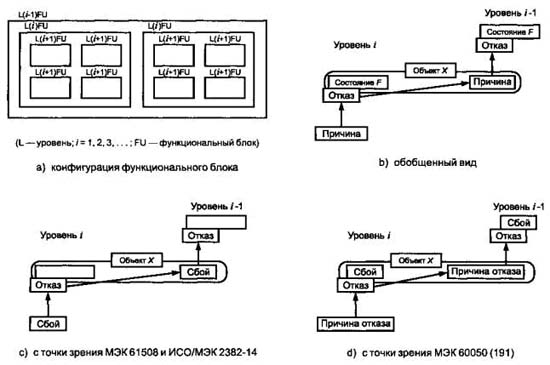
[ ГОСТ Р МЭК 61508-4-2007]Тематики
- газораспределение
- надежность средств электросвязи
- надежность, основные понятия
Обобщающие термины
EN
сброс
Разрывное нарушение, при котором сместитель падает в сторону опущенного крыла (висячее крыло опущено относительно лежачего).
[ Словарь геологических терминов и понятий. Томский Государственный Университет]Тематики
- геология, геофизика
Обобщающие термины
EN
сверхток
Любой ток, превышающий номинальный
МЭК 60050(441-11-06).
[ ГОСТ Р 50030. 1-2000 ( МЭК 60947-1-99)]
[ ГОСТ Р 50345-99( МЭК 60898-95)]
сверхток
Электрический ток, превышающий номинальный электрический ток.
Сверхток представляет собой любой электрический ток, величина которого превышает номинальный ток какого-либо элемента электроустановки здания или используемого в ней электрооборудования, например: номинальный ток электрической цепи, допустимый длительный ток проводника, номинальный ток автоматического выключателя и т. д. В нормативной и правовой документации различают два основных вида сверхтока – ток перегрузки и ток короткого замыкания.
Появление сверхтока в каком-либо элементе электроустановки здания может привести к его перегреву, возгоранию и, как следствие, к возникновению пожара в здании. Поэтому в электроустановках зданий выполняют защиту от сверхтока.
[ http://www.volt-m.ru/glossary/letter/%D1/view/59/]
сверхток
сверхток в электротехническом изделии
Ток, значение которого превосходит наибольшее рабочее значение тока электротехнического изделия (устройства).
[ ГОСТ 18311-80]
сверхток
Электрический ток, превышающий номинальный электрический ток.
Примечание - Для проводников номинальный ток считается равным длительному допустимому току.
[ ГОСТ Р МЭК 60050-826-2009]
Сверхток может оказывать или может не оказывать вредные воздействия в зависимости от его величины и продолжительности. Сверхтоки могут возникать в результате перегрузок в электроприемниках или при повреждениях, таких как короткие замыкания или замыканиях на землю
[ ГОСТ Р 50571. 1-2009 ( МЭК 60364-1: 2005)]
сверхток
Любой ток, превышающий номинальное значение. Для проводов номинальным значением является допустимый ток.
[ ГОСТ Р МЭК 60204-1-2007]EN
overcurrent
electric current exceeding the rated electric current
NOTE – For conductors, the rated current is considered as equal to the current-carrying capacity
[IEV number 826-11-14]
over-current
<>current exceeding the rated current
<>[IEC 61095, ed. 2.0 (2009-02)]
over-current
electric current the value of which exceeds a specified limiting value
[IEV number 151-15-28]
[IEV number 442-01-20]FR
surintensité, f
courant électrique supérieur au courant électrique assigné
NOTE – Pour des conducteurs, on considère que le courant assigné est égal au courant admissible.
[IEV number 826-11-14]
surintensité
courant supérieur au courant assigné
[IEC 61095, ed. 2.0 (2009-02)]
[IEV number 442-01-20]
surintensité, f
courant électrique dont la valeur dépasse une valeur limite spécifiée
[IEV number 151-15-28]Параллельные тексты EN-RU The design of LV installations leads to basic protection devices being fitted for three types of faults:
-
overloads
-
short-circuits
-
insulation faults
Низковольтные электроустановки должны быть оснащены устройствами защиты трех типов:
-
от перегрузки;
-
от короткого замыкания;
- от токов утечки.
[Перевод Интент]
Примечание.
Слово fault в данном случае пришлось опустить, поскольку:
- его нельзя перевести как "неисправность", т. к. возникновение перегрузки ( overload) не является неисправностью;
- его нельзя перевести как "сверхток", т. к. ток утечки не является сверхтоком.The chosen switchgear must withstand and eliminate faults at optimised cost with respect to the necessary performance.
[Schneider Electric]Выбранная аппаратура распределения должна иметь такие характеристики, чтобы рентабельно выдерживать и ограничивать сверхтоки.
[Перевод Интент]Тематики
Синонимы
EN
DE
FR
ток повреждения
Ток, возникающий в результате пробоя или перекрытия изоляции.
[ ГОСТ Р 51321. 1-2000 ( МЭК 60439-1-92)]
ток повреждения
Ток, который протекает через данную точку повреждения в результате повреждения изоляции.
[ ГОСТ Р МЭК 60050-826-2009]EN
fault current
current resulting from an insulation failure, the bridging of insulation or incorrect connection in an electrical circuit
[IEC 61439-1, ed. 2.0 (2011-08)]
fault current
current which flows across a given point of fault resulting from an insulation fault
[IEV number 826-11-11]FR
courant de défaut
courant résultant d'un défaut de l'isolation, du contournement de l’isolation ou d’un raccordement incorrect dans un circuit électrique
[IEC 61439-1, ed. 2.0 (2011-08)]
courant de défaut, m
courant s'écoulant en un point de défaut donné, consécutivement à un défaut de l'isolation
[IEV number 826-11-11]Тематики
EN
DE
- Fehlerstrom, m
FR
- courant de défaut, m
3.7.2 повреждение (fault): Повреждение любого элемента, разделения, изоляции или соединения между элементами, не являющимися по настоящему стандарту не повреждаемыми, от которых зависит искробезопасность цепи.
Источник: ГОСТ Р 52350.11-2005: Электрооборудование для взрывоопасных газовых сред. Часть 11. Искробезопасная электрическая цепь "I" оригинал документа
3.16 неисправность (fault): Состояние объекта, характеризующееся неспособностью исполнять требуемую функцию, исключая время профилактического технического обслуживания или других запланированных действий, или простои из-за недостатка внешних ресурсов
Примечание - Неисправность часто является результатом отказа объекта, но может существовать и без отказа.
Источник: ГОСТ Р 51901.6-2005: Менеджмент риска. Программа повышения надежности оригинал документа
3.6 неисправность (fault): Состояние элемента, характеризующееся неспособностью исполнять требуемую функцию, исключая период технического обслуживания, ремонта или других запланированных действий, а также из-за недостатка внешних ресурсов.
Примечание - Неисправность часто является результатом отказа элемента, но может существовать и без предшествующего отказа.
Источник: ГОСТ Р 51901.5-2005: Менеджмент риска. Руководство по применению методов анализа надежности оригинал документа
3.5 неисправность (fault): Состояние объекта, когда один из его элементов или группа элементов проявляют признаки деградации или нарушения работы, что может привести к отказу машины.
Примечания
1 Неисправность часто является следствием отказа, но может иметь место и при его отсутствии.
2 Состояние объекта не рассматривают как неисправное, если оно возникло вследствие запланированных процедур или нехватки внешних ресурсов.
Источник: ГОСТ Р ИСО 13379-2009: Контроль состояния и диагностика машин. Руководство по интерпретации данных и методам диагностирования оригинал документа
3.3 неисправность (fault): Состояние объекта, при котором он не способен выполнять требуемую функцию, за исключением такой неспособности при техническом обслуживании или других плановых мероприятиях или вследствие нехватки внешних ресурсов.
Примечания
1 Неисправность часто является следствием отказа объекта, но может иметь место и без него.
2 В настоящем стандарте термин «неисправность» используется наряду с термином «отказ» по историческим причинам.
Источник: ГОСТ Р 51901.12-2007: Менеджмент риска. Метод анализа видов и последствий отказов оригинал документа
3.1.30 ошибка (fault): Разность между погрешностью весоизмерительного датчика и основной погрешностью весоизмерительного датчика (см. 3.1.34).
Источник: ГОСТ Р 8.726-2010: Государственная система обеспечения единства измерений. Датчики весоизмерительные. Общие технические требования. Методы испытаний оригинал документа
3.6 дефект (fault): Неисправность или ошибка в компоненте технического обеспечения, программного обеспечения или системы
[МЭК 61513, пункт 3.22]
Примечание 1 - Дефекты могут подразделяться на случайные, например, в результате ухудшения аппаратных средств из-за старения, и систематические, например, ошибки в программном обеспечении, которые вытекают из погрешностей проектирования.
Примечание 2 - Дефект (в особенности дефект проекта) может остаться необнаруженным в системе до тех пор, пока не окажется, что полученный результат не соответствует намеченной функции, то есть возникает отказ.
Примечание 3 - См. также «ошибка программного обеспечения» и «случайный дефект».
Источник: ГОСТ Р МЭК 62340-2011: Атомные станции. Системы контроля и управления, важные для безопасности. Требования по предотвращению отказов по общей причине оригинал документа
3.2 неисправность (fault): Состояние объекта, когда один из его элементов или группа элементов проявляет признаки деградации или нарушения работы, что может привести к отказу машины.
Примечание - Неисправность может привести к отказу.
Источник: ГОСТ Р ИСО 17359-2009: Контроль состояния и диагностика машин. Общее руководство по организации контроля состояния и диагностирования оригинал документа
3.17 дефект (fault): Неисправность или ошибка в компоненте технического обеспечения, программного обеспечения или системы.
[МЭК 61513, пункт 3.22]
Источник: ГОСТ Р МЭК 60880-2010: Атомные электростанции. Системы контроля и управления, важные для безопасности. Программное обеспечение компьютерных систем, выполняющих функции категории А оригинал документа
3.6.1 сбой (fault): Ненормальный режим, который может вызвать уменьшение или потерю способности функционального блока выполнять требуемую функцию.
Примечание - МЭС 191-05-01 определяет «сбой» как состояние, характеризуемое неспособностью выполнить необходимую функцию, исключая неспособности, возникающие во время профилактического ухода или других плановых мероприятий, либо в результате недостатка внешних ресурсов. Иллюстрация к этим двум точкам зрения показана на рисунке 4 [ИСО/МЭК 2382-14-01-10].
Источник: ГОСТ Р МЭК 61508-4-2007: Функциональная безопасность систем электрических, электронных, программируемых электронных, связанных с безопасностью. Часть 4. Термины и определения оригинал документа
3.22 дефект (fault): Дефект в аппаратуре, программном обеспечении или в компоненте системы (см. рисунок 3).
Примечание 1 -Дефекты могут быть результатом случайных отказов, которые возникают, например, из-за деградации аппаратуры в результате старения; возможны систематические дефекты, например, в результате дефектов в программном обеспечении, возникающих из-за ошибок при проектировании.
Примечание 2 - Дефект (особенно дефекты, связанные с проектированием) может оставаться незамеченным, пока сохраняются условия, при которых он не отражается на выполнении функции, т.е. пока не произойдет отказ.
Примечание 3 - См. также «дефект программного обеспечения».
Источник: ГОСТ Р МЭК 61513-2011: Атомные станции. Системы контроля и управления, важные для безопасности. Общие требования оригинал документа
4.10.1 ошибка (fault): Разность между погрешностью показаний и погрешностью прибора.
Источник: ГОСТ Р ЕН 1434-1-2011: Теплосчетчики. Часть 1. Общие требования
Англо-русский словарь нормативно-технической терминологии > fault
-
54 SF
- функция коммутации
- функция безопасности ядерного реактора
- с автоматической подачей
- растворимая фракция
- пропадание (потеря) сигнала
- показатель серьёзности (отказа, события)
- показатель источника
- площадь оребрённой поверхности
- плавкий предохранитель
- относительное число неудачных сканирований
- одноволоконный
- коэффициент расширения спектра
- конкретные результаты
- безопасный сбой
безопасный сбой
—
[Е.С.Алексеев, А.А.Мячев. Англо-русский толковый словарь по системотехнике ЭВМ. Москва 1993]Тематики
EN
коэффициент расширения спектра
Показатель, характеризующий степень избыточности расширенной полосы частот относительно спектра информационного сигнала. Численно определяется как отношение ширины полосы частот в радиоканале к скорости передачи информации.
[Л.М. Невдяев. Телекоммуникационные технологии. Англо-русский толковый словарь-справочник. Под редакцией Ю.М. Горностаева. Москва, 2002]Тематики
- электросвязь, основные понятия
EN
одноволоконный
(МСЭ-Т L.13).
[ http://www.iks-media.ru/glossary/index.html?glossid=2400324]Тематики
- электросвязь, основные понятия
EN
относительное число неудачных сканирований
Показывает вероятность того, что в зоне обслуживания сети WiMAX нет ни одной доступной абонентской станции.
[ http://www.morepc.ru/dict/]Тематики
EN
плавкий предохранитель
Коммутационный аппарат, который посредством плавления одного или нескольких своих специально спроектированных и калиброванных элементов размыкает цепь, в которую он включен, и отключает ток, когда он превышает заданную величину в течение достаточного времени. Плавкий предохранитель содержит все части, образующие укомплектованный аппарат.
МЭК 60050(441-18-01).
[ ГОСТ Р 50030. 1-2000 ( МЭК 60947-1-99)]
плавкий предохранитель
Аппарат, который вследствие расплавления одного или нескольких специально спроектированных и рассчитанных элементов размыкает цепь, в которую он включен, отключая ток, превышающий заданное значение в течение достаточно продолжительного времени. В состав плавкого предохранителя входят все части, образующие аппарат в комплекте
[ ГОСТ Р 50339. 0-2003 ( МЭК 60269-1-98)]
предохранитель
Коммутационный электрический аппарат, предназначенный для отключения защищаемой цепи посредством разрушения специально предусмотренных для этого токоведущих частей под действием тока, превышающего определенную величину.
[ ГОСТ 17703-72]
предохранитель
Устройство для разрыва электрических цепей при силе тока, превышающей допустимое значение
[Терминологический словарь по строительству на 12 языках (ВНИИИС Госстроя СССР)]EN
fuse
a device that by the fusing of one or more of its specially designed and proportioned components, opens the circuit in which it is inserted by breaking the current when this exceeds a given value for a sufficient time. The fuse comprises all the parts that form the complete device
[IEV number 441-18-01 ]FR
fusible
coupe-circuit à fusibles
appareil dont la fonction est d'ouvrir par la fusion d'un ou de plusieurs de ses éléments conçus et calibrés à cet effet le circuit dans lequel il est inséré en coupant le courant lorsque celui-ci dépasse pendant un temps suffisant une valeur donnée. Le fusible comprend toutes les parties qui constituent l'appareil complet
[IEV number 441-18-01 ]Настоящий стандарт распространяется на плавкие предохранители на номинальный ток от 2 до 2500 А, номинальное напряжение переменного тока до 1000 В и постоянного тока до 1200 В, устанавливаемые в комплектные устройства и предназначенные для защиты при перегрузках и коротких замыканиях силовых и вспомогательных цепей электроустановок промышленных предприятий, общественных и жилых зданий, изготовляемые для нужд народного хозяйства и экспорта и номинальное напряжение до 3000 В для защиты полупроводниковых устройств.
3.2.14. Предохранители должны быть сконструированы таким образом, чтобы отключать электрическую цепь при токах отключения в пределах: от условного тока плавления — для предохранителей с плавкими вставками типов g и gR или от наименьшего тока отключения, установленного в стандартах или технических условиях на предохранители конкретных серий и типов, для предохранителей с плавкими вставками типов а и aR — до наибольшего тока отключения
[ ГОСТ 17242-86]... токи, при которых проводят испытания, предназначенные для проверки способности данного плавкого предохранителя срабатывать удовлетворительно в диапазоне малых сверхтоков.
[ ГОСТ Р 50339.0-2003]... Если неисправность заканчивается срабатыванием плавкого предохранителя или если плавкий предохранитель не срабатывает примерно в течение 1 с, то...
[ ГОСТ Р 52319-2005]ЭЛЕКТРИЧЕСКИЕ ПАРАМЕТРЫ И ХАРАКТЕНИСТИКИ ПРЕДОХРАНИТЕЛЕЙ
(взято из ГОСТ 17242-86)-
Для держателя (или основания) предохранителя:
- номинальное напряжение;
- номинальный ток;
- род тока и номинальная частота для переменного тока;
- допустимые потери мощности;
- число полюсов, если их более одного.
-
Для плавкой вставки:
- номинальное напряжение;
- номинальный ток;
- род тока и номинальная частота для переменного тока;
- потери мощности;
- время-токовые характеристики с указанием коэффициентов K1 и K2 для плавких вставок типа а;
- перегрузочная способность;
- диапазон токов отключения;
- наибольшая отключающая способность;
- наименьший ток отключения для плавких вставок типа а;
- характеристика пропускаемого тока;
- характеристики интегралов Джоуля;
- перенапряжение и характеристика перенапряжения для плавких вставок типов aR и gR;
- условия селективности (при необходимости);
- электрическое сопротивление плавкой вставки в холодном состоянии (допускается указать в рабочих чертежах, утвержденных в установленном порядке).
-
Для предохранителя:
- степень защиты по ГОСТ 14255—69;
- номинальное напряжение, номинальный ток и коммутационная способность свободных контактов (при их наличии).
Параллельные тексты EN-RU
Check to make sure that fuse F1 on power supply module V is not fused.
If the fuse is defective, it should not be replaced without determining the cause of failure.
If a fuse is replaced without eliminating the problem, there is the danger that the damage will spread.
[Schneider Electric]Убедитесь в исправности предохранителя F1 в модуле питания V.
Если предохранитель оказался неисправным, то прежде чем заменить его необходимо установить причину возникновения неисправности.
Замена предохранителя без выяснения причины его срабатывания может привести к повторению срабатывания.
[Перевод Интент]High voltage system may embrace a fuse.
Note that a fuse may not be manually adjusted as the circuit breaker relay does so the fuse choice for the appropriate purpose/circuit adaptation is deemed most important.
[LS Industrial Systems]Высоковольтная система < электропитания> может содержать предохранители.
Обратите внимание! Предохранитель нельзя настроить, как это можно сделать с расцепителем автоматического выключателя. Поэтому предохранитель необходимо выбрать так, чтобы он как можно точнее соотвествовал конкретным условиям защиты аппарата или участка цепи.
[Перевод Интент]
Тематики
Классификация
>>>Обобщающие термины
Действия
- защищать при перегрузках и коротких замыканиях
- отключать электрическую цепь
- срабатывание предохранителя
Синонимы
EN
- cutoff
- electric fuse
- fu
- fuse
- fuse switch
- fusible cutout
- fusible plug
- fusible switch
- plug fuse
- protective fuse
- safety cutoff
- safety fuse
- safety plug
- SF
- thermal fuse
DE
FR
площадь оребрённой поверхности
—
[А.С.Гольдберг. Англо-русский энергетический словарь. 2006 г.]Тематики
EN
показатель источника
(напр. излучения)
[А.С.Гольдберг. Англо-русский энергетический словарь. 2006 г.]Тематики
EN
показатель серьёзности (отказа, события)
—
[А.С.Гольдберг. Англо-русский энергетический словарь. 2006 г.]Тематики
EN
пропадание (потеря) сигнала
Сигнал, указывающий, что соответствующие данные пропали в том смысле, что стало активным состояние дефекта перекрестной наводки (не являющееся дефектом ухудшения). (МСЭ-T G.806).
[ http://www.iks-media.ru/glossary/index.html?glossid=2400324]Тематики
- электросвязь, основные понятия
EN
с автоматической подачей
—
[А.С.Гольдберг. Англо-русский энергетический словарь. 2006 г.]Тематики
EN
функция безопасности ядерного реактора
—
[А.С.Гольдберг. Англо-русский энергетический словарь. 2006 г.]Тематики
EN
функция коммутации
(МСЭ-Т Х.145).
[ http://www.iks-media.ru/glossary/index.html?glossid=2400324]Тематики
- электросвязь, основные понятия
EN
Англо-русский словарь нормативно-технической терминологии > SF
-
55 BI
- первичная инвентаризация
- обратная ионизация
- обратная индикация
- начальное количество ядерного материала (на АЭС)
- критерий краевого подобия
- двоичный вход
- введение раствора борной кислоты
введение раствора борной кислоты
(при аварии ядерного реактора)
[А.С.Гольдберг. Англо-русский энергетический словарь. 2006 г.]Тематики
EN
двоичный вход
Вход, например, контроллера, предназначенный для подачи на него одноразрядного двоичного сигнала.
Двоичный вход может быть:
- релейный (см. релейный вход);
- логический (см. логический вход);
- оптоизолированный (см. оптоизолированный вход)
[Интент]Параллельные тексты EN-RU
Binary input
The P63x has opto-coupler inputs for processing binary signals from the substation.
The number and connection schemes for the available binary signal inputs are shown in the terminal connection diagrams.
The configuration options for all binary inputs can be displayed in the support software.
The P63x identifies the installed modules during startup.
If a given binary I/O module is not installed or has fewer binary signal inputs than the maximum number possible at this slot, then the configuration addresses for the missing binary signal inputs are automatically hidden in the menu tree.
When configuring binary inputs, one should keep in mind that the same function can be assigned to several signal inputs.
Thus one function can be activated from several control points having different signal voltages.
In order to ensure that the device will recognize the input signals, the triggering signals must persist for at least 30 ms.
The operating mode for each binary signal input can be defined.
The user can specify whether the presence (active 'high' mode) or absence (active 'low' mode) of a voltage shall be interpreted as the logic '1' signal.
[Schneider Electric]Двоичный вход
Устройство P63x имеет оптоизолированные входы на которые поступают двоичные сигналы от подстанции.
Количество и способ подключения двоичных входов указаны в схемах подключения.
Варианты конфигурирования всех двоичных входов можно увидеть с помощью инструментального программного обеспечения.
Устройство P63x определяет установленные модули во время автозагрузки.
Если какой-либо модуль двоичных входов/выходов не установлен или имеет число входов меньше максимально возможного для модуля в данном слоте, то конфигурационные адреса отсутствующих входов автоматически скрываются в дереве меню.
При конфигурировании двоичных входов следует иметь в виду, что нескольким двоичным входам можно присвоить одну и ту же функцию.
В результате одну и ту же функцию можно включить из нескольких точек управления сигналами, имеющими различное напряжение.
Чтобы входные сигналы были распознаны устройством, их длительность должна быть не менее 30 мс.
Для каждого двоичного входа можно определить свой режим работы.
Можно указать, какой сигнал двоичный вход будет интерпретировать как логическую единицу: высокий уровень напряжения (active 'high' mode) или низкий уровень напряжения (active 'low' mode).
[Перевод Интент]
Тематики
EN
критерий краевого подобия
число Био
Характеризует связь между полем температур в твёрдом теле и условиями теплоотдачи на поверхности
[А.С.Гольдберг. Англо-русский энергетический словарь. 2006 г.]Тематики
Синонимы
EN
начальное количество ядерного материала (на АЭС)
—
[А.С.Гольдберг. Англо-русский энергетический словарь. 2006 г.]Тематики
EN
обратная индикация
(МСЭ-T G.709/ Y.1331).
[ http://www.iks-media.ru/glossary/index.html?glossid=2400324]Тематики
- электросвязь, основные понятия
EN
первичная инвентаризация
(имеющихся ядерных материалов в рамках гарантий МАГАТЭ)
[А.С.Гольдберг. Англо-русский энергетический словарь. 2006 г.]Тематики
EN
Англо-русский словарь нормативно-технической терминологии > BI
-
56 binary input
двоичный вход
Вход, например, контроллера, предназначенный для подачи на него одноразрядного двоичного сигнала.
Двоичный вход может быть:
- релейный (см. релейный вход);
- логический (см. логический вход);
- оптоизолированный (см. оптоизолированный вход)
[Интент]Параллельные тексты EN-RU
Binary input
The P63x has opto-coupler inputs for processing binary signals from the substation.
The number and connection schemes for the available binary signal inputs are shown in the terminal connection diagrams.
The configuration options for all binary inputs can be displayed in the support software.
The P63x identifies the installed modules during startup.
If a given binary I/O module is not installed or has fewer binary signal inputs than the maximum number possible at this slot, then the configuration addresses for the missing binary signal inputs are automatically hidden in the menu tree.
When configuring binary inputs, one should keep in mind that the same function can be assigned to several signal inputs.
Thus one function can be activated from several control points having different signal voltages.
In order to ensure that the device will recognize the input signals, the triggering signals must persist for at least 30 ms.
The operating mode for each binary signal input can be defined.
The user can specify whether the presence (active 'high' mode) or absence (active 'low' mode) of a voltage shall be interpreted as the logic '1' signal.
[Schneider Electric]Двоичный вход
Устройство P63x имеет оптоизолированные входы на которые поступают двоичные сигналы от подстанции.
Количество и способ подключения двоичных входов указаны в схемах подключения.
Варианты конфигурирования всех двоичных входов можно увидеть с помощью инструментального программного обеспечения.
Устройство P63x определяет установленные модули во время автозагрузки.
Если какой-либо модуль двоичных входов/выходов не установлен или имеет число входов меньше максимально возможного для модуля в данном слоте, то конфигурационные адреса отсутствующих входов автоматически скрываются в дереве меню.
При конфигурировании двоичных входов следует иметь в виду, что нескольким двоичным входам можно присвоить одну и ту же функцию.
В результате одну и ту же функцию можно включить из нескольких точек управления сигналами, имеющими различное напряжение.
Чтобы входные сигналы были распознаны устройством, их длительность должна быть не менее 30 мс.
Для каждого двоичного входа можно определить свой режим работы.
Можно указать, какой сигнал двоичный вход будет интерпретировать как логическую единицу: высокий уровень напряжения (active 'high' mode) или низкий уровень напряжения (active 'low' mode).
[Перевод Интент]
Тематики
EN
Англо-русский словарь нормативно-технической терминологии > binary input
-
57 binary signal input
двоичный вход
Вход, например, контроллера, предназначенный для подачи на него одноразрядного двоичного сигнала.
Двоичный вход может быть:
- релейный (см. релейный вход);
- логический (см. логический вход);
- оптоизолированный (см. оптоизолированный вход)
[Интент]Параллельные тексты EN-RU
Binary input
The P63x has opto-coupler inputs for processing binary signals from the substation.
The number and connection schemes for the available binary signal inputs are shown in the terminal connection diagrams.
The configuration options for all binary inputs can be displayed in the support software.
The P63x identifies the installed modules during startup.
If a given binary I/O module is not installed or has fewer binary signal inputs than the maximum number possible at this slot, then the configuration addresses for the missing binary signal inputs are automatically hidden in the menu tree.
When configuring binary inputs, one should keep in mind that the same function can be assigned to several signal inputs.
Thus one function can be activated from several control points having different signal voltages.
In order to ensure that the device will recognize the input signals, the triggering signals must persist for at least 30 ms.
The operating mode for each binary signal input can be defined.
The user can specify whether the presence (active 'high' mode) or absence (active 'low' mode) of a voltage shall be interpreted as the logic '1' signal.
[Schneider Electric]Двоичный вход
Устройство P63x имеет оптоизолированные входы на которые поступают двоичные сигналы от подстанции.
Количество и способ подключения двоичных входов указаны в схемах подключения.
Варианты конфигурирования всех двоичных входов можно увидеть с помощью инструментального программного обеспечения.
Устройство P63x определяет установленные модули во время автозагрузки.
Если какой-либо модуль двоичных входов/выходов не установлен или имеет число входов меньше максимально возможного для модуля в данном слоте, то конфигурационные адреса отсутствующих входов автоматически скрываются в дереве меню.
При конфигурировании двоичных входов следует иметь в виду, что нескольким двоичным входам можно присвоить одну и ту же функцию.
В результате одну и ту же функцию можно включить из нескольких точек управления сигналами, имеющими различное напряжение.
Чтобы входные сигналы были распознаны устройством, их длительность должна быть не менее 30 мс.
Для каждого двоичного входа можно определить свой режим работы.
Можно указать, какой сигнал двоичный вход будет интерпретировать как логическую единицу: высокий уровень напряжения (active 'high' mode) или низкий уровень напряжения (active 'low' mode).
[Перевод Интент]
Тематики
EN
Англо-русский словарь нормативно-технической терминологии > binary signal input
-
58 Executive FA (EXE)
- ФНД «Аппарат президента»
ФНД «Аппарат президента»
Роль ФНД «Аппарат президента» во время Игр заключается в предоставлении круглосуточной качественной поддержки президенту и первому вице-президенту ОКОИ в их работе. Список видов деятельности ФНД «Аппарат президента» во время Игр включает:
• административную поддержку (ведение календаря и т.д.);
• координацию составления текстов выступлений;
• управление запросами на билеты, аккредитации и т. д., поступающими президенту или первому вице-президенту;
• подготовку документов к совещаниям, проведение совещаний в сотрудничестве с другими ФНД;
• контроль исполнения инструкций президента и первого вице-президента.
[Департамент лингвистических услуг Оргкомитета «Сочи 2014». Глоссарий терминов]EN
Executive FA (EXE)
Games-time role of the Executive function is to provide a high quality and 24/7 support of business activities of the OCOG's President and First Vice President. The list of Executive function operations at the Games time is as follows:
• administrative support (running the calendar, etc.)
• speech writing coordination
• managing requests for tickets, accreditations, etc., received by the President and First Vice President
• preparation of documents for the meetings, organization of the meetings in cooperation with other FAs
• control for the execution of the instructions given by the President and First Vice President.
[Департамент лингвистических услуг Оргкомитета «Сочи 2014». Глоссарий терминов]Тематики
EN
Англо-русский словарь нормативно-технической терминологии > Executive FA (EXE)
-
59 name
[neɪm]argument name вчт. имя аргумента array name вчт. имя массива assumed name вымышленное имя assumed name вчт. псевдоним assumed name псевдоним assumed name фиктивное имя base name вчт. основное имя brand name название марки изделия brand name название торговой марки brand name торговое название brand name фабричная марка business name название торгово-промышленного предприятия business name название фирмы business name наименование предприятия name имя (тж. Christian name, амер. given name, first name); фамилия (тж. family name, surname); by name по имени by name по имени to know by name знать по имени; by (или of, under) the name of под именем; in name only только номинально command name вчт. имя команды commercial name торговое название name грам. имя существительное; common name имя нарицательное company name название компании compound name вчт. составное имя corporate name наименование корпорации device name вчт. имя устройства device name вчт. номер устройства entry name вчт. имя входа external name вчт. внешнее имя false name вымышленное имя fictitious name вымышленное имя file name вчт. имя файла firm name название фирмы firm name фирменное наименование first name имя full name полное имя function name вчт. имя функции generic name вчт. родовое имя give a dog a bad name and hang him считать (кого-л.) плохим, потому что о нем идет дурная слава global name вчт. глобальное имя name великий человек; the great names of history исторические личности group name вчт. групповое имя he has name for honesty он известен своей честностью; people of name известные люди to know by name знать по имени; by (или of, under) the name of под именем; in name only только номинально in the name of от имени; именем; in the name of the law именем закона; in one's own name от своего имени in the name of во имя; in the name of common sense во имя здравого смысла in the name of от имени; именем; in the name of the law именем закона; in one's own name от своего имени in the name of во имя; in the name of common sense во имя здравого смысла in the name of от имени; именем; in the name of the law именем закона; in one's own name от своего имени internal name вчт. внутреннее имя joint name общее название to know by name знать лично каждого to know by name знать по имени; by (или of, under) the name of под именем; in name only только номинально to know by name знать понаслышке name фамилия, род; the last of his name последний из рода logical name вчт. логическое имя name репутация; bad (или ill) name плохая репутация; to make (или to win) a good name for oneself завоевать доброе имя menu name вчт. имя меню middle name второе имя name (обыкн. pl) брань; to call names ругать(ся); to take (smb.'s) name in vain клясться, божиться; поминать имя всуе name великий человек; the great names of history исторические личности name давать имя name именная записка, по которой производится передача акций name имя (тж. Christian name, амер. given name, first name); фамилия (тж. family name, surname); by name по имени name вчт. имя name имя name грам. имя существительное; common name имя нарицательное name название, наименование, обозначение name название name назначать (на должность) name назначать цену name называть, давать имя; to name after, амер. to name for (или from) называть в честь (кого-л.) name называть name наименование name обозначение name пустой звук; there is only the name of friendship between them их дружба - одно название; virtuous in name лицемер name репутация; bad (или ill) name плохая репутация; to make (или to win) a good name for oneself завоевать доброе имя name указывать, назначать; to name the day назначать день (особ. свадьбы) name упоминать; приводить в качестве примера name фамилия, род; the last of his name последний из рода name фамилия name член страхового синдиката Ллойдса name называть, давать имя; to name after, амер. to name for (или from) называть в честь (кого-л.) name называть, давать имя; to name after, амер. to name for (или from) называть в честь (кого-л.) name of the company название компании name указывать, назначать; to name the day назначать день (особ. свадьбы) nominee name подставное лицо not to have a penny to one's name не иметь ни гроша за душой partnership name название товарищества path name вчт. путь доступа, маршрут доступа he has name for honesty он известен своей честностью; people of name известные люди program name вчт. имя программы psevdo-variable name вчт. имя псевдопеременной to put one's name down for выставить свою кандидатуру на (какой-л. пост) to put one's name down for принять участие в (сборе денег и т. п.); подписаться под (воззванием и т. п.) qualified name вчт. составное имя salt name остроумное название товара (в рекламных целях) secondary name второе имя secondary name имя seed name название семян simple name вчт. простое имя straw name фиктивное имя straw name фиктивное название subsidiary name название филиала symbolic name вчт. символическое имя system name вчт. системное имя name (обыкн. pl) брань; to call names ругать(ся); to take (smb.'s) name in vain клясться, божиться; поминать имя всуе vain: in name всуе; to take (smb.'s) name in vain говорить (о ком-л.) без должного уважения; to take God's name in vain богохульствовать name пустой звук; there is only the name of friendship between them их дружба - одно название; virtuous in name лицемер trade name название фирмы trade name торговая фирма; наименование фирмы; фирменное наименование trade name торговое название товара trade name фирменное название tree name вчт. составное имя unique name вчт. уникальное имя variable name вчт. имя переменной name пустой звук; there is only the name of friendship between them их дружба - одно название; virtuous in name лицемер without a name безымянный without a name не поддающийся описанию (о поступке) -
60 Categories
Two general and basic principles are proposed for the formation of categories: The first has to do with the function of category systems and asserts that the task of category systems is to provide maximum information with the least cognitive effort [("cognitive economy")]; the second has to do with the structure of the information so provided and asserts that the perceived world comes as structured information rather than than arbitrary or unpredictable attributes [("perceived world structure")]. Thus maximum information with least cognitive effort is achieved if categories map the perceived world structure as closely as possible. This condition can be achieved either by the mapping of categories to given attribute structures or by the definition or redefinition of attributes to render a given set of categories appropriately structured. (Rosch, 1978, p. 28)Historical dictionary of quotations in cognitive science > Categories
См. также в других словарях:
Function composition — For function composition in computer science, see function composition (computer science). g ∘ f, the composition of f and g. For example, (g ∘ f)(c) = #. In mathematics, function composition is the application of one function to the resul … Wikipedia
function generator — noun An electronic device used to generate a signal representing the periodic value of a given mathematical function, especially sine, square, triangle and sawtooth waveforms … Wiktionary
Function — Func tion, n. [L. functio, fr. fungi to perform, execute, akin to Skr. bhuj to enjoy, have the use of: cf. F. fonction. Cf. {Defunct}.] 1. The act of executing or performing any duty, office, or calling; performance. In the function of his public … The Collaborative International Dictionary of English
Function (mathematics) — f(x) redirects here. For the band, see f(x) (band). Graph of example function, In mathematics, a function associates one quantity, the a … Wikipedia
function — /fungk sheuhn/, n. 1. the kind of action or activity proper to a person, thing, or institution; the purpose for which something is designed or exists; role. 2. any ceremonious public or social gathering or occasion. 3. a factor related to or… … Universalium
Function-level programming — In computer science, function level programming refers to one of the two contrasting programming paradigms identified by John Backus in his work on programs as mathematical objects, the other being value level programming.In his 1977 Turing award … Wikipedia
Function point — A function point is a unit of measurement to express the amount of business functionality an information system provides to a user. Function points are the units of measure used by the IFPUG Functional Size Measurement Method. The IFPUG FSM… … Wikipedia
Function problem — In computational complexity theory, a function problem is a problem other than a decision problem, that is, a problem requiring a more complex answer than just YES or NO.Notable examples include the travelling salesman problem, which asks for the … Wikipedia
Function object — A function object, also called a functor or functional, is a computer programming construct allowing an object to be invoked or called as if it were an ordinary function, usually with the same syntax.Function objects are unrelated to functors in… … Wikipedia
Function prologue — In assembly language programming, the function prologue is a few lines of code which appear at the beginning of a function, which prepare the stack and registers for use within the function. Similarly, the function epilogue appears at the end of… … Wikipedia
function, logical — In logic and mathematics a function, also known as a map or mapping, is a relation that associates members of one class X with some unique member y of another class Y. The association is written as y = f(x ). The class X is called the domain of… … Philosophy dictionary
