

-
1 рудерпост
-
2 старнпост
1) Naval: main post, outer post, propeller post2) Engineering: stern-frame inner post3) Sakhalin energy glossary: sternpost4) Yachting: stern frame, stern-post -
3 штыревая контакт-деталь
штыревая контакт-деталь
Контакт-деталь, предназначенная для ввода в гнездовую контакт-деталь и электрического контактирования с ней по своей внешней поверхности
[ ГОСТ 14312-79]
штыревой контакт
-
[IEV number 151-12-18]EN
pin contact
male contact
contact member intended to make electric engagement on its outer surface for mating with the inner surface of another contact member
Source: 581-02-10 MOD
[IEV number 151-12-18]FR
contact mâle, m
broche, f
élément de contact destiné à établir la liaison électrique sur ses faces extérieures en s'accouplant avec les faces intérieures d'un autre élément de contact
Source: 581-02-10 MOD
[IEV number 151-12-18]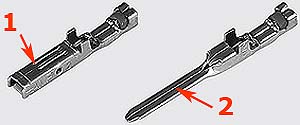
Рис. Tyco Electronics1 - Гнездовая контакт-деталь (гнездовой контакт)
2 - Штыревая контакт-деталь ( штыревой контакт)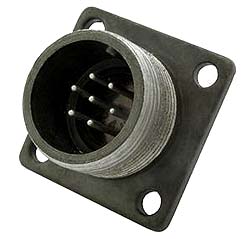
Часть соединителя (приборная вилка) со штыревыми контактами
Недопустимые, нерекомендуемые
Тематики
Обобщающие термины
Синонимы
EN
DE
FR
- broche, f
- contact mâle, m
Русско-английский словарь нормативно-технической терминологии > штыревая контакт-деталь
-
4 auf
I Präp.1. (+ Dat) räumlich, als Ortsangabe: on, in; auf dem Tisch on the table; auf der Welt in the world; nirgends auf der Welt nowhere in the (whole wide) world; auf der Straße in (Am. auch on) the street; (Fahrbahn) on the road; auf dem Feld in the field; auf See at sea; auf Malta in Malta; auf der Insel on the island; auf dem Rücken liegen etc. on one’s back; auf seiner Seite at ( oder by) his side; liegen etc.: on his side; auf Seite 15 on page 15; er ist auf seinem Zimmer he is in his room; (etw.) auf der Geige etc. spielen play (s.th. on) the violin etc.; auf einem Auge blind blind in one eye; auf einem Ohr taub deaf in one ear; das Wort endet auf t the word ends with ( oder in) a t; auf der Stelle fig. on the spot2. (+ Akk) räumlich, als Richtungsangabe: on(to); to; towards; up; auf den Tisch legen etc. on the table; auf die Erde fallen fall (on)to the ground; auf die Post etc. gehen go to the post office etc.; auf sein Zimmer gehen go to one’s room; auf die Straße gehen go (out) into the street; auf einen Berg klettern climb up a mountain; ein Fenster auf die Straße a window (giving on, Am. looking on)to the street; sie ging auf ihn zu she walked toward(s) him3. (+ Dat) Aufenthalt: at, by; (während) during, on; auf der Ausstellung ( Post) at the exhibition (post office); auf einer Party (Schule, Universität) at a party (school, university); auf dem Markt at the market; auf Reisen ( sein) (be) travel(l)ing, on a trip; auf einem Spaziergang entdeckte sie... she discovered... during ( oder on) a walk; auf Besuch sein be visiting4. (+ Akk) Aufenthalt (beginnen): auf eine höhere Schule kommen / gehen move / go up to a secondary (Am. auch high) school; sie geht aufs Gymnasium etwa she goes to grammar (Am. auch grade, high) school; auf Reisen gehen go travel(l)ing; auf die Jagd gehen go hunting, auf das Land ziehen move to the country5. (+ Akk) Zeitraum: (für) for; auf Jahre hinaus for years to come; auf Monate ( hinaus) ausgebucht booked ( oder sold) out (for) months ahead ( oder in advance); auf ( immer und) ewig for ever (and ever); auf Zeit for a period ( oder time); auf unbestimmte Zeit ( verreisen) (go away on a trip) for an indefinite period of time; auf vier Jahre gewählt elected for four years; ich bleibe noch auf eine Tasse Tee I’ll stay for a cup of tea6. (+ Akk) Reihenfolge: Monat auf Monat verging months went by; er macht Fehler auf Fehler he makes one mistake after the other; in der Nacht vom 1. auf den 2. Mai in the night from the 1st to the 2nd of May (Am. auch from May 1 to 2); sie hat es von einem Tag auf den anderen vergessen she forgot (about) it from one day to the next7. (+ Akk) Zeitpunkt: es geht auf neun ( Uhr) it’s getting on for (Am. getting close to) nine; er geht auf die Siebzig zu he’s getting on for (Am. getting close to, umg. pushing) seventy; den Wecker auf 7 ( Uhr) stellen set the alarm for 7 (o’clock); bis auf den heutigen Tag until today ( oder the present day); auf morgen! see you tomorrow!; auf bald! see you soon!8. (+ Akk) Entfernung: auf eine Entfernung von... at a distance of...; ( noch) auf 100 Meter zu erkennen / verstehen sein be recognizable / comprehensible from ( oder at a distance of) 100 met|res (Am. -ers); sie kam ( bis) auf zwei Schritte heran she came up (to) within a yard9. (+ Dat/Akk) Art und Weise: auf (in) direktem Wege (in)directly; auf dem Seeweg by sea; auf Englisch in English; auf diese Weise in this way; auf meine Kosten on me; jemanden auf das oder aufs Äußerste oder äußerste reizen push s.o. to the limit; er hat sie auf das oder aufs Übelste oder übelste betrogen he deceived her in the most despicable way10. (+ Akk) Folge: auf seinen Antrag ( hin) following his application; auf ihren Rat ( hin) following her advice; auf vielfachen Wunsch upon repeated request; den Ausweis auf Verlangen vorzeigen show identification upon request ( oder when requested); auch auf die Gefahr ( hin), dass... even if it means risking that...12. (+ Akk) Ziel, Zweck: auf Zeit spielen play for time; auf jemanden anstoßen / trinken drink to s.o.(‘s health); auf dein Wohl! (here’s) to you ( oder your health)!; auf ein gutes Gelingen! (here’s) to our, your etc. success ( oder a successful outcome)!; auf jemanden / etw. aus sein be out for ( oder to get) s.o. / s.th.13. (+ Akk) (im Verhältnis zu) to, per, for; drei Eier auf ein Pfund Mehl three eggs to one ( oder for every) pound of flour; durchschnittlich ein Fehler auf zehn Zeilen on average one mistake (in) every ten lines14. er kam um 6, auf die Minute genau he came at 6 o’clock on the dot; das stimmt auf den Pfennig / Zentimeter ( genau) that’s right down to the last penny / centimet|re (Am. -er)15. es hat was auf sich there’s something to it; es hat nichts auf sich, dass... the fact that... doesn’t mean anything; das Gerücht hat nichts auf sich there’s nothing in ( oder to) the rumo(u)r; ich frage mich, was es mit... auf sich hat I wonder what’s behind...16.a) (+ Akk): eifersüchtig auf jealous of; sich freuen auf look forward to; hoffen auf hope for; mit Rücksicht auf... in consideration of..., taking... into consideration; stolz sein auf be proud of; es besteht Verdacht auf Schädelbruch etc. there is a suspected skull fracture; im Vertrauen auf seine Pünktlichkeit etc. counting on ( oder trusting [to]) his punctuality; das Bier geht auf mich fig. the beer’s on me ( oder my treat); in Pub: I’ll get this umg.;b) (+ Dat): beharren auf insist on; beruhen auf be based on; auf dem Fuße folgen follow at s.o.’s heels; etc.; Anhieb, bis, einmal und die mit „auf“ verbundenen Adjektive, Verben und SubstantiveII Adv.1. umg. (offen) open; Mund auf! open wide!; Tür auf! open the door!; ist die Bank schon auf? is the bank open yet ( oder already open)?; komm rein, die Tür ist auf come (on) in, the door’s open ( oder not locked)3. umg.: Helm auf! helmets on!4. (los) auf (geht’s)! antreibend: up!, get up!, let’s get going!; anfeuernd: come on!; auffordernd: let’s go!; Glück auf! (Bergmannsgruß) good luck!5. auf und ab oder nieder up and down, back and forth; im Zimmer etc. auf und ab gehen walk ( oder pace) up and down ( oder to and fro, Am. back and forth); mit ihrer Beziehung geht es auf und ab she’s having ups and downs in her relationship6. sich auf und davon machen clear off; bugger off umg.; und schon war sie auf und davon and she’d already taken off ( oder disappeared)III Konj.: auf dass (in order) that; auf dass nicht that not, for fear that, to avoid that; lest geh.* * *onto (Präp.); unto (Präp.); on (Präp.); upon (Präp.); at (Präp.); to (Präp.); at the top of (Präp.);(offen) open (Adj.)* * *[auf]nt inv* * *1) at2) (touching, fixed to, covering etc the upper or outer side of: The book was lying on the table; He was standing on the floor; She wore a hat on her head.) on3) (supported by: She was standing on one leg.) on4) (receiving, taking: on drugs; on a diet.) on5) (by means of: He played a tune on the violin; I spoke to him on the telephone.) on6) (followed by: disaster on disaster.) on7) ((especially of something being worn) so as to be touching, fixed to, covering etc the upper or outer side of: She put her hat on.) on8) (on: He sat upon the floor; Please place it upon the table; Upon arrival, they went in search of a hotel.) upon9) to10) (erect: Sit/Stand up; He got up from his chair.) up12) (into the presence, or consideration, of a person, group of people etc: He brought up the subject during the conversation.) up13) (to or at a higher level on: He climbed up the tree.) up* * *[auf]nt▶ das/ein \Auf und Ab up and down, to and fro; (ständiger Wechsel zwischen gut und schlecht) up and downin jedem Leben ist es doch immer ein \Auf und Ab every life has its ups and downs* * *1.1) ondas Thermometer steht auf 15° — the thermometer stands at or reads 15°
auf seinem Zimmer — (ugs.) in his room
auf der Schule/Uni — at school/university
4)2.was hat es damit auf sich? — what's it all about?
1) on; on toer nahm den Rucksack auf den Rücken — he lifted the rucksack up on to his back
jemandem auf den Fuß treten — step on somebody's foot
auf die Straße gehen — go [out] into the street
jemanden auf den Rücken legen — lay somebody on his/her back
jemanden auf den Rücken drehen — turn somebody on to his/her back
etwas auf ein Konto überweisen — transfer something to an account
das Thermometer ist auf 0° gefallen — the thermometer has fallen to 0°
auf ihn! — (ugs.) get him!
2) (zu) toauf die Schule/Uni gehen — go to school/university
auf 10 km [Entfernung] — for [a distance of] 10 km
wir näherten uns der Hütte [bis] auf 30 m — we approached to within 30 m of the hut
4) (zeitlich) forauf Jahre [hinaus] — for years [to come]
etwas auf nächsten Mittwoch festlegen/verschieben — arrange something for/postpone something until next Wednesday
das fällt auf einen Montag — it falls on a Monday
wir verschieben es auf den 3. Mai — we'll postpone it to 3 May
5) (zur Angabe der Art und Weise)auf die Tour erreichst du bei mir nichts — (ugs.) you won't get anywhere with me like that
auf das sorgfältigste/herzlichste — (geh.) most carefully/warmly
6) (auf Grund)auf vielfachen Wunsch [hin] — in response to numerous requests
auf meinen Vorschlag [hin] — at my suggestion
das Bier geht auf mich — (ugs.) the beer's on 'me (coll.)
jemanden auf seine Eignung prüfen — test somebody's suitability
auf die Sekunde [genau] — [precise] to the second
auf ein gutes Gelingen — to our/your success
auf bald/morgen! — (bes. südd.) see you soon/tomorrow
3.auf 10 zählen — (bes. südd.) count [up] to 10; s. auch einmal 1. 1); machen 3. 6)
1) (Aufforderung, sich zu erheben)2)sie waren längst auf und davon — they had made off long before
3) (bes. südd.): (Aufforderung, zu handeln)4) (Aufforderung, sich aufzumachen)auf ins Schwimmbad! — come on, off to the swimming pool!
5)auf und ab — up and down; (hin und her) up and down; to and fro
6) (Aufforderung, sich etwas aufzusetzen)Helm/Hut/Brille auf! — helmet/hat/glasses on!
7) (ugs.): (offen) openFenster/Türen/Mund auf! — open the window/doors/your mouth!
8) (nicht im Bett) up4.auf dass — Konjunktion (veralt.) so that
* * *A. präp1. (+dat) räumlich, als Ortsangabe: on, in;auf dem Tisch on the table;auf der Welt in the world;nirgends auf der Welt nowhere in the (whole wide) world;auf dem Feld in the field;auf See at sea;auf Malta in Malta;auf der Insel on the island;auf Seite 15 on page 15;er ist auf seinem Zimmer he is in his room;(etwas) auf der Geige etcspielen play (sth on) the violin etc;auf einem Auge blind blind in one eye;auf einem Ohr taub deaf in one ear;auf der Stelle fig on the spot2. (+akk) räumlich, als Richtungsangabe: on(to); to; towards; up;auf den Tisch legen etc on the table;auf die Erde fallen fall (on)to the ground;auf die Post etcgehen go to the post office etc;auf sein Zimmer gehen go to one’s room;auf einen Berg klettern climb up a mountain;ein Fenster auf die Straße a window (giving on, US looking on)to the street;sie ging auf ihn zu she walked toward(s) himauf einer Party (Schule, Universität) at a party (school, university);auf dem Markt at the market;auf einem Spaziergang entdeckte sie … she discovered … during ( oder on) a walk;auf Besuch sein be visiting4. (+akk) Aufenthalt (beginnen):auf eine höhere Schule kommen/gehen move/go up to a secondary (US auch high) school;auf Reisen gehen go travel(l)ing;auf die Jagd gehen go hunting,auf das Land ziehen move to the country5. (+akk) Zeitraum: (für) for;auf Jahre hinaus for years to come;auf (immer und) ewig for ever (and ever);auf vier Jahre gewählt elected for four years;ich bleibe noch auf eine Tasse Tee I’ll stay for a cup of tea6. (+akk) Reihenfolge:Monat auf Monat verging months went by;er macht Fehler auf Fehler he makes one mistake after the other;in der Nacht vom 1. auf den 2. Mai in the night from the 1st to the 2nd of May (US auch from May 1 to 2);sie hat es von einem Tag auf den anderen vergessen she forgot (about) it from one day to the next7. (+akk) Zeitpunkt:es geht auf neun (Uhr) it’s getting on for (US getting close to) nine;den Wecker auf 7 (Uhr) stellen set the alarm for 7 (o’clock);bis auf den heutigen Tag until today ( oder the present day);auf morgen! see you tomorrow!;auf bald! see you soon!8. (+akk) Entfernung:auf eine Entfernung von … at a distance of …;(noch) auf 100 Meter zu erkennen/verstehen sein be recognizable/comprehensible from ( oder at a distance of) 100 metres (US -ers);9. (+dat/akk) Art und Weise:auf (in)direktem Wege (in)directly;auf dem Seeweg by sea;auf Englisch in English;auf diese Weise in this way;auf meine Kosten on me;äußerste reizen push sb to the limit;übelste betrogen he deceived her in the most despicable way10. (+akk) Folge:auf seinen Antrag (hin) following his application;auf ihren Rat (hin) following her advice;auf vielfachen Wunsch upon repeated request;den Ausweis auf Verlangen vorzeigen show identification upon request ( oder when requested);auch auf die Gefahr (hin), dass … even if it means risking that …11. (+akk) (hinsichtlich)auf Mängel (hin) überprüfen/untersuchen inspect/examine for faultsauf Zeit spielen play for time;auf jemanden anstoßen/trinken drink to sb(’s health);auf dein Wohl! (here’s) to you ( oder your health)!;auf jemanden/etwas aus sein be out for ( oder to get) sb/sth13. (+akk) (im Verhältnis zu) to, per, for;drei Eier auf ein Pfund Mehl three eggs to one ( oder for every) pound of flour;durchschnittlich ein Fehler auf zehn Zeilen on average one mistake (in) every ten lines14.er kam um 6, auf die Minute genau he came at 6 o’clock on the dot;das stimmt auf den Pfennig/Zentimeter (genau) that’s right down to the last penny/centimetre (US -er)15.es hat was auf sich there’s something to it;es hat nichts auf sich, dass … the fact that … doesn’t mean anything;das Gerücht hat nichts auf sich there’s nothing in ( oder to) the rumo(u)r;ich frage mich, was es mit … auf sich hat I wonder what’s behind …16. (+akk):eifersüchtig auf jealous of;sich freuen auf look forward to;hoffen auf hope for;mit Rücksicht auf … in consideration of …, taking … into consideration;stolz sein auf be proud of;es besteht Verdacht auf Schädelbruch etc there is a suspected skull fracture;beharren auf insist on;beruhen auf be based on;auf dem Fuße folgen follow at sb’s heels; etc; → Anhieb, bis, einmal und die mit „auf“ verbundenen Adjektive, Verben und SubstantiveB. adv1. umg (offen) open;Mund auf! open wide!;Tür auf! open the door!;ist die Bank schon auf? is the bank open yet ( oder already open)?;komm rein, die Tür ist auf come (on) in, the door’s open ( oder not locked)2. umg:auf! (get) up!3. umg:Helm auf! helmets on!4. (los)auf (geht’s)! antreibend: up!, get up!, let’s get going!; anfeuernd: come on!; auffordernd: let’s go!;Glück auf! (Bergmannsgruß) good luck!5.nieder up and down, back and forth;im Zimmer etcmit ihrer Beziehung geht es auf und ab she’s having ups and downs in her relationship6.sich auf und davon machen clear off; bugger off umg;und schon war sie auf und davon and she’d already taken off ( oder disappeared)C. konj:auf dass nicht that not, for fear that, to avoid that; lest geh* * *1.1) ondas Thermometer steht auf 15° — the thermometer stands at or reads 15°
2) (in) at <post office, town hall, police station>auf seinem Zimmer — (ugs.) in his room
auf der Schule/Uni — at school/university
4)2.1) on; on tosich (Dat.) einen Hut auf den Kopf setzen — put a hat on [one's head]
auf die Straße gehen — go [out] into the street
jemanden auf den Rücken legen — lay somebody on his/her back
jemanden auf den Rücken drehen — turn somebody on to his/her back
das Thermometer ist auf 0° gefallen — the thermometer has fallen to 0°
auf ihn! — (ugs.) get him!
2) (zu) toauf die Schule/Uni gehen — go to school/university
auf 10 km [Entfernung] — for [a distance of] 10 km
wir näherten uns der Hütte [bis] auf 30 m — we approached to within 30 m of the hut
4) (zeitlich) forauf Jahre [hinaus] — for years [to come]
etwas auf nächsten Mittwoch festlegen/verschieben — arrange something for/postpone something until next Wednesday
wir verschieben es auf den 3. Mai — we'll postpone it to 3 May
5) (zur Angabe der Art und Weise)auf die Tour erreichst du bei mir nichts — (ugs.) you won't get anywhere with me like that
auf das sorgfältigste/herzlichste — (geh.) most carefully/warmly
6) (auf Grund)auf vielfachen Wunsch [hin] — in response to numerous requests
auf meinen Vorschlag [hin] — at my suggestion
das Bier geht auf mich — (ugs.) the beer's on 'me (coll.)
auf die Sekunde [genau] — [precise] to the second
auf ein gutes Gelingen — to our/your success
auf bald/morgen! — (bes. südd.) see you soon/tomorrow
3.auf 10 zählen — (bes. südd.) count [up] to 10; s. auch einmal 1. 1); machen 3. 6)
1) (Aufforderung, sich zu erheben)auf! — up you get!; (zu einem Hund) up!
2)3) (bes. südd.): (Aufforderung, zu handeln)4) (Aufforderung, sich aufzumachen)auf ins Schwimmbad! — come on, off to the swimming pool!
5)auf und ab — up and down; (hin und her) up and down; to and fro
6) (Aufforderung, sich etwas aufzusetzen)Helm/Hut/Brille auf! — helmet/hat/glasses on!
7) (ugs.): (offen) openFenster/Türen/Mund auf! — open the window/doors/your mouth!
8) (nicht im Bett) up4.auf dass — Konjunktion (veralt.) so that
* * *(per) Knopfdruck ausdr.at the touch of a button expr. adv.up adv. präp.at prep.in prep.on prep.onto prep.to prep.up prep.upon prep. -
5 Auf
I Präp.1. (+ Dat) räumlich, als Ortsangabe: on, in; auf dem Tisch on the table; auf der Welt in the world; nirgends auf der Welt nowhere in the (whole wide) world; auf der Straße in (Am. auch on) the street; (Fahrbahn) on the road; auf dem Feld in the field; auf See at sea; auf Malta in Malta; auf der Insel on the island; auf dem Rücken liegen etc. on one’s back; auf seiner Seite at ( oder by) his side; liegen etc.: on his side; auf Seite 15 on page 15; er ist auf seinem Zimmer he is in his room; (etw.) auf der Geige etc. spielen play (s.th. on) the violin etc.; auf einem Auge blind blind in one eye; auf einem Ohr taub deaf in one ear; das Wort endet auf t the word ends with ( oder in) a t; auf der Stelle fig. on the spot2. (+ Akk) räumlich, als Richtungsangabe: on(to); to; towards; up; auf den Tisch legen etc. on the table; auf die Erde fallen fall (on)to the ground; auf die Post etc. gehen go to the post office etc.; auf sein Zimmer gehen go to one’s room; auf die Straße gehen go (out) into the street; auf einen Berg klettern climb up a mountain; ein Fenster auf die Straße a window (giving on, Am. looking on)to the street; sie ging auf ihn zu she walked toward(s) him3. (+ Dat) Aufenthalt: at, by; (während) during, on; auf der Ausstellung ( Post) at the exhibition (post office); auf einer Party (Schule, Universität) at a party (school, university); auf dem Markt at the market; auf Reisen ( sein) (be) travel(l)ing, on a trip; auf einem Spaziergang entdeckte sie... she discovered... during ( oder on) a walk; auf Besuch sein be visiting4. (+ Akk) Aufenthalt (beginnen): auf eine höhere Schule kommen / gehen move / go up to a secondary (Am. auch high) school; sie geht aufs Gymnasium etwa she goes to grammar (Am. auch grade, high) school; auf Reisen gehen go travel(l)ing; auf die Jagd gehen go hunting, auf das Land ziehen move to the country5. (+ Akk) Zeitraum: (für) for; auf Jahre hinaus for years to come; auf Monate ( hinaus) ausgebucht booked ( oder sold) out (for) months ahead ( oder in advance); auf ( immer und) ewig for ever (and ever); auf Zeit for a period ( oder time); auf unbestimmte Zeit ( verreisen) (go away on a trip) for an indefinite period of time; auf vier Jahre gewählt elected for four years; ich bleibe noch auf eine Tasse Tee I’ll stay for a cup of tea6. (+ Akk) Reihenfolge: Monat auf Monat verging months went by; er macht Fehler auf Fehler he makes one mistake after the other; in der Nacht vom 1. auf den 2. Mai in the night from the 1st to the 2nd of May (Am. auch from May 1 to 2); sie hat es von einem Tag auf den anderen vergessen she forgot (about) it from one day to the next7. (+ Akk) Zeitpunkt: es geht auf neun ( Uhr) it’s getting on for (Am. getting close to) nine; er geht auf die Siebzig zu he’s getting on for (Am. getting close to, umg. pushing) seventy; den Wecker auf 7 ( Uhr) stellen set the alarm for 7 (o’clock); bis auf den heutigen Tag until today ( oder the present day); auf morgen! see you tomorrow!; auf bald! see you soon!8. (+ Akk) Entfernung: auf eine Entfernung von... at a distance of...; ( noch) auf 100 Meter zu erkennen / verstehen sein be recognizable / comprehensible from ( oder at a distance of) 100 met|res (Am. -ers); sie kam ( bis) auf zwei Schritte heran she came up (to) within a yard9. (+ Dat/Akk) Art und Weise: auf (in) direktem Wege (in)directly; auf dem Seeweg by sea; auf Englisch in English; auf diese Weise in this way; auf meine Kosten on me; jemanden auf das oder aufs Äußerste oder äußerste reizen push s.o. to the limit; er hat sie auf das oder aufs Übelste oder übelste betrogen he deceived her in the most despicable way10. (+ Akk) Folge: auf seinen Antrag ( hin) following his application; auf ihren Rat ( hin) following her advice; auf vielfachen Wunsch upon repeated request; den Ausweis auf Verlangen vorzeigen show identification upon request ( oder when requested); auch auf die Gefahr ( hin), dass... even if it means risking that...12. (+ Akk) Ziel, Zweck: auf Zeit spielen play for time; auf jemanden anstoßen / trinken drink to s.o.(‘s health); auf dein Wohl! (here’s) to you ( oder your health)!; auf ein gutes Gelingen! (here’s) to our, your etc. success ( oder a successful outcome)!; auf jemanden / etw. aus sein be out for ( oder to get) s.o. / s.th.13. (+ Akk) (im Verhältnis zu) to, per, for; drei Eier auf ein Pfund Mehl three eggs to one ( oder for every) pound of flour; durchschnittlich ein Fehler auf zehn Zeilen on average one mistake (in) every ten lines14. er kam um 6, auf die Minute genau he came at 6 o’clock on the dot; das stimmt auf den Pfennig / Zentimeter ( genau) that’s right down to the last penny / centimet|re (Am. -er)15. es hat was auf sich there’s something to it; es hat nichts auf sich, dass... the fact that... doesn’t mean anything; das Gerücht hat nichts auf sich there’s nothing in ( oder to) the rumo(u)r; ich frage mich, was es mit... auf sich hat I wonder what’s behind...16.a) (+ Akk): eifersüchtig auf jealous of; sich freuen auf look forward to; hoffen auf hope for; mit Rücksicht auf... in consideration of..., taking... into consideration; stolz sein auf be proud of; es besteht Verdacht auf Schädelbruch etc. there is a suspected skull fracture; im Vertrauen auf seine Pünktlichkeit etc. counting on ( oder trusting [to]) his punctuality; das Bier geht auf mich fig. the beer’s on me ( oder my treat); in Pub: I’ll get this umg.;b) (+ Dat): beharren auf insist on; beruhen auf be based on; auf dem Fuße folgen follow at s.o.’s heels; etc.; Anhieb, bis, einmal und die mit „auf“ verbundenen Adjektive, Verben und SubstantiveII Adv.1. umg. (offen) open; Mund auf! open wide!; Tür auf! open the door!; ist die Bank schon auf? is the bank open yet ( oder already open)?; komm rein, die Tür ist auf come (on) in, the door’s open ( oder not locked)3. umg.: Helm auf! helmets on!4. (los) auf (geht’s)! antreibend: up!, get up!, let’s get going!; anfeuernd: come on!; auffordernd: let’s go!; Glück auf! (Bergmannsgruß) good luck!5. auf und ab oder nieder up and down, back and forth; im Zimmer etc. auf und ab gehen walk ( oder pace) up and down ( oder to and fro, Am. back and forth); mit ihrer Beziehung geht es auf und ab she’s having ups and downs in her relationship6. sich auf und davon machen clear off; bugger off umg.; und schon war sie auf und davon and she’d already taken off ( oder disappeared)III Konj.: auf dass (in order) that; auf dass nicht that not, for fear that, to avoid that; lest geh.* * *onto (Präp.); unto (Präp.); on (Präp.); upon (Präp.); at (Präp.); to (Präp.); at the top of (Präp.);(offen) open (Adj.)* * *[auf]nt inv* * *1) at2) (touching, fixed to, covering etc the upper or outer side of: The book was lying on the table; He was standing on the floor; She wore a hat on her head.) on3) (supported by: She was standing on one leg.) on4) (receiving, taking: on drugs; on a diet.) on5) (by means of: He played a tune on the violin; I spoke to him on the telephone.) on6) (followed by: disaster on disaster.) on7) ((especially of something being worn) so as to be touching, fixed to, covering etc the upper or outer side of: She put her hat on.) on8) (on: He sat upon the floor; Please place it upon the table; Upon arrival, they went in search of a hotel.) upon9) to10) (erect: Sit/Stand up; He got up from his chair.) up12) (into the presence, or consideration, of a person, group of people etc: He brought up the subject during the conversation.) up13) (to or at a higher level on: He climbed up the tree.) up* * *[auf]nt▶ das/ein \Auf und Ab up and down, to and fro; (ständiger Wechsel zwischen gut und schlecht) up and downin jedem Leben ist es doch immer ein \Auf und Ab every life has its ups and downs* * *1.1) ondas Thermometer steht auf 15° — the thermometer stands at or reads 15°
auf seinem Zimmer — (ugs.) in his room
auf der Schule/Uni — at school/university
4)2.was hat es damit auf sich? — what's it all about?
1) on; on toer nahm den Rucksack auf den Rücken — he lifted the rucksack up on to his back
jemandem auf den Fuß treten — step on somebody's foot
auf die Straße gehen — go [out] into the street
jemanden auf den Rücken legen — lay somebody on his/her back
jemanden auf den Rücken drehen — turn somebody on to his/her back
etwas auf ein Konto überweisen — transfer something to an account
das Thermometer ist auf 0° gefallen — the thermometer has fallen to 0°
auf ihn! — (ugs.) get him!
2) (zu) toauf die Schule/Uni gehen — go to school/university
auf 10 km [Entfernung] — for [a distance of] 10 km
wir näherten uns der Hütte [bis] auf 30 m — we approached to within 30 m of the hut
4) (zeitlich) forauf Jahre [hinaus] — for years [to come]
etwas auf nächsten Mittwoch festlegen/verschieben — arrange something for/postpone something until next Wednesday
das fällt auf einen Montag — it falls on a Monday
wir verschieben es auf den 3. Mai — we'll postpone it to 3 May
5) (zur Angabe der Art und Weise)auf die Tour erreichst du bei mir nichts — (ugs.) you won't get anywhere with me like that
auf das sorgfältigste/herzlichste — (geh.) most carefully/warmly
6) (auf Grund)auf vielfachen Wunsch [hin] — in response to numerous requests
auf meinen Vorschlag [hin] — at my suggestion
das Bier geht auf mich — (ugs.) the beer's on 'me (coll.)
jemanden auf seine Eignung prüfen — test somebody's suitability
auf die Sekunde [genau] — [precise] to the second
auf ein gutes Gelingen — to our/your success
auf bald/morgen! — (bes. südd.) see you soon/tomorrow
3.auf 10 zählen — (bes. südd.) count [up] to 10; s. auch einmal 1. 1); machen 3. 6)
1) (Aufforderung, sich zu erheben)2)sie waren längst auf und davon — they had made off long before
3) (bes. südd.): (Aufforderung, zu handeln)4) (Aufforderung, sich aufzumachen)auf ins Schwimmbad! — come on, off to the swimming pool!
5)auf und ab — up and down; (hin und her) up and down; to and fro
6) (Aufforderung, sich etwas aufzusetzen)Helm/Hut/Brille auf! — helmet/hat/glasses on!
7) (ugs.): (offen) openFenster/Türen/Mund auf! — open the window/doors/your mouth!
8) (nicht im Bett) up4.auf dass — Konjunktion (veralt.) so that
* * *Auf n:das Auf und Ab des Lebens the ups and downs of life;das Auf und Ab der Preise the ups and downs of prices;Nieder der Schaukel the up-and-down movement of the swing* * *1.1) ondas Thermometer steht auf 15° — the thermometer stands at or reads 15°
2) (in) at <post office, town hall, police station>auf seinem Zimmer — (ugs.) in his room
auf der Schule/Uni — at school/university
4)2.1) on; on tosich (Dat.) einen Hut auf den Kopf setzen — put a hat on [one's head]
auf die Straße gehen — go [out] into the street
jemanden auf den Rücken legen — lay somebody on his/her back
jemanden auf den Rücken drehen — turn somebody on to his/her back
das Thermometer ist auf 0° gefallen — the thermometer has fallen to 0°
auf ihn! — (ugs.) get him!
2) (zu) toauf die Schule/Uni gehen — go to school/university
auf 10 km [Entfernung] — for [a distance of] 10 km
wir näherten uns der Hütte [bis] auf 30 m — we approached to within 30 m of the hut
4) (zeitlich) forauf Jahre [hinaus] — for years [to come]
etwas auf nächsten Mittwoch festlegen/verschieben — arrange something for/postpone something until next Wednesday
wir verschieben es auf den 3. Mai — we'll postpone it to 3 May
5) (zur Angabe der Art und Weise)auf die Tour erreichst du bei mir nichts — (ugs.) you won't get anywhere with me like that
auf das sorgfältigste/herzlichste — (geh.) most carefully/warmly
6) (auf Grund)auf vielfachen Wunsch [hin] — in response to numerous requests
auf meinen Vorschlag [hin] — at my suggestion
das Bier geht auf mich — (ugs.) the beer's on 'me (coll.)
auf die Sekunde [genau] — [precise] to the second
auf ein gutes Gelingen — to our/your success
auf bald/morgen! — (bes. südd.) see you soon/tomorrow
3.auf 10 zählen — (bes. südd.) count [up] to 10; s. auch einmal 1. 1); machen 3. 6)
1) (Aufforderung, sich zu erheben)auf! — up you get!; (zu einem Hund) up!
2)3) (bes. südd.): (Aufforderung, zu handeln)4) (Aufforderung, sich aufzumachen)auf ins Schwimmbad! — come on, off to the swimming pool!
5)auf und ab — up and down; (hin und her) up and down; to and fro
6) (Aufforderung, sich etwas aufzusetzen)Helm/Hut/Brille auf! — helmet/hat/glasses on!
7) (ugs.): (offen) openFenster/Türen/Mund auf! — open the window/doors/your mouth!
8) (nicht im Bett) up4.auf dass — Konjunktion (veralt.) so that
* * *(per) Knopfdruck ausdr.at the touch of a button expr. adv.up adv. präp.at prep.in prep.on prep.onto prep.to prep.up prep.upon prep. -
6 responsabilidad
f.responsibility.puesto de responsabilidad responsible positiontener la responsabilidad de algo to be responsible for somethingresponsabilidad civil/penal (law) civil/criminal liabilityresponsabilidad limitada limited liability* * *1 responsibility\cargar con la responsabilidad de algo to take responsibility for somethingresponsabilidad limitada limited liability* * *noun f.* * *SF responsibility; (Jur) liabilityhay que exigir responsabilidades al gobierno por los hechos — the government must be held accountable o responsible for what happened
de responsabilidad limitada — limited liability antes de s
responsabilidad civil — public liability, public liability insurance
responsabilidad ilimitada — (Com) unlimited liability
responsabilidad objetiva — (Jur) strict liability
* * *1)a) (de cargo, tarea) responsibilityb) ( conciencia de las obligaciones) responsibility2) (Der) ( culpa) responsibility; ( obligación de indemnizar) liabilityexigen responsabilidades al alcalde por... — the mayor is being held accountable for...
* * *= incumbency, onus, span of authority, charge, responsibility.Ex. This incumbency is no less binding upon those in the arena of 'professional education' than for those elsewise situated in the educational community.Ex. With the onus on the searcher to achieve familiarity with filing orders, there are other factors that need to be considered.Ex. Prior to this appointment, he was Director of LC's Processing Department where his span of authority included a network of worldwide offices for the acquisition and cataloging of materials.Ex. She was offered an opportunity to chair a task force within the library with the charge to investigate a new integrated system.Ex. The responsibility for manning the one telephone left at the disposal of a residue of callers fell to a single officer who had other duties to carry out to justify his keep.----* absolver de responsabilidad = absolve + Nombre + from/of + responsibility.* aceptar la responsabilidad = assume + responsibilitiy (for).* ampliación de las responsabilidades laborales = job enrichment.* ampliación de responsabilidades laborales = job enlargement.* área de título y de mención de responsabilidad = title and statement of responsibility area.* asignar responsabilidad = lodge + responsibility.* asumir la responsabilidad = assume + responsibilitiy (for).* asumir responsabilidad = take over, take + responsibility.* atribuir responsabilidad intelectual = assign + intellectual responsibility.* atribuirse la responsabilidad = make + claim of responsibility, claim + responsibility.* bloque funcional de responsabilidad intelectual = intellectual responsibility block.* caer fuera de las responsabilidades de = be on the outer fringes of.* cargar con la responsabilidad = shoulder + the burden, shoulder + the responsibility.* claridad de responsabilidades = role clarity.* compartir la responsabilidad = share + burden.* conflicto de responsabilidades = role conflict.* con responsabilidad = responsibly.* cumplir con la responsabilidad de Uno = do + Posesivo + share.* cumplir + Posesivo + responsabilidad = carry out + Posesivo + responsibility.* cumplir una responsabilidad = accomplish + responsibility.* delegación de responsabilidad = empowerment.* delegar responsabilidad = delegate + responsibility, empower.* descargar de responsabilidad = remove from + shoulders.* descargo de responsabilidad = declaration form, form of declaration, disclaimer.* distribuir la responsabilidad = spread + the load.* eludir responsabilidad = pass + the buck.* eludir una responsabilidad = shirk + responsibility.* entrar dentro de la responsabilidad de = fall under + the jurisdiction of, fall under + the auspices of, fall under + the purview of.* escaquearse de una responsabilidad = weasel out of + responsibility.* exención de responsabilidad = disclaimer.* eximir de responsabilidad = absolve + Nombre + from/of + responsibility.* exonerar a Alguien de responsabilidad = exonerate + Nombre + from responsibility.* hacer frente a una responsabilidad = meet + responsibility, face up to + responsibility.* hacer recaer la responsabilidad sobre = put + the onus on, put + the burden on.* inculcar responsabilidad = instil + responsibility.* la responsabilidad ahora recae en + Nombre = the ball is in + Posesivo + court.* la responsabilidad es de... = the buck + stops....* ley de responsabilidad por el producto = product liability law.* librar de la responsabilidad de = relieve of + the burden of.* librar de responsabilidad = relieve of + responsibility.* limitación de responsabilidad = limitation of liability.* llevar la responsabilidad de Algo = carry + the burden.* mención de responsabilidad = statement of authorship, statement of responsibility, byline, authorship statement.* mención de responsabilidad de la edición = imprint.* peso de la responsabilidad, el = burden of responsibility, the.* poner la responsabilidad en = put + the burden on.* rechazar la responsabilidad = disclaim + responsibility.* reivindicar la responsabilidad = make + claim of responsibility, claim + responsibility.* responsabilidad colectiva = collective responsibility, group responsibility.* responsabilidad combinada = mixed responsibility.* responsabilidad compartida = shared authorship, shared responsibility.* responsabilidad + competer a = responsibility + fall to.* responsabilidad + corresponder a = responsibility + fall to.* responsabilidad de demostrar lo que se defiende, la = burden of proof, the.* responsabilidad en la gestión = accountability.* responsabilidades = terms of reference, stewardship.* responsabilidades docentes = teaching responsibilities.* responsabilidades familiares = family responsibilities.* responsabilidad extracontractual = tort.* responsabilidad individual = individual responsibility.* responsabilidad intelectual = intellectual responsibility.* responsabilidad laboral = accountability.* responsabilidad legal = liability, legal liability, legal responsibility.* responsabilidad moral = moral stewardship, moral responsibility.* responsabilidad penal = criminal liability, criminal liability.* responsabilidad personal = personal responsibility.* responsabilidad + recaer en = responsibility + rest with.* responsabilidad + recaer sobre + espaldas = responsibility + rest on + shoulders.* responsabilidad secundaria = secondary responsibility.* responsabilidad social = social responsibility.* responsabilidad terciaria = tertiary responsibility.* seguro de responsabilidad civil = liability insurance.* sentido de la responsabilidad = sense of responsibility.* ser la propia responsabilidad de Alguien = be of + Posesivo + own making.* ser la responsabilidad de = be the responsibility of.* ser la responsabilidad de Alguien + Infinitivo = it + lie with + Nombre/Pronombre + to + Infinitivo.* ser responsabilidad de = be incumbent on/upon.* tener la responsabilidad = charge, undertake + burden.* tener la responsabilidad de = have + the responsibility of.* tomar como responsabilidad propia = take it upon + Reflexivo + to.* tomar la responsabilidad = take + responsibility.* trasladar la responsabilidad a = shift + the burden to.* * *1)a) (de cargo, tarea) responsibilityb) ( conciencia de las obligaciones) responsibility2) (Der) ( culpa) responsibility; ( obligación de indemnizar) liabilityexigen responsabilidades al alcalde por... — the mayor is being held accountable for...
* * *= incumbency, onus, span of authority, charge, responsibility.Ex: This incumbency is no less binding upon those in the arena of 'professional education' than for those elsewise situated in the educational community.
Ex: With the onus on the searcher to achieve familiarity with filing orders, there are other factors that need to be considered.Ex: Prior to this appointment, he was Director of LC's Processing Department where his span of authority included a network of worldwide offices for the acquisition and cataloging of materials.Ex: She was offered an opportunity to chair a task force within the library with the charge to investigate a new integrated system.Ex: The responsibility for manning the one telephone left at the disposal of a residue of callers fell to a single officer who had other duties to carry out to justify his keep.* absolver de responsabilidad = absolve + Nombre + from/of + responsibility.* aceptar la responsabilidad = assume + responsibilitiy (for).* ampliación de las responsabilidades laborales = job enrichment.* ampliación de responsabilidades laborales = job enlargement.* área de título y de mención de responsabilidad = title and statement of responsibility area.* asignar responsabilidad = lodge + responsibility.* asumir la responsabilidad = assume + responsibilitiy (for).* asumir responsabilidad = take over, take + responsibility.* atribuir responsabilidad intelectual = assign + intellectual responsibility.* atribuirse la responsabilidad = make + claim of responsibility, claim + responsibility.* bloque funcional de responsabilidad intelectual = intellectual responsibility block.* caer fuera de las responsabilidades de = be on the outer fringes of.* cargar con la responsabilidad = shoulder + the burden, shoulder + the responsibility.* claridad de responsabilidades = role clarity.* compartir la responsabilidad = share + burden.* conflicto de responsabilidades = role conflict.* con responsabilidad = responsibly.* cumplir con la responsabilidad de Uno = do + Posesivo + share.* cumplir + Posesivo + responsabilidad = carry out + Posesivo + responsibility.* cumplir una responsabilidad = accomplish + responsibility.* delegación de responsabilidad = empowerment.* delegar responsabilidad = delegate + responsibility, empower.* descargar de responsabilidad = remove from + shoulders.* descargo de responsabilidad = declaration form, form of declaration, disclaimer.* distribuir la responsabilidad = spread + the load.* eludir responsabilidad = pass + the buck.* eludir una responsabilidad = shirk + responsibility.* entrar dentro de la responsabilidad de = fall under + the jurisdiction of, fall under + the auspices of, fall under + the purview of.* escaquearse de una responsabilidad = weasel out of + responsibility.* exención de responsabilidad = disclaimer.* eximir de responsabilidad = absolve + Nombre + from/of + responsibility.* exonerar a Alguien de responsabilidad = exonerate + Nombre + from responsibility.* hacer frente a una responsabilidad = meet + responsibility, face up to + responsibility.* hacer recaer la responsabilidad sobre = put + the onus on, put + the burden on.* inculcar responsabilidad = instil + responsibility.* la responsabilidad ahora recae en + Nombre = the ball is in + Posesivo + court.* la responsabilidad es de... = the buck + stops....* ley de responsabilidad por el producto = product liability law.* librar de la responsabilidad de = relieve of + the burden of.* librar de responsabilidad = relieve of + responsibility.* limitación de responsabilidad = limitation of liability.* llevar la responsabilidad de Algo = carry + the burden.* mención de responsabilidad = statement of authorship, statement of responsibility, byline, authorship statement.* mención de responsabilidad de la edición = imprint.* peso de la responsabilidad, el = burden of responsibility, the.* poner la responsabilidad en = put + the burden on.* rechazar la responsabilidad = disclaim + responsibility.* reivindicar la responsabilidad = make + claim of responsibility, claim + responsibility.* responsabilidad colectiva = collective responsibility, group responsibility.* responsabilidad combinada = mixed responsibility.* responsabilidad compartida = shared authorship, shared responsibility.* responsabilidad + competer a = responsibility + fall to.* responsabilidad + corresponder a = responsibility + fall to.* responsabilidad de demostrar lo que se defiende, la = burden of proof, the.* responsabilidad en la gestión = accountability.* responsabilidades = terms of reference, stewardship.* responsabilidades docentes = teaching responsibilities.* responsabilidades familiares = family responsibilities.* responsabilidad extracontractual = tort.* responsabilidad individual = individual responsibility.* responsabilidad intelectual = intellectual responsibility.* responsabilidad laboral = accountability.* responsabilidad legal = liability, legal liability, legal responsibility.* responsabilidad moral = moral stewardship, moral responsibility.* responsabilidad penal = criminal liability, criminal liability.* responsabilidad personal = personal responsibility.* responsabilidad + recaer en = responsibility + rest with.* responsabilidad + recaer sobre + espaldas = responsibility + rest on + shoulders.* responsabilidad secundaria = secondary responsibility.* responsabilidad social = social responsibility.* responsabilidad terciaria = tertiary responsibility.* seguro de responsabilidad civil = liability insurance.* sentido de la responsabilidad = sense of responsibility.* ser la propia responsabilidad de Alguien = be of + Posesivo + own making.* ser la responsabilidad de = be the responsibility of.* ser la responsabilidad de Alguien + Infinitivo = it + lie with + Nombre/Pronombre + to + Infinitivo.* ser responsabilidad de = be incumbent on/upon.* tener la responsabilidad = charge, undertake + burden.* tener la responsabilidad de = have + the responsibility of.* tomar como responsabilidad propia = take it upon + Reflexivo + to.* tomar la responsabilidad = take + responsibility.* trasladar la responsabilidad a = shift + the burden to.* * *A1 (de un cargo, una tarea) responsibilitytiene la responsabilidad de mantener a la familia he is responsible for supporting the familyun puesto de mucha responsabilidad a post which involves a great deal of responsibilitytenemos que afrontar nuestras responsabilidades we must face up to our responsibilities2 (conciencia de las obligaciones) responsibilitytiene un gran sentido de la responsabilidad she has a strong sense of responsibilitycargó con toda la responsabilidad para no involucrarme a mí she took full responsibility so as not to involve mese les imputa la responsabilidad de varios robos a mano armada they are thought to be responsible for several armed robberiesexigen responsabilidades al gobernador por … the governor is being held accountable for …Compuestos:civil liability● responsabilidad criminal or penalcriminal responsibility* * *
responsabilidad sustantivo femenino
responsibility;
tener sentido de la responsabilidad to have a sense of responsibility;
cargó con toda la responsabilidad she took full responsibility
responsabilidad sustantivo femenino responsibility, liability
' responsabilidad' also found in these entries:
Spanish:
apelar
- capear
- cargar
- cargo
- competencia
- culpa
- formalidad
- imputar
- ligereza
- limitada
- limitado
- mayor
- mi
- mucha
- mucho
- recaer
- sobre
- solvencia
- afrontar
- agobiar
- asumir
- atenuar
- atribuir
- carga
- conferir
- confiar
- conllevar
- cuenta
- enfrentar
- esquivar
- evadir
- frente
- librar
- menguar
- pecho
- peso
- seriedad
- sobrecargar
- sociedad
English:
accept
- blame
- business
- carry
- disclaimer
- down
- elude
- extend
- fault
- job
- liability
- obligation
- onus
- peril
- quit
- responsibility
- responsible
- responsibly
- risk
- shun
- take upon
- undertake
- buck
- commitment
- reliability
- shift
- trust
* * *1. [obligación] responsibility;Der liability;es responsabilidad suya atender el teléfono it's her job to answer the phone;exigir responsabilidad a alguien por algo to call sb to account for sth;no quiero que recaiga sobre mí esa responsabilidad I don't want that responsibility to fall on my shoulders;tener la responsabilidad de algo to be responsible for sth;los padres tienen la responsabilidad de alimentar a los hijos fathers are responsible for feeding their children;no tuve ninguna responsabilidad en el accidente I was not in the least to blame for the accidentDer responsabilidad atenuada diminished responsibility; Der responsabilidad civil civil liability;responsabilidad ilimitada unlimited liability;responsabilidad limitada limited liability;Der responsabilidad penal criminal liability2. [cualidad] responsibility;tiene un gran sentido de la responsabilidad she has a strong sense of responsibility3. [importancia] responsibility;puesto de responsabilidad senior position;no quiero tareas de tanta responsabilidad I don't want to do tasks which involve so much responsibility* * *f responsibility* * *: responsibility* * *responsabilidad n responsibility [pl. responsibilities] -
7 obsoleto
adj.obsolete, outdated, antiquated, old-fashioned.* * *► adjetivo1 obsolete* * *ADJ obsolete* * *- ta adjetivo obsolete* * *= anachronistic, obsolete, outdated [out-dated], outmoded, redundant, out of touch with + reality, timed, passé, out of vogue, out of fashion, out of style, dated, byzantine, moth-eaten, mothy [mothier -comp., mothiest -sup.], musty [mustier -comp., mustiest -sup.], long in the tooth.Ex. We might all easily agree that LITERATURE, IMMORAL is not particularly descriptive of, and an anachronistic euphemism for, PORNOGRAPHY.Ex. To remove obsolete fine records from the online system, there is a programm to find all fines paid before a particular date and to remove them.Ex. For example, the outdated subject heading 'Female emancipation' could be changed to the newer term 'Women's liberation' with this function.Ex. With computerization some libraries took the opportunity to replace outmoded abstracts bulletins with SDI services.Ex. The card-based systems in which post-coordinate indexing was first conceived are more-or-less redundant.Ex. Some librarians seem to be out of touch with reality.Ex. Librarians need to be vociferous about achievements and services offered in order to dispel ideas about the stereotype librarian, timed and out of touch with contemporary society.Ex. By conscious or unconscious fixation on this single, already passé, facet of data processing technology we risk totally ignoring the other functions of a catalog.Ex. In general, however, the author's approach to his comparative method -- that comparativism is out of vogue -- is rather parochial.Ex. Abstract art has lately been considered out of fashion in the art centers of New York.Ex. Ten years ago ambition abounded; now risk-taking is out of style and vanguardism has been dampened by a pervasive enthusiasm for the past.Ex. Now, many of these libraries find that their systems are dangerously dated.Ex. Those elderly bureaucrats and their byzantine procedures are cherished by the customers, who tend to be uninterested in the arcane details of 'digital,' and so are relentlessly passé themselves.Ex. He said: 'The outer shell of democracy is, no doubt, intact but it appears to be moth-eaten from inside'.Ex. So, he cleaned the bird cage from top to bottom and threw out all the mothy bird seed.Ex. Only if we continuously redefine our goals in accordance with the developments in our societies will we remain dynamic libraries and not turn into musty institutions.Ex. Training would be needed for the reception staff, who all said they were a bit long in the tooth for learning how to use a computer.----* hacer que sea obsoleto = render + obsolete, render + redundant.* quedarse obsoleto = be overtaken by events, outgrow.* volverse obsoleto = go out of + date, become + obsolete, go out of + fashion, obsolesce.* * *- ta adjetivo obsolete* * *= anachronistic, obsolete, outdated [out-dated], outmoded, redundant, out of touch with + reality, timed, passé, out of vogue, out of fashion, out of style, dated, byzantine, moth-eaten, mothy [mothier -comp., mothiest -sup.], musty [mustier -comp., mustiest -sup.], long in the tooth.Ex: We might all easily agree that LITERATURE, IMMORAL is not particularly descriptive of, and an anachronistic euphemism for, PORNOGRAPHY.
Ex: To remove obsolete fine records from the online system, there is a programm to find all fines paid before a particular date and to remove them.Ex: For example, the outdated subject heading 'Female emancipation' could be changed to the newer term 'Women's liberation' with this function.Ex: With computerization some libraries took the opportunity to replace outmoded abstracts bulletins with SDI services.Ex: The card-based systems in which post-coordinate indexing was first conceived are more-or-less redundant.Ex: Some librarians seem to be out of touch with reality.Ex: Librarians need to be vociferous about achievements and services offered in order to dispel ideas about the stereotype librarian, timed and out of touch with contemporary society.Ex: By conscious or unconscious fixation on this single, already passé, facet of data processing technology we risk totally ignoring the other functions of a catalog.Ex: In general, however, the author's approach to his comparative method -- that comparativism is out of vogue -- is rather parochial.Ex: Abstract art has lately been considered out of fashion in the art centers of New York.Ex: Ten years ago ambition abounded; now risk-taking is out of style and vanguardism has been dampened by a pervasive enthusiasm for the past.Ex: Now, many of these libraries find that their systems are dangerously dated.Ex: Those elderly bureaucrats and their byzantine procedures are cherished by the customers, who tend to be uninterested in the arcane details of 'digital,' and so are relentlessly passé themselves.Ex: He said: 'The outer shell of democracy is, no doubt, intact but it appears to be moth-eaten from inside'.Ex: So, he cleaned the bird cage from top to bottom and threw out all the mothy bird seed.Ex: Only if we continuously redefine our goals in accordance with the developments in our societies will we remain dynamic libraries and not turn into musty institutions.Ex: Training would be needed for the reception staff, who all said they were a bit long in the tooth for learning how to use a computer.* hacer que sea obsoleto = render + obsolete, render + redundant.* quedarse obsoleto = be overtaken by events, outgrow.* volverse obsoleto = go out of + date, become + obsolete, go out of + fashion, obsolesce.* * *obsoleto -taobsolete* * *
obsoleto◊ -ta adjetivo
obsolete
obsoleto,-a adjetivo obsolete: ese sistema de riego ha quedado obsoleto, this irrigation system is obsolete
' obsoleto' also found in these entries:
Spanish:
obsoleta
- usía
English:
dated
- obsolete
- outdated
* * *obsoleto, -a adjobsolete;este uso ha quedado obsoleto this usage has become obsolete* * *adj obsolete* * *obsoleto, -ta adjdesusado: obsolete -
8 tergum
tergum ī, n [TRAG-], the back: manibus ad tergum reiectis: tergo poenas pendere, T.: tergo ac capite puniri, L.: recurvum (of the dolphin), O.— The back part, reverse, hinder part, rear: Praebere Phoebo terga, to sun itself, O.: Terga Parthorum dicam, the flight, O.: terga vincentium, Ta.: libri in tergo necdum finitus Orestes, written on the back, Iu.—In phrase, a tergo or post tergum, behind, in the rear: a tergo, fronte, lateribus tenebitur: ut a tergo Milonem adorirentur, behind: tumultum hostilem a tergo accepit, S.: post tergum hostium legionem ostenderunt, Cs.: qui iam post terga reliquit Sexaginta annos, has passed, Iu.: tot amnibus montibusque post tergum obiectis, Cu.—With verto or do, to turn the back, turn back, take flight, run away, flee, retreat: omnes hostes terga verterunt, Cs.: qui plures simul terga dederant, etc., L.: terga fugae praebere, O.: terga praestare (fugae), Ta.— The back, surface: proscisso quae suscitat aequore terga, V.: amnis, O. —Of an animal, the body: (serpens) Squamea convolvens sublato pectore terga, V.: horrentia centum Terga suum, i. e. head of swine, V.: perpetuo tergo bovis, V.— The covering of the back, skin, hide, leather: Taurino quantum possent circumdare tergo, ox-hide, V.: venti bovis inclusi tergo, i. e. in a bag of bull's hide, O.: Et feriunt molles taurea terga manūs, i. e. tymbals, O.: rupit Terga novena boum, i. e. the nine thicknesses of bull's hide, O.: per linea terga (scuti), V.* * *back, rear; reverse/far side; outer covering/surface -
9 frei
I Adj.1. free; freier Bürger HIST. freeborn citizen, freeman; ein freier Mensch (der tun kann, was er will) a free agent; sie ist frei zu gehen, wenn sie will she is free to go if she wishes; ich bin so frei altm. oder hum. sich bedienend etc.: if I may; ich war so frei, Ihr Auto zu nehmen oder und nahm Ihr Auto I took the liberty of using your car, I helped myself to your car2. Wahl, Wille etc.: free; Zugang: unrestricted, unlimited; (unbehindert) unrestrained; „frei ab 16“ Film: 16 (= no admission to persons under 16 years), Am. etwa R(-rated); jetzt haben wir freie Fahrt mit Zug: the signal’s green now, the train can go now; mit Auto: the road’s clear now; fig. there’s nothing to stop us now; auf freiem Fuß sein be free; Verbrecher: be at large; jemanden auf freien Fuß setzen set s.o. free, let s.o. go; das Recht auf freie Meinungsäußerung the right of free speech ( oder of self-expression); aus freien Stücken oder freiem Willen of one’s own free will; die freie Wahl haben zwischen... und... be free to choose between... and...3. (unabhängig, selbstständig) Stadt etc.: free; Beruf, Tankstelle etc.: independent; (nicht gebunden) unattached; Journalist, Künstler etc.: freelance; die freien Künste the liberal arts; freier Mitarbeiter freelance(r); Freie24. im Namen von Organisationen etc.: Freie Demokratische Partei (abgek. FDP) Free Democratic Party; Freie Deutsche Jugend (abgek. FDJ) HIST., ehem. DDR Free German Youth; Freier Deutscher Gewerkschaftsbund (abgek. FDGB) HIST., ehem. DDR Free German Trade Union Organization; die Freie Hansestadt Bremen the Free Hanseatic City of Bremen; die Freie und Hansestadt Hamburg the Free Hanseatic City of Hamburg5. WIRTS.: im freien Handel available in the shops (Am. in stores); freier Markt open market; Börse: unofficial market; freie Marktwirtschaft free market economy; freier Wechselkurs floating exchange rate; ( die) freie Wirtschaft free enterprise; die Rechte an diesem Buchtitel werden bald frei the rights in this title will soon be free ( oder available)6. (unbesetzt) Stuhl, Raum etc.: free, available; Leitung: vacant; Stelle: vacant, open; Straße etc.: clear, empty; (unbeschrieben) Seite etc.: blank; frei am WC: vacant; am Taxi: for hire; freie Stelle vacancy; ist hier oder der Platz noch frei? is this seat taken?, is anyone sitting here?; der Stuhl / die Zeile muss frei bleiben the chair must be kept free / the line must be left blank; Platz frei lassen / machen für leave / make space for; jemandem den Weg frei machen clear the way for s.o.; zwei Zeilen frei lassen leave two blank lines; Bahn, Ring, Zimmer7. (unbedeckt) bare; der Rock lässt die Knie frei the skirt is above the knee; den Oberkörper frei machen strip to the waist8. Feld, Himmel, Sicht: open; aufs freie Meer hinaus out into the open sea; auf freier Strecke on an open stretch (EISENB. of line, Straße: of road); in freier Wildbahn in the wild; unter freiem Himmel in the open (air), outside9. Tag, Zeit etc.: free; nachgestellt: off; Person: free, not busy; freie Zeit free ( oder leisure) time; nächsten Dienstag ist frei next Tuesday is a holiday; hast du morgen frei? do you have tomorrow off?; seitdem habe ich keine freie Minute mehr since then I haven’t had a free moment ( oder a moment to myself); sind Sie ( gerade) frei? Taxi: are you taken?; Verkäufer: are you serving someone?10. (kostenlos) free (of charge); freier Eintritt admission free ( für to); Kinder unter sechs sind frei umg. von Eintritt, Fahrgeld: children under six are free, no charge for children under six; 20 kg Gepäck sind frei there is a baggage (bes. Am. luggage) allowance of 20kg; frei Haus carriage paid; Lieferung frei Haus free delivery, no delivery charge; dazu bekommt sie auch noch einen Job frei Haus fig. what’s more she gets a job handed to her on a plate; du hast noch zwei Versuche frei fig. you have two tries left11. frei von (ohne) free from ( oder of), without; von Eis, Schneeschicht etc.: clear of; von Steuern etc. befreit: exempt from; frei von Schmerzen free from pain; frei von Schulden free from debt; frei von Zusätzen free of additives; niemand ist frei von Fehlern / Vorurteilen nobody is perfect / free from prejudice13. fig. (ungezwungen) free and easy; (offen) open; (moralisch großzügig) liberal; freie Liebe free love; sie ist schon viel freier geworden she has loosened up a great deal14. fig. Übersetzung: free; freie Hand haben have a free hand ( bei with); jemandem freie Hand lassen give s.o. a free hand ( bei with); aus oder mit der freien Hand zeichnen (ohne Hilfsmittel) draw s.th. freehand15. Sport (ungedeckt) unmarked; zum nächsten freien Mitspieler passen pass to the nearest unmarked player; der freie Mann ( vor der Abwehr) the sweeper16. POST. (frankiert) prepaid, post paid17. PHYS.; Elektron, Fall, Radikal etc.: free; CHEM. uncombined; im freien Fall in free fall; frei werden Energie etc.: be released; freie Valenzen CHEM. free valenciesII Adv.1. atmen, herumlaufen etc.: freely; frei geboren freeborn; frei laufende Hühner free-range hens; Eier von frei laufenden Hühnern free-range eggs; frei lebende Tiere wildlife Sg., animals living in the wild ( oder out of captivity); frei praktizierender Arzt doctor in private practice2. herumliegen etc.: openly; frei zugänglich von allen Seiten: freely accessible; für alle: open to all; frei stehen Baum, Haus etc.: stand by itself; SPORT, Spieler: be unmarked; frei stehend Baum: solitary; Haus, nicht angebaut: detached; einzeln: isolated; SPORT, Spieler: unmarked3. WIRTS.: frei erhältlich freely available; frei finanziert privately financed; frei konvertierbar freely convertible; frei verkäuflich on general sale, freely available (to buy)6. frei sprechen Redner: speak without notes; mit Handy im Auto: phone ( oder talk) hands-free, use the speaker phone; ich möchte den Vortrag frei halten I want to give the lecture without notes; einen Kreis frei zeichnen draw a circle freehand; das Kind kann schon frei laufen / stehen the child can walk / stand unaided7. frei erfunden (entirely) fictitious; das hat er frei erfunden he made that up; frei nach ( einem Stück von) X freely adapted from (a play by) X* * *at liberty (Adv.);(freimütig) frank (Adj.);(nicht versklavt) unenslaved (Adj.);(unbefahren) clear (Adj.);(unbesetzt) vacant (Adj.);(ungebunden) independent (Adj.); free (Adj.); unfettered (Adj.); unattached (Adj.); unengaged (Adj.)* * *[frai]1. ADJEKTIV1) = unbehindert freesich von etw frei halten — to avoid sth; von Vorurteilen etc to be free of sth; von Verpflichtungen to keep oneself free of sth
die Straße frei geben/machen — to open/clear the road
jdm den Weg frei geben — to let sb past or by
der Film ist frei ( für Jugendliche) ab 16 (Jahren) — this film is suitable for persons aged 16 years and over
ich bin so frei (form) — may I?diams; frei + SubstantivSiehe auch unter dem Eintrag für das jeweilige Substantiv.
von Kiel nach Hamburg hatten wir freie Fahrt — we had a clear run from Kiel to Hamburg
einem Zug freie Fahrt geben — to give a train the " go" signal
der Polizist gab uns freie Fahrt — the policeman signalled (Brit) or signaled (US) us on
jdm freie Hand lassen — to give sb free rein, to give sb a free hand
das Recht der freien Rede or auf freie Rede — the right of free speech, the right to freedom of speech
jdm zur freien Verfügung stehen — to be completely at sb's disposal
2) = unabhängig free; Schriftsteller, Journalist etc freelance; (= nicht staatlich) privatediams; frei + SubstantivSiehe auch unter dem Eintrag für das jeweilige Substantiv.Freie Deutsche Jugend (DDR) — youth wing of the former East German Socialist Unity Party
Freier Deutscher Gewerkschaftsbund (DDR) — Trades Union Congress of the former East Germany
Freie Hansestadt Bremen — Free Hansa Town of Bremen
freier Mitarbeiter — freelance, freelancer
freie Reichsstadt (Hist) — free city of the Empire
freie Tankstelle — independent petrol (Brit) or gas (US) station
3) = verfügbar Mittel, Geld available; Zeit freeich bin jetzt frei für ihn — I can see him now; (am Telefon) I can speak to him now
4)= arbeitsfrei
morgen/Mittwoch ist frei — tomorrow/Wednesday is a holidaySee:5)= ohne Hilfsmittel
etw aus freier Hand zeichnen — to draw sth freehandein Vortrag in freier Rede — an extemporary talk
6) = unbesetzt Zimmer, Toilette vacant; Taxi for hireist hier noch frei?, ist dieser Platz noch frei? — is anyone sitting here?, is this seat free?
im Kino/Flugzeug waren noch zehn freie Plätze — in the cinema/plane there were still ten seats free
"frei" (an Taxi) — "for hire"; (an Toilettentür) "vacant"
"Zimmer frei" — "vacancies"
haben Sie noch etwas frei? (in Hotel) — do you have any vacancies?
bei HarperCollins sind einige Stellen frei — there are some vacancies at HarperCollins
"Ausfahrt/Einfahrt frei halten" — "keep clear"
für etw Platz frei lassen/machen — to leave/make room for sth
7)= offen
unter freiem Himmel — in the open aireine Frage/Aussage im freien Raum stehen lassen — to leave a question/statement hanging in mid-air
See:→ Freie(s), Feld8) = kostenlos freefrei Schiff — free on board
9) = unkonventionell Sitten, Erziehung liberal10) = unbekleidet bare11) = ungeschützt Autor out of copyright2. ADVERB1) = ungehindert freely; sprechen openlyfrei beweglich —
er hat das frei erfunden — he made it up
das ist frei wählbar — you can choose as you please, it's completely optional
frei laufend (Hunde, Katzen) — feral; Huhn free-range
frei herumlaufen (inf) — to be free, to be running around free (inf)
der Verbrecher läuft immer noch frei herum — the criminal is still at largediams; frei lebend Wölfe, Mustangherden etc living in the wild; Katzen, Stadttauben feral; Mikroorganismen free-livingdiams; frei stehen (Haus) to stand by itself; (Sport) to be free or not marked
ein frei stehendes Gebäude — a free-standing building → auch cdiams; frei nach based on
frei nach Goethe (Zitat) — as Goethe didn't say
2)= ungezwungen
sich frei und ungezwungen verhalten, frei und locker auftreten — to have a relaxed manner, to be easy-goingsie benimmt sich etwas zu frei — she's rather free in her behaviour (Brit) or behavior (US)
3) = ohne Hilfsmittel unaided, without helpdas Kind kann frei stehen — the child can stand on its own or without any help
frei in der Luft schweben — to hang in mid-air
frei sprechen —
* * *1) (free from difficulty or obstacles: a clear road ahead.) clear2) ((often with of) without (risk of) being touched, caught etc: Is the ship clear of the rocks? clear of danger.) clear3) ((often with of) free: clear of debt; clear of all infection.) clear4) (allowed to move where one wants; not shut in, tied, fastened etc: The prison door opened, and he was a free man.) free5) (not forced or persuaded to act, think, speak etc in a particular way: free speech; You are free to think what you like.) free6) (frank, open and ready to speak: a free manner.) free7) (not working or having another appointment; not busy: I shall be free at five o'clock.) free8) (not occupied, not in use: Is this table free?) free9) free10) (not tied; free: The horses are loose in the field.) loose12) (empty or unoccupied: a vacant chair; Are there any rooms vacant in this hotel?) vacant13) (empty or vacant: The room/seat was unoccupied.) unoccupied14) (not busy: I paint in my unoccupied hours / when I'm otherwise unoccupied.) unoccupied* * *[frai]I. adj1. (nicht gefangen, unabhängig) free\freier Autor/Übersetzer freelance writer/translatordie \freie Hansestadt Hamburg the Free Hanseatic City of Hamburg\freie Kirche free churchein \freier Mann/eine \freie Frau a free man/womanein \freier Gedanke free thought[Recht auf] \freie Meinungsäußerung [right to] freedom of speechein \freier Mensch a free person\freier Mitarbeiter/ \freie Mitarbeiterin freelance[r]eine \freie Übersetzung a free translationetw zur \freien Verfügung haben to have sth at free disposal\freie Wahl haben to be free to chooseaus \freiem Willen [o \freien Stücken] of one's own free willes war sein \freier Wille auszuwandern he emigrated of his own free will\frei und ungebunden footloose and fancy-free2. (freie Zeit) freedrei Tage/eine Woche \frei haben to have three days/a week offnächsten Donnerstag ist \frei, da ist Feiertag we've got next Thursday off - it's a holidayer hat sich \frei genommen, da seine Tochter krank ist he's taken [some] time off because his daughter is ill\freie Zeit haben to have spare time3. (verfügbar) availablees sind noch Mittel für kulturelle Veranstaltungen \frei there are still funds available for cultural eventsder Film ist ab 14 Jahren \frei the film is suitable for children from 14 years on▪ \frei [für jdn] sein to be free [to see/speak to sb]ist dieser Platz noch \frei? is this seat [already] taken?haben Sie noch ein Zimmer \frei? do you still have a room available?den Eingang \frei machen to clear the entranceeinen Platz \frei lassen to keep a seat freeeinen Platz \frei machen to vacate a seat formeine \freie Stelle a vacant positionein \freies Zimmer a vacant room„Zimmer frei“ “rooms to rent”der Eintritt ist \frei entrance is freeKinder unter 6 Jahren sind \frei children below the age of six are admitted free20 kg Gepäck sind \frei 20 kg of luggage are allowed„Eintritt \frei“ “admission free”„Lieferung \frei Haus“ free home delivery6. (ohne etw)die Straßen sind \frei von Eis the streets are clear of icekein Mensch ist \frei von Fehlern nobody is perfect\frei von Konservierungsstoffen free from preservatives\frei von Schmerzen sein not to suffer any pain, to be free of pain\frei von Schuld blameless7. (ohne Hilfsmittel) off-the-cuffetw mit \freier Hand zeichnen to draw sth freehand\freie Rede/ \freier Vortrag impromptu speech/lectureeine \freie Rede halten to speak off-the-cut8. (auslassen)eine Zeile \frei lassen to leave a line free9. (offen) opender Zug hält auf \freier Strecke the train stops in the open country\freie Aussicht [o \freier Blick] unhampered view\freies Gelände open countryunter \freiem Himmel open airdas \freie Meer the open sea10. (ungezwungen) free and easyihre Auffassungen sind mir doch etwas zu \frei her views are a little too liberal for meer ist viel \freier geworden he has loosened up a lot famhier herrscht ein \freier Ton the atmosphere is very liberal here\freie Liebe free loveich bin so \frei (geh) if I mayich bin so \frei und nehme mir noch ein Stück I'll have another piece if I may11. (unbehindert) unhampered, unrestrained\freie Entwicklung free development12. (unbekleidet) baremachen Sie bitte Ihren Arm \frei please roll up your sleevemachen Sie bitte ihren Bauch \frei please uncover your stomach13. (unbeschrieben) blankein \freies Blatt a blank sheet of paperPlatz \frei lassen to leave a blank14. (nicht gebunden) free, singleseit er sich von seiner Freundin getrennt hat, ist er wieder frei since he has split up with his girl-friend, he is single again15. ÖKON free\freier Kapital-/Warenverkehr free movement of capital/goods\freie Marktwirtschaft free market economy\freier Wechselkurs freely floating exchange rate16. CHEM, PHYS releasedKräfte werden \frei forces are set free [or released]\freier Kohlenstoff/ \freie Wärme uncombined carbon/heat\freie Radikale free radicals17. (ungefähr)\frei nach... roughly quoting...II. adv1. (unbeeinträchtigt) freelydas Haus steht ganz \frei the house stands completely on its owndie Mörderin läuft immer noch \frei herum! the murderess is still on the loose!\frei atmen to breathe easy\frei finanziert privately financed\frei stehen to stand alone [or by itself]\frei verkäuflich for sale without restrictions\frei zugänglich accessible from all sides2. (ungezwungen) freely, openly\frei erzogen liberally educated\frei heraus sprechen to speak frankly\frei improvisieren to improvise freely3. (uneingeschränkt) casually4. (nach eigenem Belieben)\frei erfunden to be completely made up5. (gratis) freeKinder unter 6 Jahren fahren \frei children below the age of six travel freeetw \frei bekommen to get sth freeein Kabel \frei verlegen to lay a cable uncovered\frei in der Luft schweben to hover unsupported in the air\frei sprechen to speak off-the-cuff7. (nicht gefangen) freely\frei laufend Tiere free-rangeEier von \frei laufenden Hühnern eggs from free-range chickens\frei lebend living in the wild* * *1.2) (nicht angestellt) freelance <writer, worker, etc.>4) (nicht eingesperrt, gefangen) free; at liberty pred.5) (offen) openunter freiem Himmel — in the open [air]; outdoors
auf freier Strecke — (Straße) on the open road; (Eisenbahn) between stations
frei herumlaufen — < person> run around scot-free
6) (unbesetzt) vacant; unoccupied; freeein freier Stuhl/Platz — a vacant or free chair/seat
Entschuldigung, ist hier noch frei? — excuse me, is this anyone's seat etc.?
ein Bett ist [noch] frei — one bed is [still] free or not taken
7) (kostenlos) free <food, admission>20 kg Gepäck frei haben — have or be allowed a 20 kilogram baggage allowance
8) (ungenau)eine freie Übersetzung — a free or loose translation
9) (ohne Vorlage) improvised10) (uneingeschränkt) freeder freie Fall — (Physik) free fall
11)von etwas frei/frei von etwas sein — be free of something
12) (verfügbar) spare; freeich habe heute frei/meinen freien Abend — I've got today off/this is my evening off
sich (Dat.) frei nehmen — (ugs.) take some time off
er ist noch/nicht mehr frei — he is still/no longer unattached
13) (ohne Hilfsmittel)eine freie Rede — an extempore speech
14) (unbekleidet) bare15) (bes. Fußball) unmarkedfrei werden — (bei einer Reaktion) be given off
freie Hand haben/jemandem freie Hand lassen — have/give somebody a free hand
aus freien Stücken — (ugs.) of one's own accord; voluntarily
2.auf freiem Fuß — (von Verbrechern etc.) at large
* * *A. adj1. free;freier Bürger HIST freeborn citizen, freeman;ein freier Mensch (der tun kann, was er will) a free agent;sie ist frei zu gehen, wenn sie will she is free to go if she wishes;ich bin so frei obs oder hum sich bedienend etc: if I may;ich war so frei, Ihr Auto zu nehmen oderund nahm Ihr Auto I took the liberty of using your car, I helped myself to your carjetzt haben wir freie Fahrt mit Zug: the signal’s green now, the train can go now; mit Auto: the road’s clear now; fig there’s nothing to stop us now;jemanden auf freien Fuß setzen set sb free, let sb go;das Recht auf freie Meinungsäußerung the right of free speech ( oder of self-expression);freiem Willen of one’s own free will;die freie Wahl haben zwischen … und … be free to choose between … and …3. (unabhängig, selbstständig) Stadt etc: free; Beruf, Tankstelle etc: independent; (nicht gebunden) unattached; Journalist, Künstler etc: freelance;die freien Künste the liberal arts;4. im Namen von Organisationen etc:die Freie Hansestadt Bremen the Free Hanseatic City of Bremen;die Freie und Hansestadt Hamburg the Free Hanseatic City of Hamburg5. WIRTSCH:im freien Handel available in the shops (US in stores);freier Markt open market; BÖRSE unofficial market;freie Marktwirtschaft free market economy;freier Wechselkurs floating exchange rate;(die) freie Wirtschaft free enterprise;die Rechte an diesem Buchtitel werden bald frei the rights in this title will soon be free ( oder available)6. (unbesetzt) Stuhl, Raum etc: free, available; Leitung: vacant; Stelle: vacant, open; Straße etc: clear, empty; (unbeschrieben) Seite etc: blank;freie Stelle vacancy;der Platz noch frei? is this seat taken?, is anyone sitting here?;der Stuhl/die Zeile muss frei bleiben the chair must be kept free/the line must be left blank;Platz frei lassen/machen für leave/make space for;jemandem den Weg frei machen clear the way for sb;7. (unbedeckt) bare;der Rock lässt die Knie frei the skirt is above the knee;8. Feld, Himmel, Sicht: open;aufs freie Meer hinaus out into the open sea;in freier Wildbahn in the wild;unter freiem Himmel in the open (air), outsidefreie Zeit free ( oder leisure) time;nächsten Dienstag ist frei next Tuesday is a holiday;hast du morgen frei? do you have tomorrow off?;seitdem habe ich keine freie Minute mehr since then I haven’t had a free moment ( oder a moment to myself);freier Eintritt admission free (für to);Kinder unter sechs sind frei umg von Eintritt, Fahrgeld: children under six are free, no charge for children under six;20 kg Gepäck sind frei there is a baggage (besonders US luggage) allowance of 20kg;frei Haus carriage paid;Lieferung frei Haus free delivery, no delivery charge;dazu bekommt sie auch noch einen Job frei Haus fig what’s more she gets a job handed to her on a plate;du hast noch zwei Versuche frei fig you have two tries left11.frei von (ohne) free from ( oder of), without; von Eis, Schneeschicht etc: clear of; von Steuern etc befreit: exempt from;frei von Schmerzen free from pain;frei von Schulden free from debt;frei von Zusätzen free of additives;niemand ist frei von Fehlern/Vorurteilen nobody is perfect/free from prejudice12.freie Liebe free love;sie ist schon viel freier geworden she has loosened up a great deal14. fig Übersetzung: free;freie Hand haben have a free hand (bei with);jemandem freie Hand lassen give sb a free hand (bei with);15. Sport (ungedeckt) unmarked;zum nächsten freien Mitspieler passen pass to the nearest unmarked player;der freie Mann (vor der Abwehr) the sweeper16. Postwesen: (frankiert) prepaid, post paid17. PHYS; Elektron, Fall, Radikal etc: free; CHEM uncombined;im freien Fall in free fall;frei werden Energie etc: be released;freie Valenzen CHEM free valenciesB. adv1. atmen, herumlaufen etc: freely;frei geboren freeborn;frei laufende Hühner free-range hens;Eier von frei laufenden Hühnern free-range eggs;frei praktizierender Arzt doctor in private practice;frei halten (einen Platz) keep, save; (Straße, Einfahrt) keep clear; (Angebot, Stelle etc) keep open;„Eingang frei halten!“ keep clear;frei halten von keep free of; (Eingang, Straße etc) keep clear of;sich frei halten keep o.s. free (für for);sich frei halten von ward off, avoid2. herumliegen etc: openly;frei stehen Baum, Haus etc: stand by itself; (leer stehen) be unoccupied, be empty; SPORT, Spieler: be unmarked;frei stehend Baum: solitary; Haus, nicht angebaut: detached; einzeln: isolated; SPORT, Spieler: unmarked3. WIRTSCH:frei erhältlich freely available;frei finanziert privately financed;frei konvertierbar freely convertible;frei verkäuflich on general sale, freely available (to buy)4. TECH:frei beweglich freely moving, mobile;schwebend unsupported5.6.frei sprechen Redner: speak without notes; mit Handy im Auto: phone ( oder talk) hands-free, use the speaker phone;ich möchte den Vortrag frei halten I want to give the lecture without notes;einen Kreis frei zeichnen draw a circle freehand;das Kind kann schon frei laufen/stehen the child can walk/stand unaided7.frei erfunden (entirely) fictitious;das hat er frei erfunden he made that up;8. (liberal) liberally;…frei im adjstickstofffrei nitrogen-free, non-nitrogenous;tuberkulosefrei free from tuberculosis2. nicht geschehend: non-…;blendfrei Beleuchtung: non-dazzle;repressionsfrei Erziehung: non-repressive;schrumpffrei Wäsche: non-shrink, shrink-free3. nicht verlangt: exempt from …, …-exempt;visumfrei not requiring a visa, visa-exempt;zuschlagfrei on which no supplement is payable, exempt from supplementfesselfrei clear of the ankles;nabelfrei with a bare midriff;schulterfrei off-the-shoulder5. unabhängig: independent of …;bündnisfrei independent of any alliance, unallied;reichsfrei HIST under the direct rule of the Emperor;trustfrei non-trust* * *1.1) free <man, will, life, people, decision, etc.>2) (nicht angestellt) freelance <writer, worker, etc.>3) (ungezwungen) free and easy; lax (derog.)4) (nicht eingesperrt, gefangen) free; at liberty pred.5) (offen) openunter freiem Himmel — in the open [air]; outdoors
auf freier Strecke — (Straße) on the open road; (Eisenbahn) between stations
frei herumlaufen — < person> run around scot-free
6) (unbesetzt) vacant; unoccupied; freeein freier Stuhl/Platz — a vacant or free chair/seat
Entschuldigung, ist hier noch frei? — excuse me, is this anyone's seat etc.?
ein Bett ist [noch] frei — one bed is [still] free or not taken
7) (kostenlos) free <food, admission>20 kg Gepäck frei haben — have or be allowed a 20 kilogram baggage allowance
8) (ungenau)eine freie Übersetzung — a free or loose translation
9) (ohne Vorlage) improvised10) (uneingeschränkt) freeder freie Fall — (Physik) free fall
11)von etwas frei/frei von etwas sein — be free of something
12) (verfügbar) spare; freeich habe heute frei/meinen freien Abend — I've got today off/this is my evening off
sich (Dat.) frei nehmen — (ugs.) take some time off
er ist noch/nicht mehr frei — he is still/no longer unattached
13) (ohne Hilfsmittel)14) (unbekleidet) bare15) (bes. Fußball) unmarked16) (Chemie, Physik) freefrei werden — (bei einer Reaktion) be given off
freie Hand haben/jemandem freie Hand lassen — have/give somebody a free hand
aus freien Stücken — (ugs.) of one's own accord; voluntarily
2.auf freiem Fuß — (von Verbrechern etc.) at large
* * *adj.clear adj.detached adj.free adj.spare adj.uncommitted adj.unengaged adj.unenslaved adj.unfettered adj.unrestricted adj.untrapped adj. adv.freely adv. -
10 exter
exter or extĕrus (both forms only post-class. and very rare), tĕra, tĕrum, adj. [ comp. form, from ex], on the outside, outward, of another country, family, etc., foreign, strange (syn.: extraneus; alienus, peregrinus, adventicius).I.Pos. (in Cic. and Caes. used in the plur.):II.quod exter heres praestare cogeretur,
strange, Dig. 31, 1, 69:emancipatus vero aut exterus non aliter possunt hereditatem quaerere quam si, etc.,
ib. 29, 2, 84; cf. ib. 31, 1, 67, § 4:tactus corporis est sensus, vel cum res extera sese Insinuat, vel, etc.,
Lucr. 2, 435:vis,
id. 2, 277:haec lex socialis est, hoc jus nationum exterarum est,
Cic. Div. in Caecil. 5, 18:exterarum gentium multitudo,
Suet. Caes. 84:non modo vestris civibus, verum etiam exteris nationibus,
Cic. Font. 11, 25; cf.:apud exteras civitates,
Cic. Caecin. 34, 100:apud exteras nationes,
Caes. B. C. 3, 43 fin.;ad nationes exteras,
Quint. 11, 1, 89:apud exteros,
Plin. 18, 3, 5, § 22 et saep.:ab extero hoste atque longinquo,
Cic. Cat. 2, 13.—In neutr. plur. with gen.:ad extera Europae noscenda missus Himilco,
Plin. 2, 67, 67, § 169:ad extera corporum,
id. 22, 23, 49, § 103.—Comp.: extĕrĭor, us (in signif. scarcely differing from its pos.), outward, outer, exterior; opp. interior (rare but class.):III.cum alterum fecisset exteriorem, interiorem alterum amplexus orbem,
Cic. Univ. 7; cf.:simul ex navibus milites in exteriorem vallum tela jaciebant... et legionarii, interioris munitionis defensores,
Caes. B. C. 3, 63, 6:colle exteriore occupato,
id. B. G. 7, 79, 1:circumire exteriores mutiones jubet,
id. ib. 7, 87, 4:pares munitiones contra exteriorem hostem perfecit,
id. ib. 7, 74:comes exterior,
i. e. on the left side, Hor. S. 2, 5, 17.—Sup. in two forms, extrēmus and extĭmus or extŭmus [ sup. of ex; cf. Gr. eschatos, Curt. Gr. Etym. p. 387].A.extrēmus, a, um (which in post-class. lang. is itself compared; comp.:1.extremior,
App. M. 1, p. 105; 7, p. 188; sup.:extremissimus,
Tert. Apol. 19), the outermost, utmost, extreme (so most freq.; cf.: ultimus, postremus, novissimus, supremus, imus).Lit.:2.extremum oppidum Allobrogum est Geneva,
Caes. B. G. 1, 6, 3:flumen Axona, quod est in extremis Remorum finibus,
on the farthest borders, id. ib. 2, 5, 4:fines,
Liv. 39, 28, 2; 45, 29, 14; cf.:ad extremum finem provinciae Galliae venerunt,
id. 40, 16, 5:impiger extremos currit mercator ad Indos,
the remotest, Hor. Ep. 1, 1, 45:Tanaïs,
id. C. 3, 10, 1:in extrema fere parte epistolae,
near the end, Cic. Att. 6, 1, 20; cf.:in codicis extrema cera,
id. Verr. 2, 1, 36, § 92; but to denote the last part of a thing it is used more freq. in immediate connection with the substantive denoting the whole:quibus (litteris) in extremis,
at its end, id. Att. 14, 8, 1; cf.:in qua (epistola) extrema,
id. ib. 13, 45, 1:in extremo libro tertio,
at the end of the third book, id. Off. 3, 2, 9:in extrema oratione,
id. de Or. 1, 10, 41:in extremo ponte turrim constituit,
Caes. B. G. 6, 29, 3; cf.:ad extremas fossas castella constituit,
id. ib. 2, 8, 3:ab extremo agmine,
id. ib. 2, 11, 4:in extrema Cappadocia,
Cic. Fam. 15, 4, 4:extremis digitis aliquid attingere,
id. Cael. 12, 28 et saep. —In the neutr. absol. and as subst.: extrē-mum, i, n., an end, the end: divitias alii praeponunt, alii honores, multi etiam voluptates;beluarum hoc quidem extremum,
Cic. Lael. 6, 20:quod finitum est, habet extremum,
id. Div. 2, 50, 103:missile telum hastili abiegno et cetera tereti, praeterquam ad extremum,
at the end, Liv. 21, 8, 10: in "Equo Trojano" scis esse in extremo "sero sapiunt," Cic. Fam. 7, 16, 1; cf.:quod erat in extremo,
id. Att. 6, 9, 1.—With gen.:aliquid ad extremum causae reservatum,
Cic. Deiot. 13, 35 (cf. infra, 2. a. fin.):caelum ipsum, quod extremum atque ultumum mundi est,
id. Div. 2, 43, 91:ab Ocelo, quod est citerioris provinciae extremum,
Caes. B. G. 1, 10, 5:summum gulae fauces vocantur, extremum stomachus,
Plin. 11, 37, 68, § 179:in extremo montis,
Sall. J. 37, 4.— In plur.:extrema agminis,
Liv. 6, 32, 11:extrema Africae,
Plin. 8, 10, 10, § 31:extrema Galliae,
Flor. 3, 3, 1; 3, 20, 12; Tac. H. 5, 18; id. A. 4, 67; 4, 74.—Trop.a.In respect to time or the order of succession, the latest, last:a.inter prioris mensis senescentis extremum diem et novam lunam,
Varr. L. L. 6, § 10 Müll.:mensis anni Februarius,
Cic. Leg. 2, 21, 54:tempore diei,
Hirt. B. G. 8, 15, 6:eam amicitiam ad extremum finem vitae perduxit,
Liv. 37, 53, 8:matres ab extremo conspectu liberorum exclusae,
Cic. Verr. 2, 5, 45, § 118:manus extrema non accessit operibus ejus,
the finishing hand, the last touches, id. Brut. 33, 126:extremum illud est, ut te orem et obsecrem,
it remains only, id. Fam. 4, 13, 7; id. Att. 11, 16, 5.—To denote the last part of a thing (cf. above, 1.): quod eo die potest videri extrema et prima luna, i. e. the end and the beginning, Varr. L. L. l. l.:usque ad extremam aetatem ab adolescentia,
Nep. Cato, 2, 4; id. Att. 10, 3; cf.: ita tantum bellum Cn. Pompeius extrema hieme apparavit, ineunte vere suscepit, media aestate confecit, Cic. de lmp. Pomp. 12, 35:extremo anno,
Liv. 2, 64, 1:extremo tempore,
in the last time, at last, Nep. Dat. 10; id. Epam. 9; id. Eum. 5, 3 al.:extrema pueritia,
Cic. de Imp. Pomp. 10, 28:extremo Peloponnesio bello,
Nep. Con. 1, 2: extremus dies, the close of day, the evening, Sil 7, 172; 14, 8.— Subst.:illum Praeteritum temnens extremos inter euntem,
Hor. S. 1, 1, 116; cf.: extremi primorum, extremis [p. 708] usque priores, id. Ep. 2, 2, 204:extremus dominorum,
Tac. H. 4, 42 fin.:die extremum erat,
Sall. J. 21, 2:extremum aestatis,
id. ib. 90, 1:extremo anni,
Liv. 35, 11, 1:sub extremum noctis,
Sil. 4, 88 al. —Prov.: extrema semper de ante factis judicant (cf. our wise after the event), Pub. Syr. 163 Rib.— Adv.: extremum.For the last time:b.alloquor extremum maestos abiturus amicos,
Ov. Tr. 1, 3, 15: cum diu occulte suspirassent, postea jam gemere, ad extremum vero loqui omnes et clamare coeperunt.—At last, finally, Cic. Att. 2, 21, 2:b.extremum tenues liquefacta medullas Tabuit,
Ov. M. 14, 431.—Adverb. phrase:ad extremum,
id. Phil. 13, 20, 45; Caes. B. G. 4, 4, 2 et saep.; cf., strengthened by tum:invenire quod dicas... deinde... post... tum ad extremum agere ac pronuntiare,
Cic. de Or. 2, 19, 79; and strengthened by denique:ad extremum ipsa denique necessitate excitantur,
id. Sest. 47, 100:decimo loco testis exspectatus et ad extremum reservatus dixit, etc.,
till the end, to the last, id. Caecin. 10, 28:ad extremum,
Ov. P. 1, 9, 28; 3, 7, 20;for which: in extremum (durare),
id. H. 7, 111:qui extremo mortuus est,
at last, Dig. 32, 1, 81:extremo,
Nep. Ham. 2, 3.—Extreme in quality or degree; used, like ultimus, to denote both the highest and the lowest grade.(α).The utmost, highest, greatest: cum extremum hoc sit (sentis enim, credo, me jam diu, quod telos Graeci dicunt, id dicere tum extremum, tum ultimum, tum summum:(β).licebit etiam finem pro extremo aut ultimo dicere) cum igitur hoc sit extremum, congruenter naturae vivere, etc.,
Cic. Fin. 3, 7, 26:extremam famem sustentare,
Caes. B. G. 7, 17, 3:ad extrema et inimicissima jura tam cupide decurrebas,
Cic. Quint. 15, 48; cf.:decurritur ad illud extremum atque ultimum S. C., Dent operam consules, etc.,
Caes. B. C. 1, 5, 3:extremam rationem belli sequens,
id. ib. 3, 44, 1:neque aliud se fatigando nisi odium quaerere, extremae dementiae est,
is the height of madness, Sall. J. 3, 3:in extremis suis rebus,
in the utmost, greatest danger, Caes. B. G. 2, 25 fin.:res,
Suet. Ner. 6 fin.; cf.:res jam ad extremum perducta casum,
Caes. B. G. 3, 5, 1:necessitate extrema ad mortem agi,
Tac. A. 13, 1.— Subst.: si nihil in Lepido spei sit, descensurum ad extrema, to desperate measures, Pollio ap. Cic. Fam. 10, 33, 4:ad extrema perventum est,
Curt. 4, 14, 14:ad extrema ventum foret, ni, etc.,
Liv. 2, 47, 8:compellere ad extrema deditionis,
to surrender at discretion, Flor. 4, 5; cf.:famem, ferrum et extrema pati,
Tac. H. 4, 59:plura de extremis loqui,
id. ib. 2, 47 al.:res publica in extremo sita,
Sall. C. 52, 11;Sen. de Ira, 1, 11, 5.—Adverb.: improbus homo, sed non ad extremum perditus,
utterly, Liv. 23, 2, 4.—The lowest, vilest, meanest (perh. not ante-Aug.):B.mancipia,
Sen. Ep. 70 fin.:latrones,
App. M. 3, p. 131:quidam sortis extremae juvenis,
Just. 15, 1:alimenta vitae,
Tac. A. 6, 24:extremi ingenii est,
Liv. 22, 29, 8.—extĭmus or extŭmus, a, um, the outermost, farthest, most remote (rare but class.):novem orbes, quorum unus est caelestis, extimus, qui reliquos omnes complectitur,
Cic. Rep. 6, 17:circum caesura membrorum,
Lucr. 3, 219; 4, 647:promontorium Oceani,
Plin. 5, 1, 1, § 1:gentes,
id. 2, 78, 80, § 190: factus sum extimus a vobis, i. e. discarded, estranged, Plaut. Fragm. ap. Prisc. p. 609 P.— Subst.:Apuliae extima,
the borders, Plin. 6, 34, 39, § 217. -
11 extremum
exter or extĕrus (both forms only post-class. and very rare), tĕra, tĕrum, adj. [ comp. form, from ex], on the outside, outward, of another country, family, etc., foreign, strange (syn.: extraneus; alienus, peregrinus, adventicius).I.Pos. (in Cic. and Caes. used in the plur.):II.quod exter heres praestare cogeretur,
strange, Dig. 31, 1, 69:emancipatus vero aut exterus non aliter possunt hereditatem quaerere quam si, etc.,
ib. 29, 2, 84; cf. ib. 31, 1, 67, § 4:tactus corporis est sensus, vel cum res extera sese Insinuat, vel, etc.,
Lucr. 2, 435:vis,
id. 2, 277:haec lex socialis est, hoc jus nationum exterarum est,
Cic. Div. in Caecil. 5, 18:exterarum gentium multitudo,
Suet. Caes. 84:non modo vestris civibus, verum etiam exteris nationibus,
Cic. Font. 11, 25; cf.:apud exteras civitates,
Cic. Caecin. 34, 100:apud exteras nationes,
Caes. B. C. 3, 43 fin.;ad nationes exteras,
Quint. 11, 1, 89:apud exteros,
Plin. 18, 3, 5, § 22 et saep.:ab extero hoste atque longinquo,
Cic. Cat. 2, 13.—In neutr. plur. with gen.:ad extera Europae noscenda missus Himilco,
Plin. 2, 67, 67, § 169:ad extera corporum,
id. 22, 23, 49, § 103.—Comp.: extĕrĭor, us (in signif. scarcely differing from its pos.), outward, outer, exterior; opp. interior (rare but class.):III.cum alterum fecisset exteriorem, interiorem alterum amplexus orbem,
Cic. Univ. 7; cf.:simul ex navibus milites in exteriorem vallum tela jaciebant... et legionarii, interioris munitionis defensores,
Caes. B. C. 3, 63, 6:colle exteriore occupato,
id. B. G. 7, 79, 1:circumire exteriores mutiones jubet,
id. ib. 7, 87, 4:pares munitiones contra exteriorem hostem perfecit,
id. ib. 7, 74:comes exterior,
i. e. on the left side, Hor. S. 2, 5, 17.—Sup. in two forms, extrēmus and extĭmus or extŭmus [ sup. of ex; cf. Gr. eschatos, Curt. Gr. Etym. p. 387].A.extrēmus, a, um (which in post-class. lang. is itself compared; comp.:1.extremior,
App. M. 1, p. 105; 7, p. 188; sup.:extremissimus,
Tert. Apol. 19), the outermost, utmost, extreme (so most freq.; cf.: ultimus, postremus, novissimus, supremus, imus).Lit.:2.extremum oppidum Allobrogum est Geneva,
Caes. B. G. 1, 6, 3:flumen Axona, quod est in extremis Remorum finibus,
on the farthest borders, id. ib. 2, 5, 4:fines,
Liv. 39, 28, 2; 45, 29, 14; cf.:ad extremum finem provinciae Galliae venerunt,
id. 40, 16, 5:impiger extremos currit mercator ad Indos,
the remotest, Hor. Ep. 1, 1, 45:Tanaïs,
id. C. 3, 10, 1:in extrema fere parte epistolae,
near the end, Cic. Att. 6, 1, 20; cf.:in codicis extrema cera,
id. Verr. 2, 1, 36, § 92; but to denote the last part of a thing it is used more freq. in immediate connection with the substantive denoting the whole:quibus (litteris) in extremis,
at its end, id. Att. 14, 8, 1; cf.:in qua (epistola) extrema,
id. ib. 13, 45, 1:in extremo libro tertio,
at the end of the third book, id. Off. 3, 2, 9:in extrema oratione,
id. de Or. 1, 10, 41:in extremo ponte turrim constituit,
Caes. B. G. 6, 29, 3; cf.:ad extremas fossas castella constituit,
id. ib. 2, 8, 3:ab extremo agmine,
id. ib. 2, 11, 4:in extrema Cappadocia,
Cic. Fam. 15, 4, 4:extremis digitis aliquid attingere,
id. Cael. 12, 28 et saep. —In the neutr. absol. and as subst.: extrē-mum, i, n., an end, the end: divitias alii praeponunt, alii honores, multi etiam voluptates;beluarum hoc quidem extremum,
Cic. Lael. 6, 20:quod finitum est, habet extremum,
id. Div. 2, 50, 103:missile telum hastili abiegno et cetera tereti, praeterquam ad extremum,
at the end, Liv. 21, 8, 10: in "Equo Trojano" scis esse in extremo "sero sapiunt," Cic. Fam. 7, 16, 1; cf.:quod erat in extremo,
id. Att. 6, 9, 1.—With gen.:aliquid ad extremum causae reservatum,
Cic. Deiot. 13, 35 (cf. infra, 2. a. fin.):caelum ipsum, quod extremum atque ultumum mundi est,
id. Div. 2, 43, 91:ab Ocelo, quod est citerioris provinciae extremum,
Caes. B. G. 1, 10, 5:summum gulae fauces vocantur, extremum stomachus,
Plin. 11, 37, 68, § 179:in extremo montis,
Sall. J. 37, 4.— In plur.:extrema agminis,
Liv. 6, 32, 11:extrema Africae,
Plin. 8, 10, 10, § 31:extrema Galliae,
Flor. 3, 3, 1; 3, 20, 12; Tac. H. 5, 18; id. A. 4, 67; 4, 74.—Trop.a.In respect to time or the order of succession, the latest, last:a.inter prioris mensis senescentis extremum diem et novam lunam,
Varr. L. L. 6, § 10 Müll.:mensis anni Februarius,
Cic. Leg. 2, 21, 54:tempore diei,
Hirt. B. G. 8, 15, 6:eam amicitiam ad extremum finem vitae perduxit,
Liv. 37, 53, 8:matres ab extremo conspectu liberorum exclusae,
Cic. Verr. 2, 5, 45, § 118:manus extrema non accessit operibus ejus,
the finishing hand, the last touches, id. Brut. 33, 126:extremum illud est, ut te orem et obsecrem,
it remains only, id. Fam. 4, 13, 7; id. Att. 11, 16, 5.—To denote the last part of a thing (cf. above, 1.): quod eo die potest videri extrema et prima luna, i. e. the end and the beginning, Varr. L. L. l. l.:usque ad extremam aetatem ab adolescentia,
Nep. Cato, 2, 4; id. Att. 10, 3; cf.: ita tantum bellum Cn. Pompeius extrema hieme apparavit, ineunte vere suscepit, media aestate confecit, Cic. de lmp. Pomp. 12, 35:extremo anno,
Liv. 2, 64, 1:extremo tempore,
in the last time, at last, Nep. Dat. 10; id. Epam. 9; id. Eum. 5, 3 al.:extrema pueritia,
Cic. de Imp. Pomp. 10, 28:extremo Peloponnesio bello,
Nep. Con. 1, 2: extremus dies, the close of day, the evening, Sil 7, 172; 14, 8.— Subst.:illum Praeteritum temnens extremos inter euntem,
Hor. S. 1, 1, 116; cf.: extremi primorum, extremis [p. 708] usque priores, id. Ep. 2, 2, 204:extremus dominorum,
Tac. H. 4, 42 fin.:die extremum erat,
Sall. J. 21, 2:extremum aestatis,
id. ib. 90, 1:extremo anni,
Liv. 35, 11, 1:sub extremum noctis,
Sil. 4, 88 al. —Prov.: extrema semper de ante factis judicant (cf. our wise after the event), Pub. Syr. 163 Rib.— Adv.: extremum.For the last time:b.alloquor extremum maestos abiturus amicos,
Ov. Tr. 1, 3, 15: cum diu occulte suspirassent, postea jam gemere, ad extremum vero loqui omnes et clamare coeperunt.—At last, finally, Cic. Att. 2, 21, 2:b.extremum tenues liquefacta medullas Tabuit,
Ov. M. 14, 431.—Adverb. phrase:ad extremum,
id. Phil. 13, 20, 45; Caes. B. G. 4, 4, 2 et saep.; cf., strengthened by tum:invenire quod dicas... deinde... post... tum ad extremum agere ac pronuntiare,
Cic. de Or. 2, 19, 79; and strengthened by denique:ad extremum ipsa denique necessitate excitantur,
id. Sest. 47, 100:decimo loco testis exspectatus et ad extremum reservatus dixit, etc.,
till the end, to the last, id. Caecin. 10, 28:ad extremum,
Ov. P. 1, 9, 28; 3, 7, 20;for which: in extremum (durare),
id. H. 7, 111:qui extremo mortuus est,
at last, Dig. 32, 1, 81:extremo,
Nep. Ham. 2, 3.—Extreme in quality or degree; used, like ultimus, to denote both the highest and the lowest grade.(α).The utmost, highest, greatest: cum extremum hoc sit (sentis enim, credo, me jam diu, quod telos Graeci dicunt, id dicere tum extremum, tum ultimum, tum summum:(β).licebit etiam finem pro extremo aut ultimo dicere) cum igitur hoc sit extremum, congruenter naturae vivere, etc.,
Cic. Fin. 3, 7, 26:extremam famem sustentare,
Caes. B. G. 7, 17, 3:ad extrema et inimicissima jura tam cupide decurrebas,
Cic. Quint. 15, 48; cf.:decurritur ad illud extremum atque ultimum S. C., Dent operam consules, etc.,
Caes. B. C. 1, 5, 3:extremam rationem belli sequens,
id. ib. 3, 44, 1:neque aliud se fatigando nisi odium quaerere, extremae dementiae est,
is the height of madness, Sall. J. 3, 3:in extremis suis rebus,
in the utmost, greatest danger, Caes. B. G. 2, 25 fin.:res,
Suet. Ner. 6 fin.; cf.:res jam ad extremum perducta casum,
Caes. B. G. 3, 5, 1:necessitate extrema ad mortem agi,
Tac. A. 13, 1.— Subst.: si nihil in Lepido spei sit, descensurum ad extrema, to desperate measures, Pollio ap. Cic. Fam. 10, 33, 4:ad extrema perventum est,
Curt. 4, 14, 14:ad extrema ventum foret, ni, etc.,
Liv. 2, 47, 8:compellere ad extrema deditionis,
to surrender at discretion, Flor. 4, 5; cf.:famem, ferrum et extrema pati,
Tac. H. 4, 59:plura de extremis loqui,
id. ib. 2, 47 al.:res publica in extremo sita,
Sall. C. 52, 11;Sen. de Ira, 1, 11, 5.—Adverb.: improbus homo, sed non ad extremum perditus,
utterly, Liv. 23, 2, 4.—The lowest, vilest, meanest (perh. not ante-Aug.):B.mancipia,
Sen. Ep. 70 fin.:latrones,
App. M. 3, p. 131:quidam sortis extremae juvenis,
Just. 15, 1:alimenta vitae,
Tac. A. 6, 24:extremi ingenii est,
Liv. 22, 29, 8.—extĭmus or extŭmus, a, um, the outermost, farthest, most remote (rare but class.):novem orbes, quorum unus est caelestis, extimus, qui reliquos omnes complectitur,
Cic. Rep. 6, 17:circum caesura membrorum,
Lucr. 3, 219; 4, 647:promontorium Oceani,
Plin. 5, 1, 1, § 1:gentes,
id. 2, 78, 80, § 190: factus sum extimus a vobis, i. e. discarded, estranged, Plaut. Fragm. ap. Prisc. p. 609 P.— Subst.:Apuliae extima,
the borders, Plin. 6, 34, 39, § 217. -
12 praetexo
I.Lit. (mostly poet.):B.purpura saepe tuos fulgens praetexit amictus,
Ov. P. 3, 8, 7:glaucas comis praetexere frondes,
weave around, Val. Fl. 3, 436; Plin. 16, 1, 1, § 4:praetexit arundine ripas Mincius,
Verg. E. 7, 12:litora curvae Praetexunt puppes,
id. A. 6, 5:fontem violis, Claud. Cons. Prob. et Olybr. 249: limina ramis, Rapt. Pros. 2, 320: ripam ulvis,
Aus. Idyll. 10, 45:sicubi odoratas praetexit amaracus umbras,
spreads over, Col. 10, 297.—In mid. force:utraeque nationes Rheno praetexuntur,
border on the Rhine, Tac. G. 34.—Transf.1.To place before or in front (syn.:2.praetendo, praepono): in his voluminibus auctorum nomina praetexui, Plin. praef. § 21: auctores quos praetexuimus volumini huic,
id. 18, 25, 57, § 212:tibi maximus honor excubare pro templis, postibusque praetexi,
i. e. that your statues stand before the temples, Plin. Pan. 52.—To border, to furnish, provide, or adorn with any thing: ex primo versu cujusque sententiae primis litteris illius sententiae carmen omne praetexitur, the whole poem is bordered (like an acrostic) with the initial letters from the first verse of every sentence (oracle), Cic. Div. 2, 54, 112: omnia quae aguntur acerrime, lenioribus principiis natura praetexuit, has provided with, etc., id. de Or. 2, 78, 317:II.praetexta quercu domus,
Ov. F. 4, 953; 5, 567:summaque praetexat tenuis fastigia chartae, Indicet ut nomen, littera facta, meum,
let my name be inscribed upon it, Tib. 3, 1, 11.—Trop.A.To allege as an excuse, to pretend, to assign as a pretext (syn. causor):B.cupiditatem triumphi,
Cic. Pis. 24, 56:nomina speciosa,
Tac. H. 1, 72.—With acc. and inf.:ubicumque ipsi essent, praetexentes esse rempublicam,
Vell. 2, 62, 3:Tigellinus T. Vinii potentia defensus, praetexentis, servatam ab eo filiam,
Tac. H. 1, 72.—To cover, cloak, conceal, disguise with any thing:B.hoc praetexit nomine culpam,
Verg. A. 4, 172:funera sacris,
id. ib. 4, 500:fraudem blando risu,
Claud. Ruf. 1, 99.—Hence, praetextus, a, um, P. a., clothed with or wearing the toga praetexta:praetextus senatus (for praetextā in dutus),
Prop. 4 (5), 1, 11:pubes,
Aus. Prof. 18, 7.—In partic.1.Toga praetexta, and (post-Aug.) absol.: praetexta, ae, f., the outer garment, bordered with purple, worn at Rome by the higher magistrates and by free-born children till they assumed the toga virilis, Cic. Verr. 2, 5, 14, § 36; 2, 1, 44, § 113; id. Q. Fr. 2, 12, 2; Liv. 27, 37; 33, 42; Plin. 9, 39, 63, § 136; 33, 1, 4, § 10 et saep.: praetextā pullā nulli alii licebat uti, quam ei, qui funus faciebat, Paul. ex Fest. p. 236 Müll.—Hence,b.praetexta, ae, f. (sc. fabula), a tragedy, because celebrated Romans (like Brutus, Decius, Marcellus) were represented in it:2.nostri vestigia Graeca Ausi deserere, et celebrare domestica facta, Vel qui praetextas vel qui docuere togatas,
Hor. A. P. 286; Pollio ap. Cic. Fam. 10, 32, 3:praetextam legere,
id. ib. 10, 32, 5.—praetextum, i, n.a.An ornament, as something wrought or fastened in front (post - Aug.):b.pulcherrimum reipublicae praetextum,
Sen. Ep. 71, 9.—A pretence, [p. 1436] pretext, excuse (post-Aug.; cf.:species, simulatio): et praetextum quidem illi civilium armorum hoc fuit: causas autem alias fuisse opinantur,
Suet. Caes. 30: ad praetextum mutatae voluntatis, under pretext or color of, id. Aug. 12:ipse Ravennam devertit praetexto classem alloquendi,
under pretext, Tac. H. 2, 100:praetexto reipublicae,
id. ib. 3, 80; Sen. Contr. 4, 25, 14. -
13 входной контроль
1. incoming inspection2. receiving inspectionРусско-английский словарь по информационным технологиям > входной контроль
-
14 задняя стойка
1) Engineering: back rest (горизонтально-расточного станка), backrest (горизонтально-расточного станка), rear leg3) Mining: aft support5) Mechanics: basic stay, end support, outboard support6) Oil&Gas technology back post (мачтовой вышки)7) Automation: back rest (горизонтально-расточною станка), end support (горизонтально-расточного станка), end support bearing (горизонтально-расточного станка), outboard support (горизонтальнорасточного станка), outer support for boring bar (горизонтально-расточного станка), rear column (напр. зубофрезерного станка), stay (горизонтально-расточного станка), steady block (расточного станка), tail support (напр. горизонтальнорасточного станка) -
15 втулка
f—FRA douille f de verrouillageDEU Verschlußhülse fENG locking socketITA manicotto m di guidaPLN piasta f ryglaRUS втулка f запорасм. поз. 1394 на —FRA fourreau m de colonne de guidageDEU Hülse f für Führungsbolzen mENG guide sleeveITA fodero m dell'asta di guidaPLN tuleja f trzpienia prowadzącegoRUS втулка f направляющего шпинтонасм. поз. 296 на
 —FRA douille f d’entraînement du ressortDEU Spannhülse f für FederITA bossolo m di trascinamento della mollaPLN tulejka f sprężynyRUS втулка f с пружинойсм. поз. 1325 на
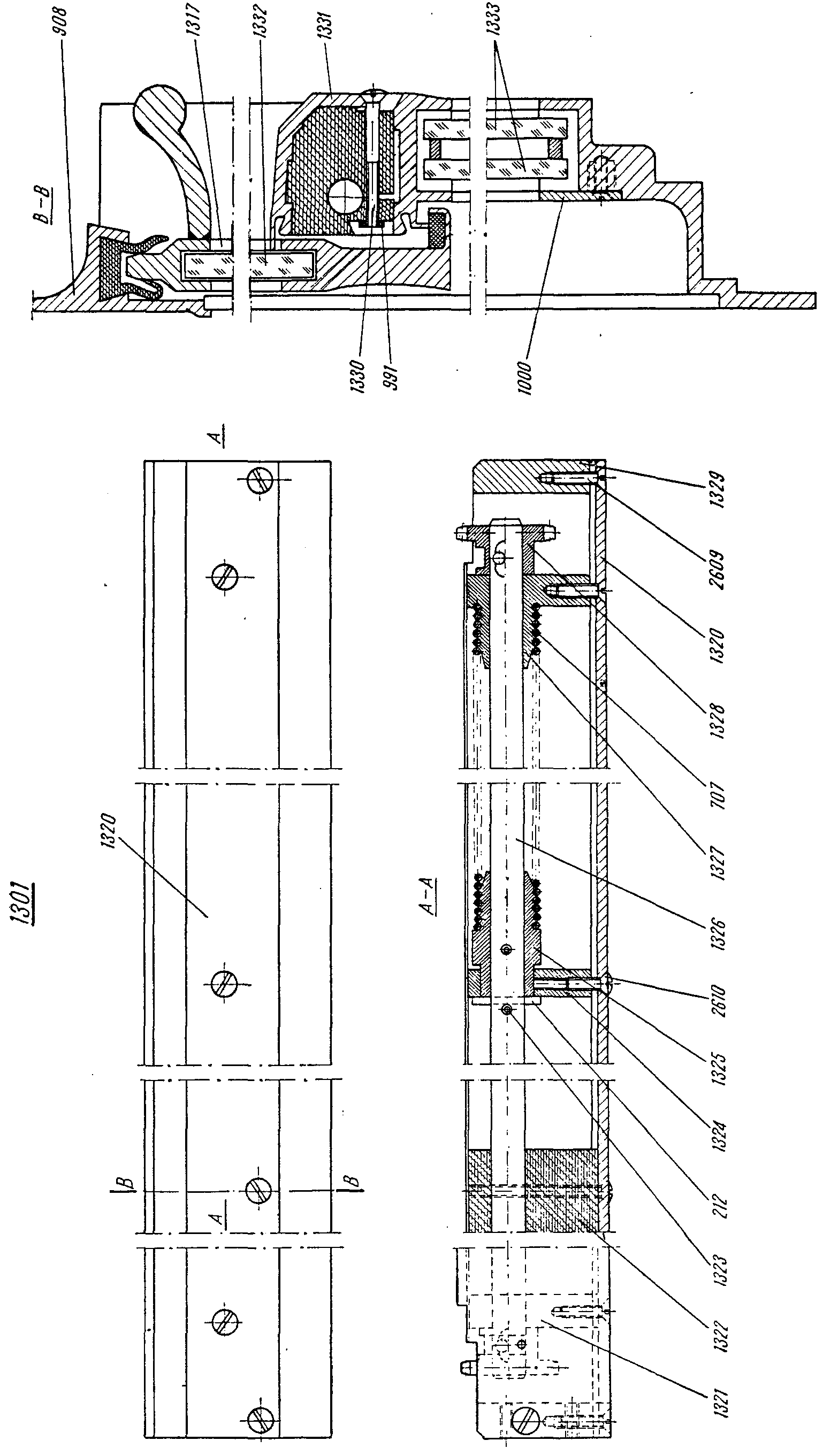 —FRA raccord m à étrierITA attacco m con staffaPLN złączka f do strzemieniaRUS втулка f с цапфами для хомутасм. поз. 2294 на
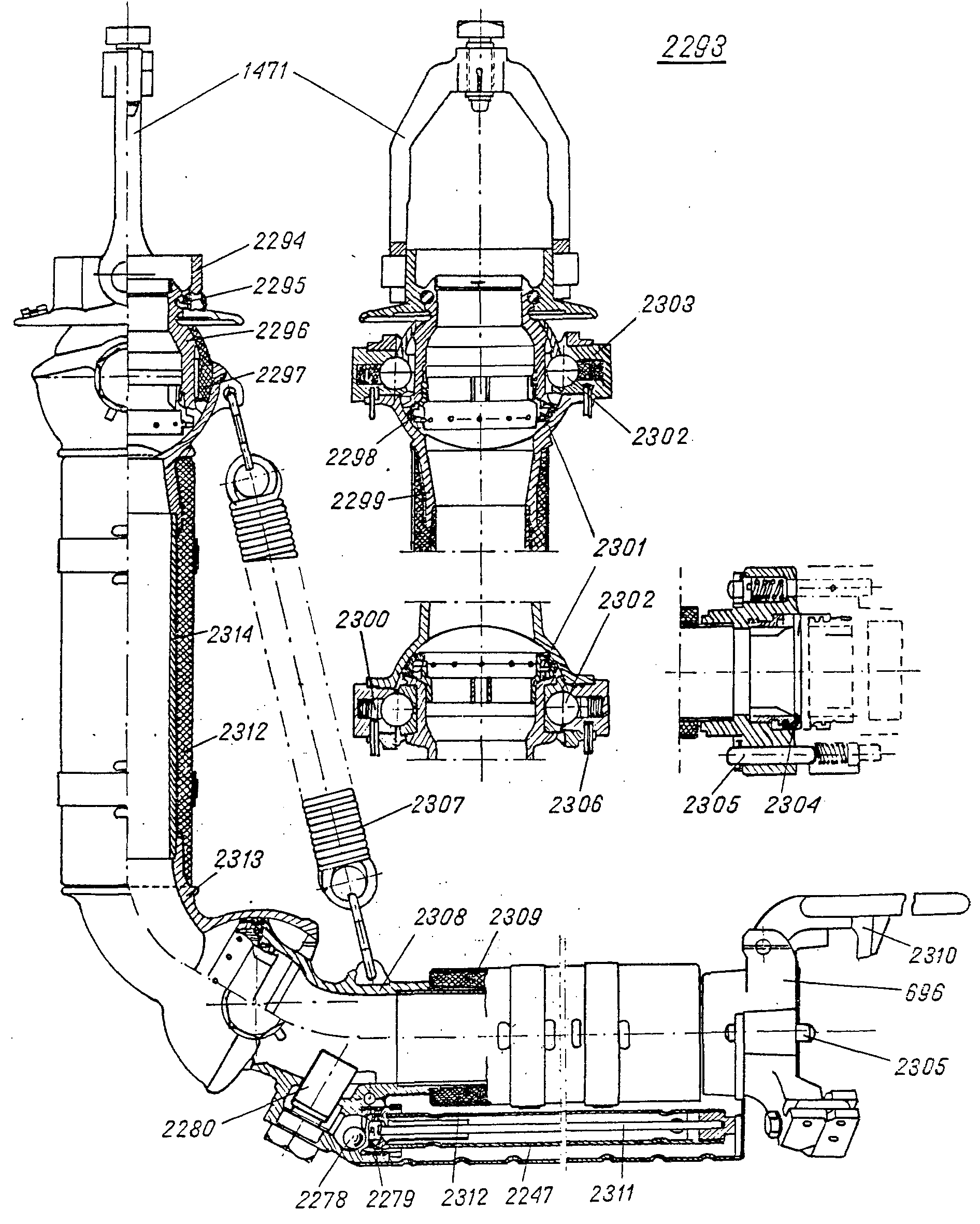 —FRA bague f du porte-semelle de freinDEU Buchse f für Bremsklotzschuh m, kleine und großeENG brake block bushITA ghiera f del portasuola del frenoPLN panewka f obsady klockaRUS втулка f чеки тормозной колодкисм. поз. 559 на
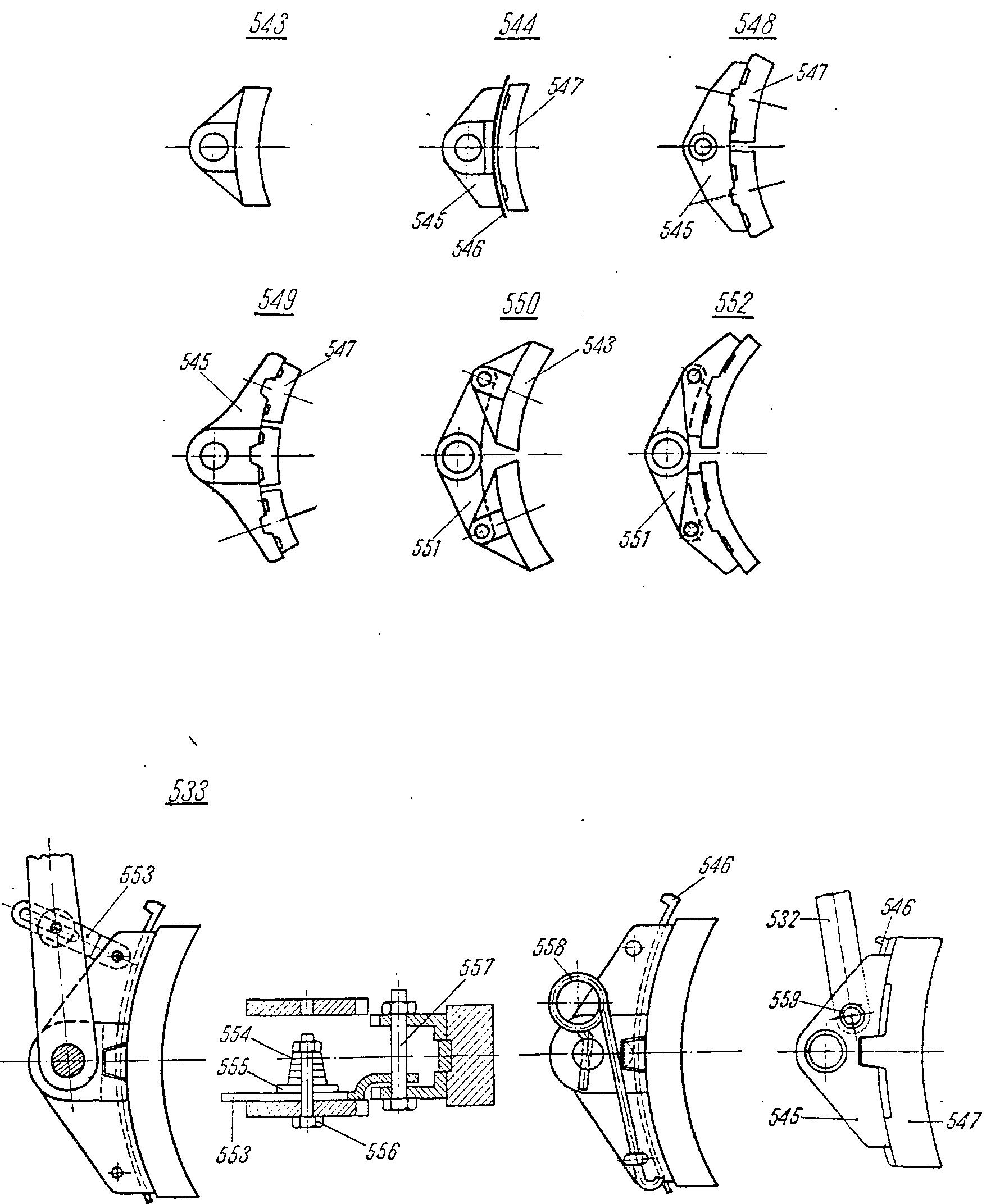 —FRA mamelon mDEU Bundbuchse fENG nippleITA bocciolo mPLN końcówka f przewodu, złączka fRUS втулка f штуцерасм. поз. 690 на
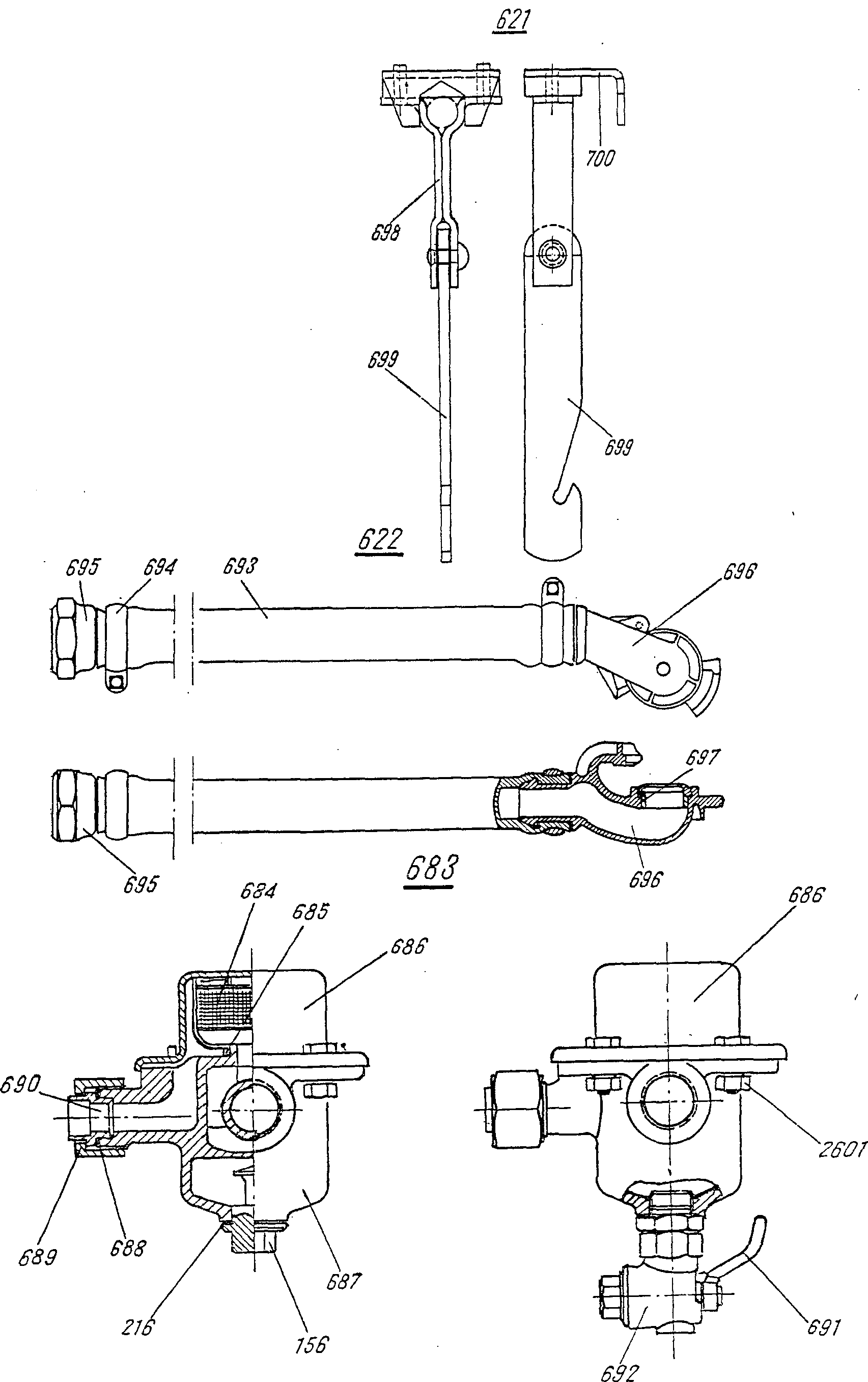 —FRA gaine f de la tringle de verrouillageDEU Abdeckung f für Riegelstange fITA guaina f del paletto di chiusuraPLN osłona f pręta ryglującegoRUS втулка f штыря запорасм. поз. 1082 на
втулка, внутренняя
—FRA douille f de verrouillage (intérieure)DEU Verschlußbuchse f, innereENG inside socketITA bussola f interna di bloccaggioPLN tulejka f zamykająca, wewnętrznaRUS втулка f, внутренняясм. поз. 1951 на
втулка, дистанционная
—FRA entretoise fDEU Verstärkung f für Lagerkloben mENG distance pieceITA cannotto m distanziatorePLN sworzeń m usztywniającyRUS втулка f, дистанционнаясм. поз. 985 на
втулка, закрепительная
—FRA manchon m de demontageDEU Abziehhülse fENG bearing sleeveITA manicotto m di calettamentoPLN tuleja f rozprężnaRUS втулка f, закрепительнаясм. поз. 157 на
втулка, конусная
—FRA cône m convergentDEU Strahldüse fENG fitting coneITA ugello m conico convergentePLN dysza f stożkowaRUS втулка f, конуснаясм. поз. 2254 на ,
, 
втулка, наружная
—FRA colonne f extérieureDEU Säulenrohr n, äußeresENG outside postITA colonna f esternaPLN tuleja f zewnętrznaRUS втулка f, наружнаясм. поз. 1812 на FRA douille, f de verrouillage (extérieure)DEU Verschlußbuchse f, äußereENG outer socketITA bussola f esterna di bloccaggioPLN tulejka f zamykająca, zewnętrznaRUS втулка f, наружнаясм. поз. 1952 на
втулка, ограничительная
—FRA entretoise fDEU Abstandsmuffe fENG distance pieceITA manicotto m distanziatorePLN tuleja f dystansowaRUS втулка f, ограничительнаясм. поз. 479 на
втулка, скользящая
—FRA bague f coulissanteDEU Gleitbuchse fENG sliding ringITA anello m scorrevolePLN tuleja podpiaścia fRUS втулка f, скользящаясм. поз. 138 на
втулка, уплотнительная
—FRA joint m du tournantDEU Dichtung f für Zapfen m am KugelschieberENG elbow jointITA guarnizione f dell'asse del maschioPLN uszczelka f wrzecionaRUS втулка f, уплотнительнаясм. поз. 2275 на
втулка, установочная
—FRA douille f de réglageDEU Fassung f für DehnungsrohrITA ghiera f di regolazionePLN tuleja f regulacyjnaRUS втулка f, установочнаясм. поз. 2248 на
втулка, внутренняя
—FRA colonne f intérieureDEU Säulenrohr n, inneresENG inside postITA colonna f internaPLN tuleja f wewnętrznaRUS втулка f, внутренняясм. поз. 1811 на -
16 frons
1.frons (also anciently fruns; plur. frundes, Enn. Ann. 266 Vahl.; cf. Charis. p. 105 P.—Also in nom. fros or frus, Varr. ib.; Enn. v in the foll.; cf. Prisc. p. 554 P.; and FRONDIS, acc. to Serv. Verg. G. 2, 372), dis, f. [etym. dub.], a leafy branch, green bough, foliage.I.Lit. (class.; in sing. and plur.; syn. folium).(α).Sing.: populea frus, Enn. ap. Aus. Technop. (Edyll. 5) 158 sq. (id. Ann. v. 562 Vahl.):(β).ilignea, quernea,
Cato, R. R. 37, 2:in nemoribus, ubi virgulta et frons multa,
Varr. R. R. 2, 5, 11:bobus praestabit vilicus frondem,
Col. 11, 3, 101: alta frons decidit, Varr. ap. Non. 486, 13:ne caules allii in frondem luxurient,
Plin. 19, 6, 34, § 113:perenni frunde corona,
Lucr. 1, 119:nigrae feraci frondis in Algido,
Hor. C. 4, 4, 58:sine fronde,
Ov. Tr. 3, 10, 75:immaturam destringere,
Quint. 12, 6, 2.—Plur.: russescunt frundes, Enn. ap. Charis. p. 105 P. (Ann. v. 266 Vahl.):II.deserta via et inculta atque interclusa jam frondibus et virgultis relinquatur,
Cic. Cael. 18, 42:viminibus salices fecundi, frondibus ulmi,
Verg. G. 2, 446:frondibus teneris non adhibendam esse falcem,
Quint. 2, 4, 11:bovemque Disjunctum curas et strictis frondibus exples,
Hor. Ep. 1, 14, 28; id. C. 3, 18, 14.—Poet. transf., a garland made of leafy boughs, a garland of leaves, leafy chaplet: donec Alterutrum velox victoria fronde coronet, Hor. Ep. 1, 18, 64; so in sing., id. C. 4, 2, 36; id. Ep. 2, 1, 110:2.nos delubra deum festa velamus fronde,
Verg. A. 2, 249; 5, 661; Ov. M. 1, 449; 565; id. A. A. 1, 108.—In plur., Ov. F. 1, 711; 3, 482.frons, frontis, f. ( masc., Cato ap. Gell. 15, 9, 5; and ap. Fest. s. v. recto, p. 286, b, Müll.; Plaut. Mil. 2, 2, 46 Ritschl, N. cr.; id. ap. Non. 205, 4; Caecil. ap. Gell. 15, 9, 3; Vitr. 10, 17) [cf. Sanscr. brhū; Gr. ophrus; Germ. Braue; Engl. brow; v. Curt. Gr. Etym. p. 296], the forehead, brow, front (syn.: vultus, os, facies).I.Lit.:2.frons et aliis (animalibus), sed homini tantum tristitiae, hilaritatis, clementiae, severitatis index: in adsensu ejus supercilia homini et pariter et alterna mobilia,
Plin. 11, 37, 51, § 138:tanta erat gravitas in oculo, tanta contractio frontis, ut illo supercilio res publica, tamquam Atlante caelum, niti videretur,
Cic. Sest. 8, 19: frontem contrahere, to contract or knit the brows, id. Clu. 26, 72; Hor. S. 2, 2, 125;for which, adducere,
Sen. Ben. 1, 1:attrahere,
id. ib. 6, 7: remittere frontem, to smooth the brow, i. e. to cheer up, Plin. Ep. 2, 5, 5;for which: exporge frontem,
Ter. Ad. 5, 3, 53; cf.:primum ego te porrectiore fronte volo mecum loqui,
Plaut. Cas. 2, 4, 3:explicare,
Hor. C. 3, 29, 16;solvere,
Mart. 14, 183: ut frontem ferias, smitest thy forehead (as a sign of vexation), Cic. Att. 1, 1, 1; cf.:nulla perturbatio animi, nulla corporis, frons non percussa, non femur,
id. Brut. 80, 278:femur, pectus, frontem caedere,
Quint. 2, 12, 10:frontem sudario tergere,
id. 6, 3, 60;for which: siccare frontem sudario,
id. 11, 3, 148:capillos a fronte retroagere,
id. ib. 160:mediam ferro gemina inter tempora frontem Dividit,
Verg. A. 9, 750:quorundam capita per medium frontis et verticis mucrone distincta, in utrumque humerum pendebant,
Amm. 31, 7, 14:insignem tenui fronte Lycorida (a small forehead was regarded as a beauty by the ancients),
Hor. C. 1, 33, 5; cf. id. Ep. 1, 7, 26; Petr. 126; Mart. 4, 42, 9; Arn. 2, 72.—Of the forehead of animals:est bos cervi figura: cujus a media fronte, etc.,
Caes. B. G. 6, 26, 1:tauri torva fronte,
Plin. 8, 45, 70, § 181:equi,
Ov. Tr. 5, 9, 30:ovis,
id. F. 4, 102:cui (haedo) frons turgida cornibus Primis,
Hor. C. 3, 13, 4:(vitulus) Fronte curvatos imitatus ignes lunae,
id. ib. 4, 2, 57.—In plur., Lucr. 5, 1034. —The brow as a mirror of the feelings:3.non solum ex oratione, sed etiam ex vultu et oculis et fronte, ut aiunt, meum erga te amorem perspicere potuisses,
Cic. Att. 14, 13, B, 1; cf. Q. Cic. Petit. Cons. 11, 44; and:homines fronte et oratione magis, quam ipso beneficio reque capiuntur,
expression of countenance, id. ib. 12, 46:si verum tum, cum verissima fronte, dixerunt, nunc mentiuntur,
Cic. Rab. Post. 12, 35:haec ipsa fero equidem fronte et vultu bellissime, sed angor intimis sensibus,
id. Att. 5, 10, 3: frons, oculi, vultus persaepe mentiuntur;oratio vero saepissime,
id. Q. F. 1, 1, 5, § 15; cf.:oculi, supercilia, frons, vultus denique totus, qui sermo quidam tacitus mentis est, hic in fraudem homines impulit,
id. Pis. 1, 1; id. Fam. 1, 9, 17:fronte occultare sententiam,
id. Lael. 18, 65:tranquilla et serena,
id. Tusc. 3, 15, 31; cf.:reliquiae pristinae frontis,
id. Fam. 9, 10, 2:laeta,
Verg. A. 6, 862:sollicita,
Hor. C. 3, 29, 16:tristis,
Tib. 2, 3, 33:gravis,
Plin. Pan. 41, 3:humana, lenis, placida,
Sen. Ben. 2, 13:inverecunda,
Quint. 2, 4, 16:proterva,
Hor. C. 2, 5, 16:urbana (i. e. impudens),
id. Ep. 1, 9, 11:impudens, proterva, Aug. Op. imperf. c. Jul. 6, 21: impudentissima,
id. ib. 26; cf.:impudentia frontis,
Hier. adv. Rufin. 1, 7:fronte inverecunda nummos captare,
Val. Max. 8, 2, 2.—In plur.:si populo grata est tabella, quae frontes aperit hominum, mentes tegat,
Cic. Planc. 6, 16.—Prov.:B.frons occipitio prior est,
i. e. better work before the master's face than behind his back, Cato, R. R. 4; Plin. 18, 5, 6, § 31.—Transf1.The forepart of any thing, the front, façade, van (opp. tergum and latus):2.copias ante frontem castrorum struit,
Caes. B. C. 3, 37, 1:aedium,
Vitr. 3, 2:parietum,
id. 2, 8:januae,
Ov. F. 1, 135:scena,
Verg. G. 3, 24:(navium),
id. A. 5, 158:pontis,
Hirt. B. G. 8, 9, 4:collis ex utraque parte lateris dejectus habebat, et in frontem leniter fastigatus, etc.,
Caes. B. G. 2, 8; 7, 23: intervallum justum arborum quadrageni pedes in terga frontemque, in latera viceni, Plin. 17, 23, 35, § 202; cf. Quint. 1, 10, 43:octo cohortes in fronte constituit,
Sall. C. 59, 2:quatuor legionum aquilae per frontem,
Tac. H. 2, 89:una fronte contra hostem castra muniunt,
only in front, Caes. B. C. 1, 80, 2 Herz.:aequa fronte ad pugnam procedebat,
Liv. 36, 44, 1:nec tamen aequari frontes poterant, cum extenuando infirmam mediam aciem haberent,
id. 5, 38, 2:recta fronte concurrere hosti (opp. in dextrum cornu),
Curt. 4, 13 med.; cf.:directa fronte pugnandum est,
Quint. 5, 13, 11:veritus ne simul in frontem simul et latera suorum pugnaretur,
Tac. Agr. 35:transisse aestuaria pulchrum ac decorum in frontem (i. e. fronti),
for the front, the van, id. ib. 33: dextra fronte prima legio incessit, on the right front, i. e. on the right wing, id. H. 2, 24 fin.:laeva,
Claud. in Ruf. 2, 174; cf.:frons laevi cornu haec erat,
Curt. 4, 13 fin. — Poet. transf., of clouds:ut non tam concurrere nubes Frontibus adversis possint quam de latere ire,
Lucr. 6, 117;of a precipice: Fronte sub adversa scopulis pendentibus antrum,
Verg. A. 1, 166.—Esp. freq.: a fronte, in front, before (opp. a tergo and a latere):a tergo, a fronte, a lateribus tenebitur, si in Galliam venerit,
Cic. Phil. 3, 13, 32:a fronte atque ab utroque latere cratibus ac pluteis protegebat,
Caes. B. C. 1, 25 fin.:totis fere a fronte et ab sinistra parte nudatis castris,
id. B. G. 2, 23, 4. —The outer end of a book-roll or volume, Tib. 3, 1, 13; Ov. Tr. 1, 1, 11.—3.The circumference of a wheel, Vitr. 10, 4.—4.In measuring land = latitudo, the breadth:II.mille pedes in fronte, trecentos cippus in agrum Hic dabat,
Hor. S. 1, 8, 12; Inscr. Orell. 4558; 4560.—Trop.A.The outside, exterior, external quality, appearance (cf. species and facies;B.mostly post-Aug.): Pompeius Scauro studet: sed utrum fronte an mente, dubitatur,
Cic. Att. 4, 15, 7:plus habet in recessu, quam fronte promittat,
Quint. 1, 4, 2; 11, 1, 61; cf.:frons causae non satis honesta,
id. 4, 1, 42 Spald.:decipit Frons prima multos,
the first appearance, Phaedr. 4, 2, 6; cf.:dura primā fronte quaestio,
Quint. 7, 1, 56:ex prima statim fronte dijudicare imprudentium est,
id. 12, 7, 8.—The character or feelings expressed by the brow.1.Poet. in partic., shame:2.exclamet perisse Frontem de rebus,
Pers. 5, 104 (for which:clament periisse pudorem,
Hor. Ep. 2, 1, 80).— -
17 limen
līmen, ĭnis, n. [Gr. lechris, loxos; Lat. obliquus, līmus; hence prop. a cross-piece], a threshold; the head-piece or foot-piece of a doorway, the lintel or the sill (limen superum et inferum).I.Lit.:B.limen superum inferumque, salve,
Plaut. Merc. 5, 1, 1: limen superum, quod mihi misero saepe confregit caput: Inferum autem, ubi ego omnis digitos defregi meos, Novius ap. Non. 336, 14:sensim super attolle limen pedes, nova nupta,
Plaut. Cas. 4, 4, 1:imponere foribus,
Plin. 36, 14, 21, § 96:ad limen consulis adesse,
Liv. 2, 48:curiae,
id. 3, 41:primo limine,
at the outer threshold, Juv. 1, 96.— Plur. ( poet.):haec limina, intra quae puer est,
Juv. 14, 45; 220.—The moment of touching the threshold was regarded as ominous:ter limen tetigi,
Ov. Tr. 1, 3, 55.—Prov.: salutare a limine, to greet in passing, i. e. to touch upon slightly, not go deeply into, Sen. Ep. 49, 6.—Transf.1.A door, entrance:2.ubi hanc ego tetulero intra limen,
Plaut. Cist. 3, 19:intrare intra limen,
id. Men. 2, 3, 63:intra limen cohibere se,
to keep within doors, id. Mil. 3, 1, 11:marmoreo stridens in limine cardo,
Verg. Cir. 222; Hor. Ep. 1, 18, 73:fores in liminibus profanarum aedium januae nominantur,
Cic. N. D. 2, 27, 67:ad valvas se templi limenque convertisse,
Caes. B. C. 3, 105:penetrare aulas et limina regum,
the courts and doors, Verg. G. 2, 504:ipso in limine portae,
id. A. 2, 242; cf.:tremuitque saepe limite in primo sonipes,
Sen. Agam. 629:famuli ad limina,
doorkeepers, porters, Sil. 1, 66:in limine portūs,
at the very entrance of the haven, Verg. A. 7, 598:densos per limina tende corymbos,
Juv. 6, 52.—Still more gen., a house, dwelling, abode:3.matronae nulla auctoritate virorum contineri limine poterant,
in the house, at home, Liv. 34, 1:ad limen consulis adesse, etc.,
id. 2, 48:limine pelli,
Verg. A. 7, 579.—Poet., the barrier in a race-course:II.limen relinquunt,
Verg. A. 5, 316.—Trop., both entrance and exit.A.A beginning, commencement ( poet. and in post-Aug. prose):B.leti limine in ipso,
Lucr. 6, 1157:in limine belli,
Tac. A. 3, 74:in ipso statim limine obstare,
Quint. 2, 11, 1:in limine victoriae,
Curt. 6, 3, 10; 6, 9, 17; 9, 10, 26:a limine ipso mortis revocatus,
Plin. 7, 44, 45, § 143; Sen. Ep. 22, 16; Just. 14, 3, 9.—An end, termination (post-class.):in ipso finitae lucis limine,
App. M. 11, p. 267, 18; cf.:limina sicut in domibus finem quendam faciunt, sic et imperii finem limen esse veteres voluerunt,
Just. Inst. 1, 12, § 5. -
18 модифицированная накрутка
модифицированная накрутка
Накрутка, выполняемая таким образом, что с несколькими виками оголенного провода накручиваются 2-3 витка изолированного провода. Такая накрутка более устойчива к воздействию вибрации.
[В. Ф. Лярский, О. Б. Мурадян. Электрические соединители. Справочник. Радио и связь, 1988]EN
modified wrapped connection
wrapped connection achieved by wrapping an insulated solid conductor around a wrap post in such a way that the insulation of the conductor covers the outer sides of wrap at at least three corners of the wrap post
[IEV number 581-23-36]FR
connexion enroulée renforcée
connexion enroulée obtenue par enroulement d'un conducteur isolé massif autour d'une borne pour connexion enroulée de manière à ce que l'isolant du fil soit en contact avec au moins trois arêtes de la borne pour connexion enroulée
[IEV number 581-23-36]
а) обычная накрутка; б) - модифицированная накрутка
[В. Ф. Лярский, О. Б. Мурадян. Электрические соединители. Справочник. Радио и связь, 1988]Тематики
EN
DE
- modifizierte Wickelverbindung, f
FR
Смотри также
Русско-английский словарь нормативно-технической терминологии > модифицированная накрутка
19 अन्तर् _antar
अन्तर् ind. [अम्-अरन्-तुडागमश्च Uṇ.5.6, अमेस्तुट् च]1 (Used as a prefix to verbs and regarded as a preposition or गति) (a) In the middle, between; in, into, inside; ˚हन्, ˚धा, ˚गम्, ˚भू, ˚इ, ˚ली &c. (b) Under.-2 (Used adverbially) (a) Between, be- twixt, amongst, within; in the middle or interior, inside (opp. वहिः); अदह्यतान्तः R.2.32 burnt within himself, at heart; अन्तरेव विहरन् दिवानिशम् R.19.6 in the palace, in the harem; so ˚भिन्नं भ्रमति हृदयम् Māl. 5.2; अन्तर्विभेद Dk.13; यदन्तस्तन्न जिह्वायाम् Pt.4.88; अन्तर्यश्च मृग्यते V.1.1 internally, in the mind. (b) By way of seizing or holding; अन्तर्हत्वा गतः (हतं परिगृह्य).-3 (As a separable preposition) (a) In, into, between, in the middle, inside, within, (with loc.); निवसन्नन्तर्दारुणि लङ्घ्यो वह्निः Pt.1.31; अन्तरादित्ये Ch. Up., अन्तर्वेश्मनि Ms.7 223; Y.3.31; अप्स्वन्तरमृतमप्सु Rv.1. 23.19. अप्सु मे सोमो$ब्रवीदन्तर् विश्वानि भेषजा ibid. (b) Between (with acc.) Ved. अन्तर्मही बृहती रोदसीमे Rv. 7.87.2; अन्तर्देवान् मर्त्यांश्च 8.2.4; हिरण्मय्योर्ह कुश्योरन्तर- वहित आस Śat. Br. (c) In, into, inside, in the interior, in the midst (with gen.); प्रतिबलजलधेरन्तरौर्वायमाणे Ve. 3.7; अन्तःकञ्चुकिकञ्चुकस्य Ratn.2.3; बहिरन्तश्च भूतानाम् Bg.13.15; त्वमग्ने सर्वभूतानामन्तश्चरसि साक्षिवत् Y.2.14; लघुवृत्तितया भिदां गतं बहिरन्तश्च नृपस्य मण्डलम् Ki.2.53; अन्तरीपं यदन्तर्वारिणस्तटम् Ak.; oft. in comp. at the end; कूपान्तः पतितः Pt.5; सभान्तः साक्षिणः प्राप्तान् Ms.8.79; दन्तान्तरधि- ष्ठितम् Ms.5.141 between the teeth; उत्पित्सवो$न्तर्नदभर्तुः Śi.3.77; also in compound with a following word; अहं सदा शरीरान्तर्वासिनी ते सरस्वती Ks.4.11.-4 It is fre- quently used as the first member of compounds in the sense of 'internally', 'inside', 'within', 'in the inte- rior', 'having in the interior', 'filled with', 'having concealed within', or in the sense of 'inward', 'internal', 'secret', 'hidden' &c., forming Adverbial, Bahuvrīhi or Tatpuruṣa compounds; कुन्दमन्तस्तुषारम् (Bah. comp.) Ś.5.19 filled with dew; ˚स्तोयम् (Bah. comp.) Me.66; अन्तर्गिरि (Adv. comp.) Ki.1.34; ज्वलयति तनूमन्तर्दाहः (Tat. comp.) U.3.31; so ˚कोपः, ˚कोणः, ˚आकूतम् &c.-5 It is also supposed to be a particle of assent (स्वीकारार्थक). (Note. In comp. the र् of अन्तर् is changed to a visarga before hard consonants, as अन्तः- करणम्, अन्तःस्थ &c.). [cf. L. inter; Zend antare; Goth. undar; Pers. andar; Gr. entos;].-Comp. -अंसः the breast (= अंतरा-अंस q. v.).-अग्निः inward fire, the fire which stimulates digestion; दीप्तान्तरग्निपरिशुद्धकोष्ठः Susr.-अंङ्ग a.1 inward, internal, comprehended, included (with abl.); त्रयमन्तरङ्ग पूर्वेभ्यः Pat Sūtra.-2 proximate, related to, essential to or referring to the essential part of the अङ्ग or base of a word (opp. बहिरङ्ग); धातूपसर्गयोः कार्यमन्तरङ्गम् P.VIII.3.74 Sk.-3 dear, most beloved (अत्यन्तप्रिय); स्वपिति सुखमिदा- नीमन्तरङ्गः कुरङ्गः Ś.4.v.l.(-अङ्गम्) 1 the inmost limb or organ, the heart, mind; सन्तुष्टान्तरङ्गः Dk.11; ˚वृत्ति 21; the interior.-2 an intimate friend, near or con- fidential person (forming, as it were, part of oneself); मदन्तरङ्गभूताम् Dk.81,93,11; राजान्तरङ्गभावेन 135; अन्तरङ्गेषु राज्यभारं समर्प्य*** 159.-3 an essential or indispensable part, as श्रवण, मनन & निदिध्यासन in realizing Brahman.-4 What is intimately connected or related; अन्तरङ्गबहिरङ्ग- योरन्तरङ्ग बलीयः ŚB. on MS.12.2.29.- अवयव an inner part; P.V.4.62.-आकाशः the ether or Brahman that resides in the heart of man (a term often occurring in the Upaniṣads).-आकूतम् secret or hidden intention.-आगमः an additional augment between two letters,-आगारम् the interior of a house; स्त्रीनक्तमन्तरा- गारबहिःशत्रुकृतांस्तथा Y.2.31.-आत्मन् m. (त्मा)1 the inmost spirit or soul, the soul or mind; also the internal feelings, the heart, अङ्गुष्ठमात्रपुरुषोन्तरात्मा Śvet.; नास्य प्रत्यक- रोद्वीर्यं विक्लवेनान्तरात्मना Rām.6.13.28. गतिमस्यान्तरात्मनः Ms.6.73; जीवसंज्ञोन्तरात्मान्यः सहजः सर्वदेहिनाम् 12.13; मद्- गतेनान्तरात्मना Bg.6.47 with the heart fixed on me; जातो ममायं विशदः प्रकामं...... अन्तरात्मा Ś.4.22, U.3.38, प्रायः सर्वो भवति करुणावृत्तिरार्द्रान्तरात्मा Me.95.-2 (In phil.) the inherent supreme spirit or soul (residing in the in- terior of man); अन्तरात्मासि देहिनाम् Ku.6.21.-आपणः a market in the heart (inside) of a town.-आय, -आल; See s. v.-आराम a. rejoicing in oneself, finding pleasure in his soul or heart; यो$न्तःसुखोन्तरारामस्तथान्तर्जर्यो- तिरेव सः Bg.5.24.-इन्द्रियम् an internal organ or sense.-उष्यम् Ved. a secret abode.-करणम् the internal organ; the heart, soul; the seat of thought and feeling, thinking faculty, mind, conscience; प्रमाणं ˚प्रवृत्तयः Ś.1.22; सबाह्य ˚णः अन्तरात्मा V.4 the soul in all its senses external and internal, the inner and outer man; दयार्द्रभावमाख्यातमन्तःकरणैर्विशङ्कैः R.2.11. According to the Vedānta अन्तःकरण is of four kinds: मनो बुद्धिरहङ्कार- श्चित्तं करणमान्तरम् । संशयो निश्चयो गर्वः स्मरणं विषया इमे ॥ अन्तःकरणं त्रिविधम् Sāṅkhya 33, i. e. बुद्धयहङ्कारमनांसि; सान्तःकरणा बुद्धिः 35, i. e. अहङ्कारमनःसहिता.-कल्पः a certain number of years (with Buddhists).-कुटिल a. inwardly crooked (fig. also); fraudulent. (-लः) a conch-shell.-कृ(क्रि)मिः a disease of worms in the body.-कोटरपुष्पी = अण्ड- कोटरपुष्पी.-कोपः 1 internal disturbance; H.3.-2 inward wrath, secret anger.-कोशम् the interior of a store- room.-गङ्गा the secret or hidden Ganges (supposed to communicate uuderground with a secret stream in Mysore).-गडु a. [अन्तर्मध्ये गडुरिव] useless, unprofitable, unnecessary, unavailing; किमनेनान्तर्गडुना Sar. S. (ग्रीवाप्रदेश- जातस्य गलमांसपिण्डस्य गडोर्यथा निरर्थकत्वं तद्वत्).-गम् -गत &c. See under अंतर्गम्.-गर्भ a.1 bearing young, pregnant.-2 having a गर्भ or inside; so ˚गर्भिन्.-गिरम् -रि ind. in mountains. अध्यास्तेन्तर्गिरं यस्मात् करतन्नावैति कारणम् Bk.5.87.-गुडवलयः the sphincter muscle.-गूढ a. conceal- ed inside, being inward; ˚घनव्यथः U.3.1; R.19.57; ˚विषः with poison concealed in the heart.-गृहम्, -गेहम्, -भवनम् [अन्तःस्थं गृहम् &c.]1 the inner apartment of a house, the interior of a house.-2 N. of a holy place in Benares; पञ्चक्रोश्यां कृतं पापमन्तर्गेहे विनश्यति.-घणः -णम् [अन्तर्हन्यते क्रोडीभवत्यस्मिन्, निपातः] the open space before the house between the entrance-door and the house (= porch or court); तस्मिन्नन्तर्घणे पश्यन् प्रघाणे सौधसद्मनः Bk.7.62 द्वारमतिक्रम्य यः सावकाशप्रदेशः सो$न्तर्घणः). (-नः -णः) N. of a country of Bāhīka (or Bālhīka) (P.III.3.78 बाहीकग्रामविशेषस्य संज्ञेयम् Sk.).-घातः striking in the middle Kāsi. on P.III.3.78.-चर a. pervading the body. internally situated, internal, inward अन्तश्चराणां मरुतां निरोधात् Ku.3.48; U.7.-ज a. born or bred in the interior (as a worm &c.).-जठरम् the stomach. (ind.) in the stomach.-जम्भः the inner part of the jaws (खादनस्थानं जम्भः, दन्तपङ्क्त्यो- रन्तरालम्).-जात a. inborn, innate.-जानु ind. between the knees.-जानुशयः One sleeping with hands between the knees; अन्तर्जानुशयो यस्तु भुञ्जते सक्तभाजनः Mb.3.2.75.-ज्ञानम् inward or secret knowledge.-ज्योतिस् a. enlightened inwardly, with an enlightened soul. यो$न्तःसुखो$न्तरारामस्तथान्तर्ज्योतिरेव यः Bg.5.24. (-स् n.) the inward light, light of Brahman.-ज्वलनम् inflammation. (-नः) inward heat or fire; mental anxiety.-ताप a. burning inwardly (-पः) internal fever or heat Ś.3.13.-दधनम् [अन्तर्दध्यते आधीयते मादकतानेन] distillation of spirituous liquor, or a substance used to produce fermentation.-दशा a term in astrology, the time when a particular planet exercises its influence over man's destiny (ज्योतिषोक्तः महादशान्तर्गतो ग्रहाणां स्वाधिपत्यकालभेदः).-दशाहम् an interval of 1 days; ˚हात् before 1 days. Ms.8.222; ˚हे 5.79.-दहनम् -दाहः 1 inward heat; ज्वलयति तनूमन्तर्दाहः U.3.31; ˚हेन दहनः सन्तापयति राघवम् Rām.-2 inflammation.-दुःख a. sad or afflicted at heart;-दुष्ट a. internally bad, wicked or base at heart.-दृष्टिः f. examining one's own soul, insight into oneself.-देशः an intermediate region of the compass.-द्वारम् private or secret door within the house (प्रकोष्ठद्वारम्).-धा-धि, -हित &c. See. s. v.-नगरम् the palace of a king (being inside the town); cf. ˚पुरम्; दशाननान्तर्नगरं ददर्श Rām.-निवेशनम् inner part of the house; यथा चारोपितो वृक्षो जातश्चान्तर्निवेशने Rām.6.128.6.-निहित a. being concealed within; अङ्गैरन्तर्निहितवचनैः सूचितः सम्यगर्थः M.2.8.-निष्ठ a. engaged in internal meditation.-पटः, -टम् a screen of cloth held between two persons who are to be united (as a bride and bridegroom, or pupil and preceptor) until the acctual time of union arrives.-पथ a. Ved. being on the way.-पदम् ind. in the interior of an inflected word.-पदवी = सुषुम्णामध्यगतः पन्थाः-पिरधानम् the innermost garment.-पर्शव्य a. being between the ribs (as flesh).-पवित्रः the Soma when in the straining vessel.-पशुः [अन्तर्गाममध्ये पशवो यत्र] the time when the cattle are in the village or stables (from sunset to sunrise); अन्तःपशौ पशुकामस्य सायं प्रातः Kāty; (सायं पशुषु ग्राममध्ये आगतेषु प्रातश्च ग्रामादनिःसृतेषु com.).-पातः, पात्यः 1 insertion of a letter (in Gram.).-2 a post fixed in the middle of the sacrificial ground (used in ritual works); अन्तःपूर्वेण यूपं परीत्यान्तःपात्यदेशे स्थापयति Kāty.-पातित, -पातिन् a.1 inserted.-2 included or comprised in; falling within; दण्डकारण्य˚ ति आश्रमपदम् K.2.-पात्रम् Ved. interior of a vessel.-पालः one who watches over the inner apartments of a palace.-पुरम् [अन्तः अभ्यन्तरं पुरं गृहम्, or पुरस्यान्तःस्थितम्]1 inner apartment of a palace (set apart for women); female or women's apartments, seraglio, harem (so called from their being situated in the heart of the town, for purposes of safety); व्यायम्याप्लुत्य मध्याह्ने भोक्तुमन्तःपुरं विशेत् Ms.7.216,221,224; कन्यान्तःपुरे कश्चित्प्रविशति Pt.1.-2 inmates of the female apartments, a queen or queens, the ladies taken collectively; अन्तःपुराणि सर्वाणि रुदमानानि सत्वरम् Rām.6.111.111. ˚विरहपर्युत्सुकस्य राजर्षेः Ś.3; K.58; ततो राजा सान्तःपुरः स्वगृह- मानीयाभ्यर्चितः Pt.1; कस्यचिद्राज्ञो$न्तःपुरं जलक्रीडां कुरुते ibid. ˚प्रचारः gossip of the harem Ms.7.153; ˚समागतः Ś.4; also in pl.; कदाचिदस्मत्प्रार्थनामन्तःपुरेभ्यः कथयेत् Ś.2.; न ददाति वाचमुचितामन्तःपुरेभ्यो यदा Ś.6.5. ˚जन women of the palace; inmates of the female apartments; ˚चर,-अध्यक्षः-रक्षकः, -वर्ती guardian or superintendent of the harem, chamber- lain; वृद्धः कुलोद्रतः शक्तः पितृपैतामहः शुचिः । राज्ञामन्तःपुरा- ध्यक्षो विनीतश्च तथेष्यते ॥ (of these five sorts are mentioned:- वामनक, जघन्य, कुब्ज, मण्डलक and सामिन् see Bṛi. S.) ˚सहायः one belonging to the harem.-पुरिकः [अन्तःपुरे नियुक्तः, ठक्] a chamberlain = ˚चर. (-कः, -का) a woman in the harem; अस्मत्प्रार्थनामन्तःपुरिके(का) भ्यो निवेदय Chaṇḍ. K.-पुष्पम् [कर्म.] the menstrual matter of women, before it re- gularly begins to flow every month; वर्षद्वादशकादूर्ध्वं यदि पुष्पं बहिर्न हि । अन्तःपुष्पं भवत्येव पनसोदुम्बरादिवत् Kāśyapa; ˚ष्पम् is therefore the age between 12 and the menstruation period.-पूय a. ulcerous.-पेयम् Ved. drinking up.-प्रकृतिः f.1 the internal nature or constitution of man.-2 the ministry or body of ministers of a king.-3 heart or soul. ˚प्रकोपः internal dissensions or disaffection; अणुरप्युपहन्ति विग्रहः प्रभुमन्तःप्रकृतिप्रकोपजः Ki.2.51.-प्रको- पनम् sowing internal dissensions, causing internal revolts; अन्तःप्रकोपनं कार्यमभियोक्तुः स्थिरात्मनः H.3.93.-प्रज्ञ a. knowing oneself, with an enlightened soul.-प्रतिष्ठानम् residence in the interior.-बाष्प a.1 with suppressed tears; अन्तर्बाष्पश्चिरमनुचरो राजराजस्य दध्यौ Me.3.-2 with tears gushing up inside, bedimmed with tears; कोपात्˚ ष्पे स्मरयति मां लोचने तस्याः V.4.15. (-ष्पः) suppressed tears, inward tears; निगृह्य ˚ष्पम् Bh.3.6; Māl.5.-भावः, भावना see under अन्तर्भू separately.-भिन्न a. split or broken inside, perforated, bored (said of a pearl) Pt.4 (also torn by dissensions).-भूमिः f. interior of the earth.-भेदः discord, internal dissensions; ˚जर्जरं राजकुलम् Mk.4 torn by internal dissensions; अन्तर्भेदाकुलं गेहं न चिराद्विनशिष्यति 'a house divided against itself cannot stand long.'-भौम a. subterranean, underground.-मदावस्थ a. having the rutting state concealed within; आसीदनाविष्कृतदानराजि- रन्तर्मदावस्थ इव द्विपेन्द्रः R.2.7.-मनस् a.1 sad, disconso- late, dejected, distracted.-2 one who has concentrated and turned his mind inward, lost in abstract meditation.-मुख a. (-खी f.)1 going into the mouth, pointing or turned inward; प्रचण्डपरिपिण्डितः स्तिमितवृत्तिरन्तर्मुखः Mv. 5.26.-2 having an inward entrance of opening (बाह्यवस्तुपरिहारेण परमात्मविषयकतया प्रवेशयुक्तं चित्तादि).-3 an epithet of the soul called प्राज्ञ, when it is enjoying the sweet bliss of sleep (आनन्दभुक् चेतोमुखः प्राज्ञः इति श्रुतेः).-4 Spiritual minded, looking inwardly into the soul; 'अन्तर्मुखाः सततमात्मविदो महान्तः' Viś. Guṇā.139. (-खम्) a sort of surgical scissors (having an opening inside), one of the 2 instruments mentioned by Suśruta in chapter 8 of Sūtrasthāna.-मातृका [अन्तःस्थाः ष़ट्चक्रस्थाः मातृकाः अकारादिवर्णाः] a name given in the Tantras for the letters of the alphabet assigned to the six lotuses (पद्म) of the body; ˚न्यासः a term used in Tantra literature for the mental assignment of the seve- ral letters of the alphabet to the different parts of the body.-मुद्र a. sealed inside; N. of a form of devotion.-मृत a. still-born.-यागः mental sacrifice or worship, a mode of worship referred to in the Tantras.-यामः 1 suppression of the breath and voice.-2 ˚पात्रम्, a sacrificial vessel (ग्रहरूपं सामापराख्यं यज्ञियपात्रम्); according to others, a Soma libation made during the suppression of breath and voice; सुहवा सूर्यायान्तर्याममनु- मन्त्रयेत् Ait. Br.-यामिन् m.1 regulating the soul or internal feelings, soul; Providence, Supreme Spirit as guiding and regulating mankind. Brahman; (according to the Bṛi. Ār. Up. अन्तर्यामिन 'the internal check' is the Supreme Being and not the individual soul; who standing in the earth is other than the earth, whom the earth knows not, whose body the earth is, who internally restrains and governs the earth; the same is thy soul (and mine, the internal check अन्तर्यामिन्, &c. &c.); अन्तराविश्य भूतानि यो बिभर्त्यात्मकेतुभिः । अन्तर्या- मीश्वरः साक्षाद्भवेत् &c.-2 wind; ˚ब्राह्मणम् N. of a Brāhmaṇa included in the Bṛi. Ār. Up.-योगः deep meditation, abstraction-लम्ब a. acute-angular. (-बः) an acute-angled triangle (opp. बहिर्लम्ब) (the perpendicular from the vertex or लम्ब falling within अन्तर् the triangle).-लीन a.1 latent, hidden, concealed inside; ˚नस्य दुःखाग्नेः U.3.9; ˚भुजङ्गमम् Pt.1.-2 inherent.-लोम a. (P.V.4.117) covered with hair on the inside; (-मम्) [अन्तर्गतमाज्छाद्यं लोम अच्] the hair to be covered.-वंशः = ˚पुरम् q. v.-वंशिकः, -वासिकः [अन्तर्वंशे वासे नियुक्तः ठक्] a superintendent of the women's apartment.; Pt.3, K.93. Ak.2.8.8.-वण (वन) a. situated in a forest; ˚णो देशः P.VI.2.179 Sk. (-णम्) ind. within a forest. P.VIII.4.5.-वत् a. being in the interior; having something in the interior.-वती (वत्नी) Ved. [अन्तरस्त्यस्यां गर्भः] a pregnant woman; अन्तर्वत्नी प्रजावती R.15.13.-वमिः [अन्तः स्थित एव उद्गारशब्दं कारयति, वम्-इन्] indigestion, flatulence; belching.-वर्तिन्, -वासिन् a. being or dwelling inside, included or comprised in-वसुः N. of a Soma sacrifice (for राज्यकाम and पशुकाम).-वस्त्रम्, -वासस् n. an under- garment; गृहीत्वा तत्र तस्यान्तर्वस्त्राण्याभरणानि च । चेलखण्डं तमेकं च दत्वान्तर्वाससः कृते ॥. Ks.4.52.-वा a. [अन्तः अन्तरङ्गभावं अन्तःकरणं वा वाति गच्छति स्निग्धत्वेन, वा-विच् Tv.] forming part of oneself such as children, cattle &c. ˚वत् a. (अस्त्यर्थे मतुप् मस्य वः) having progeny, cattle &c; अन्तर्वावत्क्षयं दधे Rv.1.4.7; abounding with precious things inside. -adv. inwardly.-वाणि a. [अन्तःस्थिता शास्त्रवाक्यात्मिका वाणी यस्य] skilled or versed in scriptures, very learned (शास्त्रविद्).-विगाहः, -हनम् entering within, penetration.-विद्वस् a. Ved. (विदुषी f.) knowing correctly or exactly (knowing the paths between heaven and earth) Rv.1.72.7.-वेगः inward uneasiness or anxiety, inward fever.-वेदि a. pertaining to the inside of the sacrificial ground. -adv. within this ground. (-दिः -दी f.) [अन्तर्गता वेदिर्यत्र देशे] the tract of land (the Doab) between the rivers Gaṅgā and Yamunā, regarded as a sacred region and the principal seat of Āryan Brāhmaṇas; cf. एते भगवत्यौ भूमिदेवानां मूलमायतनमन्तर्वेदिपूर्वेण कलिन्दकन्यामन्दाकिन्यौ संगच्छेते A.R.7; it is supposed to have extended from Prayāga to Haradvāra and is also known by the names of शशस्थली and ब्रह्मावर्त. -m. (pl.) inhabitants of this land.-वेश्मन् n. the inner apartments, interior of a house.-वेश्मिकः n. a chamberlain.-वैशिकः Officer in charge of the harem. समुद्रमुपकरणमन्तर्वैशिकहस्तादादाय परिचरेयुः Kau. A.1.21.-शरः internal arrow or disease.-शरीरम् internal and spiritual part of man; the interior of the body.-शल्य a. having in the interior an arrow, pin or any such extraneous matter; rankling inside.-शीला N. of a river rising from the Vindhya mountain.-श्लेषः, -श्लेषणम् Ved. internal support (scaffolding &c.) एतानि ह वै वेदानामन्तः- श्लेषणानि यदेता व्याहृतयः Ait. Br.-संज्ञ a. inwardly con- scious (said of trees &c.); ˚ज्ञा भवन्त्येते सुखदुःखसमन्विताः Ms.1.49.-सत्त्व a. having inward strength &c. (˚त्त्वा)1 a pregnant woman.-2 the marking nut.-सन्तापः internal pain, sorrow, regret.- सरल a. upright at heart, or having Sarala trees inside; K.51.-सलिल a. with water (flowing) underground; नदीमिवान्तःसलिलां सरस्वतीम् R.3.9.-सार a. having inward strength and vigour, full of strong inside; powerful, strong, heavy or ponderous; ˚रैर्मन्त्रिभिर्घार्यते राज्यं सुस्तम्भैरिव मन्दिरम् Pt.1. 126; साराणि इन्धनानि Dk.132; ˚रं घन तुलयितुं नानिलः शक्ष्यति त्वाम् Me.2. (-रः) internal treasure or store, inner store or contents; वमन्त्युच्चैरन्तःसारम् H.2.13 internal matter or essence (and pus).-सुख a. whose delight is in self, inwardly happy यो$न्तःसुखो$न्तरारामः Bg. 5.24-सेनम् ind. into the midst of armies.-स्थ a. (also written अन्तःस्थ) being between or in the midst. (-स्थः, -स्था) a term applied to the semivowels, य्, र्, ल्, व् as standing between vowels and consonants and being formed by a slight contact of the vocal organs (ईषत्स्पृष्टं अन्तस्थानाम्); or they are so called be- cause they stand between स्पर्श (क-म) letters and ऊष्मन् (श, ष, स, ह).-स्था 1 a deity of the vital organs.-2 N. of one of the Ṛigveda hymns. ˚मुद्गरः the malleus of the ear.-स्वेदः [अन्तः स्वेदो मदजलस्यन्दनं यस्य] an elephant (in rut).-हणनम् striking in the middle.-हननम् N. of a country बाहीक P.VIII.4.24 Sk.-हस्तम् ind. in the hand, within reach of the hand.-हस्तीन a. being in the hand or within reach of the hand.-हासः laughing inwardly (in the sleeves), a secret or suppressed laugh; सान्तर्हासं कथितम् Me.113 with a suppressed laugh, with a gentle smile.-हृदयम् the interior of the heart.20 दण्डः _daṇḍḥ _ण्डम् _ṇḍam
दण्डः ण्डम् [दण्ड्-अच्]1 A stick, staff, rod, mace, club, cudgel; पततु शिरस्यकाण्डयमदण्ड इवैष भूजः Māl.5.31; काष्ठदण्डः.-2 The sceptre of a king, the rod as a symbol of authority and punishment; आत्तदण्डः Ś.5.8.-3 The staff given to a twice-born man at the time of investiture with the sacred thread; cf Ms.2.45-48.-4 The staff of a संन्यासिन् or ascetic.-5 The trunk of an elephant.-6 The stem or stalk as of a lotus, tree &c.; U.1.31; Māl.9.14; the handle as of an umbrella; ब्रह्माण्डच्छत्रदण्डः &c. Dk.1 (opening verse); राज्यं स्वहस्तधृतदण्डमिवातपत्रम् Ś.5.6; Ku.7.89; so कमल- दण्ड &c.-7 The oar of a boat.-8 An arm or leg (at the end of comp.)-9 The staff or pole of a ban- ner, a tent &c.-1 The beam of a plough.-11 The cross-bar of a lute or a stringed instrument.-12 The stick with which an instrument is played.-13 A churning-stick.-14 Fine; Ms.8.341;9.229; Y.2.237.-15 Chastisement, corporal punishment, punishment in general; यथापराधदण्डानाम् R.1.6; एवं राजापथ्यकारिषु ती- क्ष्णदण्डो राजा Mu.1; दण्डं दण्ड्येषु पातयेत् Ms.8.126; कृतदण्ड स्वयं राज्ञा लेभे शूद्रः सतां गतिम् R.15.23. यथार्हदण्डो (राजा) पूज्यः Kau. A.1.4; सुविज्ञातप्रणीतो हि दण्डः प्रजां धर्मार्थकामै- र्योजयति Kau. A.1.4-16 Imprisonment.-17 Attack, assault, violence, punishment, the last of the four expe- dients; see उपाय; सामादीनामुपायानां चतुर्णामपि पण्डिताः । साम- दण्डौ प्रशंसन्ति नित्यं राष्ट्राभिवृद्धये ॥ Ms.7.19; cf. Śi.2.54.-18 An army; तस्य दण्डवतो दण्डः स्वदेहान्न व्यशिष्यत R.17. 62; Ms.7.65;9.294; Ki.2.15.-19 A form of mili- tary array; Mb.12.59.4.-2 Subjection, control, restraint; वाग्दण्डो$थ मनोदण्डः कायदण्डस्तथैव च । यस्यैते निहिता बुद्धौ त्रिदण्डीति स उच्यते ॥ Ms.12.1.-21 A measure of length equal to 4 Hastas; Bṛi. S.24.9.-22 The penis.-23 Pride; या चापि न्यस्तदण्डानां तां गतिं व्रज पुत्रक Mb. 7.78.25.-24 The body.-25 An epithet of Yama.-26 N. of Viṣṇu.-27 N. of Śiva.-28 An attendant on the sun.-29 A horse (said to be m. only in this and the preceding four senses).-3 A particular appear- ance in the sky (similar to a stick).-31 An uninter- rupted row or series, a line.-32 Standing upright or erect.-33 A corner, an angle.-34 The Science of Govt. विनयमूलो दण्डः, दण्डमूलास्तिस्त्रो विद्याः Kau. A.1.5.-35 Harm, injury; न्यासो दण्डस्य भूतेषु मनोवाक्कायजस्य यः Bhāg.7. 15.8.-Comp. -अजिनम् 1 staff and hide (as outer badges of devotion).-2 (fig.) hypocrisy, deceit.-अधिपः a chief magistrate.-अनीकम् a detachment or division of an army; तव हृतवतो दण्डानीकैर्विदर्भपतेः श्रियम् M.5.2.-अप (व) तानकः tetanus, lock-jaw.-अपूपन्यायः see under न्याय.-अर्ह a. fit to be chastised, deserving punishment.-अलसिका cholera.-आख्यम् a house with two wings, one facing the north and the other the east; Bṛi. S.53. 39.-आघातः a blow with a stick; पूर्वप्रविष्ठान्क्रोधात्तान्दण्डा- घातैरताडयन् Ks.54.23.-आज्ञा judicial sentence.-आश्रमः the condition of a pilgrim.-आश्रमिन् m. a devotee, an ascetic.-आसनम्, दण्डकासनम् lying prostrate on the ground, a kind of Āsana; Yoga S.2.46.-आहतम् buttermilk.-उद्यमः 1 threatening.-2 (pl.) application of power; निःसाराल्पफलानि ये त्वविधिना वाञ्छन्ति दण्डोद्यमैः Pt.1.376.-कर्मन् n. infliction of punishment, chastisement; देशकालवयःशक्ति संचिन्त्यं दण्डकर्मणि Y.2.275.-कलितम् repetition like a measuring rod, i. e. doing a matter after it is done in full first and then repeating it like that a second time and so on; आवृत्तिन्यायानां दण्ड- कलितं न्याय्यम् । ŚB. on MS.1.5.83; ˚वत् ind. in the manner of a measuring rod.-कल्पः Infliction of punishment; शुद्धचित्रश्च दण्डकल्पः Kau. A.4.-काकः a raven.-काण्ठम् a wooden club or staff; दण्डकाष्ठमवलम्ब्य स्थितः Ś2.-ग्रहणम् assumption of the staff of an asce- tic or pilgrim, becoming a mendicant.-घ्न a. striking with a stick, committing an assault; Ms.8.386.-चक्रः a division of an army.-छदनम् a room in which utensils of various kinds are kept.-ढक्का a kind of drum.-दासः one who has become a slave from non-payment of a debt; Ms.8.415.-देवकुलम् a court of justice.-धर, -धार a.1 carrying a staff, staff- bearer.-2 punishing, chastising; दत्ताभये त्वयि यमादपि दण्डधारे U.2.11.-3 exercising judicial authority.(-रः) 1 a king; श्रमनुदं मनुदण्डधरान्वयम् R.9.3; बलीयानबलं ग्रसते दण्डधराभावे Kau. A.1.4.-2 N. of Yama; यमो निहन्ता......दण्डधरश्च कालः-3 a judge, supreme magistrate.-4 a mendicant carrying a staff.-5 a potter.-6 a general (of an army;) Dk.2.-धारणम् 1 carrying a staff (as by a Brahmachārin).-2 following the order of a mendicant.-3 infliction of punishment.-नायकः 1 a judge, a head police-officer, a magistrate.-2 the leader of an army, a general.-3 a king. ˚पुरुषः a policeman, constable.-निधानम् pardoning, indulgence; Mb.12.-निपातनम् punishing, chastising.-नीतिः f.1 administration of justice, judicature.-2 the system of civil and military administration, the science of poli- tics, polity; Ms.7.43; Y.1.311; फलान्युपायुङ्क्त स दण्ड- नीतेः R.18.46; जरातुरः संप्रति दण्डनीत्या सर्वं नृपस्यानुकरोमि वृत्तम् Nāg.4.1.-3 an epithet of Durgā.-नेतृ m.1 a king.-2 Yama; गृध्रा रुषा मम कृषन्त्यधिदण्डनेतुः Bhāg.3.16. 1.-3 a judge; Ms.12.1; Bhāg.4.22.45.-पः a king.-पांशुलः a porter, door-keeper.-पाणिः 1 an epithet of Yama; करोमि चिकित्सां दण्डपाणिरिव जनतायाः Bhāg.5.1.7.-2 N. of the god Śiva at Benares.-3 a policeman; इति पश्चात्प्रविष्टास्ते पुरुषा दण्डपाणयः Ks.54.23.-पातः 1 falling of a stick.-2 infliction of punishment.-3 dropping one line in a manuscript.-पातनम् inflic- tion of punishment, chastisement.-पारुष्यम् 1 assault, violence.-2 hard or cruel infliction of punishment; अत ऊर्ध्वं प्रवक्ष्यामि दण्डपारुष्यनिर्णयम् Ms.8.278.-पालः, -पालकः 1 a head magistrate.-2 a door-keeper, porter. Kau. A.1.12.-3 Ns. of two kinds of fishes; L. D. B.-पाशकः, -पाशिकः 1 a head police-officer; Pt.2; उच्यता- मस्मद्वचनात्कालपाशिको दण्डपाशिकश्च Mu.1.2-21.-2 a hangman, an executioner.-पोणम् a strainer furnished with a handle.-प्रणामः 1 bowing by prostrating the body at full length (keeping it erect like a stick). cf. साष्टाङ्गनमस्कार.-2 falling flat or prostrate on the ground.-बालधिः an elephant.-भङ्गः non-execution of a sentence.-भृत् m.1 a potter.-2 an epithet of Yama.-माण (न)वः 1 a staff-bearer-2 an ascetic bearing a staff; Rām.2.32.18.-3 a chief or leader.-माथः a principal road, highway.-मुखः a leader, general of an army.-यात्रा 1 a solemn procession (particularly bridal).-2 warlike expedition, conquest (of a region).-यामः 1 an epithet of Yama.-2 of Agastya.-3 a day.-लेशम् a small fine; Ms.8.51.-वधः capital punishment.-वाचिक a. actual or verbal (assault); Ms.8.6; cf. वाक्-पारुष्यम्.-वादिन् a. reprimanding, censuring, threatening with punishment; (also -m.).-वारित a. forbidden by threat of punishment.-वासिकः a door-keeper, warder.-वासिन् m.1 a door-keeper.-2 a magistrate.-वाहिन् m. a police-officer.-विकल्पः discretion given to an officer in awarding punishment or fine; Ms.9.228.-विधिः 1 rule of punishment; see दण्डोद्यमः-2 criminal law.-विष्कम्भः the post to which the string of a churning-stick is fastened.-व्यूहः a particular form of arranging troops, arranging them in long lines or columns; Ms.7.187.-शास्त्रम् the science of inflicting punishment, criminal law.-हस्तः 1 a door-keeper, warder, porter.-2 an epithet of Yama.Страницы- 1
- 2
См. также в других словарях:
Outer Harbor, South Australia — Outer Harbor Adelaide, South Australia Population: 3 (2006 Census) [1] Established … Wikipedia
Outer Islands (Seychellen) — Outer Islands Karte der Seychellen mit einzelnen Gruppen und Atollen der Outer Islands Gewässer Indischer Oze … Deutsch Wikipedia
Outer London — is the name for the group of London Boroughs that form a ring around Inner London. These were areas that were not part of the County of London and became formally part of Greater London in 1965. An exception is North Woolwich, which was in the… … Wikipedia
Outer Banks Daredevils — Founded 1997 Home Field First Flight Baseball Complex Based in Kill Devil Hills, North Carolina Colors Red and Blue … Wikipedia
Outer Circle railway line — For other uses, see Outer Circle. Outer Circle railway line, Melbourne Line details Opened 30 May 1890 Fate Part retained as the Alamein line; Chandler Highway; otherwise parkland Tracks Single track Connections … Wikipedia
Outer Harbor railway station — Outer Harbor Railways in Adelaide List of Railway Stations … Wikipedia
Outer Circle railway line, Melbourne — VictorianRailwayLineInfobox type = mel name = Outer Circle yearcommenced = yearopened = 30 May 1890 yearcompleted = yearclosed = fate = Part retained as the Alamein line, otherwise parkland lengthkm = stations = tracks = Single track users =… … Wikipedia
Outer Harbor railway station, Adelaide — TransAdelaide colour=#a100ff station name=Outer Harbor line=Outer Harbor street=Oliver Rogers Road suburb=North Haven distance=21.9 access=Level Pedestrian Crossing HFS=No peakfreq=Every 20 30 Mins wdfreq=Every 30 Mins wefreq=Every 60 Mins… … Wikipedia
Outer Space Treaty — Der Weltraumvertrag (orig.: „Vertrag über die Grundsätze zur Regelung der Tätigkeiten von Staaten bei der Erforschung und Nutzung des Weltraums einschließlich des Mondes und anderer Himmelskörper“) wurde am 27. Januar 1967 auf Grund der Erklärung … Deutsch Wikipedia
Outer Dark — 1st edition (Random House) Outer Dark is the second novel by U.S. writer Cormac McCarthy, published in 1968. The time and setting are nebulous, but can be assumed to be somewhere in the Southern United States, sometime around the turn of the… … Wikipedia
POST-AND-LINTEL — The earliest, simplest method for spanning a space is the post and lintel system of upright posts to support a horizontal beam, called a lintel. The width of the lintel is limited not only by its tensile strength, but also by the length of the … Historical Dictionary of Architecture
Перевод: со всех языков на английский
с английского на все языки- С английского на:
- Все языки
- Со всех языков на:
- Все языки
- Английский
- Итальянский
- Немецкий
- Польский
- Русский
- Турецкий
- Французский
outer+post
 ,
, 

18+
© Академик, 2000-2026
- Обратная связь: Техподдержка, Реклама на сайте
Экспорт словарей на сайты, сделанные на PHP, Joomla, Drupal, WordPress, MODx.