

-
1 decrease voltage
-
2 voltage depression
посадка напряжения
Внезапное значительное снижение напряжения в системе электроснабжения.
[ ГОСТ 23875-88]EN
voltage collapse
sudden decrease in voltage leading to loss of voltage in the whole or a part of a power system
NOTE – A cascading tripping of generating units and/or transmission lines usually occurs during voltage collapse.
[IEV number 604-01-22 ]
voltage depression
system condition characterized by a sustained and significant lowering of voltage in the whole or part of a power system
[IEV number 604-01-44]FR
écroulement de la tension
baisse soudaine de la tension conduisant à la disparition de la tension dans tout ou partie d'un réseau d'énergie électrique
NOTE – Des déclenchements en cascade d'unités de production et/ou de lignes de transport d'énergie électrique se produisent généralement lors d'un écroulement de la tension.
[IEV number 604-01-22 ]
baisse profonde de la tension
état d'un réseau d'énergie électrique caractérisé par une baisse durable et significative de la tension dans tout ou partie du réseau
[IEV number 604-01-44]Тематики
EN
DE
FR
Смотри также
провал напряжения
Внезапное значительное снижение напряжения в системе электроснабжения с последующим его восстановлением.
[ ГОСТ 23875-88]
провал напряжения
Внезапное понижение напряжения в точке электрической сети ниже 0,9 Uном, за которым следует восстановление напряжения до первоначального или близкого к нему уровня через промежуток времени от десяти миллисекунд до нескольких десятков секунд.
[ ГОСТ 13109-97]
провал напряжения
Динамическое изменение напряжения в сети электропитания в виде снижения напряжения за нижний допустимый предел
[ ГОСТ 19542-93]
провал напряжения
Временное уменьшение напряжения в конкретной точке электрической системы ниже порогового значения.
Примечание — Прерывание напряжения является особым случаем провала напряжения. Отличие прерывания напряжения от провала напряжения может быть установлено последующей обработкой результатов измерений.
[ ГОСТ Р 51317.4.30-2008 (МЭК 61000-4-30:2008)]EN
voltage dip
a sudden reduction of the voltage at a point in an electrical system followed by voltage recovery after a short period of time from a few cycles to a few seconds
Source: 604-01-25
[IEV number 161-08-10]
voltage dip
temporary reduction of the voltage magnitude at a point in the electrical system below a threshold
NOTE 1 Interruptions are a special case of a voltage dip. Post-processing may be used to distinguish between voltage dips and interruptions.
NOTE 2 A voltage dip is also referred to as sag. The two terms are considered interchangeable; however, this standard will only use the term voltage dip
[IEC 61000-4-30, ed. 2.0 (2008-10)]FR
creux de tension
baisse brutale de la tension en un point d'un réseau d'énergie électrique, suivie d'un rétablissement de la tension après un court laps de temps de quelques périodes à quelques secondes
Source: 604-01-25
[IEV number 161-08-10]
creux de tension
baisse temporaire de l’amplitude de la tension en un point du réseau d’énergie électrique en dessous d’un seuil donné
NOTE 1 Les interruptions sont un cas particulier des creux de tension. Les traitements ultérieurs permettent de faire la distinction entre creux de tension et interruption.
NOTE 2 La Note 2 s'applique uniquement à la version anglaise.
[IEC 61000-4-30, ed. 2.0 (2008-10)]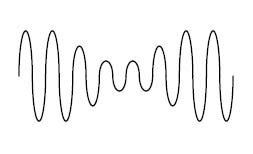
Провал напряженияНедопустимые, нерекомендуемые
Примечание(1)- Мнение автора карточкиТематики
Обобщающие термины
EN
DE
FR
Смотри также
резкое снижение напряжения
—
[Я.Н.Лугинский, М.С.Фези-Жилинская, Ю.С.Кабиров. Англо-русский словарь по электротехнике и электроэнергетике, Москва, 1999 г.]Тематики
- электротехника, основные понятия
EN
Англо-русский словарь нормативно-технической терминологии > voltage depression
3 voltage collapse
лавина напряжения
—
[Я.Н.Лугинский, М.С.Фези-Жилинская, Ю.С.Кабиров. Англо-русский словарь по электротехнике и электроэнергетике, Москва, 1999 г.]Тематики
- электротехника, основные понятия
EN
посадка напряжения
Внезапное значительное снижение напряжения в системе электроснабжения.
[ ГОСТ 23875-88]EN
voltage collapse
sudden decrease in voltage leading to loss of voltage in the whole or a part of a power system
NOTE – A cascading tripping of generating units and/or transmission lines usually occurs during voltage collapse.
[IEV number 604-01-22 ]
voltage depression
system condition characterized by a sustained and significant lowering of voltage in the whole or part of a power system
[IEV number 604-01-44]FR
écroulement de la tension
baisse soudaine de la tension conduisant à la disparition de la tension dans tout ou partie d'un réseau d'énergie électrique
NOTE – Des déclenchements en cascade d'unités de production et/ou de lignes de transport d'énergie électrique se produisent généralement lors d'un écroulement de la tension.
[IEV number 604-01-22 ]
baisse profonde de la tension
état d'un réseau d'énergie électrique caractérisé par une baisse durable et significative de la tension dans tout ou partie du réseau
[IEV number 604-01-44]Тематики
EN
DE
FR
Смотри также
Англо-русский словарь нормативно-технической терминологии > voltage collapse
4 voltage impulse
импульс напряжения
Искажение формы кривой питающего напряжения может происходить за счет появления высокочастотных импульсов при коммутациях в сети, работе разрядников и т. д.
Резкое изменение напряжения в точке электрической сети, за которым следует восстановление напряжения до первоначального или близкого к нему уровня за промежуток времени до нескольких миллисекунд.
[ ГОСТ 13109-97]
импульс напряжения
импульс
Кратковременное напряжение, характеризуемое быстрым подъемом значения напряжения до максимального и последующим более медленным снижением значения напряжения
[ ГОСТ 1516.2-97]

Параметры импульсного напряжения- Импульсное напряжение Uимп в вольтах, киловольтах измеряют как максимальное значение напряжения при резком его изменении (длительность фронта импульса не более 5 мс).
-
Длительность импульса напряжения по уровню 0,5 его амплитуды tимп0,5 в микросекундах, миллисекундах измеряют следующим образом.
- Выделяют из общей кривой напряжения импульс напряжения и определяют амплитуду этого импульса Uимп.а в вольтах, киловольтах как максимальное значение импульса напряжения.
- Определяют моменты времени tн0,5, tк0,5 в микросекундах, миллисекундах, соответствующие пересечению кривой импульса напряжения горизонтальной линией, проведенной на половине амплитуды импульса, в микросекундах, миллисекундах.
-
Вычисляют Δtимп0,5 по формуле:
Δtимп0,5 = tк0,5 - tн0,5
Тематики
- высоковольтный аппарат, оборудование...
- качество электрической энергии
- электромагнитная совместимость
Обобщающие термины
EN
импульс напряжения в системе электроснабжения
Резкое изменение напряжения в системе электроснабжения, длящееся малый интервал времени относительно определенного интервала времени.
Примечание. Импульс напряжения возникает при коммутационных операциях, грозовых явлениях.
[ ГОСТ 23875-88]EN
voltage impulse
a transient voltage wave applied to a line or equipment, characterized by a rapid increase, followed generally by a slower non-oscillatory decrease of the voltage
[IEV number 604-03-14]FR
tension de choc
onde de tension transitoire appliquée à une ligne ou à un matériel, caractérisée par une montée rapide de la tension suivie généralement d'une décroissance plus lente et non oscillatoire
[IEV number 604-03-14]Тематики
EN
DE
FR
Смотри также
22. Импульс напряжения в системе электроснабжения
D. Stoßspannung
E. Voltage impulse
F. Tension de choc
Резкое изменение напряжения в системе электроснабжения, длящееся малый интервал времени относительно определенного интервала времени.
Примечание. Импульс напряжения возникает при коммутационных операциях, грозовых явлениях
Источник: ГОСТ 23875-88: Качество электрической энергии. Термины и определения оригинал документа
Англо-русский словарь нормативно-технической терминологии > voltage impulse
5 voltage recovery time
3.2.9 время восстановления напряжения (voltage recovery time); tU:
- время восстановления напряжения при набросе нагрузки (voltage recovery time after load increase); tU,in;
- время восстановления напряжения при сбросе нагрузки (voltage recovery time after load decrease); tU,de: Временной интервал с момента изменения нагрузки до момента, когда напряжение входит в зону допустимого отклонения напряжения в установившемся режиме и остается в этой зоне (см. приложение А, рисунки А.1, A.2, А.3).
Этот временной интервал предназначен для установления постоянной частоты вращения и коэффициента мощности; если значение изменения нагрузки отличается от установленного значения, то должны быть установлены значения изменения нагрузки и соответствующий коэффициент мощности.
Источник: ГОСТ Р 53986-2010: Электроагрегаты генераторные переменного тока с приводом от двигателя внутреннего сгорания. Часть 3. Генераторы переменного тока оригинал документа
Англо-русский словарь нормативно-технической терминологии > voltage recovery time
6 decrease
<tech.gen> (sudden reduction, steep decline; e.g. of voltage, pressure) ■ Abfall m<tech.gen> (reduction; e.g. of accidents, sales, turnover) ■ Rückgang m ; Dekrement n wiss.rarvi <tech.gen> (steeply, suddenly; e.g. pressure, voltage) ■ abfallen vivi <tech.gen> (e.g. pressure, temperature) ■ abnehmen vivi <tech.gen> (properties; e.g. quality, strength) ■ nachlassen vivt <tech.gen> ■ erniedrigen vtvt <tech.gen> (cost, expenses) ■ senken vt7 decrease in voltage
spanningsdaling8 full voltage starter application
прямой пуск вращающегося электродвигателя
Пуск вращающегося электродвигателя путем непосредственного подключения его к питающей сети.
[ ГОСТ 27471-87]EN
direct-on-line starting
across-the-line starting (US)
the process of starting a motor by connecting it directly to the supply at rated voltage
[IEV number 411-52-15]FR
démarrage direct
mode de démarrage d'un moteur, consistant à lui appliquer directement sa pleine tension assignée
[IEV number 411-52-15]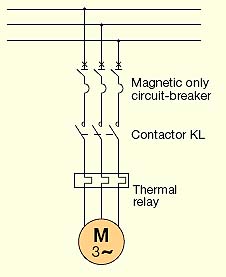
Рис. ABB
Схема прямого пуска электродвигателяMagnetic only circuit-breaker - Автоматический выключатель с электромагнитным расцепителем
Contactor KL - Контактор KL
Thermal relay - Тепловое реле
Параллельные тексты EN-RU
Direct-on-line starting
Direct-on-line starting, which is often abbreviated as DOL, is perhaps the most traditional system and consists in connecting the motor directly to the supply network, thus carrying out starting at full voltage.Direct-on-line starting represents the simplest and the most economical system to start a squirrel-cage asynchronous motor and it is the most used.
As represented in Figure 5, it provides the direct connection to the supply network and therefore starting is carried out at full voltage and with constant frequency, developing a high starting torque with very reduced acceleration times.
The typical applications are relevant to small power motors also with full load starting.
These advantages are linked to some problems such as, for example, the high inrush current, which - in the first instants - can reach values of about 10 to 12 times the rated current, then can decrease to about 6 to 8 times the rated current and can persist to reach the maximum torque speed.The effects of such currents can be identified with the high electro-dynamical stresses on the motor connection cables and could affect also the windings of the motor itself; besides, the high inrush torques can cause violent accelerations which stress the transmission components (belts and joints) generating distribution problems with a reduction in the mechanical life of these elements.
Finally, also the possible electrical problems due to voltage drops on the supply line of the motor or of the connected equipment must be taken into consideration.
[ABB]Прямой пуск
Прямой пуск, который по-английски часто сокращенно обозначают как DOL, является, пожалуй наиболее распространенным способом пуска. Он заключается в непосредственном (т. е. прямом) подключении двигателя к питающей сети. Это означает, что пуск двигателя осуществляется при полном напряжении.Схема прямого пуска является наиболее простым, экономичным и чаще всего применяемым решением для электродвигателей с короткозамкнутым ротором.
Схема прямого подключения к сети представлена на рисунке 5. Пуск осуществляется при полном напряжении и постоянной частоте сети. Электродвигатель развивает высокий пусковой момент при коротком времени разгона.
Типичные области применения – маломощные электродвигатели, в том числе с пуском при полной нагрузке.
Однако, наряду с преимуществами имеются и определенные недостатки, например, бросок пускового тока, достигающий в первоначальный момент 10…12-кратного значения от номинального тока электродвигателя. Затем ток двигателя уменьшается примерно до 6…8-кратного значения номинального тока и будет держаться на этом уровне до тех пор, пока скорость двигателя не достигнет максимального значения.
Такое изменение тока оказывает значительное электродинамическое воздействие на кабель, подключенный к двигателю. Кроме того пусковой ток воздействует на обмотки двигателя. Высокий начальный пусковой момент может привести к значительному ускорению и следовательно к значительной нагрузке элементов привода (ремней, крепления узлов), что вызывает сокращение их срока службы.
И, наконец, следует принять во внимание возможное возникновение проблем, связанных с падением напряжения в линии питания двигателя и подключенного к этой линии оборудования.
[Перевод Интент]
Тематики
Синонимы
EN
- across-the-line starting (US)
- direct line starting
- direct operation of a motor
- direct starting
- direct-on-line starting
- DOL
- full voltage starter application
DE
FR
Англо-русский словарь нормативно-технической терминологии > full voltage starter application
9 duration of a voltage change
длительность изменения напряжения
Интервал времени от начала одиночного изменения напряжения до его конечного значения.
[ ГОСТ 13109-97]EN
duration of a voltage change
interval of time for the voltage to increase or decrease from the initial value to the final value
[IEV number 161-08-03]FR
durée d'une variation de tension
durée d'un intervalle de temps pendant lequel la tension croît ou décroît de sa valeur initiale avant une variation de tension à sa valeur finale
[IEV number 161-08-03]Тематики
EN
DE
FR
3.8 длительность изменения напряжения (duration of a voltage change): Интервал времени, в течение которого напряжение увеличивается или снижается от начального до конечного значения.
Источник: ГОСТ Р 55266-2012: Совместимость технических средств электромагнитная. Оборудование сетей связи. Требования и методы испытаний оригинал документа
Англо-русский словарь нормативно-технической терминологии > duration of a voltage change
10 short duration voltage decrease
Англо-русский словарь по машиностроению > short duration voltage decrease
11 DOL
- эффект операционного рычага
- пускатель прямого действия
- прямой пуск вращающегося электродвигателя
- Министерство труда (США)
- концентрация растворённого кислорода
концентрация растворённого кислорода
—
[А.С.Гольдберг. Англо-русский энергетический словарь. 2006 г.]Тематики
EN
Министерство труда (США)
—
[А.С.Гольдберг. Англо-русский энергетический словарь. 2006 г.]Тематики
EN
прямой пуск вращающегося электродвигателя
Пуск вращающегося электродвигателя путем непосредственного подключения его к питающей сети.
[ ГОСТ 27471-87]EN
direct-on-line starting
across-the-line starting (US)
the process of starting a motor by connecting it directly to the supply at rated voltage
[IEV number 411-52-15]FR
démarrage direct
mode de démarrage d'un moteur, consistant à lui appliquer directement sa pleine tension assignée
[IEV number 411-52-15]
Рис. ABB
Схема прямого пуска электродвигателяMagnetic only circuit-breaker - Автоматический выключатель с электромагнитным расцепителем
Contactor KL - Контактор KL
Thermal relay - Тепловое реле
Параллельные тексты EN-RU
Direct-on-line starting
Direct-on-line starting, which is often abbreviated as DOL, is perhaps the most traditional system and consists in connecting the motor directly to the supply network, thus carrying out starting at full voltage.Direct-on-line starting represents the simplest and the most economical system to start a squirrel-cage asynchronous motor and it is the most used.
As represented in Figure 5, it provides the direct connection to the supply network and therefore starting is carried out at full voltage and with constant frequency, developing a high starting torque with very reduced acceleration times.
The typical applications are relevant to small power motors also with full load starting.
These advantages are linked to some problems such as, for example, the high inrush current, which - in the first instants - can reach values of about 10 to 12 times the rated current, then can decrease to about 6 to 8 times the rated current and can persist to reach the maximum torque speed.The effects of such currents can be identified with the high electro-dynamical stresses on the motor connection cables and could affect also the windings of the motor itself; besides, the high inrush torques can cause violent accelerations which stress the transmission components (belts and joints) generating distribution problems with a reduction in the mechanical life of these elements.
Finally, also the possible electrical problems due to voltage drops on the supply line of the motor or of the connected equipment must be taken into consideration.
[ABB]Прямой пуск
Прямой пуск, который по-английски часто сокращенно обозначают как DOL, является, пожалуй наиболее распространенным способом пуска. Он заключается в непосредственном (т. е. прямом) подключении двигателя к питающей сети. Это означает, что пуск двигателя осуществляется при полном напряжении.Схема прямого пуска является наиболее простым, экономичным и чаще всего применяемым решением для электродвигателей с короткозамкнутым ротором.
Схема прямого подключения к сети представлена на рисунке 5. Пуск осуществляется при полном напряжении и постоянной частоте сети. Электродвигатель развивает высокий пусковой момент при коротком времени разгона.
Типичные области применения – маломощные электродвигатели, в том числе с пуском при полной нагрузке.
Однако, наряду с преимуществами имеются и определенные недостатки, например, бросок пускового тока, достигающий в первоначальный момент 10…12-кратного значения от номинального тока электродвигателя. Затем ток двигателя уменьшается примерно до 6…8-кратного значения номинального тока и будет держаться на этом уровне до тех пор, пока скорость двигателя не достигнет максимального значения.
Такое изменение тока оказывает значительное электродинамическое воздействие на кабель, подключенный к двигателю. Кроме того пусковой ток воздействует на обмотки двигателя. Высокий начальный пусковой момент может привести к значительному ускорению и следовательно к значительной нагрузке элементов привода (ремней, крепления узлов), что вызывает сокращение их срока службы.
И, наконец, следует принять во внимание возможное возникновение проблем, связанных с падением напряжения в линии питания двигателя и подключенного к этой линии оборудования.
[Перевод Интент]
Тематики
Синонимы
EN
- across-the-line starting (US)
- direct line starting
- direct operation of a motor
- direct starting
- direct-on-line starting
- DOL
- full voltage starter application
DE
FR
пускатель прямого действия
Пускатель, одноступенчато подающий сетевое напряжение на выводы двигателя.
(МЭС 441-14-40)
[ ГОСТ Р 50030.4.1-2002 (МЭК 60947-4-1-2000)]
Пускатели переменного тока для прямого непосредственного пуска (с полным напряжением)
Пускатели, предназначенные для пуска двигателя, разгона его до номинальной скорости, защиты двигателя и подключенных к нему цепей от рабочих перегрузок и отключения питания двигателя.
[ ГОСТ Р 50030.4.1-2002 (МЭК 60947-4-1-2000)]EN
direct-on-line starter
a starter which connects the line voltage across the motor terminals in one step
[IEV number 441-14-40]FR
démarreur direct
démarreur qui applique la tension d'alimentation sur les bornes du moteur en une seule manoeuvre
[IEV number 441-14-40]Параллельные тексты EN-RU
Direct-on-line starters
Starters which connect the line voltage across the motor terminals in one step, intended to start and accelerate a motor to normal speed.
They shall ensure switching and protection functions as prescribed in the general definition.
[ABB]Пускатели прямого действия
Пускатели, одноступенчато подающие сетевое напряжение на зажимы двигателя и предназначенные для его пуска и разгона до номинальной скорости.
Кроме того, они должны обеспечивать коммутацию и защиту в соответствии с общим определением.
[Перевод Интент]Тематики
EN
DE
FR
эффект операционного рычага
эффект производственного рычага
Эффект операционного рычага - выражение того факта, что любое изменение выручки от реализации порождает изменение прибыли. Сила воздействия операционного рычага вычисляется как частное от деления выручки от реализации после возмещения переменных затрат на прибыль.
[ http://www.lexikon.ru/dict/fin/a.html]Тематики
Синонимы
EN
Англо-русский словарь нормативно-технической терминологии > DOL
12 excessive line-undervoltage
посадка напряжения
Внезапное значительное снижение напряжения в системе электроснабжения.
[ ГОСТ 23875-88]EN
voltage collapse
sudden decrease in voltage leading to loss of voltage in the whole or a part of a power system
NOTE – A cascading tripping of generating units and/or transmission lines usually occurs during voltage collapse.
[IEV number 604-01-22 ]
voltage depression
system condition characterized by a sustained and significant lowering of voltage in the whole or part of a power system
[IEV number 604-01-44]FR
écroulement de la tension
baisse soudaine de la tension conduisant à la disparition de la tension dans tout ou partie d'un réseau d'énergie électrique
NOTE – Des déclenchements en cascade d'unités de production et/ou de lignes de transport d'énergie électrique se produisent généralement lors d'un écroulement de la tension.
[IEV number 604-01-22 ]
baisse profonde de la tension
état d'un réseau d'énergie électrique caractérisé par une baisse durable et significative de la tension dans tout ou partie du réseau
[IEV number 604-01-44]Тематики
EN
DE
FR
Смотри также
Англо-русский словарь нормативно-технической терминологии > excessive line-undervoltage
13 ratio
1) отношение ( двух величин)2) коэффициент; относительная величина3) кратность4) соотношение; пропорция6) суть; природа ( вещей или явлений)•- activity ratio
- adjacent-channel rejection ratio
- amplitude suppression ratio
- AM rejection ratio
- anharmonic ratio
- answer seizure ratio
- aperture ratio
- arithmetic ratio
- aspect ratio
- aspect ratio of resistor
- asymptotic ratio
- attenuation ratio
- available signal-to-noise ratio
- axial ratio of polarization ellipse
- azimuth ratio
- bit compression ratio
- blip-scan ratio
- cancellation ratio
- capture ratio
- carrier-to-noise ratio
- channel width-to-length ratio
- character aspect ratio
- charge-mass ratio
- charge-to-mass ratio
- click-through ratio
- coherence ratio - complex polarization ratio
- compression ratio
- contrast ratio
- control ratio
- conversion ratio
- conversion gain ratio
- cross ratio
- current ratio
- current standing-wave ratio
- current transfer ratio
- damping ratio
- data-compression ratio
- dc-to-ac ratio
- deviation ratio
- difference ratio
- discrimination ratio
- display screen aspect ratio
- distribution ratio
- double ratio
- downtime ratio
- duty ratio ratio
- energy compression ratio
- energy efficiency ratio - escape ratio
- etching ratio
- exchange-dipolar ratio
- facsimile aspect ratio
- feed-to-aperture area ratio
- forward-to-backward transmission ratio
- frequency ratio
- front-to-back ratio
- front-to-rear ratio
- gain/noise temperature ratio
- gas ratio
- geometric ratio
- golden ratio
- gyromagnetic ratio
- image ratio
- image aspect ratio
- image-frequency rejection ratio
- image interference ratio
- injection ratio
- interlace ratio
- interleave ratio
- intermediate-frequency harmonic interference-ratio
- intermediate-frequency interference ratio
- intermediate-frequency response ratio
- intrinsic stand-off ratio
- inverse ratio
- inverse Mills ratio
- inversion ratio
- inversion level ratio
- isolation ratio
- jam-to-signal ratio
- Josephson ratio
- Josephson frequency-voltage ratio
- J/S ratio
- justification ratio
- light-dark ratio
- likelihood ratio
- load ratio
- mark-space ratio
- mark-to-space ratio
- Mills ratio
- minority-carrier injection ratio
- moment ratio
- multiple ratio
- noise power ratio - offset-to-noise ratio
- one-to-zero ratio
- on-off ratio
- open-circuit reverse-voltage transfer ratio
- opening aspect ratio
- operating ratio
- peak-to-average ratio
- peak-to-valley ratio
- peak-to-valley current ratio
- percentage ratio
- picture aspect ratio
- picture-to-sync ratio
- pixel aspect ratio
- polarization ratio - probability ratio
- propagation ratio
- protection ratio
- pulse-compression ratio
- read-around ratio
- rear-to-front ratio
- rectification ratio
- rejection ratio
- relative ratio of decrease of conductance
- remanence ratio
- resetting ratio
- restorability ratio
- ripple ratio
- sampling ratio
- scaling ratio
- screen aspect ratio
- secondary-emission ratio
- seizure ratio
- short-circuit forward-current transfer ratio
- signal-to-distortion ratio - sinad ratio
- slope ratio
- SN ratio
- spreading ratio
- spurious response ratio
- squared ratio
- squareness ratio - step-up ratio
- stuffing ratio
- suppression ratio
- target-to-clutter ratio
- threshold signal-to-noise ratio
- transadmittance compression ratio
- transformation ratio
- transformer ratio
- transformer voltage ratio
- traveling-wave ratio
- turns ratio
- variability ratio
- voltage ratio14 ratio
1) отношение ( двух величин)2) коэффициент; относительная величина3) кратность4) соотношение; пропорция6) суть; природа ( вещей или явлений)•- adjacent-channel rejection ratio
- AM rejection ratio
- amplitude suppression ratio
- anharmonic ratio
- answer seizure ratio
- aperture ratio
- arithmetic ratio
- aspect ratio of resistor
- aspect ratio
- asymptotic ratio
- attenuation ratio
- available signal-to-noise ratio
- axial ratio of polarization ellipse
- azimuth ratio
- bit compression ratio
- blip-scan ratio
- cancellation ratio
- capture ratio
- carrier-to-noise ratio
- channel width-to-length ratio
- character aspect ratio
- charge-mass ratio
- charge-to-mass ratio
- click-through ratio
- coherence ratio
- common-mode rejection ratio
- compensation ratio
- complex polarization ratio
- compression ratio
- contrast ratio
- control ratio
- conversion gain ratio
- conversion ratio
- cross ratio
- current ratio
- current standing-wave ratio
- current transfer ratio
- damping ratio
- data-compression ratio
- dc-to-ac ratio
- deviation ratio
- difference ratio
- discrimination ratio
- display screen aspect ratio
- distribution ratio
- double ratio
- downtime ratio
- duty ratio ratio
- energy compression ratio
- energy efficiency ratio
- energy per bit to noise ratio
- error ratio
- escape ratio
- etching ratio
- exchange-dipolar ratio
- facsimile aspect ratio
- feed-to-aperture area ratio
- forward-to-backward transmission ratio
- frequency ratio
- front-to-back ratio
- front-to-rear ratio
- gain/noise temperature ratio
- gas ratio
- geometric ratio
- golden ratio
- gyromagnetic ratio
- image aspect ratio
- image interference ratio
- image ratio
- image-frequency rejection ratio
- injection ratio
- interlace ratio
- interleave ratio
- intermediate-frequency harmonic interference ratio
- intermediate-frequency interference ratio
- intermediate-frequency response ratio
- intrinsic stand-off ratio
- inverse Mills ratio
- inverse ratio
- inversion level ratio
- inversion ratio
- isolation ratio
- J/S ratio
- jam-to-signal ratio
- Josephson frequency-voltage ratio
- Josephson ratio
- justification ratio
- light-dark ratio
- likelihood ratio
- load ratio
- mark-space ratio
- mark-to-space ratio
- Mills ratio
- minority-carrier injection ratio
- moment ratio
- multiple ratio
- noise power ratio
- noise-to-signal ratio
- odds ratio
- offset-to-noise ratio
- one-to-zero ratio
- on-off ratio
- open-circuit reverse-voltage transfer ratio
- opening aspect ratio
- operating ratio
- peak-to-average ratio
- peak-to-valley current ratio
- peak-to-valley ratio
- percentage ratio
- picture aspect ratio
- picture-to-sync ratio
- pixel aspect ratio
- polarization ratio
- power signal-to-noise ratio
- power standing-wave ratio
- probability ratio
- propagation ratio
- protection ratio
- pulse-compression ratio
- ratio of similitude
- read-around ratio
- rear-to-front ratio
- rectification ratio
- rejection ratio
- relative ratio of decrease of conductance
- remanence ratio
- resetting ratio
- restorability ratio
- ripple ratio
- sampling ratio
- scaling ratio
- screen aspect ratio
- secondary-emission ratio
- seizure ratio
- short-circuit forward-current transfer ratio
- signal-to-distortion ratio
- signal-to-noise and distortion ratio
- signal-to-noise ratio
- signal-to-quantization noise ratio
- sinad ratio
- slope ratio
- SN ratio
- spreading ratio
- spurious response ratio
- squared ratio
- squareness ratio
- standing-wave ratio
- step-down ratio
- step-up ratio
- stuffing ratio
- suppression ratio
- target-to-clutter ratio
- threshold signal-to-noise ratio
- transadmittance compression ratio
- transformation ratio
- transformer ratio
- transformer voltage ratio
- traveling-wave ratio
- turns ratio
- variability ratio
- voltage ratio
- voltage standing-wave ratio
- wave axial ratio
- weighted signal-to-noise ratio
- wide-band ratioThe New English-Russian Dictionary of Radio-electronics > ratio
15 direct starting
прямой пуск
—
[Я.Н.Лугинский, М.С.Фези-Жилинская, Ю.С.Кабиров. Англо-русский словарь по электротехнике и электроэнергетике, Москва, 1999 г.]Тематики
- электротехника, основные понятия
EN
прямой пуск вращающегося электродвигателя
Пуск вращающегося электродвигателя путем непосредственного подключения его к питающей сети.
[ ГОСТ 27471-87]EN
direct-on-line starting
across-the-line starting (US)
the process of starting a motor by connecting it directly to the supply at rated voltage
[IEV number 411-52-15]FR
démarrage direct
mode de démarrage d'un moteur, consistant à lui appliquer directement sa pleine tension assignée
[IEV number 411-52-15]
Рис. ABB
Схема прямого пуска электродвигателяMagnetic only circuit-breaker - Автоматический выключатель с электромагнитным расцепителем
Contactor KL - Контактор KL
Thermal relay - Тепловое реле
Параллельные тексты EN-RU
Direct-on-line starting
Direct-on-line starting, which is often abbreviated as DOL, is perhaps the most traditional system and consists in connecting the motor directly to the supply network, thus carrying out starting at full voltage.Direct-on-line starting represents the simplest and the most economical system to start a squirrel-cage asynchronous motor and it is the most used.
As represented in Figure 5, it provides the direct connection to the supply network and therefore starting is carried out at full voltage and with constant frequency, developing a high starting torque with very reduced acceleration times.
The typical applications are relevant to small power motors also with full load starting.
These advantages are linked to some problems such as, for example, the high inrush current, which - in the first instants - can reach values of about 10 to 12 times the rated current, then can decrease to about 6 to 8 times the rated current and can persist to reach the maximum torque speed.The effects of such currents can be identified with the high electro-dynamical stresses on the motor connection cables and could affect also the windings of the motor itself; besides, the high inrush torques can cause violent accelerations which stress the transmission components (belts and joints) generating distribution problems with a reduction in the mechanical life of these elements.
Finally, also the possible electrical problems due to voltage drops on the supply line of the motor or of the connected equipment must be taken into consideration.
[ABB]Прямой пуск
Прямой пуск, который по-английски часто сокращенно обозначают как DOL, является, пожалуй наиболее распространенным способом пуска. Он заключается в непосредственном (т. е. прямом) подключении двигателя к питающей сети. Это означает, что пуск двигателя осуществляется при полном напряжении.Схема прямого пуска является наиболее простым, экономичным и чаще всего применяемым решением для электродвигателей с короткозамкнутым ротором.
Схема прямого подключения к сети представлена на рисунке 5. Пуск осуществляется при полном напряжении и постоянной частоте сети. Электродвигатель развивает высокий пусковой момент при коротком времени разгона.
Типичные области применения – маломощные электродвигатели, в том числе с пуском при полной нагрузке.
Однако, наряду с преимуществами имеются и определенные недостатки, например, бросок пускового тока, достигающий в первоначальный момент 10…12-кратного значения от номинального тока электродвигателя. Затем ток двигателя уменьшается примерно до 6…8-кратного значения номинального тока и будет держаться на этом уровне до тех пор, пока скорость двигателя не достигнет максимального значения.
Такое изменение тока оказывает значительное электродинамическое воздействие на кабель, подключенный к двигателю. Кроме того пусковой ток воздействует на обмотки двигателя. Высокий начальный пусковой момент может привести к значительному ускорению и следовательно к значительной нагрузке элементов привода (ремней, крепления узлов), что вызывает сокращение их срока службы.
И, наконец, следует принять во внимание возможное возникновение проблем, связанных с падением напряжения в линии питания двигателя и подключенного к этой линии оборудования.
[Перевод Интент]
Тематики
Синонимы
EN
- across-the-line starting (US)
- direct line starting
- direct operation of a motor
- direct starting
- direct-on-line starting
- DOL
- full voltage starter application
DE
FR
Англо-русский словарь нормативно-технической терминологии > direct starting
16 across-the-line starting (US)
прямой пуск вращающегося электродвигателя
Пуск вращающегося электродвигателя путем непосредственного подключения его к питающей сети.
[ ГОСТ 27471-87]EN
direct-on-line starting
across-the-line starting (US)
the process of starting a motor by connecting it directly to the supply at rated voltage
[IEV number 411-52-15]FR
démarrage direct
mode de démarrage d'un moteur, consistant à lui appliquer directement sa pleine tension assignée
[IEV number 411-52-15]
Рис. ABB
Схема прямого пуска электродвигателяMagnetic only circuit-breaker - Автоматический выключатель с электромагнитным расцепителем
Contactor KL - Контактор KL
Thermal relay - Тепловое реле
Параллельные тексты EN-RU
Direct-on-line starting
Direct-on-line starting, which is often abbreviated as DOL, is perhaps the most traditional system and consists in connecting the motor directly to the supply network, thus carrying out starting at full voltage.Direct-on-line starting represents the simplest and the most economical system to start a squirrel-cage asynchronous motor and it is the most used.
As represented in Figure 5, it provides the direct connection to the supply network and therefore starting is carried out at full voltage and with constant frequency, developing a high starting torque with very reduced acceleration times.
The typical applications are relevant to small power motors also with full load starting.
These advantages are linked to some problems such as, for example, the high inrush current, which - in the first instants - can reach values of about 10 to 12 times the rated current, then can decrease to about 6 to 8 times the rated current and can persist to reach the maximum torque speed.The effects of such currents can be identified with the high electro-dynamical stresses on the motor connection cables and could affect also the windings of the motor itself; besides, the high inrush torques can cause violent accelerations which stress the transmission components (belts and joints) generating distribution problems with a reduction in the mechanical life of these elements.
Finally, also the possible electrical problems due to voltage drops on the supply line of the motor or of the connected equipment must be taken into consideration.
[ABB]Прямой пуск
Прямой пуск, который по-английски часто сокращенно обозначают как DOL, является, пожалуй наиболее распространенным способом пуска. Он заключается в непосредственном (т. е. прямом) подключении двигателя к питающей сети. Это означает, что пуск двигателя осуществляется при полном напряжении.Схема прямого пуска является наиболее простым, экономичным и чаще всего применяемым решением для электродвигателей с короткозамкнутым ротором.
Схема прямого подключения к сети представлена на рисунке 5. Пуск осуществляется при полном напряжении и постоянной частоте сети. Электродвигатель развивает высокий пусковой момент при коротком времени разгона.
Типичные области применения – маломощные электродвигатели, в том числе с пуском при полной нагрузке.
Однако, наряду с преимуществами имеются и определенные недостатки, например, бросок пускового тока, достигающий в первоначальный момент 10…12-кратного значения от номинального тока электродвигателя. Затем ток двигателя уменьшается примерно до 6…8-кратного значения номинального тока и будет держаться на этом уровне до тех пор, пока скорость двигателя не достигнет максимального значения.
Такое изменение тока оказывает значительное электродинамическое воздействие на кабель, подключенный к двигателю. Кроме того пусковой ток воздействует на обмотки двигателя. Высокий начальный пусковой момент может привести к значительному ускорению и следовательно к значительной нагрузке элементов привода (ремней, крепления узлов), что вызывает сокращение их срока службы.
И, наконец, следует принять во внимание возможное возникновение проблем, связанных с падением напряжения в линии питания двигателя и подключенного к этой линии оборудования.
[Перевод Интент]
Тематики
Синонимы
EN
- across-the-line starting (US)
- direct line starting
- direct operation of a motor
- direct starting
- direct-on-line starting
- DOL
- full voltage starter application
DE
FR
Англо-русский словарь нормативно-технической терминологии > across-the-line starting (US)
17 direct line starting
прямой пуск вращающегося электродвигателя
Пуск вращающегося электродвигателя путем непосредственного подключения его к питающей сети.
[ ГОСТ 27471-87]EN
direct-on-line starting
across-the-line starting (US)
the process of starting a motor by connecting it directly to the supply at rated voltage
[IEV number 411-52-15]FR
démarrage direct
mode de démarrage d'un moteur, consistant à lui appliquer directement sa pleine tension assignée
[IEV number 411-52-15]
Рис. ABB
Схема прямого пуска электродвигателяMagnetic only circuit-breaker - Автоматический выключатель с электромагнитным расцепителем
Contactor KL - Контактор KL
Thermal relay - Тепловое реле
Параллельные тексты EN-RU
Direct-on-line starting
Direct-on-line starting, which is often abbreviated as DOL, is perhaps the most traditional system and consists in connecting the motor directly to the supply network, thus carrying out starting at full voltage.Direct-on-line starting represents the simplest and the most economical system to start a squirrel-cage asynchronous motor and it is the most used.
As represented in Figure 5, it provides the direct connection to the supply network and therefore starting is carried out at full voltage and with constant frequency, developing a high starting torque with very reduced acceleration times.
The typical applications are relevant to small power motors also with full load starting.
These advantages are linked to some problems such as, for example, the high inrush current, which - in the first instants - can reach values of about 10 to 12 times the rated current, then can decrease to about 6 to 8 times the rated current and can persist to reach the maximum torque speed.The effects of such currents can be identified with the high electro-dynamical stresses on the motor connection cables and could affect also the windings of the motor itself; besides, the high inrush torques can cause violent accelerations which stress the transmission components (belts and joints) generating distribution problems with a reduction in the mechanical life of these elements.
Finally, also the possible electrical problems due to voltage drops on the supply line of the motor or of the connected equipment must be taken into consideration.
[ABB]Прямой пуск
Прямой пуск, который по-английски часто сокращенно обозначают как DOL, является, пожалуй наиболее распространенным способом пуска. Он заключается в непосредственном (т. е. прямом) подключении двигателя к питающей сети. Это означает, что пуск двигателя осуществляется при полном напряжении.Схема прямого пуска является наиболее простым, экономичным и чаще всего применяемым решением для электродвигателей с короткозамкнутым ротором.
Схема прямого подключения к сети представлена на рисунке 5. Пуск осуществляется при полном напряжении и постоянной частоте сети. Электродвигатель развивает высокий пусковой момент при коротком времени разгона.
Типичные области применения – маломощные электродвигатели, в том числе с пуском при полной нагрузке.
Однако, наряду с преимуществами имеются и определенные недостатки, например, бросок пускового тока, достигающий в первоначальный момент 10…12-кратного значения от номинального тока электродвигателя. Затем ток двигателя уменьшается примерно до 6…8-кратного значения номинального тока и будет держаться на этом уровне до тех пор, пока скорость двигателя не достигнет максимального значения.
Такое изменение тока оказывает значительное электродинамическое воздействие на кабель, подключенный к двигателю. Кроме того пусковой ток воздействует на обмотки двигателя. Высокий начальный пусковой момент может привести к значительному ускорению и следовательно к значительной нагрузке элементов привода (ремней, крепления узлов), что вызывает сокращение их срока службы.
И, наконец, следует принять во внимание возможное возникновение проблем, связанных с падением напряжения в линии питания двигателя и подключенного к этой линии оборудования.
[Перевод Интент]
Тематики
Синонимы
EN
- across-the-line starting (US)
- direct line starting
- direct operation of a motor
- direct starting
- direct-on-line starting
- DOL
- full voltage starter application
DE
FR
Англо-русский словарь нормативно-технической терминологии > direct line starting
18 direct operation of a motor
прямой пуск вращающегося электродвигателя
Пуск вращающегося электродвигателя путем непосредственного подключения его к питающей сети.
[ ГОСТ 27471-87]EN
direct-on-line starting
across-the-line starting (US)
the process of starting a motor by connecting it directly to the supply at rated voltage
[IEV number 411-52-15]FR
démarrage direct
mode de démarrage d'un moteur, consistant à lui appliquer directement sa pleine tension assignée
[IEV number 411-52-15]
Рис. ABB
Схема прямого пуска электродвигателяMagnetic only circuit-breaker - Автоматический выключатель с электромагнитным расцепителем
Contactor KL - Контактор KL
Thermal relay - Тепловое реле
Параллельные тексты EN-RU
Direct-on-line starting
Direct-on-line starting, which is often abbreviated as DOL, is perhaps the most traditional system and consists in connecting the motor directly to the supply network, thus carrying out starting at full voltage.Direct-on-line starting represents the simplest and the most economical system to start a squirrel-cage asynchronous motor and it is the most used.
As represented in Figure 5, it provides the direct connection to the supply network and therefore starting is carried out at full voltage and with constant frequency, developing a high starting torque with very reduced acceleration times.
The typical applications are relevant to small power motors also with full load starting.
These advantages are linked to some problems such as, for example, the high inrush current, which - in the first instants - can reach values of about 10 to 12 times the rated current, then can decrease to about 6 to 8 times the rated current and can persist to reach the maximum torque speed.The effects of such currents can be identified with the high electro-dynamical stresses on the motor connection cables and could affect also the windings of the motor itself; besides, the high inrush torques can cause violent accelerations which stress the transmission components (belts and joints) generating distribution problems with a reduction in the mechanical life of these elements.
Finally, also the possible electrical problems due to voltage drops on the supply line of the motor or of the connected equipment must be taken into consideration.
[ABB]Прямой пуск
Прямой пуск, который по-английски часто сокращенно обозначают как DOL, является, пожалуй наиболее распространенным способом пуска. Он заключается в непосредственном (т. е. прямом) подключении двигателя к питающей сети. Это означает, что пуск двигателя осуществляется при полном напряжении.Схема прямого пуска является наиболее простым, экономичным и чаще всего применяемым решением для электродвигателей с короткозамкнутым ротором.
Схема прямого подключения к сети представлена на рисунке 5. Пуск осуществляется при полном напряжении и постоянной частоте сети. Электродвигатель развивает высокий пусковой момент при коротком времени разгона.
Типичные области применения – маломощные электродвигатели, в том числе с пуском при полной нагрузке.
Однако, наряду с преимуществами имеются и определенные недостатки, например, бросок пускового тока, достигающий в первоначальный момент 10…12-кратного значения от номинального тока электродвигателя. Затем ток двигателя уменьшается примерно до 6…8-кратного значения номинального тока и будет держаться на этом уровне до тех пор, пока скорость двигателя не достигнет максимального значения.
Такое изменение тока оказывает значительное электродинамическое воздействие на кабель, подключенный к двигателю. Кроме того пусковой ток воздействует на обмотки двигателя. Высокий начальный пусковой момент может привести к значительному ускорению и следовательно к значительной нагрузке элементов привода (ремней, крепления узлов), что вызывает сокращение их срока службы.
И, наконец, следует принять во внимание возможное возникновение проблем, связанных с падением напряжения в линии питания двигателя и подключенного к этой линии оборудования.
[Перевод Интент]
Тематики
Синонимы
EN
- across-the-line starting (US)
- direct line starting
- direct operation of a motor
- direct starting
- direct-on-line starting
- DOL
- full voltage starter application
DE
FR
Англо-русский словарь нормативно-технической терминологии > direct operation of a motor
19 direct-on-line starting
прямой пуск вращающегося электродвигателя
Пуск вращающегося электродвигателя путем непосредственного подключения его к питающей сети.
[ ГОСТ 27471-87]EN
direct-on-line starting
across-the-line starting (US)
the process of starting a motor by connecting it directly to the supply at rated voltage
[IEV number 411-52-15]FR
démarrage direct
mode de démarrage d'un moteur, consistant à lui appliquer directement sa pleine tension assignée
[IEV number 411-52-15]
Рис. ABB
Схема прямого пуска электродвигателяMagnetic only circuit-breaker - Автоматический выключатель с электромагнитным расцепителем
Contactor KL - Контактор KL
Thermal relay - Тепловое реле
Параллельные тексты EN-RU
Direct-on-line starting
Direct-on-line starting, which is often abbreviated as DOL, is perhaps the most traditional system and consists in connecting the motor directly to the supply network, thus carrying out starting at full voltage.Direct-on-line starting represents the simplest and the most economical system to start a squirrel-cage asynchronous motor and it is the most used.
As represented in Figure 5, it provides the direct connection to the supply network and therefore starting is carried out at full voltage and with constant frequency, developing a high starting torque with very reduced acceleration times.
The typical applications are relevant to small power motors also with full load starting.
These advantages are linked to some problems such as, for example, the high inrush current, which - in the first instants - can reach values of about 10 to 12 times the rated current, then can decrease to about 6 to 8 times the rated current and can persist to reach the maximum torque speed.The effects of such currents can be identified with the high electro-dynamical stresses on the motor connection cables and could affect also the windings of the motor itself; besides, the high inrush torques can cause violent accelerations which stress the transmission components (belts and joints) generating distribution problems with a reduction in the mechanical life of these elements.
Finally, also the possible electrical problems due to voltage drops on the supply line of the motor or of the connected equipment must be taken into consideration.
[ABB]Прямой пуск
Прямой пуск, который по-английски часто сокращенно обозначают как DOL, является, пожалуй наиболее распространенным способом пуска. Он заключается в непосредственном (т. е. прямом) подключении двигателя к питающей сети. Это означает, что пуск двигателя осуществляется при полном напряжении.Схема прямого пуска является наиболее простым, экономичным и чаще всего применяемым решением для электродвигателей с короткозамкнутым ротором.
Схема прямого подключения к сети представлена на рисунке 5. Пуск осуществляется при полном напряжении и постоянной частоте сети. Электродвигатель развивает высокий пусковой момент при коротком времени разгона.
Типичные области применения – маломощные электродвигатели, в том числе с пуском при полной нагрузке.
Однако, наряду с преимуществами имеются и определенные недостатки, например, бросок пускового тока, достигающий в первоначальный момент 10…12-кратного значения от номинального тока электродвигателя. Затем ток двигателя уменьшается примерно до 6…8-кратного значения номинального тока и будет держаться на этом уровне до тех пор, пока скорость двигателя не достигнет максимального значения.
Такое изменение тока оказывает значительное электродинамическое воздействие на кабель, подключенный к двигателю. Кроме того пусковой ток воздействует на обмотки двигателя. Высокий начальный пусковой момент может привести к значительному ускорению и следовательно к значительной нагрузке элементов привода (ремней, крепления узлов), что вызывает сокращение их срока службы.
И, наконец, следует принять во внимание возможное возникновение проблем, связанных с падением напряжения в линии питания двигателя и подключенного к этой линии оборудования.
[Перевод Интент]
Тематики
Синонимы
EN
- across-the-line starting (US)
- direct line starting
- direct operation of a motor
- direct starting
- direct-on-line starting
- DOL
- full voltage starter application
DE
FR
Англо-русский словарь нормативно-технической терминологии > direct-on-line starting
20 drop
1. noun1) Tropfen, derdrop by drop, in drops — tropfenweise
be a drop in the ocean or in the or a bucket — (fig.) ein Tropfen auf einen heißen Stein sein; (fig.): (small amount)
[just] a drop — [nur] ein kleiner Tropfen
have had a drop too much — ein Glas über den Durst getrunken haben (ugs.)
3) in pl. (Med.) Tropfen Pl.4) (vertical distance)there was a drop of 50 metres from the roof to the ground below — vom Dach bis zum Boden waren es 50 Meter
5) (abrupt descent of land) plötzlicher Abfall; Absturz, derdrop in temperature/prices — Temperatur-/Preisrückgang, der
2. intransitive verb,a drop in salary/wages/income — eine Gehalts-/Lohn-/Einkommensminderung
- pp-drop out of or from somebody's hand — jemandem aus der Hand fallen
2) (sink to ground) [Person:] fallendrop to the ground — umfallen; zu Boden fallen
drop [down] dead — tot umfallen
drop dead! — (coll.) scher dich zum Teufel!
drop into bed/an armchair — ins Bett/in einen Sessel sinken
be fit or ready to drop — (coll.) zum Umfallen müde sein
3) (in amount etc.) sinken; [Wind:] abflauen, sich legen; [Stimme:] sich senken; [Kinnlade:] herunterfallen6)drop [back] into one's old routine — in den alten Trott verfallen
drop into the habit or way of doing something — die Gewohnheit annehmen, etwas zu tun
7) (cease)the affair was allowed to drop — man ließ die Angelegenheit auf sich (Dat.) beruhen
8)let drop — beiläufig erwähnen [Tatsache, Absicht]; fallen lassen [Bemerkung]
3. transitive verb,let drop that/when... — beiläufig erwähnen, dass/wann...
- pp-1) (let fall) fallen lassen; abwerfen [Bomben, Flugblätter, Nachschub]; absetzen [Fallschirmjäger, Truppen]2) (by mistake) fallen lassenshe dropped crumbs on the floor/ juice on the table — ihr fielen Krümel auf den Boden/tropfte Saft auf den Tisch
3) (let fall in drops) tropfen4) (utter casually) fallen lassen [Namen]5) (send casually)drop somebody a note or line — jemandem [ein paar Zeilen] schreiben
6) (set down, unload from car) absetzen [Mitfahrer, Fahrgast]8) (discontinue, abandon) fallen lassen [Plan, Thema, Anklage]; einstellen [Untersuchung, Ermittlungen]; beiseite lassen [Formalitäten]; aufgeben, Schluss machen mit [Verstellung, Heuchelei]shall we drop the subject? — lassen Sie uns [lieber] das Thema wechseln
9)10)11)dropped handlebars — Rennlenker, der
Phrasal Verbs:- academic.ru/99622/drop_by">drop by- drop in- drop off- drop out- drop round* * *[drop] 1. noun1) (a small round or pear-shaped blob of liquid, usually falling: a drop of rain.) der Tropfen2) (a small quantity (of liquid): If you want more wine, there's a drop left.) der Schluck3) (an act of falling: a drop in temperature.) der Fall4) (a vertical descent: From the top of the mountain there was a sheer drop of a thousand feet.) der Abfall2. verb1) (to let fall, usually accidentally: She dropped a box of pins all over the floor.) fallen lassen3) (to give up (a friend, a habit etc): I think she's dropped the idea of going to London.) aufgeben4) (to set down from a car etc: The bus dropped me at the end of the road.) absetzen5) (to say or write in an informal and casual manner: I'll drop her a note.) ein paar Zeilen schreiben•- droplet- droppings
- drop-out
- drop a brick / drop a clanger
- drop back
- drop by
- drop in
- drop off
- drop out* * *[drɒp, AM drɑ:p]I. NOUNthere's a \drop of two metres from the window to the ground die Distanz zwischen Fenster und Boden beträgt zwei Metera sheer \drop ein steiles Gefällethe \drop in magazine subscriptions is causing concern die Abnahme der Zeitschriftenabonnements ist Besorgnis erregend\drop in temperatures Temperaturrückgang mthe supplies were delivered by air \drop die Vorräte wurden mit dem Fallschirm abgeworfenfood/letter \drop Futter-/Postabwurf m\drop of medical supplies Abwurf m von medizinischen Versorgungsgütern\drop of rain/water Regen-/Wassertropfen m\drops of paint Farbspritzer pl\drop by \drop tropfenweisea \drop more juice/whisky/wine noch einen Schluck Saft/Whisky/Weinwine anyone? — just a \drop for me please will jemand Wein? — für mich bitte nur ganz wenigto have had a \drop too much [to drink] ein Glas über den Durst getrunken haben hum fam, einen sitzen haben famto like a wee \drop BRIT ganz gerne mal einen Schluck trinkento not touch a \drop keinen Tropfen anrührenfruit \drop Fruchtbonbon nt8. (execution by hanging)he's for the \drop er soll gehängt werden9.▶ at the \drop of a hat im Handumdrehen, promptII. TRANSITIVE VERB<- pp->1. (cause to fall)▪ to \drop sth etw fallen lassenleaflets were \dropped on the town über der Stadt wurden Flugblätter abgeworfento \drop anchor Anker werfen, den Anker auswerfen, vor Anker gehento \drop ballast/a bomb Ballast/eine Bombe abwerfento \drop a depth charge eine Wasserbombe abschießento \drop a stitch eine Masche fallen lassen2. (lower)▪ to \drop sth etw senkenyou can \drop your arm now, Claire du kannst deinen Arm jetzt herunternehmen, Claireto \drop one's eyes die Augen niederschlagen [o geh senken]to \drop prices die Preise senkento \drop one's voice die Stimme senkento \drop sb a line/postcard jdm ein paar Zeilen/eine [Post]karte schreibento \drop a letter into a mailbox AM einen Brief einwerfen4. (dismiss)to \drop sb [from his job] jdn entlassen5. (give up)I'm going to \drop aerobics next year nächstes Jahr höre ich mit Aerobic auflet's \drop the subject lassen wir das Themato \drop an allegation/charges eine Behauptung/die Anklage fallenlassento \drop a course aus einem Kurs aussteigen famto \drop a demand von einer Forderung abgehento \drop everything alles stehen und liegen lassento let it \drop es auf sich dat beruhen lassen6. (abandon)▪ to \drop sb jdn fallenlassen fig, mit jdm nichts mehr zu tun haben wollen; (end a relationship) mit jdm Schluss machen fam7. SPORTto \drop sb from a team jdn aus einer Mannschaft ausschließen8. (leave out)▪ to \drop sth etw weglassento \drop one's aitches [or h's] BRIT, AUS den Buchstaben ‚h‘ [im Anlaut] nicht aussprechen [o fam verschlucken] (euphemistisch für jemanden, der zur Unterschicht gehört)to \drop [sb] a hint [or some hints] [jdm gegenüber] eine Anspielung [o Andeutung] machenI've been dropping hints that I would like to be invited ich habe durchblicken lassen, dass ich gerne eingeladen werden würde famto \drop a remark eine Bemerkung fallen lassendon't worry — I've \dropped a word in his ear mach dir keine Sorgen, ich habe ihn schon bearbeitet fam10.▶ to \drop the ball AM einen Schnitzer machen▶ to \drop one's guard (cease being careful) unvorsichtig sein; (allow sb to get closer) seine Reserviertheit aufgeben▶ to \drop a name bekannte Persönlichkeiten beiläufig erwähnen und so tun, als würde man sie gut kennen, um andere zu beeindruckenIII. INTRANSITIVE VERB<- pp->1. (descend) [herunter]fallento \drop into a chair in einen Sessel fallen [o sinken]when he heard that he wasn't going to be invited his jaw \dropped als er hörte, dass er nicht eingeladen war, klappte ihm der Unterkiefer herunterthe curtain has \dropped on communist rule über die kommunistische Herrschaft ist endgültig der Vorhang gefallen2. (become lower) land sinken; water level fallen, sich akk senken; prices, temperatures sinken, zurückgehen, fallento \drop [down] dead tot umfallen4.* * *[drɒp]1. NOUN1) of liquid Tropfen ma drop of blood — ein Blutstropfen m, ein Tropfen m Blut
a drop of wine? — ein Schlückchen nt Wein?
eye drops — Augentropfen pl
2) = fall in temperature, prices Rückgang m (in gen); (sudden) Sturz m ( in gen); (in blood pressure) Absinken nt ( in gen)a drop in prices — ein Preisrückgang m/-sturz m
20% is quite a drop — 20%, das ist stark gefallen
he took a big drop in salary when he changed jobs — als er die Stelle wechselte, nahm er eine beträchtliche Gehaltsverschlechterung in Kauf
a sudden/noticeable drop in temperature — ein plötzlicher/merklicher Temperaturabfall
3) = vertical distance = difference in level Höhenunterschied m; (= fall) Sturz m, Fall mthere's a drop of ten feet down to the ledge — bis zu dem Felsvorsprung geht es zehn Fuß hinunter
4) = delivery of supplies, arms Abwurf m; (of drugs etc) Lieferung f; (= parachute jump) (Ab)sprung mthe Red Cross made a drop of medical supplies into the flood zone — das Rote Kreuz warf Medikamente über dem Überschwemmungsgebiet ab
5) of gallows Falltür f7) = hiding place for secret mail toter Briefkasten8)= advantage
to have the drop on sb — jdn ausstechen könnento get the drop on sb — sich (dat) einen Vorteil gegenüber jdm verschaffen
9) = sweet Drops m2. TRANSITIVE VERB1) = cause to fall in drops liquid tropfen2) = allow to fall fallen lassen; bomb, supplies, pamphlets, burden abwerfen; parachutist absetzen; voice senken; curtsy machen; (KNITTING) stitch fallen lassen; (= lower) hemline herunterlassen; (THEAT) curtain herunterlassenhe dropped his heavy cases on the floor —
4) = set down from car person absetzen; thing abliefern; (COMPUT: after dragging with mouse) ablegen; (from boat) cargo löschenhe let drop that he was going to get married (by mistake) — es rutschte ihm raus, dass er heiraten wollte (inf); (deliberately) er erwähnte so nebenbei, dass er heiraten wollte
6) = send postcard, note, line schreibenthis word drops the "e" in the plural — bei diesem Wort fällt das "e" im Plural weg
the paper refused to drop the story — die Zeitung weigerte sich, die Geschichte fallen zu lassen
he drops his aitches — er verschluckt immer das "h"
8) = abandon work, habit, lifestyle aufgeben; idea, plan fallen lassen, aufgeben; discussion, conversation abbrechen; candidate, minister, friend fallen lassen; girlfriend Schluss machen mit; (JUR) case niederschlagenyou'll find it hard to drop the habit — es wird Ihnen schwerfallen, sich (dat) das abzugewöhnen
you'd better drop the idea — schlagen Sie sich (dat) das aus dem Kopf
let's drop the subject —
drop everything (and come here immediately)! (inf) — lass alles stehen und liegen (und komm sofort her)!
she dropped the first three games (Tennis) — sie gab die ersten drei Spiele ab
10) = give birth to (animal) werfen3. INTRANSITIVE VERB1) = drip liquid (herunter)tropfen2) = fall object (herunter)fallen; (THEAT curtain) fallen; (rate, temperature etc) sinken; (wind) sich legen; (voice) sich senkendon't let it drop —
Britain has dropped from fifth to tenth in the league — Großbritannien ist vom fünften auf den zehnten Ligaplatz (zurück)gefallen
to drop to the ground —
she dropped into an armchair — sie sank in einen Sessel, sie ließ sich in einen Sessel fallen
I'm ready to drop (inf) — ich bin zum Umfallen müde (inf)
she danced till she dropped (inf) — sie tanzte bis zum Umfallen (inf) or Gehtnichtmehr (inf)
drop dead! ( inf, expressing contempt ) — geh zum Teufel!
small businesses were dropping like flies in the recession (inf) — während der Rezession gingen kleine Geschäfte massenweise ein (inf)
4) = end conversation etc aufhörento let sth drop —
* * *A s1. Tropfen m:a drop of blood ein Blutstropfen;empty the glass to the last drop das Glas bis auf den letzten Tropfen leeren;the last drop which made the cup run over der Tropfen, der das Fass zum Überlaufen brachte2. pl MED Tropfen pl3. fig Tropfen m, Tröpfchen n:drop by drop, in drops tropfen-, tröpfchenweise4. fig Glas n, Gläschen n:he likes a drop er trinkt gern einen5. tropfenähnliches Gebilde, besondersa) Ohrgehänge nb) (herabhängendes) Prisma (am Glaslüster)at the drop of a hat umg beim geringsten Anlass; mir nichts, dir nichts;get ( oder have) the drop on sb umg jemandem (beim Ziehen der Waffe) zuvorkommen, fig jemandem überlegen sein, jemandem (weit) voraus sein8. fig Fall m, Sturz m:drop in prices WIRTSCH Preissturz;drop in (the) temperature Temperatursturz, -abfall;drop in the voltage ELEK Spannungsabfall9. Fall(tiefe) m(f):a drop of ten feet ein Fall aus 10 Fuß Höhe10. (plötzliche) Senkung, (steiler) Abfall, Gefälle n11. a) Fallvorrichtung fb) Vorrichtung f zum Herablassen (von Lasten etc)12. Falltür f13. a) Fallbrett n (am Galgen)b) Galgen m14. (Fall)Klappe f (am Schlüsselloch etc)15. besonders US (Brief- etc) Einwurf mB v/i prät und pperf dropped, obs dropt [drɒpt; US drɑpt]1. (herab)tropfen, herabtröpfelnlet sth drop etwas fallen lassen;these words dropped from his lips fig diese Worte kamen von seinen Lippen4. (nieder)sinken, fallen:drop on one’s knees auf die Knie sinken oder fallen;drop into a chair in einen Sessel sinken, sich in einen Sessel fallen lassen5. a) (ohnmächtig) zu Boden sinken, umfallen:be fit ( oder ready) to drop (with fatigue) zum Umfallen müde sein, sich vor Müdigkeit kaum mehr auf den Beinen halten könnendrop dead! fig sl geh zum Teufel!6. fig aufhören, im Sande verlaufen, einschlafen:7. (ver)fallen:drop into a habit in eine Gewohnheit verfallen, sich etwas angewöhnen8. (ab)sinken, sich senken9. sinken, fallen, heruntergehen (Preise, Thermometer etc)10. leiser werden (Stimme)11. sich legen (Wind)drop into the room unerwartet ins Zimmer kommen, ins Zimmer schneien umg;drop across sb (sth) zufällig auf jemanden (etwas) stoßena) zurückfallen hinter (akk),b) sich zurückfallen lassen hinter (akk);drop to the rear zurückbleiben, ins Hintertreffen geraten;a) lammenb) kalbenc) fohlen16. abfallen (Gelände etc)C v/t1. (herab)tropfen oder (-)tröpfeln lassen2. tropfenweise eingießen3. eine Träne vergießen, fallen lassen4. a) senken, herablassenb) die Hose herunterlassen7. a) Bomben etc (ab)werfen9. eine Bemerkung fallen lassen:10. ein Thema, eine Absicht etc fallen lassen:drop writing aufhören zu schreiben;drop the correspondence die Korrespondenz einschlafen lassen;drop it! hör auf damit!, lass das!12. a) jemanden fallen lassenc) einen Film etc absetzen13. besonders US jemanden entlassen14. ZOOL Junge, besonders Lämmer werfen15. eine Last, auch Passagiere absetzen18. a) zu Fall bringenb) zu Boden schlagen, (Boxen auch) auf die Bretter schicken19. a) einen Vogel abschießenb) umg jemanden abknallen20. die Augen oder die Stimme senken:drop one’s voice to a whisper21. SPORT einen Punkt etc abgeben (to gegen):drop a shot (Golf) einen Schlag verlieren, ein Bogey spielen* * *1. noun1) Tropfen, derdrops of rain/dew/blood/sweat — Regen- / Tau- / Bluts- / Schweißtropfen
drop by drop, in drops — tropfenweise
be a drop in the ocean or in the or a bucket — (fig.) ein Tropfen auf einen heißen Stein sein; (fig.): (small amount)
[just] a drop — [nur] ein kleiner Tropfen
3) in pl. (Med.) Tropfen Pl.there was a drop of 50 metres from the roof to the ground below — vom Dach bis zum Boden waren es 50 Meter
5) (abrupt descent of land) plötzlicher Abfall; Absturz, derdrop in temperature/prices — Temperatur-/Preisrückgang, der
2. intransitive verb,a drop in salary/wages/income — eine Gehalts-/Lohn-/Einkommensminderung
- pp-drop out of or from somebody's hand — jemandem aus der Hand fallen
2) (sink to ground) [Person:] fallendrop to the ground — umfallen; zu Boden fallen
drop [down] dead — tot umfallen
drop dead! — (coll.) scher dich zum Teufel!
drop into bed/an armchair — ins Bett/in einen Sessel sinken
be fit or ready to drop — (coll.) zum Umfallen müde sein
3) (in amount etc.) sinken; [Wind:] abflauen, sich legen; [Stimme:] sich senken; [Kinnlade:] herunterfallen4) (move, go)5) (fall in drops) [Flüssigkeit:] tropfen ( from aus)6)drop [back] into one's old routine — in den alten Trott verfallen
drop into the habit or way of doing something — die Gewohnheit annehmen, etwas zu tun
7) (cease)8)let drop — beiläufig erwähnen [Tatsache, Absicht]; fallen lassen [Bemerkung]
3. transitive verb,let drop that/when... — beiläufig erwähnen, dass/wann...
- pp-1) (let fall) fallen lassen; abwerfen [Bomben, Flugblätter, Nachschub]; absetzen [Fallschirmjäger, Truppen]2) (by mistake) fallen lassenshe dropped crumbs on the floor/ juice on the table — ihr fielen Krümel auf den Boden/tropfte Saft auf den Tisch
3) (let fall in drops) tropfen4) (utter casually) fallen lassen [Namen]drop somebody a note or line — jemandem [ein paar Zeilen] schreiben
6) (set down, unload from car) absetzen [Mitfahrer, Fahrgast]8) (discontinue, abandon) fallen lassen [Plan, Thema, Anklage]; einstellen [Untersuchung, Ermittlungen]; beiseite lassen [Formalitäten]; aufgeben, Schluss machen mit [Verstellung, Heuchelei]shall we drop the subject? — lassen Sie uns [lieber] das Thema wechseln
9)10)11)dropped handlebars — Rennlenker, der
Phrasal Verbs:- drop by- drop in- drop off- drop out* * *n.Abfall -¨e m.Niederfallen n.Schlückchen n.Tropfen - m. v.absetzen v.fallen (lassen) v.fallen v.(§ p.,pp.: fiel, ist gefallen)streichen v.(§ p.,pp.: strich, ist/hat gestrichen)tropfen v.zusammen brechen v.zusammenbrechen (alt.Rechtschreibung) v.Страницы- 1
- 2
См. также в других словарях:
Voltage regulator — A popular three pin 12 V DC voltage regulator IC. A voltage regulator is an electrical regulator designed to automatically maintain a constant voltage level. A voltage regulator may be a simple feed forward design or may include negative feedback … Wikipedia
Voltage drop — is the reduction in voltage in an electrical circuit between the source and load. In electrical wiring national and local electrical codes may set guidelines for maximum voltage drop allowed in a circuit, to ensure reasonable efficiency of… … Wikipedia
Voltage droop — is the intentional loss in output voltage from a device as it drives a load. Employing droop in a voltage regulation circuit increases the headroom for load transients.Although it may seem counterproductive, a series resistor is included between… … Wikipedia
decrease — {{Roman}}I.{{/Roman}} noun ADJECTIVE ▪ dramatic, drastic, great, large, marked, sharp, significant, substantial ▪ There has been a sharp decrease in pollution sinc … Collocations dictionary
Voltage converter — A voltage converter changes the voltage of an electrical power source and is usually combined with other components to create a power supply. The term voltage converter is sometimes used as a generic term for a power supply. A voltage converter… … Wikipedia
voltage — noun ADJECTIVE ▪ high, low ▪ constant ▪ mains, supply ▪ Most house lighting runs at the full mains voltage of 240 volts. ▪ … Collocations dictionary
Voltage compensation — In a power system, voltage at various buses tends to increase or decrease during it daily operation. To ensure constant voltage to consumers, various techniques are utilized.When the voltage is below the required level, reactive power produced by … Wikipedia
voltage drop — situation in which a sudden decrease in the intensity of the voltage occurs … English contemporary dictionary
voltage drop — noun a decrease in voltage along a conductor through which current is flowing • Hypernyms: ↑drop, ↑dip, ↑fall, ↑free fall … Useful english dictionary
Dynamic voltage scaling — is a power management technique in computer architecture, where the voltage used in a component is increased or decreased, depending upon circumstances. Dynamic voltage scaling to increase voltage is known as overvolting; dynamic voltage scaling… … Wikipedia
Current-to-voltage converter — In electronics, a transimpedance amplifier is an amplifier that converts current to voltage. Its input ideally has zero impedance, and the input signal is a current. Its output may have low impedance, or in high frequency applications, may be… … Wikipedia
 18+© Академик, 2000-2026
- Обратная связь: Техподдержка, Реклама на сайте
Экспорт словарей на сайты, сделанные на PHP, Joomla, Drupal, WordPress, MODx.
Перевод: с английского на все языки
со всех языков на английский- Со всех языков на:
- Английский
- С английского на:
- Все языки
- Немецкий
- Нидерландский
- Русский
- Французский