

-
81 signal
1) сигнал || сигнализировать || сигнальный2) сигнальное устройство, устройство сигнализации•- accumulating signalsto emit an alarm signal — подавать аварийный сигнал; подавать сигнал неисправности, подавать сигнал о неисправности
- acknowledgement signal
- action feedback signal
- actuating error signal
- actuating signal
- actuation signal
- actuator drive signal
- AE power signal
- AE signal
- alarm signal
- analog probe head signal
- analog signal
- audible signal
- auxiliary function completion signal
- axis designation signal
- binary signal
- blanking signal
- brake-off signal
- brake-on signal
- break signal
- bulk wave signals
- chrominance signal
- classifying signal
- coincidence signal
- collet-closed signal
- collet-open signal
- collision signal
- color difference signal
- color synchronizing signal
- command signal
- composite color signal
- composite picture signal
- composite video signal
- confirmation signal
- contact detection signal
- continuous signal
- control instruction signal
- control signal
- converted signal
- coordinate signal
- correction signal
- corrective signal
- current speed signal
- cutoff signal
- cutting load signal
- decrease signal
- demand signal
- detection signal
- digital signal
- discharge-classifying signal
- disturbance signal
- disturbing signal
- drive signal
- emergency signal
- emission signal
- end-of-block signal
- erase signal
- error signal
- excitation signal
- fall signal
- feed stop signal
- feedback control signal
- feedback data signal
- feedback loop signal
- feedback signal
- feedthrough signal
- flaw signal
- forward signal
- guidance signal
- halt signal
- high-level signal
- historical signal
- increase signal
- indicative signal
- in-position signal
- input signal
- interfering signal
- IR light signal
- low-level signal
- luminance signal
- manipulation signal
- measuring signal
- miscellaneous function signal
- model signal
- monitored signal
- monitoring signal
- motion signal
- multiplexed signal
- noisy signal
- numerical signal
- off-on signal
- OK signal
- on/off signals
- once-per-revolution signal
- output signal
- pass signal
- phase reference signal
- phase-modulation signal
- pick-off signal
- pilot signal
- position command signal
- position error signal
- position-indicating signal
- position-instructing signal
- power signal
- pressure feedback signal
- probe's signal
- program signal
- protection signal
- pull signal
- pulse signal
- PWM signal
- qualification microrpocessor signal
- quantized control signal
- random signal
- reference signal
- reference voltage signal
- reference-input signal
- reflected beam signal
- reject signal
- relevant signal
- retract signal
- return signal
- sensing signal
- set-point signal
- signal of control system
- signal of electromagnetic interference
- skip signal
- slow-down signal
- sonic signal
- sound signal
- SPC signals
- spurious signal
- square wave signal
- start signal
- starting signal
- statistical signals
- stop signal
- stopping signal
- switch signal
- synchronizing signal
- tailstock-in-position signal
- tape reference signal
- test signal
- tool change signal
- touch signal
- trigger signal
- trouble signal
- velocity feedback signal
- velocity signal
- video signal
- warning signal
- worn-tool signal
- X signal
- Y signalEnglish-Russian dictionary of mechanical engineering and automation > signal
-
82 cost
1. n1) цена; стоимость; себестоимость2) обыкн. pl расходы, издержки, затраты3) pl судебные издержки, судебные расходы
- absorbed costs
- accident costs
- acquisition cost
- actual cost
- actual costs
- actual manufacturing cost
- added cost
- additional cost
- adjusted historical cost
- administration costs
- administrative costs
- administrative and management costs
- administrative and operational services costs
- advertising costs
- after costs
- after-shipment costs
- aggregate costs
- agreed cost
- airfreight cost
- allocable costs
- allowable costs
- alternative costs
- amortization costs
- amortized cost
- ancillary costs
- annual costs
- anticipated costs
- applied cost
- arbitration costs
- assembly costs
- assessed cost
- average cost
- average costs
- average cost per unit
- average variable costs
- avoidable costs
- back-order costs
- basic cost
- billed cost
- book cost
- borrowing cost
- breakage cost
- break-even costs
- budget costs
- budgeted cost
- budgeted costs
- budgeted operating costs
- building costs
- burden costs
- calculated costs
- capacity costs
- capital costs
- capital floatation costs
- carriage costs
- carrying cost
- carrying costs
- centrally-managed costs
- changeover costs
- cleaning costs
- clerical costs
- closing costs
- collection costs
- combined cost
- commercial cost
- commercial costs
- committed costs
- common staff costs
- comparative costs
- competitive costs
- competitive marginal costs
- complaint costs
- conditional cost
- consequential costs
- considerable costs
- constant cost
- constant costs
- construction costs
- contract cost
- contractual costs
- controllable costs
- court costs
- crane costs
- credit costs
- cumulative costs
- current cost
- current costs
- current outlay costs
- current standard cost
- cycle inventory costs
- debt-servicing costs
- declining costs
- decorating costs
- decreasing costs
- defect costs
- defence costs
- deferred costs
- deficiency costs
- degressive costs
- delivery costs
- departmental costs
- depleted cost
- depreciable cost
- depreciated cost
- depreciated replacement cost
- depreciation costs
- designing costs
- deterioration costs
- development costs
- differential costs
- direct costs
- direct labour costs
- direct operating costs
- direct payroll costs
- discretionary fixed costs
- dismantling costs
- distribution costs
- distribution marketing cost
- domestic resource costs
- double-weighted borrowing cost
- downtime costs
- economic costs
- eligible costs
- engineering costs
- entry cost
- environmental costs
- equipment capital costs
- erection costs
- escalating costs
- escapable costs
- estimated cost
- estimated costs
- evaluation cost
- excess cost
- excess costs
- excessive costs
- exhibition costs
- exploration costs
- extra costs
- extra and extraordinary costs
- extraordinary costs
- fabrication cost
- factor cost
- factor costs
- factory cost
- factory costs
- factory overhead costs
- failure costs
- farm production costs
- farmer's cost
- farming costs
- feed costs
- fertilizing costs
- final cost
- financial costs
- financing costs
- first cost
- fixed costs
- fixed capital replacement costs
- flat cost
- floatation costs
- food costs
- foreign housing costs
- formation costs
- freight costs
- fuel costs
- full cost
- full costs
- funding cost
- general costs
- general running costs
- government-controlled production costs
- guarantee costs
- harvesting costs
- haul costs
- haulage costs
- heavy costs
- hedging cost
- hidden costs
- high cost
- hiring costs
- historical cost
- hospitality costs
- hotel costs
- hourly costs
- idle capacity costs
- idle time costs
- implicit costs
- implied interest costs
- imputed costs
- incidental costs
- increasing costs
- incremental costs
- incremental cost of capital
- incremental costs of circulation
- incremental costs of service
- incurred costs
- indirect costs
- indirect labour costs
- indirect manufacturing costs
- indirect payroll costs
- indirect production costs
- individual costs
- industrial costs
- industry-average costs
- initial cost
- inland freight cost
- inspection costs
- installation costs
- insurance costs
- insured cost
- intangible costs
- integrated cost
- interest costs
- inventoriable costs
- inventory cost
- inventory costs
- inventory acquisition costs
- inventory possession costs
- investigation costs
- investment costs
- invoiced cost
- issuing cost
- joint cost
- labour costs
- landed cost
- launching cost
- launching costs
- layoff costs
- legal costs
- legitimate costs
- life cycle costs
- life repair cost
- liquidation cost
- litigation costs
- living costs
- loading costs
- loan cost
- long-run average costs
- long-run marginal costs
- low costs
- low operating costs
- lump-sum costs
- machining cost
- maintenance costs
- maintenance-and-repair costs
- management costs
- man-power cost
- man-power costs
- manufacturing cost
- manufacturing costs
- manufacturing overhead costs
- marginal costs
- marginal-factor costs
- maritime costs
- marketing costs
- material costs
- material handling costs
- merchandising costs
- miscellaneous costs
- mixed cost
- mounting costs
- net cost
- nominal cost
- nonmanufacturing costs
- obsolescence costs
- offering cost
- one-off costs
- one-off costs of acquiring land, buildings and equipment
- one-shot costs
- operating costs
- operation costs
- operational costs
- opportunity costs
- order cost
- ordering cost
- order initiation cost
- ordinary costs
- organization costs
- organizational costs
- original cost
- original cost of the assets
- original cost of capital
- out-of-pocket costs
- overall cost
- overall costs
- overhead costs
- overtime costs
- own costs
- owning costs
- packaging cost
- packing cost
- past costs
- past sunk costs
- payroll cost
- payroll costs
- penalty cost
- penalty costs
- period costs
- permissible costs
- personnel costs
- piece costs
- planned costs
- postponable costs
- predetermined costs
- prepaid costs
- preproduction costs
- prime cost
- processing costs
- procurement costs
- product cost
- production cost
- production costs
- product unit cost
- progress-generating costs
- progressive costs
- prohibitive costs
- project costs
- project development cost
- projected costs
- promotional costs
- protected costs
- publicity costs
- purchase costs
- purchasing costs
- pure costs of circulation
- quality costs
- quality-inspection costs
- real cost
- real costs
- recall costs
- reconstruction cost
- recoverable cost
- recurring costs
- reduction costs
- reimbursable cost
- relative cost
- relevant costs
- removal costs
- renewal cost
- reoperating costs
- reoperation costs
- reorder cost
- repair cost
- repair costs
- replacement cost
- replacement costs
- replacement cost at market rates
- replacement cost of borrowing
- replacement cost of capital assets
- replacement cost of equipment
- replacement depreciation cost
- replenishment cost
- reproduction cost
- reproduction costs
- research costs
- research and development costs
- reservation costs
- rework costs
- rising costs
- road maintenance costs
- running costs
- run-on costs
- salvage cost
- salvage costs
- scheduled costs
- scrap cost
- selling costs
- semi-variable costs
- service costs
- servicing costs
- setting-up costs
- set-up costs
- shadow costs
- shelter costs
- shipping costs
- shortage costs
- single cost
- social costs
- social marginal costs
- social overhead costs
- sorting costs
- special costs
- specification costs
- spoilage costs
- staff costs
- stand costs
- standard cost
- standard costs
- standard direct labour costs
- standard direct materials cost
- standard factory overhead cost
- standing costs
- start-up costs
- stepped costs
- stocking cost
- stockout costs
- storage costs
- sunk costs
- supervision costs
- supplementary costs
- supplementary costs of circulation
- tangible costs
- target cost
- target costs
- taxable cost of shares
- tentative cost
- time-related cost
- total cost
- training cost
- training costs
- transaction costs
- transfer costs
- transhipment costs
- transport costs
- transportation costs
- travel costs
- travelling costs
- trim costs
- true cost
- true costs
- trust cost
- unamortized cost
- unavoidable costs
- underwriting cost
- unexpired costs
- unit cost
- unit costs
- unloading costs
- unrecovered cost
- unscheduled costs
- upkeep costs
- upward costs
- utility's costs
- variable costs
- variable capital costs
- wage costs
- war costs
- warehouse costs
- warehousing costs
- weighted average cost
- welfare costs
- wintering costs
- working cost
- working costs
- costs for bunker
- costs for storing
- costs of administration
- cost of appraisal
- cost of arbitration
- cost of borrowing
- cost of boxing
- cost of bunker
- cost of capital
- cost of capital deeping
- cost of carriage
- cost of carry
- cost of carrying inventory
- costs of circulation
- cost of civil engineering work
- cost of construction
- cost of a contract
- cost of credit
- cost of delivery
- cost of demonstration
- cost of discounting
- cost of disposal
- cost of education
- cost of equipment
- cost of equity capital
- cost of filing
- cost of financing
- cost of fixed capital
- cost of funds
- cost of goods
- cost of haulage
- cost of hotel accommodation
- costs of housing
- costs of idleness
- cost of installation
- cost of insurance
- costs of inventory
- cost of issue
- cost of labour
- cost of a licence
- cost of living
- cost of manpower
- cost of manufacture
- cost of manufactured goods
- cost of manufacturing
- costs of material
- costs of material inputs
- cost of money
- cost of obtaining funds
- costs of operations
- cost of an order
- cost of packaging
- cost of packing
- cost of postage
- costs of production
- cost of product sold
- cost of a project
- cost of publication
- cost of putting goods into a saleable condition
- cost of reclamation
- cost of reinsurance
- costs of reliability
- cost of renting
- cost of renting a trading post
- cost of repairs
- costs of routine maintenance
- cost of sales
- costs of sales
- cost of scrap
- cost of service
- cost of servicing
- costs of shipping
- cost of storage
- cost of a suit
- costs of supervision
- cost of tare
- costs of trackage
- costs of transportation
- cost of work
- cost per inquiry
- costs per unit
- above cost
- at cost
- at the cost of
- at extra cost
- below cost
- less costs
- minus costs
- next to cost
- under cost
- with costs
- without regard to cost
- exclusive of costs
- free of cost
- cost of market, whichever is lower
- cost plus percentage of cost
- absorb costs
- allocate costs
- assess the cost
- assess costs
- assume costs
- award costs against smb.
- bear costs
- calculate costs
- charge cost
- compute the cost
- cover the cost
- cover costs
- curb costs
- curtail costs
- cut down on costs
- cut production costs
- decrease the cost
- defray the costs
- determine the cost
- disregard costs
- distort the cost
- distribute costs
- entail costs
- estimate costs
- exceed the cost
- impose costs
- increase cost
- incur costs
- inflict economic and social costs
- involve costs
- itemize costs
- keep down costs
- meet the cost
- meet costs
- offset the cost
- offset the costs
- offset high interest costs
- overestimate production costs
- pay costs
- prune away costs
- push up costs
- recompense the cost
- recoup the cost
- recover costs
- reduce costs
- refund the cost
- revise the cost
- save costs
- sell at a cost
- share the cost
- slash costs
- split up the cost
- trim costs
- write off costs
- write off costs against revenues
- write off capital costs2. v1) стоить -
83 surge
1. n большая волна; волны2. n зыбь3. n поэт. море4. n резкий скачок; всплеск; выброс5. n колебания атмосферного давления6. n эл. импульс перенапряжения7. n спец. помпаж8. v вздыматься; подниматься и опускаться9. v мор. испытывать вертикальную качку10. v хлынуть11. v нарастать12. v мор. травить13. v эл. резко увеличиватьсяСинонимический ряд:1. acceleration (noun) acceleration; escalation; inflation2. gush (noun) flood; flow; gush; rush; spike; swell; torrent; upsurge; upwelling; wave3. billow (verb) billow; rise; roll; undulate4. swell (verb) bulge; heave; oscillate; peak; pour out; rush; swell5. well (verb) course; flow; gush; pour; sluice; stream; wellАнтонимический ряд:decrease; dribble; trickle -
84 Introduction
Portugal is a small Western European nation with a large, distinctive past replete with both triumph and tragedy. One of the continent's oldest nation-states, Portugal has frontiers that are essentially unchanged since the late 14th century. The country's unique character and 850-year history as an independent state present several curious paradoxes. As of 1974, when much of the remainder of the Portuguese overseas empire was decolonized, Portuguese society appeared to be the most ethnically homogeneous of the two Iberian states and of much of Europe. Yet, Portuguese society had received, over the course of 2,000 years, infusions of other ethnic groups in invasions and immigration: Phoenicians, Greeks, Celts, Romans, Suevi, Visigoths, Muslims (Arab and Berber), Jews, Italians, Flemings, Burgundian French, black Africans, and Asians. Indeed, Portugal has been a crossroads, despite its relative isolation in the western corner of the Iberian Peninsula, between the West and North Africa, Tropical Africa, and Asia and America. Since 1974, Portugal's society has become less homogeneous, as there has been significant immigration of former subjects from its erstwhile overseas empire.Other paradoxes should be noted as well. Although Portugal is sometimes confused with Spain or things Spanish, its very national independence and national culture depend on being different from Spain and Spaniards. Today, Portugal's independence may be taken for granted. Since 1140, except for 1580-1640 when it was ruled by Philippine Spain, Portugal has been a sovereign state. Nevertheless, a recurring theme of the nation's history is cycles of anxiety and despair that its freedom as a nation is at risk. There is a paradox, too, about Portugal's overseas empire(s), which lasted half a millennium (1415-1975): after 1822, when Brazil achieved independence from Portugal, most of the Portuguese who emigrated overseas never set foot in their overseas empire, but preferred to immigrate to Brazil or to other countries in North or South America or Europe, where established Portuguese overseas communities existed.Portugal was a world power during the period 1415-1550, the era of the Discoveries, expansion, and early empire, and since then the Portuguese have experienced periods of decline, decadence, and rejuvenation. Despite the fact that Portugal slipped to the rank of a third- or fourth-rate power after 1580, it and its people can claim rightfully an unusual number of "firsts" or distinctions that assure their place both in world and Western history. These distinctions should be kept in mind while acknowledging that, for more than 400 years, Portugal has generally lagged behind the rest of Western Europe, although not Southern Europe, in social and economic developments and has remained behind even its only neighbor and sometime nemesis, Spain.Portugal's pioneering role in the Discoveries and exploration era of the 15th and 16th centuries is well known. Often noted, too, is the Portuguese role in the art and science of maritime navigation through the efforts of early navigators, mapmakers, seamen, and fishermen. What are often forgotten are the country's slender base of resources, its small population largely of rural peasants, and, until recently, its occupation of only 16 percent of the Iberian Peninsula. As of 1139—10, when Portugal emerged first as an independent monarchy, and eventually a sovereign nation-state, England and France had not achieved this status. The Portuguese were the first in the Iberian Peninsula to expel the Muslim invaders from their portion of the peninsula, achieving this by 1250, more than 200 years before Castile managed to do the same (1492).Other distinctions may be noted. Portugal conquered the first overseas empire beyond the Mediterranean in the early modern era and established the first plantation system based on slave labor. Portugal's empire was the first to be colonized and the last to be decolonized in the 20th century. With so much of its scattered, seaborne empire dependent upon the safety and seaworthiness of shipping, Portugal was a pioneer in initiating marine insurance, a practice that is taken for granted today. During the time of Pombaline Portugal (1750-77), Portugal was the first state to organize and hold an industrial trade fair. In distinctive political and governmental developments, Portugal's record is more mixed, and this fact suggests that maintaining a government with a functioning rule of law and a pluralist, representative democracy has not been an easy matter in a country that for so long has been one of the poorest and least educated in the West. Portugal's First Republic (1910-26), only the third republic in a largely monarchist Europe (after France and Switzerland), was Western Europe's most unstable parliamentary system in the 20th century. Finally, the authoritarian Estado Novo or "New State" (1926-74) was the longest surviving authoritarian system in modern Western Europe. When Portugal departed from its overseas empire in 1974-75, the descendants, in effect, of Prince Henry the Navigator were leaving the West's oldest empire.Portugal's individuality is based mainly on its long history of distinc-tiveness, its intense determination to use any means — alliance, diplomacy, defense, trade, or empire—to be a sovereign state, independent of Spain, and on its national pride in the Portuguese language. Another master factor in Portuguese affairs deserves mention. The country's politics and government have been influenced not only by intellectual currents from the Atlantic but also through Spain from Europe, which brought new political ideas and institutions and novel technologies. Given the weight of empire in Portugal's past, it is not surprising that public affairs have been hostage to a degree to what happened in her overseas empire. Most important have been domestic responses to imperial affairs during both imperial and internal crises since 1415, which have continued to the mid-1970s and beyond. One of the most important themes of Portuguese history, and one oddly neglected by not a few histories, is that every major political crisis and fundamental change in the system—in other words, revolution—since 1415 has been intimately connected with a related imperial crisis. The respective dates of these historical crises are: 1437, 1495, 1578-80, 1640, 1820-22, 1890, 1910, 1926-30, 1961, and 1974. The reader will find greater detail on each crisis in historical context in the history section of this introduction and in relevant entries.LAND AND PEOPLEThe Republic of Portugal is located on the western edge of the Iberian Peninsula. A major geographical dividing line is the Tagus River: Portugal north of it has an Atlantic orientation; the country to the south of it has a Mediterranean orientation. There is little physical evidence that Portugal is clearly geographically distinct from Spain, and there is no major natural barrier between the two countries along more than 1,214 kilometers (755 miles) of the Luso-Spanish frontier. In climate, Portugal has a number of microclimates similar to the microclimates of Galicia, Estremadura, and Andalusia in neighboring Spain. North of the Tagus, in general, there is an Atlantic-type climate with higher rainfall, cold winters, and some snow in the mountainous areas. South of the Tagus is a more Mediterranean climate, with hot, dry, often rainless summers and cool, wet winters. Lisbon, the capital, which has a fifth of the country's population living in its region, has an average annual mean temperature about 16° C (60° F).For a small country with an area of 92,345 square kilometers (35,580 square miles, including the Atlantic archipelagos of the Azores and the Madeiras), which is about the size of the state of Indiana in the United States, Portugal has a remarkable diversity of regional topography and scenery. In some respects, Portugal resembles an island within the peninsula, embodying a unique fusion of European and non-European cultures, akin to Spain yet apart. Its geography is a study in contrasts, from the flat, sandy coastal plain, in some places unusually wide for Europe, to the mountainous Beira districts or provinces north of the Tagus, to the snow-capped mountain range of the Estrela, with its unique ski area, to the rocky, barren, remote Trás-os-Montes district bordering Spain. There are extensive forests in central and northern Portugal that contrast with the flat, almost Kansas-like plains of the wheat belt in the Alentejo district. There is also the unique Algarve district, isolated somewhat from the Alentejo district by a mountain range, with a microclimate, topography, and vegetation that resemble closely those of North Africa.Although Portugal is small, just 563 kilometers (337 miles) long and from 129 to 209 kilometers (80 to 125 miles) wide, it is strategically located on transportation and communication routes between Europe and North Africa, and the Americas and Europe. Geographical location is one key to the long history of Portugal's three overseas empires, which stretched once from Morocco to the Moluccas and from lonely Sagres at Cape St. Vincent to Rio de Janeiro, Brazil. It is essential to emphasize the identity of its neighbors: on the north and east Portugal is bounded by Spain, its only neighbor, and by the Atlantic Ocean on the south and west. Portugal is the westernmost country of Western Europe, and its shape resembles a face, with Lisbon below the nose, staring into theAtlantic. No part of Portugal touches the Mediterranean, and its Atlantic orientation has been a response in part to turning its back on Castile and Léon (later Spain) and exploring, traveling, and trading or working in lands beyond the peninsula. Portugal was the pioneering nation in the Atlantic-born European discoveries during the Renaissance, and its diplomatic and trade relations have been dominated by countries that have been Atlantic powers as well: Spain; England (Britain since 1707); France; Brazil, once its greatest colony; and the United States.Today Portugal and its Atlantic islands have a population of roughly 10 million people. While ethnic homogeneity has been characteristic of it in recent history, Portugal's population over the centuries has seen an infusion of non-Portuguese ethnic groups from various parts of Europe, the Middle East, and Africa. Between 1500 and 1800, a significant population of black Africans, brought in as slaves, was absorbed in the population. And since 1950, a population of Cape Verdeans, who worked in menial labor, has resided in Portugal. With the influx of African, Goan, and Timorese refugees and exiles from the empire—as many as three quarters of a million retornados ("returned ones" or immigrants from the former empire) entered Portugal in 1974 and 1975—there has been greater ethnic diversity in the Portuguese population. In 2002, there were 239,113 immigrants legally residing in Portugal: 108,132 from Africa; 24,806 from Brazil; 15,906 from Britain; 14,617 from Spain; and 11,877 from Germany. In addition, about 200,000 immigrants are living in Portugal from eastern Europe, mainly from Ukraine. The growth of Portugal's population is reflected in the following statistics:1527 1,200,000 (estimate only)1768 2,400,000 (estimate only)1864 4,287,000 first census1890 5,049,7001900 5,423,0001911 5,960,0001930 6,826,0001940 7,185,1431950 8,510,0001960 8,889,0001970 8,668,000* note decrease1980 9,833,0001991 9,862,5401996 9,934,1002006 10,642,8362010 10,710,000 (estimated) -
85 снижение
снижение сущ1. cutdown2. descending 3. downgrading 4. fall 5. letdown 6. pushdown аварийное снижение1. emergency descent2. emergency descent operation высота начала сниженияdescent topдопуск на снижениеdegradation allowanceзамедлять снижениеslow descentзапасная траектория сниженияalternate descend pathзапланированное снижениеplanned descentзаход на посадку с непрерывным снижениемcontinuous descent approachкривая снижения уровня шумаnoise level attenuation curveкрутое снижениеsteep descentмеры по снижению шумаnoise abatement measuresминимальная высота снижения1. minimum descent height2. minimum descent altitude начинать снижениеcommence descentнеуправляемое снижение1. uncontrolled descent2. uncontrolled descent operation оборудование для снижения шумаhush kitпервоначальный этап сниженияinitial descentполет со снижением1. nose-down flying2. descending operation 3. descending flight 4. downward flight пологое снижениеshallow descentпрекращать снижениеarrest descentпроведение работ по снижению высоты препятствий для полетовobstacle clearingпроизводить снижениеdrift downразворот со снижениемdescending turnразрешение на начало сниженияinitial descent clearanceразрешение на снижениеdescent clearanceрезкое снижениеfalloffсваливание из-за снижения эффективности рулейmush stallсистема снижения подачи топливаfuel dip systemскорость при аварийном сниженииemergency descent speedскорость снижения1. rate of descent2. descent velocity скорость снижения перед касаниемsink rateскорость снижения при заходе на посадкуapproach rate of descentснижение в режиме авторотацииautorotative descentснижение в режиме планированияgliding descentснижение в режиме торможенияbraked descentснижение на крейсерском режимеcruise descentснижение на режиме авторотацииautorotative descend operationснижение по спиралиspiral descentснижение режима работыthrottle retardingснижение с работающим двигателемpower-on descentснижение с работающими двигателямиpower-on descend operationснижение характеристикperformance lossснижение шума при опробовании двигателей на землеground run-up noise abatementснижение эффективностиmushingсо снижениемin descentсо снижением высотыwith decrease in the altitudeспособ резкого сниженияmethod of steepest descentспособ снижения шумаnoise abatement techniqueсхема сниженияlet-down procedureтехнология снижения шумовacoustic technologyтраектория сниженияdescent pathтребования по снижению шумаnoise reduction requirementsугол сниженияangle of descentуказатель скорости снижения на ВППrising runway indicatorуменьшение тяги с целью снижения шумаnoise abatement thrust cutbackустанавливать режим сниженияestablish descentустройство для снижения уровня шумаnoise abatement deviceучасток маршрута со снижениемdown legучасток сниженияdescent segmentэксплуатационные методы снижения авиационного шумаaircraft noise abatement operating proceduresэксплуатационные приемы снижения шумаnoise abatement procedures -
86 посадка напряжения
посадка напряжения
Внезапное значительное снижение напряжения в системе электроснабжения.
[ ГОСТ 23875-88]EN
voltage collapse
sudden decrease in voltage leading to loss of voltage in the whole or a part of a power system
NOTE – A cascading tripping of generating units and/or transmission lines usually occurs during voltage collapse.
[IEV number 604-01-22 ]
voltage depression
system condition characterized by a sustained and significant lowering of voltage in the whole or part of a power system
[IEV number 604-01-44]FR
écroulement de la tension
baisse soudaine de la tension conduisant à la disparition de la tension dans tout ou partie d'un réseau d'énergie électrique
NOTE – Des déclenchements en cascade d'unités de production et/ou de lignes de transport d'énergie électrique se produisent généralement lors d'un écroulement de la tension.
[IEV number 604-01-22 ]
baisse profonde de la tension
état d'un réseau d'énergie électrique caractérisé par une baisse durable et significative de la tension dans tout ou partie du réseau
[IEV number 604-01-44]Тематики
EN
DE
FR
Смотри также
D. Spannungszusammenbruch
E. Voltage depression (voltage collapse)
F. Effondrement de la tension
Внезапное значительное снижение напряжения в системе электроснабжения
Источник: ГОСТ 23875-88: Качество электрической энергии. Термины и определения оригинал документа
Русско-немецкий словарь нормативно-технической терминологии > посадка напряжения
87 baisse profonde de la tension
посадка напряжения
Внезапное значительное снижение напряжения в системе электроснабжения.
[ ГОСТ 23875-88]EN
voltage collapse
sudden decrease in voltage leading to loss of voltage in the whole or a part of a power system
NOTE – A cascading tripping of generating units and/or transmission lines usually occurs during voltage collapse.
[IEV number 604-01-22 ]
voltage depression
system condition characterized by a sustained and significant lowering of voltage in the whole or part of a power system
[IEV number 604-01-44]FR
écroulement de la tension
baisse soudaine de la tension conduisant à la disparition de la tension dans tout ou partie d'un réseau d'énergie électrique
NOTE – Des déclenchements en cascade d'unités de production et/ou de lignes de transport d'énergie électrique se produisent généralement lors d'un écroulement de la tension.
[IEV number 604-01-22 ]
baisse profonde de la tension
état d'un réseau d'énergie électrique caractérisé par une baisse durable et significative de la tension dans tout ou partie du réseau
[IEV number 604-01-44]Тематики
EN
DE
FR
Смотри также
Франко-русский словарь нормативно-технической терминологии > baisse profonde de la tension
88 effondrement de la tension
посадка напряжения
Внезапное значительное снижение напряжения в системе электроснабжения.
[ ГОСТ 23875-88]EN
voltage collapse
sudden decrease in voltage leading to loss of voltage in the whole or a part of a power system
NOTE – A cascading tripping of generating units and/or transmission lines usually occurs during voltage collapse.
[IEV number 604-01-22 ]
voltage depression
system condition characterized by a sustained and significant lowering of voltage in the whole or part of a power system
[IEV number 604-01-44]FR
écroulement de la tension
baisse soudaine de la tension conduisant à la disparition de la tension dans tout ou partie d'un réseau d'énergie électrique
NOTE – Des déclenchements en cascade d'unités de production et/ou de lignes de transport d'énergie électrique se produisent généralement lors d'un écroulement de la tension.
[IEV number 604-01-22 ]
baisse profonde de la tension
état d'un réseau d'énergie électrique caractérisé par une baisse durable et significative de la tension dans tout ou partie du réseau
[IEV number 604-01-44]Тематики
EN
DE
FR
Смотри также
D. Spannungszusammenbruch
E. Voltage depression (voltage collapse)
F. Effondrement de la tension
Внезапное значительное снижение напряжения в системе электроснабжения
Источник: ГОСТ 23875-88: Качество электрической энергии. Термины и определения оригинал документа
Франко-русский словарь нормативно-технической терминологии > effondrement de la tension
89 Spannungsabsenkung
посадка напряжения
Внезапное значительное снижение напряжения в системе электроснабжения.
[ ГОСТ 23875-88]EN
voltage collapse
sudden decrease in voltage leading to loss of voltage in the whole or a part of a power system
NOTE – A cascading tripping of generating units and/or transmission lines usually occurs during voltage collapse.
[IEV number 604-01-22 ]
voltage depression
system condition characterized by a sustained and significant lowering of voltage in the whole or part of a power system
[IEV number 604-01-44]FR
écroulement de la tension
baisse soudaine de la tension conduisant à la disparition de la tension dans tout ou partie d'un réseau d'énergie électrique
NOTE – Des déclenchements en cascade d'unités de production et/ou de lignes de transport d'énergie électrique se produisent généralement lors d'un écroulement de la tension.
[IEV number 604-01-22 ]
baisse profonde de la tension
état d'un réseau d'énergie électrique caractérisé par une baisse durable et significative de la tension dans tout ou partie du réseau
[IEV number 604-01-44]Тематики
EN
DE
FR
Смотри также
Немецко-русский словарь нормативно-технической терминологии > Spannungsabsenkung
90 Spannungszusammenbruch
посадка напряжения
Внезапное значительное снижение напряжения в системе электроснабжения.
[ ГОСТ 23875-88]EN
voltage collapse
sudden decrease in voltage leading to loss of voltage in the whole or a part of a power system
NOTE – A cascading tripping of generating units and/or transmission lines usually occurs during voltage collapse.
[IEV number 604-01-22 ]
voltage depression
system condition characterized by a sustained and significant lowering of voltage in the whole or part of a power system
[IEV number 604-01-44]FR
écroulement de la tension
baisse soudaine de la tension conduisant à la disparition de la tension dans tout ou partie d'un réseau d'énergie électrique
NOTE – Des déclenchements en cascade d'unités de production et/ou de lignes de transport d'énergie électrique se produisent généralement lors d'un écroulement de la tension.
[IEV number 604-01-22 ]
baisse profonde de la tension
état d'un réseau d'énergie électrique caractérisé par une baisse durable et significative de la tension dans tout ou partie du réseau
[IEV number 604-01-44]Тематики
EN
DE
FR
Смотри также
D. Spannungszusammenbruch
E. Voltage depression (voltage collapse)
F. Effondrement de la tension
Внезапное значительное снижение напряжения в системе электроснабжения
Источник: ГОСТ 23875-88: Качество электрической энергии. Термины и определения оригинал документа
Немецко-русский словарь нормативно-технической терминологии > Spannungszusammenbruch
91 измеренная электроэнергия
измеренная электроэнергия
-
[Интент]Параллельные тексты EN-RU
accumulated energy — energy can accumulate in either signed or unsigned (absolute) mode.
In signed mode, the direction of power flow is considered, and the accumulated energy magnitude may increase and decrease.
In absolute mode, energy accumulates as a positive, regardless of the power flow direction.
[Schneider Electric]измеренная электроэнергия – электроэнергия может измеряться с учетом или без учета знака (режим измерения абсолютного значения электроэнергии).
При измерении с учетом знака, учитывается направление передачи электроэнергии.При этом значение измеряемой электроэнергии может увеличиваться или уменьшаться.
При измерении абсолютного значения электроэнергия имеет положительное значение независимо от ее направления.
[Перевод Интент]When the accumulated energy pickup setpoint and time delay are satisfied, the alarm is active.
[Schneider Electric]Если значение измеренной электроэнергии становится больше заданного максимального значения и заданное время задержки истекло, включается аварийный сигнал.
[Перевод Интент]Тематики
EN
Русско-английский словарь нормативно-технической терминологии > измеренная электроэнергия
92 посадка напряжения
- Voltage depression (voltage collapse)
- voltage depression
- voltage collapse
- Spannungszusammenbruch
- excessive line-undervoltage
посадка напряжения
Внезапное значительное снижение напряжения в системе электроснабжения.
[ ГОСТ 23875-88]EN
voltage collapse
sudden decrease in voltage leading to loss of voltage in the whole or a part of a power system
NOTE – A cascading tripping of generating units and/or transmission lines usually occurs during voltage collapse.
[IEV number 604-01-22 ]
voltage depression
system condition characterized by a sustained and significant lowering of voltage in the whole or part of a power system
[IEV number 604-01-44]FR
écroulement de la tension
baisse soudaine de la tension conduisant à la disparition de la tension dans tout ou partie d'un réseau d'énergie électrique
NOTE – Des déclenchements en cascade d'unités de production et/ou de lignes de transport d'énergie électrique se produisent généralement lors d'un écroulement de la tension.
[IEV number 604-01-22 ]
baisse profonde de la tension
état d'un réseau d'énergie électrique caractérisé par une baisse durable et significative de la tension dans tout ou partie du réseau
[IEV number 604-01-44]Тематики
EN
DE
FR
Смотри также
D. Spannungszusammenbruch
E. Voltage depression (voltage collapse)
F. Effondrement de la tension
Внезапное значительное снижение напряжения в системе электроснабжения
Источник: ГОСТ 23875-88: Качество электрической энергии. Термины и определения оригинал документа
Русско-английский словарь нормативно-технической терминологии > посадка напряжения
93 посадка напряжения
посадка напряжения
Внезапное значительное снижение напряжения в системе электроснабжения.
[ ГОСТ 23875-88]EN
voltage collapse
sudden decrease in voltage leading to loss of voltage in the whole or a part of a power system
NOTE – A cascading tripping of generating units and/or transmission lines usually occurs during voltage collapse.
[IEV number 604-01-22 ]
voltage depression
system condition characterized by a sustained and significant lowering of voltage in the whole or part of a power system
[IEV number 604-01-44]FR
écroulement de la tension
baisse soudaine de la tension conduisant à la disparition de la tension dans tout ou partie d'un réseau d'énergie électrique
NOTE – Des déclenchements en cascade d'unités de production et/ou de lignes de transport d'énergie électrique se produisent généralement lors d'un écroulement de la tension.
[IEV number 604-01-22 ]
baisse profonde de la tension
état d'un réseau d'énergie électrique caractérisé par une baisse durable et significative de la tension dans tout ou partie du réseau
[IEV number 604-01-44]Тематики
EN
DE
FR
Смотри также
D. Spannungszusammenbruch
E. Voltage depression (voltage collapse)
F. Effondrement de la tension
Внезапное значительное снижение напряжения в системе электроснабжения
Источник: ГОСТ 23875-88: Качество электрической энергии. Термины и определения оригинал документа
Русско-французский словарь нормативно-технической терминологии > посадка напряжения
94 accumulated energy
измеренная электроэнергия
-
[Интент]Параллельные тексты EN-RU
accumulated energy — energy can accumulate in either signed or unsigned (absolute) mode.
In signed mode, the direction of power flow is considered, and the accumulated energy magnitude may increase and decrease.
In absolute mode, energy accumulates as a positive, regardless of the power flow direction.
[Schneider Electric]измеренная электроэнергия – электроэнергия может измеряться с учетом или без учета знака (режим измерения абсолютного значения электроэнергии).
При измерении с учетом знака, учитывается направление передачи электроэнергии.При этом значение измеряемой электроэнергии может увеличиваться или уменьшаться.
При измерении абсолютного значения электроэнергия имеет положительное значение независимо от ее направления.
[Перевод Интент]When the accumulated energy pickup setpoint and time delay are satisfied, the alarm is active.
[Schneider Electric]Если значение измеренной электроэнергии становится больше заданного максимального значения и заданное время задержки истекло, включается аварийный сигнал.
[Перевод Интент]Тематики
EN
Англо-русский словарь нормативно-технической терминологии > accumulated energy
95 voltage collapse
лавина напряжения
—
[Я.Н.Лугинский, М.С.Фези-Жилинская, Ю.С.Кабиров. Англо-русский словарь по электротехнике и электроэнергетике, Москва, 1999 г.]Тематики
- электротехника, основные понятия
EN
посадка напряжения
Внезапное значительное снижение напряжения в системе электроснабжения.
[ ГОСТ 23875-88]EN
voltage collapse
sudden decrease in voltage leading to loss of voltage in the whole or a part of a power system
NOTE – A cascading tripping of generating units and/or transmission lines usually occurs during voltage collapse.
[IEV number 604-01-22 ]
voltage depression
system condition characterized by a sustained and significant lowering of voltage in the whole or part of a power system
[IEV number 604-01-44]FR
écroulement de la tension
baisse soudaine de la tension conduisant à la disparition de la tension dans tout ou partie d'un réseau d'énergie électrique
NOTE – Des déclenchements en cascade d'unités de production et/ou de lignes de transport d'énergie électrique se produisent généralement lors d'un écroulement de la tension.
[IEV number 604-01-22 ]
baisse profonde de la tension
état d'un réseau d'énergie électrique caractérisé par une baisse durable et significative de la tension dans tout ou partie du réseau
[IEV number 604-01-44]Тематики
EN
DE
FR
Смотри также
Англо-русский словарь нормативно-технической терминологии > voltage collapse
96 excessive line-undervoltage
посадка напряжения
Внезапное значительное снижение напряжения в системе электроснабжения.
[ ГОСТ 23875-88]EN
voltage collapse
sudden decrease in voltage leading to loss of voltage in the whole or a part of a power system
NOTE – A cascading tripping of generating units and/or transmission lines usually occurs during voltage collapse.
[IEV number 604-01-22 ]
voltage depression
system condition characterized by a sustained and significant lowering of voltage in the whole or part of a power system
[IEV number 604-01-44]FR
écroulement de la tension
baisse soudaine de la tension conduisant à la disparition de la tension dans tout ou partie d'un réseau d'énergie électrique
NOTE – Des déclenchements en cascade d'unités de production et/ou de lignes de transport d'énergie électrique se produisent généralement lors d'un écroulement de la tension.
[IEV number 604-01-22 ]
baisse profonde de la tension
état d'un réseau d'énergie électrique caractérisé par une baisse durable et significative de la tension dans tout ou partie du réseau
[IEV number 604-01-44]Тематики
EN
DE
FR
Смотри также
Англо-русский словарь нормативно-технической терминологии > excessive line-undervoltage
97 voltage depression
посадка напряжения
Внезапное значительное снижение напряжения в системе электроснабжения.
[ ГОСТ 23875-88]EN
voltage collapse
sudden decrease in voltage leading to loss of voltage in the whole or a part of a power system
NOTE – A cascading tripping of generating units and/or transmission lines usually occurs during voltage collapse.
[IEV number 604-01-22 ]
voltage depression
system condition characterized by a sustained and significant lowering of voltage in the whole or part of a power system
[IEV number 604-01-44]FR
écroulement de la tension
baisse soudaine de la tension conduisant à la disparition de la tension dans tout ou partie d'un réseau d'énergie électrique
NOTE – Des déclenchements en cascade d'unités de production et/ou de lignes de transport d'énergie électrique se produisent généralement lors d'un écroulement de la tension.
[IEV number 604-01-22 ]
baisse profonde de la tension
état d'un réseau d'énergie électrique caractérisé par une baisse durable et significative de la tension dans tout ou partie du réseau
[IEV number 604-01-44]Тематики
EN
DE
FR
Смотри также
провал напряжения
Внезапное значительное снижение напряжения в системе электроснабжения с последующим его восстановлением.
[ ГОСТ 23875-88]
провал напряжения
Внезапное понижение напряжения в точке электрической сети ниже 0,9 Uном, за которым следует восстановление напряжения до первоначального или близкого к нему уровня через промежуток времени от десяти миллисекунд до нескольких десятков секунд.
[ ГОСТ 13109-97]
провал напряжения
Динамическое изменение напряжения в сети электропитания в виде снижения напряжения за нижний допустимый предел
[ ГОСТ 19542-93]
провал напряжения
Временное уменьшение напряжения в конкретной точке электрической системы ниже порогового значения.
Примечание — Прерывание напряжения является особым случаем провала напряжения. Отличие прерывания напряжения от провала напряжения может быть установлено последующей обработкой результатов измерений.
[ ГОСТ Р 51317.4.30-2008 (МЭК 61000-4-30:2008)]EN
voltage dip
a sudden reduction of the voltage at a point in an electrical system followed by voltage recovery after a short period of time from a few cycles to a few seconds
Source: 604-01-25
[IEV number 161-08-10]
voltage dip
temporary reduction of the voltage magnitude at a point in the electrical system below a threshold
NOTE 1 Interruptions are a special case of a voltage dip. Post-processing may be used to distinguish between voltage dips and interruptions.
NOTE 2 A voltage dip is also referred to as sag. The two terms are considered interchangeable; however, this standard will only use the term voltage dip
[IEC 61000-4-30, ed. 2.0 (2008-10)]FR
creux de tension
baisse brutale de la tension en un point d'un réseau d'énergie électrique, suivie d'un rétablissement de la tension après un court laps de temps de quelques périodes à quelques secondes
Source: 604-01-25
[IEV number 161-08-10]
creux de tension
baisse temporaire de l’amplitude de la tension en un point du réseau d’énergie électrique en dessous d’un seuil donné
NOTE 1 Les interruptions sont un cas particulier des creux de tension. Les traitements ultérieurs permettent de faire la distinction entre creux de tension et interruption.
NOTE 2 La Note 2 s'applique uniquement à la version anglaise.
[IEC 61000-4-30, ed. 2.0 (2008-10)]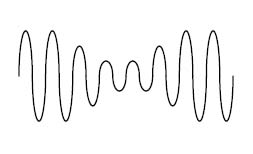
Провал напряженияНедопустимые, нерекомендуемые
Примечание(1)- Мнение автора карточкиТематики
Обобщающие термины
EN
DE
FR
Смотри также
резкое снижение напряжения
—
[Я.Н.Лугинский, М.С.Фези-Жилинская, Ю.С.Кабиров. Англо-русский словарь по электротехнике и электроэнергетике, Москва, 1999 г.]Тематики
- электротехника, основные понятия
EN
Англо-русский словарь нормативно-технической терминологии > voltage depression
98 diminution
ˌdɪmɪˈnju:ʃən сущ.
1) уменьшение;
снижение, спад This is a copy of his letter, without any alteration or diminution. ≈ Вот копия его письма без каких бы то ни было изменений и сокращений. Syn: decrease, lessening
2) архит. сужение колонны
3) муз. повторение темы нотами половинной или четвертной длительности (книжное) уменьшение, убавление, сокращение - * of power частичная утрата власти - * of taxes сокращение налогов - * in smth. уменьшение чего-л. - to show * уменьшаться, убывать;
подходить к концу (геральдика) стирание изображения, рисунка ( на щите) (геральдика) отличительный знак (герба) (музыкальное) уменьшение, сокращение вдвое ритмической длительности ноты и паузы при повторении темы или мотива (юридическое) неполнота, дефектность (дела, направляемого из нижестоящего суда в вышестоящий) (архитектура) сужение (колонны) diminution муз. повторение темы нотами половинной или четвертной длительности ~ понижение ~ снижение ~ сокращение ~ архит. сужение колонны ~ убавление ~ уменьшение;
сокращение;
убавление ~ уменьшениеБольшой англо-русский и русско-английский словарь > diminution
99 dissolution
ˌdɪsəˈlu:ʃən сущ.
1) а) таяние снега, льда и т.п.;
уст.> переход из твердого в жидкое состояние любых других веществ Syn: liquefaction, melting б) хим. растворение, разложение на составляющие в) редк. хим. раствор Syn: solution г) распад, разложение ( атомов, веществ, тканей и т.п.) ;
гниение The dissolution of flesh, skin and bones. ≈ Разложение плоти, кожи и костей. Syn: disintegration, decomposition
2) а) распад государства, империи Syn: disintegration, disorganization б) конец, смерть;
исчезновение, вымирание;
распад, увядание He had but to wait the dissolution of Otho's power;
it crumbled away of itself. ≈ Ему нужно было лишь дождаться, когда власть Отто умрет сама собой, что уже и происходило. Syn: death, decease, undoing, termination, destruction, ruin в) распад, моральное разложение;
развязность, вседозволенность After the general peace of 1814, dissolution began to decrease in high places. ≈ После относительного мира, наступившего в 1814, в верха проникло моральное разложение. г) псих. мед. дисфункция, дегенерация (тип заболевания, особенного заболевания нервной системы, когда налицо не развитие культуры вируса или чего-л. подобного, а дезинтеграция каких-л. частей или функций организма)
3) юридические, административные термины а) юр. расторжение договора, брака и т.п., отмена, аннулирование б) роспуск, закрытие( какой-л. коллегиальной единицы), расформирование (в частности и особенно воинской части) Since the dissolution of the Board of Agriculture. ≈ После роспуска Аграрного Совета. в) коммерч. ликвидация предприятия, общества и т.п. растворение разжижение;
таяние - * of ice таяние льда разложение, разрушение, распад - * of a state распад государства расторжение, разрыв - * of a treaty расторжение /разрыв/ договора - * of a marriage расторжение брака роспуск, закрытие - * of Parliament роспуск парламента ликвидация (дела, предприятия) - * of (a) partnership ликвидация компании окончание, конец;
крушение, крах - * of morals падение нравов смерть, кончина - approaching * близкая смерть;
приближение смерти applicant for ~ инициатор расторжения брака claim for ~ требование расторжения dissolution закрытие ~ конец, смерть;
исчезновение ~ крушение ~ ликвидация ~ ком. ликвидация ~ окончание ~ разложение ~ распад (государства) ~ растворение;
разжижение;
разложение (на составные части) ~ растворение ~ расторжение (договора, брака) ;
отмена ~ расторжение ~ расформирование ~ роспуск, закрытие (парламента и т. п.) ~ роспуск ~ смерть, кончина ~ таяние (снега, льда) ~ of a contract расторжение контракта ~ of company ликвидация компании ~ of marriage аннулирование брачного контракта ~ of marriage расторжение брака ~ of Parliament роспуск парламента ~ of partnership ликвидация товарищества early ~ of parliament досрочный роспуск парламента enforced ~ вынужденная ликвидация general ~ общая ликвидация general ~ общий роспуск petition for ~ заявление о ликвидации компанииБольшой англо-русский и русско-английский словарь > dissolution
100 recede
ri:ˈsi:d гл.
1) а) отступать, пятиться The waves receded from the ship, only to return to beat with renewed force. ≈ Волны откатились от корабля, но тут же с новой силой ударили в борт. б) удаляться;
ретироваться recede into the background
2) отказываться, отрекаться, отступать ( from - от чего-л., как, напр., от своих слов, взглядов, договоренности и т. п.) The government has receded from its promise to control prices. ≈ Правительство отказалось исполнять обещание контролировать цены. Syn: withdraw
3) падать, снижаться (о ценах)
4) быть скошенным (о лбе, подбородке)
5) уменьшаться, убывать, спадать, идти на убыль As the sea receded, many beautiful shells were left behind. ≈ Когда начался отлив, на берегу оказалось много красивых раковин. Syn: diminish, decrease
2. отступать, пятиться - to * a few paces сделать несколько шагов назад, отступить на несколько шагов удаляться;
ретироваться - the ship *s from the shore корабль удаляется от берега - to * into the background отойти /отступить/ на задний план;
(по) терять значение /интерес/ - to * from a position сдать позицию;
пойти на попятный - to * from view скрыться из глаз( from) отказываться, отрекаться, отступать (от своих слов, взглядов и т. п.) - to * from an opinion отказаться /отречься/ от своего мнения - to * from a contract отступить от контракта клониться назад;
быть скошенным, срезанным - the cliff *s abruptly from its base upwards утес резко сужается к вершине убывать, спадать, идти на убыль( особ. о воде - the high water *d вода спала, паводок пошел на убыль идти на убыль, сходить на нет - his power seems to have *d его власть, видимо, сходит на нет - his capacities seem to have *d его способности слабеют забываться, стираться в памяти;
отступать в прошлое - memories of childhood * воспоминания детства исчезают из памяти - as the months passed, her face *d from his mind прошли месяцы, и он начал забывать ее лицо падать, понижаться( о ценах, акциях) - prices have *d цены понизились возвращать захваченное;
возвращать владельцу recede возвращать захваченное ~ отказываться (от договоренности, от мнения) ~ отказываться (от договоренности, мнения) ~ отказываться ~ отклоняться назад;
быть срезанным, покатым (о лбе, подбородке) ~ отрекаться ~ отступать, удаляться;
ретироваться ~ падать ~ падать в цене ~ понижаться ~ убывать, идти на убыль to ~ into the background отойти на задний план to ~ into the background терять значение, интересСтраницыСм. также в других словарях:
Power management — is a feature of some electrical appliances, especially copiers, computers and computer peripherals such as monitors and printers, that turns off the power or switches the system to a low power state when inactive. One power management standard… … Wikipedia
decrease in purchasing power — index inflation (decrease in value of currency) Burton s Legal Thesaurus. William C. Burton. 2006 … Law dictionary
Power optimization (EDA) — Power optimization refers to the use of electronic design automation tools to optimize (reduce) the power consumption of a digital design, while preserving the functionality.Introduction and historyThe increasing speed and complexity of today’s… … Wikipedia
power cut — power outage, decrease in electrical supply, decrease in voltage … English contemporary dictionary
power failure — power outage, decrease in electrical supply, decrease in voltage … English contemporary dictionary
Power outage — A power outage (also known as power cut , power failure , power loss , or blackout ) is the loss of the electricity supply to an area.The reasons for a power failure can for instance be a defect in a power station, damage to a power line or other … Wikipedia
decrease — v. /di krees /; n. /dee krees, di krees /, v., decreased, decreasing, n. v.i. 1. to diminish or lessen in extent, quantity, strength, power, etc.: During the ten day march across the desert their supply of water decreased rapidly. v.t. 2. to make … Universalium
Power supply — For the Budgie album, see Power Supply (album). A vacuum tube rackmount adjustable power supply, capable of +/ 1500 volts DC, 0 to 100mA output, with amperage limiting capability. A power supply is a device that supplies electrical energy … Wikipedia
Power quality — In its broadest sense, power quality is a set of boundaries that allows electrical systems to function in their intended manner without significant loss of performance or life. The term is used to describe electric power that drives an electrical … Wikipedia
power — n. & v. n. 1 the ability to do or act (will do all in my power; has the power to change colour). 2 a particular faculty of body or mind (lost the power of speech; powers of persuasion). 3 a government, influence, or authority. b political or… … Useful english dictionary
Power-law fluid — NOTOC A Power law fluid is a type of generalized Newtonian fluid for which the shear stress, tau; , is given by : au = K left( frac {partial u} {partial y} ight)^n where: * K is the flow consistency index (SI units Pa bull;s n ), * part; u /… … Wikipedia
 18+© Академик, 2000-2026
- Обратная связь: Техподдержка, Реклама на сайте
Экспорт словарей на сайты, сделанные на PHP, Joomla, Drupal, WordPress, MODx.
Перевод: со всех языков на все языки
со всех языков на все языки- Со всех языков на:
- Все языки
- Со всех языков на:
- Все языки
- Английский
- Испанский
- Итальянский
- Немецкий
- Русский
- Французский