

-
101 команда на машинном языке
1. machine code instruction2. machine language instruction3. absolute instructionРусско-английский большой базовый словарь > команда на машинном языке
-
102 ὑπόθεσις
A proposal, proposed action,τὴν ἐν φίλοις δικαιοτάτην ὑ. ἔχω ὑποτιθέναι X.Cyr.5.5.13
;ἵνα σὺ τὰ σαυτοῦ κατὰ τὴν ὑ. ὅπως ἂν βούλῃ περαίνῃς Pl.Grg. 454c
; intention, policy,πολλὰ πρᾶξαι πρὸς τὴν ὑ. τῆς πατρίδος ὡς συχνῆς ἀδικίας δεομένην Thphr.Fr. 136
;διὰ τὴν ὑ. τῆς πολιτείας.. ἠναγκάζετο χρῆσθαι τοῖς ὑπουργοῦσι Plu.Caes.51
; πρὸς ὑ. τινα ἀγαθῶν ἀνδρῶν men good for a particular policy, Arist.Pol. 1293b4; ὑ. τῆς δημοκρατικῆς πολιτείας ἐλευθερία ib. 1317a40; ἡμῖν ἡ τῶν νόμων ὑ. ἐνταῦθα ἔβλεπεν, ὅπως .. Pl.Lg. 743c;περὶ τῶν αὐτῶν οὐχ ὁμοίως ἅπασι βουλευτέον, ἀλλ' ὡς ἂν ἐξ ἀρχῆς ἕκαστοι τοῦ βίου ποιήσωνται τὴν ὑ. Isoc.6.90
;τοῖς φαύλοις ἐνδέχεται τὰ τυχόντα πράττειν· εὐθὺς γὰρ τοῦ βίου τοιαύτην πεποίηνται τὴν ὑ. Id.1.48
;ἀνάγκη τοῖς περὶ ὅλων τῶν πραγμάτων καλὰς τὰς ὑ. πεποιημένοις καὶ τὰ μέρη τὸν αὐτὸν τρόπον ἔχειν ἐκείνοις Id.7.28
;πρὸς ταύτην τὴν ὑ. ἀποβλέποντες ἄμεινον βουλευσόμεθα καὶ περὶ τῶν ἄλλων Id.8.18
;ἐξέστητε τῆς ὑ. ἐφ' ἧς ὑμᾶς οἱ πρόγονοι κατέλιπον D.10.46
; οἱ τῆς αὐτῆς ὑ. προεστῶτες those who advocated the same policy, Plb.30.32.12;ἅπαντας ἀπονεύσειν ἐπ' ἐκείνην τὴν ὑ. Id.24.9.7
; Ἀχαϊκωτέραν εἶναι.. ταύτην τὴν ὑ. καὶ νικητικωτέραν ἐν τοῖς πολλοῖς ib.4;τὸ τῆς ἰδίας ὑ. λαμπρόν Id.21.23.1
;τὸ τῶν σαρισῶν μέγεθός ἐστι κατὰ μὲν τὴν ἐξ ἀρχῆς ὑ. ἑκκαίδεκα πηχῶν, κατὰ δὲ τὴν ἁρμογὴν τὴν πρὸς τὴν ἀλήθειαν δεκατεττάρων Id.18.29.2
;τηροῦντες τὴν αὑτῶν ὑ. Id.5.5.5
;πρὸς ταύτην ἁρμοζόμενοι τὴν ὑ. Id.3.16.1
, cf. 3.50.7; κατασκέψασθαι τὴν τῶν ὑπεναντίων ἐπίνοιαν καὶ τὴν ὅλην ὑ. ib.6;Φάβιος.. κατὰ τὴν ἐξ ἀρχῆς ὑ. οὐδαμῶς κρίνων ἐκκυβεύειν οὐδὲ παραβάλλεσθαι τοῖς ὅλοις Id.3.94.4
.2 suggestion, advice,ἐδώκαμεν ἄν σοι ὑποθέσεις δι' ὧν οἱ ἀντίδικοι ἂν οἴμωζον PMich.Zen.57.7
(iii B. C.);διελέγοντο.. κατὰ τὰς ἐντολὰς τὰς Ἀράτου καὶ τὰς ὑ. Plb. 2.48.8
, cf. 2.52.6, 4.24.2;κροτηθείσης τῆς ὑ. Id.28.16.5
; πολυτέχνους ὑ. ἔργων elaborate proposals for works, Plu.Per.12.3 purpose, ;λόγῳ μὲν ἀποδώσων.., ἑτέραν δὲ τῆς ἀποδημίας ἔχων ὑ. λανθάνουσαν τοὺς πολλούς Id.Mar.31
;ἐξ αὐτῆς τῆς αἰτίας τῆς τε ὑ. τοῦ πολέμου ἀξιολογώτατος ἀγὼν συνηνέχθη D.C.41.56
;ὑ. τοῦ πολέμου καὶ πρόφασιν διδόντων ἐλευθεροῦν τοὺς Ἕλληνας Plu.Flam.15
;τὸ χωρὶς ὑποθέσεως πολεμεῖν.. τί ἄλλο ἢ μανία; D.Chr.38.17
; [οἱ ἐλέφαντες] ἴσασι τῆς ὁδοῦ τῆς ἐπ' αὐτοὺς τὴν ὑ... εἶναι.. τοὺς ὀδόντας Ael.NA6.56
.4 occasion, excuse, pretext,οὕτω γὰρ ἂν αὐτοῖς ἡ ἀπολογία προαναιροῖτο καὶ ἡ πρώτη ὑ. τῆς ἐθελοδουλείας Luc.Merc.Cond.5
; τοιαύτης αὐτοῖς τῆς ὑ. οὔσης ib.10;ἀεὶ χρὴ ἐπί τινι λυπεῖσθαι καὶ μὴ ἄνευ ὑ. Artem.
2.60;ὑ. ἀργυρισμοῦ καὶ φόνων εἰληφέναι ἐδόκει D.C.63.26
;μή με νομίσῃς ἀπὸ τῆς παρούσης ὑ. ἀπαρτᾶν τὸν λόγον Id.52.18
.5 actor's role,τοὺς ὑποκριτὰς.. οὓς ὁρῶμεν οὔτε κλαίοντας ἐν τοῖς θεάτροις, ὡς αὐτοὶ θέλουσιν, ἀλλ' ὡς ὁ ἀγὼν ἀπαιτεῖ πρὸς τὴν ὑ. Plu.Dem.22
;ὶδεῖν τί μου ποιεῖ ὁ ἀθλητής, πῶς μελετᾷ τὴν ὑ. Arr.Epict.1.29.38
, cf. 41;τὴν τοῦ πατρὸς καὶ τῆς μητρὸς ὑ. λαβεῖν Iamb.VP8.39
.6 function, occupation, station in life, [Διονύσιος] ἐκ σημοτικῆς καὶ ταπεινῆς ὑ. ὁρμηθείς Plb.15.35.2
; [Ἀγαθοκλῆς] ὁρμηθεὶς ἀπὸ τοιαύτης ὑ. Id.12.15.7
;τὸ μὴ εἶναι ἄλλην βίου ὑ. εἰς τὸ φιλοσοφεῖν οὕτως ἐπιτήδειον ὡς ταύτην ἐν ᾗ νῦν ὢν τυγχάνεις M.Ant.11.7
, cf. 8.1, Paul. Aeg.3.17.7 practical problem,κοινὴ ἡ ὑ. καὶ τῷ καθ' ἡμᾶς βίῳ πάνυ πολλή, βαλανείου κατασκευή Luc.Hipp.4
;ἡ μὲν οὖν ὑ. τοιαύτη HeroAut.21.2
.II subject proposed ( to oneself or another) for discussion,κελεῦσαι τὴν πρώτην ὑ. τοῦ πρώτου λόγου ἀναγνῶναι Pl. Prm. 127d
;ἐπὶ τὴν ὑ. ἐπανάγειν τὸν λόγον X.Mem.4.6.13
;ἐπὶ τὴν ὑ. πάλιν ἐπανελθεῖν Isoc.4.63
, cf. Gal.6.124;τὴν ὑ. περὶ ἧς βουλεύεσθε οὐχὶ τὴν οὖσαν παριστάντες D.3.1
;τοὺς δικαστὰς ἀπαγαγὼν ἀπὸ τῆς ὑ. Id.19.242
;ἐπὶ τῆς ὑ. μεῖναι Aeschin.3.76
;ἔξω τῆς ὑ. λέγειν Isoc.7.63
, cf. 12.161;μὴ πόρρω λίαν τῆς ὑ. ἀποπλανηθῶ Id.7.77
, cf. 12.88, Aeschin. 3.176,190;ὅτ' ἔγραφον περὶ τὴν αὐτὴν ὑ. Isoc.5.83
;περὶ [τῆς πόλεως] τὴν ὑ. ποιησάμενος Id.12.35
;τοῦ πράγματος ἐν κεφαλαίῳ.. δήλωσις, ἵνα γινώσκωσι περὶ ὧν ὁ λόγος παρακολουθῶσί τε τῇ ὑ. Arist.Rh.Al. 1436a36
, cf. Pl.Def. 415b;ἡ ὑ. ἐλάττων Arist.Rh. 1404b15
; πρὸς ὑπόθεσιν λέγειν, opp. πρὸς ἀμφισβητοῦντα, ib. 1391b13;πολλὰ πρὸς τὴν ὑ. οἰκείως διαλεχθείς D.S.13.53
; haec erat ὑ., de gravitate ordinis, etc., Cic.Att.1.14.4.2 case at law, lawsuit,γράφει ὁ Μαιίστας εἰς τὴν ὑ. ταύτην IG11(4).1299.29
(Delos, iii B. C.), cf. OGI665.18,669.41 (both Egypt, i A. D.), POxy. 237 vii 34, viii 22 (ii A. D.), 486.26 (ii A. D.);τὰ περὶ ταύτης τῆς ὑ. πεπραγμένα PLips.34.18
(iv A. D.).3 subject of a poem or treatise, Zeno Stoic.1.23, Plb.1.2.1, D.H.Pomp.3, Longin. 38.2, Plu.Pomp.42, Luc.Charid.14, Pseudol.5, al.; of a picture, Id.Zeux.5,7; of an impromptu declamation,ἐπειδὰν οἱ παρόντες ὑποβάλωσί τινας ὑ. καὶ ἀφορμὰς λόγου Id.Rh.Pr.18
; plot, story,μῦθοι καὶ ὑποθέσεις Phld.Po.2.62
, cf. 5.5, al., Arg.Men.Oxy.1235.113 (ii A. D.), Dicaearch. ap. S.E.M.3.3, Artem.4.59, Sch.S.Aj.Prooem., Arg.Ar. Ach. tit., etc.4 speech,αἱ δικανικαὶ καὶ δημηγορικαὶ ὑ. Theon Prog.1
; = ἐπίδειξις 1.3, ἀρξαμένων (v.l. -ῳ)τῆς ὑ. LXX 4 Ma.1.12
; ἀνδρὸς ἀρετὰς ὅλην πληρούσας ὑ. providing matter for a whole speech, Chor.p.34B.b speech or subject of a speech in which the person, occasion, etc. are particularized, opp. θέσις v. 2, Aphth.Prog. 13, cf. Quint.Inst.3.5.7.5 a kind of play or pantomime,μῖμοί τινές εἰσιν ὧν τοὺς μὲν ὑποθέσεις τοὺς δὲ παίγνια καλοῦσιν Plu.2.712e
; μιμολωγοι η υποθησις εικυρα (i. e. μιμολόγοι· ἡ ὑπόθεσις Ἑκυρά), i. e. 'theatrical performance: play, the Hecyra', Ath.Mitt.26.4 (inscr. on lamp, iii B. C.); κλάειν ἤρξαντο πάντες καὶ μετέβαλε τὸ συμπόσιον εἰς σκυθρωπὴν ὑ. into a tragedy, Charito 4.3; so perh. in Luc.Nigr.8; of Aesop's fables,χρῆται [τῇ ἀλώπεκι] ὁ Αἴσωπος διακόνῳ τῶν πλείστων ὑ. Philostr.Im.1.3
.III supposition,ἢ βούλεσθε.. ἀπ' ἐμαυτοῦ ἄρξωμαι καὶ τῆς ἐμαυτοῦ ὑ., περὶ τοῦ ἑνὸς αὐτοῦ ὑποθέμενος, εἴτε ἕν ἐστιν εἴτε μὴ ἕν, τί χρὴ συμβαίνειν; Pl.Prm. 137b
; αὕτη ἡ ὑ., εἰ ἓν μὴ ἔστιν ib. 160b; χρὴ.. μὴ μόνον εἰ ἔστιν ἕκαστον ὑποτιθέμενον σκοπεῖν τὰ συμβαίνοντα ἐκ τῆς ὑ., ἀλλὰ καὶ εἰ μὴ ἔστι τὸ αὐτὸ τοῦτο ὑποτίθεσθαι ib. 135e, cf. 136a; [σκοπεῖν] τί ἐφ' ἑκατέρας τῆς ὑ. συμβήσεται ib. 136b;εἰ ὀρθὴ ἡ ὑ. ἦν, τὸ ψυχὴν ἁρμονίαν εἶναι Id.Phd. 94b
, cf. 92d, Sph. 244c;πρὸς μὲν τὴν ὑ. ὀρθῶς λέγουσιν, ὅλως δ' οὐκ ὀρθῶς Arist. Metaph. 1082b32
; ἐξ ὑποθέσεως σκοπεῖσθαι examine by starting from an assumption, of reasoning by analysis in geometry, Pl.Men. 86e; τῶν τὴν τέχνην ζητεύντων ἐξ ὑποθέσιος λόγων arguments seeking to derive the (medical) art from an assumption, Hp.VM13; ὑ. αὐτοὶ αὑτοῖς ὑποθέμενοι τῷ λόγῳ ib.1; ἄγοντες ἐπὶ ὑπόθεσιν τὴν τέχνην ib. 15;χρῆσιν ἀρετῆς τελείαν, καὶ ταύτην οὐκ ἐξ ὑ. ἀλλ' ἁπλῶς· λέγω δ' ἐξ ὑ. τἀναγκαῖα, οἷον.. τιμωρίαι καὶ κολάσεις.. τὸ καλῶς ἀναγκαίως ἔχουσι Arist.Pol. 1332810
; ἡ πολιτεία ἡ ἐξ ὑ. ( = ἡ δοθεῖσα ) the constitution based on a presupposition, ib. 1288b28; of currency, ἓν δή τι δεῖ εἶναι, τοῦτο δ' ἐξ ὑ.· διὸ νόμισμα καλεῖται according to a presupposed convention, Id.EN 1133b21 (cf. a29-31, APr. 41a40); of reductio ad impossibile,ἢ δεικτικῶς ἢ ἐξ ὑ. τοῦ δ' ἐξ ὑ. μέρος τὸ διὰ τοῦ ἀδυνάτου Id.APr. 40b25
-6, cf. 41a25;δυνατοῦ δεξάμενον ὑπόθεσιν ἐπ' ἀδύνατον ἀπαχθῆναι Arr.Epict.1.7.25
, cf. Procl. in Euc.pp.76,252 F.; καθ' ὑπόθεσιν by way of supposition, 'let us suppose', Phld.Rh. 1.95 S., Sign.12, Cleom.1.7.IV = τὸ ὑποκείμενον (cf.ὑπόκειμαι 11.8
), the presupposition of an action, that which has been settled before it begins,περὶ τοῦ τέλους οὐθεὶς βουλεύεται, ἀλλὰ τοῦτ' ἐστὶν ἀρχὴ καὶ ὑ. Arist.EE 1227a8
, cf. b30;τῶν πράξεων τὰς ἀρχὰς καὶ τὰς ὑ. ἀληθεῖς καὶ δικαίας εἶναι προσήκει D.2.10
; of a thing, that without which it cannot exist or be what it is, its essence, αὕτη (sc. τὸ στέλεχος)οἷον ὑ. καὶ φύσις δένδρων Thphr.HP4.13.4
(cf. οὐσία καὶ φύσις τοῦ δένδρου ibid.);ἐπὶ τοῖς χυμοῖς μόνοις σηπομένοις ἔχοντος τὴν ὑ. ὅλου τοῦ νοσήματος, ὅπερ ἐστὶ πυρετώδους ὄντος Gal.18(2).299
.2 in the syllogism, the preliminary statements of fact (whether proved or not) from which inference starts, i. e. the premisses ([etym.] προτάσεις) , τῶν ἀποδείξεων αἱ ὑ., equivalent to ἀρχαί, Arist.Metaph. 1013a16;αἱ ἀρχαὶ καὶ αἱ λεγόμεναι ὑ. Id.APo. 81b15
; ὅσα δέδεικται δι' ἐκείνων ὑποθέσεις ποιησάμενοι taking as premisses (here) what has been proved in those other works, Gal.6.7, cf. 25,224; ἴστω.. τῆς ὑγιεινῆς πραγματείας ἀνατρέπων τὴν ὑ. ib.17;ὑπόθεσιν, αἴτησιν οὖσαν πράγματος εἰς κατασκευήν τινος S.E.M.3.4
;λαμβάνειν ἀναποδείκτους ὑ. Plu.2.720f
, cf. 721d;ἀναγκαῖον ἢ τὰς ὑ. εἶναι τὰς πρώτας ψευδεῖς, ἢ τὰς ὑπὲρ τῶν συμβαινόντων ἀποφάς εις Plb.1.15.9
, cf. 11.b assumption of existence of any one of the fundamental objects of a particular science,ὁ ὁρισμὸς θέσις μέν ἐστι.. ὑ. δ' οὐκ ἔστι· τὸ γὰρ τί ἐστι μονὰς καὶ τὸ εἶναι μονάδα οὐ ταὐτόν Arist.APo. 72a23
;ἐν ταῖς πράξεσι τὸ οὗ ἕνεκα ἀρχή, ὥσπερ ἐν τοῖς μαθηματικοῖς αἱ ὑ. Id.EN 1151a17
.3 starting-point,ἐκ ταύτης τῆς ὑ. λαβεῖν τὸν λόγον τὴν εἰς ἑκάτερον μέρος ὁρμήν Iamb.VP27.130
; beginning, τὰς μὲν ἐλπίδας οὐ τελειοῖ (sc. ὁ ὄνειρος) , τὰς δὲ ὑ. τῶν πραγμάτων ταῖς περιοχαῖς ὁμοίας ποιεῖ (referring to a birth of twins which died), Artem.4.47.4 raw material,τὴν δοθεῖσαν ὑ. εὐφυᾶ πρὸς ὑποδοχὴν γυμναστικῆς.. ἀμείνω ἀποφαίνειν Luc.Hist. Conscr.35
;οἵαν ὕλην καὶ ὑ. φεύγεις·.. μένε οὖν μέχρι ἐξοικειώσῃς σαυτῷ καὶ ταῦτα M.Ant.10.31
.V mortgage, Thphr.Fr.97.1 (pl.).2 thing placed under, base, τὰς ὑ. (signf. 111)ποιούμενος οὐκ ἀρχὰς ἀλλὰ τῷ ὄντι ὑ., οἷον ἐπιβάσεις τε καὶ ὁρμάς Pl.R. 511b
, cf. Arr.Epict.1.7.22; in D.2.10 (v. supr. IV. 1) the ἀρχαί and ὑποθέσεις (i. e. basic principles) of actions are compared to the foundations ([etym.] τὰ κάτωθεν) of a house or a ship;Τριπτόλεμος.. τὰς πρώτας ὑ. βαλόμενος τῇ πόλει Lib.Or.11.52
.Greek-English dictionary (Αγγλικά Ελληνικά-λεξικό) > ὑπόθεσις
-
103 δῖος
Grammatical information: adj.Meaning: `belonging to heaven, godlike' (Il.), also `belonging to Zeus' (trag.); often as month name (Thessaly, Macedonia etc.).Etymology: Old adjective, identical with Skt. div(i)yá- `heavenly', Lat. dīus `godlike', IE *diu(i)i̯o-; s. Ζεύς. The adjective may replace the gen. of the basic word, s. Schwyzer-Debrunner 176ff., also Löfstedt Syntactica 1, 107ff. - Beside masculine *δίϜ-ι̯ος the feminin derivation was δῖα \< *δίϜ-ι̯ᾰ, first in substantival function `daughter of heaven, goddess', e. g. δῖα γυναικῶν `goddess among women'; from there δῖα θεάων etc.; s. Schwyzer-Debrunner 116.Page in Frisk: 1,396-397Greek-English etymological dictionary (Ελληνικά-Αγγλικά ετυμολογική λεξικό) > δῖος
-
104 κλαγγή
Grammatical information: f.Other forms: Dat. also κλαγγ-ί (Ibyc. 56; s. below)Derivatives: κλαγγηδόν `with crying' (Β 463; Haas Μνήμης χάριν 1, 133), κλαγγώδης `full of sound, shrill' (Hp., Gal.). Besides κλάζω, also with prefix, e. g. ἀνα-, ἐκ-, aor. κλάγξαι `sound, resound, cry' (Il.), also κλαγεῖν (B. 16, 127, h. Hom. 19, 14, E. u. a.), fut. κλάγξω (A.), perf. κεκλήγοντες (Aeolising) and κεκληγώς, - ῶτες (Hom.; Schwyzer 540 n. 4, Chantraine Gramm. hom. 1, 430f.), κέκλᾱγα (Alcm. 7), κέκλαγγα (Ar., X.), perfect future κεκλάγξομαι (Ar.).Origin: PG [a word of Pre-Greek origin]Etymology: Isolated presents: κλαγγαίνω (A. Eu. 131), - άνω (S.), - έω (Theoc. Ep. 6, 5), - άζω (Poll., Porph.). - To κλαγεῖν: κλαγερός `crying' (AP). As yot-present κλάζω may come from *κλάγγ-ι̯ω from a root noun κλάγγ-, which is seen in κλαγγ-ί (or innovation?); but it could also be a primary nasal present, with - ζω from the sound-verbs ( ὀλολύζω, οἰμώζω a. o.; cf. Schwyzer 716). The non-present forms κλάγξαι, κλάγξω, κέκλαγγα are anyhow innovations. In function κλαγγ-ή is a verbal noun (cf. Porzig Satzinhalte 11f.). In κλαγεῖν and κέκληγα original primary nasalless forms may have been preserved, but analogical innovation with loss of the nsal is not impossible (Leumann Celtica 3, 248). - A direct comparison (except for - ζω) is Lat. clangō `cry' (almost only present), with which OIc. hlakka `cry' (with assimilation nk \> kk) may agree. The words belong to a widespread group of soundword (but καλεῖν and κέλαδος do not belong here; cf. the material in Bq, Pok. 599f., W.-Hofmann s. clangō. Note that an IE * klag- is impossible (* klh₂g- wouldhave given in Greek *κλᾱγ-; a form * klh₂eng- gives *καλαγγ-). Schwyzer 692 assumes expressive nasalization, but this does not help as *κλαγ- cannot be generated. Cf. Fur. 274. Is the basic form Pre-Greek?See also: - S. auch κλώζω.Page in Frisk: 1,863-864Greek-English etymological dictionary (Ελληνικά-Αγγλικά ετυμολογική λεξικό) > κλαγγή
-
105 сборка (процесс)
assembly
выполнение по-операционных действий для сборки агрегата (изделия, узла). — а step-by-step assembly procedure shall be provided.
- (узел, агрегат) — assembly
ряд деталей или подузлов, или их любое сочетание, соединенные вместе для выполнения определенной функции. — а number of parts or subassemblies or any combination thereof joined together to perform а specific function.
- в порядке обратном разборке — assembly opposite /in reverse/ of the disassembly
в технической документации не рекомендуется применять выражение: производить сборку в порядке обратном разборке — the practice of saying оassembly is opposite of disassemblyп is not satisfactory.
-, окончательная — final assembly
- по переходам (поэтапная) — step-by-step assembly procedure
-, поточная (процесс) — assembly line procedure
поточная сборка применяется в условиях крупных цехов, — the assembly line procedure is used in large shops.
-, предварительная — preliminary assembly
- силовой установки, окончательная (оснащение агрегатами и наружными узлами) — power-plant build-up. installation of accessories in assembly from basic engine to power plant.
- узлов (подзаголовок разделa сборка) — assembly procedure
-, частичная — partial assembly
технология с. — assembly procedure
производить с. — assemble
производить с. в порядке обратном разборке — assemble by reversing the disassembly procedureРусско-английский сборник авиационно-технических терминов > сборка (процесс)
-
106 Grundfunktion
fbasic logic function -
107 назначение
purpose, applicationназначение (изделия, заголовок) — purposeназначение (руководства, инструкции, учебника и т.д., заголовок) — scopeназначение и технические характеристики (заголовок) — purpose and technical characteristics; purpose and basic specificationsПоставки машин и оборудования. Русско-английский словарь > назначение
-
108 οἰκοδομέω
οἰκοδομέω (οἰκοδόμος; Hdt.; ins, pap, LXX, En, EpArist, Philo, Joseph., Test12Patr) impf. ᾠκοδόμουν; fut. οἰκοδομήσω; 1 aor. ᾠκοδόμησα also without augment οἰκοδόμησα (ApcMos 40; on the augment s. W-S. §12, 5a; Mlt-H. 191); pf. ᾠκοδόμηκα LXX; plpf. 3 sg. ᾠκοδομήκει (Just., D. 127, 3). Pass.: impf. 3 sg. ᾠκοδομεῖτο; 1 fut. οἰκοδομηθήσομαι; 1 aor. ᾠκοδομήθην (v.l.) or οἰκοδομήθην (other edd., J 2:20); perf. inf. ᾠκοδομῆσθαι (οἰ-Lk 6:48b); ptc. οἰκοδομημένος (Ox 1 recto, 15f [GTh 32]); ᾠκοδομημένος Hv 3, 2, 6; plpf. 3 sg. ᾠκοδόμητο.① to construct a building, buildⓐ w. obj. acc. build, erect (oft. pap [Mayser II/2 p. 315, 30ff]; Jos., Ant. 15, 403 al.; Did., Gen 29, 7) οἰκίαν (Diod S 14, 116, 8; Lucian, Charon 17) Lk 6:48a. τὰς οἰκοδομάς GJs 9:3; pass. (Sb 5104, 2 [163 B.C.] οἰκία ᾠκοδομημένη; PAmh 51, 11; 23) Lk 6:48b. πύργον (Is 5:2) Mt 21:33; Mk 12:1; Lk 14:28; Hs 9, 3, 1; 4; 9, 12, 6; pass. Hv 3, 2, 4ff; 3, 3, 3; 3, 5, 5; 3, 8, 9; Hs 9, 3, 2; 9, 5, 2; 9, 9, 7; cp. 9, 9, 4. ναόν Mk 14:58; 16:3 (Is 49:17); pass. J 2:20 (Heliodorus Periegeta of Athens [II B.C.]: 373 Fgm. 1 Jac. says of the Acropolis: ἐν ἔτεσι ε̄ παντελῶς ἐξεποιήθη; Orig., C. Cels. 5, 33, 13); 16:6 (cp. below; the ‘scripture’ pass. is interpreted spiritually). ἀποθήκας Lk 12:18 (opp. καθαιρεῖν; s. this 2aα). τοὺς τάφους τῶν προφητῶν the tombs of the prophets Mt 23:29 (s. EKlosterman2 ad loc.). τὰ μνημεῖα τῶν προφητῶν the monuments for the prophets Lk 11:47 (μνημεῖον 1).—οἰκ. τινί τι build someth. for someone (Gen 8:20; Ex 1:11; Ezk 16:24) συναγωγὴν οἰκ. τινί Lk 7:5. οἰκ. τινὶ οἶκον Ac 7:47, 49; 16:2 (the last two Is 66:1).—W. the obj. acc. and foll. by ἐπί w. acc. or w. gen: τὴν οἰκίαν ἐπὶ τὴν πέτραν build the house on the rock Mt 7:24. ἐπὶ τὴν ἄμμον on the sand vs. 26 (proverbial: Plut. VII p. 463, 10 Bern. εἰς ψάμμον οἰκοδομεῖς). πόλις ἐπὶ τ. ὄρους Lk 4:29 (cp. Jos., Ant. 8, 97). ἐπὶ τὴν γῆν 6:49. πόλις οἰκοδομημένη ἐπʼ ἄκρον ὄρους ὑψηλοῦ a city that is built on the top of a high mountain Ox 1 recto, 15f (GTh 32). πύργος ἐπὶ ὑδάτων Hv 3, 3, 5; ἐπὶ τὴν πέτραν Hs 9, 14, 4 (opp. χαμαὶ οὐκ ᾠκοδόμηται).ⓑ abs.α. when the obj. can be supplied fr. the context (Did., Gen. 33, 27) Lk 11:48; 14:30.—Cp. Hv 3, 1, 7; 3, 4, 1a; 3, 10, 1; Hs 9, 4, 1.β. but also entirely without an obj. (Theoph. Ant. 2, 13 [p. 132, 4f]) ᾠκοδόμουν they erected buildings Lk 17:28. οἱ οἰκοδομοῦντες the builders, the masons (after Ps 117:22) Mt 21:42; Mk 12:10; Lk 20:17; Ac 4:11 v.l.; 1 Pt 2:7; 6:4. Also with no ref. to the Ps passage: Hs 9, 4, 4; 9, 6, 6.γ. οἱ λίθοι οἱ ἤδη ᾠκοδομημένοι the stones already used in the building Hv 3, 5, 2; cp. Hs 9, 6, 3.ⓒ build up again, restore, a sense that οἰκ. can receive fr. the context (Josh 6:26; Ps 50:20; 68:36) Mt 26:61; 27:40; Mk 15:29; 16:3 (Is 49:17).—S. also 2.② to construct in a transcendent sense (as in Hermas passages given under 1, where the tower is a symbol of the church) build: of the building up of the Christian congregation/church (cp. Ruth 4:11; θεμελιώσαντες καὶ οἰκοδομήσαντες οἱ μακάριοι ἀπόστολοι τὴν ἐκκλησίαν Iren. 3, 3, 3 [Harv. II 10, 1]) ἐπὶ ταύτῃ τῇ πέτρᾳ οἰκοδομήσω μου τὴν ἐκκλησίαν on this rock I will build my congregation/church Mt 16:18. ὡς λίθοι ζῶντες οἰκοδομεῖσθε οἶκος πνευματικός like living stones let yourselves be built up (pass.) or build yourselves up (mid., so Goodsp., Probs. 194f) into a spiritual house 1 Pt 2:5. Paul refers to missionary work where another Christian has begun activities as ἐπʼ ἀλλότριον θεμέλιον οἰκ. building on another’s foundation Ro 15:20. He also refers to his negative view of law in relation to the Christ-event as a building, and speaks of its refutation as a tearing down (καταλύειν), and of returning to it as a rebuilding (s. 1c above) Gal 2:18. This is prob. where 11:1 belongs, where (followed by citations of Scripture) it is said of the Israelites that they do not accept the baptism that removes sin, but ἑαυτοῖς οἰκοδομήσουσιν will build up someth. for themselves. In another pass. B calls the believer a πνευματικὸς ναὸς οἰκοδομούμενος τῷ κυρίῳ a spiritual temple built for the Lord 16:10; cp. vs. 6f.—Hermas’ temple-building discourse mentions angels entrusted by God with οἰκοδομεῖν building up or completion of his whole creation Hv 3, 4, 1b.—(In this connection cp. Orig., C. Cels. 4, 38, 16 γυνὴ οἰκοδομηθεῖσα ὑπὸ τοῦ θεοῦ [of Eve]).③ to help improve ability to function in living responsibly and effectively, strengthen, build up, make more able. οἰκ. is thus used in a nonliteral sense and oft. without consciousness of its basic mng. (Straub p. 27), somewhat like edify in our moral parlance (this extended use is found as early as X., Cyr. 8, 7, 15 and in LXX: Ps 27:5; Jer 40:7. Also TestBenj 8:3.—JWeiss on 1 Cor 8:1). Of the Lord, who is able to strengthen the believers Ac 20:32. Of the congregation, which was being built up 9:31.—Esp. in Paul: ἡ ἀγάπη οἰκοδομεῖ love builds up (in contrast to γνῶσις, which ‘puffs up’) 1 Cor 8:1 (=Dg 12:5). πάντα ἔξεστιν, ἀλλʼ οὐ πάντα οἰκοδομεῖ everything is permitted, but not everything is beneficial 10:23. ὁ λαλῶν γλώσσῃ ἑαυτὸν οἰκοδομεῖ• ὁ δὲ προφητεύων ἐκκλησίαν οἰκοδομεῖ 14:4; cp. vs. 17. οἰκοδομεῖτε εἷς τὸν ἕνα strengthen one another 1 Th 5:11. In 1 Cor 8:10 the apostle is prob. speaking ironically, w. ref. to the ‘strong’ party at Corinth, who declare that by their example they are benefiting the ‘weak’: οὐχὶ ἡ συνείδησις αὐτοῦ οἰκοδομηθήσεται εἰς τὸ τὰ εἰδωλόθυτα ἐσθίειν; will not his conscience be ‘strengthened’ so that he will eat meat offered to idols? (difft. MargaretThrall, TU 102, ’68, 468–72).—Of Paul’s letters, by which δυνηθήσεσθε οἰκοδομεῖσθαι εἰς τὴν δοθεῖσαν ὑμῖν πίστιν you will be able to build yourselves up in the faith that has been given you Pol 3:2.—HCremer, Über den bibl. Begriff der Erbauung 1863; HScott, The Place of οἰκοδομή in the NT: PT 2, 1904, 402–24; HBassermann, Über den Begriff ‘Erbauung’: Zeitschr. für prakt. Theol. 4 1882, 1–22; CTrossen, Erbauen: ThGl 6, 1914, 804ff; PVielhauer, Oikodome (d. Bild vom Bau vom NT bis Clem. Alex.), diss. Hdlbg. ’39; PBonnard, Jésus-Christ édifiant son Église ’48.—B. 590. DELG s.v. δέμω. M-M. TW. Sv. -
109 ἐπί
ἐπί prep. w. gen., dat., or acc.; s. the lit. on ἀνά, beg. (Hom.+). The basic idea is ‘upon’ (opp. ὑπό) Kühner-G. I 495; s. also Rob 600–605. (In the foll. classifications case use is presented seriatim; in earlier editions of this lexicon all sections, except 13, 17, and 18 [of time], were included under the general rubric ‘Place’.)① marker of location or surface, answering the question ‘where?’ on, upon, nearⓐ w. gen., marking a position on a surface ἐ. (τῆς) γῆς on (the) earth (cp. En 9:1; 98:1; ἐ. γῆς 25:6; PsSol 17:2) Mt 6:10, 19; 9:6; 23:9; Mk 6:47 al. (Ar. 12, 1; Just., A I, 54, 7 al.). ἐ. τῆς θαλάσσης on the sea (cp. Job 9:8; Dio Chrys. 10 [11], 129 βαδίζειν ἐ. τῆς θαλ.; Lucian, Philops. 13 βαδίζειν ἐφʼ ὕδατος, VH 2, 4; Artem. 3, 16 ἐ. τ. θαλάσσης περιπατεῖν; schol. on Nicander, Ther. 15 p. 5, 26ff relying on the testimony of Hesiod: Orion was given a gift [δωρεά] by the gods καὶ ἐ. κυμάτων πορεύεσθαι καὶ ἐ. τῆς γῆς) Mt 14:26; Mk 6:48f; J 6:19 (w. acc. P75; s. 4bβ below). ἐ. τῶν νεφελῶν on the clouds Mt 24:30; 26:64 (Da 7:13; cp. Philo, Praem. 8). ἐ. κλίνης 9:2; Lk 17:34. ἐ. τοῦ δώματος on the roof vs. 31; Mt 24:17; 10:27 foll. by pl. W. verbs: κάθημαι ἐ. τινος sit on someth. (Job 2:8; ἐ. τοῦ ἅρματος GrBar 6:2; cp. JosAs 27:1 ἐ. τοῦ ὀχήματος καθεζόμενος; Just., D. 90, 5 ἐ. λίθου καθεζόμενος) Mt 24:3; 27:19; Ac 8:28; Rv 6:16; 9:17 (the same prep. used in Rv w. κάθημαι and dat. s. bα below, and w. acc. cα). ἑστηκέναι ἐ. τινος stand on someth. Ac 21:40; Rv 10:5, 8 (Just., D. 86, 2 ἐστηρίχθαι). With parts of the body: ἐ. χειρῶν αἴρειν carry on (i.e. in/with) their hands Mt 4:6; Lk 4:11 (both Ps 90:12). ἐ. κεφαλῆς on the head (Hdt. 5, 12, 4) J 20:7; 1 Cor 11:10; Rv 12:1. ἐ. τοῦ μετώπου Rv 7:3; 9:4. ἐ. γυμνοῦ on the naked body Mk 14:51. Cp. use of ἐπί w. καθίζω and gen., and ἐπί w. κάθημαι and acc. Mt 19:28.—In a gener. and fig. sense Ac 21:23.ⓑ w. dat., gener. suggesting contiguity on, in, above.α. answering the question ‘where?’ (Hom. et al.; ins, pap, LXX; Just., D. 105, 5 ἐ. τῷ σταυρῷ; Tat., 9:1 ἐ. τοῖς ὄρεσι; Ath. 20, 1 ἐ. τῷ μετώπῳ; Mel., P. 19, 131 ἐ. σάκκῳ καὶ σποδῷ) ἐ. πίνακι on a platter Mt 14:8, 11; Mk 6:25, 28. ἀνακλῖναι ἐ. τῷ χλωρῷ χόρτῳ on the green grass 6:39. ἐ. τοῖς κραβάττοις vs. 55. ἐπέκειτο ἐπʼ αὐτῷ lay on it (or before it) J 11:38. καθήμενος ἐ. τῷ θρόνῳ Rv 4:9 (cp. gen. w. καθ. 1a above, and acc. cα below) 5:13; 7:10 and oft. ἐφʼ ἵπποις λευκοῖς on white horses 19:14. ἐ. σανίσιν on planks Ac 27:44. ἐ. τῇ στοᾷ in the colonnade 3:11. τὰ ἐ. τοῖς οὐρανοῖς what is above (or in) the heavens Eph 1:10. ἐπʼ αὐτῷ above him, at his head Lk 23:38 (=Mt 27:37 ἐπάνω τ. κεφαλῆς αὐτοῦ).β. answering the question ‘whither?’ on, upon (Hom. et al.) w. verbs that indicate a direction: οἰκοδομεῖν ἐ. τινι build upon someth. Mt 16:18. ἐποικοδομεῖν Eph 2:20. ἐπιβάλλειν ἐπίβλημα ἐ. ἱματίῳ παλαιῷ put a patch on an old garment Mt 9:16. ἐπιπίπτειν ἐ. τινι Ac 8:16. ἐκάθισεν ἐ. τῷ θρόνῳ he sat down on the throne GJs 11:1. λίθον ἐπʼ αὐτῇ βαλέτω J 8:7 v.l. (cp. 12a below).ⓒ w. acc., answering the question ‘where?’ (Hom. et al.; LXX; JosAs 29:2 φορῶν ἐ. τὸν μηρὸν αὐτοῦ ῥομφαίαν; Just., D. 53, 1 ζυγὸν ἐ. αὐχένα μὴ ἔχων)α. on, over someth. καθεύδειν ἐ. τι sleep on someth. Mk 4:38. καθῆσθαι ἐ. τι sit on someth. Mt 19:28 (in the same vs. καθίζω w. gen., s. a above) J 12:15; Rv 4:4; 6:2; 11:16 al.; cp. Lk 21:35b; κεῖσθαι ἐ. τι lie upon someth. 2 Cor 3:15. κατακεῖσθαι Lk 5:25. ἑστηκέναι ἐ. τὸν αἰγιαλόν stand on the shore Mt 13:2; cp. Rv 14:1. ἑστῶτας ἐ. τὴν θάλασσαν standing beside the sea 15:2. ἔστη ἐ. τὴν κεφαλὴν τοῦ παιδίου (the star) remained stationary over the head of the child GJs 21:3. σκηνοῦν ἐ. τινα spread a tent over someone Rv 7:15. ἐ. τὴν δεξιάν at the right hand 5:1. λίθος ἐ. λίθον stone upon stone Mt 24:2.β. ἐ. τὸ αὐτό at the same place, together (Ps.-X., Respublica Athen. [The Old Oligarch] 2, 2; Pla., Rep. 329a; SIG 736, 66 [92 B.C.]. In pap=‘in all’: PTebt 14, 20 [114 B.C.]; PFay 102, 6.—2 Km 2:13; En 100:2) εἶναι ἐ. τὸ αὐτό be together Lk 17:35; Ac 1:15; 2:1, 44. In 1 Cor 7:5 it is a euphemistic expr. for sexual union. κατοικεῖν ἐ. τὸ αὐτό live in the same place (Dt 25:5) Hm 5, 1, 4. Also w. verbs of motion (Sus 14 Theod.) συνέρχεσθαι ἐ. τὸ αὐτό come together to the same place 1 Cor 11:20; 14:23; cp. B 4:10 (Just., A I, 67, 3 συνέλευσις γίνεται). συνάγεσθαι (Phlegon of Tralles [Hadr.]: 257 Fgm. 36 III 9 Jac.; PsSol 2:2; TestJob 28:5 Jos., Bell. 2, 346) Mt 22:34; Ac 4:26 (Ps 2:2); 1 Cl 34:7. ἐ. τὸ αὐτὸ μίγνυσθαι be mixed together Hm 10, 3, 3. προσετίθει ἐ. τὸ αὐτό added to their number Ac 2:47.γ. at, by, near someone or someth. καθῆσθαι ἐ. τὸ τελώνιον sit at the tax-office Mt 9:9 (ἐ. τὰς ὡραίας πύλας GrBar prol. 2); Mk 2:14. ἑστηκέναι ἐ. τὴν θύραν stand at the door Rv 3:20. σὺ ἔστης ἐ. τὸ θυσιαστήριον you are standing (ἕστηκας deStrycker) as priest at the altar GJs 8:2. ἐφʼ ὑμᾶς among you 2 Th 1:10; cp. Ac 1:21.—Of pers., over whom someth. is done ὀνομάζειν τὸ ὄνομα Ἰησοῦ ἐ. τινα speak the name of Jesus over someone Ac 19:13. ἐπικαλεῖν τὸ ὄνομά τινος ἐ. τινα=to claim someone for one’s own (Jer 14:9; 2 Ch 7:14; 2 Macc 8:15) Ac 15:17 (Am 9:12); Js 2:7; Hs 8, 6, 4. προσεύχεσθαι ἐ. τινα pray over someone Js 5:14.② marker of presence or occurrence near an object or area, at, nearⓐ w. gen., of immediate proximity to things at, near (Hdt. 7, 115; X., An. 4, 3, 28 al.; LXX, Just.) ἐ. τ. θυρῶν at the gates (Plut., C. Gracch. 841 [14, 3]; PRyl 127, 8f [29 A.D.] κοιμωμένου μου ἐ. τῆς θύρας; 1 Macc 1:55; Just., D. 111, 4) Ac 5:23 (s. b below for dat. in 5:9). ἐ. τῆς θαλάσσης near the sea (Polyb. 1, 44, 4; Ex 14:2; Dt 1:40; 1 Macc 14:34) J 21:1. ἐ. τῆς ὁδοῦ by the road Mt 21:19. ἐσθίειν ἐ. τῆς πραπέζης τινός eat at someone’s table Lk 22:30 (cp. POxy 99, 14 [55 A.D.] τράπεζα, ἐφʼ ἧς Σαραπίων καὶ μέτοχοι; Da 11:27 LXX ἐ. μιᾶς τραπέζης). ἐ. τοῦ (τῆς) βάτου at the thornbush = in the passage about the thornbush (i.e. Ex 3:1ff) Mk 12:26; Lk 20:37.ⓑ with dat., of immediate proximity at, near by (Hom.+) ἦν ἔτι ἐ. τῷ τόπῳ ὅπου was still at the place, where J 11:30 v.l. (for ἐν; cp. Just., D. 402). ἐ. τῇ θύρᾳ (ἐ. θύραις) at the door (Hom. et al.; Wsd 19:17; Jos., Ant. 17, 90; Just., D. 32, 3) Mt 24:33; Mk 13:29; Ac 5:9 (s. a above). ἐ. τοῖς πυλῶσιν Rv 21:12. ἐ. τῇ πηγῇ J 4:6 (Jos., Ant. 5, 58 ἐ. τινι πηγῇ; Just., A I, 64, 1 ἐ. ταῖς … πηγαῖς). ἐ. τῇ προβατικῇ (sc. πύλῃ) near the sheepgate 5:2; cp. Ac 3:10. ἐ. τῷ ποταμῷ near the river (since Il. 7, 133; Jos., Ant. 4, 176 ἐ. τ. Ἰορδάνῳ) Rv 9:14.—Of pers. (Diod S 14, 113, 6; Just., A I, 40, 7) ἐφʼ ὑμῖν among you 2 Cor 7:7; cp. Ac 28:14 v.l.③ marker of involvement in an official proceeding, before, w. gen., of pers., esp. in the language of lawsuits (Pla., Leg. 12, 943d; Isaeus 5, 1 al.; UPZ 71, 15; 16 [152 B.C.]; POxy 38, 11; Mitt-Wilck. I/2, 382, 23=BGU 909, 23; Jos., Vi. 258; Just., A II, 1, 1 ἐ. Οὐρβίκου). ἐ. τοῦ ἡγεμόνος in the governor’s presence Mt 28:14. ἐ. ἡγεμόνων καὶ βασιλέων Mk 13:9. ἐ. σου before you (the procurator) Ac 23:30. ἐ. Τερτούλλου Phlm subscr. v.l.; στάντος μου ἐ. τοῦ συνεδρίου Ac 24:20 (cp. Diod S 11, 55, 4 ἐ. τοῦ κοινοῦ συνεδρίου τ. Ἑλλήνων). γυναικὸς … διαβληθείσης ἐ. τοῦ κυρίου Papias (2:17). κρίνεσθαι ἐ. τῶν ἀδίκων go to law before the unrighteous 1 Cor 6:1. κριθήσεται ἐφʼ ὑμῶν before your tribunal D 11:11. μαρτυρεῖν ἐ. Ποντίου Πιλάτου testify before Pontius Pilate 1 Ti 6:13 (s. μαρτυρέω 1c). ἐ. τοῦ βήματος (POxy 37 I, 3 [49 A.D.]) ἑστὼς ἐ. τοῦ βήματος Καίσαρός εἰμι I am standing before Caesar’s tribunal Ac 25:10 (Appian says Prooem. c. 15 §62 of himself: δίκαις ἐν Ῥώμῃ συναγορεύσας ἐ. τῶν βασιλέων=I acted as attorney in lawsuits in Rome before the emperors).—Gener. in someone’s presence (Appian, Syr. 61 §324 ἐφʼ ὑμῶν=in your presence) ἐ. Τίτου before Titus 2 Cor 7:14. Cp.10 below.④ marker of movement to or contact w. a goal, toward, in direction of, onⓐ w. gen., marking contact with the goal that is reached, answering the question ‘whither?’ toward, on, at w. verbs of motion (Appian, Iber. 98 §427 ἀπέπλευσεν ἐπʼ οἴκου=he sailed [toward] home; PGM 4, 2468f ἀναβὰς ἐ. δώματος; JosAs 27:1 ἀνέδραμε … ἐ. πέτρας; Jos., Ant. 4, 91 ἔφευγον ἐ. τ. πόλεων; Tat. 33:3 Εὐρώπην ἐ. τοῦ ταύρου καθιδρύσαντος) βάλλειν τὸν σπόρον ἐ. τῆς γῆς Mk 4:26; also σπείρειν vs. 31. πίπτειν (Wsd 18:23; TestAbr A 3 p. 80, 11 [Stone p. 8]; JosAs 9:1) 9:20; 14:35. καθιέναι Ac 10:11. τιθέναι (Sir 17:4) Lk 8:16; J 19:19; Ac 5:15. ἔρχεσθαι Hb 6:7; Rv 3:10; γίνεσθαι ἐ. reach, be at J 6:21. γενόμενος ἐ. τοῦ τόπου when he reached the place Lk 22:40. καθίζειν take one’s seat ἐ. θρόνου (JosAs 7:1 al.) Mt 19:28 (s. 1a end); 23:2; 25:31; J 19:13 (ἐ. βήματος of Pilate as Jos., Bell. 2, 172; of Jesus Just., A I, 35, 6). κρεμαννύναι ἐ. ξύλου hang on a tree (i.e. cross) (Gen 40:19; cp. Just., D. 86, 6 σταυρωθῆναι ἐ. τοῦ ξύλου) Ac 5:30; 10:39; cp. Gal 3:13 (Dt 21:23).ⓑ w. acc.α. specifying direction (En 24:2 ἐ. νότον ‘southward’ of position of the mountain) of motion that takes a particular direction, to, toward ἐκτείνας τ. χεῖρα ἐ. τοὺς μαθητάς Mt 12:49; cp. Lk 22:53 (JosAs 12:8). πορεύεσθαι ἐ. τὸ ἀπολωλός go after the one that is lost 15:4. ἐ. τὴν ῏Ασσον in the direction of Assos Ac 20:13. ἐπιστρέφειν ἐ. τι turn to someth. 2 Pt 2:22 (cp. Pr 26:11; En 99:5). ὡς ἐ. λῃστήν as if against a robber Mt 26:55; Mk 14:48; Lk 22:52.β. from one point to another across, over w. motion implied (Hom.+; LXX) περιπατεῖν, ἐλθεῖν ἐ. τ. θάλασσαν or ἐ. τ. ὕδατα Mt 14:25, 28f; J 6:19 P75. Of spreading across the land (PsSol 17:10): famine Ac 7:11; 11:28; darkness Mt 27:45; Lk 23:44. ἐ. σταδίους δώδεκα χιλιάδων across twelve thousand stades Rv 21:16 v.l. (Polyaenus 5, 44, 4 ἐ. στάδια δέκα); ἐ. πλεῖον further (1 Esdr 2:24; 2 Macc 10:27) Ac 4:17.γ. of goal attained (Hom. et al.; LXX) on, upon someone or someth. πέσατε ἐφʼ ἡμᾶς Lk 23:30 (Hos 10:8). ἔπεσεν ἐ. τὰ πετρώδη Mt 13:5; cp. Lk 13:4. ἔρχεσθαι ἐ. τινα come upon someone Mt 3:16; also καταβαίνειν fr. above J 1:33; cp. Rv 16:21. ἀναβαίνειν (Jos., Ant. 13, 138; Just., A II, 12, 7) Lk 5:19. ἐπιβαίνειν Mt 21:5 (Zech 9:9).—Ac 2:3; 9:4 al.; διασωθῆναι ἐ. τ. γῆν be brought safely to the land 27:44; cp. vs. 43; Lk 8:27. ἐ. τὸ πλοῖον to the ship Ac 20:13. ἀναπεσεῖν ἐ. τὴν γῆν lie down or sit down on the ground Mt 15:35. ἔρριψεν αὐτὸν χαμαὶ ἐ. τὸν σάκκον he threw himself down on the sackcloth GJs 13:1. τιθέναι τι ἐ. τι put someth. on someth. (JosAs 16:11) Mt 5:15; Lk 11:33; Mk 8:25 v.l.; likew. ἐπιτιθέναι (JosAs 29:5) Mt 23:4; Mk 8:25; Lk 15:5; J 9:6, 15; Ac 15:10. ἐπιβάλλειν τ. χεῖρας ἐ. τινα (Gen 22:12 al.) Mt 26:50; Lk 21:12; Ac 5:18. Mainly after verbs of placing, laying, putting, bringing, etc. on, to: ἀναβιβάζω, ἀναφέρω, βάλλω, γράφω, δίδωμι, ἐγγίζω, ἐπιβιβάζω, ἐπιγράφω, ἐποικοδομέω, ἐπιρ(ρ)ίπτω, θεμελιόω, ἵστημι, κατάγω, οἰκοδομέω, σωρεύω; s. these entries. Sim. βρέχειν ἐ. τινα cause rain to fall upon someone Mt 5:45 (cp. PsSol 17:18); also τ. ἥλιον ἀνατέλλειν ἐ. τινα cause the sun to rise so that its rays fall upon someone *ibid. τύπτειν τινὰ ἐ. τὴν σιαγόνα strike on the cheek Lk 6:29. πίπτειν ἐ. (τὸ) πρόσωπον (Jdth 14:6) on the face Mt 17:6; 26:39; Lk 5:12; 17:16; 1 Cor 14:25; Rv 7:11.—To, upon w. acc. of thing πορεύεσθαι ἐ. τὴν ὁδόν go to the road Ac 8:26; cp. 9:11. ἐ. τὰς διεξόδους Mt 22:9. ἵνα μὴ πνέῃ ἄνεμος ἐ. πᾶν δένδρον so that no wind should blow upon any tree Rv 7:1.δ. of closeness to someth. or someone to, up to, in the neighborhood of, on ἐ. τὸ μνημεῖον up to the tomb Mk 16:2; Lk 24:1 v.l., 22, 24; cp. ἐ. τὸ μνῆμα Mk 16:2 v.l.; Lk 24:1. ἔρχεσθαι ἐ. τι ὕδωρ come to some water Ac 8:36. ἐ. τὴν πύλην τὴν σιδηρᾶν to the iron gate 12:10. καταβαίνειν ἐ. τὴν θάλασσαν go down to the sea J 6:16. ἐ. τὸν Ἰορδάνην Mt 3:13 (Just., D. 88, 3 al.). ἀναπίπτειν ἐ. τὸ στῆθος he leaned back on (Jesus’) breast J 13:25; 21:20. πίπτειν ἐ. τοὺς πόδας fall at (someone’s) feet Ac 10:25 (JosAs 14:10 ἔπεσεν ἐ πρόσωπον ἐ. τοὺς πόδας αὐτοῦ). ἐ. τ. ἀκάνθας among the thorns Mt 13:7.—W. acc. of pers. to someone ἐ. τὸν Ἰησοῦν ἐλθόντες they came to Jesus J 19:33; cp. Mt 27:27; Mk 5:21.ε. in imagery of goal or objective to, toward (Just., A II, 7, 6 ἐπʼ ἀμφότερα τρέπεσθαι) ἐπιστρέφειν, ἐπιστρέφεσθαι ἐ. τινα turn to (Dt 30:10; 31:20 al.; Ar. 2, 1 ἔλθωμεν καὶ ἐ. τὸ ἀνθρώπινον γένος ‘let us now turn to …’; Just., D. 56, 11 ἐ. τὰς γραφὰς ἐπανελθών) Lk 1:17; Ac 9:35; 11:21; 14:15; 26:20; Gal 4:9; 1 Pt 2:25.⑤ marker of manner, corresponding to an adv., w. dat. (Aeschyl., Suppl. 628 ἐπʼ ἀληθείᾳ; UPZ 162 VI, 3 [117 B.C.] κακοτρόπως καὶ ἐ. ῥαδιουργίᾳ; POxy 237 VI, 21 ἐ. τῇ τῶν ἀνθρ. σωτηρίᾳ; ἐφʼ ὁράσει En 14:8; Just., A I, 9, 3 ἐφʼ ὕβρει; 55, 7 ἐ. τούτῳ τῷ σχήματι ‘in this form’; Tat. 17, 1 ἐπʼ ἀκριβείᾳ; Ath. 33, 2 ἐφʼ ἑνὶ γάμῳ) ὁ σπείρων ἐπʼ εὐλογίαις (in contrast to ὁ σπείρων φειδομένως one who sows sparingly) one who sows in blessing (i.e. generously) 2 Cor 9:6. ἐπʼ εὐλογίαις θερίζειν reap generously ibid.⑥ marker of basis for a state of being, action, or result, on, w. dat. (Hom. et al.)ⓐ ἐπʼ ἄρτῳ ζῆν live on bread Mt 4:4; Lk 4:4 (both Dt 8:3. cp. Ps.-Pla., Alcib. 1, 105c; Plut., Mor. 526d; Alciphron 3, 7, 5; SibOr 4, 154). ἐ. τῷ ῥήματί σου depending on your word Lk 5:5. οὐ συνῆκαν ἐ. τοῖς ἄρτοις they did not arrive at an understanding (of it) (by reflecting) on (the miracle of) the loaves Mk 6:52 (cp. Demosth. 18, 121 τί σαυτὸν οὐκ ἐλλεβορίζεις ἐ. τούτοις [sc. λόγοις];=why do you not come to an understanding concerning these words?). ἐ. τῇ πίστει on the basis of faith Ac 3:16; Phil 3:9. ἐπʼ ἐλπίδι on the basis of hope, supporting itself on hope Ac 2:26 (? s. ἐλπίς 1bα); Ro 4:18; 8:20; 1 Cor 9:10; Tit 1:2.—Ac 26:6 ἐπʼ ἐλπίδι gives the basis of the trial at law, as does ἐ. εὐεργεσίᾳ 4:9. ἀπολύειν τ. γυναῖκα ἐ. πορνείᾳ Mt 19:9 (cp. Dio Chrys. 26 [43], 10 ἀπολύειν ἐπʼ ἀργυρίῳ; Ath. 2, 3 κρίνεσθαι … μὴ ἐ. τῷ ὀνόματι, ἐ. δὲ τῷ ἀδικήματι). γυναικὸς ἐ. πόλλαις ἁμαρτίαις διαβληθείσης Papias (2:17). On the basis of the testimony of two witnesses (cp. Appian, Iber. 79 §343 ἤλεγχον ἐ. μάρτυσι) Hb 10:28 (Dt 17:6); sim. use of ἐ. τινί on the basis of someth.: 8:6; 9:10, 15 (here it may also be taken in the temporal sense; s. 18 below), 17. ἁμαρτάνειν ἐ. τῷ ὁμοιώματι τ. παραβάσεως Ἀδάμ Ro 5:14 (ὁμοίωμα 1). δαπανᾶν ἐ. τινι pay the expenses for someone Ac 21:24. ἀρκεῖσθαι ἐ. τινι be content w. someth. 3J 10.ⓑ w. verbs of believing, hoping, trusting: πεποιθέναι (Wsd 3:9; Sus 35; 1 Macc 10:71; 2 Macc 7:40 and oft.) Lk 11:22; 18:9; 2 Cor 1:9; Hb 2:13 (2 Km 22:3). πιστεύειν Lk 24:25; Ro 9:33; 10:11; 1 Pt 2:6 (the last three Is 28:16). ἐλπίζειν (2 Macc 2:18; Sir 34:7) Ro 15:12 (Is 11:10); 1 Ti 4:10; 6:17; cp. 1J 3:3. παρρησιάζεσθαι Ac 14:3.ⓒ after verbs which express feelings, opinions, etc.: at, because of, from, with (Hom. et al.) διαταράσσεσθαι Lk 1:29. ἐκθαυμάζειν Mk 12:17. ἐκπλήσσεσθαι Mt 7:28; Mk 1:22; Lk 4:32; Ac 13:12. ἐξίστασθαι (Jdth 11:16; Wsd 5:2 al.) Lk 2:47. ἐπαισχύνεσθαι (Is 1:29) Ro 6:21. εὐφραίνεσθαι (Sir 16:1; 18:32; 1 Macc 11:44) Rv 18:20. θαμβεῖσθαι Mk 10:24; cp. Lk 5:9; Ac 3:10. θαυμάζειν (Lev 26:32; Jdth 10:7 al.; Jos., Ant. 10, 277) Mk 12:17 v.l. μακροθυμεῖν (Sir 18:11; 29:8; 35:19) Mt 18:26, 29; Lk 18:7; Js 5:7. μετανοεῖν (Plut., Ag. 803 [19, 5]; Ps.-Lucian, Salt. 84; Prayer of Manasseh [=Odes 12] 7; Just., A I, 61, 10; D. 95, 3 al.) 2 Cor 12:21. ὀδυνᾶσθαι (cp. Tob 6:15) Ac 20:38. ὀργίζεσθαι Rv 12:17. σπλαγχνίζεσθαι Mt 14:14; Lk 7:13. συλλυπεῖσθαι Mk 3:5. στυγνάζειν 10:22. χαίρειν (PEleph 13, 3; Jos., Ant. 1, 294; Tob 13:15; Bar 4:33; JosAs 4:2; Ar. 15, 7) Mt 18:13; Lk 1:14; 13:17; Ro 16:19 al. χαρὰν καὶ παράκλησιν ἔχειν Phlm 7. χαρὰ ἔσται Lk 15:7; cp. vs. 10 (Jos., Ant. 6, 116 ἡ ἐ. τῇ νίκῃ χαρά). Also w. verbs that denote aroused feelings παραζηλοῦν and παροργίζειν make jealous and angry at Ro 10:19 (Dt 32:21). παρακαλεῖν 1 Th 3:7a (cp. Just., D. 78:8 παράκλησιν ἐχουσῶν ἐ.), as well as those verbs that denote an expression of the emotions ἀγαλλιᾶσθαι (cp. Tob 13:15; Ps 69:5) Lk 1:47; Hs 8, 1, 18; 9, 24, 2. καυχᾶσθαι (Diod S 16, 70; Sir 30:2) Ro 5:2. κοπετὸν ποιεῖν (cp. 3 Macc 4:3) Ac 8:2. ὀλολύζειν Js 5:1. αἰνεῖν (cp. X., An. 3, 1, 45 al.) Lk 2:20. δοξάζειν (Polyb. 6, 53, 10; cp. Diod S 17, 21, 4 δόξα ἐ. ἀνδρείᾳ=fame because of bravery) Ac 4:21; 2 Cor 9:13. εὐχαριστεῖν give thanks for someth. (s. εὐχαριστέω 2; UPZ 59, 10 [168 B.C.] ἐ. τῷ ἐρρῶσθαί σε τ. θεοῖς εὐχαρίστουν) 1 Cor 1:4; cp. 2 Cor 9:15; 1 Th 3:9.—ἐφʼ ᾧ = ἐπὶ τούτῳ ὅτι for this reason that, because (Diod S 19, 98; Appian, Bell. Civ. 1, 112 §520; Ael. Aristid. 53 p. 640 D.; Synes., Ep. 73 p. 221c; Damasc., Vi. Isid. 154; Syntipas p. 12, 9; 127, 8; Thomas Mag. ἐφʼ ᾧ ἀντὶ τοῦ διότι; cp. W-S. §24, 5b and 12f. S. WKümmel, D. Bild des Menschen im NT ’48, 36–40) Ro 5:12 (SLyonnet, Biblica 36, ’55, 436–56 [denies a causal sense here]. On the probability of commercial idiom s. FDanker, FGingrich Festschr. ’72, 104f, also Ro 5:12, Sin under Law: NTS 14, ’68, 424–39; against him SPorter, TynBull 41, ’90, 3–30, also NTS 39, ’93, 321–33; difft. JFitzmyer, Anchor Bible Comm.: Romans, ad loc. ‘w. the result that all have sinned’); 2 Cor 5:4; Phil 3:12; for, indeed 4:10.⑦ marker of addition to what is already in existence, to, in addition to. W. dat. (Hom. et al.; PEleph 5, 17 [284/283 B.C.] μηνὸς Τῦβι τρίτῃ ἐπʼ εἰκάδι; Tob 2:14; Sir 3:27; 5:5) προσέθηκεν τοῦτο ἐ. πᾶσιν he added this to everything else Lk 3:20 (cp. Lucian, Luct. [On Funerals], 24). ἐ. τ. παρακλήσει ἡμῶν in addition to our comfort 2 Cor 7:13. λύπη ἐ. λύπῃ grief upon grief Phil 2:27 v.l. (cp. Soph., Oed. C. 544, also Polyb. 1, 57, 1 πληγὴ ἐ. πληγῇ; Plut., Mor. 123f; Polyaenus 5, 52 ἐ. φόνῳ φόνον; Quint. Smyrn. 5, 602 ἐ. πένθει πένθος=sorrow upon sorrow; Sir 26:15). ἐ. τῇ σῇ εὐχαριστίᾳ to your prayer of thanks 1 Cor 14:16. So perh. also Hb 8:1. ἐ. πᾶσι τούτοις to all these Col 3:14; Lk 16:26 v.l. (X., Mem. 1, 2, 25 al.; Sir 37:15; cp. 1 Macc 10:42; Just., D. 133, 1 ἐ. τούτοις πᾶσι).—W. acc.: addition to someth. of the same kind Mt 6:27; Lk 12:25; Rv 22:18a. λύπην ἐ. λύπην sorrow upon sorrow Phil 2:27 (cp. Is 28:10, 13; Ezk 7:26; Ps 68:28).⑧ marker of perspective, in consideration of, in regard to, on the basis of, concerning, about, w. gen. (Antig. Car. 164 ἐ. τῶν οἴνων ἀλλοιοῦσθαι; 4 Macc. 2:9 ἐ. τῶν ἑτέρων … ἔστιν ἐπιγνῶναι τοῦτο, ὅτι …; Ath. 29, 2 τὰ ἐ. τῆς μανίας πάθη) ἐ. δύο ἢ τριῶν μαρτύρων on the evidence of two or three witnesses 1 Ti 5:19 (cp. TestAbr A 13 p. 92, 22ff. [Stone p. 32]). Sim. in the expr. ἐ. στόματος δύο μαρτύρων (Dt 19:15) Mt 18:16; 2 Cor 13:1. ἐπʼ αὐτῆς on the basis of it Hb 7:11. ἐπʼ ἀληθείας based on truth = in accordance w. truth, truly (Demosth. 18, 17 ἐπʼ ἀληθείας οὐδεμιᾶς εἰρημένα; POxy 255, 16 [48 A.D.]; Da 2:8; Tob 8:7; En 104:11) Mk 12:14, 32; Lk 4:25; 20:21; Ac 4:27. ἐφʼ ἑαυτοῦ based on himself = to or by himself (X., An. 2, 4, 10; Demosth. 18, 224 ἐκρίνετο ἐφʼ ἑαυτοῦ; Dionys. Hal., Comp. Verb. 16 ἐ. σεαυτοῦ. Cp. Kühner-G. I 498e) 2 Cor 10:7.—To introduce the object which is to be discussed or acted upon λέγειν ἐ. τινος speak of, about someth. (Pla., Charm., 155d, Leg. 2, 662d; Isocr. 6, 41; Aelian, VH 1, 30; Jer 35:8; EpArist 162; 170; Ath. 5:1 ἐ. τοῦ νοητοῦ … δογματίζειν) Gal 3:16. Do someth. on, in the case of (cp. 1 Esdr 1:22) σημεῖα ποιεῖν ἐ. τῶν ἀσθενούντων work miracles on the sick J 6:2.—On B 13:6 s. τίθημι 1bζ.—In ref. to someth. (Aristot., Pol. 1280a, 17; 4 Macc 12:5 τῶν ἐ. τῆς βασιλείας … πραγμάτων; Just., A I, 5, 1 ἐφʼ ἡμῶν ‘in our case’, D. 131, 4; Ath. 15, 3 ἐ. τῆς ὕλης καὶ τοῦ θεοῦ ‘as respects God and matter, so …’) ἐ. τινων δεῖ ἐγκρατεύεσθαι in certain matters one must practice self-control Hm 8:1. οὔτε … οἴδασι τὸν ἐ. τοῦ πυροῦ σπόρον nor do they comprehend (the figurative sense of) the sowing of wheat AcPlCor 2:26 (cp. 1 Cor 15:36f).⑨ marker of power, authority, control of or over someone or someth., overⓐ w. gen. (Hdt. 5, 109 al.; Mitt-Wilck. I/1, 124, 1=BGU 1120, 1 [5 B.C.] πρωτάρχῳ ἐ. τοῦ κριτηρίου; 287, 1; LXX; AscIs 2:5 τοῦ ἐ. τῶν πραγματε[ι] ῶν=Denis p. 109) βασιλεύειν ἐ. τινος (Judg 9:8, 10; 1 Km 8:7) Rv 5:10. ἔχειν βασιλείαν ἐ. τῶν βασιλέων 17:18. ἐξουσίαν ἔχειν ἐ. τινος have power over someone 20:6. διδόναι ἐξουσίαν ἐ. τινος 2:26. καθιστάναι τινὰ ἐ. τινος set someone over, put someone in charge, of someth. or someone (Pla., Rep. 5, 460b; Demosth. 18, 118; Gen 39:4f; 1 Macc 6:14; 10:37; 2 Macc 12:20 al.; EpArist 281; τεταγμένος En 20:5) Mt 24:45; Lk 12:42; Ac 6:3. εἶναι ἐ. τινος (Synes., Ep. 79 p. 224d; Tob 1:22; Jdth 14:13; 1 Macc 10:69) ὸ̔ς ἦν ἐ. πάσης τῆς γάζης αὐτῆς who was in charge of all her treasure 8:27. Of God ὁ ὢν ἐ. πάντων (Apollonius of Tyana [I A.D.] in Eus., PE 4, 13) Ro 9:5; cp. Eph 4:6. ὁ ἐ. τινος w. ὤν to be supplied (Demosth. 18, 247 al.; Diod S 13, 47, 6; Plut., Pyrrh. 385 [5, 7], Aemil. Paul. 267 [23, 6]; PTebt 5, 88 [118 B.C.] ὁ ἐ. τ. προσόδων; 1 Macc 6:28; 2 Macc 3:7; 3 Macc 6:30 al.; EpArist 110; 174) ὁ ἐ. τοῦ κοιτῶνος the chamberlain Ac 12:20.ⓑ w dat. (X., Cyr. 1, 2, 5; 2, 4, 25 al., An. 4, 1, 13; Demosth. 19, 113; Aeschines 2, 73; Esth 8:12e; Just., A II, 5, 2 ἀγγέλοις οὓς ἐ. τούτοις ἔταξε; cp. Ath. 24, 3; Ath. 6, 4 τὸν ἐ. τῇ κινήσει τοῦ σώματος λόγον) Mt 24:47; Lk 12:44.ⓒ w. acc. (X., Hell. 3, 4, 20 al.; Dionys. Byz. §56 θεῷ ἐ. πάντα δύναμις; LXX; PsSol 17:3, 32) βασιλεύειν ἐ. τινα rule over someone (Gen 37:8; Judg 9:15 B al.) Lk 1:33; 19:14, 27; Ro 5:14. καθιστάναι τινὰ ἐ. τινα set someone over someone (X., Cyr. 4, 5, 58) κριτὴν ἐφʼ ὑμᾶς as judge over you Lk 12:14; ἡγούμενον ἐπʼ Αἴγυπτον Ac 7:10; cp. Hb 2:7 v.l. (Ps 8:7); 3:6; 10:21. ἐξουσίαν ἔχειν ἐ. τι Rv 16:9. ἐξουσίαν διδόναι ἐ. τι (Sir 33:20) Lk 9:1; 10:19; Rv 6:8; cp. 22:14. φυλάσσειν φυλακὰς ἐ. τι Lk 2:8 (cp. En 100:5). ὑπεραίρεσθαι ἐ. τινα exalt oneself above someone 2 Th 2:4 (cp. Da 11:36); but here the mng. against is also poss. (s. 12b below). πιστὸς ἐ. τι faithful over someth. Mt 25:21, 23.⑩ marker of legal proceeding, before, w. acc. in the lang. of the law-courts ἐ. ἡγεμόνας καὶ βασιλεῖς ἄγεσθαι be brought before governors and kings Mt 10:18; cp. Lk 21:12 (cp. BGU 22, 36 [114 A.D.] ἀξιῶ ἀκθῆναι [=ἀχθῆναι] τ. ἐνκαλουμένους ἐ. σὲ πρὸς δέουσαν ἐπέξοδον; Just., A II, 2, 12 ἐ. Οὔρβικον). ὑπάγεις ἐπʼ ἄρχοντα you are going before the magistrate Lk 12:58; cp. Ac 16:19. ἤγαγον αὐτὸν ἐ. τὸν Πιλᾶτον Lk 23:1. ἐ. τοὺς ἀρχιερεῖς Ac 9:21. ἐ. Καίσαρα πορεύεσθαι come before the emperor 25:12. ἐ. τὰς συναγωγάς Lk 12:11. ἐ. τὸ βῆμα Ac 18:12. Cp. 3 above. Here the focus is on transfer to the judiciary.⑪ marker of purpose, goal, result, to, for, w. acc. (Demetr.: 722 Fgm. 2, 3 Jac. ἐ. κατοικίαν) ἐ. τὸ βάπτισμα for baptism=to have themselves baptized Mt 3:7 (cp. Just., A I, 61, 10 ἐ. τὸ λουτρόν; D. 56, 1 ἐ. τὴν … κρίσιν πεμφθεῖσι). ἐ. τὴν θεωρίαν ταύτην for (i.e. to see) this sight Lk 23:48 (sim. Hom. et al.; POxy 294, 18 [22 A.D.]; LXX; Tat. 23, 2 ἐ. τὴν θέαν). ἐ. τὸ συμφέρον to (our) advantage Hb 12:10 (cp. Tat. 6, 1; 34, 2 οὐκ ἐ. τι χρήσιμον ‘to no purpose’). ἐ. σφαγήν Ac 8:32 (Is 53:7); cp. Mt 22:5; ἐ. τ. τελειότητα Hb 6:1. ἐ. τοῦτο for this (X., An. 2, 5, 22; Jos., Ant. 12, 23) Lk 4:43. ἐφʼ ὅ; for what (reason)? Mt 26:50 v.l. (s. ὅς 1bα and 1iβ). Cp. 16.⑫ marker of hostile opposition, againstⓐ w. dat. (Hom. et al.; 2 Macc 13:19; Sir 28:23 v.l.; fig. Ath. 22, 7 τοὺς ἐπʼ αὐτοῖς λόγους ‘counter-evidence’) Lk 12:52f (s. use of acc. b below); Ac 11:19. Cp. J 8:7 v.l. (1bβ above).ⓑ w. acc. (Hdt. 1, 71; X., Hell. 3, 4, 20 al.; Jos., Ant. 13, 331; LXX; En; TestJud 3:1 al.; JosAs 19:2; Just., D. 103, 7; Tat. 36, 2) ὥρμησαν ἐ. αὐτόν Ac 7:57. ἔρχεσθαι Lk 14:31. ἐπαναστήσονται τέκνα ἐ. γονεῖς Mt 10:21; Mk 13:12; cp. ἔθνος ἐ. ἔθνος Mt 24:7; Mk 13:8. ἐφʼ ἑαυτόν divided against himself Mt 12:26; Mk 3:24f, 26; Lk 11:17f; cp. J 13:18 (s. Ps 40:10); Ac 4:27; 13:50 al.—Lk 12:53 (4 times; the first and third occurrences w. the acc. are prob. influenced by usage in Mic 7:6; the use of the dat. Lk 12:52f [s. a above] w. a verb expressing a circumstance is in accord with older Gk. [Il. et al.], which prefers the acc. with verbs of motion in ref. to hostility). Cp. 15.⑬ marker of number or measure, w. acc. (Hdt. et. al.; LXX; GrBar 3:6) ἐ. τρίς (CIG 1122, 9; PHolm α18) three times Ac 10:16; 11:10. So also ἐ. πολύ more than once Hm 4, 1, 8. ἐ. πολύ (also written ἐπιπολύ) in a different sense to a great extent, carefully (Hdt., Thu. et al.; Lucian, D. Deor. 6, 2; 25, 2; 3 Macc 5:17; Jos., Ant. 17, 107) B 4:1. ἐ. πλεῖον to a greater extent, further (Hdt., Thu. et al.; Diod S 11, 60, 5 al.; prob. 2 Macc 12:36; TestGad 7:2; Ar. 4, 3; Ath. 7, 1 ἐ. το πλεῖστον) 2 Ti 3:9; 1 Cl 18:3 (Ps 50:4). ἐ. τὸ χεῖρον 2 Ti 3:13. ἐφʼ ὅσον to the degree that, in so far as (Diod S 1, 93, 2; Maximus Tyr. 11, 3c ἐφʼ ὅσον δύναται; Hierocles 14 p. 451) Mt 25:40, 45; B 4:11; 17:1; Ro 11:13.⑭ marker indicating the one to whom, for whom, or about whom someth. is done, to, on, aboutⓐ w. dat. πράσσειν τι ἐ. τινι do someth. to someone Ac 5:35 (thus Appian, Bell. Civ. 3, 15 §51; cp. δρᾶν τι ἐ. τινι Hdt. 3, 14; Aelian, NA 11, 11); about γεγραμμένα ἐπʼ αὐτῷ J 12:16 (cp. Hdt. 1, 66). προφητεύειν ἐ. τινι Rv 10:11. μαρτυρεῖν bear witness about Hb 11:4; Rv 22:16. ἐ. σοὶ … φανερώσει κύριος τὸ λύτρον the Lord will reveal the salvation to you GJs 7:2.ⓑ w. acc.α. ὁ ἄνθρωπος ἐφʼ ὸ̔ν γεγόνει τὸ σημεῖον the man on whom the miracle had been performed Ac 4:22 (cp. Just., D. 128, 1 κρίσεως γεγενημένης ἐ. Σόδομα). ἐφʼ ὸ̔ν λέγεται ταῦτα the one about whom this was said Hb 7:13 (cp. ἐ. πόρρω οὖσαν [γενεὰν] ἐγὼ λαλῶ En 1:2). γέγραπται ἐπʼ αὐτόν Mk 9:12f; cp. Ro 4:9; 1 Ti 1:18; βάλλειν κλῆρον ἐ. τι for someth. Mk 15:24; J 19:24 (Ps 21:19). ἀνέβη ὁ κλῆρος ἐ. Συμεών the lot came up in favor of Simeon GJs 24:4.β. of powers, conditions, etc., which come upon someone or under whose influence someone is: on, upon, to, over ἐγένετο ῥῆμα θεοῦ ἐ. Ἰωάννην the word of God came to John Lk 3:2 (cp. Jer 1:1). Of divine blessings (cp. En 1:8; ParJer 5:28) Mt 10:13; 12:28; Lk 10:6; 11:20; cp. 10:9; Ac 10:10. ἵνα ἐπισκηνώσῃ ἐπʼ ἐμὲ ἡ δύναμις τ. Χριστοῦ that the power of Christ may rest upon me 2 Cor 12:9. χάρις θεοῦ ἦν ἐπʼ αὐτό Lk 2:40. Various verbs are used in ref. to the Holy Spirit, either in pass. or act. role, in connection w. ἐ. τινα: ἐκχεῖν Ac 2:17f (Jo 3:1f); cp. 10:45; Tit 3:6. ἀποστέλλειν (ἐξαποστέλλειν v.l.) Lk 24:49. ἐπέρχεσθαι 1:35; Ac 1:8 (Just., D. 87, 3; cp. ἔρχεσθαι A I, 33, 6; D. 49, 7 ἀπὸ τοῦ Ἠλίου ἐ. τὸν Ἰωάννην ἐλθεῖν). ἐπιπίπτειν 10:44. καταβαίνειν Lk 3:22; J 1:33. τίθεσθαι Mt 12:18 (cp. Is 42:1). Also εἶναι Lk 2:25. μένειν J 1:32f. ἀναπαύεσθαι 1 Pt 4:14. Of unpleasant or startling experiences Lk 1:12, 65; 4:36; Ac 13:11; 19:17; Rv 11:11.—Lk 19:43; 21:35, cp. vs. 34; J 18:4; Eph 5:6; cp. Rv 3:3.—Ro 2:2, 9; 15:3 (Ps 68:10). Of the blood of the righteous, that comes over or upon the murderers Mt 23:35; 27:25; Ac 5:28. Of care, which one casts on someone else 1 Pt 5:7 (Ps 54:23).⑮ marker of feelings directed toward someone, in, on, for, toward, w. acc., after words that express belief, trust, hope: πιστεύειν ἐ. τινα, w. acc. (Wsd 12:2; Just., D. 16:4 al.) Ac 9:42; 11:17; 16:31; 22:19; Ro 4:24. πίστις Hb 6:1. πεποιθέναι (Is 58:14) Mt 27:43; 2 Th 3:4; 2 Cor 2:3. ἐλπίζειν (1 Ch 5:20; 2 Ch 13:18 al.; PsSol 9:10; 17:3; Just., D. 16:4 al.) 1 Pt 1:13; 1 Ti 5:5. After words that characterize an emotion or its expression: for κόπτεσθαι (Zech 12:10) Rv 1:7; 18:9. κλαίειν Lk 23:28; Rv 18:9 (cp. JosAs 15:9 χαρήσεται ἐ. σέ). σπλαγχνίζεσθαι Mt 15:32; Mk 8:2; 9:22; Hm 4, 3, 5; Hs 9, 24, 2. χρηστός toward Lk 6:35. χρηστότης Ro 11:22; Eph 2:7; cp. Ro 9:23. Esp. also if the feelings or their expressions are of a hostile nature: toward, against (cp. λοιδορεῖν Just., D. 137, 2) ἀποτομία Ro 11:22. μαρτύριον Lk 9:5. μάρτυς ἐ. τ. ἐμὴν ψυχήν a witness against my soul (cp. Dssm., LO 258; 355 [LAE 304; 417]) 2 Cor 1:23. ἀσχημονεῖν 1 Cor 7:36. μοιχᾶσθαι Mk 10:11. τολμᾶν 2 Cor 10:2 (En 7:4). βρύχειν τ. ὀδόντας Ac 7:54. Cp. 12.⑯ marker of object or purpose, with dat. in ref. to someth. (Hom., Thu. et al.; SIG 888, 5 ἐ. τῇ τῶν ἀνθρ. σωτηρίᾳ; PTebt 44, 6 [114 B.C.] ὄντος μου ἐ. θεραπείᾳ ἐν τῷ Ἰσιείω; LXX; TestJob 3:5 ὁ ἐ. τῇ σωτηρίᾳ τῆς ἐμῆς ψυχῆς ἐλθών; Jos., Ant. 5, 101; Just., A I, 29, 1 ἐ. παίδων ἀναστροφῇ; D. 91, 4 ἐ. σωτηρίᾳ τῶν πιστευόντων) καλείν τινα ἐ. τινι call someone for someth. Gal 5:13 (on ἐπʼ ἐλευθερίᾳ cp. Demosth. 23, 124; [59], 32); ἐ. ἀκαθαρσίᾳ for impurity, i.e. so that we should be impure 1 Th 4:7. κτισθέντες ἐ. ἔργοις ἀγαθοῖς for good deeds Eph 2:10. λογομαχεῖν ἐ. καταστροφῇ τῶν ἀκουόντων for the ruin of those who hear 2 Ti 2:14 (cp. Eur., Hipp. 511; X., Mem. 2, 3, 19 ἐ. βλάβη; Hdt. 1, 68 ἐ. κακῷ ἀνθρώπου; Polyb. 27, 7, 13 and PGM 4, 2440 ἐπʼ ἀγαθῷ=‘for good’). Cp. 11.⑰ marker in idiom of authorization, w. dat.: the formula ἐ. τῷ ὀνοματί τινος, in the name of someone, used w. many verbs (Just., D. 39, 6 w. γίνεσθαι, otherw. ἐ. ὀνόματος, e.g. A I, 61, 13; w. διὰ τοῦ ὀ. and in oaths κατὰ τοῦ ὀ. A II, 6, 6, D. 30, 3; 85, 2.—Ath. 23, 1 ἐ. ὀνόματι εἰδώλων.—ἐν τῷ ὀνόματι LXX; JosAs 9:1), focuses on the authorizing function of the one named in the gen. (cp. WHeitmüller [‘Im Namen Jesu’ 1903, 13ff], ‘in connection with, or by the use of, i.e. naming, or calling out, or calling upon the name’ [88]): βαπτίζειν Ac 2:38. δέχεσθαί τινα Mt 18:5; Mk 9:37; Lk 9:48. διδάσκειν Ac 4:18; 5:28. δύναμιν ποιεῖν Mk 9:39. ἐκβάλλειν δαιμόνια Lk 9:49 v.l. ἔρχεσθαι Mt 24:5; Mk 13:6; Lk 21:8. κηρύσσειν 24:47. λαλεῖν Ac 4:17; 5:40. Semantically divergent from the preceding, but formulaically analogous, is καλεῖν τινα ἐ. τῷ ὀν. τινος name someone after someone (2 Esdr 17:63) Lk 1:59.—ὄνομα 1dγג.—M-M.⑱ marker of temporal associations, in the time of, at, on, forⓐ w. gen., time within which an event or condition takes place (Hom.+) in the time of, under (kings or other rulers): in the time of Elisha Lk 4:27 (cp. Just., D. 46, 6 ἐ. Ἠλίου). ἐ. τῆς μετοικεσίας at the time of the exile Mt 1:11. Under=during the rule or administration of (Hes., Op. 111; Hdt. 6, 98 al.; OGI 90, 15; PAmh 43, 2 [173 B.C.]; UPZ 162 V, 5 [117 B.C.]; 1 Esdr 2:12; 1 Macc 13:42; 2 Macc 15:22; Jos., Ant. 12, 156 ἐ. ἀρχιερέως Ὀ.) ἐ. Ἀβιαθὰρ ἀρχιερέως under, in the time of, Abiathar the high priest Mk 2:26. ἐ. ἀρχιερέως Ἅννα καὶ Καιάφα Lk 3:2. ἐ. Κλαυδίου Ac 11:28 (Just., A I, 26, 2). ἐ. τῶν πατέρων in the time of the fathers 1 Cl 23:3. ἐπʼ ἐσχάτων τῶν ἡμερῶν in the last days (Gen 49:1; Num 24:14; Mi 4:1; Jer 37:24; Da 10:14) 2 Pt 3:3; Hs 9, 12, 3; cp. Hb 1:2. ἐπʼ ἐσχάτου τοῦ χρόνου in the last time Jd 18. ἐπʼ ἐσχάτου τῶν χρόνων at the end of the times/ages 1 Pt 1:20. ἐ. τῶν προσευχῶν μου when I pray, in my prayers (cp. PTebt 58, 31 [111 B.C.] ἐ. τ. διαλόγου, ‘in the discussion’; 4 Macc 15:19 ἐ. τ. βασάνων ‘during the tortures’; Sir 37:29; 3 Macc 5:40; Demetr.: 722, Fgm. 1, 14 Jac. ἐ. τοῦ ἀρίστου; Synes., Ep. 121 p. 258c ἐ. τῶν κοινῶν ἱερῶν) Ro 1:10; Eph 1:16; 1 Th 1:2; Phlm 4.ⓑ w. dat., time at or during which (Hom. et al.; PTebt 5, 66 [118 B.C.]; PAmh 157; LXX; Just., A I, 13, 3 ἐ. χρόνοις Τίερίου) at, in, at the time of, during: ἐ. τοῖς νῦν χρόνοις in these present times 2 Cl 19:4. ἐ. τῇ πρώτῃ διαθήκῃ at the time of the first covenant Hb 9:15. ἐ. συντελείᾳ τ. αἰώνων at the close of the age 9:26 (Tat. 13, 1 ἐ. ς. τοῦ κόσμου; cp. Sir 22:10 and PLond III, 954, 18 p. 154 [260 A.D.] ἐ. τέλει τ. χρόνου; POxy 275, 20 [66 A.D.] ἐ. συνκλεισμῷ τ. χρόνου; En 27:3 ἐπʼ ἐσχάτοις αἰώσιν). ἐ. τῇ θυσίᾳ at the time of, together with, the sacrifice Phil 2:17. ἐ. πάσῃ τῇ μνείᾳ ὑμῶν at every remembrance of you Phil 1:3. ἐ. παροργισμῷ ὑμῶν during your wrath, i.e. while you are angry Eph 4:26. ἐ. πάσῃ τῇ ἀνάγκῃ in all (our) distress 1 Th 3:7b. ἐ. πάσῃ τῇ θλίψει 2 Cor 1:4. ἐ. τούτῳ in the meanwhile J 4:27 (Lucian, Dial. Deor. 17, 2, cp. Philops. 14 p. 41; Syntipas p. 76, 2 ἐφʼ ἡμέραις ἑπτα; 74, 6).ⓒ w. acc.α. answering the question ‘when?’ on: ἐ. τὴν αὔριον (Sb 6011, 14 [I B.C.]; PRyl 441 ἐ. τὴν ἐπαύριον) (on) the next day Lk 10:35; Ac 4:5. ἐ. τὴν ὥραν τ. προσευχῆς at the hour of prayer 3:1 (Polyaenus 8, 17 ἐ. ὥραν ὡρισμένην).β. answering the qu. ‘how long?’ for, over a period of (Hom. et al.; Mitt-Wilck. II/2, 170, 8=BGU 1058, 9 [13 B.C.]; POxy 275, 9; 15 ἐ. τὸν ὅλον χρόνον; PTebt 381, 19 ἐφʼ ὸ̔ν χρόνον περίεστιν ἡ μήτηρ; LXX; En 106:15; TestJob 30:2 ἐ. ὥρας τρεῖς; TestJud 3:4; TestGad 5:11; Jos., Ant. 11, 2; Just., D. 142, 1 ἐ. ποσόν ‘for awhile’) ἐ. ἔτη τρία for three years (Phlegon: 257 Fgm. 36, 2, 1 Jac.) Lk 4:25. ἐ. τρεῖς ἡμέρας for three days (Diod S 13, 19, 2; Arrian, Anab. 4, 9, 4; GDI 4706, 119 [Thera] ἐπʼ ἀμέρας τρεῖς) GPt 8:30 al. ἐ. ἡμέρας πλείους over a period of many days (Jos., Ant. 4, 277) Ac 13:31.—16:18 (ἐ. πολλὰς ἡμέρας as Appian, Liby. 29 §124; cp. Diod S 3, 16, 4); 17:2; 19:8, 10, 34; 27:20; Hb 11:30. ἐ. χρόνον for a while (cp. Il. 2, 299; Hdt. 9, 22, 1; Apollon. Rhod. 4, 1257; Jos., Vi. 2) Lk 18:4. ἐ. πλείονα χρόνον (Diod S 3, 16, 6; Hero Alex. I p. 344, 17) Ac 18:20. ἐφʼ ὅσον χρόνον as long as Ro 7:1; 1 Cor 7:39; Gal 4:1. Also ἐφʼ ὅσον as long as Mt 9:15; 2 Pt 1:13 (for other mngs. of ἐφʼ ὅσον s. above under 13). ἐφʼ ἱκανόν (sc. χρόνον) for a considerable time (EpArist 109) Ac 20:11. ἐ. χρόνον ἱκανόν Qua. ἐ. πολύ for a long time, throughout a long period of time (Thu. 1, 7; 1, 18, 1; 2, 16, 1 al.; Appian, Liby. 5 §21; Arrian, Cyneg. 23, 1; Lucian, Toxar. 20; Wsd 18:20; Sir 49:13; JosAs 19:3; Jos., Vi. 66: Just., A I, 65, 3) Ac 28:6. ἐ. πλεῖον the same (schol. on Pind., N. 7, 56b; PLille 3, 16 [III B.C.]; Jdth 13:1; Sir prol. l. 7; Jos., Ant. 18, 150) Ac 20:9; any longer (Lucian, D. Deor. 5, 3; Appian, Hann. 54 §227; 3 Macc 5:8; Wsd 8:12; Ath. 12, 3) Ac 24:4; 1 Cl 55:1. -
110 ὡς
ὡς (Hom.+; loanw. in rabb.) relative adv. of the relative pron. ὅς. It is used as① a comparative particle, marking the manner in which someth. proceeds, as, likeⓐ corresponding to οὕτως=‘so, in such a way’: σωθήσεται, οὕτως ὡς διὰ πυρός he will be saved, (but only) in such a way as (one, in an attempt to save oneself, must go) through fire (and therefore suffer fr. burns) 1 Cor 3:15. τὴν ἑαυτοῦ γυναῖκα οὕτως ἀγαπάτω ὡς ἑαυτόν Eph 5:33; cp. vs. 28. ἡμέρα κυρίου ὡς κλέπτης οὕτως ἔρχεται 1 Th 5:2. The word οὕτως can also be omitted ἀσφαλίσασθε ὡς οἴδατε make it as secure as you know how = as you can Mt 27:65. ὡς οὐκ οἶδεν αὐτός (in such a way) as he himself does not know = he himself does not know how, without his knowing (just) how Mk 4:27. ὡς ἀνῆκεν (in such a way) as is fitting Col 3:18. Cp. 4:4; Eph 6:20; Tit 1:5 (cp. Just., A I, 3, 1 ὡς πρέπον ἐστίν). ὡς πᾶσα γυνὴ γεννᾷ GJs 11:2; ὡς ἀπεκαλύφθη AcPlCor 1:8.ⓑ special usesα. in ellipses (TestAbr A 12 p. 90, 22 [Stone p. 28] θρόνος … ἐξαστράπτων ὡς πῦρ; TestJob 20:3 χρήσασθαι … ὡς ἐβούλετο; JosAs 12:7 πρὸς σὲ κατέφυγον ὡς παιδίον ἐπὶ τὸν πατέρα) ἐλάλουν ὡς νήπιος I used to speak as a child (is accustomed to speak) 1 Cor 13:11a; cp. bc; Mk 10:15; Eph 6:6a; Phil 2:22; Col 3:22. ὡς τέκνα φωτὸς περιπατεῖτε walk as (is appropriate for) children of light Eph 5:8; cp. 6:6b. ὡς ἐν ἡμέρᾳ as (it is one’s duty to walk) in the daylight Ro 13:13. The Israelites went through the Red Sea ὡς διὰ ξηρᾶς γῆς as (one travels) over dry land Hb 11:29. οὐ λέγει ὡς ἐπὶ πολλῶν ἀλλʼ ὡς ἐφʼ ἑνός he speaks not as one would of a plurality (s. ἐπί 8), but as of a single thing Gal 3:16.—Ro 15:15; 1 Pt 5:3. Also referring back to οὕτως (GrBar 6:16 ὡς γὰρ τὰ δίστομα οὕτως καὶ ὁ ἀλέκτωρ μηνύει τοῖς ἐν τῷ κόσμῳ like articulate beings the rooster informs earth’s inhabitants) οὕτως τρέχω ὡς οὐκ ἀδήλως I run as (a person) with a fixed goal 1 Cor 9:26a. Cp. ibid. b; Js 2:12.β. ὡς and the words that go w. it can be the subj. or obj., of a clause: γενηθήτω σοι ὡς θέλεις let it be done (= it will be done) for you as you wish Mt 15:28. Cp. 8:13; Lk 14:22 v.l. (for ὅ; cp. ὡς τὸ θέλημά σου OdeSol 11:21). The predicate belonging to such a subj. is to be supplied in οὐχ ὡς ἐγὼ θέλω (γενηθήτω) Mt 26:39a.—ἐποίησεν ὡς προσέταξεν αὐτῷ ὁ ἄγγελος he did as (= that which) the angel commanded him (to do) Mt 1:24; cp. 26:19 (on the structure s. RPesch, BZ 10, ’66, 220–45; 11, ’67, 79–95; cp. the formula Job 42:9 and the contrasting negation Ex 1:17; s. also Ex 3:21f); 28:15.—Practically equivalent to ὅ, which is a v.l. for it Mk 14:72 (JBirdsall, NovT 2, ’58, 272–75; cp. Lk 14:22 above).γ. ἕκαστος ὡς each one as or according to what Ro 12:3; 1 Cor 3:5; 7:17ab; Rv 22:12. ὡς ἦν δυνατὸς ἕκαστος each person interpreted them as best each could Papias (2:16).δ. in indirect questions (X., Cyr. 1, 5, 11 ἀπαίδευτοι ὡς χρὴ συμμάχοις χρῆσθαι) ἐξηγοῦντο ὡς ἐγνώσθη αὐτοῖς ἐν τῇ κλάσει τοῦ ἄρτου they told how he had made himself known to them when they broke bread together Lk 24:35. Cp. Mk 12:26 v.l. (for πῶς); Lk 8:47; 23:55; Ac 10:38; 20:20; Ro 11:2; 2 Cor 7:15.② a conjunction marking a point of comparison, as. This ‘as’ can have a ‘so’ expressly corresponding to it or not, as the case may be; further, both sides of the comparison can be expressed in complete clauses, or one or even both may be abbreviated.ⓐ ὡς is correlative w. οὕτως=so. οὕτως … ὡς (so, in such a way) … as: οὐδέποτε ἐλάλησεν οὕτως ἄνθρωπος ὡς οὗτος λαλεῖ ὁ ἄνθρωπος J 7:46. ὡς … οὕτως Ac 8:32 (Is 53:7); 23:11; Ro 5:15 (ὡς τὸ παράπτωμα, οὕτως καὶ τὸ χάρισμα, both halves to be completed), 18. ὡς κοινωνοί ἐστε τῶν παθημάτων, οὕτως καὶ τῆς παρακλήσεως as you are comrades in suffering, so (shall you be) in comfort as well 2 Cor 1:7. Cp. 7:14; 11:3 v.l.—ὡς … καί as … so (Plut., Mor. 39e; Ath. 15, 2) Mt 6:10; Ac 7:51; 2 Cor 13:2; Gal 1:9; Phil 1:20.ⓑ The clause beginning w. ὡς can easily be understood and supplied in many cases; when this occurs, the noun upon which the comparison depends can often stand alone, and in these cases ὡς acts as a particle denoting comparison. οἱ δίκαιοι ἐκλάμψουσιν ὡς ὁ ἥλιος the righteous will shine out as the sun (shines) Mt 13:43. ὡς ἐπὶ λῃστὴν ἐξήλθατε συλλαβεῖν με as (one goes out) against a robber, (so) you have gone out to arrest me 26:55 (Mel., P. 79, 574 ὡς ἐπὶ φόνιον λῄστην). γίνεσθε φρόνιμοι ὡς οἱ ὄφεις be (as) wise as serpents (are) 10:16b. Cp. Lk 12:27; 21:35; 22:31; J 15:6; 2 Ti 2:17; 1 Pt 5:8.ⓒ Semitic infl. is felt in the manner in which ὡς, combined w. a subst., takes the place of a subst. or an adj.α. a substantiveא. as subj. (cp. Da 7:13 ὡς υἱὸς ἀνθρώπου ἤρχετο; cp. 10:16, 18) ἐνώπιον τοῦ θρόνου (ἦν) ὡς θάλασσα ὑαλίνη before the throne there was something like a sea of glass Rv 4:6. Cp. 8:8; 9:7a. ἀφʼ ἑνὸς ἐγενήθησαν ὡς ἡ ἄμμος from one man they have come into being as the sand, i.e. countless descendants Hb 11:12.ב. as obj. (JosAs 17:6 εἶδεν Ἀσενὲθ ὡς ἅρμα πυρός) ᾂδουσιν ὡς ᾠδὴν καινήν they were singing, as it were, a new song Rv 14:3. ἤκουσα ὡς φωνήν I heard what sounded like a shout 19:1, 6abc; cp. 6:1.β. as adjective, pred. (mostly εἶναι, γίνεσθαι ὡς; the latter also in rendering of ךְּ to express the basic reality of something: GDelling, Jüd. Lehre u. Frömmigkeit ’67, p. 58, on ParJer 9:7) ἐὰν μὴ γένησθε ὡς τὰ παιδία if you do not become child-like Mt 18:3. ὡς ἄγγελοί εἰσιν they are similar to angels 22:30. πᾶσα σὰρξ ὡς χόρτος 1 Pt 1:24. Cp. Mk 6:34; 12:25; Lk 22:26ab; Ro 9:27 (Is 10:22); 29a (Is 1:9a); 1 Cor 4:13; 7:7f, 29–31; 9:20f; 2 Pt 3:8ab (Ps 89:4); Rv 6:12ab al. (cp. GrBar 14:1 ἐγένετο φωνὴ ὡς βροντή). Sim. also ποίησόν με ὡς ἕνα τῶν μισθίων σου treat me like one of your day laborers Lk 15:19.—The adj. or adjectival expr. for which this form stands may be used as an attribute πίστιν ὡς κόκκον σινάπεως faith like a mustard seed=faith no greater than a tiny mustard seed Mt 17:20; Lk 17:6. προφήτης ὡς εἷς τῶν προφητῶν Mk 6:15. Cp. Ac 3:22; 7:37 (both Dt 18:15); 10:11; 11:5. ἐγένετο ὡς εἷς τῶν φευγόντων AcPl Ha 5, 18. ἀρνίον ὡς ἐσφαγμένον a lamb that appeared to have been slaughtered Rv 5:6.—In expressions like τρίχας ὡς τρίχας γυναικῶν 9:8a the second τρίχας can be omitted as self-evident (Ps 54:7 v.l.): ἡ φωνὴ ὡς σάλπιγγος 4:1; cp. 1:10; 9:8b; 13:2a; 14:2c; 16:3.ⓓ other noteworthy usesα. ὡς as can introduce an example ὡς καὶ Ἠλίας ἐποίησεν Lk 9:54 v.l.; cp. 1 Pt 3:6; or, in the combination ὡς γέγραπται, a scripture quotation Mk 1:2 v.l.; 7:6; Lk 3:4; Ac 13:33; cp. Ro 9:25; or even an authoritative human opinion Ac 17:28; 22:5; 25:10; or any other decisive reason Mt 5:48; 6:12 (ὡς καί).β. ὡς introduces short clauses: ὡς εἰώθει as his custom was Mk 10:1. Cp. Hs 5, 1, 2. ὡς λογίζομαι as I think 1 Pt 5:12. ὡς ἐνομίζετο as was supposed Lk 3:23 (Diog. L. 3, 2 ὡς Ἀθήνησιν ἦν λόγος [about Plato’s origin]; TestAbr A 5 p. 82, 32 [Stone p. 12] ὡς ἐμοὶ δοκεῖ; Just., A I, 6, 2 ὡς ἐδιδάχθημεν). ὡς ἦν as he was Mk 4:36. ὡς ἔφην Papias (2:15) (ApcMos 42; cp. Just., A I, 21, 6 ὡς προέφημεν).γ. The expr. οὕτως ἐστὶν ἡ βασιλεία τοῦ θεοῦ ὡς ἄνθρωπος βάλῃ τὸν σπόρον Mk 4:26 may well exhibit colloquial syntax; but some think that ἄν (so one v.l. [=ἐάν, which is read by many mss.]) once stood before ἄνθρωπος and was lost inadvertently. S. the comm., e.g. EKlostermann, Hdb. z. NT4 ’50 ad loc.; s. also Jülicher, Gleichn. 539; B-D-F §380, 4; Mlt. 185 w. notes; Rdm.2 154; Rob. 928; 968.③ marker introducing the perspective from which a pers., thing, or activity is viewed or understood as to character, function, or role, asⓐ w. focus on quality, circumstance, or roleα. as (JosAs 26:7 ἔγνω … Λευὶς … ταῦτα πάντα ὡς προφήτης; Just., A I, 7, 4 ἵνα ὡς ἄδικος κολάζηται) τί ἔτι κἀγὼ ὡς ἁμαρτωλὸς κρίνομαι; why am I still being condemned as a sinner? Ro 3:7. ὡς σοφὸς ἀρχιτέκτων 1 Cor 3:10. ὡς ἀρτιγέννητα βρέφη as newborn children (in reference to desire for maternal milk) 1 Pt 2:2. μή τις ὑμῶν πασχέτω ὡς φονεύς 4:15a; cp. b, 16.—1:14; 1 Cor 7:25; 2 Cor 6:4; Eph 5:1; Col 3:12; 1 Th 2:4, 7a.—In the oblique cases, genitive (ApcSed 16:2 ὡς νέου αὐτοῦ ἐπαράβλεπον τὰ πταίσματα αὐτοῦ; Just., A I, 14, 4 ὑμέτερον ἔστω ὡς δυνατῶν βασιλέων): τιμίῳ αἵματι ὡς ἀμνοῦ ἀμώμου Χριστοῦ with the precious blood of Christ, as of a lamb without blemish 1 Pt 1:19. δόξαν ὡς μονογενοῦς παρὰ πατρός glory as of an only-begotten son, coming from the Father J 1:14. Cp. Hb 12:27. Dative (Ath. 14, 2 θύουσιν ὡς θεοῖς; 28, 3 πιστεύειν ὡς μυθοποιῷ; Stephan. Byz. s.v. Κυνόσαργες: Ἡρακλεῖ ὡς θεῷ θύων): λαλῆσαι ὑμῖν ὡς πνευματικοῖς 1 Cor 3:1a; cp. bc; 10:15; 2 Cor 6:13; Hb 12:5; 1 Pt 2:13f; 3:7ab; 2 Pt 1:19. Accusative (JosAs 22:8 ἠγάπα αὐτὸν ὡς ἄνδρα προφήτην; Just., A I, 4, 4 τὸ ὄνομα ὡς ἔλεγχον λαμβάνετε; Tat. 27, 1 ὡς ἀθεωτάτους ἡμᾶς ἐκκηρύσσετε; Ath. 16, 4 οὐ προσκυνῶ αὐτὰ ὡς θεοὺς): οὐχ ὡς θεὸν ἐδόξασαν Ro 1:21; 1 Cor 4:14; 8:7; Tit 1:7; Phlm 16; Hb 6:19; 11:9. παρακαλῶ ὡς παροίκους καὶ παρεπιδήμους 1 Pt 2:11 (from the perspective of their conversion experience the recipients of the letter are compared to temporary residents and disenfranchised foreigners, cp. the imagery 1 Pt 1:19 above and s. παρεπίδημος and πάροικος 2).—This is prob. also the place for ὸ̔ ἐὰν ποιῆτε, ἐργάζεσθε ὡς τῷ κυρίῳ whatever you have to do, do it as work for the Lord Col 3:23. Cp. Eph 5:22. εἴ τις λαλεῖ ὡς λόγια θεοῦ if anyone preaches, (let the pers. do so) as if (engaged in proclaiming the) words of God 1 Pt 4:11a; cp. ibid. b; 2 Cor 2:17bc; Eph 6:5, 7.β. ὡς w. ptc. gives the reason for an action as one who, because (X., Cyr. 7, 5, 13 κατεγέλων τῆς πολιορκίας ὡς ἔχοντες τὰ ἐπιτήδεια; Appian, Liby. 56 §244 μέμφεσθαι τοῖς θεοῖς ὡς ἐπιβουλεύουσι=as being hostile; Polyaenus 2, 1, 1; 3, 10, 3 ὡς ἔχων=just as if he had; TestAbr B 8 p. 112, 17 [Stone p. 72] ὡς αὐτῷ ὄντι φίλῳ μου (do it for) him [Abraham] as a friend of mine; TestJob 17:5 καθʼ ἡμῶν ὡς τυραννούντων against us as though we were tyrants; ApcMos 23 ὡς νομίζοντες on the assumption that (we would not be discovered); Jos., Ant. 1, 251; Ath. 16, 1 ὁ δὲ κόσμος οὐχ ὡς δεομένου τοῦ θεοῦ γέγονεν; SIG 1168, 35); Paul says: I appealed to the Emperor οὐχ ὡς τοῦ ἔθνους μου ἔχων τι κατηγορεῖν not that I had any charge to bring against my (own) people Ac 28:19 (PCairZen 44, 23 [257 B.C.] οὐχ ὡς μενῶν=not as if it were my purpose to remain there). ὡς foll. by the gen. abs. ὡς τὰ πάντα ἡμῖν τῆς θείας δυνάμεως αὐτοῦ δεδωρημένης because his divine power has granted us everything 2 Pt 1:3. Cp. Dg. 5:16.—Only in isolated instances does ὡς show causal force when used w. a finite verb for, seeing that (PLeid 16, 1, 20; Lucian, Dial. Mort. 17, 2, end, Vit. Auct. 25; Aesop, Fab. 109 P.=148 H.; 111 H-H.: ὡς εὐθέως ἐξελεύσομαι=because; Tetrast. Iamb. 1, 6, 3; Nicetas Eugen. 6, 131 H. Cp. Herodas 10, 3: ὡς=because [with the copula ‘is’ to be supplied]) Mt 6:12 (ὡς καί as Mk 7:37 v.l.; TestDan 3:1 v.l.; the parallel Lk 11:4 has γάρ). AcPlCor 1:6 ὡς οὖν ὁ κύριος ἠλέησεν ἡμᾶς inasmuch as the Lord has shown us mercy (by permitting us). So, more oft., καθώς (q.v. 3).γ. ὡς before the predicate acc. or nom. w. certain verbs functions pleonastically and further contributes to the aspect of perspective ὡς προφήτην ἔχουσιν τὸν Ἰωάννην Mt 21:26. Cp. Lk 16:1. λογίζεσθαί τινα ὡς foll. by acc. look upon someone as 1 Cor 4:1; 2 Cor 10:2 (for this pass. s. also c below). Cp. 2 Th 3:15ab; Phil 2:7; Js 2:9.ⓑ w. focus on a conclusion existing only in someone’s imagination or based solely on someone’s assertion (PsSol 8:30; Jos., Bell. 3, 346; Just., A I, 27, 5; Mel., P. 58, 422) προσηνέγκατέ μοι τὸν ἄνθρωπον τοῦτον ὡς ἀποστρέφοντα τὸν λαόν, καὶ ἰδοὺ … you have brought this fellow before me as one who (as you claim) is misleading the people, and now … Lk 23:14. τί καυχᾶσαι ὡς μὴ λαβών; why do you boast, as though you (as you think) had not received? 1 Cor 4:7. Cp. Ac 3:12; 23:15, 20; 27:30. ὡς μὴ ἐρχομένου μου as though I were not coming (acc. to their mistaken idea) 1 Cor 4:18. ὡς μελλούσης τῆς πόλεως αἴρεσθαι assuming that the city was being destroyed AcPl Ha 5, 16.ⓒ w. focus on what is objectively false or erroneous ἐπιστολὴ ὡς διʼ ἡμῶν a letter (falsely) alleged to be from us 2 Th 2:2a (Diod S 33, 5, 5 ἔπεμψαν ὡς παρὰ τῶν πρεσβευτῶν ἐπιστολήν they sent a letter which purported to come from the emissaries; Diog. L. 10:3 falsified ἐπιστολαὶ ὡς Ἐπικούρου; Just., A, II, 5, 5 ὡς ἀπʼ αὐτοῦ σπορᾷ γενομένους υἱούς). τοὺς λογιζομένους ἡμᾶς ὡς κατὰ σάρκα περιπατοῦντας 2 Cor 10:2 (s. also aγ above). Cp. 11:17; 13:7. Israel wishes to become righteous οὐκ ἐκ πίστεως ἀλλʼ ὡς ἐξ ἔργων not through faith but through deeds (the latter way being objectively wrong) Ro 9:32 (Rdm.2 26f). ὡς ἐκ παραδόσεως ἀγράφου εἰς αὐτὸν ἥκοντα (other matters he recounts) as having reached him through unwritten tradition (Eus. about Papias) Papias (2:11).④ conj., marker of result in connection with indication of purpose=ὥστε so that (Trag., Hdt.+, though nearly always w. the inf.; so also POxy 1040, 11; PFlor 370, 10; Wsd 5:12; TestJob 39:7; ApcMos 38; Jos., Ant. 12, 229; Just., A I, 56, 2; Tat. 12, 2. W. the indic. X., Cyr. 5, 4, 11 οὕτω μοι ἐβοήθησας ὡς σέσῳσμαι; Philostrat., Vi. Apoll. 8, 7 p. 324, 25f; Jos., Bell. 3, 343; Ath. 15, 3; 22, 2) Hb 3:11; 4:3 (both Ps 94:11). ὡς αὐτὸν καθόλου τὸ φῶς μὴ βλέπειν Papias (3:2) (s. φῶς 1a). ὡς πάντας ἄχθεσθαι (s. ἄχθομαι) AcPl Ha 4, 14. ὡς πάντας … ἀγαλλιᾶσθαι 6, 31 al.⑤ marker of discourse content, that, the fact that after verbs of knowing, saying (even introducing direct discourse: Maximus Tyr. 5:4f), hearing, etc.=ὅτι that (X., An. 1, 3, 5; Menand., Sam. 590 S. [245 Kö.]; Aeneas Tact. 402; 1342; PTebt 10, 6 [119 B.C.]; 1 Km 13:11; EpArist; Philo, Op. M. 9; Jos., Ant. 7, 39; 9, 162; 15, 249 al.; Just., A I, 60, 2; Tat. 39, 2; 41, 1; Ath. 30, 4.—ORiemann, RevPhilol n.s. 6, 1882, 73–75; HKallenberg, RhM n.s. 68, 1913, 465–76; B-D-F §396) ἀναγινώσκειν Mk 12:26 v.l. (for πῶς); Lk 6:4 (w. πῶς as v.l.). μνησθῆναι Lk 24:6 (D ὅσα); cp. 22:61 (=Lat. quomodo, as in ms. c of the Old Itala; cp. Plautus, Poen. 3, 1, 54–56). ἐπίστασθαι (Jos., Ant. 7, 372) Ac 10:28; 20:18b v.l. (for πῶς). εἰδέναι (MAI 37, 1912, 183 [= Kl. T. 110, 81, 10] ἴστε ὡς [131/132 A.D.]) 1 Th 2:11a. μάρτυς ὡς Ro 1:9; Phil 1:8; 1 Th 2:10.—ὡς ὅτι s. ὅτι 5b.⑥ w. numerals, a degree that approximates a point on a scale of extent, about, approximately, nearly (Hdt., Thu. et al.; PAmh 72, 12; PTebt 381, 4 [VSchuman, ClW 28, ’34/35, 95f: pap]; Jos., Ant. 6, 95; Ruth 1:4; 1 Km 14:2; TestJob 31:2; JosAs 1:6) ὡς δισχίλιοι Mk 5:13. Cp. 8:9; Lk 1:56; 8:42; J 1:39; 4:6; 6:10, 19; 19:14, 39; 21:8; Ac 4:4; 5:7, 36; 13:18, 20; 27:37 v.l. (Hemer, Acts 149 n. 140); Rv 8:1.⑦ a relatively high point on a scale involving exclamation, how! (X., Cyr. 1, 3, 2 ὦ μῆτερ, ὡς καλός μοι ὁ πάππος! Himerius, Or. 54 [=Or. 15], 1 ὡς ἡδύ μοι τὸ θέατρον=how pleasant … ! Ps 8:2; 72:1; TestJob 7:12) ὡς ὡραῖοι οἱ πόδες τῶν εὐαγγελιζομένων ἀγαθά Ro 10:15 (cp. Is 52:7). Cp. 11:33. ὡς μεγάλη μοι ἡ σήμερον ἡμέρα GJs 19:2.⑧ temporal conjunction (B-D-F §455, 2; 3; Harnack, SBBerlAk 1908, 392).ⓐ w. the aor. when, after (Hom., Hdt. et al.; Diod S 14, 80, 1; pap [POxy 1489, 4 al.]; LXX; TestAbr B 3 p. 107, 6 [Stone p. 62]; JosAs 3:2; ParJer 3:1; ApcMos 22; Jos., Bell. 1, 445b; Just., D. 2, 4; 3, 1) ὡς ἐπλήσθησαν αἱ ἡμέραι Lk 1:23. ὡς ἐγεύσατο ὁ ἀρχιτρίκλινος J 2:9.—Lk 1:41, 44; 2:15, 39; 4:25; 5:4; 7:12; 15:25; 19:5; 22:66; 23:26; J 4:1, 40; 6:12, 16; 7:10; 11:6, 20, 29, 32f; 18:6; 19:33; 21:9; Ac 5:24; 10:7, 25; 13:29; 14:5; 16:10, 15; 17:13; 18:5; 19:21; 21:1, 12; 22:25; 27:1, 27; 28:4. AcPl Ha 3, 20.ⓑ w. pres. or impf. while, when, as long as (Menand., Fgm. 538, 2 K. ὡς ὁδοιπορεῖς; Cyrill. Scyth. [VI A.D.] ed. ESchwartz ’39 p. 143, 1; 207, 22 ὡς ἔτι εἰμί=as long as I live) ὡς ὑπάγεις μετὰ τοῦ ἀντιδίκου σου while you are going with your opponent Lk 12:58. ὡς ἐλάλει ἡμῖν, ὡς διήνοιγεν ἡμῖν τὰς γραφάς while he was talking, while he was opening the scriptures to us 24:32.—J 2:23; 8:7; 12:35f ( as long as; cp. ἕως 2a); Ac 1:10; 7:23; 9:23; 10:17; 13:25; 19:9; 21:27; 25:14; Gal 6:10 ( as long as); 2 Cl 8:1; 9:7; IRo 2:2; ISm 9:1 (all four as long as).—ὡς w. impf., and in the next clause the aor. ind. w. the same subject (Diod S 15, 45, 4 ὡς ἐθεώρουν …, συνεστήσαντο ‘when [or ‘as soon as’] they noticed …, they put together [a fleet]’; SIG 1169, 58 ὡς ἐνεκάθευδε, εἶδε ‘while he was sleeping [or ‘when he went to sleep’] [in the temple] he saw [a dream or vision]’) Mt 28:9 v.l.; J 20:11; Ac 8:36; 16:4; 22:11.— Since (Soph., Oed. R. 115; Thu. 4, 90, 3) ὡς τοῦτο γέγονεν Mk 9:21.ⓒ ὡς ἄν or ὡς ἐάν w. subjunctive of the time of an event in the future when, as soon as.α. ὡς ἄν (Hyperid. 2, 43, 4; Herodas 5, 50; Lucian, Cronosolon 11; PHib 59, 1 [c. 245 B.C.] ὡς ἂν λάβῃς; UPZ 71, 18 [152 B.C.]; PTebt 26, 2. Cp. Witkowski 87; Gen 12:12; Josh 2:14; Is 8:21; Da 3:15 Theod.; Ath. 31, 3 [ἐάν Schwartz]) Ro 15:24; 1 Cor 11:34; Phil 2:23.β. ὡς ἐάν (PFay 111, 16 [95/96 A.D.] ὡς ἐὰν βλέπῃς) 1 Cl 12:5f; Hv 3, 8, 9; 3, 13, 2.ⓓ w. the superlative ὡς τάχιστα (a bookish usage; s. B-D-F §244, 1; Rob. 669) as quickly as possible Ac 17:15 (s. ταχέως 1c).⑨ a final particle, expressing intention/purpose, with a view to, in order toⓐ w. subjunctive (Hom.+; TestAbr A 4 p. 80, 33 [Stone p. 8]; SibOr 3, 130; Synes., Hymni 3, 44 [NTerzaghi ’39]) ὡς τελειώσω in order that I might finish Ac 20:24 v.l. (s. Mlt. 249).ⓑ w. inf. (X.; Arrian [very oft.: ABoehner, De Arriani dicendi genere, diss. Erlangen 1885 p. 56]; PGen 28, 12 [II A.D.]; ZPE 8, ’71, 177: letter of M. Ant. 57, cp. 44–46; 3 Macc 1:2; Joseph.; cp. the use of the opt. Just., D. 2, 3) Lk 9:52. ὡς τελειῶσαι Ac 20:24. ὡς ἔπος εἰπεῖν Hb 7:9 (s. ἔπος).ⓒ used w. prepositions to indicate the direction intended (Soph., Thu., X. [Kühner-G. I 472 note 1]; Polyb. 1, 29, 1; LRadermacher, Philol 60, 1901, 495f) πορεύεσθαι ὡς ἐπὶ τὴν θάλασσαν Ac 17:14 v.l.—WStählin, Symbolon, ’58, 99–104. S. also ὡσάν, ὡσαύτως, ὡσεί 2, ὥσπερ b, ὡσπερεί, ὥστε 2b. DELG. M-M. -
111 Categories
Two general and basic principles are proposed for the formation of categories: The first has to do with the function of category systems and asserts that the task of category systems is to provide maximum information with the least cognitive effort [("cognitive economy")]; the second has to do with the structure of the information so provided and asserts that the perceived world comes as structured information rather than than arbitrary or unpredictable attributes [("perceived world structure")]. Thus maximum information with least cognitive effort is achieved if categories map the perceived world structure as closely as possible. This condition can be achieved either by the mapping of categories to given attribute structures or by the definition or redefinition of attributes to render a given set of categories appropriately structured. (Rosch, 1978, p. 28)Historical dictionary of quotations in cognitive science > Categories
-
112 Mind
It becomes, therefore, no inconsiderable part of science... to know the different operations of the mind, to separate them from each other, to class them under their proper heads, and to correct all that seeming disorder in which they lie involved when made the object of reflection and inquiry.... It cannot be doubted that the mind is endowed with several powers and faculties, that these powers are distinct from one another, and that what is really distinct to the immediate perception may be distinguished by reflection and, consequently, that there is a truth and falsehood which lie not beyond the compass of human understanding. (Hume, 1955, p. 22)Let us then suppose the mind to be, as we say, white Paper, void of all Characters, without any Ideas: How comes it to be furnished? Whence comes it by that vast store, which the busy and boundless Fancy of Man has painted on it, with an almost endless variety? Whence has it all the materials of Reason and Knowledge? To this I answer, in one word, from Experience. (Locke, quoted in Herrnstein & Boring, 1965, p. 584)The kind of logic in mythical thought is as rigorous as that of modern science, and... the difference lies, not in the quality of the intellectual process, but in the nature of things to which it is applied.... Man has always been thinking equally well; the improvement lies, not in an alleged progress of man's mind, but in the discovery of new areas to which it may apply its unchanged and unchanging powers. (Leґvi-Strauss, 1963, p. 230)MIND. A mysterious form of matter secreted by the brain. Its chief activity consists in the endeavor to ascertain its own nature, the futility of the attempt being due to the fact that it has nothing but itself to know itself with. (Bierce, quoted in Minsky, 1986, p. 55)[Philosophy] understands the foundations of knowledge and it finds these foundations in a study of man-as-knower, of the "mental processes" or the "activity of representation" which make knowledge possible. To know is to represent accurately what is outside the mind, so to understand the possibility and nature of knowledge is to understand the way in which the mind is able to construct such representation.... We owe the notion of a "theory of knowledge" based on an understanding of "mental processes" to the seventeenth century, and especially to Locke. We owe the notion of "the mind" as a separate entity in which "processes" occur to the same period, and especially to Descartes. We owe the notion of philosophy as a tribunal of pure reason, upholding or denying the claims of the rest of culture, to the eighteenth century and especially to Kant, but this Kantian notion presupposed general assent to Lockean notions of mental processes and Cartesian notions of mental substance. (Rorty, 1979, pp. 3-4)Under pressure from the computer, the question of mind in relation to machine is becoming a central cultural preoccupation. It is becoming for us what sex was to Victorians-threat, obsession, taboo, and fascination. (Turkle, 1984, p. 313)7) Understanding the Mind Remains as Resistant to Neurological as to Cognitive AnalysesRecent years have been exciting for researchers in the brain and cognitive sciences. Both fields have flourished, each spurred on by methodological and conceptual developments, and although understanding the mechanisms of mind is an objective shared by many workers in these areas, their theories and approaches to the problem are vastly different....Early experimental psychologists, such as Wundt and James, were as interested in and knowledgeable about the anatomy and physiology of the nervous system as about the young science of the mind. However, the experimental study of mental processes was short-lived, being eclipsed by the rise of behaviorism early in this century. It was not until the late 1950s that the signs of a new mentalism first appeared in scattered writings of linguists, philosophers, computer enthusiasts, and psychologists.In this new incarnation, the science of mind had a specific mission: to challenge and replace behaviorism. In the meantime, brain science had in many ways become allied with a behaviorist approach.... While behaviorism sought to reduce the mind to statements about bodily action, brain science seeks to explain the mind in terms of physiochemical events occurring in the nervous system. These approaches contrast with contemporary cognitive science, which tries to understand the mind as it is, without any reduction, a view sometimes described as functionalism.The cognitive revolution is now in place. Cognition is the subject of contemporary psychology. This was achieved with little or no talk of neurons, action potentials, and neurotransmitters. Similarly, neuroscience has risen to an esteemed position among the biological sciences without much talk of cognitive processes. Do the fields need each other?... [Y]es because the problem of understanding the mind, unlike the wouldbe problem solvers, respects no disciplinary boundaries. It remains as resistant to neurological as to cognitive analyses. (LeDoux & Hirst, 1986, pp. 1-2)Since the Second World War scientists from different disciplines have turned to the study of the human mind. Computer scientists have tried to emulate its capacity for visual perception. Linguists have struggled with the puzzle of how children acquire language. Ethologists have sought the innate roots of social behaviour. Neurophysiologists have begun to relate the function of nerve cells to complex perceptual and motor processes. Neurologists and neuropsychologists have used the pattern of competence and incompetence of their brain-damaged patients to elucidate the normal workings of the brain. Anthropologists have examined the conceptual structure of cultural practices to advance hypotheses about the basic principles of the mind. These days one meets engineers who work on speech perception, biologists who investigate the mental representation of spatial relations, and physicists who want to understand consciousness. And, of course, psychologists continue to study perception, memory, thought and action.... [W]orkers in many disciplines have converged on a number of central problems and explanatory ideas. They have realized that no single approach is likely to unravel the workings of the mind: it will not give up its secrets to psychology alone; nor is any other isolated discipline-artificial intelligence, linguistics, anthropology, neurophysiology, philosophy-going to have any greater success. (Johnson-Laird, 1988, p. 7)Historical dictionary of quotations in cognitive science > Mind
-
113 фотоэлектрическая установка
фотоэлектрическая установка
-
[Интент]Параллельные тексты EN-RU
Photovoltaic plants
A photovoltaic plant permits to convert the energy associated with solar irradiation into electrical energy of direct type; these plants are constituted by panels of semiconducting material, which can generate electrical power once exposed to the rays of the sun.
Photovoltaic plants can be grid-connected or supply a single load (stand alone plant).
In this last case an accumulator battery shall be present to provide power supply in case of lack of solar radiation.
The basic element of a photovoltaic plant is the photovoltaic cell constituted by semiconducting material (amorphous silicon or monocrystalline silicon); this cell, exposed to the rays of the sun, is able to supply a maximum current Impp at a maximum voltage Vmpp, which a maximum power called Wp corresponds to.
More photovoltaic cells are connected in series to form a string to raise the voltage level; by connecting more strings in parallel, the current level is increased.
For example, if a single cell can provide 5A at 35.5 Vd.c., in order to reach the level of 100A at 500 Vd.c., it is necessary to connect 20 strings in parallel, each of them constituted by 15 cells.
Generally speaking, a stand alone photovoltaic plant is constituted by the following devices:
- photovoltaic array: constituted by the photovoltaic cells suitably interconnected and used for the conversion of sunlight energy into electrical energy;
- charge regulator: it is an electronic device able to regulate charging and discharging of accumulators;
- accumulator batteries: they can provide power supply in case of lack of solar radiation;
- DC/AC inverter: it has the function of turning direct current into alternating current by controlling it and stabilizing its frequency and waveform.
The following figure shows the block diagram of a stand alone photovoltaic plant..
[ABB]Фотоэлектрические установки
Фотоэлектрические установки осуществляют прямое преобразование солнечной энергии в электрическую. Такие установки состоят из панелей полупроводникового материала, вырабатывающего электрическую энергию под воздействием солнечного излучения.
Фотоэлектрические установки являться частью общей энергосистемы или снабжать электроэнергией отдельную нагрузку (автономную установку).
В последнем случае в состав системы должна входить аккумуляторная батарея, обеспечивающая бесперебойную подачу электроэнергии в случае недостаточного солнечного излучения.
Основной частью фотоэлектрической установки являются фотоэлементы, изготовленные из полупроводникового материала (аморфного или монокристаллического кремния). При облучении солнечными лучами фотоэлемент генерирует максимальный ток Iмакс. при максимальном напряжении Uмакс, что соответствует максимальной мощности Wмакс..
Для увеличения выходного напряжения несколько фотоэлементов соединяют последовательно в ряд. Для увеличения тока несколько рядов соединяют параллельно.
Так, например, если один фотоэлемент может произвести ток 5 А при напряжении 35,5 В пост. тока, то для получения источника электроэнергии с током 100 А при напряжении 500 В пост. тока требуется соединить параллельно 20 рядов по 15 фотоэлементов в каждом.
Обычно автономная фотоэлектрическая установка состоит из следующих устройств:
- фотоэлектрическая батарея: состоит из соединенных между собой фотоэлементов, преобразующих солнечную энергию в электрическую;
- регулятор заряда: электронное устройство, предназначенное для регулирования заряда и разряда аккумуляторов;
- аккумуляторная батарея: обеспечивает электропитание нагрузки при недостаточном солнечном излучении.
- инвертор: преобразует постоянный ток в переменный ток стабильной частоты и формы.
На следующем рисунке показана функциональная схема автономной фотоэлектрической установки
[Перевод Интент]Русско-английский словарь нормативно-технической терминологии > фотоэлектрическая установка
СтраницыСм. также в других словарях:
Basic metabolic panel — Diagnostics LOINC 24320 4, 24321 2, 51990 0 A basic metabolic panel (BMP) is a set of seven or eight blood chemical … Wikipedia
BASIC — Información general Paradigma estructurado imperativo Apareció en 1964 Diseñado por John George Kemeny; Thomas Eugene Kurtz … Wikipedia Español
Basic fibroblast growth factor — Basic fibroblast growth factor, also known as bFGF or FGF2, is a member of the fibroblast growth factor family.cite journal | author = Kim HS | title = Assignment1 of the human basic fibroblast growth factor gene FGF2 to chromosome 4 band q26 by… … Wikipedia
Function cost analysis — (FСА) (sometimes named function value analysis (FVA)) is the a method of technical and economic research of the systems for purpose to optimize a parity between system s (as product or service) consumer functions or properties (also known as… … Wikipedia
BASIC-11 — was a dialect of the basic language for PDP 11 operating systems such as RSX 11 and RT 11. It was a classic BASIC in that it used line numbers, supported line number editing, and classic function syntax. It provided extended support for user… … Wikipedia
function — function, functionalism Although the use of the concepts of function and functionalism is usually associated with the work of Talcott Parsons in modern sociology, there is a long tradition of functional explanation in studying societies, and a… … Dictionary of sociology
Basic Military Qualification — is the recruit training that is undergone to produce non commissioned members of the Canadian Forces. It is designed to introduce ordinary citizens of Canada to the CF way of life by indoctrination of CF values, weapons training, first aid,… … Wikipedia
Basic hypergeometric series — In mathematics, the basic hypergeometric series, also sometimes called the hypergeometric q series, are q analog generalizations of ordinary hypergeometric series. Two basic series are commonly defined, the unilateral basic hypergeometric series … Wikipedia
Basic block — In computing, a basic block is code that has one entry point (i.e., no code within it is the destination of a jump instruction), one exit point and no jump instructions contained within it. The start of a basic block may be jumped to from more… … Wikipedia
Function (mathematics) — f(x) redirects here. For the band, see f(x) (band). Graph of example function, In mathematics, a function associates one quantity, the a … Wikipedia
Basic science (psychology) — Psychology … Wikipedia
Перевод: со всех языков на английский
с английского на все языки- С английского на:
- Все языки
- Со всех языков на:
- Все языки
- Албанский
- Английский
- Арабский
- Вьетнамский
- Индонезийский
- Испанский
- Немецкий
- Русский
- Сербский
- Словацкий
- Украинский
- Хорватский
basic+function
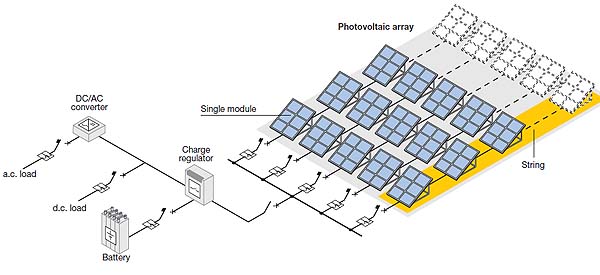

18+
© Академик, 2000-2026
- Обратная связь: Техподдержка, Реклама на сайте
Экспорт словарей на сайты, сделанные на PHP, Joomla, Drupal, WordPress, MODx.