

-
1 прежде
before, first, formerly, previously• Прежде всего необходимо... -^ It is first of all necessary to...• Прежде чем проделать это, мы заметим, что... - Before we do so we note that...• Прежде чем мы продолжим изложение, стоит отметить, что... - Before we go further, it is worth observing that...• Прежде чем рассматривать задачу, удобно напомнить, что... - Before considering the problem it will be convenient to recall... -
2 замечать
(= заметить, обнаруживать, указывать, отмечать) observe, note, notice, mark• Более общие условия здесь не будут обсуждаться, однако мы можем заметить, что... - More general conditions will not be discussed here, but it may be said that...• Более простой подход получается, если заметить, что... - A simpler approach is to observe that...• Были замечены первые значительные изменения в... - The first significant changes in... were detected/were observed.• В качестве последнего предостережения следует заметить, что... - As a final caveat it should be noted that...• В связи с данной задачей стоит заметить, что... - In connection with this problem it is worth noting that...• В связи с этим мы замечаем, что... - In this connection, we observe that...• Вдобавок мы можем заметить как следствие соотношения (1), что... - Incidentally we may notice, as a consequence of (1), that...• Внимательный читатель заметит, что... - An alert reader will have noticed that...• Во-вторых, мы должны заметить относительно использования (чего-л)... - Secondly, we must comment on the use of...• Во-вторых, следует заметить, что... - In the second place, it should be noted that...• Во-первых, заметим, что нет необходимости... - Our first observation is that there is no need to...• Все, что необходимо - это заметить, что... - All that is necessary is to observe that...• Дополнительное соотношение может получено, если мы заметим, что... - An additional relation can be obtained by noting that...• Довольно интересно заметить, что... - It is of some interest to observe that...• Желая использовать соотношение (14), мы заметим, что... - Wishing to exploit (14), we note that...• Заметим еще раз следующее важное обстоятельство. - Now again, we wish to make an important point.• Заметим мимоходом, что... - We observe in passing that...• Заметим, во-вторых, что... - Another point to be noticed is that...• Заметьте особую природу... - Note the singular nature of...• Заметьте различные роли, которые выполняются (чем-л). - Notice the different roles played by...• Заметьте, что данная аргументация весьма сходна (с той, что)... - Note that the present argument is very similar to...• Заметьте, что мы все еще должны быть осторожны (относительно, с)... - Note that we still must be cautious about...• Заметьте, что мы использовали (здесь) только... - Note that we have only used...• Заметьте, что мы не можем позволить себе пренебречь... - Notice that we could not afford to neglect...• Заметьте, что необходимо (сделать что-л)... - Notice that it is necessary to...• Заметьте, что это (выражение и т. п.) имеет ту же самую форму, что и... - Note that this is of the same form as...• Заметьте, что это весьма похоже на... - Note that this is very similar to...• Заметьте, что этот вывод не ограничен (чем-л). - Notice that this derivation is not restricted to...• Здесь мы просто заметим, что... - Here we will merely note that...• Интересно заметить, что... - It is interesting to observe that...; It is of interest to observe that...; It is of interest to remark that...• Как легко заметить... - As will readily be observed...; As is easy to see...• Кстати, заметим, что... - Notice incidentally that...• Между тем достаточно заметить, что... - Meanwhile, it is enough to note that...• Мы немедленно заметим, что... - It will be seen at once that...• Мы только заметим, что... - We mention in passing that...• Мы уже замечали, что... - We have already called attention to...• Наблюдательный читатель (обязательно) заметит, что... - The observant reader will have noticed that...• Не будет замечено никаких изменений. - No changes will be perceived.• Необходимо заметить, что в той же мере важным является тот факт, что... - But equally important, one should notice, is the fact that...• Необходимо заметить, что существуют два способа, которыми... - It should be noted that there are two ways in which...• Однако Смит [1] замечает, что определенные исключения действительно существуют. - But Smith [l] notes that certain exceptions do exist.• Однако интересно заметить, что... - It is, however, of interest to observe that...• Однако необходимо заметить, что... - It must be observed, however, that...• Однако следует также заметить, что... - It should also be noted, however, that...• Особенно интересно заметить, что... - It is especially interesting to note that...• Особо следует заметить, что... - It should be noted especially that...• Относительно соотношения (12) заметим, что его интересным свойством является... - The interesting feature to notice about (12) is that...• Очень полезно заметить, что... - It is very useful to notice that...• Прежде всего мы заметим, что... - Our first step is to notice that...• Перед тем как продолжить, заметим, что... - Before proceeding, we observe that...• Похоже, что Смит [1] был первым, кто заметил, что... - Smith [1] seems to have been the first to notice that...• Похоже, что остальные физики не заметили этого. - This seems to have escaped the notice of other physicists.• Прежде чем проделать это, мы заметим, что... - Before we do so we note that...• Прежде чем выполнить эту процедуру, заметим, что... - Before carrying out this procedure, note that...• Прежде чем мы продолжим изложение, стоит заметить, что... - Before we go further, it is worth observing that...• Прежде чем рассматривать их подробно, следует заметить, что... - Before considering these in detail, it should be mentioned that...• С другой стороны, мы можем заметить, что... - Alternatively, we may observe that...• С самого начала мы замечаем, что... - At the outset we notice that...• С целью дальнейшего использования заметим здесь... - Let us note here, for future use,...• С этой целью (= для этого) мы заметим, что... - То this end (= For this purpose) we note that...• Следует заметить, что... - It should be noted that...• Следующим шагом отметим, что п = 2, тогда... - Next observe that n = 2 then...• Смитом [1] первым заметил, что... - It was first observed by Smith [1] that...• Сначала заметим, что А = В. - Note first that A = В.• Стоит заметить, что... - It is worth remarking that...; It is worth noticing that...; It is noteworthy that...• Хорошо подготовленный читатель немедленно заметит, что... - The knowledgeable reader will see at once that...• Читатель мог бы заметить близкое сходство между этим анализом и... - The reader may notice a close similarity between this analysis and...• Читатель мог уже заметить, что... - The reader may have noticed that...• Чтобы доказать обратное, достаточно заметить, что... - То prove the converse it is sufficient to notice that...• Чтобы разъяснить этот момент, мы заметим, что... - То elucidate the point, we notice that...• Эта модификация, возможно, вводится наиболее просто, если заметить, что... - This modification is perhaps most easily introduced by observing that...• Это задание облегчается, если заметить, что... - This task is made easier by noticing that... -
3 Осторожно!
1) General subject: NTS (an insertion before a phrase to imply that the reader or listener should take heed, e.g. Note to self: do not talk to strangers. http://dictionary.reference.com/browse/note+to+self), note to self (an insertion before a phrase to imply that the reader or listener should take heed, e.g. Note to self: do not talk to strangers. http://dictionary.reference.com/browse/note+to+self)2) British English: mind out3) Business: With care! (маркировка ящиков) -
4 осторожно!
1) General subject: NTS (an insertion before a phrase to imply that the reader or listener should take heed, e.g. Note to self: do not talk to strangers. http://dictionary.reference.com/browse/note+to+self), note to self (an insertion before a phrase to imply that the reader or listener should take heed, e.g. Note to self: do not talk to strangers. http://dictionary.reference.com/browse/note+to+self)2) British English: mind out3) Business: With care! (маркировка ящиков) -
5 отмечать
(= отметить) mark, note, mention, notice, observe, intimate, list, point out• В заключение отметим, что... - We remark, in conclusion, that...• В связи с этим мы отметим, что... - In this connection, we observe that...• В связи с этим необходимо отметить, что... - In this connection, it should be noted that...• В связи с этим стоит отметить, что... - In this connection, it is worth noting that...• Во-вторых, мы отметим, что... - Secondly, we note that...• Возможно, что это подходящее место для того, чтобы отметить, что... - This is perhaps the place to comment that...• Далее, важно отметить, что... - Furthermore, it is important to note that...• Достаточно интересно отметить, что... - It is of some interest to observe that...• Еще раз отметим, что... - Once again it is noted that...• Можно (было бы) здесь отметить, что... - It may be mentioned here that...• Можно было бы отметить здесь другую меру предосторожности. - One other precaution might be mentioned here.• Можно отметить другие недостатки. - Other disadvantages may be noted.• Можно отметить три особенности. - Three features can be noted.• Можно отметить три специальных случая. - Three special cases may be noticed.• Мы должны также отметить, что... - We should also remark that...• Мы могли бы мимоходом отметить, что... - We may note in passing that...• Мы уже отмечали (= замечали), что... - We have already called attention to...• Мы уже отмечали по нескольким поводам... - We have noted on several occasions that...• Мы уже трижды отмечали (наличие)... - We have cited three instances of...• На самом деле мы обязаны отметить, что... - It is only fair to mention that...• На этом шаге стоит отметить, что... - It is worth remarking at this stage that...• Необходимо (= следует) еще отметить следующее. - There is a further point to be made here.• Необходимо сразу отметить, что... - It is to be noted immediately that...• Необходимо отметить, что... - It is to be noted that...• Необходимо четко отметить, что... - It must be carefully noted that...• Обращаясь теперь к уравнению (1), мы отметим (= заметим), что... - Turning to (1), we note that...• Один существенный момент, который необходимо отметить, состоит в том, что... - One vital point to be noticed is that...• Однако на данного этапе следует отметить, что... - The point to notice at this stage, however, is that...• Особенно следует отметить, что... - Of special note is...• Отметим (= подчеркнем) отличие в определениях... и... - Let us contrast the definitions of... and...• Отметим для дальнейшего, что... - For later use, we remark that...• Отметим здесь для ссылки, что... - For reference, let us note here that...• Отметим мимоходом, что... - We observe in passing that...• Отметим один факт, необходимый далее, а именно... - We record a fact to be used later, namely that...• Отметим теперь, что... - Next observe that...• Отметим, что существует только одно значение... - We notice that there is only one value of...• Отметим другой важный практический момент... - Another important practical point to notice is that...• Сначала мы отметим, что... - Our first step is to notice that...• Поучительно отметить, что... - It is instructive to note that...• Прежде чем продолжить изложение, стоит отметить, что... - Before we go further, it is worth observing that...• При решении данной задачи важно отметить, что... - In solving this problem it is important to notice that...• Ранее (уже) было отмечено, что... - It has been noted previously that...• Для того, чтобы ссылаться в дальнейшем, мы отметим, что... - We note for future reference that...• Сейчас мы просто отметим, что... - For the present, we merely note that...• Следует, однако, отметить, что... - It is fair to remark, however, that...• Стоит отметить, что... - It is noteworthy that...; It is worth pointing out that...; It is worth remarking that...; It is worth noticing that...• Чтобы вывести данное соотношение, мы отметим, во - первых, что... - In order to obtain this relation, we first note that...• Чтобы рассмотреть это более детально, отметим, что... - То see this in greater detail, let us note that...• Этот факт был отмечен без доказательства, в главе 4. - This fact was noted without proof in Chapter 4. -
6 входное полное сопротивление
входное полное сопротивление
-
[IEV number 312-06-18]EN
input impedance
impedance of the input circuit measured between the input terminals under operating conditions
NOTE 1 – The impedance can be expressed in terms of admittance.
NOTE 2 – In certain instances, for example, sampling devices or self-balancing potentiometers, the impedance can be different according to the instant when it is determined, before, during or after the instant of measurement.
NOTE 3 – When the input circuit is such that the instantaneous value of the current flowing into the input terminals is a non-linear function of the instantaneous value of the input voltage under specified conditions of frequency and voltage, the combination of resistance and reactance which would absorb the same active power and in which would flow a reactive current equal to the fundamental component that is flowing in the actual input circuit, is sometimes called the "equivalent input impedance".
[IEV number 312-06-18]FR
impédance du circuit d'entrée
impédance du circuit d'entrée entre les bornes d'entrée dans les conditions de fonctionnement
NOTE 1 – L'impédance peut être exprimée en termes d'admittance.
NOTE 2 – Dans certains cas, par exemple les dispositifs d'échantillonnage ou les potentiomètres à rééquilibrage automatique, l'impédance peut être différente selon l’instant où elle est déterminée, avant, pendant ou après la mesure.
NOTE 3 – Lorsque le circuit d'entrée est tel que la valeur instantanée du courant traversant les bornes d'entrée est une fonction non linéaire de la valeur instantanée de la tension d'entrée dans des conditions spécifiées de fréquence et de tension, l'impédance d'une combinaison formée par une résistance et une réactance qui absorberaient la même puissance active et dans laquelle circulerait un courant réactif égal à la composante fondamentale qui circule dans le circuit d'entrée réel, est parfois appelée "impédance équivalente d'entrée".
[IEV number 312-06-18]Тематики
- измерение электр. величин в целом
EN
DE
FR
Русско-немецкий словарь нормативно-технической терминологии > входное полное сопротивление
-
7 выходное полное сопротивление
выходное полное сопротивление
-
[IEV number 312-06-19]EN
output impedance
impedance of the output circuit measured between the output terminals under operating conditions
NOTE 1 – The impedance can be expressed in terms of admittance.
NOTE 2 – In certain instances, for example, sampling devices or self-balancing potentiometers, the impedance can be different according to the instant when it is determined, before, during or after the instant of measurement.
NOTE 3 – When the output circuit is such that the instantaneous value of the current flowing into the output terminals is a non-linear function of the instantaneous value of the output voltage under specified conditions of frequency and voltage, the combination of resistance and reactance which would absorb the same active power and in which would flow a reactive current equal to the fundamental component that is flowing in the actual output circuit, is sometimes called the "equivalent output impedance".
[IEV number 312-06-19]FR
impédance du circuit de sortie
impédance du circuit de sortie entre les bornes de sortie dans les conditions de fonctionnement
NOTE 1 – L'impédance peut être exprimée en termes d'admittance.
NOTE 2 – Dans certains cas, par exemple les dispositifs d'échantillonnage ou les potentiomètres à rééquilibrage automatique, l'impédance peut être différente selon l’instant où elle est déterminée, avant, pendant ou après la mesure.
NOTE 3 – Lorsque le circuit de sortie est tel que la valeur instantanée du courant traversant les bornes de sortie est une fonction non linéaire de la valeur instantanée de la tension de sortie dans des conditions spécifiées de fréquence et de tension, l'impédance d'une combinaison formée par une résistance et une réactance qui absorberaient la même puissance active et dans laquelle circulerait un courant réactif égal à la composante fondamentale qui circule dans le circuit de sortie réel, est parfois appelée "impédance équivalente de sortie".
[IEV number 312-06-19]Тематики
- измерение электр. величин в целом
EN
DE
FR
Русско-немецкий словарь нормативно-технической терминологии > выходное полное сопротивление
-
8 входное полное сопротивление
входное полное сопротивление
-
[IEV number 312-06-18]EN
input impedance
impedance of the input circuit measured between the input terminals under operating conditions
NOTE 1 – The impedance can be expressed in terms of admittance.
NOTE 2 – In certain instances, for example, sampling devices or self-balancing potentiometers, the impedance can be different according to the instant when it is determined, before, during or after the instant of measurement.
NOTE 3 – When the input circuit is such that the instantaneous value of the current flowing into the input terminals is a non-linear function of the instantaneous value of the input voltage under specified conditions of frequency and voltage, the combination of resistance and reactance which would absorb the same active power and in which would flow a reactive current equal to the fundamental component that is flowing in the actual input circuit, is sometimes called the "equivalent input impedance".
[IEV number 312-06-18]FR
impédance du circuit d'entrée
impédance du circuit d'entrée entre les bornes d'entrée dans les conditions de fonctionnement
NOTE 1 – L'impédance peut être exprimée en termes d'admittance.
NOTE 2 – Dans certains cas, par exemple les dispositifs d'échantillonnage ou les potentiomètres à rééquilibrage automatique, l'impédance peut être différente selon l’instant où elle est déterminée, avant, pendant ou après la mesure.
NOTE 3 – Lorsque le circuit d'entrée est tel que la valeur instantanée du courant traversant les bornes d'entrée est une fonction non linéaire de la valeur instantanée de la tension d'entrée dans des conditions spécifiées de fréquence et de tension, l'impédance d'une combinaison formée par une résistance et une réactance qui absorberaient la même puissance active et dans laquelle circulerait un courant réactif égal à la composante fondamentale qui circule dans le circuit d'entrée réel, est parfois appelée "impédance équivalente d'entrée".
[IEV number 312-06-18]Тематики
- измерение электр. величин в целом
EN
DE
FR
Русско-английский словарь нормативно-технической терминологии > входное полное сопротивление
-
9 выходное полное сопротивление
выходное полное сопротивление
-
[IEV number 312-06-19]EN
output impedance
impedance of the output circuit measured between the output terminals under operating conditions
NOTE 1 – The impedance can be expressed in terms of admittance.
NOTE 2 – In certain instances, for example, sampling devices or self-balancing potentiometers, the impedance can be different according to the instant when it is determined, before, during or after the instant of measurement.
NOTE 3 – When the output circuit is such that the instantaneous value of the current flowing into the output terminals is a non-linear function of the instantaneous value of the output voltage under specified conditions of frequency and voltage, the combination of resistance and reactance which would absorb the same active power and in which would flow a reactive current equal to the fundamental component that is flowing in the actual output circuit, is sometimes called the "equivalent output impedance".
[IEV number 312-06-19]FR
impédance du circuit de sortie
impédance du circuit de sortie entre les bornes de sortie dans les conditions de fonctionnement
NOTE 1 – L'impédance peut être exprimée en termes d'admittance.
NOTE 2 – Dans certains cas, par exemple les dispositifs d'échantillonnage ou les potentiomètres à rééquilibrage automatique, l'impédance peut être différente selon l’instant où elle est déterminée, avant, pendant ou après la mesure.
NOTE 3 – Lorsque le circuit de sortie est tel que la valeur instantanée du courant traversant les bornes de sortie est une fonction non linéaire de la valeur instantanée de la tension de sortie dans des conditions spécifiées de fréquence et de tension, l'impédance d'une combinaison formée par une résistance et une réactance qui absorberaient la même puissance active et dans laquelle circulerait un courant réactif égal à la composante fondamentale qui circule dans le circuit de sortie réel, est parfois appelée "impédance équivalente de sortie".
[IEV number 312-06-19]Тематики
- измерение электр. величин в целом
EN
DE
FR
Русско-английский словарь нормативно-технической терминологии > выходное полное сопротивление
-
10 входное полное сопротивление
входное полное сопротивление
-
[IEV number 312-06-18]EN
input impedance
impedance of the input circuit measured between the input terminals under operating conditions
NOTE 1 – The impedance can be expressed in terms of admittance.
NOTE 2 – In certain instances, for example, sampling devices or self-balancing potentiometers, the impedance can be different according to the instant when it is determined, before, during or after the instant of measurement.
NOTE 3 – When the input circuit is such that the instantaneous value of the current flowing into the input terminals is a non-linear function of the instantaneous value of the input voltage under specified conditions of frequency and voltage, the combination of resistance and reactance which would absorb the same active power and in which would flow a reactive current equal to the fundamental component that is flowing in the actual input circuit, is sometimes called the "equivalent input impedance".
[IEV number 312-06-18]FR
impédance du circuit d'entrée
impédance du circuit d'entrée entre les bornes d'entrée dans les conditions de fonctionnement
NOTE 1 – L'impédance peut être exprimée en termes d'admittance.
NOTE 2 – Dans certains cas, par exemple les dispositifs d'échantillonnage ou les potentiomètres à rééquilibrage automatique, l'impédance peut être différente selon l’instant où elle est déterminée, avant, pendant ou après la mesure.
NOTE 3 – Lorsque le circuit d'entrée est tel que la valeur instantanée du courant traversant les bornes d'entrée est une fonction non linéaire de la valeur instantanée de la tension d'entrée dans des conditions spécifiées de fréquence et de tension, l'impédance d'une combinaison formée par une résistance et une réactance qui absorberaient la même puissance active et dans laquelle circulerait un courant réactif égal à la composante fondamentale qui circule dans le circuit d'entrée réel, est parfois appelée "impédance équivalente d'entrée".
[IEV number 312-06-18]Тематики
- измерение электр. величин в целом
EN
DE
FR
Русско-французский словарь нормативно-технической терминологии > входное полное сопротивление
-
11 выходное полное сопротивление
выходное полное сопротивление
-
[IEV number 312-06-19]EN
output impedance
impedance of the output circuit measured between the output terminals under operating conditions
NOTE 1 – The impedance can be expressed in terms of admittance.
NOTE 2 – In certain instances, for example, sampling devices or self-balancing potentiometers, the impedance can be different according to the instant when it is determined, before, during or after the instant of measurement.
NOTE 3 – When the output circuit is such that the instantaneous value of the current flowing into the output terminals is a non-linear function of the instantaneous value of the output voltage under specified conditions of frequency and voltage, the combination of resistance and reactance which would absorb the same active power and in which would flow a reactive current equal to the fundamental component that is flowing in the actual output circuit, is sometimes called the "equivalent output impedance".
[IEV number 312-06-19]FR
impédance du circuit de sortie
impédance du circuit de sortie entre les bornes de sortie dans les conditions de fonctionnement
NOTE 1 – L'impédance peut être exprimée en termes d'admittance.
NOTE 2 – Dans certains cas, par exemple les dispositifs d'échantillonnage ou les potentiomètres à rééquilibrage automatique, l'impédance peut être différente selon l’instant où elle est déterminée, avant, pendant ou après la mesure.
NOTE 3 – Lorsque le circuit de sortie est tel que la valeur instantanée du courant traversant les bornes de sortie est une fonction non linéaire de la valeur instantanée de la tension de sortie dans des conditions spécifiées de fréquence et de tension, l'impédance d'une combinaison formée par une résistance et une réactance qui absorberaient la même puissance active et dans laquelle circulerait un courant réactif égal à la composante fondamentale qui circule dans le circuit de sortie réel, est parfois appelée "impédance équivalente de sortie".
[IEV number 312-06-19]Тематики
- измерение электр. величин в целом
EN
DE
FR
Русско-французский словарь нормативно-технической терминологии > выходное полное сопротивление
-
12 использовать
(= воспользоваться, применять, см. также использоваться) make use of, exploit, utilize, use, employ• Альтернативный подход использует такие понятия, как... - The alternative approach uses notions such as...• Безусловно это можно использовать лишь в случае, если... - Of course this applies only if...• Более успешный подход заключался в том, чтобы использовать... - A more successful approach has been to use...• Будет полезно использовать условия, при которых... - It will be useful to explore the circumstances under which...• В данном случае можно использовать другой подход. - In this case a different approach can be used.• В обозначениях, которые мы теперь используем, это означает, что... - In our present notation this means that...• В следующем примере мы используем этот метод, чтобы определить... - In the following examples we use this method to determine...• Давайте использовать это решение, чтобы получить... - Let us use this solution to obtain...• Далее мы не будем это использовать. - We shall make no further use of this.• Данное доказательство использует метод математической индукции по п. - The proof is by induction on n.• Данные результаты могут быть использованы для проверки численного решения. - These results provide a useful check on numerical solutions.• Для нашего доказательства удобно использовать... - For our proof it is convenient to use...• Для удобства мы будем часто использовать более простое обозначение... - For convenience, we will often use the simpler notation...• Если мы используем результат (7), то видим, что... - If we make use of the result (7) we see that...• Желая использовать соотношение (14), мы заметим, что... - Wishing to exploit (14), we note that...• Заметьте, что мы использовали (здесь) только... - Note that we have only used...• Иногда бывает удобно использовать соотношения вида... - It is sometimes convenient to use relations of the form...• Можно использовать любое выражение в зависимости от... - Either expression can be used, depending on whether...• Мы будем использовать это решение, чтобы построить... - We shall use this solution to construct...• Мы будем очень часто использовать... - Extensive use will be made of...• Мы хотим использовать данную тестовую систему, чтобы определить... - We wish to use this test system to determine...• Мы использовали это в качестве отправного пункта нашего исследования. - We have taken this as a starting point for our investigation.• Мы используем обычные договоренности о... - We make use of common conventions on...• Мы используем эти факты несколько позднее. - We shall exploit these facts at a later stage. '• Мы используем этот результат (в, для)... - We shall apply this result to...• Мы используем этот факт позже (= в дальнейшем). - We shall make use of this fact later.• Мы можем использовать преимущество, предоставляемое этим фактом, чтобы... - We can take advantage of this fact to...• Мы можем использовать эти же свойства, чтобы определить... - We can use these same properties to define...• Мы можем использовать этот результат, чтобы определить (= ввести)... - We can use this result to define...• Мы можем также использовать здесь концепцию... - We may also apply the concept of...• Мы продолжим использовать... - We shall continue to use...• Мы также используем (благоприятную) возможность (поблагодарить, отметить и т. п.) (= Пользуясь возможностью, мы благодарим)... - We also take the opportunity to...• Мы уже многократно использовали (формулу, метод и т. п.)... - We have made extensive use of...• Мы часто используем обозначения а, аr для... - We frequently use a, аr to denote...• Некоторые авторы предпочли использовать... - Some authors have preferred to use...• Одна элегантная версия данного метода использует... - An elegant version of this method employs...• Однако здесь мы предпочитаем использовать... - Неге we prefer, however, to employ...• Однако некоторые авторы успешно использовали... - However, some authors have successfully used...• Однако разумно использовать тот факт, что... - But the sensible thing is to use the fact that...• Описанный выше метод может быть использован для построения... - The procedure described above can be used to construct...• Перед тем как начать использовать эту концепцию, честно предупредим читателя, что... - Before we make use of this concept, it is only fair to warn the reader that...• Перед тем как использовать его (метода) преимущество, мы должны... - Before taking advantage of this, we must...• Подобное рассуждение можно использовать, когда... - A similar argument can be used when...• При этих условиях мы по-прежнему можем использовать... - Under these circumstances we may still use...• Развивая данную теорию, мы будем существенно использовать... - In developing the theory we shall make considerable use of...• Разработчики использовали различные подходы для получения... - Designers have used various approaches in arriving at...• С этой целью мы будем использовать... - For this purpose, we shall use...• Теорема может быть использована для нахождения... - This theorem can be used to find all solutions of...• Теперь мы (полностью) готовы использовать методы, разработанные во втором параграфе. - We are now ready to use the methods of Section 2.• Читатель увидит, как можно использовать высшую математику в... - The reader will see how ordinary calculus can be applied to...• Чтобы..., мы используем качественные рассуждения. - We shall use a qualitative argument to...• Чтобы использовать компьютер в данном процессе... - То computerize the process,...• Чтобы проделать это, мы используем тот факт, что... - То do this, we make use of the fact that...• Эйнштейн использовал точно те же самые идеи в... - Einstein applied precisely the same ideas to...• Эта идея уже была использована Смитом [1], который предлагает... - This idea has been exploited by Smith [1], who suggests that...• Эта точка зрения была интенсивно использована Смитом [1]. - This viewpoint has been used extensively by Smith [1].• Эти результаты можно использовать, чтобы установить... - These results can be used to establish...• Это позволяет нам использовать (метод и т. п.)... - This allows us to make use of...• Это рассуждение подобно тому, что было использовано для установления... - The argument is similar to that used to establish...• Это свойство может быть использовано для вывода... - This property can be used to derive...• Это уравнение может быть использовано для вычисления амплитуды... - This equation can be used to calculate the magnitude of...• Этот результат можно использовать без опасений, только если... - It is safe to use this result only if...• Эту теорию можно использовать только тогда, когда... - This theory is applicable only when... -
13 разъединитель
разъединитель
Контактный коммутационный аппарат, в разомкнутом положении отвечающий требованиям к функции разъединения.
Примечание.
1 Это определение отличается от формулировки МЭК 60050(441-14-05), поскольку требования к функции разъединения не ограничиваются соблюдением изолирующего промежутка.
[ ГОСТ Р 50030. 1-2000 ( МЭК 60947-1-99)]
2 Разъединитель способен включать и отключать цепь с незначительным током или при незначительном изменении напряжения на зажимах каждого из полюсов разъединителя.
Разъединитель может проводить токи в нормальных условиях работы, а также в течение определенного времени в аномальных условиях работы выдерживать токи короткого замыкания.
[ ГОСТ Р 50030. 3-99 ( МЭК 60947-3-99)]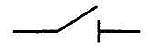 Условное обозначение контакта разъединителя
разъединитель
Контактный коммутационный аппарат, который обеспечивает в отключенном положении изоляционный промежуток, удовлетворяющий нормированным требованиям.
Примечания
1 Разъединитель способен размыкать и замыкать цепь при малом токе или малом изменении напряжения на выводах каждого из его полюсов. Он также способен проводить токи при нормальных условиях в цепи и проводить в течение нормированного времени токи при ненормальных условиях, таких как короткое замыкание.
2 Малые токи - это такие токи, как емкостные токи вводов, шин, соединений, очень коротких кабелей, токи постоянно соединенных ступенчатых сопротивлений выключателей и токи трансформаторов напряжения и делителей. Для номинальных напряжений до 330 кВ включительно ток, не превышающий 0,5 А, считается малым током по этому определению; для номинального напряжения от 500 кВ и выше и токов, превышающих 0,5 А, необходимо проконсультироваться с изготовителем, если нет особых указаний в руководствах по эксплуатации разъединителей.
3 К малым изменениям напряжения относятся изменения напряжения, возникающие при шунтировании регуляторов индуктивного напряжения или выключателей.
4 Для разъединителей номинальным напряжением от 110 кВ и выше может быть установлена коммутация уравнительных токов.
[ ГОСТ Р 52726-2007]EN
disconnector
a mechanical switching device which provides, in the open position, an isolating distance in accordance with specified requirements
NOTE – A disconnector is capable of opening and closing a circuit when either negligible current is broken or made, or when no significant change in the voltage across the terminals of each of the poles of the disconnector occurs. It is also capable of carrying currents under normal circuit conditions and carrying for a specified time currents under abnormal conditions such as those of short circuit.
[IEV number 441-14-05]
disconnector
IEV 441-14-05 is applicable with the following additional notes:
NOTE 1
"Negligible current" implies currents such as the capacitive currents of bushings, busbars, connections, very short lengths of cable, currents of permanently connected grading impedances of circuit-breakers and currents of voltage transformers and dividers. For rated voltages of 420 kV and below, a current not exceeding 0,5 A is a negligible current for the purpose of this definition; for rated voltage above 420 kV and currents exceeding 0,5 A, the manufacturer should be consulted.
"No significant change in voltage" refers to such applications as the by-passing of induction voltage regulators or circuit-breakers.
NOTE 2
For a disconnector having a rated voltage of 52 kV and above, a rated ability of bus transfer current switching may be assigned
[IEC 62271-102]FR
sectionneur
appareil mécanique de connexion qui assure, en position d'ouverture, une distance de sectionnement satisfaisant à des conditions spécifiées
NOTE – Un sectionneur est capable d'ouvrir et de fermer un circuit lorsqu'un courant d'intensité négligeable est interrompu ou établi, ou bien lorsqu'il ne se produit aucun changement notable de la tension aux bornes de chacun des pôles du sectionneur. Il est aussi capable de supporter des courants dans les conditions normales du circuit et de supporter des courants pendant une durée spécifiée dans des conditions anormales telles que celles du court-circuit.
[IEV number 441-14-05]Указанные в 5.3.2 перечислениях а)-d) устройства отключения ( выключатель-разъединитель, разъединитель или выключатель) должны:
- изолировать электрооборудование от цепей питания и иметь только одно положение ОТКЛЮЧЕНО (изоляция) и одно положение ВКЛЮЧЕНО, четко обозначаемые символами «О» и «I» [МЭК 60417-5008 (DB:2002-10) и МЭК 60417-5007 (DB:2002-10), см. 10.2.2];
- иметь видимое разъединение или индикатор положения, который может указывать положение ОТКЛЮЧЕНО только в случае, если все контакты в действительности открыты, т.е. разомкнуты и удалены друг от друга на расстояние, удовлетворяющее требованиям по изолированию;
- быть снабжены расположенным снаружи ручным приводом (например, ручкой). Исключение для управляемых внешним источником энергии, когда воздействие вручную невозможно при наличии иного внешнего привода. Если внешние приводы не используются для выполнения аварийных функций управления, то рекомендуется применять ЧЕРНЫЙ и СЕРЫЙ цвета для окраски ручного привода (см. 10.7.4 и 10.8.4);
- обладать средствами для запирания в положении ОТКЛЮЧЕНО (например, с помощью висячих замков). При таком запирании возможность как дистанционного, так и местного включения должна быть исключена;
Разъединители служат для создания видимого разрыва, отделяющего выводимое в ремонт оборудование от токоведущих частей, находящихся под напряжением, для безопасного производства работ.
Разъединители не имеют дугогасящих устройств и поэтому предназначаются для включения и отключения электрических цепей при отсутствии тока нагрузки и находящихся только под напряжением или даже без напряжения. Лишь в некоторых случаях допускается включение и отключение разъединителями небольших токов, значительно меньше номинальных.
Разъединители используются также при различного рода переключениях в схемах электрических соединений подстанций, например при переводе присоединений с одной системы шин на другую.
Требования, предъявляемые к разъединителям с точки зрения оперативного обслуживания, следующие:- Разъединители в отключенном положении должны создавать ясно видимый разрыв цепи, соответствующий классу напряжения установки.
- Приводы разъединителей должны иметь устройства фиксации в каждом из двух оперативных положений: включенном и отключенном. Кроме того, они должны иметь надежные упоры, ограничивающие поворот главных ножей на угол больше заданного.
- Опорные изоляторы и изолирующие тяги должны выдерживать механическую нагрузки при операциях.
- Главные ножи разъединителей должны иметь блокировку с ножами стационарных заземлителей и не допускать возможности одновременного включения тех и других.
- Разъединители должны беспрепятственно включаться и отключаться при любых наихудших условиях окружающей среды (например, при обледенении).
- Разъединители должны иметь надлежащую изоляцию, обеспечивающую не только надежную работу при возможных перенапряжениях и ухудшении атмосферных условий (гроза, дождь, туман), но и безопасное обслуживание.
[ http://forca.ru/stati/podstancii/obsluzhivanie-razediniteley-otdeliteley-i-korotkozamykateley.html]
Разъединители применяются для коммутации обесточенных при помощи выключателей участков токоведущих систем, для переключения РУ с одной ветви на другую, а также для отделения на время ревизии или ремонта силового электротехнического оборудования и создания безопасных условий от смежных частей линии, находящихся под напряжением. Разъединители способны размыкать электрическую цепь только при отсутствии в ней тока или при весьма малом токе. В отличие от выключателей разъединители в отключенном состоянии образуют видимый разрыв цепи. После отключения разъединителей с обеих сторон объекта, например выключателя или трансформатора, они должны заземляться с обеих сторон либо при помощи переносных заземлителей, либо специальных заземляющих ножей, встраиваемых в конструкцию разъединителя.
[ http://relay-protection.ru/content/view/46/8/1/1/]
Параллельные тексты EN-RU
b) disconnector, with or without fuses, in accordance with IEC 60947-3, that has an auxiliary contact that in all cases causes switching devices to break the load circuit before the opening of the main contacts of the disconnector;
[IEC 60204-1-2006]
б) разъединитель с или без предохранителей, соответствующий требованиям МЭК 60947-3 со вспомогательным контактом, срабатывающим до того, как разомкнутся главные контакты разъединителя, используемым для коммутации другого аппарата, отключающего питание цепей нагрузки.
[Перевод Интент]
Тематики
- высоковольтный аппарат, оборудование...
- релейная защита
- электротехника, основные понятия
Классификация
>>>EN
- disconnect
- disconnect device
- disconnect switch
- disconnecting device
- disconnecting switch
- disconnector
- DS
- isolating facility
- isolating switch
- isolator
- main disconnect device
DE
FR
Смотри также
Русско-немецкий словарь нормативно-технической терминологии > разъединитель
14 контроллер компенсации реактивной мощности
- reactive power controller
- power factor controller
- automatic reactive power regulator
- automatic reactive power controller
контроллер компенсации реактивной мощности
-
[Интент]EN
automatic reactive power regulator, controller
circuit designed to calculate the reactive power absorbed by the load connected to the power line and to control the switching on and off of the steps of the automatic bank, in order to compensate for the reactive power
NOTE 1 The reactive power is normally calculated at the fundamental frequency.
NOTE 2 The controller may be “built-in” or “free-standing” and has usually to be adjusted for each bank before operation.
[IEC 61921, ed. 1.0 (2003-04)]FR
régulateur varmétrique, régulateur
circuit conçu pour calculer la puissance réactive absorbée par la charge raccordée à l’alimentation de puissance et pour commander la connexion et la déconnexion des gradins de la batterie automatique de façon à compenser la puissance réactive
NOTE 1 La puissance réactive est normalement calculée à la fréquence fondamentale.
NOTE 2 Le régulateur peut être incorporé ou séparé et est normalement paramétré en fonction de la batterie avant fonctionnement.
[IEC 61921, ed. 1.0 (2003-04)]Тематики
Синонимы
EN
- automatic reactive power controller
- automatic reactive power regulator
- power factor controller
- reactive power controller
FR
Русско-английский словарь нормативно-технической терминологии > контроллер компенсации реактивной мощности
15 разъединитель
- main disconnect device
- isolator
- isolating switch
- isolating facility
- DS
- disconnector
- disconnecting switch
- disconnecting device
- disconnect switch
- disconnect device
- disconnect
разъединитель
Контактный коммутационный аппарат, в разомкнутом положении отвечающий требованиям к функции разъединения.
Примечание.
1 Это определение отличается от формулировки МЭК 60050(441-14-05), поскольку требования к функции разъединения не ограничиваются соблюдением изолирующего промежутка.
[ ГОСТ Р 50030. 1-2000 ( МЭК 60947-1-99)]
2 Разъединитель способен включать и отключать цепь с незначительным током или при незначительном изменении напряжения на зажимах каждого из полюсов разъединителя.
Разъединитель может проводить токи в нормальных условиях работы, а также в течение определенного времени в аномальных условиях работы выдерживать токи короткого замыкания.
[ ГОСТ Р 50030. 3-99 ( МЭК 60947-3-99)] Условное обозначение контакта разъединителя
разъединитель
Контактный коммутационный аппарат, который обеспечивает в отключенном положении изоляционный промежуток, удовлетворяющий нормированным требованиям.
Примечания
1 Разъединитель способен размыкать и замыкать цепь при малом токе или малом изменении напряжения на выводах каждого из его полюсов. Он также способен проводить токи при нормальных условиях в цепи и проводить в течение нормированного времени токи при ненормальных условиях, таких как короткое замыкание.
2 Малые токи - это такие токи, как емкостные токи вводов, шин, соединений, очень коротких кабелей, токи постоянно соединенных ступенчатых сопротивлений выключателей и токи трансформаторов напряжения и делителей. Для номинальных напряжений до 330 кВ включительно ток, не превышающий 0,5 А, считается малым током по этому определению; для номинального напряжения от 500 кВ и выше и токов, превышающих 0,5 А, необходимо проконсультироваться с изготовителем, если нет особых указаний в руководствах по эксплуатации разъединителей.
3 К малым изменениям напряжения относятся изменения напряжения, возникающие при шунтировании регуляторов индуктивного напряжения или выключателей.
4 Для разъединителей номинальным напряжением от 110 кВ и выше может быть установлена коммутация уравнительных токов.
[ ГОСТ Р 52726-2007]EN
disconnector
a mechanical switching device which provides, in the open position, an isolating distance in accordance with specified requirements
NOTE – A disconnector is capable of opening and closing a circuit when either negligible current is broken or made, or when no significant change in the voltage across the terminals of each of the poles of the disconnector occurs. It is also capable of carrying currents under normal circuit conditions and carrying for a specified time currents under abnormal conditions such as those of short circuit.
[IEV number 441-14-05]
disconnector
IEV 441-14-05 is applicable with the following additional notes:
NOTE 1
"Negligible current" implies currents such as the capacitive currents of bushings, busbars, connections, very short lengths of cable, currents of permanently connected grading impedances of circuit-breakers and currents of voltage transformers and dividers. For rated voltages of 420 kV and below, a current not exceeding 0,5 A is a negligible current for the purpose of this definition; for rated voltage above 420 kV and currents exceeding 0,5 A, the manufacturer should be consulted.
"No significant change in voltage" refers to such applications as the by-passing of induction voltage regulators or circuit-breakers.
NOTE 2
For a disconnector having a rated voltage of 52 kV and above, a rated ability of bus transfer current switching may be assigned
[IEC 62271-102]FR
sectionneur
appareil mécanique de connexion qui assure, en position d'ouverture, une distance de sectionnement satisfaisant à des conditions spécifiées
NOTE – Un sectionneur est capable d'ouvrir et de fermer un circuit lorsqu'un courant d'intensité négligeable est interrompu ou établi, ou bien lorsqu'il ne se produit aucun changement notable de la tension aux bornes de chacun des pôles du sectionneur. Il est aussi capable de supporter des courants dans les conditions normales du circuit et de supporter des courants pendant une durée spécifiée dans des conditions anormales telles que celles du court-circuit.
[IEV number 441-14-05]Указанные в 5.3.2 перечислениях а)-d) устройства отключения ( выключатель-разъединитель, разъединитель или выключатель) должны:
- изолировать электрооборудование от цепей питания и иметь только одно положение ОТКЛЮЧЕНО (изоляция) и одно положение ВКЛЮЧЕНО, четко обозначаемые символами «О» и «I» [МЭК 60417-5008 (DB:2002-10) и МЭК 60417-5007 (DB:2002-10), см. 10.2.2];
- иметь видимое разъединение или индикатор положения, который может указывать положение ОТКЛЮЧЕНО только в случае, если все контакты в действительности открыты, т.е. разомкнуты и удалены друг от друга на расстояние, удовлетворяющее требованиям по изолированию;
- быть снабжены расположенным снаружи ручным приводом (например, ручкой). Исключение для управляемых внешним источником энергии, когда воздействие вручную невозможно при наличии иного внешнего привода. Если внешние приводы не используются для выполнения аварийных функций управления, то рекомендуется применять ЧЕРНЫЙ и СЕРЫЙ цвета для окраски ручного привода (см. 10.7.4 и 10.8.4);
- обладать средствами для запирания в положении ОТКЛЮЧЕНО (например, с помощью висячих замков). При таком запирании возможность как дистанционного, так и местного включения должна быть исключена;
Разъединители служат для создания видимого разрыва, отделяющего выводимое в ремонт оборудование от токоведущих частей, находящихся под напряжением, для безопасного производства работ.
Разъединители не имеют дугогасящих устройств и поэтому предназначаются для включения и отключения электрических цепей при отсутствии тока нагрузки и находящихся только под напряжением или даже без напряжения. Лишь в некоторых случаях допускается включение и отключение разъединителями небольших токов, значительно меньше номинальных.
Разъединители используются также при различного рода переключениях в схемах электрических соединений подстанций, например при переводе присоединений с одной системы шин на другую.
Требования, предъявляемые к разъединителям с точки зрения оперативного обслуживания, следующие:- Разъединители в отключенном положении должны создавать ясно видимый разрыв цепи, соответствующий классу напряжения установки.
- Приводы разъединителей должны иметь устройства фиксации в каждом из двух оперативных положений: включенном и отключенном. Кроме того, они должны иметь надежные упоры, ограничивающие поворот главных ножей на угол больше заданного.
- Опорные изоляторы и изолирующие тяги должны выдерживать механическую нагрузки при операциях.
- Главные ножи разъединителей должны иметь блокировку с ножами стационарных заземлителей и не допускать возможности одновременного включения тех и других.
- Разъединители должны беспрепятственно включаться и отключаться при любых наихудших условиях окружающей среды (например, при обледенении).
- Разъединители должны иметь надлежащую изоляцию, обеспечивающую не только надежную работу при возможных перенапряжениях и ухудшении атмосферных условий (гроза, дождь, туман), но и безопасное обслуживание.
[ http://forca.ru/stati/podstancii/obsluzhivanie-razediniteley-otdeliteley-i-korotkozamykateley.html]
Разъединители применяются для коммутации обесточенных при помощи выключателей участков токоведущих систем, для переключения РУ с одной ветви на другую, а также для отделения на время ревизии или ремонта силового электротехнического оборудования и создания безопасных условий от смежных частей линии, находящихся под напряжением. Разъединители способны размыкать электрическую цепь только при отсутствии в ней тока или при весьма малом токе. В отличие от выключателей разъединители в отключенном состоянии образуют видимый разрыв цепи. После отключения разъединителей с обеих сторон объекта, например выключателя или трансформатора, они должны заземляться с обеих сторон либо при помощи переносных заземлителей, либо специальных заземляющих ножей, встраиваемых в конструкцию разъединителя.
[ http://relay-protection.ru/content/view/46/8/1/1/]
Параллельные тексты EN-RU
b) disconnector, with or without fuses, in accordance with IEC 60947-3, that has an auxiliary contact that in all cases causes switching devices to break the load circuit before the opening of the main contacts of the disconnector;
[IEC 60204-1-2006]
б) разъединитель с или без предохранителей, соответствующий требованиям МЭК 60947-3 со вспомогательным контактом, срабатывающим до того, как разомкнутся главные контакты разъединителя, используемым для коммутации другого аппарата, отключающего питание цепей нагрузки.
[Перевод Интент]
Тематики
- высоковольтный аппарат, оборудование...
- релейная защита
- электротехника, основные понятия
Классификация
>>>EN
- disconnect
- disconnect device
- disconnect switch
- disconnecting device
- disconnecting switch
- disconnector
- DS
- isolating facility
- isolating switch
- isolator
- main disconnect device
DE
FR
Смотри также
3.1.46 разъединитель (disconnector): Контактный коммутационный аппарат, который обеспечивает в отключенном положении изоляционный промежуток, соответствующий нормированным требованиям.
Источник: ГОСТ Р 54828-2011: Комплектные распределительные устройства в металлической оболочке с элегазовой изоляцией (КРУЭ) на номинальные напряжения 110 кВ и выше. Общие технические условия оригинал документа
Русско-английский словарь нормативно-технической терминологии > разъединитель
16 контроллер компенсации реактивной мощности
контроллер компенсации реактивной мощности
-
[Интент]EN
automatic reactive power regulator, controller
circuit designed to calculate the reactive power absorbed by the load connected to the power line and to control the switching on and off of the steps of the automatic bank, in order to compensate for the reactive power
NOTE 1 The reactive power is normally calculated at the fundamental frequency.
NOTE 2 The controller may be “built-in” or “free-standing” and has usually to be adjusted for each bank before operation.
[IEC 61921, ed. 1.0 (2003-04)]FR
régulateur varmétrique, régulateur
circuit conçu pour calculer la puissance réactive absorbée par la charge raccordée à l’alimentation de puissance et pour commander la connexion et la déconnexion des gradins de la batterie automatique de façon à compenser la puissance réactive
NOTE 1 La puissance réactive est normalement calculée à la fréquence fondamentale.
NOTE 2 Le régulateur peut être incorporé ou séparé et est normalement paramétré en fonction de la batterie avant fonctionnement.
[IEC 61921, ed. 1.0 (2003-04)]Тематики
Синонимы
EN
- automatic reactive power controller
- automatic reactive power regulator
- power factor controller
- reactive power controller
FR
Русско-французский словарь нормативно-технической терминологии > контроллер компенсации реактивной мощности
17 разъединитель
разъединитель
Контактный коммутационный аппарат, в разомкнутом положении отвечающий требованиям к функции разъединения.
Примечание.
1 Это определение отличается от формулировки МЭК 60050(441-14-05), поскольку требования к функции разъединения не ограничиваются соблюдением изолирующего промежутка.
[ ГОСТ Р 50030. 1-2000 ( МЭК 60947-1-99)]
2 Разъединитель способен включать и отключать цепь с незначительным током или при незначительном изменении напряжения на зажимах каждого из полюсов разъединителя.
Разъединитель может проводить токи в нормальных условиях работы, а также в течение определенного времени в аномальных условиях работы выдерживать токи короткого замыкания.
[ ГОСТ Р 50030. 3-99 ( МЭК 60947-3-99)] Условное обозначение контакта разъединителя
разъединитель
Контактный коммутационный аппарат, который обеспечивает в отключенном положении изоляционный промежуток, удовлетворяющий нормированным требованиям.
Примечания
1 Разъединитель способен размыкать и замыкать цепь при малом токе или малом изменении напряжения на выводах каждого из его полюсов. Он также способен проводить токи при нормальных условиях в цепи и проводить в течение нормированного времени токи при ненормальных условиях, таких как короткое замыкание.
2 Малые токи - это такие токи, как емкостные токи вводов, шин, соединений, очень коротких кабелей, токи постоянно соединенных ступенчатых сопротивлений выключателей и токи трансформаторов напряжения и делителей. Для номинальных напряжений до 330 кВ включительно ток, не превышающий 0,5 А, считается малым током по этому определению; для номинального напряжения от 500 кВ и выше и токов, превышающих 0,5 А, необходимо проконсультироваться с изготовителем, если нет особых указаний в руководствах по эксплуатации разъединителей.
3 К малым изменениям напряжения относятся изменения напряжения, возникающие при шунтировании регуляторов индуктивного напряжения или выключателей.
4 Для разъединителей номинальным напряжением от 110 кВ и выше может быть установлена коммутация уравнительных токов.
[ ГОСТ Р 52726-2007]EN
disconnector
a mechanical switching device which provides, in the open position, an isolating distance in accordance with specified requirements
NOTE – A disconnector is capable of opening and closing a circuit when either negligible current is broken or made, or when no significant change in the voltage across the terminals of each of the poles of the disconnector occurs. It is also capable of carrying currents under normal circuit conditions and carrying for a specified time currents under abnormal conditions such as those of short circuit.
[IEV number 441-14-05]
disconnector
IEV 441-14-05 is applicable with the following additional notes:
NOTE 1
"Negligible current" implies currents such as the capacitive currents of bushings, busbars, connections, very short lengths of cable, currents of permanently connected grading impedances of circuit-breakers and currents of voltage transformers and dividers. For rated voltages of 420 kV and below, a current not exceeding 0,5 A is a negligible current for the purpose of this definition; for rated voltage above 420 kV and currents exceeding 0,5 A, the manufacturer should be consulted.
"No significant change in voltage" refers to such applications as the by-passing of induction voltage regulators or circuit-breakers.
NOTE 2
For a disconnector having a rated voltage of 52 kV and above, a rated ability of bus transfer current switching may be assigned
[IEC 62271-102]FR
sectionneur
appareil mécanique de connexion qui assure, en position d'ouverture, une distance de sectionnement satisfaisant à des conditions spécifiées
NOTE – Un sectionneur est capable d'ouvrir et de fermer un circuit lorsqu'un courant d'intensité négligeable est interrompu ou établi, ou bien lorsqu'il ne se produit aucun changement notable de la tension aux bornes de chacun des pôles du sectionneur. Il est aussi capable de supporter des courants dans les conditions normales du circuit et de supporter des courants pendant une durée spécifiée dans des conditions anormales telles que celles du court-circuit.
[IEV number 441-14-05]Указанные в 5.3.2 перечислениях а)-d) устройства отключения ( выключатель-разъединитель, разъединитель или выключатель) должны:
- изолировать электрооборудование от цепей питания и иметь только одно положение ОТКЛЮЧЕНО (изоляция) и одно положение ВКЛЮЧЕНО, четко обозначаемые символами «О» и «I» [МЭК 60417-5008 (DB:2002-10) и МЭК 60417-5007 (DB:2002-10), см. 10.2.2];
- иметь видимое разъединение или индикатор положения, который может указывать положение ОТКЛЮЧЕНО только в случае, если все контакты в действительности открыты, т.е. разомкнуты и удалены друг от друга на расстояние, удовлетворяющее требованиям по изолированию;
- быть снабжены расположенным снаружи ручным приводом (например, ручкой). Исключение для управляемых внешним источником энергии, когда воздействие вручную невозможно при наличии иного внешнего привода. Если внешние приводы не используются для выполнения аварийных функций управления, то рекомендуется применять ЧЕРНЫЙ и СЕРЫЙ цвета для окраски ручного привода (см. 10.7.4 и 10.8.4);
- обладать средствами для запирания в положении ОТКЛЮЧЕНО (например, с помощью висячих замков). При таком запирании возможность как дистанционного, так и местного включения должна быть исключена;
Разъединители служат для создания видимого разрыва, отделяющего выводимое в ремонт оборудование от токоведущих частей, находящихся под напряжением, для безопасного производства работ.
Разъединители не имеют дугогасящих устройств и поэтому предназначаются для включения и отключения электрических цепей при отсутствии тока нагрузки и находящихся только под напряжением или даже без напряжения. Лишь в некоторых случаях допускается включение и отключение разъединителями небольших токов, значительно меньше номинальных.
Разъединители используются также при различного рода переключениях в схемах электрических соединений подстанций, например при переводе присоединений с одной системы шин на другую.
Требования, предъявляемые к разъединителям с точки зрения оперативного обслуживания, следующие:- Разъединители в отключенном положении должны создавать ясно видимый разрыв цепи, соответствующий классу напряжения установки.
- Приводы разъединителей должны иметь устройства фиксации в каждом из двух оперативных положений: включенном и отключенном. Кроме того, они должны иметь надежные упоры, ограничивающие поворот главных ножей на угол больше заданного.
- Опорные изоляторы и изолирующие тяги должны выдерживать механическую нагрузки при операциях.
- Главные ножи разъединителей должны иметь блокировку с ножами стационарных заземлителей и не допускать возможности одновременного включения тех и других.
- Разъединители должны беспрепятственно включаться и отключаться при любых наихудших условиях окружающей среды (например, при обледенении).
- Разъединители должны иметь надлежащую изоляцию, обеспечивающую не только надежную работу при возможных перенапряжениях и ухудшении атмосферных условий (гроза, дождь, туман), но и безопасное обслуживание.
[ http://forca.ru/stati/podstancii/obsluzhivanie-razediniteley-otdeliteley-i-korotkozamykateley.html]
Разъединители применяются для коммутации обесточенных при помощи выключателей участков токоведущих систем, для переключения РУ с одной ветви на другую, а также для отделения на время ревизии или ремонта силового электротехнического оборудования и создания безопасных условий от смежных частей линии, находящихся под напряжением. Разъединители способны размыкать электрическую цепь только при отсутствии в ней тока или при весьма малом токе. В отличие от выключателей разъединители в отключенном состоянии образуют видимый разрыв цепи. После отключения разъединителей с обеих сторон объекта, например выключателя или трансформатора, они должны заземляться с обеих сторон либо при помощи переносных заземлителей, либо специальных заземляющих ножей, встраиваемых в конструкцию разъединителя.
[ http://relay-protection.ru/content/view/46/8/1/1/]
Параллельные тексты EN-RU
b) disconnector, with or without fuses, in accordance with IEC 60947-3, that has an auxiliary contact that in all cases causes switching devices to break the load circuit before the opening of the main contacts of the disconnector;
[IEC 60204-1-2006]
б) разъединитель с или без предохранителей, соответствующий требованиям МЭК 60947-3 со вспомогательным контактом, срабатывающим до того, как разомкнутся главные контакты разъединителя, используемым для коммутации другого аппарата, отключающего питание цепей нагрузки.
[Перевод Интент]
Тематики
- высоковольтный аппарат, оборудование...
- релейная защита
- электротехника, основные понятия
Классификация
>>>EN
- disconnect
- disconnect device
- disconnect switch
- disconnecting device
- disconnecting switch
- disconnector
- DS
- isolating facility
- isolating switch
- isolator
- main disconnect device
DE
FR
Смотри также
Русско-французский словарь нормативно-технической терминологии > разъединитель
18 замечать
1) (обращать внимание) to observe, to note, to take notice (of)не замечать — to take no notice (of), to be oblivious (of)
должен лишь заметить, что... — I must just note that...
2) (делать замечание) to remark, to observe3) (брать на заметку) to note19 мотать на ус
мотать (наматывать) < себе> на усразг.make a mental note of smth.; make (take) < careful (good)> note of smth.; get smth. into one's head; store smth. in one's mind; take wise words to heart; take it inЗадание всегда давалось одно: присматриваться ко всему, что делается на катере в походе, а случится - и в бою, и мотать всё это на ус. (Л. Соболев, Зелёный луч) — The task never varied: it was to observe everything that was done on the sloop during the trip, in battle, too, should the occasion arise, and to store all that in his mind.
- Я, знаешь, всё время сравнивал - неплохой у нас завод, кое в чём они нам уступают, но и поучиться у них можно многому... - Да, кое-что я себе на ус намотал. (В. Кетлинская, Дни нашей жизни) — 'I couldn't help comparing all the time, of course. Our factory's pretty good, we're ahead of them on a number of points, but they've got a few things to teach us too.'... 'Yes, I've taken note of a thing or two.'
- Собирайся, - коротко закончил он. - Присматривайся там к людям, слушай, на ус наматывай. У тебя жизнь долгая, надо учиться, надо, - добавил он. (П. Проскурин, Судьба) — 'Get ready,' he concluded shortly. 'And when you're at the congress, have a look at people, listen to them and get things into your head. You've a long life before you, you must learn - you must,' he added.
- Всё-таки обиделся... - Ни за что! - отчеканил. - Просто умные слова на ус мотаю. (С. Абрамов, Требуется чудо) — 'So you did take offence...' 'Not at all!' he rapped out. 'I simply take wise words to heart.'
20 показание
reading, indication, display, in-
(показания) (прибора) — formation
- без учета поправок — uncorrected reading
- в кабине — indication /display/ in cockpit
the instrument provides rpm indication in the cockpit.
- высотомера при установке шкалы давления на стандартное атмосферное давление — altimeter one reading
- дистанционное — remote reading
- заниженное — reading /display/ below actual level
- (прибора) на переходном режиме — transient indications /reading/
показания прибора при изменении режима работы (двигателя) не учитываются. — transient indications during power changes should be disregarded.
-, неправильное — incorrect reading /display, indication/
а failure may cause an incorrect display.
-, неустойчивое — intermittent reading
-, обратное — reversed reading
- относительно к-л. точки отсчета — reading with respect to... point
drift angle is displayed with respect to the lubber line.
- по крену (авиагоризонта) — roll information /display/
угол между самолетиком (силуэтом) и индексом горизонта. — roll information is angular displacement between the miniature aircraft and artificial horizon (bar).
- по тангажу (авиагоризонта) — pitch information /display/
величина вертикального пeремещения шкалы тангажа относительно линии горизонта. — pitch information is shown by the vertical displacement of the miniature aircraft with respect to the artificial horizon (bar).
-, правильное — correct reading
- прибора — instrument reading /display/
- указателя скорости без учета поправок — uncorrected reading on airspeed indicator
неустойчивость п. (прибора) — intermittent reading
по п. прибора — as read on /from/ the instrument, as indicated /shown/ by the instrument
поправка к п. — display error correction
точность п. — reading accuracy
выдавать п. — produce indications /display/
записывать п. — write down /record/ the readings
контролировать п. — monitor display
наблюдать п. — observe the readings
определять величину по п. прибора — determine value by the instrument reading
отмечать п. (прибора) — note (the instrument) readings
отсчитывать п. прибора — read the instrument
проверять п. — cheek the readings
(правильно) разбираться в п. (индикатора) — interpret the displays. the inexperienced pilot should become skilled in interpreting the displays before relying wholly on the system.
регистрировать п. — record the readings
следить за п. — observe the readings
снимать п. (прибора) — take the readings, read the instrument
сравнивать п. (приборов) — compare the readings
(правильно) трактовать п. (индикатора) — interpret the displays
фиксировать п. (визуально) — note the readings, read the instrument (display)
фиксировать п. (с помощью приборов, аппаратуры) — record the readings
фиксировать п. (вручную) — write down the readingsРусско-английский сборник авиационно-технических терминов > показание
СтраницыСм. также в других словарях:
Before — Be*fore , adv. 1. On the fore part; in front, or in the direction of the front; opposed to {in the rear}. [1913 Webster] The battle was before and behind. 2 Chron. xiii. 14. [1913 Webster] 2. In advance. I come before to tell you. Shak. [1913… … The Collaborative International Dictionary of English
Note to God — Single by Charice from the album Charice Released May 15, 2009 … Wikipedia
Before — Be*fore , prep. [OE. beforen, biforen, before, AS. beforan; pref. be + foran, fore, before. See {Be }, and {Fore}.] 1. In front of; preceding in space; ahead of; as, to stand before the fire; before the house. [1913 Webster] His angel, who shall… … The Collaborative International Dictionary of English
Before the mast — Before Be*fore , prep. [OE. beforen, biforen, before, AS. beforan; pref. be + foran, fore, before. See {Be }, and {Fore}.] 1. In front of; preceding in space; ahead of; as, to stand before the fire; before the house. [1913 Webster] His angel, who … The Collaborative International Dictionary of English
Before the wind — Before Be*fore , prep. [OE. beforen, biforen, before, AS. beforan; pref. be + foran, fore, before. See {Be }, and {Fore}.] 1. In front of; preceding in space; ahead of; as, to stand before the fire; before the house. [1913 Webster] His angel, who … The Collaborative International Dictionary of English
Before the Great Collapse — Single by Jedi Mind Tricks from the album Legacy of Blood B side On the Eve of War … Wikipedia
Note — Note, v. t. [imp. & p. p. {Noted}; p. pr. & vb. n. {Noting}.] [F. noter, L. notare, fr. nota. See {Note}, n.] [1913 Webster] 1. To notice with care; to observe; to remark; to heed; to attend to. Pope. [1913 Webster] No more of that; I have noted… … The Collaborative International Dictionary of English
before due — Before the maturity of a note, mortgage, or other instrument. See indorsement before due … Ballentine's law dictionary
Note — This article is about the musical term. For other uses, see Note (disambiguation). In music, the term note has two primary meanings: A sign used in musical notation to represent the relative duration and pitch of a sound; A pitched sound itself.… … Wikipedia
Note — Debt instruments with initial maturities greater than one year and less than 10 years. The New York Times Financial Glossary * * * ▪ I. note note 1 [nəʊt ǁ noʊt] noun 1. [countable] BANKING a piece of printed paper that is used as money; … Financial and business terms
note — debt instruments with initial maturities ( maturity) longer than one year and shorter than 10 years. Bloomberg Financial Dictionary * * * ▪ I. note note 1 [nəʊt ǁ noʊt] noun 1. [countable] BANKING a piece of printed paper that is … Financial and business terms
 18+© Академик, 2000-2026
- Обратная связь: Техподдержка, Реклама на сайте
Экспорт словарей на сайты, сделанные на PHP, Joomla, Drupal, WordPress, MODx.
Перевод: с русского на все языки
со всех языков на русский- Со всех языков на:
- Русский
- С русского на:
- Все языки
- Английский
- Немецкий
- Французский