

-
1 difference construction
Большой англо-русский и русско-английский словарь > difference construction
-
2 difference construction
Математика: различающая конструкцияУниверсальный англо-русский словарь > difference construction
-
3 difference construction
English-Russian scientific dictionary > difference construction
-
4 construction
1) сооружение, строительство3) конструкция4) матем. построение5) строение; сооружение6) структура•construction subsidized by public funds — строительство, финансируемое из общественных фондов
constructions on a stereogram — матем. построения на стереографической проекции
-
5 construction difference
Макаров: отличие конструкцииУниверсальный англо-русский словарь > construction difference
-
6 различающая конструкция
Большой англо-русский и русско-английский словарь > различающая конструкция
-
7 method
1) метод; приём; способ2) методика3) технология4) система•- accelerated strength testing method-
benching method-
bullhead well control method-
electrical-surveying method-
electromagnetic surveying method-
long-wire transmitter method-
operational method-
rule of thumb method-
straight flange method of rolling beams-
symbolical method-
tee-test method-
testing method-
triangulation method-
value-iteration method -
8 method
1) метод; способ; средство2) система; порядок3) технология4) методика•- method of applying liquid lubrication - method of calculation - method of column analogy - method of comparison - method of connecting - method of determining bending moments by fixed points - method of directions - method of elastic arch - method of elastic weights - method of electric needles - method of exchange of members - method of firing - method of fixed points - method of images - method of initial parameters - method of joints - method of least squares - method of least work - method of limit equilibrium - method of minimum strain energy - method of moments - method of movement - method of operation - method of payment - method of planning - method of production - method of redundant reactions - method of rotations - method of sections - method of separate joint displacement - method of slopes - method of stowage - method of strain measurement method - method of substitute redundant members - method of successive approximations - method of successive corrections - method of training - method of transportation - method of working - method of zero moment points - methods of network planning and control - ad hoc method - advertising method - aero-projection method - air-permeability method - airslide method - approximation method - arbitrary proportions method - area moment method - artificial islands method - ball method of testing - bench method - bidding methods - brush method of treatment timber - building methods - caisson method - cantilever method of design - cassette method of production of thin-slab structures - central mixing method - centre drift method - centrifuge method - centroidal method of design - change-in-stress method - chemical injection method - closed building method - column analogy method of design - compressed-air method of tunnelling - concrete testing method - cone method - construction works quality control method - core-drill method - correlation method - cut-and-cover method - cut-and-try method - cylinder method - deflection method - design methods - development method - dip method - dipping method of treatment timber - effective method - electrolytic method - emulsified-asphalt penetration method - energy method - equal load increments method - equal strain method - error method - fabrication method - fixing method - float and chains method - flow-line conveyer method - force method - graphical method - heading method of tunnelling - hot-air heating standpipe method - hot penetration method - hydraulic fill method - impact method - kinematic method - lacquer film method - land-assembly methods - lift-slab method - limit equilibrium method - limit stage design method - line production method - loading method - magnaflux method - mechanical method by pumps - membrane method of waterproofing - mixed-in-place method - mock-up methods of design - modular ratio method - moire fringe method - moment area method - moment-distribution method - moment-of-inertia method of designing - mud-jack method - mulch method - near end moment distribution method - neutral-points method - non-destructive testing methods - normal method - packing methods - patented method of construction - penetration method - percussive pneumatic method of riveting - photo-elastic method of stress-determination - photo-elasticity method - pilot method - pilot tunnel method - pin-and-string method - pipe-bridge method - plastic method of design - plastic theory method - polarized light method - portal method of design - pounding method of curing concrete - production line method of construction - qualitative methods - quantitative methods - relaxation method - ring-and-ball method - rolled-on method - safe method of heat insulation - safety methods - sampling method - sand-bearing method of testing clay pipes - sand-island method - scheduling method - seismic method of prospecting - simultaneous construction method - slope deflection method - spatial self-fixation erection method - statistical analysis method - stovepipe pipe-laying method - strain-energy method - successive construction method - surface-coating method of waterproofing - synthetic method of restoration - thixotropic liquid method - tilt-up method - top-heading method - transfiguration method - trial-load method - turnover method - ultimate-strength method - ultrasonic pulse velocity method - void method of proportioning - volume method of concrete mix design - volumetric method - water-jet method of pile-driving - weight method - well-point method of excavation - work method - working stress method of design* * *метод, способ; система; порядок; методика; технология- method of analysis
- method of application
- method of attack
- method of bearing and distances
- method of bipolar coordinates
- method of calculation
- method of design
- method of detail survey
- method of elastic weights
- method of electric needles
- method of expansion into series
- method of fixed points
- method of intersection
- method of joint isolation
- method of least work
- methods of manufacture
- method of minimum strain energy
- method of moment distribution
- method of radiation
- method of redistribution of pressure
- method of sections
- method of steam jet
- methods of structural analysis
- method of successive approximations
- methods of testing
- method of water needles
- accepted method of building
- accepted method of house construction
- accurate method of analysis
- adhesive nail-on method
- admittance method
- advanced methods of concreting
- advance slope method
- aggregate exposure method
- air permeability method
- alternate methods
- American method
- analytical method of determining reactions
- API method of pile design
- approximate method
- approximation method
- area method
- area-moment method
- assembly methods
- Austrian method
- autogenous curing method
- balanced cantilever method
- Belgian method
- Benoto method
- bentonite method
- Billner method
- "bin" method
- boiling water method
- boom placement concreting method
- bricklaying methods
- building method
- building block module method
- cable method of rock stressing
- calculation method
- cantilever method
- Chicago method
- circular-arc method
- Coast-Survey method
- collapse method of structural design
- combined finite strip-finite element method
- compaction methods of clays
- conjugate beam method
- consistency measurement method
- construction methods
- construction and erection methods
- contiguous pile method
- continuous-flight augers method
- continuous-sample method of advance
- convergence method
- critical method
- critical path method
- Cross moment distribution method
- Cross method
- cross-section method
- current design methods
- cut-and-cover method
- dampproofing methods
- displacement method
- displacement method of advance
- dual-rail method
- dummy unit-load method
- dust-spot method
- Dutch cone method
- earth pressure balanced tunneling method
- elastic center method
- elastic weights method
- electric analogy method
- electric resisting method
- energy method
- equal friction method of duct sizing
- equal friction method
- equivalent load method
- erection method
- fast track construction methods
- fatigue test method
- finite difference method
- finite element method
- finite strip method
- flight auger method
- flotation caisson method
- flue loss method
- folded plate method of analysis
- force method
- free cantilever method of construction
- general method of analysis
- Glotzl hydraulic cell method
- Gow method
- Hardy Cross method
- housing appraisal method
- in-duct method
- industrialized methods of construction
- iterative method
- jack method
- jacking method
- lacquer curtain coating method
- laser beam method
- leap-frog method
- limit equilibrium method
- limit state method
- listening methods
- load factor design method
- mandrel method
- mathematical method of design
- matrix method of structural analysis
- maturity method
- measuring method
- mixed-mode method
- mix-in-place method
- modern building methods
- modular ratio method
- moiré fringe method
- moment-balance method
- nondestructive methods of tests
- normal method of quality control
- null method
- numerical method
- one-rail method
- optical square method
- permissible stress method
- phototheodolite method
- plastic methods of structural analysis
- plate count method
- precast concrete manufacturing methods
- pressuremeter method
- proven construction methods
- p-y method of pile design
- rapid test method
- ratio method of balancing
- rebound hammer method
- reference point method
- relaxation method
- reproducible methods
- resistivity method
- resonant-frequency method
- reverberant field method
- Rockwell method of hardness testing
- safe method
- safe working methods
- secant interlocking pile method
- secant pile method
- seismic method of surveying
- seismic reflection method
- seismic refraction method
- semiprobabilistic design method
- shear transfer method
- shock response method of pile testing
- sliding-wedge method
- slope deflection method
- solar radiation method
- sonic method
- special method of quality control
- standard test method
- static regain method of duct sizing
- static regain method
- statistical design method
- step-by-step method
- strength design method
- strength evaluation method
- successive approximations method
- suspended cantilever method
- swamp shooting method
- Tagg method
- tangent modulus method
- test methods
- Theis method
- thixotropic liquid method
- three-point method
- tilt-up method
- time-saving method of construction
- TNO method of analysis
- TNO method of pile testing
- transit and stadia method
- tremie method
- truss analogy method
- turn-of-nut method
- ultrasonic pulse velocity method
- vacuum concrete method of bridge construction
- valveless pulse-jet method
- vane shear method
- velocity reduction method of duct sizing
- velocity reduction method
- vibratory method
- Vickers method of hardness testing
- volume method of measuring aggregates
- warm water method
- water fog spray method
- western bricklaying method
- western method
- working-stress design method -
9 method
- method
- nметод, способ; система; порядок; методика; технология
- method of analysis
- method of application
- method of attack
- method of bearing and distances
- method of bipolar coordinates
- method of calculation
- method of design
- method of detail survey
- method of elastic weights
- method of electric needles
- method of expansion into series
- method of fixed points
- method of intersection
- method of joint isolation
- method of least work
- methods of manufacture
- method of minimum strain energy
- method of moment distribution
- method of radiation
- method of redistribution of pressure
- method of sections
- method of steam jet
- methods of structural analysis
- method of successive approximations
- methods of testing
- method of water needles
- accepted method of building
- accepted method of house construction
- accurate method of analysis
- adhesive nail-on method
- admittance method
- advanced methods of concreting
- advance slope method
- aggregate exposure method
- air permeability method
- alternate methods
- American method
- analytical method of determining reactions
- API method of pile design
- approximate method
- approximation method
- area method
- area-moment method
- assembly methods
- Austrian method
- autogenous curing method
- balanced cantilever method
- Belgian method
- Benoto method
- bentonite method
- Billner method
- "bin" method
- boiling water method
- boom placement concreting method
- bricklaying methods
- building method
- building block module method
- cable method of rock stressing
- calculation method
- cantilever method
- Chicago method
- circular-arc method
- Coast-Survey method
- collapse method of structural design
- combined finite strip-finite element method
- compaction methods of clays
- conjugate beam method
- consistency measurement method
- construction methods
- construction and erection methods
- contiguous pile method
- continuous-flight augers method
- continuous-sample method of advance
- convergence method
- critical method
- critical path method
- Cross moment distribution method
- Cross method
- cross-section method
- current design methods
- cut-and-cover method
- dampproofing methods
- displacement method
- displacement method of advance
- dual-rail method
- dummy unit-load method
- dust-spot method
- Dutch cone method
- earth pressure balanced tunneling method
- elastic center method
- elastic weights method
- electric analogy method
- electric resisting method
- energy method
- equal friction method of duct sizing
- equal friction method
- equivalent load method
- erection method
- fast track construction methods
- fatigue test method
- finite difference method
- finite element method
- finite strip method
- flight auger method
- flotation caisson method
- flue loss method
- folded plate method of analysis
- force method
- free cantilever method of construction
- general method of analysis
- Glotzl hydraulic cell method
- Gow method
- Hardy Cross method
- housing appraisal method
- in-duct method
- industrialized methods of construction
- iterative method
- jack method
- jacking method
- lacquer curtain coating method
- laser beam method
- leap-frog method
- limit equilibrium method
- limit state method
- listening methods
- load factor design method
- mandrel method
- mathematical method of design
- matrix method of structural analysis
- maturity method
- measuring method
- mixed-mode method
- mix-in-place method
- modern building methods
- modular ratio method
- moiré fringe method
- moment-balance method
- nondestructive methods of tests
- normal method of quality control
- null method
- numerical method
- one-rail method
- optical square method
- permissible stress method
- phototheodolite method
- plastic methods of structural analysis
- plate count method
- precast concrete manufacturing methods
- pressuremeter method
- proven construction methods
- p-y method of pile design
- rapid test method
- ratio method of balancing
- rebound hammer method
- reference point method
- relaxation method
- reproducible methods
- resistivity method
- resonant-frequency method
- reverberant field method
- Rockwell method of hardness testing
- safe method
- safe working methods
- secant interlocking pile method
- secant pile method
- seismic method of surveying
- seismic reflection method
- seismic refraction method
- semiprobabilistic design method
- shear transfer method
- shock response method of pile testing
- sliding-wedge method
- slope deflection method
- solar radiation method
- sonic method
- special method of quality control
- standard test method
- static regain method of duct sizing
- static regain method
- statistical design method
- step-by-step method
- strength design method
- strength evaluation method
- successive approximations method
- suspended cantilever method
- swamp shooting method
- Tagg method
- tangent modulus method
- test methods
- Theis method
- thixotropic liquid method
- three-point method
- tilt-up method
- time-saving method of construction
- TNO method of analysis
- TNO method of pile testing
- transit and stadia method
- tremie method
- truss analogy method
- turn-of-nut method
- ultrasonic pulse velocity method
- vacuum concrete method of bridge construction
- valveless pulse-jet method
- vane shear method
- velocity reduction method of duct sizing
- velocity reduction method
- vibratory method
- Vickers method of hardness testing
- volume method of measuring aggregates
- warm water method
- water fog spray method
- western bricklaying method
- western method
- working-stress design method
Англо-русский строительный словарь. — М.: Русский Язык. С.Н.Корчемкина, С.К.Кашкина, С.В.Курбатова. 1995.
-
10 modular data center
модульный центр обработки данных (ЦОД)
-
[Интент]Параллельные тексты EN-RU
[ http://dcnt.ru/?p=9299#more-9299]
Data Centers are a hot topic these days. No matter where you look, this once obscure aspect of infrastructure is getting a lot of attention. For years, there have been cost pressures on IT operations and this, when the need for modern capacity is greater than ever, has thrust data centers into the spotlight. Server and rack density continues to rise, placing DC professionals and businesses in tighter and tougher situations while they struggle to manage their IT environments. And now hyper-scale cloud infrastructure is taking traditional technologies to limits never explored before and focusing the imagination of the IT industry on new possibilities.
В настоящее время центры обработки данных являются широко обсуждаемой темой. Куда ни посмотришь, этот некогда малоизвестный аспект инфраструктуры привлекает все больше внимания. Годами ИТ-отделы испытывали нехватку средств и это выдвинуло ЦОДы в центр внимания, в то время, когда необходимость в современных ЦОДах стала как никогда высокой. Плотность серверов и стоек продолжают расти, все больше усложняя ситуацию для специалистов в области охлаждения и организаций в их попытках управлять своими ИТ-средами. И теперь гипермасштабируемая облачная инфраструктура подвергает традиционные технологии невиданным ранее нагрузкам, и заставляет ИТ-индустрию искать новые возможности.
At Microsoft, we have focused a lot of thought and research around how to best operate and maintain our global infrastructure and we want to share those learnings. While obviously there are some aspects that we keep to ourselves, we have shared how we operate facilities daily, our technologies and methodologies, and, most importantly, how we monitor and manage our facilities. Whether it’s speaking at industry events, inviting customers to our “Microsoft data center conferences” held in our data centers, or through other media like blogging and white papers, we believe sharing best practices is paramount and will drive the industry forward. So in that vein, we have some interesting news to share.
В компании MicroSoft уделяют большое внимание изучению наилучших методов эксплуатации и технического обслуживания своей глобальной инфраструктуры и делятся результатами своих исследований. И хотя мы, конечно, не раскрываем некоторые аспекты своих исследований, мы делимся повседневным опытом эксплуатации дата-центров, своими технологиями и методологиями и, что важнее всего, методами контроля и управления своими объектами. Будь то доклады на отраслевых событиях, приглашение клиентов на наши конференции, которые посвящены центрам обработки данных MicroSoft, и проводятся в этих самых дата-центрах, или использование других средств, например, блоги и спецификации, мы уверены, что обмен передовым опытом имеет первостепенное значение и будет продвигать отрасль вперед.
Today we are sharing our Generation 4 Modular Data Center plan. This is our vision and will be the foundation of our cloud data center infrastructure in the next five years. We believe it is one of the most revolutionary changes to happen to data centers in the last 30 years. Joining me, in writing this blog are Daniel Costello, my director of Data Center Research and Engineering and Christian Belady, principal power and cooling architect. I feel their voices will add significant value to driving understanding around the many benefits included in this new design paradigm.
Сейчас мы хотим поделиться своим планом модульного дата-центра четвертого поколения. Это наше видение и оно будет основанием для инфраструктуры наших облачных дата-центров в ближайшие пять лет. Мы считаем, что это одно из самых революционных изменений в дата-центрах за последние 30 лет. Вместе со мной в написании этого блога участвовали Дэниел Костелло, директор по исследованиям и инжинирингу дата-центров, и Кристиан Белади, главный архитектор систем энергоснабжения и охлаждения. Мне кажется, что их авторитет придаст больше веса большому количеству преимуществ, включенных в эту новую парадигму проектирования.
Our “Gen 4” modular data centers will take the flexibility of containerized servers—like those in our Chicago data center—and apply it across the entire facility. So what do we mean by modular? Think of it like “building blocks”, where the data center will be composed of modular units of prefabricated mechanical, electrical, security components, etc., in addition to containerized servers.
Was there a key driver for the Generation 4 Data Center?Наши модульные дата-центры “Gen 4” будут гибкими с контейнерами серверов – как серверы в нашем чикагском дата-центре. И гибкость будет применяться ко всему ЦОД. Итак, что мы подразумеваем под модульностью? Мы думаем о ней как о “строительных блоках”, где дата-центр будет состоять из модульных блоков изготовленных в заводских условиях электрических систем и систем охлаждения, а также систем безопасности и т.п., в дополнение к контейнеризованным серверам.
Был ли ключевой стимул для разработки дата-центра четвертого поколения?
If we were to summarize the promise of our Gen 4 design into a single sentence it would be something like this: “A highly modular, scalable, efficient, just-in-time data center capacity program that can be delivered anywhere in the world very quickly and cheaply, while allowing for continued growth as required.” Sounds too good to be true, doesn’t it? Well, keep in mind that these concepts have been in initial development and prototyping for over a year and are based on cumulative knowledge of previous facility generations and the advances we have made since we began our investments in earnest on this new design.Если бы нам нужно было обобщить достоинства нашего проекта Gen 4 в одном предложении, это выглядело бы следующим образом: “Центр обработки данных с высоким уровнем модульности, расширяемости, и энергетической эффективности, а также возможностью постоянного расширения, в случае необходимости, который можно очень быстро и дешево развертывать в любом месте мира”. Звучит слишком хорошо для того чтобы быть правдой, не так ли? Ну, не забывайте, что эти концепции находились в процессе начальной разработки и создания опытного образца в течение более одного года и основываются на опыте, накопленном в ходе развития предыдущих поколений ЦОД, а также успехах, сделанных нами со времени, когда мы начали вкладывать серьезные средства в этот новый проект.
One of the biggest challenges we’ve had at Microsoft is something Mike likes to call the ‘Goldilock’s Problem’. In a nutshell, the problem can be stated as:
The worst thing we can do in delivering facilities for the business is not have enough capacity online, thus limiting the growth of our products and services.Одну из самых больших проблем, с которыми приходилось сталкиваться Майкрософт, Майк любит называть ‘Проблемой Лютика’. Вкратце, эту проблему можно выразить следующим образом:
Самое худшее, что может быть при строительстве ЦОД для бизнеса, это не располагать достаточными производственными мощностями, и тем самым ограничивать рост наших продуктов и сервисов.The second worst thing we can do in delivering facilities for the business is to have too much capacity online.
А вторым самым худшим моментом в этой сфере может слишком большое количество производственных мощностей.
This has led to a focus on smart, intelligent growth for the business — refining our overall demand picture. It can’t be too hot. It can’t be too cold. It has to be ‘Just Right!’ The capital dollars of investment are too large to make without long term planning. As we struggled to master these interesting challenges, we had to ensure that our technological plan also included solutions for the business and operational challenges we faced as well.
So let’s take a high level look at our Generation 4 designЭто заставило нас сосредоточиваться на интеллектуальном росте для бизнеса — refining our overall demand picture. Это не должно быть слишком горячим. И это не должно быть слишком холодным. Это должно быть ‘как раз, таким как надо!’ Нельзя делать такие большие капиталовложения без долгосрочного планирования. Пока мы старались решить эти интересные проблемы, мы должны были гарантировать, что наш технологический план будет также включать решения для коммерческих и эксплуатационных проблем, с которыми нам также приходилось сталкиваться.
Давайте рассмотрим наш проект дата-центра четвертого поколенияAre you ready for some great visuals? Check out this video at Soapbox. Click here for the Microsoft 4th Gen Video.
It’s a concept video that came out of my Data Center Research and Engineering team, under Daniel Costello, that will give you a view into what we think is the future.
From a configuration, construct-ability and time to market perspective, our primary goals and objectives are to modularize the whole data center. Not just the server side (like the Chicago facility), but the mechanical and electrical space as well. This means using the same kind of parts in pre-manufactured modules, the ability to use containers, skids, or rack-based deployments and the ability to tailor the Redundancy and Reliability requirements to the application at a very specific level.
Посмотрите это видео, перейдите по ссылке для просмотра видео о Microsoft 4th Gen:
Это концептуальное видео, созданное командой отдела Data Center Research and Engineering, возглавляемого Дэниелом Костелло, которое даст вам наше представление о будущем.
С точки зрения конфигурации, строительной технологичности и времени вывода на рынок, нашими главными целями и задачами агрегатирование всего дата-центра. Не только серверную часть, как дата-центр в Чикаго, но также системы охлаждения и электрические системы. Это означает применение деталей одного типа в сборных модулях, возможность использования контейнеров, салазок, или стоечных систем, а также возможность подстраивать требования избыточности и надежности для данного приложения на очень специфичном уровне.Our goals from a cost perspective were simple in concept but tough to deliver. First and foremost, we had to reduce the capital cost per critical Mega Watt by the class of use. Some applications can run with N-level redundancy in the infrastructure, others require a little more infrastructure for support. These different classes of infrastructure requirements meant that optimizing for all cost classes was paramount. At Microsoft, we are not a one trick pony and have many Online products and services (240+) that require different levels of operational support. We understand that and ensured that we addressed it in our design which will allow us to reduce capital costs by 20%-40% or greater depending upon class.
Нашими целями в области затрат были концептуально простыми, но трудно реализуемыми. В первую очередь мы должны были снизить капитальные затраты в пересчете на один мегаватт, в зависимости от класса резервирования. Некоторые приложения могут вполне работать на базе инфраструктуры с резервированием на уровне N, то есть без резервирования, а для работы других приложений требуется больше инфраструктуры. Эти разные классы требований инфраструктуры подразумевали, что оптимизация всех классов затрат имеет преобладающее значение. В Майкрософт мы не ограничиваемся одним решением и располагаем большим количеством интерактивных продуктов и сервисов (240+), которым требуются разные уровни эксплуатационной поддержки. Мы понимаем это, и учитываем это в своем проекте, который позволит нам сокращать капитальные затраты на 20%-40% или более в зависимости от класса.For example, non-critical or geo redundant applications have low hardware reliability requirements on a location basis. As a result, Gen 4 can be configured to provide stripped down, low-cost infrastructure with little or no redundancy and/or temperature control. Let’s say an Online service team decides that due to the dramatically lower cost, they will simply use uncontrolled outside air with temperatures ranging 10-35 C and 20-80% RH. The reality is we are already spec-ing this for all of our servers today and working with server vendors to broaden that range even further as Gen 4 becomes a reality. For this class of infrastructure, we eliminate generators, chillers, UPSs, and possibly lower costs relative to traditional infrastructure.
Например, некритичные или гео-избыточные системы имеют низкие требования к аппаратной надежности на основе местоположения. В результате этого, Gen 4 можно конфигурировать для упрощенной, недорогой инфраструктуры с низким уровнем (или вообще без резервирования) резервирования и / или температурного контроля. Скажем, команда интерактивного сервиса решает, что, в связи с намного меньшими затратами, они будут просто использовать некондиционированный наружный воздух с температурой 10-35°C и влажностью 20-80% RH. В реальности мы уже сегодня предъявляем эти требования к своим серверам и работаем с поставщиками серверов над еще большим расширением диапазона температур, так как наш модуль и подход Gen 4 становится реальностью. Для подобного класса инфраструктуры мы удаляем генераторы, чиллеры, ИБП, и, возможно, будем предлагать более низкие затраты, по сравнению с традиционной инфраструктурой.
Applications that demand higher level of redundancy or temperature control will use configurations of Gen 4 to meet those needs, however, they will also cost more (but still less than traditional data centers). We see this cost difference driving engineering behavioral change in that we predict more applications will drive towards Geo redundancy to lower costs.
Системы, которым требуется более высокий уровень резервирования или температурного контроля, будут использовать конфигурации Gen 4, отвечающие этим требованиям, однако, они будут также стоить больше. Но все равно они будут стоить меньше, чем традиционные дата-центры. Мы предвидим, что эти различия в затратах будут вызывать изменения в методах инжиниринга, и по нашим прогнозам, это будет выражаться в переходе все большего числа систем на гео-избыточность и меньшие затраты.
Another cool thing about Gen 4 is that it allows us to deploy capacity when our demand dictates it. Once finalized, we will no longer need to make large upfront investments. Imagine driving capital costs more closely in-line with actual demand, thus greatly reducing time-to-market and adding the capacity Online inherent in the design. Also reduced is the amount of construction labor required to put these “building blocks” together. Since the entire platform requires pre-manufacture of its core components, on-site construction costs are lowered. This allows us to maximize our return on invested capital.
Еще одно достоинство Gen 4 состоит в том, что он позволяет нам разворачивать дополнительные мощности, когда нам это необходимо. Как только мы закончим проект, нам больше не нужно будет делать большие начальные капиталовложения. Представьте себе возможность более точного согласования капитальных затрат с реальными требованиями, и тем самым значительного снижения времени вывода на рынок и интерактивного добавления мощностей, предусматриваемого проектом. Также снижен объем строительных работ, требуемых для сборки этих “строительных блоков”. Поскольку вся платформа требует предварительного изготовления ее базовых компонентов, затраты на сборку также снижены. Это позволит нам увеличить до максимума окупаемость своих капиталовложений.
Мы все подвергаем сомнениюIn our design process, we questioned everything. You may notice there is no roof and some might be uncomfortable with this. We explored the need of one and throughout our research we got some surprising (positive) results that showed one wasn’t needed.
В своем процессе проектирования мы все подвергаем сомнению. Вы, наверное, обратили внимание на отсутствие крыши, и некоторым специалистам это могло не понравиться. Мы изучили необходимость в крыше и в ходе своих исследований получили удивительные результаты, которые показали, что крыша не нужна.
Серийное производство дата центров
In short, we are striving to bring Henry Ford’s Model T factory to the data center. http://en.wikipedia.org/wiki/Henry_Ford#Model_T. Gen 4 will move data centers from a custom design and build model to a commoditized manufacturing approach. We intend to have our components built in factories and then assemble them in one location (the data center site) very quickly. Think about how a computer, car or plane is built today. Components are manufactured by different companies all over the world to a predefined spec and then integrated in one location based on demands and feature requirements. And just like Henry Ford’s assembly line drove the cost of building and the time-to-market down dramatically for the automobile industry, we expect Gen 4 to do the same for data centers. Everything will be pre-manufactured and assembled on the pad.Мы хотим применить модель автомобильной фабрики Генри Форда к дата-центру. Проект Gen 4 будет способствовать переходу от модели специализированного проектирования и строительства к товарно-производственному, серийному подходу. Мы намерены изготавливать свои компоненты на заводах, а затем очень быстро собирать их в одном месте, в месте строительства дата-центра. Подумайте о том, как сегодня изготавливается компьютер, автомобиль или самолет. Компоненты изготавливаются по заранее определенным спецификациям разными компаниями во всем мире, затем собираются в одном месте на основе спроса и требуемых характеристик. И точно так же как сборочный конвейер Генри Форда привел к значительному уменьшению затрат на производство и времени вывода на рынок в автомобильной промышленности, мы надеемся, что Gen 4 сделает то же самое для дата-центров. Все будет предварительно изготавливаться и собираться на месте.
Невероятно энергоэффективный ЦОД
And did we mention that this platform will be, overall, incredibly energy efficient? From a total energy perspective not only will we have remarkable PUE values, but the total cost of energy going into the facility will be greatly reduced as well. How much energy goes into making concrete? Will we need as much of it? How much energy goes into the fuel of the construction vehicles? This will also be greatly reduced! A key driver is our goal to achieve an average PUE at or below 1.125 by 2012 across our data centers. More than that, we are on a mission to reduce the overall amount of copper and water used in these facilities. We believe these will be the next areas of industry attention when and if the energy problem is solved. So we are asking today…“how can we build a data center with less building”?А мы упоминали, что эта платформа будет, в общем, невероятно энергоэффективной? С точки зрения общей энергии, мы получим не только поразительные значения PUE, но общая стоимость энергии, затраченной на объект будет также значительно снижена. Сколько энергии идет на производство бетона? Нам нужно будет столько энергии? Сколько энергии идет на питание инженерных строительных машин? Это тоже будет значительно снижено! Главным стимулом является достижение среднего PUE не больше 1.125 для всех наших дата-центров к 2012 году. Более того, у нас есть задача сокращения общего количества меди и воды в дата-центрах. Мы думаем, что эти задачи станут следующей заботой отрасли после того как будет решена энергетическая проблема. Итак, сегодня мы спрашиваем себя…“как можно построить дата-центр с меньшим объемом строительных работ”?
Строительство дата центров без чиллеровWe have talked openly and publicly about building chiller-less data centers and running our facilities using aggressive outside economization. Our sincerest hope is that Gen 4 will completely eliminate the use of water. Today’s data centers use massive amounts of water and we see water as the next scarce resource and have decided to take a proactive stance on making water conservation part of our plan.
Мы открыто и публично говорили о строительстве дата-центров без чиллеров и активном использовании в наших центрах обработки данных технологий свободного охлаждения или фрикулинга. Мы искренне надеемся, что Gen 4 позволит полностью отказаться от использования воды. Современные дата-центры расходуют большие объемы воды и так как мы считаем воду следующим редким ресурсом, мы решили принять упреждающие меры и включить экономию воды в свой план.
By sharing this with the industry, we believe everyone can benefit from our methodology. While this concept and approach may be intimidating (or downright frightening) to some in the industry, disclosure ultimately is better for all of us.
Делясь этим опытом с отраслью, мы считаем, что каждый сможет извлечь выгоду из нашей методологией. Хотя эта концепция и подход могут показаться пугающими (или откровенно страшными) для некоторых отраслевых специалистов, раскрывая свои планы мы, в конечном счете, делаем лучше для всех нас.
Gen 4 design (even more than just containers), could reduce the ‘religious’ debates in our industry. With the central spine infrastructure in place, containers or pre-manufactured server halls can be either AC or DC, air-side economized or water-side economized, or not economized at all (though the sanity of that might be questioned). Gen 4 will allow us to decommission, repair and upgrade quickly because everything is modular. No longer will we be governed by the initial decisions made when constructing the facility. We will have almost unlimited use and re-use of the facility and site. We will also be able to use power in an ultra-fluid fashion moving load from critical to non-critical as use and capacity requirements dictate.
Проект Gen 4 позволит уменьшить ‘религиозные’ споры в нашей отрасли. Располагая базовой инфраструктурой, контейнеры или сборные серверные могут оборудоваться системами переменного или постоянного тока, воздушными или водяными экономайзерами, или вообще не использовать экономайзеры. Хотя можно подвергать сомнению разумность такого решения. Gen 4 позволит нам быстро выполнять работы по выводу из эксплуатации, ремонту и модернизации, поскольку все будет модульным. Мы больше не будем руководствоваться начальными решениями, принятыми во время строительства дата-центра. Мы сможем использовать этот дата-центр и инфраструктуру в течение почти неограниченного периода времени. Мы также сможем применять сверхгибкие методы использования электрической энергии, переводя оборудование в режимы критической или некритической нагрузки в соответствии с требуемой мощностью.
Gen 4 – это стандартная платформаFinally, we believe this is a big game changer. Gen 4 will provide a standard platform that our industry can innovate around. For example, all modules in our Gen 4 will have common interfaces clearly defined by our specs and any vendor that meets these specifications will be able to plug into our infrastructure. Whether you are a computer vendor, UPS vendor, generator vendor, etc., you will be able to plug and play into our infrastructure. This means we can also source anyone, anywhere on the globe to minimize costs and maximize performance. We want to help motivate the industry to further innovate—with innovations from which everyone can reap the benefits.
Наконец, мы уверены, что это будет фактором, который значительно изменит ситуацию. Gen 4 будет представлять собой стандартную платформу, которую отрасль сможет обновлять. Например, все модули в нашем Gen 4 будут иметь общепринятые интерфейсы, четко определяемые нашими спецификациями, и оборудование любого поставщика, которое отвечает этим спецификациям можно будет включать в нашу инфраструктуру. Независимо от того производите вы компьютеры, ИБП, генераторы и т.п., вы сможете включать свое оборудование нашу инфраструктуру. Это означает, что мы также сможем обеспечивать всех, в любом месте земного шара, тем самым сводя до минимума затраты и максимальной увеличивая производительность. Мы хотим создать в отрасли мотивацию для дальнейших инноваций – инноваций, от которых каждый сможет получать выгоду.
Главные характеристики дата-центров четвертого поколения Gen4To summarize, the key characteristics of our Generation 4 data centers are:
Scalable
Plug-and-play spine infrastructure
Factory pre-assembled: Pre-Assembled Containers (PACs) & Pre-Manufactured Buildings (PMBs)
Rapid deployment
De-mountable
Reduce TTM
Reduced construction
Sustainable measuresНиже приведены главные характеристики дата-центров четвертого поколения Gen 4:
Расширяемость;
Готовая к использованию базовая инфраструктура;
Изготовление в заводских условиях: сборные контейнеры (PAC) и сборные здания (PMB);
Быстрота развертывания;
Возможность демонтажа;
Снижение времени вывода на рынок (TTM);
Сокращение сроков строительства;
Экологичность;Map applications to DC Class
We hope you join us on this incredible journey of change and innovation!
Long hours of research and engineering time are invested into this process. There are still some long days and nights ahead, but the vision is clear. Rest assured however, that we as refine Generation 4, the team will soon be looking to Generation 5 (even if it is a bit farther out). There is always room to get better.
Использование систем электропитания постоянного тока.
Мы надеемся, что вы присоединитесь к нам в этом невероятном путешествии по миру изменений и инноваций!
На этот проект уже потрачены долгие часы исследований и проектирования. И еще предстоит потратить много дней и ночей, но мы имеем четкое представление о конечной цели. Однако будьте уверены, что как только мы доведем до конца проект модульного дата-центра четвертого поколения, мы вскоре начнем думать о проекте дата-центра пятого поколения. Всегда есть возможность для улучшений.So if you happen to come across Goldilocks in the forest, and you are curious as to why she is smiling you will know that she feels very good about getting very close to ‘JUST RIGHT’.
Generations of Evolution – some background on our data center designsТак что, если вы встретите в лесу девочку по имени Лютик, и вам станет любопытно, почему она улыбается, вы будете знать, что она очень довольна тем, что очень близко подошла к ‘ОПИМАЛЬНОМУ РЕШЕНИЮ’.
Поколения эволюции – история развития наших дата-центровWe thought you might be interested in understanding what happened in the first three generations of our data center designs. When Ray Ozzie wrote his Software plus Services memo it posed a very interesting challenge to us. The winds of change were at ‘tornado’ proportions. That “plus Services” tag had some significant (and unstated) challenges inherent to it. The first was that Microsoft was going to evolve even further into an operations company. While we had been running large scale Internet services since 1995, this development lead us to an entirely new level. Additionally, these “services” would span across both Internet and Enterprise businesses. To those of you who have to operate “stuff”, you know that these are two very different worlds in operational models and challenges. It also meant that, to achieve the same level of reliability and performance required our infrastructure was going to have to scale globally and in a significant way.
Мы подумали, что может быть вам будет интересно узнать историю первых трех поколений наших центров обработки данных. Когда Рэй Оззи написал свою памятную записку Software plus Services, он поставил перед нами очень интересную задачу. Ветра перемен двигались с ураганной скоростью. Это окончание “plus Services” скрывало в себе какие-то значительные и неопределенные задачи. Первая заключалась в том, что Майкрософт собиралась в еще большей степени стать операционной компанией. Несмотря на то, что мы управляли большими интернет-сервисами, начиная с 1995 г., эта разработка подняла нас на абсолютно новый уровень. Кроме того, эти “сервисы” охватывали интернет-компании и корпорации. Тем, кому приходится всем этим управлять, известно, что есть два очень разных мира в области операционных моделей и задач. Это также означало, что для достижения такого же уровня надежности и производительности требовалось, чтобы наша инфраструктура располагала значительными возможностями расширения в глобальных масштабах.
It was that intense atmosphere of change that we first started re-evaluating data center technology and processes in general and our ideas began to reach farther than what was accepted by the industry at large. This was the era of Generation 1. As we look at where most of the world’s data centers are today (and where our facilities were), it represented all the known learning and design requirements that had been in place since IBM built the first purpose-built computer room. These facilities focused more around uptime, reliability and redundancy. Big infrastructure was held accountable to solve all potential environmental shortfalls. This is where the majority of infrastructure in the industry still is today.
Именно в этой атмосфере серьезных изменений мы впервые начали переоценку ЦОД-технологий и технологий вообще, и наши идеи начали выходить за пределы общепринятых в отрасли представлений. Это была эпоха ЦОД первого поколения. Когда мы узнали, где сегодня располагается большинство мировых дата-центров и где находятся наши предприятия, это представляло весь опыт и навыки проектирования, накопленные со времени, когда IBM построила первую серверную. В этих ЦОД больше внимания уделялось бесперебойной работе, надежности и резервированию. Большая инфраструктура была призвана решать все потенциальные экологические проблемы. Сегодня большая часть инфраструктуры все еще находится на этом этапе своего развития.
We soon realized that traditional data centers were quickly becoming outdated. They were not keeping up with the demands of what was happening technologically and environmentally. That’s when we kicked off our Generation 2 design. Gen 2 facilities started taking into account sustainability, energy efficiency, and really looking at the total cost of energy and operations.
Очень быстро мы поняли, что стандартные дата-центры очень быстро становятся устаревшими. Они не поспевали за темпами изменений технологических и экологических требований. Именно тогда мы стали разрабатывать ЦОД второго поколения. В этих дата-центрах Gen 2 стали принимать во внимание такие факторы как устойчивое развитие, энергетическая эффективность, а также общие энергетические и эксплуатационные.
No longer did we view data centers just for the upfront capital costs, but we took a hard look at the facility over the course of its life. Our Quincy, Washington and San Antonio, Texas facilities are examples of our Gen 2 data centers where we explored and implemented new ways to lessen the impact on the environment. These facilities are considered two leading industry examples, based on their energy efficiency and ability to run and operate at new levels of scale and performance by leveraging clean hydro power (Quincy) and recycled waste water (San Antonio) to cool the facility during peak cooling months.
Мы больше не рассматривали дата-центры только с точки зрения начальных капитальных затрат, а внимательно следили за работой ЦОД на протяжении его срока службы. Наши объекты в Куинси, Вашингтоне, и Сан-Антонио, Техас, являются образцами наших ЦОД второго поколения, в которых мы изучали и применяли на практике новые способы снижения воздействия на окружающую среду. Эти объекты считаются двумя ведущими отраслевыми примерами, исходя из их энергетической эффективности и способности работать на новых уровнях производительности, основанных на использовании чистой энергии воды (Куинси) и рециклирования отработанной воды (Сан-Антонио) для охлаждения объекта в самых жарких месяцах.
As we were delivering our Gen 2 facilities into steel and concrete, our Generation 3 facilities were rapidly driving the evolution of the program. The key concepts for our Gen 3 design are increased modularity and greater concentration around energy efficiency and scale. The Gen 3 facility will be best represented by the Chicago, Illinois facility currently under construction. This facility will seem very foreign compared to the traditional data center concepts most of the industry is comfortable with. In fact, if you ever sit around in our container hanger in Chicago it will look incredibly different from a traditional raised-floor data center. We anticipate this modularization will drive huge efficiencies in terms of cost and operations for our business. We will also introduce significant changes in the environmental systems used to run our facilities. These concepts and processes (where applicable) will help us gain even greater efficiencies in our existing footprint, allowing us to further maximize infrastructure investments.
Так как наши ЦОД второго поколения строились из стали и бетона, наши центры обработки данных третьего поколения начали их быстро вытеснять. Главными концептуальными особенностями ЦОД третьего поколения Gen 3 являются повышенная модульность и большее внимание к энергетической эффективности и масштабированию. Дата-центры третьего поколения лучше всего представлены объектом, который в настоящее время строится в Чикаго, Иллинойс. Этот ЦОД будет выглядеть очень необычно, по сравнению с общепринятыми в отрасли представлениями о дата-центре. Действительно, если вам когда-либо удастся побывать в нашем контейнерном ангаре в Чикаго, он покажется вам совершенно непохожим на обычный дата-центр с фальшполом. Мы предполагаем, что этот модульный подход будет способствовать значительному повышению эффективности нашего бизнеса в отношении затрат и операций. Мы также внесем существенные изменения в климатические системы, используемые в наших ЦОД. Эти концепции и технологии, если применимо, позволят нам добиться еще большей эффективности наших существующих дата-центров, и тем самым еще больше увеличивать капиталовложения в инфраструктуру.
This is definitely a journey, not a destination industry. In fact, our Generation 4 design has been under heavy engineering for viability and cost for over a year. While the demand of our commercial growth required us to make investments as we grew, we treated each step in the learning as a process for further innovation in data centers. The design for our future Gen 4 facilities enabled us to make visionary advances that addressed the challenges of building, running, and operating facilities all in one concerted effort.
Это определенно путешествие, а не конечный пункт назначения. На самом деле, наш проект ЦОД четвертого поколения подвергался серьезным испытаниям на жизнеспособность и затраты на протяжении целого года. Хотя необходимость в коммерческом росте требовала от нас постоянных капиталовложений, мы рассматривали каждый этап своего развития как шаг к будущим инновациям в области дата-центров. Проект наших будущих ЦОД четвертого поколения Gen 4 позволил нам делать фантастические предположения, которые касались задач строительства, управления и эксплуатации объектов как единого упорядоченного процесса.
Тематики
Синонимы
EN
Англо-русский словарь нормативно-технической терминологии > modular data center
-
11 column
- секция (в НКУ)
- колонна труб
- колонна
- колонка (при форматировании текста)
- колонка (оформление страницы)
- колонка
- долговременная маркировка
- длинный отрезок керна
длинный отрезок керна
—
[ http://slovarionline.ru/anglo_russkiy_slovar_neftegazovoy_promyishlennosti/]Тематики
EN
колонка
столбец
—
[Я.Н.Лугинский, М.С.Фези-Жилинская, Ю.С.Кабиров. Англо-русский словарь по электротехнике и электроэнергетике, Москва, 1999 г.]Тематики
- электротехника, основные понятия
Синонимы
EN
колонка
столбец
Часть полосы, которая состоит из строк текста одного формата, образующих вертикальный ряд и отделенных от другой(их) колонки(ок) средником с линейкой или без нее.
Примечание
Различаются: начальная колонка - первая колонка издания или его части; концевая колонка – последняя колонка издания или его части, обычно не до конца заполненная текстом.
[ ГОСТ Р 7.0.3-2006]Тематики
- издания, основные виды и элементы
Обобщающие термины
EN
DE
FR
колонка
Вертикально расположенные строки текста (от двух и более), помещенные рядом друг с другом на странице или экране.
[ ГОСТ Р ИСО/МЭК 2382-23-2004]Тематики
Обобщающие термины
EN
колонна
1. Вертикальный конструктивный элемент в виде бруса или стержня, предназначенный для восприятия сжимающих нагрузок и обычно являющийся частью архитектурной композиции
2. В архитектуре – элемент архитектурного ордена, состоящий из базы, ствола и капители
3. мемориальное сооружение в виде высокого столба или обелиска
[Терминологический словарь по строительству на 12 языках (ВНИИИС Госстроя СССР)]
колонна
Архитектурно обработанный столб, несущий вертикальную нагрузку.
[РД 01.120.00-КТН-228-06]Тематики
- архитектура, основные понятия
- магистральный нефтепроводный транспорт
- элементы зданий и сооружений
EN
DE
FR
колонна труб
—
[ http://slovarionline.ru/anglo_russkiy_slovar_neftegazovoy_promyishlennosti/]Тематики
EN
секция
Часть НКУ между двумя последовательными вертикальными перегородками.
[ ГОСТ Р 51321. 1-2000 ( МЭК 60439-1-92)]
[ ГОСТ Р МЭК 61439.1-2013]EN
section
constructional unit of an assembly between two successive vertical delineations
<>colonne <>unité de construction d'un ensemble entre deux séparations verticales successives
<>[IEC 61439-1, ed. 2.0 (2011-08)]FR
colonne
unité de construction d'un ensemble entre deux séparations verticales successives
[IEC 61439-1, ed. 2.0 (2011-08)]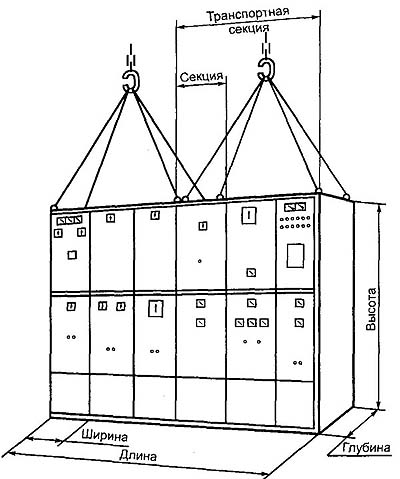
Часто открытые НКУ и НКУ, защищенные с передней стороны, а также многошкафные НКУ изготавливают в виде "длинной" конструкции.
В этом случае говорят о многосекционном НКУ или о том, что НКУ состоит из секций.
[Интент]Параллельные тексты EN-RU
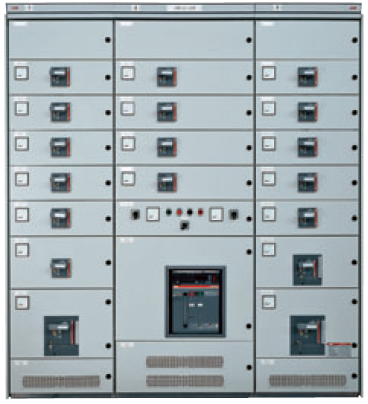
Figure 1 – Enclosed assembly, built by three sections; each section is in its turn subdivided into more compartments
Рис. 1 – Защищенное НКУ, состоящее из трех секций, каждая из которых разделена на отсекиThe section is a constructional unit limited between two adjacent vertical planes, whereas the term compartment is used to define a completely enclosed part of a section (sub-section), excepted for the openings necessary for interconnection, control and ventilation (Figure 1).
[ABB]Секция – часть НКУ между двумя последовательно расположенными перегородками. Термин отсек означает полностью отгороженную часть секции или подсекции за исключением отверстий, необходимых для выполнения электрических соединений, контроля состояния и вентиляции (см. рис. 1).
[Перевод Интент]Тематики
- НКУ (шкафы, пульты,...)
Классификация
>>>Обобщающие термины
EN
FR
04.02.27 долговременная маркировка [ permanent marking]: Изображение, полученное с помощью интрузивного или неинтрузивного маркирования, которое должно оставаться различимым, как минимум, в течение установленного срока службы изделия.
Сравнить с терминологической статьей «соединение» по ИСО/МЭК19762-11).
______________
1)Терминологическая статья 04.02.27 не связана с указанной терминологической статьей.
<2>4 Сокращения
ECI интерпретация в расширенном канале [extended channel interpretation]
DPM прямое маркирование изделий [direct part marking]
BWA коррекция ширины штриха [bar width adjustment]
BWC компенсация ширины штриха [barwidth compensation]
CPI число знаков на дюйм [characters per inch]
PCS сигнал контраста печати [print contrast signal]
ORM оптический носитель данных [optically readable medium]
FoV поле обзора [field of view]
Алфавитный указатель терминов на английском языке
(n, k)symbology
04.02.13
add-on symbol
03.02.29
alignment pattern
04.02.07
aperture
02.04.09
auto discrimination
02.04.33
auxiliary character/pattern
03.01.04
background
02.02.05
bar
02.01.05
bar code character
02.01.09
bar code density
03.02.14
barcode master
03.02.19
barcode reader
02.04.05
barcode symbol
02.01.03
bar height
02.01.16
bar-space sequence
02.01.20
barwidth
02.01.17
barwidth adjustment
03.02.21
barwidth compensation
03.02.22
barwidth gain/loss
03.02.23
barwidth increase
03.02.24
barwidth reduction
03.02.25
bearer bar
03.02.11
binary symbology
03.01.10
characters per inch
03.02.15
charge-coupled device
02.04.13
coded character set
02.01.08
column
04.02.11
compaction mode
04.02.15
composite symbol
04.02.14
contact scanner
02.04.07
continuous code
03.01.12
corner marks
03.02.20
data codeword
04.02.18
data region
04.02.17
decodability
02.02.28
decode algorithm
02.02.01
defect
02.02.22
delineator
03.02.30
densitometer
02.02.18
depth of field (1)
02.04.30
depth of field (2)
02.04.31
diffuse reflection
02.02.09
direct part marking
04.02.24
discrete code
03.01.13
dot code
04.02.05
effective aperture
02.04.10
element
02.01.14
erasure
04.02.21
error correction codeword
04.02.19
error correction level
04.02.20
even parity
03.02.08
field of view
02.04.32
film master
03.02.18
finder pattern
04.02.08
fixed beam scanner
02.04.16
fixed parity
03.02.10
fixed pattern
04.02.03
flat-bed scanner
02.04.21
gloss
02.02.13
guard pattern
03.02.04
helium neon laser
02.04.14
integrated artwork
03.02.28
intercharacter gap
03.01.08
intrusive marking
04.02.25
label printing machine
02.04.34
ladder orientation
03.02.05
laser engraver
02.04.35
latch character
02.01.24
linear bar code symbol
03.01.01
magnification factor
03.02.27
matrix symbology
04.02.04
modular symbology
03.01.11
module (1)
02.01.13
module (2)
04.02.06
modulo
03.02.03
moving beam scanner
02.04.15
multi-row symbology
04.02.09
non-intrusive marking
04.02.26
odd parity
03.02.07
omnidirectional
03.01.14
omnidirectional scanner
02.04.20
opacity
02.02.16
optically readable medium
02.01.01
optical throw
02.04.27
orientation
02.04.23
orientation pattern
02.01.22
oscillating mirror scanner
02.04.19
overhead
03.01.03
overprinting
02.04.36
pad character
04.02.22
pad codeword
04.02.23
permanent marking
04.02.27
photometer
02.02.19
picket fence orientation
03.02.06
pitch
02.04.26
pixel
02.04.37
print contrast signal
02.02.20
printability gauge
03.02.26
printability test
02.02.21
print quality
02.02.02
quiet zone
02.01.06
raster
02.04.18
raster scanner
02.04.17
reading angle
02.04.22
reading distance
02.04.29
read rate
02.04.06
redundancy
03.01.05
reference decode algorithm
02.02.26
reference threshold
02.02.27
reflectance
02.02.07
reflectance difference
02.02.11
regular reflection
02.02.08
resolution
02.01.15
row
04.02.10
scanner
02.04.04
scanning window
02.04.28
scan, noun (1)
02.04.01
scan, noun (2)
02.04.03
scan reflectance profile
02.02.17
scan, verb
02.04.02
self-checking
02.01.21
shift character
02.01.23
short read
03.02.12
show through
02.02.12
single line (beam) scanner
02.04.11
skew
02.04.25
slot reader
02.04.12
speck
02.02.24
spectral response
02.02.10
spot
02.02.25
stacked symbology
04.02.12
stop character/pattern
03.01.02
structured append
04.02.16
substitution error
03.02.01
substrate
02.02.06
symbol architecture
02.01.04
symbol aspect ratio
02.01.19
symbol character
02.01.07
symbol check character
03.02.02
symbol density
03.02.16
symbology
02.01.02
symbol width
02.01.18
tilt
02.04.24
transmittance (l)
02.02.14
transmittance (2)
02.02.15
truncation
03.02.13
two-dimensional symbol (1)
04.02.01
two-dimensional symbol (2)
04.02.02
two-width symbology
03.01.09
variable parity encodation
03.02.09
verification
02.02.03
verifier
02.02.04
vertical redundancy
03.01.06
void
02.02.23
wand
02.04.08
wide: narrow ratio
03.01.07
X dimension
02.01.10
Y dimension
02.01.11
Z dimension
02.01.12
zero-suppression
03.02.17
<2>Приложение ДА1)
______________
1)
Источник: ГОСТ Р ИСО/МЭК 19762-2-2011: Информационные технологии. Технологии автоматической идентификации и сбора данных (АИСД). Гармонизированный словарь. Часть 2. Оптические носители данных (ОНД) оригинал документа
Англо-русский словарь нормативно-технической терминологии > column
-
12 effect
- effect
- nдействие, воздействие, эффект; влияние; следствие, результат; производительность
- effects of age
- effects of earthquake
- effect of end conditions
- effect of moisture changes
- effect of restraint
- effect of support settlement
- effect of temperature
- effect of temperature difference
- adverse effect
- adverse health effects
- backwater effect
- Bauschinger effect
- borehole effect
- boundary effect
- ceiling effect
- chimney effect
- climate effect
- Coanda effect
- combined effect
- combined effects of settlement and creep
- dehumidifying effect
- detrimental effect
- earthquake effect
- edge effect
- elevator effect
- environment effects on construction productivity
- fly ash effect on concrete properties
- frost effect
- greenhouse effect
- humidifying effect
- inertia effects
- insulating effect
- long-term effects
- microsilica effect on concrete properties
- mottle effect
- negative effect
- notch effect
- principle effect of the admixture
- radiation effects
- scale effect
- seasonal effect
- sensible cooling effect
- silo effect
- stack effect
- stiffening effect
- stiffening effects of floors
- sun effect
- thermal effect of building materials
- thermal effect of ceiling height
- thermal effect of roof types
- thermal effect of windows
- time-dependent effect
- total cooling effect
- weather effects on use of bond breaker
- wobble effect
- zero curtain effect
Англо-русский строительный словарь. — М.: Русский Язык. С.Н.Корчемкина, С.К.Кашкина, С.В.Курбатова. 1995.
-
13 CPD
1) Медицина: Centralized Physician Database2) Ботаника: Centre of Plant Diversity3) Военный термин: Civilian Personnel Directorate, Common Picture Display, Congressional Presentation Document, Contract and Purchase Department, center for professional development, central postal directory, civilian personnel division, combat potential display, communications processor and display, consolidated programming document4) Техника: chaff packs dispenser, charge-priming device, command processor distributor, condensate pump discharge5) Химия: Convex Polyhedron Decomposition6) Юридический термин: Charlotte Police Department8) Автомобильный термин: Департамент Полиции Чикаго (Chicago Police Department, IL)9) Оптика: charge-primed device10) Сокращение: Committee on the Present Danger, Conference Of Professional Development, comprehensive programme of disarmament11) Университет: Continuous Professional Development12) Физиология: Cephalopelvic Disproportion, chronic peritoneal dialysis13) Электроника: Contact Potential Differences14) Вычислительная техника: Clarion Professional Developer, concurrent product development, certified PowerBuilder developer15) Биохимия: Carboxypeptidase, Citrate Phosphate Dextrose16) СМИ: Cleveland Plain Dealer17) Деловая лексика: Collaborative Product Design19) Глоссарий компании Сахалин Энерджи: conductivity, pressure, and depth (profiler)20) Образование: Continuing Professional Development21) Солнечная энергия: контактная разность потенциалов22) Полимеры: циклопентадиен (ЦПД)23) Автоматика: cumulative percentage deviation24) Расширение файла: Complaints Desk Script file, Fax Cover document25) Огнеупоры: Construction Products Directive26) Электротехника: contact potential difference27) Международные отношения: (The United Nations Commission on Population and Development) Комиссия ООН по народонаселению и развитию28) Должность: Continual Professional Development29) NYSE. Carolina Power and Light Company30) Аэропорты: Coober Pedy, South Australia, Australia -
14 cpd
1) Медицина: Centralized Physician Database2) Ботаника: Centre of Plant Diversity3) Военный термин: Civilian Personnel Directorate, Common Picture Display, Congressional Presentation Document, Contract and Purchase Department, center for professional development, central postal directory, civilian personnel division, combat potential display, communications processor and display, consolidated programming document4) Техника: chaff packs dispenser, charge-priming device, command processor distributor, condensate pump discharge5) Химия: Convex Polyhedron Decomposition6) Юридический термин: Charlotte Police Department8) Автомобильный термин: Департамент Полиции Чикаго (Chicago Police Department, IL)9) Оптика: charge-primed device10) Сокращение: Committee on the Present Danger, Conference Of Professional Development, comprehensive programme of disarmament11) Университет: Continuous Professional Development12) Физиология: Cephalopelvic Disproportion, chronic peritoneal dialysis13) Электроника: Contact Potential Differences14) Вычислительная техника: Clarion Professional Developer, concurrent product development, certified PowerBuilder developer15) Биохимия: Carboxypeptidase, Citrate Phosphate Dextrose16) СМИ: Cleveland Plain Dealer17) Деловая лексика: Collaborative Product Design19) Глоссарий компании Сахалин Энерджи: conductivity, pressure, and depth (profiler)20) Образование: Continuing Professional Development21) Солнечная энергия: контактная разность потенциалов22) Полимеры: циклопентадиен (ЦПД)23) Автоматика: cumulative percentage deviation24) Расширение файла: Complaints Desk Script file, Fax Cover document25) Огнеупоры: Construction Products Directive26) Электротехника: contact potential difference27) Международные отношения: (The United Nations Commission on Population and Development) Комиссия ООН по народонаселению и развитию28) Должность: Continual Professional Development29) NYSE. Carolina Power and Light Company30) Аэропорты: Coober Pedy, South Australia, Australia -
15 autre
%=1 adj.1. (différent) друго́й; ино́й (souligne l'opposition);prenez un autre dictionnaire — возьми́те друго́й слова́рь
║ peut se traduire par un adverbe si le substantif est omis: ина́че, по-друго́му;être autreil faut vous y prendre d'une autre manière — здесь на́до де́йствовать по-друго́му <ина́че>;
aujourd'hui la situation est tout autre — в настоя́щее вре́мя положе́ние ∫ совсе́м друго́е <ино́е; измени́лось>
2) (différer) быть <ока́зываться> други́м, отлича́ться ipf.;être autre que — быть таки́м, како́го не...; быть не таки́м, как...; les résultats sont autres qu'on ne l'attendait — результа́ты бы́ли <оказа́лись> таки́ми, каки́х не жда́ли ║ n'être autre que: ce général n'était autre que Napoléon — э́тот генера́л был. не кто ино́й, как Наполео́нmon opinion est tout autre — моё мне́ние отлича́ется [от ва́шего], ∑ у меня́ совсе́м друго́е мне́ние, я ду́маю совсе́м ина́че;
║ (lieu):j'ai lu cela autre part — я чита́л об э́том ∫ в дру́гом ме́сте < ещё где-то>autre part — в дру́гом ме́сте, не здесь (station); — в друго́е ме́сто (direction); — где-то (indéfini);
║ ( temps):je l'ai rencontré l'autre soir — я встре́тился с ним на днях (как-то ве́чером); à la fin. de l'autre semaine il viendra à Paris — он прие́дет в Пари́ж в конце́ той неде́ли; une autre fois — в друго́й раз; d'autre s fois — иногда́, поро́й; à d'autres moments [— в] ино́й раз; в друго́е вре́мя; autres temps, autres mœurs — други́е времена́, други́е нра́вы ║ c'est autre chose, c'est une autre affaire (chanson) — э́то совсе́м друго́е де́ло; si vous ne payez pas, c'est autre chose — е́сли вы не бу́дете плати́ть, то э́то меня́ет <друго́е> де́ло; ce n'est pas autre chose qu'une machination — э́то не что ино́е, как махина́цияl'autre jour [— как-то] на днях, неда́вно;
║ d'une part..., d'autre part... с одно́й сторо́ны..., с друго́й стороны́...;d'autre part впро́чем 2. (opposé) друго́й, тот;dans l'autre monde — на том све́те, в потусторо́ннем ми́ре; на тот свет, в потусторо́нний мирil habite de l'autre côte de la rue — он живёт на друго́й < на той> сторо́не у́лицы;
3. (deuxième) второ́й;un autre moi-même — второ́е я
4. (nouveau) друго́й, но́вый*, второ́й, ещё оди́н;on ne m y reprendra pas une autre fois — меня́ на э́том не пойма́ют в друго́й <во второ́й> раз; c'est un autre Machiavel — э́то но́вый <второ́й> Макиаве́ллиnous allons faire encore une autre tentative — мы сде́лаем ∫ ещё одну́ <но́вую> попы́тку;
5. pl. (ceux qui restent) други́е, остальны́е; про́чие (parfois péj.);le russe et les autres langues slaves — ру́сский [язы́к] и други́е славя́нские языки́; les deux autres ouvrages — два други́х произведе́ния;... et autres — и про́чиеtous les autres habitants ont péri — остальны́е жи́тели поги́бли;
l'un ou l'autre — и́ли тот и́ли э́тот; и́ли тот и́ли друго́й; ni l'un ni l'autre — ни тот ни друго́й; ni l'une ni l'autre proposition n'est acceptable — ни то ни друго́е предложе́ние неприе́млемо, о́ба предложе́ния неприе́млемы ║ quel autre ? — како́й друго́й?, како́й ещё?; quel autre écrivain que lui peut aborder ce sujet? — како́й друго́й < ещё> писа́тель, кро́ме него́, осме́лится косну́ться э́той те́мы? ║ aucun autre — никако́й друго́й; je ne confiais aucun autre bon dictionnaire — я не зна́ю никако́го друго́го хоро́шего словаря́ ║ n'importe quel autre [— ещё] како́й-нибу́дь друго́й; donnez-moi n'importe quel autre livre — да́йте мне ∫ каку́ю-нибу́дь другу́ю <ещё каку́ю-нибу́дь> кни́гу ║ quelque autre — како́й-нибу́дь друго́й; quelque autre... que — како́й бы ни; quelque autre explication que vous me donniez, vous ne me convaincrez pas — како́е бы [ещё] объясне́ние вы мне ни да́ли, вы меня́ не убеди́те ║ tout autre — вся́кий друго́йl'un et l'autre — и тот и друго́й; и тот и э́тот; о́ба;
7. (avec un pronom);vous autres — вы, ваш брат fam.; nous autre s étudiants — мы, студе́нты; наш брат студе́нт fam.; eh, vous autres, où allez-vous? — эй вы [там], куда́ идёте?; venez ici, vous autresl — эй вы, иди́те сюда́!nous autres — мы, наш брат fam.;
AUTRE %=2 pron.1. (différent) друго́й; друго́й челове́к* (en parlant des personnes);je l'ai pris pour un autre — я при́нял его́ ∫ за друго́го [челове́ка] <за кого́-то друго́го>; une ville comme une autre — обыкнове́нный го́род; го́род, как ∫ го́род <вся́кий друго́й>; comme les (beaucoup d', tant d') autres — тако́й, как и все; тако́й, как и други́е ║ d'une manière ou d'une autre — так и́ли ина́че; de part et d'autre — с обе́их сторо́н; de temps à autre — вре́мя от вре́мени; de... à l'autre — с (+ G)... на (+ A);.d'un jour à l'autre — со дня на день; d'une heure à l'autre — с часу́ на час; d'un moment à l'autre — в любо́й моме́нт, с мину́ты на мину́ту; un jour ou l'autre — ра́но и́ли по́здно; когда́нибу́дь [обяза́тельно]un autre — кто-то друго́й;
║ entre autre ме́жду про́чим;je lui ai dit entre autre qu'il avait tort — я сказа́л ему́ ме́жду про́чим, что он непра́в;
entre autres (énumération) в том числе́;● parler de choses et d'autres v. chose; j'en ai vu d'autres — я вся́кого насмотре́лся, я не то ещё <я не тако́е> ви́дел; il n'en fait jamais d'autres — он всегда́ тако́й, он всегда́ де́лает таки́е [же] глу́постиil a visité les grandes villes de France, entre autres Marseille et Lyon — он посети́л крупне́йшие францу́зские го́рода, в том числе́ Марсе́ль и Лио́н;
2. (opposé) друго́й, тот;d'un bout à l'autre — с нача́ла и до конца́; из конца́ в коне́ц; от края́ и до края́; il a lu la revue d'un bout à l'autre — он про́читал журна́л ∫ от нача́ла до конца́ <от ко́рки до ко́рки>; ils traversèrent le village d'un bout à l'autre — они́ прое́хали дере́вню из конца́ в коне́цpourquoi celui-là plutôt qu'un autre? — почему́ он, а не друго́й <э́тот, а не тот>?;
les uns..., les autres..., d'autres encore... — одни́..., други́е..., тре́тьи...
3. (nouveau) друго́й, ещё [оди́н];avec la construction en + verbe + un autre (d'autres) le substantif se répète souvent;ce roman est excellent, en connais-tu d'autres du même auteur? — э́то превосхо́дный рома́н. Ты зна́ешь други́е рома́ны э́того а́втора?tu as mangé une pomme, en veux-tu une autre? — ты съел я́блоко, хо́чешь ещё?;
4. (personne qui s'oppose à soi-même ou à un autre individu) друго́й [челове́к*];tu as eu du courage, un autre ne l'aurait pas fait — ты мо́лодец, друго́й не смог бы э́того сде́лать; ne rejette pas sur d'autres ce que tu as fait — не перекла́дывай на други́х свою́ вину́; d'un autre, des autres peuvent se traduire par — чужо́й; l'opinion des autres — чужо́е мне́ние; ● à d'autresl — ищи́ <ищи́те> дурако́в!, расскажи́те э́то кому́-нибу́дь друго́му; comme dit l'autre — как го́ворятles autres — други́е;
5. pl. (ceux qui restent) [все] остальны́е;tous les autres sont partis [— все] остальны́е ушли́
l'un est riche, l'autre est pauvre — оди́н < тот> бога́т, друго́й <э́тот> бе́ден, tantôt l'un, tantôt l'autre — то оди́н < тот>, то друго́й <э́тот>; le malheur des uns fait le bonheur des autres ∑ — сча́стье одни́х строи́тся на несча́стье други́х ║ l'un ou l'autre — то <одно́> и́ли друго́е; décide-toi, c'est l'un ou l'autre — реша́й же, на́до вы́брать ∫ и́ли одно́ и́ли друго́е <одно́ из двух>; avec lui c'est tout l'un ou tout l'autre ∑ — у него́ середи́ны нет; ∑ у него́ ли́бо одно́, ли́бо друго́е ║ l'un et l'autre — тот и друго́й, о́ба [они́]; les uns et les autres — те и други́е, все [они́]; il faut recevoir les uns et les autres — ну́жно приня́ть ∫ и тех и други́х < их всех> ║ ni l'un ni l'autre — ни тот <ни оди́н> ни друго́й; ни оди́н; никто́ [из них]; ni l'un ni l'autre n'a rien compris — ни тот ни друго́й <о́ба они́> ничего́ не по́няли ║ l'un dans l'autre je gagne 7000 francs par mois — в сре́днем <так на так, на круг fam.> я зараба́тываю семь ты́сяч фра́нков в ме́сяц ║ l'un l'autre récipr — друг дру́га (le premier pronom reste invariable, le second se décline suivant la rection du verbe russe); aimez-vous les uns les autres — лю́бите друг дру́га; s'aider l'un l'autre — помога́ть ipf. друг дру́гу; marcher l'un derrière l'autre — идти́ ipf. друг за дру́гом ║ qui d'autre? — кто (кого́...) ещё?; qui d'autre pourriez-vous élire? — кого́ ещё могли́ бы вы избра́ть?; que faire d'autre? — что ещё де́лать? ║ aucun autre — никто́ бо́льше; aucun autre n'est venu — никто́ бо́льше не пришёл; je n'en ai pris aucun autre — из них я бо́льше ничего́ не взял ║ personne [d']autre — никто́ друго́й <никто́ ино́й...>; je n'ose m'adresser à personne d'autre — я не осме́ливаюсь обрати́ться ни к кому́ друго́му; personne d'autre que — никто́ ∫, кро́ме <ино́й, как>; personne d'autre que lui ne pourra vous le dire — никто́, кро́ме него́, не <то́лько он> смо́жет вам э́то сказа́ть ║ n'importe qui d'autre — кто-нибу́дь друго́й, кто-нибу́дь ещё; n'importe quoi d'autre — что-нибу́дь друго́е, что-нибу́дь ещё; adressez-vous à n'importe qui d'autre — обрати́тесь к кому́-нибу́дь ещё <друго́му>; quelqu'un d'autre — кто-то ещё; кто-нибу́дь ещё;l'un,.,, l'autre... — оди́н..., друго́й...; тот..., э́тот...;
rien d'autre ne l'intéresse — ничто́ друго́е <ино́е> его́ не занима́ет; il m'a donné ce livre et rien d'autre — он дал мне э́ту кни́гу ∫ и бо́льше ничего́ < и всё>; rien d'autre que — ничего́, кро́ме; je n'ai rien trouvé d'autre que ce gâteau — я не нашёл ничего́, кро́ме э́того пиро́га; tout autre — вся́кий <любо́й> друго́й║ rien d'autre — ничто́ друго́е <ино́е>; бо́льше ничего́, бо́льше ни одного́ <ни одно́й>;
-
16 de
%=1 prép.1. (lieu) 1) (sortie) из (+ G) (correspond à l'emplacement ou la direction exprimée par la préposition в + P ou + A);retirer de l'argent de la banque — брать/взять де́ньги из ба́нка; de ma chambre, je vois le Kremlin — из мое́й ко́мнаты я ви́жу Кремльvenir de l'école — приходи́ть/ прийти́ из шко́лы (cf. être à l'école — быть в шко́ле, aller à l'école — идти́/пойти́ в шко́лу);
║ (origine):des étudiants de Volgograd — студе́нты из Волгогра́даd'où êtes-vous?— De Provence — отку́да вы? — Из Прова́нса;
║ с (+ G) (en corrélation avec la préposition на + P ou + A;surtout quand il s'agit d'une occupation);il est revenu de la gare — он верну́лся с вокза́ла; rentrer de son travail — возвраща́ться/ верну́ться с рабо́ты; du marché — с ры́нка; d'une exposition — с вы́ставки; du front — с фро́нтаil est sorti de la gare — он вы́шел из вокза́ла;
du Caucase — с Кавка́за; d'Ukraine — с Украи́ны; de Cuba — с Ку́быdu Midi — с ю́га;
║ fig.:traduire du français en russe — переводи́ть/перевести́ с францу́зского [языка́] на ру́сский
║ из-за (en corrélation avec la prépos.) за +);sortir de table — выходи́ть/вы́йти из-за стола́
tomber de l'arbre — па́дать/ упа́сть с де́реваles troupeaux descendent de la montagne — ста́да спуска́ются с гор;
3) (éloignement) от (+ G) (en corrélation avec la préposition к + D);s'éloigner de la maison — отходи́ть/ отойти́ от до́ма
║ (distance):nous sommes à 100 kilomètres de Paris — мы [нахо́димся] в ста киломе́трах от Пари́жаloin (près) de la ville — далеко́ (недалеко́, бли́зко) от го́рода;
║ (provenance;d'un sujet animé):je n'ai rien reçu de lui — я от него́ ничего́ не получи́лje viens de chez mon frère — я иду́ от бра́та;
aller de l'autre côté — идти́/пойти́ в другу́ю сто́ронуs'approcher de la table — подходи́ть/подойти́ к столу́;
2. (temps)1) (à partir de) с (+ G); or (+ G);du 1er janvier — от пе́рвого января́;de la fin du mois — с конца́ ме́сяца;
v. de... à...2) (daté de) or (+ G);A seult.;une lettre du 10 mai — письмо́ от деся́того ма́я
de tout le voyage — за всё путеше́ствие, в тече́ние всего́ путеше́ствия; elle n'a pas dormi de toute la nuit — она́ всю ночь не спа́ла; de jour — днём; de nuit — но́чьюde tout le mois de septembre il n'a rien fait — за весь сентя́брь он ничего́ не сде́лал, весь сентя́брь он ничего́ не де́лал;
║ (époque) в (+ A), в (+ P);● de bon matin — ра́но у́тромde mon temps — в моё вре́мя;
ils gagnent 30 francs de l'heure — они́ зараба́тывают три́дцать фра́нков в час < за час>
■ de... à... (lieu, temps, nombres) от (+ G)... до (+ G); с (+ G)... до (+ G); с (+ G)... по (+ A); из (+ G)... в (+ A);il y a 2 kilomètres de notre village au lac — от на́шей дере́вни до о́зера два киломе́тра; de la tête aux pieds — с головы́ до ног; compter de 10 à 20 — счита́ть/со= от десяти́ до двадцати́; de juillet à décembre — от ию́ля до декабря́, с ию́ля по дека́брь; du matin au soir — с утра́ до ве́чера; de 9 à 11 — с девяти́ до оди́ннадцати [часо́в];aller de Paris à Lyon — е́хать/ по= из Пари́жа в Лио́н;
de... en... (lieu, temps) из (+ G)... в (+ A); с (+ G)... на (+ A); от (+ G)... к (+ D);sauter de branche en branche — пры́гать ipf. с ве́тки на ве́тку; de place en place — с ме́ста на ме́сто, с одного́ ме́ста на друго́е; d'année en année — из го́да в год; от го́да к году́de ville en ville — из го́рода в го́род; из одного́ го́рода в друго́й;
rouge de honte — кра́сный от стыда́; rougir de honte — красне́ть/по= от стыда́; bailler d'ennui — зева́ть ipf. от <со> ску́ки; mourir de soif — умира́ть/умере́ть от жа́ждыpâle de colère — бле́дный от я́рости;
║ за (+ A);être puni de ses fautes — быть нака́занным за свои́ оши́бки;
devant un infinitif v. tableau « Infinitif»4. (agent du verbe passif) 1 seult.;entouré de gens — окружённый людьми́; couvert de neige — покры́тый сне́гомaimé de ses élèves — люби́мый свои́ми учени́ками;
5. (instrument, moyen) seult.;se nourrir de légumes — пита́ться ipf. о́вощами; orner de fleurs — украша́ть/укра́сить цвета́ми; un coup d'épée — уда́р шпа́гойmontrer du doigt — ука́зывать/указа́ть па́льцем;
6. (manière) se traduit selon le nom;1 seult. (d'un ton, d'un pas, d'une voix), с (+) ( d'un air), adverbe ou locution adverbiale;marcher d'un pas sûr — идти́ ipf. уве́ренным ша́гом <уве́ренно>; écrire d'une main hâtive — писа́ть/на= торопли́во; de cette façon — таки́м о́бразом, так;parler d'un ton sec — го́ворить ipf. ре́зким то́ном <ре́зко>;
v. les substantifs correspondants;de concert — совме́стно; il est photographié de côté — он был сфотографи́рован сбо́куde bon appétit — с аппети́том;
7. (appartenance) G seult.;adjectif d'appartenance dérivé d'un nom propre, de parenté ou d'animal;la maison du père — отцо́вский <о́тчий> дом, дом отца́; un trou de rat — крыси́ная нора́; des larmes de crocodile — крокоди́ловы слёзыle livre de Lise — кни́га Ли́зы, Ли́зина кни́га;
║ G seult., s'il y a un déterminant du nom;le livre de notre maître — кни́га на́шего учи́теля
║ (auteur) G seult., adjectif de relation;une poésie de Hugo — стихотворе́ние Гюго́le style de Flaubert — стиль Флобе́ра, флобе́ровский стиль;
8. (partie d'un tout) G seult.;l'anse de la théière — ру́чка ча́йникаle centre de la ville — центр го́рода;
║ (partie détachée) от (+ G);le guidon d'une bicyclette — руль [от] велосипе́да; il a trouvé un bouton de sa veste — он нашёл пу́говицу от свое́й ку́рткиla clef de la valise — ключ от чемода́на;
║ élément d'un ensemble) из (+ G);une citation de Molière — цита́та из Молье́ра; êtes-vous de ce groupe? — вы из э́той гру́ппы?; un de ses amis — оди́н из его́ друзе́й, оди́н его́ друг ║ une tasse de thé — ча́шка ча́я <ча́ю>; un panier de pommes — корзи́на я́блок <с я́блоками>un extrait du roman — отры́вок [из] рома́на;
║ ( réunion):une série d'événements — ряд собы́тийune collection de timbres — колле́кция ма́рок;
║ (contenant) из-под (+ G);un sac de charbon — мешо́к из-под у́гля
9. (qualité, caractéristique, genre, catégorie) G seult., adjectif;regard de pitié — жа́лостливый взгляд; objet de luxe — предме́т ро́скоши; un homme d'honneur — челове́к че́сти; poisson de mer — морска́я ры́ба; des souliers de dame — да́мские ту́фли; le ministre des Finances — мини́стр фина́нсов; le Ministre de la Guerre — вое́нный мини́стр; les gens d'ici — зде́ш ние [жи́тели]; le journal du soir — вече́рняя газе́таcouteau de cuisine — ку́хонный нож;
║ (le second substantif est accompagné d'un adjectif) G seult. ou adjectif + adverbe d'intensité;une femme d'une rare beauté — же́нщина ре́дкой красоты́, о́чень краси́вая же́нщина
des questions de politique extérieure — внешнеполити́ческие вопро́сы, вопро́сы вне́шней поли́тикиdes produits de haute qualité — высокока́чественные това́ры;
║ (dénomination) G ou adjectif, selon la tradition;le Bois de Vincennes — Венсе́нский лес; la gare de Lyon — Лио́нский вокза́лla place de la République — пло́щадь Респу́блики;
║ (caractéristique ou dénomination se fait d'après un lieu) G, adjectif ou préposition appropriée avec le cas correspondant;le train de Paris — пари́жский по́езд, по́езд из Пари́жа (provenance); — по́езд на Пари́ж (destination); une maison de campagne — дере́венский до́мик, до́мик в дере́вне; l'appartement du sixième étage — кварти́ра на седьмо́м эта́же; le bruit de la rue — у́личный шум, шум с у́лицы; les gens de son village — лю́ди из его́ дере́вни; la bataille de Trafalgar — Трафальга́рское сраже́ние; сраже́ние при Трафальга́ре; la bataille d'Austerlitz — би́тва под А́устерлицем, А́устерлицкое сраже́ние; la bataille des Pyramides — сраже́ние у Пирами́д; le passage de la Bérésina — перехо́д че́рез Березину́; la bataille de Stalingrad — Сталингра́дская би́тва; l'eau de la citerne — вода́ в цисте́рне; вода́ из цисте́рны (provenance); le café du coin de la rue — кафе́ на углу́ у́лицыle vent du Sud — ю́жный ве́тер, ве́тер с Ю́га;
10. (matière) adjectif, из (+ G);une table de bois — дере́вянный стол, стол из де́рева; de la confiture de groseille — сморо́диновое варе́нье, варе́нье из сморо́диныun tissu de laine — шерстяна́я ткань;
║ (composition) из (+ G);une commission de 10 membres — коми́ссия из десяти́ челове́к
11. (sujet, avec des noms d'action ou de qualité) G seult.;l'arrivée du train — прибы́тие по́езда; la lutte des travailleurs — борьба́ трудя́щихся; la circulation du sang — циркуля́ция кро́виla beauté du paysage — красота́ пейза́жа:
12. (objet)1) après les verbes se traduit selon la rection du verbe russe, v. les verbes correspondants;rêver de qch. — мечта́ть ipf. о чём-л.; jouer de qch. — игра́ть ipf. на чём-л.; remercier de qch. — благодари́ть/по= за что-л., etc.jouir du repos — по́льзоваться ipf. о́тдыхом;
2) (après les noms) G seult. (pour le nom correspondant à l'objet du verbe transitif);la lecture d'un roman — чте́ние рома́наla prise de la Bastille — взя́тие Басти́лии;
║ (préposition appropriée pour le nom correspondant au complément indirect ou circonstanciel du verbe russe):l'entrée du métro — вход в метро́; à la sortie du métro — при вы́ходе из метро́; la pensée de la mort — мысль о сме́рти; les soins de la peau — ухо́д за ко́жей; la direction d'une entreprise — управле́ние <руково́дство> предприя́тием (cf. diriger une entreprise — управля́ть ipf. предприя́тием);les préparatifs du voyage — приготовле́ния к пое́здке (cf. se préparer au voyage — гото́виться ipf. к пое́здке);
mais.la direction au sens de «corps dirigeant» se traduira par G seult. руково́дство предприя́тия)║ (parfois une préposition correspond à la construction transitive du verbe):l'amour de la patrie — любо́вь к ро́дине; le respect des vieux — уваже́ние к старика́мle contrôle de l'exécution — контро́ль за исполне́нием (cf. contrôler l'exécution — контроли́ровать ipf. исполне́ние);
les voyageurs du Kon-Tiki — путеше́ственники на Кон-Ти́киles combattants de la paix — борцы́ за мир (cf. lutter pour la paix — боро́ться ipf. за мир);
13. (mesure)1) indication générale в (+ A), + в + A; в + A + G; adjectif composé v. tableau « Mesure»;un enfant de 5 ans — пятиле́тний ребёнок, ребёнок пяти́ лет 5);un poteau de 2 mètres — столб высото́й в два ме́тра, двухметро́вый столб;
2 billets d'un rouble — две банкно́ты по рублю́2 billets de 10 roubles — две банкно́ты по де́сять <десяти́> рубле́й;
3) (différence) на (+ A);augmenter de plus de 10% — увели́читься бо́льше, чем на де́сять проце́нтовaugmenter de 10% — увели́чиваться/увели́читься на де́сять проце́нтов;
14. (comparaison) из (+ G);le meilleur de tous [— са́мый] лу́чший из всех
║ (d'une période) за (+ A);le moins bon de l'année [— са́мый] ху́дший за год
║ vx. G seult.;le roi des rois — царь царе́й
15. (apposition) ne se traduit pas:la République du Sénégal — Респу́блика Сенега́л; le mois de mai — ме́сяц май, май ме́сяц offic; le mot de liberté — сло́во «свобо́да»la ville de Paris — го́род Пари́ж;
║ (après la préposition le premier substantif peut s'omettre, le second peut ne pas s'accorder):au moi de mai — в ма́е [ме́сяце offic]; dans la République de Cuba — в Респу́блике Ку́ба, на Ку́бе ║ un amour d'enfant — ми́лый ребёнок, чу́до ребёнок; une chienne de vie — соба́чья жизнь; nous avons 3 jours de libres — у нас три свобо́дных дня; une heure de perdue — поте́рянный часdans la ville de Rome — в Ри́ме;
16. (attribut) 1;traiter qn. de menteur — счита́ть/счесть кого́-л. лжецо́м
║ (après le verbe être) adjectif;le ciel est d'un bleu! — не́бо тако́е си́нее!;
● être de:si j'étais de vous — е́сли бы я был на ва́шем ме́сте
17. (après un pronom)1) (devant un adjectif) G; A;quoi de neuf? — что но́вого?; il veut trouver quelque chose de plus facile — он хо́чет найти́ что-нибу́дь поле́гче <попро́ще>rien de bon — ничего́ хоро́шего;
2) (devant un nom) из (+ G);quelqu'un de mes amis — кто-то из мои́х друзе́й;
v. de8. 18. (après un adjectif) 1) (limitation) 1, в (+ P);pauvre de talent — не бле́щущий тала́нтом;large d'épaules — широ́кий в плеча́х;
v. adjectifs correspondants2) (cause) v. de 3. 19. (devant un infinitif) le plus souvent ne se traduit pas;heureux de vous voir — рад вас ви́деть;ils ont fini de travailler — они́ переста́ли рабо́тать;
v. tableau « lnfinitif»20. (négation) G seult.;il n'a pas d'argent — у него́ нет де́нег;
v. tableau « Négation»21. (particule) де ou ne se traduit pas;d'Artagnan — д'Артанья́н; Guy de Maupassant — Ги де Мопасса́н; François de Guise — Франсуа́ Гизmonsieur de Pourceaugnac — господи́н де Пурсонья́к;
DE %=2 v. tableau «Article» -
17 effect
1) эффект; явление2) влияние, действие, воздействие3) результат, следствие4) мн. ч.; юр. имущество, собственность5) воздействовать; производить; осуществлять; исполнять•- effect of end conditions - effect of loading - effect of restraint - admixture effect - adsorption effect - adverse effect - biological effect - bursting effect - chimney effect - cleaning effect - corrosive effect - damage effect - destructive effect - detrimental effect - dissipative effect - distributive effect - edge effect - end effect - heat effect - ill effect - illuminating effect - immediate effect - impact effect - indirect effect - luminous effect - notch effect - out-of-balance effect - overturning effect on the dam - poisonous effect - sagging effect - scale effect - screening effect - shaded effects - shattering effect - shielding effect - slagging effect - spading effect - stiffening effect - stiffening effect of cladding - strength-reduction effect - stress-rising effect - suction effect - time effect - toxic effect - unfavourable effect - useful effect* * *действие, воздействие, эффект; влияние; следствие, результат; производительность- effects of age
- effects of earthquake
- effect of end conditions
- effect of moisture changes
- effect of restraint
- effect of support settlement
- effect of temperature
- effect of temperature difference
- adverse effect
- adverse health effects
- backwater effect
- Bauschinger effect
- borehole effect
- boundary effect
- ceiling effect
- chimney effect
- climate effect
- Coanda effect
- combined effect
- combined effects of settlement and creep
- dehumidifying effect
- detrimental effect
- earthquake effect
- edge effect
- elevator effect
- environment effects on construction productivity
- fly ash effect on concrete properties
- frost effect
- greenhouse effect
- humidifying effect
- inertia effects
- insulating effect
- long-term effects
- microsilica effect on concrete properties
- mottle effect
- negative effect
- notch effect
- principle effect of the admixture
- radiation effects
- scale effect
- seasonal effect
- sensible cooling effect
- silo effect
- stack effect
- stiffening effect
- stiffening effects of floors
- sun effect
- thermal effect of building materials
- thermal effect of ceiling height
- thermal effect of roof types
- thermal effect of windows
- time-dependent effect
- total cooling effect
- weather effects on use of bond breaker
- wobble effect
- zero curtain effect -
18 sequence
1) очерёдность; порядок следования3) геол. стратиграфический разрез4) серия, комплекс•- absolutely divergent sequence - absolutely limited sequence - absolutely summable sequence - absolutely unbiased sequence - adjusted homology sequence - asymptotically convergent sequence - asymptotically isotropic sequence - asymptotically lattice sequence - compactly divergent sequence - completely reversible sequence - conditionally divergent sequence - decimal geometric sequence - delicately divergent sequence - discretely convergent sequence - essentially convergent sequence - essentially finite sequence - essentially periodic sequence - everywhere dense sequence - infinitely large sequence - infinitely proceeding sequence - infinitely small sequence - integral stationary sequence - inverse sequence - inverted sequence - linearly independent sequence - locally convergent sequence - metrically convergent sequence - metrically transitive sequence - monotonically decreasing sequence - monotonically increasing sequence - never increasing sequence - numerical sequence - projectively realizable sequence - properly divergent sequence - rapid acquisition sequence - rapidly decreasing sequence - rapidly increasing sequence - recursively defined sequence - recursively divergent sequence - recursively enumerable sequence - relatively compact sequence - sequence of prime numbers - sequence of principal indices - slowly decreasing sequence - slowly increasing sequence - slowly oscillating sequence - stochastically compact sequence - stochastically stable sequence - strictly increasing sequence - strictly measurable sequence - strictly monotonic sequence - strongly convergent sequence - strongly downward sequence - strongly stationary sequence - strongly summable sequence - totally increasing sequence - totally monotone sequence - two-taile sequence - two-way infinite sequence - unconditionally divergent sequence - uniformly divergent sequence - uniformly integrable sequence - weakly convergent sequence
См. также в других словарях:
Construction Du Nombre Chez L'enfant — La construction du nombre chez l enfant est une voie de recherche de la psychologie du développement. Les premières recherches scientifiques à ce sujet, ont été réalisées par Jean Piaget. Sommaire 1 Historique 1.1 La théorie de Piaget 2 … Wikipédia en Français
Construction Field Computing — is the use of handheld devices that augment the construction superintendent s ability to manage the operations on a construction site. These information appliances (IA) must be portable devices which can be carried or worn by the user, and have… … Wikipedia
Construction durable — Cet article se veut seulement une approche succincte des principes généraux qui en définissent le concept, l historique et tente de définir le point d avancement de la démarche en France. Son auteur n ignore pas, en effet, que des pays comme le… … Wikipédia en Français
Construction field computing — is the use of handheld devices that augment the construction superintendent s ability to manage the operations on a construction site. These information appliances (IA) must be portable devices which can be carried or worn by the user, and have… … Wikipedia
Construction Des Nombres Réels — Il existe différentes constructions des nombres réels, dont les deux plus rigoureuses sont les coupures de Dedekind, les suites de Cauchy. Sommaire 1 Construction intuitive à partir des nombres décimaux 2 Construction par les coupures de Dedekind … Wikipédia en Français
Construction des nombres reels — Construction des nombres réels Il existe différentes constructions des nombres réels, dont les deux plus rigoureuses sont les coupures de Dedekind, les suites de Cauchy. Sommaire 1 Construction intuitive à partir des nombres décimaux 2… … Wikipédia en Français
Construction de l’anneau des polynômes — Construction de l anneau des polynômes En algèbre, l anneau des polynômes formels (à une indéterminée) est un ensemble contenant des nombres, comme les entiers, les réels ou les complexes, et un objet supplémentaire, souvent noté X. Tous les… … Wikipédia en Français
Construction des anneaux de polynômes — Construction de l anneau des polynômes En algèbre, l anneau des polynômes formels (à une indéterminée) est un ensemble contenant des nombres, comme les entiers, les réels ou les complexes, et un objet supplémentaire, souvent noté X. Tous les… … Wikipédia en Français
Construction (psychoanalysis) — Construction, also referred as construction/reconstruction is a widely used, yet vaguely defined topic of modern psychoanalysis. According to its proponents, Freud in his later writings had already distinguished between construction and… … Wikipedia
Construction Des Entiers Relatifs — Le but de cet article est de: construire comme un ensemble, construire une structure de groupe sur cet ensemble, montrer que cela prolonge le monoïde (additif) des entiers naturels, La structure d anneau sera juste esquissée. Sommaire 1… … Wikipédia en Français
Construction entiers relatifs — Construction des entiers relatifs Le but de cet article est de: construire comme un ensemble, construire une structure de groupe sur cet ensemble, montrer que cela prolonge le monoïde (additif) des entiers naturels, La structure d anneau sera… … Wikipédia en Français
