

-
21 Grundzeiteinheit
Deutsch-Englisch Wörterbuch der Elektrotechnik und Elektronik > Grundzeiteinheit
-
22 основен
basic, fundamental, underlying(главен) main. chief, principal, cardinal(цялостен) radical, thorough-going(първичен) primary; тех. middleхим. basic(за съчинения) standardосновен доклад a main reportосновен закон a fundamental/basic lawосновен камък a foundation stoneосновен капитал basic/fixed capital, stock-in-tradeосновен материал source materialосновен преглед a thorough examinationосновен речников фонд a basic stock of wordsосновен тон муз. и прен. keynoteосновна храна basic food, staple dietсъставям основната храна на form the staple diet ofосновна заплата basic payосновна причина a fundamental causeосновна книга (по даден въпрос) a standard bookосновна биография a standard lifeосновна мисъл keynoteосновна дума (в речник) key-wordосновна работа a regular/full-time jobосновна слабост/грешка an inherent weakness/mistakeосновна гласна a stem vowelосновно положение a basic assumptionосновно почистване (на къща) a spring cleaning, (на машина и пр.) a thorough cleaningосновно правило a cardinal ruleосновно значение a primary meaningосновно училище a primary schoolосновно уреждане (на въпрос) a comprehensive settlementосновното (в учение и пр.) the essential/main thingосновни въпроси main/basic problems, background problemsосновни принципи underlying principlesосновни начала points of referenceосновни линии/черти terms of reference, basic linesв основните си черти/линии in substance, in the mainосновни познания thorough/intimate knowledge (no of)основни учебни предмети basic subjects/studiesосновни цветове primary coloursосновните форми на механиката mechanical powers* * *осно̀вен,прил., -на, -но, -ни basic, fundamental, underlying, core; ( главен) main, chief, principal, cardinal; ( цялостен) radical, thorough(-going); ( първичен) primary; техн. middle; хим. basic; (за съчинения) standard; като същ. \основенното (в учение и пр.) the essential/main thing; в \основенните си линии in substance, in the main; \основенен доклад main report; \основенен камък foundation stone; \основенен капитал basic/fixed capital, stock-in-trade; \основенен материал source material; \основенен речников фонд basic stock of words; \основенен тон муз. (и прен.) keynote; \основенна биография standard life; \основенна гласна език. stem vowel; \основенна дума (в речник) key-word; \основенна книга (по даден въпрос) standard book; \основенна мисъл keynote; \основенна причина fundamental cause; \основенна работа regular/full-time job; \основенна слабост/грешка inherent weakness/mistake; \основенна храна basic food, staple diet; \основенни въпроси main/basic problems, background problems; \основенни моменти highlights; \основенни начала points of reference; \основенни познания thorough/intimate knowledge (по of); \основенни принципи underlying principles; \основенни цветове primary colours; \основенни черти terms of reference, basic lines; \основенните форми на механиката mechanical powers; \основенният проблем the gut problem; \основенно значение primary meaning; \основенно положение basic assumption; \основенно почистване (на къща) spring cleaning, (на машина и пр.) thorough cleaning; \основенно правило ground/cardinal rule; \основенно уреждане (на въпрос) comprehensive settlement; \основенно училище primary school.* * *basal; basic: основен capital - основен капитал; capital (главен); general (главен); main (главен): основен subject - основна тема; primal (главен): основен goal - основна цел; alkaline (хим.); cardinal (кардинален); elemental; essential (същностен); fundamental; middle (техн.); pivotal; rudimentary{ru;di`mentxri}; thorough (обстоен)* * *1. (главен) main. chief, principal, cardinal 2. (за съчинения) standard 3. (първичен) primary;mex. middle 4. (цялостен) radical, thorough-going) 5. basic, fundamental, underlying 6. ОСНОВЕН доклад a main report 7. ОСНОВЕН закон a fundamental/basic law 8. ОСНОВЕН камък a foundation stone 9. ОСНОВЕН капитал basic/fixed capital, stock-in-trade 10. ОСНОВЕН материал source material 11. ОСНОВЕН преглед a thorough examination 12. ОСНОВЕН речников фонд a basic stock of words 13. ОСНОВЕН тон муз. и прен. keynote 14. в основните си черти/линии in substance, in the main 15. основна биография a standard life 16. основна гласна a stem vowel 17. основна дума (в речник) key-word 18. основна заплата basic pay 19. основна книга (по даден въпрос) a standard book 20. основна мисъл keynote 21. основна причина a fundamental cause 22. основна работа a regular/full-time job 23. основна слабост/грешка an inherent weakness/mistake 24. основна храна basic food, staple diet 25. основни въпроси main/basic problems, background problems 26. основни линии/черти terms of reference, basic lines 27. основни начала points of reference 28. основни познания thorough/ intimate knowledge (no of) 29. основни принципи underlying principles 30. основни учебни предмети basic subjects/studies 31. основни цветове primary colours 32. основните форми на механиката mechanical powers 33. основно значение a primary meaning 34. основно положение a basic assumption 35. основно почистване (на къща) a spring cleaning, (на машина и пр.) a thorough cleaning 36. основно правило a cardinal rule 37. основно уреждане (на въпрос) a comprehensive settlement 38. основно училище a primary school 39. основното (в учение и пр.) the essential/main thing 40. съставям основната храна на form the staple diet of 41. хим. basic -
23 базовая защита
базовая защита
-
[Интент]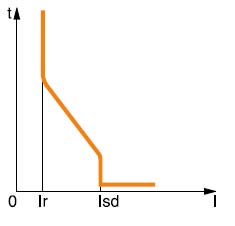
Рис. Schneider ElectricBasic protection:
- long time
- + instantaneous
Базовая защита- защита от перегрузки (с большой задержкой)
- + мгновенная защита (от короткого замыкания)
Тематики
EN
ПримечаниеТермин Schneider ElectricРусско-английский словарь нормативно-технической терминологии > базовая защита
-
24 analiza ruchów
• basic motion-time study• motion analysis• time and motion study• time-motion study -
25 основные данные сотрудника
Данные сотрудников относительно постоянные во времени, например, табельный номер, данные банка и пр. — Employees' records are relatively time-constant. e.g. time sheet number, bank data, etc.
Russian-English Dictionary "Microeconomics" > основные данные сотрудника
-
26 основной элемент
Бизнес, юриспруденция. Русско-английский словарь > основной элемент
-
27 основное время перемещения
Russian-English dictionary of telecommunications > основное время перемещения
-
28 impuesto básico
• basic tax• normal size• normal tax• normal time -
29 analiza ruchów robotnika
• basic motion-time study• motion studySłownik polsko-angielski dla inżynierów > analiza ruchów robotnika
-
30 основная норма
-
31 основная единица
тепловая единица; единица количества тепла — caloricity unit
организационная единица, подразделение — organizational unit
Авиация и космонавтика. Русско-английский словарь > основная единица
-
32 тарифная оплата
Бизнес, юриспруденция. Русско-английский словарь > тарифная оплата
-
33 primero
adj.first, prime, foremost.adv.first, in the first place, firstly, for one thing.* * *► adjetivo1 first► nombre masculino,nombre femenino1 first1 (en primer lugar) first\a primeros de mes/año at the beginning of the month/yearlo primero es lo primero first things first Table 1 NOTA Before singular masculine nouns the form primer is used /Table 1————————► adverbio1 (en primer lugar) first* * *1. (f. - primera)adj.1) first2) former3) prime2. (f. - primera)noun3. adv.* * *primero, -a1. ADJ( antes de sm sing primer)1) [en el espacio] [página, planta] first; [fila] front, firstvivo en el primer piso — I live on the first o (EEUU) second floor
una foto en primera página — a front-page photo, a photo on the front page
perdone, pero yo estaba primero — excuse me, but I was first
plana 1), plano 2., 3)para mí primero están mis estudios — my studies take priority o come first
2) [en el tiempo] [día, semana, fase] first; [época, poemas] early; [síntoma] first, early•
en los primeros años del siglo — in the early years of the century•
a primera hora (de la mañana) — first thing in the morninghora 2), b), guerra 1)en primer lugar, tú no deberías haber dicho nada — in the first place, you shouldn't have said anything
3) (=principal) [deber, objetivo] main, primaryartículos de primera necesidad — basic essentials, staple items
un puerto de primera categoría — (Ciclismo) a first-category climb
bailarín, dama, mandatario, ministro, piedra•
primer espada — (Taur) principal bullfighter2.SM / F firstsoy el primero de la lista — I'm top of the list, I'm first on the list
quedó entre los diez primeros — he was in o among the first ten
bueno 1., 9), vista 1., 6), d), primeraes la primera de la clase — she is the best in the class, she is top of the class
3. SM1)• a primeros (de mes) — at the beginning of the month
2) (tb: primer plato) starter, first course¿qué van a tomar de primero? — what will you have as a starter o for the first course?
4. ADV1) (=en primer lugar) firstprimero iremos a comprar y luego al cine — first, we'll do the shopping and then go to the cinema
2) [indicando preferencia] sooner, ratherprimero se queda en casa que pedir dinero — she'd sooner o rather stay at home than ask for money
¡primero morir! — I'd rather die!
* * *I1) (en el espacio, el tiempo) firstvivo en el primer piso — I live on the second (AmE) o (BrE) first floor
en primer lugar... — first (of all),..., firstly,...
sus primeros poemas — her early o first poems
1o de julio — (read as: primero de julio) 1st July, July 1st (léase: July the first)
Olaf I — (read as: Olaf primero) Olaf I (léase: Olaf the First)
2) (en calidad, jerarquía)de primera categoría — first-class, first-rate
de primera — first-class, first-rate
3) (básico, fundamental)IIlo primero es... — the most important thing is...
1) ( en el tiempo) first2) ( en importancia)* * *= early [earlier -comp., earliest -sup.], first (1st), foremost, first ever, topmost [top most], top-of-mind.Ex. Microforms are easy to use, although there were early reservations concerning the fact that users need to become familiar with any specific kind of microform and its reader.Ex. The first objective, however, is best satisfied by the second policy.Ex. Foremost among those recommendations was one pertaining to the development of a UNIMARC format for authorities.Ex. In April 1993 the first ever computer crime legislation came into existence in Hong Kong.Ex. Thus each heap was delivered to the warehouseman with the final impressions of both formes on the topmost sheet.Ex. Computer security is a top-of-mind subject for both IT managers and their corporate bosses.----* alumno de primer año = first grader.* alumno de primer curso = first grader.* alumno de primero = first grader.* amor a primera vista = love at first sight.* aparecer por primera vez = premiere.* a primera hora de la mañana = first thing in the morning.* a primera hora de + Período del Día = first thing + Período del Día.* a primeras horas de la tarde = late afternoon.* a primera vista = on first acquaintance, at first sight, on first inspection, on the face of it, at first blush, at first glance, on the surface, prima facie, first-blush.* a primeros de + Fecha = in the early + Fecha.* asesinato en primer grado = first-degree murder.* asiento de primera fila = ringside seat, ringside ticket.* atacar primero = preemptive strike.* botiquín de primeros auxilios = first-aid kit.* butaca de primera fila = ringside seat, ringside ticket.* cabo primero = lance corporal.* causar una buena primera impresión = make + a good first impression.* causar una primera impresión = make + a first impression.* colocar como primer elemento de un encabezamiento compuesto = lead.* como primera elección = as a first preference.* con el primer intento = at the first shot.* conocer de primera mano = know + first-hand.* contratar al primero que solicita el trabajo = hire on a first-come, first-take basis.* correo de primera clase = first class post.* dar el primer paso = make + a start, take + the first step.* dar los primeros pasos en = venture into.* de buenas a primeras = right off the bat, suddenly, without warning, all of a sudden, just like that.* de primera = best-quality, top-notch, blue chip [blue-chip], prime, tip-top, first-rate.* de primera calidad = premium, premier.* de primera clase = first class, first-rate, tip-top.* de primera línea = first-line.* de primera magnitud = fully blown.* de primera mano = at first hand, first-hand [firsthand], first-person.* de primera persona = first-person.* de primeras = at first sight, on the face of it, at first glance, first-blush, up-front [up front].* de primer grado = in the first degree.* de primer nivel = first-level.* de primer orden = first-order [1st-order], world-class, blue chip [blue-chip].* descripción bibliográfica de primer nivel = first-level bibliographic description.* desde el primer día = from day one.* desde el primer momento = from the word go, from the word get-go.* desde los primeros tiempos = since the earliest of times, from earliest times.* desventaja del primero en tomar la iniciativa = first-mover disadvantage.* desventaja del primero que hace Algo = first-mover disadvantage, first-mover advantage.* dilema de qué es primero el huevo o la gallina = chicken and egg situation.* durante los primeros años = during the early years.* el primer intento = the first time around.* el primer + Nombre = the earliest + Nombre.* el primero mencionado = former.* encargado de prestar los primeros auxilios = first aider.* en el primer caso = in the former case.* en los primeros años de = early in.* en los primeros años de vida = early in life.* en primera instancia = in the first instance.* en primera línea = in the front line, first-line, on the front line.* en primer lugar = firstly, in the first place, in the first instance, first and foremost, first off.* escuela de primer ciclo de secundaria = intermediate school.* estar entre los primeros = stay on top.* estudiante de primer año = freshman [freshmen, -pl.], first-year student.* experiencia de primera mano = first-hand experience.* hacer los primeros pinitos = take + the first step.* inicial del primer nombre de pila = first initial.* ir primero = lead + the way.* la primera tentativa = the first time around.* la primera vez = the first time around.* lo primero = for one, first off.* lo primero de todo = first of all, first off.* mostrar por primera vez = premiere.* Nombre + por primera vez = Nombre + ever.* ocupar un primer lugar = stand + first.* pasar al primer plano = take + centre stage.* poner en primer plano = foreground.* por primera vez = first + Verbo, for the first time, for once.* Posesivo + primeros pasos = Posesivo + first steps.* Posesivo + primeros pinitos = Posesivo + first steps.* primera cita = first date.* primera comunión = first communion.* primera división = premiership.* Primera División, la = First Division, the.* Primera Edición de las Reglas de Catalogación Anglo-Americanas (RCAA1) = AACR1 (Anglo-American Cataloguing Rules 1st Edition).* Primera Enmienda, la = First Amendment, the.* primera época, la = early days, the.* primera escena, la = opening scene, the.* primera etapa = early days.* Primera Guerra Mundial = First World War (World War I), World War I [First World War].* primera impresión = first impression.* primera infancia = babyhood, early childhood.* primera línea = front-line [front line], front-line, forefront.* primera línea de defensa = first line of defence.* primera manga = first leg, away game.* primera medida = initial step.* primer antepasado = primogenitor.* primer año de carrera = freshman year.* primer año de estudios superiores = freshman year.* primera palabra del encabezamiento = entry word.* primera parada = first stop.* primera persona = first person.* primera plana = front page [front-page].* primera posición = pole position, pole start.* primera posición de salida = pole start.* primera prensada = first cold press.* primera referencia = first stop.* primera reunión = starter meeting.* primeras horas de la madrugada = late night.* primeras palabras = opening statement.* primera vez, la = first time, the.* primer aviso = smoke signal.* primer curso = first grade.* primer escalafón laboral = entry position.* primer heredero = heir apparent [heiress apparent].* primer indicio = smoke signal.* primer lugar de consulta = first stop.* primer meridiano = prime meridian.* primer ministro = Premier, prime minister.* primer molar = six-year molar.* primer molar permanente = first molar.* primero en hacer Algo = first mover.* primero en tomar la iniciativa = first mover.* primero entre pares = first among equals.* primero, lo = first thing, the.* primero que nada = first off.* primeros auxilios = first-aid.* primeros impresos = early imprints.* primero y principal = first and foremost.* primer paso = stake in the ground.* primer paso de, el = thin edge of the wedge, the.* primer plano = close up, foreground, limelight, centre stage, forefront.* primer plato = side entrée.* primer puesto + ser para = pride of place + go to.* primer punto de contacto = port of first call.* primer punto de contacto, el = first port of call, the.* primer recurso = first recourse.* primer y segundo plato = main dish.* proceso en primera instancia = proceeding in the first instance.* provisiones de primera necesidad = basic provisions, basic goods.* que no aparece en primer lugar = nonfirst [non-first].* relato de primera mano = eyewitness report, eyewitness account, first-hand account.* sala de primeros auxilios = emergency room.* sargento primero = lance sergeant.* seguir entre los primeros = remain on top.* sentirse de primera = feel + tip-top.* ser de primera categoría = be top notch.* ser el primero = be second to none, come out on + top.* ser el primero en = lead + the way in.* ser el primero en + Infinitivo = take + the lead in + Gerundio.* situado en primer lugar = top-ranked, top-rated.* una primera y última vez = a first and last time.* un + Nombre + a primera hora de la maña = an early morning + Nombre.* ventaja del primero en tomar la iniciativa = first-mover advantage.* visión de primera fila = ringside seat, ringside view.* * *I1) (en el espacio, el tiempo) firstvivo en el primer piso — I live on the second (AmE) o (BrE) first floor
en primer lugar... — first (of all),..., firstly,...
sus primeros poemas — her early o first poems
1o de julio — (read as: primero de julio) 1st July, July 1st (léase: July the first)
Olaf I — (read as: Olaf primero) Olaf I (léase: Olaf the First)
2) (en calidad, jerarquía)de primera categoría — first-class, first-rate
de primera — first-class, first-rate
3) (básico, fundamental)IIlo primero es... — the most important thing is...
1) ( en el tiempo) first2) ( en importancia)* * *= early [earlier -comp., earliest -sup.], first (1st), foremost, first ever, topmost [top most], top-of-mind.Ex: Microforms are easy to use, although there were early reservations concerning the fact that users need to become familiar with any specific kind of microform and its reader.
Ex: The first objective, however, is best satisfied by the second policy.Ex: Foremost among those recommendations was one pertaining to the development of a UNIMARC format for authorities.Ex: In April 1993 the first ever computer crime legislation came into existence in Hong Kong.Ex: Thus each heap was delivered to the warehouseman with the final impressions of both formes on the topmost sheet.Ex: Computer security is a top-of-mind subject for both IT managers and their corporate bosses.* alumno de primer año = first grader.* alumno de primer curso = first grader.* alumno de primero = first grader.* amor a primera vista = love at first sight.* aparecer por primera vez = premiere.* a primera hora de la mañana = first thing in the morning.* a primera hora de + Período del Día = first thing + Período del Día.* a primeras horas de la tarde = late afternoon.* a primera vista = on first acquaintance, at first sight, on first inspection, on the face of it, at first blush, at first glance, on the surface, prima facie, first-blush.* a primeros de + Fecha = in the early + Fecha.* asesinato en primer grado = first-degree murder.* asiento de primera fila = ringside seat, ringside ticket.* atacar primero = preemptive strike.* botiquín de primeros auxilios = first-aid kit.* butaca de primera fila = ringside seat, ringside ticket.* cabo primero = lance corporal.* causar una buena primera impresión = make + a good first impression.* causar una primera impresión = make + a first impression.* colocar como primer elemento de un encabezamiento compuesto = lead.* como primera elección = as a first preference.* con el primer intento = at the first shot.* conocer de primera mano = know + first-hand.* contratar al primero que solicita el trabajo = hire on a first-come, first-take basis.* correo de primera clase = first class post.* dar el primer paso = make + a start, take + the first step.* dar los primeros pasos en = venture into.* de buenas a primeras = right off the bat, suddenly, without warning, all of a sudden, just like that.* de primera = best-quality, top-notch, blue chip [blue-chip], prime, tip-top, first-rate.* de primera calidad = premium, premier.* de primera clase = first class, first-rate, tip-top.* de primera línea = first-line.* de primera magnitud = fully blown.* de primera mano = at first hand, first-hand [firsthand], first-person.* de primera persona = first-person.* de primeras = at first sight, on the face of it, at first glance, first-blush, up-front [up front].* de primer grado = in the first degree.* de primer nivel = first-level.* de primer orden = first-order [1st-order], world-class, blue chip [blue-chip].* descripción bibliográfica de primer nivel = first-level bibliographic description.* desde el primer día = from day one.* desde el primer momento = from the word go, from the word get-go.* desde los primeros tiempos = since the earliest of times, from earliest times.* desventaja del primero en tomar la iniciativa = first-mover disadvantage.* desventaja del primero que hace Algo = first-mover disadvantage, first-mover advantage.* dilema de qué es primero el huevo o la gallina = chicken and egg situation.* durante los primeros años = during the early years.* el primer intento = the first time around.* el primer + Nombre = the earliest + Nombre.* el primero mencionado = former.* encargado de prestar los primeros auxilios = first aider.* en el primer caso = in the former case.* en los primeros años de = early in.* en los primeros años de vida = early in life.* en primera instancia = in the first instance.* en primera línea = in the front line, first-line, on the front line.* en primer lugar = firstly, in the first place, in the first instance, first and foremost, first off.* escuela de primer ciclo de secundaria = intermediate school.* estar entre los primeros = stay on top.* estudiante de primer año = freshman [freshmen, -pl.], first-year student.* experiencia de primera mano = first-hand experience.* hacer los primeros pinitos = take + the first step.* inicial del primer nombre de pila = first initial.* ir primero = lead + the way.* la primera tentativa = the first time around.* la primera vez = the first time around.* lo primero = for one, first off.* lo primero de todo = first of all, first off.* mostrar por primera vez = premiere.* Nombre + por primera vez = Nombre + ever.* ocupar un primer lugar = stand + first.* pasar al primer plano = take + centre stage.* poner en primer plano = foreground.* por primera vez = first + Verbo, for the first time, for once.* Posesivo + primeros pasos = Posesivo + first steps.* Posesivo + primeros pinitos = Posesivo + first steps.* primera cita = first date.* primera comunión = first communion.* primera división = premiership.* Primera División, la = First Division, the.* Primera Edición de las Reglas de Catalogación Anglo-Americanas (RCAA1) = AACR1 (Anglo-American Cataloguing Rules 1st Edition).* Primera Enmienda, la = First Amendment, the.* primera época, la = early days, the.* primera escena, la = opening scene, the.* primera etapa = early days.* Primera Guerra Mundial = First World War (World War I), World War I [First World War].* primera impresión = first impression.* primera infancia = babyhood, early childhood.* primera línea = front-line [front line], front-line, forefront.* primera línea de defensa = first line of defence.* primera manga = first leg, away game.* primera medida = initial step.* primer antepasado = primogenitor.* primer año de carrera = freshman year.* primer año de estudios superiores = freshman year.* primera palabra del encabezamiento = entry word.* primera parada = first stop.* primera persona = first person.* primera plana = front page [front-page].* primera posición = pole position, pole start.* primera posición de salida = pole start.* primera prensada = first cold press.* primera referencia = first stop.* primera reunión = starter meeting.* primeras horas de la madrugada = late night.* primeras palabras = opening statement.* primera vez, la = first time, the.* primer aviso = smoke signal.* primer curso = first grade.* primer escalafón laboral = entry position.* primer heredero = heir apparent [heiress apparent].* primer indicio = smoke signal.* primer lugar de consulta = first stop.* primer meridiano = prime meridian.* primer ministro = Premier, prime minister.* primer molar = six-year molar.* primer molar permanente = first molar.* primero en hacer Algo = first mover.* primero en tomar la iniciativa = first mover.* primero entre pares = first among equals.* primero, lo = first thing, the.* primero que nada = first off.* primeros auxilios = first-aid.* primeros impresos = early imprints.* primero y principal = first and foremost.* primer paso = stake in the ground.* primer paso de, el = thin edge of the wedge, the.* primer plano = close up, foreground, limelight, centre stage, forefront.* primer plato = side entrée.* primer puesto + ser para = pride of place + go to.* primer punto de contacto = port of first call.* primer punto de contacto, el = first port of call, the.* primer recurso = first recourse.* primer y segundo plato = main dish.* proceso en primera instancia = proceeding in the first instance.* provisiones de primera necesidad = basic provisions, basic goods.* que no aparece en primer lugar = nonfirst [non-first].* relato de primera mano = eyewitness report, eyewitness account, first-hand account.* sala de primeros auxilios = emergency room.* sargento primero = lance sergeant.* seguir entre los primeros = remain on top.* sentirse de primera = feel + tip-top.* ser de primera categoría = be top notch.* ser el primero = be second to none, come out on + top.* ser el primero en = lead + the way in.* ser el primero en + Infinitivo = take + the lead in + Gerundio.* situado en primer lugar = top-ranked, top-rated.* una primera y última vez = a first and last time.* un + Nombre + a primera hora de la maña = an early morning + Nombre.* ventaja del primero en tomar la iniciativa = first-mover advantage.* visión de primera fila = ringside seat, ringside view.* * *adjective / pronounen primer lugar vamos a analizar … first (of all) o firstly, we are going to analyze …las diez primeras páginas the first ten pagessus primeros poemas her early o first poems1º de julio/octubre (read as: primero de julio/octubre) 1st July/October, July/October 1stOlaf Iº (read as: Olaf primero) Olaf I (léase: Olaf the First)estaba sentado en (la) primera fila he was sitting in the front rowen las primeras horas de la madrugada de ayer in the early hours of yesterday morningmañana a primera hora first thing tomorrowsoy el primero en reconocerlo I am the first to admit itCompuestos:hacer la primeroa comunión to take one's first communionmaestro de primeroa enseñanza elementary o primary school teacherfeminine early childhoodfeminine foundation stonefeminine front pagesalió en primeroa plana en todos los periódicos it made front-page news o the headlines in all the newspapers, it was on the front page of all the newspapersmasculine New Year's Daympl first aiden primer plano ( Art) in the foregroundmasculine first course, starterB(en calidad, jerarquía): un artículo de primerísima calidad a top-quality product, a product of the very finest o highest qualityde primera categoría first-class, first-ratees el primero de la clase he is top of the classes el primer atleta del país he is the country's top athletela primera empresa mundial en el campo de la electrónica the world's leading electronics companyde primera ‹comida/cantante› first-class, first-ratesólo vendemos productos de primera we sell only products of the finest o highest qualityun corte de carne de primera a prime cut of meatCompuestos:● primer actor, primera actrizfeminine First Lady● primer bailarín, primera bailarina● primer magistrado, primera magistrada● primer mandatario, primera mandataria( period) masculine, feminine head of statela entrevista entre ambos primeros mandatarios the meeting between the two heads of stateel primer mandatario estadounidense the president of the United States● primer ministro, primera ministramasculine, feminine Prime Ministermasculine and feminine First Secretarymasculine and feminine concertmaster ( AmE), leader (of the orchestra)los primeros violines the first violinsC(básico, fundamental): nuestro primer objetivo es … our primary objective is …artículos de primera necesidad basic necessitieslo primero es asegurarnos de que no corren peligro the essential o most important thing is to make sure they are not in any dangerA (en el tiempo) first¿por qué no haces primero los deberes? why don't you do your homework first?B(en importancia): estar primero to come firstpara mí primero está mi familia as far as I'm concerned my family comes firstprimero está la obligación y después la diversión business before pleasureC(para expresar preferencia): primero se queda sin comer que pedirle dinero she would sooner o rather go hungry than ask him for money* * *
primero◊ -ra adjetivo/pronombre primer is used before masculine singular nouns
1 (en el espacio, el tiempo) first;◊ el primer piso the second (AmE) o (BrE) first floor;
en primer lugar … first (of all), …, firstly, …;
1o de julio (read as: primero de julio) 1st July, July 1st (léase: July the first);
Olaf I (read as: Olaf primero) Olaf I (léase: Olaf the First);
a primeras horas de la madrugada in the early hours of the morning;
primera plana front page;
primeros auxilios sustantivo masculino plural
first aid;
primer plano (Fot) close-up (shot)
2 (en calidad, jerarquía):
de primera (categoría) first-class, first-rate;
es el primero de la clase he is top of the class;
primer ministro Prime Minister
3 (básico, fundamental):
artículos de primera necesidad basic necessities;
lo primero es … the most important thing is …
■ adverbio
1 ( en el tiempo) first
2 ( en importancia):
primero,-a
I adjetivo
1 (en el espacio, en el tiempo) first
primera fila, front row
en los primeros años, in the early years
2 (en calidad, en categoría) first: es el primer actor de la compañía, he's the company's top actor
3 (en importancia) basic, primary
un artículo de primera necesidad, an essential item
II adverbio (orden) first: primero, iremos al supermercado, first, we'll go to the supermarket
♦ Locuciones: a primeros, at the beginning of
a la primera de cambio, as soon as one has the opportunity, given half a chance: no está a gusto en la empresa, así que se irá a la primera de cambio, he's not happy at his company, so he plans to leave as soon as he has the chance
de buenas a primeras, suddenly, unexpectedly
lo primero es lo primero, first things first
' primero' also found in these entries:
Spanish:
ir
- más
- originaria
- originario
- primer
- primera
- residir
- sucesión
- trigésima
- trigésimo
- ante
- estudio
- luego
- mayo
- ocurrir
- vigésimo
English:
after
- born
- come
- first
- former
- go before
- initial
- intro
- leader
- LIFO
- original
- premier
- prime
- raise
- stationary
- to
- year
- consult
- head
- lieutenant
- May
- payable
- pioneer
- put
- space
- start
- the
* * *primero, -a Primer is used instead of primero before singular masculine nouns (e.g. el primer hombre the first man).♦ núm adj1. [en orden] first;el primer capítulo, el capítulo primero chapter one;los primeros diez párrafos, los diez párrafos primeros the first ten paragraphs;a primera hora de la mañana first thing in the morning;en primera fila in the front row;en primer lugar, abre la caja first (of all), open the box;en primera página on the front pageprimeros auxilios first aid;prestar primeros auxilios a alguien to give sb first aid;Dep la primera base [posición] first base; Dep primera base [jugador] first base;primera comunión first communion;hacer la primera comunión to celebrate one's first communion;primera división first division;Dep primer equipo first team; Mil primera línea front line;estar en primera línea [de batalla] to be on the front line;[entre los mejores] to be amongst the best;primer plano close-up;en primer plano in the foreground;primer plato first course, starter2. [en importancia, calidad] main;la primera empresa del sector the leading company in the sector;el primer tenista del país the country's top tennis player;uno de los primeros objetivos del gobierno one of the government's main aims;el primer actor the leading man;la primera actriz the leading lady;productos de primera calidad top-quality products;productos de primera necesidad basic necessities;lo primero the most important o main thing;lo primero es lo primero first things firstprimer bailarín leading dancer;primera bailarina prima ballerina;primera dama Teatro leading lady;Pol [esposa del presidente] first lady; Taurom primer espada principal bullfighter;primer ministro prime minister;RP primera magistratura presidency;primer violín first violin♦ núm nm,fel primero fue bueno the first one was good;llegó el primero he came first;¿quién es el primero de la cola? who's first?;es el primero de la clase he's top of the class;él fue el primero en venir he was the first (person o one) to come;no eres el primero que me pregunta eso you're not the first person to ask me that2. [mencionado antes]vinieron Pedro y Juan, el primero con… Pedro and Juan arrived, the former with…♦ adv1. [en primer lugar] first;primero déjame que te explique una cosa let me explain something to you first;usted estaba primero you were in front of me o first;Amprimero que nada first of all2. [indica preferencia]primero… que… rather… than…;primero morir que traicionarle I'd rather die than betray him♦ nm1. [piso] Br first floor, US second floor2. [curso universitario] first year;estudiantes de primero first years;estoy en primero I'm a first year3. [curso escolar] = first year of primary school, US ≈ first grade5. [en frases]a primeros de mes/año at the beginning of the month/year;a primeros de junio at the beginning of June, in early June;de primero [de primer plato] for starters* * *I adj firstII m, primera f first (one);a primeros de enero at the beginning of January;el primero de mayo the first of May;ser el primero de la clase be top of the classIII pron:IV adv1 en posición first2 ( primeramente) first of all* * *primero adv1) : first2) : rather, sooner1) : first2) : top, leading3) : fundamental, basic4)de primera : first-rateprimero, -ra n: first* * *primero1 adj pron1. (en orden) first2. (en categoría) topa primeros de... at the beginning of...primero2 adv first -
34 noción
f.notion, idea, belief, concept.* * *1 notion, idea\perder la noción del tiempo to lose track of time* * *noun f.notion, conception* * *SF1) (=idea) notion, idea2) pl nociones (=conocimientos) [de electrónica, música] basics, rudiments; [de lenguas] smattering sing* * *a) (idea, concepto) notion, ideaha perdido la noción del tiempo — he has lost all sense o notion of time
b) nociones femenino plural ( conocimientos)les dio unas nociones de electrónica — she taught them the basics o rudiments of electronics
* * *= belief, claim, notion, perspective, conception, inkling.Ex. Written substantiation of this belief, from a wide variety of points of view, has become plentiful in the 1970s.Ex. The final justification is to be found in the claim that SLIS provide a form of information education that is not provided elsewhere.Ex. A focus conveys the key or principal notion of a concept.Ex. It is easy to see that users and separate pieces of literature may hold different perspectives on one subject.Ex. Different conceptions of what subject indexing means are described.Ex. Her experience with many children has shown that often they can repeat sentences and read quite well without any inkling of what they are saying.----* corroborar una noción = support + notion.* explicar una noción = put across + conception.* noción del tiempo = notion of time, sense of time.* nociones aritméticas elementales = numeracy.* nociones elementales = rudiments.* perder la noción del tiempo = lose + track of time, lose + all notion of time, lose + all sense of time.* * *a) (idea, concepto) notion, ideaha perdido la noción del tiempo — he has lost all sense o notion of time
b) nociones femenino plural ( conocimientos)les dio unas nociones de electrónica — she taught them the basics o rudiments of electronics
* * *= belief, claim, notion, perspective, conception, inkling.Ex: Written substantiation of this belief, from a wide variety of points of view, has become plentiful in the 1970s.
Ex: The final justification is to be found in the claim that SLIS provide a form of information education that is not provided elsewhere.Ex: A focus conveys the key or principal notion of a concept.Ex: It is easy to see that users and separate pieces of literature may hold different perspectives on one subject.Ex: Different conceptions of what subject indexing means are described.Ex: Her experience with many children has shown that often they can repeat sentences and read quite well without any inkling of what they are saying.* corroborar una noción = support + notion.* explicar una noción = put across + conception.* noción del tiempo = notion of time, sense of time.* nociones aritméticas elementales = numeracy.* nociones elementales = rudiments.* perder la noción del tiempo = lose + track of time, lose + all notion of time, lose + all sense of time.* * *1 (idea, concepto) notion, ideano tiene la menor noción del tema he doesn't know the first thing about o he doesn't have the first idea about the subjectno tiene noción de lo que su ausencia significa para mí she has no idea what her absence means to meha perdido la noción del tiempo he has lost all sense o notion of time(conocimientos): tengo nociones de ruso I know a little Russian, I have a smattering of Russianles dio unas nociones de electrónica she taught them the basics o rudiments of electronics* * *
noción sustantivo femenino
b)◊ nociones sustantivo femenino plural ( conocimientos): tengo nociones de ruso I have a smattering of Russian;
las nociones de electrónica the basics o rudiments of electronics
noción sustantivo femenino
1 notion, idea 2 nociones, basic knowledge sing
tiene algunas nociones de euskera, she has a smattering of Basque
' noción' also found in these entries:
Spanish:
idea
- neta
- neto
- ilusión
- sentido
English:
inkling
- notion
- conception
- sense
* * *noción nf1. [concepto] notion;tener noción (de) to have an idea (of);perdió la noción del tiempo he lost all track of time2.nociones [conocimiento básico] a basic knowledge;se busca guía con nociones de japonés we are looking for a guide with a basic knowledge of Japanese;tener nociones de to have a smattering of* * *f1 notion2:nociones pl rudiments, basics* * *1) concepto: notion, concept2) nociones nfpl: smattering, rudiments pl* * *noción n idea -
35 premier
premier, -ière1 [pʀəmje, jεʀ]1. adjective• arriver/être premier to arrive/be firstc. ( = de base) [échelon, grade] bottom ; [ébauche, projet] first• quel est votre premier prix pour ce type de voyage ? what do your prices start at for this kind of trip?d. ( = originel, fondamental) [cause, donnée, principe] basic ; [objectif] primary ; [état] initial, original2. masculine noun, feminine nouna. (dans le temps, l'espace) first• parler/passer/sortir le premier to speak/go/go out first• elle fut l'une des premières à... she was one of the first to...b. (dans une hiérarchie, un ordre) il a été reçu dans les premiers he was in the top fewc. (dans une série, une comparaison) Pierre et Paul sont cousins, le premier est médecin Peter and Paul are cousins, the former is a doctor3. masculine nouna. first• c'est leur premier ( = enfant) it's their first child• mon premier est... (charade) my first is in...► en premier [arriver, parler] first• pour lui, la famille vient toujours en premier his family always comes first4. compounds* * *
1.
- ière pʀəmje, ɛʀ adjectif1) ( dans le temps) first2) ( dans l'espace) first3) ( dans une série) first‘livre premier’ — ‘book one’
Napoléon Ier — Napoleon I, Napoleon the First
4) ( dans une hiérarchie) [artiste, écrivain, puissance] leading; [élève, étudiant] topêtre premier — [élève, étudiant] to be top; [coureur] to be first
nos premiers prix or tarifs — ( pour voyages) our cheapest holidays GB ou package tours US; ( pour billets) our cheapest tickets
5) ( originel) [impression] first, initial; [éclat] initial; [aspect] original6) ( essentiel) [qualité] prime; [objectif, conséquence] primary7) Philosophie [terme, notion, donnée] fundamental; [vérité, principe] first
2.
nom masculin, féminin1) ( dans le temps) first2) ( dans une énumération) firstle premier de mes fils — ( sur deux fils) my elder son; ( sur plus de deux fils) my eldest son
3) ( dans un classement)arriver le premier — [coureur] to come first
être le premier de la classe — [élève] to be top of the class
3.
nom masculin1) ( dans un bâtiment) first floor GB, second floor US2) ( jour du mois) first3) ( arrondissement) first arrondissement
4.
en premier locution adverbiale
5.
de première (colloq) locution adjective first-ratec'est de première — it's first-class ou first-rate
Phrasal Verbs:* * *pʀəmje, jɛʀ (-ière)1. adj1) (dans le temps) firstC'est notre premier jour de vacances depuis Noël. — It's our first day off since Christmas.
C'est la première fois que je viens ici. — It's the first time I've been here.
du premier coup — at the first attempt, at the first go
Il est arrivé premier. — He came first., He was the first to arrive.
2) (du bas) (branche, marche, grade) lowest, bottomau premier étage — on the first floor Grande-Bretagne on the second floor USA
3) (en importance) firstde premier ordre — first-class, first-rate
de première qualité; de premier choix — best quality, top quality
4) (= fondamental) basic5)le Premier ministre — the Prime Minister, the Premier, the Premier of Queensland, the Queensland Premier
2. nm1) (= premier étage) first floor Grande-Bretagne second floor USA2) (= personne)3) (= jour)4)3. nf1) (= personne)2) AUTOMOBILES (= vitesse) first, first gear3) CHEMINS DE FER, AVIATION (= classe) first class4) ÉDUCATION (= classe) Year 12sixth year of secondary school (age 16-17)5) [spectacle] THÉÂTRE first night, CINÉMA première6) (chose faite pour la première fois) first* * *A adj1 ( qui commence une série) [habitant, emploi, automobile, symptôme] first; Adam fut le premier homme Adam was the first man; c'est la première fois que je viens ici this is the first time I've been here; la première et la dernière fois the first and last time; les premiers temps de the initial period of; (dans) les premiers temps tout allait bien at first things went well;2 ( qui précède dans l'espace) [porte, rue, visage, carrefour] first; les trois premières rues the first three streets; les premières marches (de l'escalier) the first few steps;3 ( dans une série) [numéro, chapitre, mot, candidat] first; première personne du singulier/du pluriel first person singular/plural; le premier janvier/juin the first of January/of June; article premier du code pénal first article of the penal code; ‘livre premier’ ‘book one’; Napoléon Ier Napoleon I ou the First; Elisabeth Ire Elizabeth I ou the First;4 ( par sa supériorité) [artiste, écrivain, producteur, puissance] leading; [élève, étudiant] top; le premier producteur mondial de vin the world's leading wine producer; être premier [élève, étudiant] to be top; [coureur] to be first; il est premier en physique he's top in physics; terminer or arriver premier [coureur] to come first; une affaire de première importance/urgence a matter of the utmost importance/urgency; article de première nécessité an absolutely essential item;5 ( par son infériorité) [billet, ticket, place] cheapest; nos premiers prix or tarifs ( pour voyages) our cheapest holidays GB ou package tours US; ( pour billets) our cheapest tickets;6 ( originel) [impression] first, initial; [vivacité, éclat] initial; [aspect] original; recouvrer sa santé première to recover one's health;B nm,f1 ( qui se présente d'abord) first; vous êtes le premier à me le dire you are the first to tell me; il est toujours le premier à se plaindre he's always the first to complain; sortir le premier to go out first; arriver le premier, arriver les premiers to arrive first; les premiers arrivés seront les premiers servis first come, first served;2 ( dans une énumération) first; je préfère le premier I prefer the first one; le premier de mes fils ( sur deux fils) my elder son; ( sur plus de deux fils) my eldest son;3 ( dans un classement) arriver le premier [coureur] to come first; être le premier de la classe [élève] to be top of the class; il est le premier en latin he's top in Latin.C nm1 ( dans un bâtiment) first floor GB, second floor US; monter/descendre au premier to go up/to go down to the first GB ou second US floor; habiter au premier to live on the first GB ou second US floor;2 ( jour du mois) first; être payé tous les premiers du mois to be paid on the first of every month; le premier de l'an New Year's Day;3 ( arrondissement) first arrondissement; habiter dans le premier to live in the first arrondissement;4 ( dans une charade) first; mon premier est my first is.D en premier loc adv faire qch en premier to do sth first; faire passer son travail en premier to put one's work first; recourir à l'arme nucléaire en premier to resort to nuclear weapons in the first instance; citons en premier le livre de notre collègue first of all there's our colleague's book; il faut en premier baisser l'impôt sur les bénéfices first of all it is necessary to reduce taxes on profits.E première nf1 (événement important, exploit) first; première mondiale world first;4 Aut first (gear); être en première to be in first (gear); passer la première to go into first (gear); rouler en première to drive in first (gear);5 ○ Rail, Aviat first class; voyager en première to travel first class; un billet de première a first-class ticket;6 ( couturière dirigeant un atelier) head seamstress;7 ( en alpinisme) first ascent; premier solitaire first solo-ascent;8 ( dans une chaussure) insole.premier âge [produits, vêtements] for babies up to six months ( après n); premier clerc chief clerk; premier communiant boy making his first communion; premier de cordée leader; premier danseur leading dancer; premier jet first ou rough draft; premier maître intermediate rank between chief petty officer and fleet chief petty officer GB, ≈ master chief petty officer US; premier ministre prime minister; premier secrétaire (d'un parti, organisme) first secretary; premier venu just anybody; elle s'est jetée dans les bras du premier venu she threw herself into the arms of the first man to come along; premier violon Mus first violin, leader; première classe Mil ≈ private; première communiante Relig girl making her first communion; première communion Relig first communion; première épreuve Imprim first proof; première nouvelle! that's the first I've heard about it; premiers secours first aid ¢.ⓘ Premier ministre The chief minister of the government, appointed by the Président de la République and responsible for the overall management of government affairs.1. (souvent avant le nom) [initial] earlyles premiers temps at the beginning, early on2. [proche] neareston s'est arrêtés dans le premier hôtel venu we stopped at the first hotel we came to ou happened to come to4. [dans une série] firstà la première heure first thing, at first lightdans un premier temps (at) first, to start with, to begin withil a fait ses premières armes à la "Gazette du Nord" he cut his teeth at the "Gazette du Nord"j'ai fait mes premières armes dans le métier comme apprenti cuisinier I started in the trade as a cook's apprenticepremier jet (first) ou rough ou initial drafta. [personnes et matériel] emergency servicesb. [soins] first aida. [généralement] first partb. [au spectacle] opening act5. [principal] mainde (toute) première nécessité/urgence (absolutely) essential/urgentc'est vous le premier intéressé you're the main person concerned ou the one who's got most at stakesortir premier d'une Grande école to be first on the pass list (in the final exam of a Grande école)l'idée première était de... the original idea was to...8. [spontané] firstson premier mouvement his first ou spontaneous impulse9. (après le nom) [fondamental] firstMATHÉMATIQUES [nombre] prime[polynôme] irreducibleprincipe premier first ou basic principle10. [moindre]et ta récitation, tu n'en connais pas le premier mot! you haven't a clue about your recitation, have you?la robe coûte 400 euros et je n'en ai pas le premier sou the dress costs 400 euros and I haven't a penny (UK) ou cent (US) to my name11. GRAMMAIREpremière personne du singulier/pluriel first person singular/pluralvoir aussi link=pluriel pluriel12. CUISINEcôte/côtelette première prime rib/cutlet————————, première [prəmje, ɛr] nom masculin, nom féminin1. [personne]elle est la première de sa classe/au hit-parade she's top of her class/the charts2. [chose]3. [celui-là]plantez des roses ou des tulipes, mais les premières durent plus longtemps plant roses or tulips, but the former last longervoir aussi link=cinquième cinquième————————nom masculin1. [dans une charade]3. [dans des dates]Aix, le premier juin Aix, June 1stle premier avril April Fool's ou All Fools Dayle premier janvier ou de l'an New Year's Day————————première nom féminin2. [exploit]être/passer en première to be in/to go into firstbillet/wagon de première first-class ticket/carriage8. IMPRIMERIE [épreuve] first proof[édition - d'un livre] first edition ; [ - d'un journal] early edition9. [d'une chaussure] insole————————de première locution adjectivale————————en premier locution adverbialepremier de cordée nom masculin————————premier degré nom masculin2. [phase initiale] first step3. (figuré)————————premier prix nom masculin1. COMMERCE lowest ou cheapest pricedans les premiers prix at the cheaper ou lower end of the scale2. [récompense] first prize -
36 base
adj.host.f.1 foundations (parte inferior) (de edificio).base de maquillaje foundation (cream)2 basis (fundamento, origen).el petróleo es la base de su economía their economy is based on oilese argumento se cae por su base that argument is built on sandpartimos de la base de que… we assume that…sentar las bases para to lay the foundations of3 base.base aérea air basebase espacial space stationbase de lanzamiento launch sitebase naval naval basebase de operaciones operational base4 base (chemistry).5 base (math & geometry).6 base.7 makeup.8 radix, base of a system of numbers or logarithms.pres.subj.1st person singular (yo) Present Subjunctive of Spanish verb: basar.* * *1 (gen) base2 figurado basis■ si partimos de la base de que... if we start from the premise that...3 QUÍMICA base, alkali4 MATEMÁTICAS base5 (en béisbol) base1 (de concurso) rules2 las bases (de partido etc) grass roots, rank and file\a base de bien familiar really wellen base a based on, on the basis ofbase aérea air basebase de datos databasebase de datos documental documentary databasebase de datos relacional relational databasebase de lanzamiento launch sitebase de operaciones operational headquartersbase imponible taxable incomebase naval naval base* * *noun f.1) base2) basis•* * *1. SF1) (=parte inferior) basela fecha de caducidad viene en la base del paquete — the use-by date is on the base o the bottom of the pack
2) (=fondo) [de pintura] background; [de maquillaje] foundation3) (=fundamento) basis•
carecer de base — [acusación] to lack foundation, be unfounded; [argumento] to lack justification, be unjustified•
de base — [error, dato] basic, fundamental; [activista, apoyo] grass-roots antes de s•
en base a [uso periodístico] —en base a que: no publicaron la carta en base a que era demasiado larga — they didn't publish the letter because it was too long
•
partir de una base, un juez tiene que partir de una base de neutralidad absoluta — a judge must start out from a position of absolute neutralitypartiendo de esta base, nos planteamos la necesidad... — on this assumption, we think it necessary...
partir de la base de que... — to take as one's starting point that...
•
sentar las bases de algo — to lay the foundations of sthChomsky sentó las bases de la gramática generativa — Chomsky laid the foundations of generative grammar
su visita sentó las bases para una futura cooperación — her visit paved the way for o laid the foundations of future cooperation
•
sobre la base de algo — on the basis of sthhay que negociar sobre la base de resoluciones previas — we must negotiate on the basis of previous resolutions
4) (=componente principal)•
a base de algo, una dieta a base de arroz — a rice-based diet, a diet based on riceun plato a base de verduras — a vegetable-based dish, a dish based on vegetables
•
a base de hacer algo — by doing sthasí, a base de no hacer nada, poco vas a conseguir — you won't achieve much by doing nothing
a base de insistir, la convenció para comprar la casa — by o through his insistence, he persuaded her to buy the house
a base de bien Esp * —
base imponible — (Econ) taxable income
5) (=conocimientos básicos) groundingeste manual le aportará una buena base de química — this handbook will give you a good grounding in chemistry
6) (Mil) base7) pl basesa) (=condiciones) [de concurso] conditions, rules; [de convocatoria] requirementsb) (Pol)8) (Inform)9) (Mat) [en una potencia] base10) (Quím) base11) (Téc) base, mounting12) (Agrimensura) base, base line13) (Ling) (tb: base derivativa) base form14) (Béisbol) base15) ** (=droga) base2.SMF (Baloncesto) guard3. ADJ INV2) (=básico) [idea] basic; [documento, texto] provisional, drafthan aprobado el texto base para el nuevo convenio — they have approved the provisional o draft text of the new agreement
•
alimento base — staple (food)salario, sueldo•
color base — base colour o (EEUU) color* * *I1)a) ( parte inferior) baseb) tb2)a) ( fundamento)b) ( componente principal)c) ( conocimientos básicos)3) (en locs)a base de: a base de descansar se fue recuperando by resting she gradually recovered; un régimen a base de verdura a vegetable-based diet; vive a base de pastillas he lives on pills; de base <planteamiento/error> fundamental, basic; < militante> rank-and-file (before n), ordinary (before n); < movimiento> grass-roots (before n); en base a (crit) on the basis of; a base de bien (Esp fam): comimos a base de bien — we ate really well
4) ( centro de operaciones) basebase aérea/naval/militar — air/naval/military base
5)las bases — (Pol) the rank and file (pl)
6) (Mat, Quím) base7) bases femenino plural ( de concurso) rules (pl)8)a) ( en béisbol) baseb) base masculino y femenino ( en baloncesto) guardIIadjetivo invariablea) (básico, elemental) basic; <documento/texto> draft (before n)b) < campamento> base (before n)* * *= base, base, base plate, basis [bases, -pl.], basis [bases, -pl.], bedrock, core, cornerstone [corner-stone], foundation, grounding, underpinning, cradle, warp and woof.Ex. The reader should now have a reasonably firm base from which to begin a more detailed reading of the specification of elements.Ex. The base of a notation is the set of symbols used in a specific notation.Ex. The two windows in the base plate of the scanner help move the read head accurately across the bar codes.Ex. These factors form the basis of the problems in identifying a satisfactory subject approach, and start to explain the vast array of different tolls used in the subject approach to knowledge.Ex. These factors form the basis of the problems in identifying a satisfactory subject approach, and start to explain the vast array of different tolls used in the subject approach to knowledge.Ex. We are the bedrock of our profession and the standards that we attain fundamentally affect the status of the profession.Ex. The main list of index terms is the core of the thesaurus and defines the index language.Ex. Abstracts are the cornerstone of secondary publications.Ex. In the same way that citation orders may have more or less theoretical foundations, equally reference generation may follow a predetermined pattern.Ex. The experience gained with these special schemes provided a grounding for work on the development of a new general scheme.Ex. The criteria must be subject to continuing review and annual updating if they are to remain valid as the underpinning for a professional activity.Ex. 'I have to leave fairly soon,' he said as he returned the receiver to its cradle, 'so let's get down to business'.Ex. Training in self-help is part of the warp and woof of any tenable theory of reference work.----* a base de = in the form of, on a diet of.* a base de carne = meaty [meatier -comp., meatiest -sup.].* a base de cometer errores = the hard way.* a base de errores = the hard way.* afianzar las bases = strengthen + foundations.* aplicar una capa base = prime.* aprender Algo a base de cometer errores = learn + Nombre + the hard way.* banda de base = baseband.* basado en un gestor de bases de datos = DBMS-based.* base cognitiva = knowledge base [knowledge-base].* base de datos = data bank [databank], database [data base], database software.* base de datos automatizada = computer database, computer-held database, computerised database, machine-readable database.* base de datos bibliográfica = bibliographic database.* base de datos bibliográfica de resúmenes = abstracts based bibliographic database.* base de datos catalográfica = catalogue database, cataloguing database.* base de datos comercial = commercial database.* base de datos completa = full-provision database.* base de datos con información confidencial = intelligence database.* base de datos cruzada = cross database.* base de datos de acceso mediante suscripción = subscription database.* base de datos de autoridades = authority database.* base de datos de carburantes = TULSA.* base de datos de documentos primarios = source database.* base de datos de documentos secundarios = reference database.* base de datos de dominio público = public domain database.* base de datos de educación = ERIC.* base de datos de imágenes = image database, image bank.* base de datos de investigación = research database.* base de datos del gobierno de USA = CRECORD, FEDREG.* base de datos de lógica difusa = fuzzy database.* base de datos de medicina = MEDLINE.* base de datos de negocios = business database.* base de datos de pago = subscription database.* base de datos de patentes = WPI.* base de datos de propiedades = properties database.* base de datos de referencia = reference database.* base de datos de referencia a especialistas = referral database.* base de datos de registros de catálogo = catalogue record database.* base de datos de texto = textual data base, text-oriented database, text database.* base de datos de texto completo = full text database.* base de datos de texto libre = free text database.* base de datos dirigida a un mercado específico = niche database.* base de datos distribuida = distributed database.* base de datos documental = textual data base.* base de datos en CD-ROM = CD-ROM database.* base de datos en disco óptico = optical disc database.* base de datos en estado original = raw database.* base de datos en línea = online database.* base de datos estadística = statistical database.* base de datos externa = external database.* base de datos factual = factual database.* base de datos financiera = financial database.* base de datos interna = in-house database.* base de datos jurídica = legal database.* base de datos local = local area database.* base de datos multimedia = multimedia database.* base de datos no bibliográfica = non-bibliographic database.* base de datos numérica = numeric database, numerical database.* base de datos numérico-textual = textual-numeric database, text-numeric database.* base de datos relacional = relational database.* base de datos residente = resident database.* base de datos terminológica = terminology database.* base de datos textual = textual data base.* base de operaciones = home base.* base de un número = subscript numeral.* base impositiva = tax base.* base lógica = rationale.* base militar = military base.* bases = background.* base teórica = theoretical underpinning, theoretical underpinning.* búsqueda en múltiples bases de datos = cross database searching.* campamento base = base camp.* comenzar desde la base = start at + ground zero.* como base para = as a basis for.* con base de arena = sand-based.* con base empírica = empirically-based.* con base en = based in.* conformar las bases = set + the framework.* conocimiento de base = foundation study.* constituir la base = form + the foundation.* constituir la base de = form + the basis of.* construir la base = form + the skeleton.* creador de bases de datos = database producer.* crear una base = form + a basis.* de base popular = grassroots [grass-roots].* descubrimiento de información en las bases de datos = knowledge discovery in databases (KDD).* directorio de empresas en base de datos = company directory database.* distribuidor de bases de datos = online system host, database host, host system, online service vendor.* distribuidor de bases de datos en línea = online vendor.* empezar desde la base = start at + ground zero.* en base a = in terms of, on the grounds that/of, on the basis of.* en la base = at the core (of).* en su base = at its core.* específico de una base de datos = database-specific.* formar la base = form + the foundation.* formar la base de = form + the basis of.* gestión de bases de datos = database management.* gestor de bases de datos = database management system (DBMS), DBMS system.* gestor de bases de datos relacionales = relational database management system.* hecho a base de parches = patchwork.* industria de las bases de datos = database industry.* línea base = baseline [base line].* meta base de datos = meta-database.* montar una base de datos = mount + database.* novela escrita a base de fórmulas o clichés = formula fiction.* organismo de base popular = grassroots organisation.* partir de la base de que = start from + the premise that, build on + the premise that.* poner las bases = lay + foundation, lay + the basis for.* portada de una base de datos = file banner.* presupuesto de base cero = zero-base(d) budgeting (ZZB), zero-base(d) budget.* productor de bases de datos = database producer.* programa de gestión de bases de datos = database management software.* proveedor de bases de datos = database provider.* que funciona a base de órdenes = command-driven.* remedio a base de hierbas = herbal remedy.* sentar base = make + things happen.* sentar las bases = lay + foundation, set + the scene, set + the wheels in motion, set + the tone, set + the framework, set + the pattern, provide + the basis, lay + the basis for, provide + the material for.* sentar las bases de Algo = lay + the groundwork for.* ser la base de = be at the core of, form + the basis of, be at the heart of.* sin base = unsupported, ill-founded.* sobre base de arena = sand-based.* sobre esta base = on this basis, on that basis.* sobre la base de = in relation to, on the usual basis.* subsistir a base de = live on.* tipo de interés base = base rate, prime rate.* tratamiento a base de hierbas = herbal treatment.* * *I1)a) ( parte inferior) baseb) tb2)a) ( fundamento)b) ( componente principal)c) ( conocimientos básicos)3) (en locs)a base de: a base de descansar se fue recuperando by resting she gradually recovered; un régimen a base de verdura a vegetable-based diet; vive a base de pastillas he lives on pills; de base <planteamiento/error> fundamental, basic; < militante> rank-and-file (before n), ordinary (before n); < movimiento> grass-roots (before n); en base a (crit) on the basis of; a base de bien (Esp fam): comimos a base de bien — we ate really well
4) ( centro de operaciones) basebase aérea/naval/militar — air/naval/military base
5)las bases — (Pol) the rank and file (pl)
6) (Mat, Quím) base7) bases femenino plural ( de concurso) rules (pl)8)a) ( en béisbol) baseb) base masculino y femenino ( en baloncesto) guardIIadjetivo invariablea) (básico, elemental) basic; <documento/texto> draft (before n)b) < campamento> base (before n)* * *= base, base, base plate, basis [bases, -pl.], basis [bases, -pl.], bedrock, core, cornerstone [corner-stone], foundation, grounding, underpinning, cradle, warp and woof.Ex: The reader should now have a reasonably firm base from which to begin a more detailed reading of the specification of elements.
Ex: The base of a notation is the set of symbols used in a specific notation.Ex: The two windows in the base plate of the scanner help move the read head accurately across the bar codes.Ex: These factors form the basis of the problems in identifying a satisfactory subject approach, and start to explain the vast array of different tolls used in the subject approach to knowledge.Ex: These factors form the basis of the problems in identifying a satisfactory subject approach, and start to explain the vast array of different tolls used in the subject approach to knowledge.Ex: We are the bedrock of our profession and the standards that we attain fundamentally affect the status of the profession.Ex: The main list of index terms is the core of the thesaurus and defines the index language.Ex: Abstracts are the cornerstone of secondary publications.Ex: In the same way that citation orders may have more or less theoretical foundations, equally reference generation may follow a predetermined pattern.Ex: The experience gained with these special schemes provided a grounding for work on the development of a new general scheme.Ex: The criteria must be subject to continuing review and annual updating if they are to remain valid as the underpinning for a professional activity.Ex: 'I have to leave fairly soon,' he said as he returned the receiver to its cradle, 'so let's get down to business'.Ex: Training in self-help is part of the warp and woof of any tenable theory of reference work.* a base de = in the form of, on a diet of.* a base de carne = meaty [meatier -comp., meatiest -sup.].* a base de cometer errores = the hard way.* a base de errores = the hard way.* afianzar las bases = strengthen + foundations.* aplicar una capa base = prime.* aprender Algo a base de cometer errores = learn + Nombre + the hard way.* banda de base = baseband.* basado en un gestor de bases de datos = DBMS-based.* base cognitiva = knowledge base [knowledge-base].* base de datos = data bank [databank], database [data base], database software.* base de datos automatizada = computer database, computer-held database, computerised database, machine-readable database.* base de datos bibliográfica = bibliographic database.* base de datos bibliográfica de resúmenes = abstracts based bibliographic database.* base de datos catalográfica = catalogue database, cataloguing database.* base de datos comercial = commercial database.* base de datos completa = full-provision database.* base de datos con información confidencial = intelligence database.* base de datos cruzada = cross database.* base de datos de acceso mediante suscripción = subscription database.* base de datos de autoridades = authority database.* base de datos de carburantes = TULSA.* base de datos de documentos primarios = source database.* base de datos de documentos secundarios = reference database.* base de datos de dominio público = public domain database.* base de datos de educación = ERIC.* base de datos de imágenes = image database, image bank.* base de datos de investigación = research database.* base de datos del gobierno de USA = CRECORD, FEDREG.* base de datos de lógica difusa = fuzzy database.* base de datos de medicina = MEDLINE.* base de datos de negocios = business database.* base de datos de pago = subscription database.* base de datos de patentes = WPI.* base de datos de propiedades = properties database.* base de datos de referencia = reference database.* base de datos de referencia a especialistas = referral database.* base de datos de registros de catálogo = catalogue record database.* base de datos de texto = textual data base, text-oriented database, text database.* base de datos de texto completo = full text database.* base de datos de texto libre = free text database.* base de datos dirigida a un mercado específico = niche database.* base de datos distribuida = distributed database.* base de datos documental = textual data base.* base de datos en CD-ROM = CD-ROM database.* base de datos en disco óptico = optical disc database.* base de datos en estado original = raw database.* base de datos en línea = online database.* base de datos estadística = statistical database.* base de datos externa = external database.* base de datos factual = factual database.* base de datos financiera = financial database.* base de datos interna = in-house database.* base de datos jurídica = legal database.* base de datos local = local area database.* base de datos multimedia = multimedia database.* base de datos no bibliográfica = non-bibliographic database.* base de datos numérica = numeric database, numerical database.* base de datos numérico-textual = textual-numeric database, text-numeric database.* base de datos relacional = relational database.* base de datos residente = resident database.* base de datos terminológica = terminology database.* base de datos textual = textual data base.* base de operaciones = home base.* base de un número = subscript numeral.* base impositiva = tax base.* base lógica = rationale.* base militar = military base.* bases = background.* base teórica = theoretical underpinning, theoretical underpinning.* búsqueda en múltiples bases de datos = cross database searching.* campamento base = base camp.* comenzar desde la base = start at + ground zero.* como base para = as a basis for.* con base de arena = sand-based.* con base empírica = empirically-based.* con base en = based in.* conformar las bases = set + the framework.* conocimiento de base = foundation study.* constituir la base = form + the foundation.* constituir la base de = form + the basis of.* construir la base = form + the skeleton.* creador de bases de datos = database producer.* crear una base = form + a basis.* de base popular = grassroots [grass-roots].* descubrimiento de información en las bases de datos = knowledge discovery in databases (KDD).* directorio de empresas en base de datos = company directory database.* distribuidor de bases de datos = online system host, database host, host system, online service vendor.* distribuidor de bases de datos en línea = online vendor.* empezar desde la base = start at + ground zero.* en base a = in terms of, on the grounds that/of, on the basis of.* en la base = at the core (of).* en su base = at its core.* específico de una base de datos = database-specific.* formar la base = form + the foundation.* formar la base de = form + the basis of.* gestión de bases de datos = database management.* gestor de bases de datos = database management system (DBMS), DBMS system.* gestor de bases de datos relacionales = relational database management system.* hecho a base de parches = patchwork.* industria de las bases de datos = database industry.* línea base = baseline [base line].* meta base de datos = meta-database.* montar una base de datos = mount + database.* novela escrita a base de fórmulas o clichés = formula fiction.* organismo de base popular = grassroots organisation.* partir de la base de que = start from + the premise that, build on + the premise that.* poner las bases = lay + foundation, lay + the basis for.* portada de una base de datos = file banner.* presupuesto de base cero = zero-base(d) budgeting (ZZB), zero-base(d) budget.* productor de bases de datos = database producer.* programa de gestión de bases de datos = database management software.* proveedor de bases de datos = database provider.* que funciona a base de órdenes = command-driven.* remedio a base de hierbas = herbal remedy.* sentar base = make + things happen.* sentar las bases = lay + foundation, set + the scene, set + the wheels in motion, set + the tone, set + the framework, set + the pattern, provide + the basis, lay + the basis for, provide + the material for.* sentar las bases de Algo = lay + the groundwork for.* ser la base de = be at the core of, form + the basis of, be at the heart of.* sin base = unsupported, ill-founded.* sobre base de arena = sand-based.* sobre esta base = on this basis, on that basis.* sobre la base de = in relation to, on the usual basis.* subsistir a base de = live on.* tipo de interés base = base rate, prime rate.* tratamiento a base de hierbas = herbal treatment.* * *base1A1 (parte inferior) basela base de una columna the base of a columnel contraste está en la base the hallmark is on the base o the bottom2 (fondo) backgroundsobre una base de tonos claros against o on a background of light tones3tb base de maquillaje foundation4 (permanente) soft permB1(fundamento): no tienes suficiente base para asegurar eso you don't have sufficient grounds to claim thatla base de una buena salud es una alimentación sana the basis of good health is a balanced dietesa afirmación carece de bases sólidas that statement is not founded o based on any firm evidencesentar las bases de un acuerdo to lay the foundations of an agreementun movimiento sin base popular a movement without a popular power basetomar algo como base to take sth as a starting pointpartiendo or si partimos de la base de que … if we start from the premise o assumption that …sobre la base de estos datos podemos concluir que … on the basis of this information we can conclude that …2(componente principal): la base de su alimentación es el arroz rice is their staple food, their diet is based on ricela base de este perfume es el jazmín this perfume has a jasmine base, this is a jasmine-based perfumelos diamantes forman la base de la economía the economy is based on diamonds3(conocimientos básicos): tiene una sólida base científica he has a sound basic knowledge of o he has a sound grounding in sciencellegó sin ninguna base he hadn't mastered the basics when he arrivedCompuestos:databaserelational databaseC ( en locs):a base de: a base de descansar se fue recuperando by resting she gradually recoveredlo consiguió a base de muchos sacrificios he had to make a lot of sacrifices to achieve itun régimen a base de verdura a vegetable-based diet, a diet mainly consisting of vegetablesuna bebida a base de ginebra a gin-based drinkvive a base de pastillas pills are what keep her goingde base ‹planteamiento/error› fundamental, basic;‹militante› rank-and-file ( before n), ordinary ( before n); ‹movimiento/democracia› grass roots ( before n)en base a las recientes encuestas on the evidence o basis of recent pollsuna propuesta de negociación en base a un programa de diez puntos a proposal for negotiations based on a ten-point planD (centro de operaciones) baseCompuestos:air baselaunch sitecenter* of operations, operational headquarters ( sing o pl)military basenaval baseE ( Pol) tbbases rank and file (pl)F ( Mat) baseG ( Quím) baseI1 (en béisbol) base2base2la idea base partió de … the basic idea stemmed from …* * *
Del verbo basar: ( conjugate basar)
basé es:
1ª persona singular (yo) pretérito indicativo
base es:
1ª persona singular (yo) presente subjuntivo3ª persona singular (él/ella/usted) presente subjuntivo3ª persona singular (él/ella/usted) imperativo
Multiple Entries:
basar
base
basar ( conjugate basar) verbo transitivo ‹teoría/idea› base algo en algo to base sth on sth
basarse verbo pronominala) [ persona] basese EN algo:◊ ¿en qué te basas para decir eso? and what basis o grounds do you have for saying that?;
se basó en esos datos he based his argument (o theory etc) on that informationb) [teoría/creencia/idea/opinión] basese EN algo to be based on sth
base sustantivo femenino
1
b) tb
2
tengo suficiente base para asegurar eso I have sufficient grounds to claim that;
sentar las bases de algo to lay the foundations of sth;
tomar algo como base to take sth as a starting pointb) ( conocimientos básicos):
llegó al curso sin ninguna base he didn't have the basics when he began the course;
base de datos database
3 ( en locs)◊ a base de: un régimen a base de verdura a vegetable-based diet;
vive a base de pastillas he lives on pills
4 ( centro de operaciones) base;◊ base aérea/naval/militar air/naval/military base
5
6
b)
basar verbo transitivo to base [en, on]
base
I sustantivo femenino
1 base
2 (fundamento de una teoría, de un argumento) basis, (motivo) grounds: tus quejas no tienen base alguna, your complaints are groundless
3 (conocimientos previos) grounding: tiene muy mala base en matemáticas, he's got a very poor grasp of maths
4 Mil base
base aérea/naval, air/naval base
5 Inform base de datos, data base
II fpl
1 Pol the grass roots: las bases no apoyan al candidato, the candidate didn't get any grass-roots support
2 (de un concurso) rules
♦ Locuciones: a base de: la fastidiaron a base de bien, they really messed her about
a base de estudiar consiguió aprobar, he passed by studying
a base de extracto de camomila, using camomile extract
' base' also found in these entries:
Spanish:
baja
- bajo
- basar
- columpiarse
- concentración
- esquema
- fundar
- fundamentar
- fundarse
- innoble
- mantenerse
- pie
- salario
- somier
- subsistir
- tejemaneje
- asiento
- banco
- bastardo
- cimentar
- fundamento
- inicial
- mantener
- rejilla
- sueldo
English:
air base
- base
- basis
- circuit board
- cornerstone
- data base
- decision making
- fatty
- foundation
- from
- grounding
- rank
- rationale
- roll out
- stand
- undercoat
- work
- air
- ball
- base pay
- bed
- cover
- data
- educated
- found
- French
- go
- ground
- hard
- home
- model
- pickle
- primary
- report
- rocky
- sordid
- squash
- staple
- starchy
- taxable
- under
* * *♦ nf1. [parte inferior] base;[de edificio] foundations;colocaron un ramo de flores en la base del monumento they placed a bunch of flowers at the foot of the monumentbase de maquillaje foundation (cream)2. [fundamento, origen] basis;el respeto al medio ambiente es la base de un desarrollo equilibrado respect for the environment is o forms the basis of balanced development;el petróleo es la base de su economía their economy is based on oil;salí de la universidad con una sólida base humanística I left university with a solid grounding in the humanities;ese argumento se cae por su base that argument is built on sand;esta teoría carece de base this theory is unfounded, this theory is not founded on solid arguments;partimos de la base de que… we assume that…;se parte de la base de que todos ya saben leer we're starting with the assumption that everyone can read;sentar las bases para… to lay the foundations of…;sobre la base de esta encuesta se concluye que… on the basis of this opinion poll, it can be concluded that… Fin base imponible taxable income3. [conocimientos básicos] grounding;habla mal francés porque tiene mala base she doesn't speak French well because she hasn't learnt the basics properly4. [militar, científica] basebase aérea air base;base espacial space station;base de lanzamiento launch site;base naval naval base;base de operaciones operational base;[aeropuerto civil ] base (of operations)5. Quím base6. Geom base7. Mat base8. Ling base (form)base de datos documental documentary database;base de datos relacional relational database11.bases [para prueba, concurso] rules12.las bases [de partido, sindicato] the grass roots, the rank and file;afiliado de las bases grassroots member13. [en béisbol] base;Méxdar base por bola a alguien to walk sb♦ nmf[en baloncesto] guard♦ a base de loc prepby (means of);me alimento a base de verduras I live on vegetables;el flan está hecho a base de huevos crème caramel is made with eggs;a base de no hacer nada by not doing anything;a base de trabajar duro fue ascendiendo puestos she moved up through the company by working hard;aprender a base de equivocarse to learn the hard way;se sacó la carrera a base de codos she got her degree by sheer hard workEsp Fama base de bien: nos humillaron a base de bien they really humiliated us;lloraba a base de bien he was crying his eyes out;los niños disfrutaron a base de bien the children had a great time♦ en base a loc prep[considerado incorrecto] on the basis of;en base a lo visto hasta ahora, no creo que puedan ganar from what I've seen so far, I don't think they can win;el plan se efectuará en base a lo convenido the plan will be carried out in accordance with the terms agreed upon* * *I f1 QUÍM, MAT, MIL, DEP base2:3:una dieta a base de frutas a diet based on fruit, a fruit-based diet;consiguió comprarse una casa a base de ahorrar he managed to buy a house by (dint of) saving;nos divertimos a base de bien we had a really o fam a real good time* * *base nf1) : base, bottom2) : base (in baseball)3) fundamento: basis, foundation4)base de datos : database5)a base de : based on, by means of6)en base a : based on, on the basis of* * *base n1. (en general) base -
37 necesidad
f.1 need.tenemos una urgente necesidad de espacio we are in urgent need of more spacede (primera) necesidad essentialno hay necesidad de algo there's no need for somethingno hay necesidad de hacer algo there's no need to do somethingtener necesidad de algo to need somethingobedecer a la necesidad (de) to arise from the need (to)2 necessity.por necesidad out of necessityuna herida mortal de necesidad a fatal wound3 hunger (hambre).pasar necesidades to suffer hardship* * *1 necessity, need2 (hambre) hunger3 (pobreza) poverty, want\de necesidad essentialhacer sus necesidades familiar to relieve oneselfno hay necesidad de... there's no need to...pasar necesidades to be in need, suffer hardship* * *noun f.1) need, necessity2) poverty, want* * *SF1) (=urgencia)a)• la necesidad de algo — the need for sth
•
la necesidad de hacer algo — the need to do sthse habló de la necesidad de encontrar una nueva vía de diálogo — the need to find a new approach to the talks was discussed
•
tener necesidad de algo — to need sthtienen necesidad urgente de ayuda alimenticia — they urgently need food aid, they are in urgent need of food aid
con la nueva tarjeta bancaria no tendrá necesidad de llevar dinero — with the new bank card you won't need to carry money with you
y ¿qué necesidad tienes de irte a un hotel habiendo camas en casa? — why would you need to go to a hotel when there are spare beds at home?
b)• de necesidad, en caso de necesidad — in an emergency
•
artículos o productos de primera necesidad — basic essentials, staple itemsc)• por necesidad, tuve que aprenderlo por necesidad — I had to learn it out of necessity
el que se llame John no significa que tenga que ser inglés por necesidad — the fact that he is called John does not necessarily mean that he is English
d)• sin necesidad, no corra riesgos sin necesidad — don't take unnecessary risks
podemos llegar a un acuerdo sin necesidad de que intervenga el director — we can come to an agreement without any need for the director to intervene
ahora podemos ir de compras sin necesidad de movernos de casa — now we can go shopping without needing to leave the house
e) (=cosa necesaria) [personal] need; [objetiva] necessitypara un representante un coche no es un lujo, es una necesidad — for a sales rep, a car is not a luxury, it's a necessity
2) (=pobreza) need3) (=apuro) tight spot4) pl necesidadesa) (=privaciones) hardships•
pasar necesidades — to suffer hardship o hardshipsb)* * *1)a) (urgencia, falta) needen caso de necesidad — if necessary, if need be
la necesidad hace maestros or aguza el ingenio — necessity is the mother of invention
b) ( cosa necesaria) necessity, essential2) ( pobreza) poverty, need3) necesidades femenino plurala) ( requerimientos) needs (pl), requirements (pl)b) ( privaciones) hardshipc)hacer sus necesidades — (euf) to relieve oneself (euph)
* * *= necessity, need, requirement, want, exigency, urge, necessity.Ex. The main inconveniences of item record indexes arise from the necessity of searching the entire file.Ex. The need to become familiar with different command languages for different hosts is a considerable barrier to effective retrieval.Ex. The most appropriate type of abstract must be chosen in accordance with the requirements of each individual application.Ex. Several possible rules governing the reference interview are examined; one calls for inquiry into client's underlying wants, 'the face value rule', another for inquiry into underlying needs, 'the purpose rule'.Ex. The LA dangles between short-term exigencies and long-term potentials, and a call for cuts in library school output is trying to cure symptoms rather than diseases.Ex. The urge to mechanize paper-making came at first as much from the papermakers' desire to free themselves from dependence upon their skilled but rebellious workmen as from the pursuit of production economies.Ex. Books may be useful to many people, but it is by no means common for them to be necessities.----* adaptable a las necesidades del usuario = customisable [customizable, -USA].* adaptar a las necesidades de = tailor to + the needs of, gear to + the needs of.* adaptar a una necesidad = time to + need, suit + requirement.* adaptarse a una necesidad = suit + need.* adecuar a una necesidad = suit + purpose, tailor to + demand.* ahorrarse la necesidad de = circumvent + the need to.* amoldarse a las necesidades de = bend to + the needs of.* análisis de necesidades = needs assessment, needs analysis.* apoyar la necesidad de = endorse + the need (for/to).* atender a una necesidad = meet + need, speak to + need.* atender las necesidades = provide for + needs.* atender una necesidad = address + need, cover + requirement, fulfil + requirement, serve + need.* comprobación de las necesidades económicas = means-testing, means test.* comprobar las necesidades económicas = means test.* confirmar la necesidad de = endorse + the need (for/to).* cuando le surja la necesidad = at + Posesivo + time of need.* cubrir la mayoría de las necesidades = go + most of the way.* cubrir las necesidades de = provide for.* cubrir una necesidad = cover + need, meet + need, serve + need, fill + need, fulfil + need, speak to + need.* defender la necesidad = articulate + the need.* defender la necesidad de = support + the case for.* diagnosticar las necesidades de = diagnose + needs.* dispositivo de ayuda a usuarios con necesidades especiales = assistive device.* eliminar la necesidad de = remove + the need for.* eludir la necesidad de = bypass + the need (for).* estrategia para enfrentarse a las necesidades diarias = coping strategy, coping skill.* estudiar una necesidad = analyse + need.* evaluación de las necesidades económicas = means-testing, means test.* evaluación de necesidades = needs assessment.* evaluar las necesidades económicas = means test.* existir una necesidad de = there + be + call for.* hacer frente a una necesidad = meet + need, serve + need.* hacer + Posesivo + necesidades = relieve + Reflexivo, go + potty.* hacer que Algo sea pertinente a las necesidades de Algo o Alguien = make + Nombre + relevant to.* insistir en la necesidad de = insist on + the necessity of, insist on + the need for.* justificar la necesidad de = justify + the case for.* la necesidad agudiza el ingenio = necessity mothers invention, necessity is the mother of invention.* librar de la necesidad de = relieve of + the necessity of, relieve of + the need to.* necesidad apremiante = desperate need.* necesidad corporal = bodily function.* necesidad de información = information need.* necesidad económica = economic necessity, economic need.* necesidades de espacio = space requirements.* necesidad extrema = dire need.* necesidad humana = human need.* necesidad imperiosa = desperate need.* necesidad informativa = information need.* necesidad urgente = desperate need, urgent need.* necesidad visceral = visceral need.* niño con necesidades especiales = special needs child.* no tener la necesidad de usar Algo = have + no use for.* orientado hacia unas necesidades = need oriented.* plantear la necesidad = articulate + the need.* por necesidad = of necessity, out of necessity.* prever una necesidad = project + need.* producto de la necesidad = born of necessity.* provisiones de primera necesidad = basic provisions, basic goods.* que se concede en función de las necesidades económicas = means-tested.* quien no malgasta no pasa necesidades = waste not, want not.* recalcar la necesidad = stress + the need.* regla de la necesidad = purpose rule.* resaltar la necesidad = stress + the need.* resaltar la necesidad de = imprint + the need for.* resolver una necesidad = address + requirement.* responder a una necesidad = address + need.* satisfacer las necesidades = provide for + needs.* satisfacer las necesidades de = provide for.* satisfacer una necesidad = match + need, match + requirement, meet + need, meet + requirement, satisfy + need, satisfy + requirement, accommodate + need, fulfil + need.* sentir la necesidad de = feel + need for, feel + the need to, get + the urge to.* sin necesidad de ello = gratuitous, gratuitously.* sin necesidad de pensar = thought-free.* surgir una necesidad = need + arise.* tecnología adaptada a usuarios con necesidades especiales = assistive technology.* una necesidad cada vez mayor = a growing need.* verse en la necesidad = be constrained to.* verse en la necesidad de = be left with the need to.* verse en la necesidad urgente de = be hard pressed.* * *1)a) (urgencia, falta) needen caso de necesidad — if necessary, if need be
la necesidad hace maestros or aguza el ingenio — necessity is the mother of invention
b) ( cosa necesaria) necessity, essential2) ( pobreza) poverty, need3) necesidades femenino plurala) ( requerimientos) needs (pl), requirements (pl)b) ( privaciones) hardshipc)hacer sus necesidades — (euf) to relieve oneself (euph)
* * *= necessity, need, requirement, want, exigency, urge, necessity.Ex: The main inconveniences of item record indexes arise from the necessity of searching the entire file.
Ex: The need to become familiar with different command languages for different hosts is a considerable barrier to effective retrieval.Ex: The most appropriate type of abstract must be chosen in accordance with the requirements of each individual application.Ex: Several possible rules governing the reference interview are examined; one calls for inquiry into client's underlying wants, 'the face value rule', another for inquiry into underlying needs, 'the purpose rule'.Ex: The LA dangles between short-term exigencies and long-term potentials, and a call for cuts in library school output is trying to cure symptoms rather than diseases.Ex: The urge to mechanize paper-making came at first as much from the papermakers' desire to free themselves from dependence upon their skilled but rebellious workmen as from the pursuit of production economies.Ex: Books may be useful to many people, but it is by no means common for them to be necessities.* adaptable a las necesidades del usuario = customisable [customizable, -USA].* adaptar a las necesidades de = tailor to + the needs of, gear to + the needs of.* adaptar a una necesidad = time to + need, suit + requirement.* adaptarse a una necesidad = suit + need.* adecuar a una necesidad = suit + purpose, tailor to + demand.* ahorrarse la necesidad de = circumvent + the need to.* amoldarse a las necesidades de = bend to + the needs of.* análisis de necesidades = needs assessment, needs analysis.* apoyar la necesidad de = endorse + the need (for/to).* atender a una necesidad = meet + need, speak to + need.* atender las necesidades = provide for + needs.* atender una necesidad = address + need, cover + requirement, fulfil + requirement, serve + need.* comprobación de las necesidades económicas = means-testing, means test.* comprobar las necesidades económicas = means test.* confirmar la necesidad de = endorse + the need (for/to).* cuando le surja la necesidad = at + Posesivo + time of need.* cubrir la mayoría de las necesidades = go + most of the way.* cubrir las necesidades de = provide for.* cubrir una necesidad = cover + need, meet + need, serve + need, fill + need, fulfil + need, speak to + need.* defender la necesidad = articulate + the need.* defender la necesidad de = support + the case for.* diagnosticar las necesidades de = diagnose + needs.* dispositivo de ayuda a usuarios con necesidades especiales = assistive device.* eliminar la necesidad de = remove + the need for.* eludir la necesidad de = bypass + the need (for).* estrategia para enfrentarse a las necesidades diarias = coping strategy, coping skill.* estudiar una necesidad = analyse + need.* evaluación de las necesidades económicas = means-testing, means test.* evaluación de necesidades = needs assessment.* evaluar las necesidades económicas = means test.* existir una necesidad de = there + be + call for.* hacer frente a una necesidad = meet + need, serve + need.* hacer + Posesivo + necesidades = relieve + Reflexivo, go + potty.* hacer que Algo sea pertinente a las necesidades de Algo o Alguien = make + Nombre + relevant to.* insistir en la necesidad de = insist on + the necessity of, insist on + the need for.* justificar la necesidad de = justify + the case for.* la necesidad agudiza el ingenio = necessity mothers invention, necessity is the mother of invention.* librar de la necesidad de = relieve of + the necessity of, relieve of + the need to.* necesidad apremiante = desperate need.* necesidad corporal = bodily function.* necesidad de información = information need.* necesidad económica = economic necessity, economic need.* necesidades de espacio = space requirements.* necesidad extrema = dire need.* necesidad humana = human need.* necesidad imperiosa = desperate need.* necesidad informativa = information need.* necesidad urgente = desperate need, urgent need.* necesidad visceral = visceral need.* niño con necesidades especiales = special needs child.* no tener la necesidad de usar Algo = have + no use for.* orientado hacia unas necesidades = need oriented.* plantear la necesidad = articulate + the need.* por necesidad = of necessity, out of necessity.* prever una necesidad = project + need.* producto de la necesidad = born of necessity.* provisiones de primera necesidad = basic provisions, basic goods.* que se concede en función de las necesidades económicas = means-tested.* quien no malgasta no pasa necesidades = waste not, want not.* recalcar la necesidad = stress + the need.* regla de la necesidad = purpose rule.* resaltar la necesidad = stress + the need.* resaltar la necesidad de = imprint + the need for.* resolver una necesidad = address + requirement.* responder a una necesidad = address + need.* satisfacer las necesidades = provide for + needs.* satisfacer las necesidades de = provide for.* satisfacer una necesidad = match + need, match + requirement, meet + need, meet + requirement, satisfy + need, satisfy + requirement, accommodate + need, fulfil + need.* sentir la necesidad de = feel + need for, feel + the need to, get + the urge to.* sin necesidad de ello = gratuitous, gratuitously.* sin necesidad de pensar = thought-free.* surgir una necesidad = need + arise.* tecnología adaptada a usuarios con necesidades especiales = assistive technology.* una necesidad cada vez mayor = a growing need.* verse en la necesidad = be constrained to.* verse en la necesidad de = be left with the need to.* verse en la necesidad urgente de = be hard pressed.* * *A1 (urgencia, falta) needen caso de necesidad me lo prestará she'll lend it to me if necessary o if need beuna imperiosa necesidad an urgent o a pressing needtengo necesidad de unas vacaciones I'm in need of o I need a break¿qué necesidad hay de decírselo? do we/you have to tell her?, is there any need to tell her?no hay necesidad de que se entere there's no need for her to knowsubrayó la necesidad de que permaneciera secreto he emphasized the need for it to remain secrethacer de la necesidad virtud to make a virtue of necessityla necesidad tiene cara de hereje beggars can't be choosersla necesidad hace maestros or aguza el ingenio necessity is the mother of invention2 (cosa necesaria) necessity, essentialno es un lujo sino una necesidad it is not a luxury but a necessity o an essentialB (pobreza) poverty, needviven en la necesidad they live in poverty, they are very poor o needyla necesidad lo impulsó a robar he stole out of necessity o need, poverty drove him to stealsu muerte los dejó en la más absoluta necesidad his death left them in extreme povertyC(inevitabilidad): tienen que hacer transbordo en Irún por necesidad you have no alternative but to change trains at Irúnuna herida mortal de necesidad ( period); a fatal woundno podremos satisfacer sus necesidades we will be unable to meet your requirements o needs2 (privaciones) hardshipsufrieron or pasaron muchas necesidades they suffered a great deal of hardship3saca al perro a hacer sus necesidades take the dog out to do his business ( euph)se hace sus necesidades encima he dirties o soils himself ( euph)* * *
necesidad sustantivo femenino
1
en caso de necesidad if necessary, if need be
2◊ necesidades sustantivo femenino plural
c)◊ hacer sus necesidades (euf) to relieve oneself (euph)
necesidad sustantivo femenino
1 necessity, need: sentí la necesidad de abrazarla, I felt the need to hug her
tengo necesidad de llorar, I need to cry
por necesidad, of necessity
2 (dificultad económica) hardship: pasan mucha necesidad, they suffer hardship
' necesidad' also found in these entries:
Spanish:
acuciante
- caso
- haber
- primera
- primero
- remediar
- saciar
- satisfacer
- sueño
- apremiante
- artículo
- creciente
- cubrir
- por
- resaltar
- tener
English:
basic
- consuming
- crying
- demand
- desperate
- must
- necessity
- need
- neediness
- of
- overwhelming
- pinch
- requirement
- sore
- staple
- want
* * *necesidad nf1. [en general] need;discutieron la necesidad de detener la violencia they discussed the need to stop the violence;en esta oficina tenemos una urgente necesidad de espacio we are in urgent need of more space in this office;no veo la necesidad de darle un premio I don't see any reason to give him a prize;nos recordaron la necesidad de ser discretos they reminded us of the need for discretion;tener necesidad de algo to need sth;no hay necesidad de que se lo digas there's no need for you to tell her;obedecer a la necesidad (de) to arise from the need (to);necesidad perentoria urgent need;puedes hablarme, sin necesidad de gritar there's no need to shout;se puede comer sin necesidad de calentarlo previamente can be eaten cold, needs no preheating;de (primera) necesidad essential;un artículo de primera necesidad a basic commodity2. [obligación] necessity;por necesidad out of necessity;una herida mortal de necesidad a fatal wound3. [hambre] hunger;[pobreza] poverty, need;pasar necesidades to suffer hardship;la necesidad la obligó a mendigar poverty forced her to begya estoy harto de que los perros de los vecinos se hagan sus necesidades en la escalera I'm fed up of neighbours' dogs doing their business on the stairs* * *f1 need;en caso de necesidad if necessary;por necesidad out of necessity;hacer de la necesidad virtud make a virtue out of a necessityde primera necesidad essential3:hacer sus necesidades fam relieve o.s.4:pasar necesidades suffer hardship* * *necesidad nf1) : need, necessity2) : poverty, want3) necesidades nfpl: hardships4)hacer sus necesidades : to relieve oneself* * *1. (falta) need3. (pobreza) poverty -
38 más
conj.but.* * *1 but* * *conj.* * *CONJ but* * *conjunción (liter) but* * *= extra, more, plus, topmost [top most].Ex. Each step of subdivision involves an extra character (see below).Ex. The command function 'MORE' is used to request the system to display more information, for instance to continue the alphabetical display of terms.Ex. All of these (except PREVIOUS and NEXT), plus some additional commands are also available from the Command Menu.Ex. A list of the topmost cited papers of the Proceedings is presented.----* acercarse aun más = bring + closer together, come closer together, draw + closer together.* acercarse más aun = bring + closer together, come closer together, draw + closer together.* ahora más que nunca = now more than ever.* alcanzar cotas más altas = raise to + greater heights.* algo más = anything else.* algunos años más tarde = some years on.* a más largo plazo = longer-term.* a más..., más... = the + Comparativo..., the + Comparativo....* a más tardar = at the latest.* análisis más minucioso = closer examination.* aprender de la forma más difícil = learn + the hard way.* aún más = Verbo + further, even further, all the more, further, furthermore, beyond that, a fortiori.* bastante más = rather more.* cada vez más = ever-growing, ever-increasing, increasingly, more and more, progressively, ever more, mushrooming, ever greater, in increasing numbers, increasing.* cada vez más abultado = swelling.* cada vez más alto = constantly rising, steadily rising, steadily growing.* cada vez más amplio = ever-widening.* cada vez más estricto = tightening.* cada vez más extendido = spreading.* cada vez más fácil = ever easier.* cada vez más lejos = further and further.* cada vez más rápido = ever faster.* cada vez más tenue = fading.* cada vez más viejo = aging [ageing].* citado más arriba = above.* con el más sumo cuidado = with utmost care.* con más antigüedad = longest-serving.* con más detalle = in most detail, in more detail.* con más frecuencia = most frequently.* con más razón aún = a fortiori.* con más vigor aun = with a vengeance.* con más virulencia aun = with a vengeance.* con más vitalidad = revitalised [revitalized, -USA].* con un filo más pronunciado = sharper-edged.* correr más deprisa que = outrun [out-run].* costumbre cada vez más frecuente = growing practice.* cuanto más = all the more so, all the more, a fortiori.* cuanto más..., más... = the + Comparativo..., the + Comparativo....* cuantos más, mejor = the more the merrier, the more the better.* cuya fecha se anunciará más adelante = at a time to be announced later.* cuya fecha se determinará más adelante = at a time to be determined later.* dar a Algo más importancia de la que tiene = oversell.* dar más de sí = go further.* dar más explicaciones = elaborate on.* darse una situación más esperanzadora = sound + a note of hope.* decir la verdad, toda la verdad y nada más que la verdad = to tell the truth, the whole truth, and nothing but the truth.* de crecimiento más rápido = fastest-growing.* de esto, de lo otro y de lo de más allá = about this and that and everything else.* de forma que resulta más fácil de entender = in digestible form.* de la forma más difícil = the hard way.* de la forma más fácil = the easy way .* de lo más = very.* de lo más + Adjetivo = most + Adjetivo.* demandar cada vez más enérgicamente = build + pressure, build + pressure.* de más = extra, one too many.* de más arriba = topmost [top most].* desarrollar aun más = develop + further.* desde un punto de vista más amplio = in a broader sense.* desde un punto de vista más general = in a broader sense.* de una manera más sencilla = in digestible form.* dicho más arriba, lo = foregoing, the.* distanciar aun más = widen + the gap between... and.* dominio de las personas con más edad = senior power.* durante las horas de más calor = during the heat of the day.* durar más que = outlive.* el más = all-time.* el más adecuado = ideally suited.* el más + Adjetivo = the most + Adjetivo.* el más allá = hereafter.* el más bajo = rock-bottom.* el más favorito del mes = pick of the month.* el más leído = the most widely read.* el más recomendado = best of breed, the.* el + Nombre + más completo = the + Nombre + to end all + Nombre.* el no va más = the be all and end all, the bee's knees, the cat's pyjamas, the cat's meow, the cat's whiskers, the dog's bollocks.* el punto más bajo = rock-bottom.* el todo es más grande que la suma de sus partes = the whole is greater than the sum of its parts.* en el momento más débil de Alguien = at + Posesivo + weakest.* enfrascado en lo más difícil = in at the deep end.* enfrascar a Alguien de lleno en lo más difícil = throw in + at the deep end, throw in + at the deep end.* enfrascarse en lo más difícil = swim in + the deep end, jump in at + the deep end.* en lo más mínimo = not in the least + Nombre Negativo.* en más de una ocasión = on more than one occasion, in more than one instance, in more than one occasion.* en más de un sentido = in more ways than one.* en su forma más básica = at its most basic.* en su nivel más bajo = at its lowest ebb.* en su punto más álgido = at its height.* en su punto más bajo = at its lowest ebb.* en tiempos más recientes = in more recent times.* en un futuro más o menos cercano = in the near future, in the near future.* en un período más o menos lejano = in the near future, in the near future.* en un sentido más amplio = in a broader sense, in a larger sense.* en un sentido más general = in a broader sense.* es más = more important, moreover.* examen más minucioso = closer examination.* examinar más detenidamente = look + closer, take + a closer look at, take + a close look.* examinar más minuciosamente = examine + in greater detail.* explicar un Tema con más detalle = expand upon/on + Tema.* forma de la curva estadística en su valor más alto = peak-shape.* ganar cada vez más importancia = go from + strength to strength.* gastar más de la cuenta = overspend.* gastarse más dinero = dig + deep.* haber todavía más = there + be + more to it than that.* hacer las leyes más estrictas = tighten + laws.* hacerle la vida más simple a todos = simplify + life for everyone.* hacerlo más llevadero = make + life easier.* hacer más consciente de Algo = heighten + awareness.* hacer más copias de Algo = produce + additional copies.* hacer más estricto = tighten.* hacer más fuerte = toughen.* hacer más preciso = tightening up.* hacer más rico = add + richness to.* hacer más riguroso = tighten, tightening up.* hacer más sofisticado = dumb up.* hacer que tenga más valor = put + a premium on.* hacerse cada vez más importante = increase in + importance.* hacerse más complejo = grow in + complexity, gain in + complexity.* hacerse más corto = grow + shorter.* hacerse más fuerte = gain in + strength, grow in + strength.* hacerse más inteligente = smarten up.* herir en lo más profundo = cut to + the heart of, cut to + the quick.* horario de apertura más amplio = extended hours.* incluso yendo más lejos = even farther afield.* invertir más dinero = dig + deep.* ir aun más lejos = go + a/one step further.* ir más allá = go + one stage further.* ir más allá de = go beyond, transcend, get beyond, go far beyond, move + beyond, take + Nombre + a/one step further/farther, go + past.* ir más allá de las posibilidades de Alguien = be beyond + Posesivo + capabilities.* ir más lejos = go + one stage further.* ir poco más allá de + Infinitivo = go little further than + Gerundio.* ir todavía más lejos = go + a/one step further.* la parte más dura de = brunt of, the.* la parte más importante = the heart of.* ley del más fuerte, la = law of the jungle, the, survival of the fittest, survival of the strongest.* libro más vendido = bestseller [best seller/best-seller].* lista de más populares = chart.* lista de más vendidos = chart.* llegar más lejos = stretch + further.* llevar aún más lejos = carry + one step further.* llevar + Nombre + aún más lejos = take + Nombre + a/one step further/farther.* lo más cercano a = the nearest thing to.* lo más destacado = highlights.* lo más detestado = pet hate.* lo más importante = most of all.* lo más interesante = highlights.* lo más mínimo = so much as.* lo más novedoso = the last word.* lo más odiado = pet hate.* lo más parecido a = the nearest thing to.* lo más probable es que = most probably.* lo más recio de = brunt of, the.* lo más recóndito = nooks and crannies.* lo que es más = what is more, what's more.* lo que es más importante = most importantly, most of all, more importantly, most important.* los más necesitados = those most in need.* más acomodados, los = better off, the.* más adelante = later, further along, later on, in due time, at a later date.* más afilado que una navaja = as sharp as a knife.* más afilado que un cuchillo = as sharp as a knife.* más alegre que unas castañuelas = as happy as Larry.* más alejado = further afield, furthest away.* más allá = further than, farther, yonder, beyond that.* más allá de = beyond, beyond all, past, beyond the range of.* más allá de cualquier duda = beyond any doubt, beyond any doubt.* más allá de eso = beyond that.* más allá de la obligación = beyond the call of duty.* más allá del deber = beyond the call of duty.* más allá de ninguna duda = beyond doubt, beyond doubt, beyond any doubt.* más allá de toda duda = beyond doubt, beyond any doubt, without a shadow of a doubt, beyond a shadow of a doubt.* más allá de toda razón = beyond reason.* más allá, el = afterlife [after-life], land of the dead, the.* más antiguo = longest-serving.* más antiguo, el = seniormost, the.* más anunciado = best-publicised [best-publicized, -USA].* más apreciado = long-cherished.* más aun = nay, beyond that, furthermore.* más bien = if you like, instead.* más bien bajo = shortish.* más bien corto = shortish.* más bien pequeño = smallish.* más bien todo lo contrario = quite the opposite, quite the contrary, quite the reverse.* más borracho que una cuba = as drunk as a lord, as drunk as a newt, as drunk as a skunk.* más bueno que un pan = as good as gold.* más cerca de = more nearly.* más claro el agua = as clear as a bell.* más claro que el agua = as clear as a bell.* más complejo de lo que parece = more than meets the eye.* más complicado de lo que parece = more than meets the eye.* más común = mainstream.* más concretamente = more to the point.* más conocido = best known, best-publicised [best-publicized, -USA], mainstream.* más conocido como = better known as.* más contento que unas castañuela = as happy as Larry.* más contento que unas pascuas = as happy as Larry.* Posesivo + más cordial enhorabuena = Posesivo + heartiest congratulations.* más corto que las mangas de una chaleco = as daft as a brush.* más corto que las mangas de un chaleco = as thick as two (short) planks, as shy as shy can be, as thick as a brick, knucklehead.* más débil de la camada, el = runt of the litter, the.* más débil del grupo, el = runt of the litter, the.* más de + Cantidad = in excess of + Cantidad, over + Cantidad, more than + Cantidad, upwards of + Cantidad.* más del 10 por ciento = double digit, double figure.* más de la cuenta = one too many.* más de la mayoría de los + Nombre = more than most + Nombre.* más de lo mismo = more of the same.* más demandado = most demanded.* más dentro = further into.* más destacado = foremost.* más de una vez = more than once.* más de un ISBN = more than one ISBN.* más de un millón = million-plus.* más de unos cuantos + Nombre = not a few + Nombre.* más difundido = best-publicised [best-publicized, -USA].* más duradero = longer-lasting.* más duro que la suela de un zapato = as tough as leather, as tough as nails, as tough as nuts, as tough as old boots, as tough as shoe leather.* más duro que una piedra = as tough as nuts, as tough as nails, as tough as leather, as tough as old boots, as tough as shoe leather.* más exactamente = more nearly.* más fácil de entender para nosotros = closer to home.* más frío que el mármol = as cold as ice.* más frío que la nieve = as cold as ice.* más frío que un témpano (de hielo) = as cold as ice.* más fuerte que un roble = as strong as an ox.* más fuerte que un toro = as strong as an ox.* más granado de la sociedad, lo = cream of society, the.* más grande = greater.* más hambre que el perro de un ciego = as hungry as a wolf, as hungry as a bear, as hungry as a hunter.* más hambre que un maestro de escuela = as hungry as a wolf, as hungry as a bear, as hungry as a hunter.* más importante = foremost.* más importante aun = more significantly.* más información = further information, further details.* más íntimo = innermost.* más largo que un día sin pan = as long as (my/your) arm.* más lejos = further afield, further away, furthest away.* más meridional = southernmost.* más necesitado = most in need.* más occidental = westernmost.* más o menos = more or less, of a sort, or so, of sorts, after a fashion, round about, roughly speaking, give or take, ballpark.* más o menos + Adverbio = relatively + Adverbio.* más o menos cuadrado = squarish.* más perdedor = losingest.* más perenne = longer-lasting.* más permanente = longer-lasting.* más prestigioso = top-rated, top-ranked.* más profundo = innermost.* más que = more... than..., rather than.* más que antes = more than ever, more... than ever before, more than ever before.* más que la suma de sus partes = Comparativo + than the sum of its parts.* más quemado que la pipa (de) un indio = completely burned-out, totally burned-out.* más que muerto = dead and buried.* más que nada = more than anything else.* más que ninguna otra cosa = beyond all else.* más que nunca = more than ever before, more than ever.* más que nunca antes = more... than ever before, more than ever before, more than ever.* más que todo lo demás = beyond all else.* más que todos nosotros juntos = more than all of us put together.* más recientemente = in more recent times, more recently.* más recóndito = innermost.* más secreto = innermost.* más septentrional = northernmost.* Posesivo + más sinceras felicitaciones = Posesivo + heartiest congratulations.* más sincero + Nombre = deeply felt + Nombre.* más sordo que una tapia = as deaf as a post.* más suave que el terciopelo = as soft as velvet.* más suave que la seda = as soft as silk.* más tarde = later on.* más tarde o más temprano = sooner or later, at one time or another.* más todavía = all the more so.* más usado = most heavily used.* más vale malo conocido que bueno por conocer = better the devil you know (than the devil you don't).* más vale pájaro en mano que ciento volando = a bird in the hand is worth two in the bush.* más vale prevenir que curar = a stitch in time saves nine, better (to be) safe than sorry.* más vale que + Subjuntivo = might + as well + Verbo.* más vale tarde que nunca = better late than never.* más valorado = highly valued.* más vendido = best selling [bestselling/best-selling], top-selling.* más veterano, el = seniormost, the.* más viejo que Matusalén = as old as Methuselah, as old as the hills, as old as the hills.* más votado = top-rated, top-ranked.* materia más general = broader subject.* menos blandeces y más mano dura = less of the carrot, more of the stick.* meter a Alguien de lleno en lo más difícil = throw in + at the deep end, throw in + at the deep end.* meterse de lleno en lo más difícil = swim in + the deep end, jump in at + the deep end.* metido en lo más difícil = in at the deep end.* mientras más, mejor = the more the merrier, the more the better.* mirada más de cerca = closer look.* miseria más absoluta = abject poverty.* muchas otras cosas más = much else besides.* muchísimo más = a whole lot more, an awful lot more.* muchísimo más + Adjetivo = infinitely + Adjetivo.* mucho más = order of magnitude, much more, much more so, a lot more, lots more.* mucho más + Adjetivo = all the more + Adjetivo.* mucho más + Adverbio = far more + Adverbio/Adjetivo.* mucho más cerca = far closer.* mucho más de = well over + Expresión Numérica.* mucho más rápido = far faster.* muchos más = a great many more.* nada + estar + más apartado de la realidad = nothing + can + be further from the truth, nothing + can + be further from the truth.* nada + estar + más lejos de la realidad = nothing + can + be further from the truth.* nada + estar + más lejos de la verdad = nothing + can + be further from the truth.* nada más = anything else, nothing else.* nada más y nada menos = as much as + Expresión Numérica.* nada más y nada menos que = in the order of + Cantidad, nothing less than.* nada más y nada menos que de = to the tune of + Cantidad.* nada más y nada menos que desde + Expresión Temporal = from as far back as + Expresión Temporal.* nada más y nada menos que + Número = as many as + Número.* nada puede estar más alejado de la realidad = nothing can be further from the truth.* nadie más = nobody else.* ni más ni menos = nothing more, nothing less, no more, no less.* no aguantar más = have had enough.* no dar más de sí = stretch + Nombre + to the limit, overstretch.* no hacer más que = do + no more than.* no importar lo más mínimo = could not care less.* no más que = in any more than.* Nombre + más o menos = Nombre + of sorts.* no poder hacer más que = do + little more than.* no saber qué más hacer = be at + Posesivo + wit's end.* no ser lo más adecuado para = ill suited to/for.* no ser más que = be nothing more than, be nothing but.* no tener la más mínima idea sobre Algo = Negativo + have + the foggiest idea.* no tener más alternativa que = have + no other option but.* no tener más remedio que = be stuck with, be left with the need to, get + stuck with.* no tener ni la más mínima posibilidad = not to have a prayer.* no tener ni la más remota posibilidad = not to have a prayer.* no voy a aguantarlo más = not going to take it any more.* Número + de más = Número + too many.* Número + veces más = Número + times as many.* Número + veces más de = Número + times the number of.* nunca más = never again.* observar con más detalle = closer look.* optar por la solución más fácil = take + the easy way out.* otro + Nombre + más = further + Nombre, yet another + Nombre.* pagando un poco más = at additional cost.* pagar más de lo que se debería = overpay.* para complicar aun más las cosas = to add to the confusion.* para confundir aun más las cosas = to add to the confusion.* para hacer más fácil = for ease of.* para más información = for further details.* para más inri = to cap it all (off), on top of everything else, but to make things worse, but to make matters worse.* para que quede más claro = for main effects.* para ser más explícito = to elaborate a little further.* pasar a cosas más agradables = on a happier note.* poco más = little else.* poner más fuerte = crank up.* ¡por lo más quieras! = Not on your life!.* por más que lo intento = for the life of me.* Posesivo + más cordial enhorabuena = Posesivo + heartiest congratulations.* Posesivo + más sinceras felicitaciones = Posesivo + heartiest congratulations.* precio de coste más margen de beneficios = cost-plus pricing.* presupuesto cada vez más pequeño = shrinking budget.* pruebas cada vez más concluyentes = mounting evidence.* quedar mucho más por hacer = much more needs to be done.* qué más = what else.* que no da más de sí = overstretched.* ¿quién más...? = who else...?.* rechazar sin más = dismiss + out of hand.* redondear al número entero más cercano = round up to + the nearest whole number.* requerir más destreza = be more of an art.* sacar más partido = get + more for + Posesivo + money.* sentir más ganas de hacer Algo = grow in + appetite.* sentirse más seguro de = gain + confidence (with/in).* separar aun más = widen + the gap between... and.* ser aun más = be all the more.* ser cada vez más importante = increase in + importance.* ser el punto más débil de Alguien = be at + Posesivo + weakest.* ser el punto más flaco de Alguien = be at + Posesivo + weakest.* ser lo más parecido a = be as close as we come to.* ser lo que a Uno más le gusta = be + Posesivo + big scene.* ser más interno = inner being.* ser más un + Nombre = be more of a + Nombre.* ser mucho más = be all the more.* ser nada más y nada menos que = be nothing less than.* siempre querer más = enough + be + not/never + enough.* signo más (+) = addition sign (+), plus sign (+).* sin la más mínima duda = without the shadow of a doubt, beyond a shadow of a doubt.* sin más = out of hand, unceremoniously, unceremonious.* sin más dilación = without (any) further ado, without (any) more ado, without warning.* sin más ni más = unceremoniously, unceremonious, for the love of it, without much ado.* sin más preámbulos = without (any) further ado, without (any) more ado.* sino más bien = rather.* sino (que) más bien = but rather.* supervivencia del más fuerte = survival of the fittest, survival of the strongest.* tarifa especial más barata = discount charge.* tener más paciencia que un santo = have + the patience of a saint.* término más específico = narrower term.* todavía más + Adjetivo = all the more + Adjetivo.* tratar con más detalle = discuss + in greater detail.* una imagen vale más que mil palabras = a picture is worth more than ten thousand words.* una pieza más en la organización = a cog in the wheel.* una vez más = again, yet again.* uno de los + Nombre + más + Adjetivo = not the least + Adjetivo + Nombre, not the least of the + Adjetivo + Nombre.* uno de los + Nombre + más importante = not the least + Nombre, not the least of + Nombre.* uno de mas = one too many.* uno más = one of equals.* uno más de tantos en la organización = a cog in the machine.* unos días más tarde = a few days later.* véase + Nombre + para más información = refer to + Nombre + for details.* vender a un precio más barato que = undercut.* vender más barato = undercut.* venderse más que = outsell.* venta a un precio más barato = undercutting.* y Dios sabe qué más = and Heaven knows what else.* y más adelante = and beyond.* y más allá = and beyond.* y mucho más = and much more.* y mucho(s) más = and more.* y poco más = and little more.* ¡y qué más da! = so what!.* y unos cuantos más = and a few others.* * *conjunción (liter) but* * *= extra, more, plus, topmost [top most].Ex: Each step of subdivision involves an extra character (see below).
Ex: The command function 'MORE' is used to request the system to display more information, for instance to continue the alphabetical display of terms.Ex: All of these (except PREVIOUS and NEXT), plus some additional commands are also available from the Command Menu.Ex: A list of the topmost cited papers of the Proceedings is presented.* acercarse aun más = bring + closer together, come closer together, draw + closer together.* acercarse más aun = bring + closer together, come closer together, draw + closer together.* ahora más que nunca = now more than ever.* alcanzar cotas más altas = raise to + greater heights.* algo más = anything else.* algunos años más tarde = some years on.* a más largo plazo = longer-term.* a más..., más... = the + Comparativo..., the + Comparativo....* a más tardar = at the latest.* análisis más minucioso = closer examination.* aprender de la forma más difícil = learn + the hard way.* aún más = Verbo + further, even further, all the more, further, furthermore, beyond that, a fortiori.* bastante más = rather more.* cada vez más = ever-growing, ever-increasing, increasingly, more and more, progressively, ever more, mushrooming, ever greater, in increasing numbers, increasing.* cada vez más abultado = swelling.* cada vez más alto = constantly rising, steadily rising, steadily growing.* cada vez más amplio = ever-widening.* cada vez más estricto = tightening.* cada vez más extendido = spreading.* cada vez más fácil = ever easier.* cada vez más lejos = further and further.* cada vez más rápido = ever faster.* cada vez más tenue = fading.* cada vez más viejo = aging [ageing].* citado más arriba = above.* con el más sumo cuidado = with utmost care.* con más antigüedad = longest-serving.* con más detalle = in most detail, in more detail.* con más frecuencia = most frequently.* con más razón aún = a fortiori.* con más vigor aun = with a vengeance.* con más virulencia aun = with a vengeance.* con más vitalidad = revitalised [revitalized, -USA].* con un filo más pronunciado = sharper-edged.* correr más deprisa que = outrun [out-run].* costumbre cada vez más frecuente = growing practice.* cuanto más = all the more so, all the more, a fortiori.* cuanto más..., más... = the + Comparativo..., the + Comparativo....* cuantos más, mejor = the more the merrier, the more the better.* cuya fecha se anunciará más adelante = at a time to be announced later.* cuya fecha se determinará más adelante = at a time to be determined later.* dar a Algo más importancia de la que tiene = oversell.* dar más de sí = go further.* dar más explicaciones = elaborate on.* darse una situación más esperanzadora = sound + a note of hope.* decir la verdad, toda la verdad y nada más que la verdad = to tell the truth, the whole truth, and nothing but the truth.* de crecimiento más rápido = fastest-growing.* de esto, de lo otro y de lo de más allá = about this and that and everything else.* de forma que resulta más fácil de entender = in digestible form.* de la forma más difícil = the hard way.* de la forma más fácil = the easy way.* de lo más = very.* de lo más + Adjetivo = most + Adjetivo.* demandar cada vez más enérgicamente = build + pressure, build + pressure.* de más = extra, one too many.* de más arriba = topmost [top most].* desarrollar aun más = develop + further.* desde un punto de vista más amplio = in a broader sense.* desde un punto de vista más general = in a broader sense.* de una manera más sencilla = in digestible form.* dicho más arriba, lo = foregoing, the.* distanciar aun más = widen + the gap between... and.* dominio de las personas con más edad = senior power.* durante las horas de más calor = during the heat of the day.* durar más que = outlive.* el más = all-time.* el más adecuado = ideally suited.* el más + Adjetivo = the most + Adjetivo.* el más allá = hereafter.* el más bajo = rock-bottom.* el más favorito del mes = pick of the month.* el más leído = the most widely read.* el más recomendado = best of breed, the.* el + Nombre + más completo = the + Nombre + to end all + Nombre.* el no va más = the be all and end all, the bee's knees, the cat's pyjamas, the cat's meow, the cat's whiskers, the dog's bollocks.* el punto más bajo = rock-bottom.* el todo es más grande que la suma de sus partes = the whole is greater than the sum of its parts.* en el momento más débil de Alguien = at + Posesivo + weakest.* enfrascado en lo más difícil = in at the deep end.* enfrascar a Alguien de lleno en lo más difícil = throw in + at the deep end, throw in + at the deep end.* enfrascarse en lo más difícil = swim in + the deep end, jump in at + the deep end.* en lo más mínimo = not in the least + Nombre Negativo.* en más de una ocasión = on more than one occasion, in more than one instance, in more than one occasion.* en más de un sentido = in more ways than one.* en su forma más básica = at its most basic.* en su nivel más bajo = at its lowest ebb.* en su punto más álgido = at its height.* en su punto más bajo = at its lowest ebb.* en tiempos más recientes = in more recent times.* en un futuro más o menos cercano = in the near future, in the near future.* en un período más o menos lejano = in the near future, in the near future.* en un sentido más amplio = in a broader sense, in a larger sense.* en un sentido más general = in a broader sense.* es más = more important, moreover.* examen más minucioso = closer examination.* examinar más detenidamente = look + closer, take + a closer look at, take + a close look.* examinar más minuciosamente = examine + in greater detail.* explicar un Tema con más detalle = expand upon/on + Tema.* forma de la curva estadística en su valor más alto = peak-shape.* ganar cada vez más importancia = go from + strength to strength.* gastar más de la cuenta = overspend.* gastarse más dinero = dig + deep.* haber todavía más = there + be + more to it than that.* hacer las leyes más estrictas = tighten + laws.* hacerle la vida más simple a todos = simplify + life for everyone.* hacerlo más llevadero = make + life easier.* hacer más consciente de Algo = heighten + awareness.* hacer más copias de Algo = produce + additional copies.* hacer más estricto = tighten.* hacer más fuerte = toughen.* hacer más preciso = tightening up.* hacer más rico = add + richness to.* hacer más riguroso = tighten, tightening up.* hacer más sofisticado = dumb up.* hacer que tenga más valor = put + a premium on.* hacerse cada vez más importante = increase in + importance.* hacerse más complejo = grow in + complexity, gain in + complexity.* hacerse más corto = grow + shorter.* hacerse más fuerte = gain in + strength, grow in + strength.* hacerse más inteligente = smarten up.* herir en lo más profundo = cut to + the heart of, cut to + the quick.* horario de apertura más amplio = extended hours.* incluso yendo más lejos = even farther afield.* invertir más dinero = dig + deep.* ir aun más lejos = go + a/one step further.* ir más allá = go + one stage further.* ir más allá de = go beyond, transcend, get beyond, go far beyond, move + beyond, take + Nombre + a/one step further/farther, go + past.* ir más allá de las posibilidades de Alguien = be beyond + Posesivo + capabilities.* ir más lejos = go + one stage further.* ir poco más allá de + Infinitivo = go little further than + Gerundio.* ir todavía más lejos = go + a/one step further.* la parte más dura de = brunt of, the.* la parte más importante = the heart of.* ley del más fuerte, la = law of the jungle, the, survival of the fittest, survival of the strongest.* libro más vendido = bestseller [best seller/best-seller].* lista de más populares = chart.* lista de más vendidos = chart.* llegar más lejos = stretch + further.* llevar aún más lejos = carry + one step further.* llevar + Nombre + aún más lejos = take + Nombre + a/one step further/farther.* lo más cercano a = the nearest thing to.* lo más destacado = highlights.* lo más detestado = pet hate.* lo más importante = most of all.* lo más interesante = highlights.* lo más mínimo = so much as.* lo más novedoso = the last word.* lo más odiado = pet hate.* lo más parecido a = the nearest thing to.* lo más probable es que = most probably.* lo más recio de = brunt of, the.* lo más recóndito = nooks and crannies.* lo que es más = what is more, what's more.* lo que es más importante = most importantly, most of all, more importantly, most important.* los más necesitados = those most in need.* más acomodados, los = better off, the.* más adelante = later, further along, later on, in due time, at a later date.* más afilado que una navaja = as sharp as a knife.* más afilado que un cuchillo = as sharp as a knife.* más alegre que unas castañuelas = as happy as Larry.* más alejado = further afield, furthest away.* más allá = further than, farther, yonder, beyond that.* más allá de = beyond, beyond all, past, beyond the range of.* más allá de cualquier duda = beyond any doubt, beyond any doubt.* más allá de eso = beyond that.* más allá de la obligación = beyond the call of duty.* más allá del deber = beyond the call of duty.* más allá de ninguna duda = beyond doubt, beyond doubt, beyond any doubt.* más allá de toda duda = beyond doubt, beyond any doubt, without a shadow of a doubt, beyond a shadow of a doubt.* más allá de toda razón = beyond reason.* más allá, el = afterlife [after-life], land of the dead, the.* más antiguo = longest-serving.* más antiguo, el = seniormost, the.* más anunciado = best-publicised [best-publicized, -USA].* más apreciado = long-cherished.* más aun = nay, beyond that, furthermore.* más bien = if you like, instead.* más bien bajo = shortish.* más bien corto = shortish.* más bien pequeño = smallish.* más bien todo lo contrario = quite the opposite, quite the contrary, quite the reverse.* más borracho que una cuba = as drunk as a lord, as drunk as a newt, as drunk as a skunk.* más bueno que un pan = as good as gold.* más cerca de = more nearly.* más claro el agua = as clear as a bell.* más claro que el agua = as clear as a bell.* más complejo de lo que parece = more than meets the eye.* más complicado de lo que parece = more than meets the eye.* más común = mainstream.* más concretamente = more to the point.* más conocido = best known, best-publicised [best-publicized, -USA], mainstream.* más conocido como = better known as.* más contento que unas castañuela = as happy as Larry.* más contento que unas pascuas = as happy as Larry.* Posesivo + más cordial enhorabuena = Posesivo + heartiest congratulations.* más corto que las mangas de una chaleco = as daft as a brush.* más corto que las mangas de un chaleco = as thick as two (short) planks, as shy as shy can be, as thick as a brick, knucklehead.* más débil de la camada, el = runt of the litter, the.* más débil del grupo, el = runt of the litter, the.* más de + Cantidad = in excess of + Cantidad, over + Cantidad, more than + Cantidad, upwards of + Cantidad.* más del 10 por ciento = double digit, double figure.* más de la cuenta = one too many.* más de la mayoría de los + Nombre = more than most + Nombre.* más de lo mismo = more of the same.* más demandado = most demanded.* más dentro = further into.* más destacado = foremost.* más de una vez = more than once.* más de un ISBN = more than one ISBN.* más de un millón = million-plus.* más de unos cuantos + Nombre = not a few + Nombre.* más difundido = best-publicised [best-publicized, -USA].* más duradero = longer-lasting.* más duro que la suela de un zapato = as tough as leather, as tough as nails, as tough as nuts, as tough as old boots, as tough as shoe leather.* más duro que una piedra = as tough as nuts, as tough as nails, as tough as leather, as tough as old boots, as tough as shoe leather.* más exactamente = more nearly.* más fácil de entender para nosotros = closer to home.* más frío que el mármol = as cold as ice.* más frío que la nieve = as cold as ice.* más frío que un témpano (de hielo) = as cold as ice.* más fuerte que un roble = as strong as an ox.* más fuerte que un toro = as strong as an ox.* más granado de la sociedad, lo = cream of society, the.* más grande = greater.* más hambre que el perro de un ciego = as hungry as a wolf, as hungry as a bear, as hungry as a hunter.* más hambre que un maestro de escuela = as hungry as a wolf, as hungry as a bear, as hungry as a hunter.* más importante = foremost.* más importante aun = more significantly.* más información = further information, further details.* más íntimo = innermost.* más largo que un día sin pan = as long as (my/your) arm.* más lejos = further afield, further away, furthest away.* más meridional = southernmost.* más necesitado = most in need.* más occidental = westernmost.* más o menos = more or less, of a sort, or so, of sorts, after a fashion, round about, roughly speaking, give or take, ballpark.* más o menos + Adverbio = relatively + Adverbio.* más o menos cuadrado = squarish.* más perdedor = losingest.* más perenne = longer-lasting.* más permanente = longer-lasting.* más prestigioso = top-rated, top-ranked.* más profundo = innermost.* más que = more... than..., rather than.* más que antes = more than ever, more... than ever before, more than ever before.* más que la suma de sus partes = Comparativo + than the sum of its parts.* más quemado que la pipa (de) un indio = completely burned-out, totally burned-out.* más que muerto = dead and buried.* más que nada = more than anything else.* más que ninguna otra cosa = beyond all else.* más que nunca = more than ever before, more than ever.* más que nunca antes = more... than ever before, more than ever before, more than ever.* más que todo lo demás = beyond all else.* más que todos nosotros juntos = more than all of us put together.* más recientemente = in more recent times, more recently.* más recóndito = innermost.* más secreto = innermost.* más septentrional = northernmost.* Posesivo + más sinceras felicitaciones = Posesivo + heartiest congratulations.* más sincero + Nombre = deeply felt + Nombre.* más sordo que una tapia = as deaf as a post.* más suave que el terciopelo = as soft as velvet.* más suave que la seda = as soft as silk.* más tarde = later on.* más tarde o más temprano = sooner or later, at one time or another.* más todavía = all the more so.* más usado = most heavily used.* más vale malo conocido que bueno por conocer = better the devil you know (than the devil you don't).* más vale pájaro en mano que ciento volando = a bird in the hand is worth two in the bush.* más vale prevenir que curar = a stitch in time saves nine, better (to be) safe than sorry.* más vale que + Subjuntivo = might + as well + Verbo.* más vale tarde que nunca = better late than never.* más valorado = highly valued.* más vendido = best selling [bestselling/best-selling], top-selling.* más veterano, el = seniormost, the.* más viejo que Matusalén = as old as Methuselah, as old as the hills, as old as the hills.* más votado = top-rated, top-ranked.* materia más general = broader subject.* menos blandeces y más mano dura = less of the carrot, more of the stick.* meter a Alguien de lleno en lo más difícil = throw in + at the deep end, throw in + at the deep end.* meterse de lleno en lo más difícil = swim in + the deep end, jump in at + the deep end.* metido en lo más difícil = in at the deep end.* mientras más, mejor = the more the merrier, the more the better.* mirada más de cerca = closer look.* miseria más absoluta = abject poverty.* muchas otras cosas más = much else besides.* muchísimo más = a whole lot more, an awful lot more.* muchísimo más + Adjetivo = infinitely + Adjetivo.* mucho más = order of magnitude, much more, much more so, a lot more, lots more.* mucho más + Adjetivo = all the more + Adjetivo.* mucho más + Adverbio = far more + Adverbio/Adjetivo.* mucho más cerca = far closer.* mucho más de = well over + Expresión Numérica.* mucho más rápido = far faster.* muchos más = a great many more.* nada + estar + más apartado de la realidad = nothing + can + be further from the truth, nothing + can + be further from the truth.* nada + estar + más lejos de la realidad = nothing + can + be further from the truth.* nada + estar + más lejos de la verdad = nothing + can + be further from the truth.* nada más = anything else, nothing else.* nada más y nada menos = as much as + Expresión Numérica.* nada más y nada menos que = in the order of + Cantidad, nothing less than.* nada más y nada menos que de = to the tune of + Cantidad.* nada más y nada menos que desde + Expresión Temporal = from as far back as + Expresión Temporal.* nada más y nada menos que + Número = as many as + Número.* nada puede estar más alejado de la realidad = nothing can be further from the truth.* nadie más = nobody else.* ni más ni menos = nothing more, nothing less, no more, no less.* no aguantar más = have had enough.* no dar más de sí = stretch + Nombre + to the limit, overstretch.* no hacer más que = do + no more than.* no importar lo más mínimo = could not care less.* no más que = in any more than.* Nombre + más o menos = Nombre + of sorts.* no poder hacer más que = do + little more than.* no saber qué más hacer = be at + Posesivo + wit's end.* no ser lo más adecuado para = ill suited to/for.* no ser más que = be nothing more than, be nothing but.* no tener la más mínima idea sobre Algo = Negativo + have + the foggiest idea.* no tener más alternativa que = have + no other option but.* no tener más remedio que = be stuck with, be left with the need to, get + stuck with.* no tener ni la más mínima posibilidad = not to have a prayer.* no tener ni la más remota posibilidad = not to have a prayer.* no voy a aguantarlo más = not going to take it any more.* Número + de más = Número + too many.* Número + veces más = Número + times as many.* Número + veces más de = Número + times the number of.* nunca más = never again.* observar con más detalle = closer look.* optar por la solución más fácil = take + the easy way out.* otro + Nombre + más = further + Nombre, yet another + Nombre.* pagando un poco más = at additional cost.* pagar más de lo que se debería = overpay.* para complicar aun más las cosas = to add to the confusion.* para confundir aun más las cosas = to add to the confusion.* para hacer más fácil = for ease of.* para más información = for further details.* para más inri = to cap it all (off), on top of everything else, but to make things worse, but to make matters worse.* para que quede más claro = for main effects.* para ser más explícito = to elaborate a little further.* pasar a cosas más agradables = on a happier note.* poco más = little else.* poner más fuerte = crank up.* ¡por lo más quieras! = Not on your life!.* por más que lo intento = for the life of me.* Posesivo + más cordial enhorabuena = Posesivo + heartiest congratulations.* Posesivo + más sinceras felicitaciones = Posesivo + heartiest congratulations.* precio de coste más margen de beneficios = cost-plus pricing.* presupuesto cada vez más pequeño = shrinking budget.* pruebas cada vez más concluyentes = mounting evidence.* quedar mucho más por hacer = much more needs to be done.* qué más = what else.* que no da más de sí = overstretched.* ¿quién más...? = who else...?.* rechazar sin más = dismiss + out of hand.* redondear al número entero más cercano = round up to + the nearest whole number.* requerir más destreza = be more of an art.* sacar más partido = get + more for + Posesivo + money.* sentir más ganas de hacer Algo = grow in + appetite.* sentirse más seguro de = gain + confidence (with/in).* separar aun más = widen + the gap between... and.* ser aun más = be all the more.* ser cada vez más importante = increase in + importance.* ser el punto más débil de Alguien = be at + Posesivo + weakest.* ser el punto más flaco de Alguien = be at + Posesivo + weakest.* ser lo más parecido a = be as close as we come to.* ser lo que a Uno más le gusta = be + Posesivo + big scene.* ser más interno = inner being.* ser más un + Nombre = be more of a + Nombre.* ser mucho más = be all the more.* ser nada más y nada menos que = be nothing less than.* siempre querer más = enough + be + not/never + enough.* signo más (+) = addition sign (+), plus sign (+).* sin la más mínima duda = without the shadow of a doubt, beyond a shadow of a doubt.* sin más = out of hand, unceremoniously, unceremonious.* sin más dilación = without (any) further ado, without (any) more ado, without warning.* sin más ni más = unceremoniously, unceremonious, for the love of it, without much ado.* sin más preámbulos = without (any) further ado, without (any) more ado.* sino más bien = rather.* sino (que) más bien = but rather.* supervivencia del más fuerte = survival of the fittest, survival of the strongest.* tarifa especial más barata = discount charge.* tener más paciencia que un santo = have + the patience of a saint.* término más específico = narrower term.* todavía más + Adjetivo = all the more + Adjetivo.* tratar con más detalle = discuss + in greater detail.* una imagen vale más que mil palabras = a picture is worth more than ten thousand words.* una pieza más en la organización = a cog in the wheel.* una vez más = again, yet again.* uno de los + Nombre + más + Adjetivo = not the least + Adjetivo + Nombre, not the least of the + Adjetivo + Nombre.* uno de los + Nombre + más importante = not the least + Nombre, not the least of + Nombre.* uno de mas = one too many.* uno más = one of equals.* uno más de tantos en la organización = a cog in the machine.* unos días más tarde = a few days later.* véase + Nombre + para más información = refer to + Nombre + for details.* vender a un precio más barato que = undercut.* vender más barato = undercut.* venderse más que = outsell.* venta a un precio más barato = undercutting.* y Dios sabe qué más = and Heaven knows what else.* y más adelante = and beyond.* y más allá = and beyond.* y mucho más = and much more.* y mucho(s) más = and more.* y poco más = and little more.* ¡y qué más da! = so what!.* y unos cuantos más = and a few others.* * */mas/A (en Col) = Muerte a SecuestradoresB (en Ven) = Movimiento al Socialismo* * *
Multiple Entries:
mas
más
mas conjunción (liter) but
más adverbio
1a) ( comparativo):◊ ¿tiene algo más barato/moderno? do you have anything cheaper/more modern;
duran más they last longer;
me gusta más sin azúcar I prefer it without sugar;
ahora la vemos más we see more of her now;
tendrás que estudiar más you'll have to study harder;
más lejos/atrás further away/back;
el más allá the other world;
más que nunca more than ever;
me gusta más el vino seco que el dulce I prefer dry wine to sweet, I like dry wine better than sweet;
pesa más de lo que parece it's heavier than it looks;
es más complicado de lo que tú crees it's more complicated than you think;
eran más de las cinco it was after five o'clock;
más de 30 more than 30, over 30
2 ( superlativo):◊ la más bonita/la más inteligente the prettiest/the most intelligent;
el que más sabe the one who knows most;
el que más me gusta the one I like best;
estuvo de lo más divertido it was great fun
3 ( en frases negativas):
nadie más que ella nobody but her;
no tengo más que esto this is all I have;
no tuve más remedio I had no alternative;
no juego más I'm not playing any more;
nunca más never again
4 ( con valor ponderativo):◊ ¡cantó más bien…! she sang so well!;
¡qué cosa más rara! how strange!
■ adjetivo invariable
1 ( comparativo) more;
una vez más once more;
ni un minuto más not a minute longer;
hoy hace más calor it's warmer today;
son más que nosotros there are more of them than us
2 ( superlativo) most;
las más de las veces more often than not
3 ( con valor ponderativo):◊ ¡me da más rabia …! it makes me so mad!;
¡tiene más amigos …! he has so many friends!
4◊ ¿qué más? what else?;
nada/nadie más nothing/nobody else;
algo/alguien más something/somebody else;
¿quién más vino? who else came?;
¿algo más? — nada más gracias anything else? — no, that's all, thank you
■ pronombre
1 more;◊ ¿te sirvo más? would you like some more?
2 ( en locs)
a más no poder: corrimos a más no poder we ran as fast o hard as we could;
a más tardar at the latest;
cuanto más at the most;
de más: ¿tienes un lápiz de más? do you have a spare pencil?;
me dio cinco dólares de más he gave me five dollars too much;
no está de más repetirlo there's no harm in repeating it;
es más in fact;
más bien ( un poco) rather;
más o menos ( aproximadamente) more or less;
( no muy bien) so-so;
no más See Also→ nomás;
por más: por más que llores however much you cry;
por más que trataba however hard he tried;
¿qué más da? what does it matter?;
sin más (ni más) just like that
■ preposición
◊ 8+7 =15 (read as: ocho más siete (es) igual (a) quince) eight plus seven equals fifteen
◊ mil pesos, más los gastos a thousand pesos, plus expenses
■ sustantivo masculino
plus sign
mas conj frml but: sé que es difícil, mas no debes darte por vencido, I know it's hard, but you musn't give up
más
I adverbio & pron
1 (aumento) more: necesito comprar más, I need to buy more
me duele cada día más, it hurts more and more
parte dos trozos más, cut two more pieces
tendría que ser más barato, it should be cheaper
asistieron más de cien personas, more than a hundred people attended
(con pronombre interrogativo) else: ¿alguien más quiere repetir?, would anybody else like a second helping?
(con pronombre indefinido) añádele algo más, add something else
no sé nada más, I don't know anything else
2 (comparación) more: es más complicado que el primero, it's more complicated than the first one
eres más guapa que ella, you are prettier than her
3 (superlativo) most: ella es la más divertida, she's the funniest
lo más extraño del mundo, the strangest thing in the world
4 (otra vez) no me llames más, que estoy trabajando, don't call me again, I'm busy
no volví a verlo más, I never saw him again
5 (sobre todo) debiste llamar, y más sabiendo que estoy sola, you should have phoned me, especially knowing I'm alone
6 (otro) no tengo más cuchillo que éste, I have no other knife but this one
7 exclamación so..., such a..., what a...!
¡está más pesado!, he's such a pain!
¡qué cosa más fea!, what an ugly thing!
II prep Mat plus
dos más dos, two plus o and two ➣ Ver nota en sumar
♦ Locuciones: de más, (de sobra): su comentario estuvo de más, his remark was unnecessary
¿tienes unas medias de más?, do you have a spare pair of tights?
más bien, rather
más o menos, more or less
por más que, (aunque): por más que lo leo no logro entenderlo, no matter how many times I read it, I can't understand it
sin más (ni más), just like that
todo lo más, at most
Ten cuidado con las frases hechas del tipo más borracho que una cuba o más bueno que el pan. Se traducen empleando as... as...: as drunk as a lord o as good as gold.
' más' also found in these entries:
Spanish:
A
- abajo
- abundar
- acá
- actualidad
- adelante
- adentro
- aguantar
- alargarse
- algo
- allá
- alquilar
- alta
- alto
- amarre
- ámbito
- amortizar
- ampliar
- ancha
- ancho
- antes
- aparecer
- arriba
- arrimarse
- aunque
- avivar
- baja
- bajo
- bastante
- bien
- bilis
- bravucón
- bravucona
- bufido
- cada
- cargar
- cerca
- cerrarse
- ciudad
- colmo
- comodidad
- consolidar
- consolidarse
- construcción
- contaminante
- contestón
- contestona
- contraria
- contrario
- córcholis
English:
A
- aboard
- about
- above
- acceptable
- accomplished
- ado
- adopt
- advanced
- advantage
- advocate
- afterwards
- again
- agree
- agreeable
- airport
- all
- along
- aloud
- alternative
- always
- ample
- amplify
- another
- anticipate
- antsy
- anything
- appropriate
- arguable
- art form
- as
- ask
- awe-inspiring
- barrel
- basic
- bat
- become
- begin
- below
- besides
- best
- better
- beyond
- big
- bird
- bit
- bite
- blue
- bookshelf
- boot
* * *= left-wing political party in Argentina and Venezuela* * *conj but* * *mas conjpero: butmás adv1) : more¿hay algo más grande?: is there anything bigger?2) : mostLuis es el más alto: Luis is the tallest3) : longerel sabor dura más: the flavor lasts longer4) : rathermás querría andar: I would rather walk5)a mas : besides, in addition6)más allá : further7)qué... más... : what..., what a...¡qué día más bonito!: what a beautiful day!más adj1) : moredáme dos kilos más: give me two more kilos2) : mostla que ganó más dinero: the one who earned the most money3) : else¿quién más quiere vino?: who else wants wine?más n: plus signmás prep: plustres más dos es igual a cinco: three plus two equals fivemás pron1) : more¿tienes más?: do you have more?2)a lo más : at most3)de mas : extra, excess4)más o menos : more or less, approximately5)por más que : no matter how muchpor más que corras no llegarás a tiempo: no matter how fast you run you won't arrive on time* * *más1 adv1. (comparativo) more¿quieres más arroz? do you want some more rice?2. (superlativo) most¿quién tiene más caramelos? who's got the most sweets?3. (con números, cantidades) more / over4. (con pronombres) else¿quieres algo más? do you want anything else?¿quién más estaba? who else was there?¿nadie más? no one else?¡qué casa más bonita! what a pretty house!¡está más guapa! she's ever so pretty!más2 conj plus -
39 Historical Portugal
Before Romans described western Iberia or Hispania as "Lusitania," ancient Iberians inhabited the land. Phoenician and Greek trading settlements grew up in the Tagus estuary area and nearby coasts. Beginning around 202 BCE, Romans invaded what is today southern Portugal. With Rome's defeat of Carthage, Romans proceeded to conquer and rule the western region north of the Tagus, which they named Roman "Lusitania." In the fourth century CE, as Rome's rule weakened, the area experienced yet another invasion—Germanic tribes, principally the Suevi, who eventually were Christianized. During the sixth century CE, the Suevi kingdom was superseded by yet another Germanic tribe—the Christian Visigoths.A major turning point in Portugal's history came in 711, as Muslim armies from North Africa, consisting of both Arab and Berber elements, invaded the Iberian Peninsula from across the Straits of Gibraltar. They entered what is now Portugal in 714, and proceeded to conquer most of the country except for the far north. For the next half a millennium, Islam and Muslim presence in Portugal left a significant mark upon the politics, government, language, and culture of the country.Islam, Reconquest, and Portugal Created, 714-1140The long frontier struggle between Muslim invaders and Christian communities in the north of the Iberian peninsula was called the Reconquista (Reconquest). It was during this struggle that the first dynasty of Portuguese kings (Burgundian) emerged and the independent monarchy of Portugal was established. Christian forces moved south from what is now the extreme north of Portugal and gradually defeated Muslim forces, besieging and capturing towns under Muslim sway. In the ninth century, as Christian forces slowly made their way southward, Christian elements were dominant only in the area between Minho province and the Douro River; this region became known as "territorium Portu-calense."In the 11th century, the advance of the Reconquest quickened as local Christian armies were reinforced by crusading knights from what is now France and England. Christian forces took Montemor (1034), at the Mondego River; Lamego (1058); Viseu (1058); and Coimbra (1064). In 1095, the king of Castile and Léon granted the country of "Portu-cale," what became northern Portugal, to a Burgundian count who had emigrated from France. This was the foundation of Portugal. In 1139, a descendant of this count, Afonso Henriques, proclaimed himself "King of Portugal." He was Portugal's first monarch, the "Founder," and the first of the Burgundian dynasty, which ruled until 1385.The emergence of Portugal in the 12th century as a separate monarchy in Iberia occurred before the Christian Reconquest of the peninsula. In the 1140s, the pope in Rome recognized Afonso Henriques as king of Portugal. In 1147, after a long, bloody siege, Muslim-occupied Lisbon fell to Afonso Henriques's army. Lisbon was the greatest prize of the 500-year war. Assisting this effort were English crusaders on their way to the Holy Land; the first bishop of Lisbon was an Englishman. When the Portuguese captured Faro and Silves in the Algarve province in 1248-50, the Reconquest of the extreme western portion of the Iberian peninsula was complete—significantly, more than two centuries before the Spanish crown completed the Reconquest of the eastern portion by capturing Granada in 1492.Consolidation and Independence of Burgundian Portugal, 1140-1385Two main themes of Portugal's early existence as a monarchy are the consolidation of control over the realm and the defeat of a Castil-ian threat from the east to its independence. At the end of this period came the birth of a new royal dynasty (Aviz), which prepared to carry the Christian Reconquest beyond continental Portugal across the straits of Gibraltar to North Africa. There was a variety of motives behind these developments. Portugal's independent existence was imperiled by threats from neighboring Iberian kingdoms to the north and east. Politics were dominated not only by efforts against the Muslims inPortugal (until 1250) and in nearby southern Spain (until 1492), but also by internecine warfare among the kingdoms of Castile, Léon, Aragon, and Portugal. A final comeback of Muslim forces was defeated at the battle of Salado (1340) by allied Castilian and Portuguese forces. In the emerging Kingdom of Portugal, the monarch gradually gained power over and neutralized the nobility and the Church.The historic and commonplace Portuguese saying "From Spain, neither a good wind nor a good marriage" was literally played out in diplomacy and war in the late 14th-century struggles for mastery in the peninsula. Larger, more populous Castile was pitted against smaller Portugal. Castile's Juan I intended to force a union between Castile and Portugal during this era of confusion and conflict. In late 1383, Portugal's King Fernando, the last king of the Burgundian dynasty, suddenly died prematurely at age 38, and the Master of Aviz, Portugal's most powerful nobleman, took up the cause of independence and resistance against Castile's invasion. The Master of Aviz, who became King João I of Portugal, was able to obtain foreign assistance. With the aid of English archers, Joao's armies defeated the Castilians in the crucial battle of Aljubarrota, on 14 August 1385, a victory that assured the independence of the Portuguese monarchy from its Castilian nemesis for several centuries.Aviz Dynasty and Portugal's First Overseas Empire, 1385-1580The results of the victory at Aljubarrota, much celebrated in Portugal's art and monuments, and the rise of the Aviz dynasty also helped to establish a new merchant class in Lisbon and Oporto, Portugal's second city. This group supported King João I's program of carrying the Reconquest to North Africa, since it was interested in expanding Portugal's foreign commerce and tapping into Muslim trade routes and resources in Africa. With the Reconquest against the Muslims completed in Portugal and the threat from Castile thwarted for the moment, the Aviz dynasty launched an era of overseas conquest, exploration, and trade. These efforts dominated Portugal's 15th and 16th centuries.The overseas empire and age of Discoveries began with Portugal's bold conquest in 1415 of the Moroccan city of Ceuta. One royal member of the 1415 expedition was young, 21-year-old Prince Henry, later known in history as "Prince Henry the Navigator." His part in the capture of Ceuta won Henry his knighthood and began Portugal's "Marvelous Century," during which the small kingdom was counted as a European and world power of consequence. Henry was the son of King João I and his English queen, Philippa of Lancaster, but he did not inherit the throne. Instead, he spent most of his life and his fortune, and that of the wealthy military Order of Christ, on various imperial ventures and on voyages of exploration down the African coast and into the Atlantic. While mythology has surrounded Henry's controversial role in the Discoveries, and this role has been exaggerated, there is no doubt that he played a vital part in the initiation of Portugal's first overseas empire and in encouraging exploration. He was naturally curious, had a sense of mission for Portugal, and was a strong leader. He also had wealth to expend; at least a third of the African voyages of the time were under his sponsorship. If Prince Henry himself knew little science, significant scientific advances in navigation were made in his day.What were Portugal's motives for this new imperial effort? The well-worn historical cliche of "God, Glory, and Gold" can only partly explain the motivation of a small kingdom with few natural resources and barely 1 million people, which was greatly outnumbered by the other powers it confronted. Among Portuguese objectives were the desire to exploit known North African trade routes and resources (gold, wheat, leather, weaponry, and other goods that were scarce in Iberia); the need to outflank the Muslim world in the Mediterranean by sailing around Africa, attacking Muslims en route; and the wish to ally with Christian kingdoms beyond Africa. This enterprise also involved a strategy of breaking the Venetian spice monopoly by trading directly with the East by means of discovering and exploiting a sea route around Africa to Asia. Besides the commercial motives, Portugal nurtured a strong crusading sense of Christian mission, and various classes in the kingdom saw an opportunity for fame and gain.By the time of Prince Henry's death in 1460, Portugal had gained control of the Atlantic archipelagos of the Azores and Madeiras, begun to colonize the Cape Verde Islands, failed to conquer the Canary Islands from Castile, captured various cities on Morocco's coast, and explored as far as Senegal, West Africa, down the African coast. By 1488, Bar-tolomeu Dias had rounded the Cape of Good Hope in South Africa and thereby discovered the way to the Indian Ocean.Portugal's largely coastal African empire and later its fragile Asian empire brought unexpected wealth but were purchased at a high price. Costs included wars of conquest and defense against rival powers, manning the far-flung navel and trade fleets and scattered castle-fortresses, and staffing its small but fierce armies, all of which entailed a loss of skills and population to maintain a scattered empire. Always short of capital, the monarchy became indebted to bankers. There were many defeats beginning in the 16th century at the hands of the larger imperial European monarchies (Spain, France, England, and Holland) and many attacks on Portugal and its strung-out empire. Typically, there was also the conflict that arose when a tenuously held world empire that rarely if ever paid its way demanded finance and manpower Portugal itself lacked.The first 80 years of the glorious imperial era, the golden age of Portugal's imperial power and world influence, was an African phase. During 1415-88, Portuguese navigators and explorers in small ships, some of them caravelas (caravels), explored the treacherous, disease-ridden coasts of Africa from Morocco to South Africa beyond the Cape of Good Hope. By the 1470s, the Portuguese had reached the Gulf of Guinea and, in the early 1480s, what is now Angola. Bartolomeu Dias's extraordinary voyage of 1487-88 to South Africa's coast and the edge of the Indian Ocean convinced Portugal that the best route to Asia's spices and Christians lay south, around the tip of southern Africa. Between 1488 and 1495, there was a hiatus caused in part by domestic conflict in Portugal, discussion of resources available for further conquests beyond Africa in Asia, and serious questions as to Portugal's capacity to reach beyond Africa. In 1495, King Manuel and his council decided to strike for Asia, whatever the consequences. In 1497-99, Vasco da Gama, under royal orders, made the epic two-year voyage that discovered the sea route to western India (Asia), outflanked Islam and Venice, and began Portugal's Asian empire. Within 50 years, Portugal had discovered and begun the exploitation of its largest colony, Brazil, and set up forts and trading posts from the Middle East (Aden and Ormuz), India (Calicut, Goa, etc.), Malacca, and Indonesia to Macau in China.By the 1550s, parts of its largely coastal, maritime trading post empire from Morocco to the Moluccas were under siege from various hostile forces, including Muslims, Christians, and Hindi. Although Moroccan forces expelled the Portuguese from the major coastal cities by 1550, the rival European monarchies of Castile (Spain), England, France, and later Holland began to seize portions of her undermanned, outgunned maritime empire.In 1580, Phillip II of Spain, whose mother was a Portuguese princess and who had a strong claim to the Portuguese throne, invaded Portugal, claimed the throne, and assumed control over the realm and, by extension, its African, Asian, and American empires. Phillip II filled the power vacuum that appeared in Portugal following the loss of most of Portugal's army and its young, headstrong King Sebastião in a disastrous war in Morocco. Sebastiao's death in battle (1578) and the lack of a natural heir to succeed him, as well as the weak leadership of the cardinal who briefly assumed control in Lisbon, led to a crisis that Spain's strong monarch exploited. As a result, Portugal lost its independence to Spain for a period of 60 years.Portugal under Spanish Rule, 1580-1640Despite the disastrous nature of Portugal's experience under Spanish rule, "The Babylonian Captivity" gave birth to modern Portuguese nationalism, its second overseas empire, and its modern alliance system with England. Although Spain allowed Portugal's weakened empire some autonomy, Spanish rule in Portugal became increasingly burdensome and unacceptable. Spain's ambitious imperial efforts in Europe and overseas had an impact on the Portuguese as Spain made greater and greater demands on its smaller neighbor for manpower and money. Portugal's culture underwent a controversial Castilianization, while its empire became hostage to Spain's fortunes. New rival powers England, France, and Holland attacked and took parts of Spain's empire and at the same time attacked Portugal's empire, as well as the mother country.Portugal's empire bore the consequences of being attacked by Spain's bitter enemies in what was a form of world war. Portuguese losses were heavy. By 1640, Portugal had lost most of its Moroccan cities as well as Ceylon, the Moluccas, and sections of India. With this, Portugal's Asian empire was gravely weakened. Only Goa, Damão, Diu, Bombay, Timor, and Macau remained and, in Brazil, Dutch forces occupied the northeast.On 1 December 1640, long commemorated as a national holiday, Portuguese rebels led by the duke of Braganza overthrew Spanish domination and took advantage of Spanish weakness following a more serious rebellion in Catalonia. Portugal regained independence from Spain, but at a price: dependence on foreign assistance to maintain its independence in the form of the renewal of the alliance with England.Restoration and Second Empire, 1640-1822Foreign affairs and empire dominated the restoration era and aftermath, and Portugal again briefly enjoyed greater European power and prestige. The Anglo-Portuguese Alliance was renewed and strengthened in treaties of 1642, 1654, and 1661, and Portugal's independence from Spain was underwritten by English pledges and armed assistance. In a Luso-Spanish treaty of 1668, Spain recognized Portugal's independence. Portugal's alliance with England was a marriage of convenience and necessity between two monarchies with important religious, cultural, and social differences. In return for legal, diplomatic, and trade privileges, as well as the use during war and peace of Portugal's great Lisbon harbor and colonial ports for England's navy, England pledged to protect Portugal and its scattered empire from any attack. The previously cited 17th-century alliance treaties were renewed later in the Treaty of Windsor, signed in London in 1899. On at least 10 different occasions after 1640, and during the next two centuries, England was central in helping prevent or repel foreign invasions of its ally, Portugal.Portugal's second empire (1640-1822) was largely Brazil-oriented. Portuguese colonization, exploitation of wealth, and emigration focused on Portuguese America, and imperial revenues came chiefly from Brazil. Between 1670 and 1740, Portugal's royalty and nobility grew wealthier on funds derived from Brazilian gold, diamonds, sugar, tobacco, and other crops, an enterprise supported by the Atlantic slave trade and the supply of African slave labor from West Africa and Angola. Visitors today can see where much of that wealth was invested: Portugal's rich legacy of monumental architecture. Meanwhile, the African slave trade took a toll in Angola and West Africa.In continental Portugal, absolutist monarchy dominated politics and government, and there was a struggle for position and power between the monarchy and other institutions, such as the Church and nobility. King José I's chief minister, usually known in history as the marquis of Pombal (ruled 1750-77), sharply suppressed the nobility and theChurch (including the Inquisition, now a weak institution) and expelled the Jesuits. Pombal also made an effort to reduce economic dependence on England, Portugal's oldest ally. But his successes did not last much beyond his disputed time in office.Beginning in the late 18th century, the European-wide impact of the French Revolution and the rise of Napoleon placed Portugal in a vulnerable position. With the monarchy ineffectively led by an insane queen (Maria I) and her indecisive regent son (João VI), Portugal again became the focus of foreign ambition and aggression. With England unable to provide decisive assistance in time, France—with Spain's consent—invaded Portugal in 1807. As Napoleon's army under General Junot entered Lisbon meeting no resistance, Portugal's royal family fled on a British fleet to Brazil, where it remained in exile until 1821. In the meantime, Portugal's overseas empire was again under threat. There was a power vacuum as the monarch was absent, foreign armies were present, and new political notions of liberalism and constitutional monarchy were exciting various groups of citizens.Again England came to the rescue, this time in the form of the armies of the duke of Wellington. Three successive French invasions of Portugal were defeated and expelled, and Wellington succeeded in carrying the war against Napoleon across the Portuguese frontier into Spain. The presence of the English army, the new French-born liberal ideas, and the political vacuum combined to create revolutionary conditions. The French invasions and the peninsular wars, where Portuguese armed forces played a key role, marked the beginning of a new era in politics.Liberalism and Constitutional Monarchy, 1822-1910During 1807-22, foreign invasions, war, and civil strife over conflicting political ideas gravely damaged Portugal's commerce, economy, and novice industry. The next terrible blow was the loss of Brazil in 1822, the jewel in the imperial crown. Portugal's very independence seemed to be at risk. In vain, Portugal sought to resist Brazilian independence by force, but in 1825 it formally acknowledged Brazilian independence by treaty.Portugal's slow recovery from the destructive French invasions and the "war of independence" was complicated by civil strife over the form of constitutional monarchy that best suited Portugal. After struggles over these issues between 1820 and 1834, Portugal settled somewhat uncertainly into a moderate constitutional monarchy whose constitution (Charter of 1826) lent it strong political powers to exert a moderating influence between the executive and legislative branches of the government. It also featured a new upper middle class based on land ownership and commerce; a Catholic Church that, although still important, lived with reduced privileges and property; a largely African (third) empire to which Lisbon and Oporto devoted increasing spiritual and material resources, starting with the liberal imperial plans of 1836 and 1851, and continuing with the work of institutions like the Lisbon Society of Geography (established 1875); and a mass of rural peasants whose bonds to the land weakened after 1850 and who began to immigrate in increasing numbers to Brazil and North America.Chronic military intervention in national politics began in 19th-century Portugal. Such intervention, usually commencing with coups or pronunciamentos (military revolts), was a shortcut to the spoils of political office and could reflect popular discontent as well as the power of personalities. An early example of this was the 1817 golpe (coup) attempt of General Gomes Freire against British military rule in Portugal before the return of King João VI from Brazil. Except for a more stable period from 1851 to 1880, military intervention in politics, or the threat thereof, became a feature of the constitutional monarchy's political life, and it continued into the First Republic and the subsequent Estado Novo.Beginning with the Regeneration period (1851-80), Portugal experienced greater political stability and economic progress. Military intervention in politics virtually ceased; industrialization and construction of railroads, roads, and bridges proceeded; two political parties (Regenerators and Historicals) worked out a system of rotation in power; and leading intellectuals sparked a cultural revival in several fields. In 19th-century literature, there was a new golden age led by such figures as Alexandre Herculano (historian), Eça de Queirós (novelist), Almeida Garrett (playwright and essayist), Antero de Quental (poet), and Joaquim Oliveira Martins (historian and social scientist). In its third overseas empire, Portugal attempted to replace the slave trade and slavery with legitimate economic activities; to reform the administration; and to expand Portuguese holdings beyond coastal footholds deep into the African hinterlands in West, West Central, and East Africa. After 1841, to some extent, and especially after 1870, colonial affairs, combined with intense nationalism, pressures for economic profit in Africa, sentiment for national revival, and the drift of European affairs would make or break Lisbon governments.Beginning with the political crisis that arose out of the "English Ultimatum" affair of January 1890, the monarchy became discredtted and identified with the poorly functioning government, political parties splintered, and republicanism found more supporters. Portugal participated in the "Scramble for Africa," expanding its African holdings, but failed to annex territory connecting Angola and Mozambique. A growing foreign debt and state bankruptcy as of the early 1890s damaged the constitutional monarchy's reputation, despite the efforts of King Carlos in diplomacy, the renewal of the alliance in the Windsor Treaty of 1899, and the successful if bloody colonial wars in the empire (1880-97). Republicanism proclaimed that Portugal's weak economy and poor society were due to two historic institutions: the monarchy and the Catholic Church. A republic, its stalwarts claimed, would bring greater individual liberty; efficient, if more decentralized government; and a stronger colonial program while stripping the Church of its role in both society and education.As the monarchy lost support and republicans became more aggressive, violence increased in politics. King Carlos I and his heir Luís were murdered in Lisbon by anarchist-republicans on 1 February 1908. Following a military and civil insurrection and fighting between monarchist and republican forces, on 5 October 1910, King Manuel II fled Portugal and a republic was proclaimed.First Parliamentary Republic, 1910-26Portugal's first attempt at republican government was the most unstable, turbulent parliamentary republic in the history of 20th-century Western Europe. During a little under 16 years of the republic, there were 45 governments, a number of legislatures that did not complete normal terms, military coups, and only one president who completed his four-year term in office. Portuguese society was poorly prepared for this political experiment. Among the deadly legacies of the monarchy were a huge public debt; a largely rural, apolitical, and illiterate peasant population; conflict over the causes of the country's misfortunes; and lack of experience with a pluralist, democratic system.The republic had some talented leadership but lacked popular, institutional, and economic support. The 1911 republican constitution established only a limited democracy, as only a small portion of the adult male citizenry was eligible to vote. In a country where the majority was Catholic, the republic passed harshly anticlerical laws, and its institutions and supporters persecuted both the Church and its adherents. During its brief disjointed life, the First Republic drafted important reform plans in economic, social, and educational affairs; actively promoted development in the empire; and pursued a liberal, generous foreign policy. Following British requests for Portugal's assistance in World War I, Portugal entered the war on the Allied side in March 1916 and sent armies to Flanders and Portuguese Africa. Portugal's intervention in that conflict, however, was too costly in many respects, and the ultimate failure of the republic in part may be ascribed to Portugal's World War I activities.Unfortunately for the republic, its time coincided with new threats to Portugal's African possessions: World War I, social and political demands from various classes that could not be reconciled, excessive military intervention in politics, and, in particular, the worst economic and financial crisis Portugal had experienced since the 16th and 17th centuries. After the original Portuguese Republican Party (PRP, also known as the "Democrats") splintered into three warring groups in 1912, no true multiparty system emerged. The Democrats, except for only one or two elections, held an iron monopoly of electoral power, and political corruption became a major issue. As extreme right-wing dictatorships elsewhere in Europe began to take power in Italy (1922), neighboring Spain (1923), and Greece (1925), what scant popular support remained for the republic collapsed. Backed by a right-wing coalition of landowners from Alentejo, clergy, Coimbra University faculty and students, Catholic organizations, and big business, career military officers led by General Gomes da Costa executed a coup on 28 May 1926, turned out the last republican government, and established a military government.The Estado Novo (New State), 1926-74During the military phase (1926-32) of the Estado Novo, professional military officers, largely from the army, governed and administered Portugal and held key cabinet posts, but soon discovered that the military possessed no magic formula that could readily solve the problems inherited from the First Republic. Especially during the years 1926-31, the military dictatorship, even with its political repression of republican activities and institutions (military censorship of the press, political police action, and closure of the republic's rowdy parliament), was characterized by similar weaknesses: personalism and factionalism; military coups and political instability, including civil strife and loss of life; state debt and bankruptcy; and a weak economy. "Barracks parliamentarism" was not an acceptable alternative even to the "Nightmare Republic."Led by General Óscar Carmona, who had replaced and sent into exile General Gomes da Costa, the military dictatorship turned to a civilian expert in finance and economics to break the budget impasse and bring coherence to the disorganized system. Appointed minister of finance on 27 April 1928, the Coimbra University Law School professor of economics Antônio de Oliveira Salazar (1889-1970) first reformed finance, helped balance the budget, and then turned to other concerns as he garnered extraordinary governing powers. In 1930, he was appointed interim head of another key ministry (Colonies) and within a few years had become, in effect, a civilian dictator who, with the military hierarchy's support, provided the government with coherence, a program, and a set of policies.For nearly 40 years after he was appointed the first civilian prime minister in 1932, Salazar's personality dominated the government. Unlike extreme right-wing dictators elsewhere in Europe, Salazar was directly appointed by the army but was never endorsed by a popular political party, street militia, or voter base. The scholarly, reclusive former Coimbra University professor built up what became known after 1932 as the Estado Novo ("New State"), which at the time of its overthrow by another military coup in 1974, was the longest surviving authoritarian regime in Western Europe. The system of Salazar and the largely academic and technocratic ruling group he gathered in his cabinets was based on the central bureaucracy of the state, which was supported by the president of the republic—always a senior career military officer, General Óscar Carmona (1928-51), General Craveiro Lopes (1951-58), and Admiral Américo Tómaz (1958-74)—and the complicity of various institutions. These included a rubber-stamp legislature called the National Assembly (1935-74) and a political police known under various names: PVDE (1932-45), PIDE (1945-69),and DGS (1969-74). Other defenders of the Estado Novo security were paramilitary organizations such as the National Republican Guard (GNR); the Portuguese Legion (PL); and the Portuguese Youth [Movement]. In addition to censorship of the media, theater, and books, there was political repression and a deliberate policy of depoliticization. All political parties except for the approved movement of regime loyalists, the União Nacional or (National Union), were banned.The most vigorous and more popular period of the New State was 1932-44, when the basic structures were established. Never monolithic or entirely the work of one person (Salazar), the New State was constructed with the assistance of several dozen top associates who were mainly academics from law schools, some technocrats with specialized skills, and a handful of trusted career military officers. The 1933 Constitution declared Portugal to be a "unitary, corporative Republic," and pressures to restore the monarchy were resisted. Although some of the regime's followers were fascists and pseudofascists, many more were conservative Catholics, integralists, nationalists, and monarchists of different varieties, and even some reactionary republicans. If the New State was authoritarian, it was not totalitarian and, unlike fascism in Benito Mussolini's Italy or Adolf Hitler's Germany, it usually employed the minimum of violence necessary to defeat what remained a largely fractious, incoherent opposition.With the tumultuous Second Republic and the subsequent civil war in nearby Spain, the regime felt threatened and reinforced its defenses. During what Salazar rightly perceived as a time of foreign policy crisis for Portugal (1936-45), he assumed control of the Ministry of Foreign Affairs. From there, he pursued four basic foreign policy objectives: supporting the Nationalist rebels of General Francisco Franco in the Spanish Civil War (1936-39) and concluding defense treaties with a triumphant Franco; ensuring that General Franco in an exhausted Spain did not enter World War II on the Axis side; maintaining Portuguese neutrality in World War II with a post-1942 tilt toward the Allies, including granting Britain and the United States use of bases in the Azores Islands; and preserving and protecting Portugal's Atlantic Islands and its extensive, if poor, overseas empire in Africa and Asia.During the middle years of the New State (1944-58), many key Salazar associates in government either died or resigned, and there was greater social unrest in the form of unprecedented strikes and clandestine Communist activities, intensified opposition, and new threatening international pressures on Portugal's overseas empire. During the earlier phase of the Cold War (1947-60), Portugal became a steadfast, if weak, member of the US-dominated North Atlantic Treaty Organization alliance and, in 1955, with American support, Portugal joined the United Nations (UN). Colonial affairs remained a central concern of the regime. As of 1939, Portugal was the third largest colonial power in the world and possessed territories in tropical Africa (Angola, Mozambique, Guinea-Bissau, and São Tomé and Príncipe Islands) and the remnants of its 16th-century empire in Asia (Goa, Damão, Diu, East Timor, and Macau). Beginning in the early 1950s, following the independence of India in 1947, Portugal resisted Indian pressures to decolonize Portuguese India and used police forces to discourage internal opposition in its Asian and African colonies.The later years of the New State (1958-68) witnessed the aging of the increasingly isolated but feared Salazar and new threats both at home and overseas. Although the regime easily overcame the brief oppositionist threat from rival presidential candidate General Humberto Delgado in the spring of 1958, new developments in the African and Asian empires imperiled the authoritarian system. In February 1961, oppositionists hijacked the Portuguese ocean liner Santa Maria and, in following weeks, African insurgents in northern Angola, although they failed to expel the Portuguese, gained worldwide media attention, discredited the New State, and began the 13-year colonial war. After thwarting a dissident military coup against his continued leadership, Salazar and his ruling group mobilized military repression in Angola and attempted to develop the African colonies at a faster pace in order to ensure Portuguese control. Meanwhile, the other European colonial powers (Britain, France, Belgium, and Spain) rapidly granted political independence to their African territories.At the time of Salazar's removal from power in September 1968, following a stroke, Portugal's efforts to maintain control over its colonies appeared to be successful. President Americo Tomás appointed Dr. Marcello Caetano as Salazar's successor as prime minister. While maintaining the New State's basic structures, and continuing the regime's essential colonial policy, Caetano attempted wider reforms in colonial administration and some devolution of power from Lisbon, as well as more freedom of expression in Lisbon. Still, a great deal of the budget was devoted to supporting the wars against the insurgencies in Africa. Meanwhile in Asia, Portuguese India had fallen when the Indian army invaded in December 1961. The loss of Goa was a psychological blow to the leadership of the New State, and of the Asian empire only East Timor and Macau remained.The Caetano years (1968-74) were but a hiatus between the waning Salazar era and a new regime. There was greater political freedom and rapid economic growth (5-6 percent annually to late 1973), but Caetano's government was unable to reform the old system thoroughly and refused to consider new methods either at home or in the empire. In the end, regime change came from junior officers of the professional military who organized the Armed Forces Movement (MFA) against the Caetano government. It was this group of several hundred officers, mainly in the army and navy, which engineered a largely bloodless coup in Lisbon on 25 April 1974. Their unexpected action brought down the 48-year-old New State and made possible the eventual establishment and consolidation of democratic governance in Portugal, as well as a reorientation of the country away from the Atlantic toward Europe.Revolution of Carnations, 1974-76Following successful military operations of the Armed Forces Movement against the Caetano government, Portugal experienced what became known as the "Revolution of Carnations." It so happened that during the rainy week of the military golpe, Lisbon flower shops were featuring carnations, and the revolutionaries and their supporters adopted the red carnation as the common symbol of the event, as well as of the new freedom from dictatorship. The MFA, whose leaders at first were mostly little-known majors and captains, proclaimed a three-fold program of change for the new Portugal: democracy; decolonization of the overseas empire, after ending the colonial wars; and developing a backward economy in the spirit of opportunity and equality. During the first 24 months after the coup, there was civil strife, some anarchy, and a power struggle. With the passing of the Estado Novo, public euphoria burst forth as the new provisional military government proclaimed the freedoms of speech, press, and assembly, and abolished censorship, the political police, the Portuguese Legion, Portuguese Youth, and other New State organizations, including the National Union. Scores of political parties were born and joined the senior political party, the Portuguese Community Party (PCP), and the Socialist Party (PS), founded shortly before the coup.Portugal's Revolution of Carnations went through several phases. There was an attempt to take control by radical leftists, including the PCP and its allies. This was thwarted by moderate officers in the army, as well as by the efforts of two political parties: the PS and the Social Democrats (PPD, later PSD). The first phase was from April to September 1974. Provisional president General Antonio Spínola, whose 1974 book Portugal and the Future had helped prepare public opinion for the coup, met irresistible leftist pressures. After Spinola's efforts to avoid rapid decolonization of the African empire failed, he resigned in September 1974. During the second phase, from September 1974 to March 1975, radical military officers gained control, but a coup attempt by General Spínola and his supporters in Lisbon in March 1975 failed and Spínola fled to Spain.In the third phase of the Revolution, March-November 1975, a strong leftist reaction followed. Farm workers occupied and "nationalized" 1.1 million hectares of farmland in the Alentejo province, and radical military officers in the provisional government ordered the nationalization of Portuguese banks (foreign banks were exempted), utilities, and major industries, or about 60 percent of the economic system. There were power struggles among various political parties — a total of 50 emerged—and in the streets there was civil strife among labor, military, and law enforcement groups. A constituent assembly, elected on 25 April 1975, in Portugal's first free elections since 1926, drafted a democratic constitution. The Council of the Revolution (CR), briefly a revolutionary military watchdog committee, was entrenched as part of the government under the constitution, until a later revision. During the chaotic year of 1975, about 30 persons were killed in political frays while unstable provisional governments came and went. On 25 November 1975, moderate military forces led by Colonel Ramalho Eanes, who later was twice elected president of the republic (1976 and 1981), defeated radical, leftist military groups' revolutionary conspiracies.In the meantime, Portugal's scattered overseas empire experienced a precipitous and unprepared decolonization. One by one, the former colonies were granted and accepted independence—Guinea-Bissau (September 1974), Cape Verde Islands (July 1975), and Mozambique (July 1975). Portugal offered to turn over Macau to the People's Republic of China, but the offer was refused then and later negotiations led to the establishment of a formal decolonization or hand-over date of 1999. But in two former colonies, the process of decolonization had tragic results.In Angola, decolonization negotiations were greatly complicated by the fact that there were three rival nationalist movements in a struggle for power. The January 1975 Alvor Agreement signed by Portugal and these three parties was not effectively implemented. A bloody civil war broke out in Angola in the spring of 1975 and, when Portuguese armed forces withdrew and declared that Angola was independent on 11 November 1975, the bloodshed only increased. Meanwhile, most of the white Portuguese settlers from Angola and Mozambique fled during the course of 1975. Together with African refugees, more than 600,000 of these retornados ("returned ones") went by ship and air to Portugal and thousands more to Namibia, South Africa, Brazil, Canada, and the United States.The second major decolonization disaster was in Portugal's colony of East Timor in the Indonesian archipelago. Portugal's capacity to supervise and control a peaceful transition to independence in this isolated, neglected colony was limited by the strength of giant Indonesia, distance from Lisbon, and Portugal's revolutionary disorder and inability to defend Timor. In early December 1975, before Portugal granted formal independence and as one party, FRETILIN, unilaterally declared East Timor's independence, Indonesia's armed forces invaded, conquered, and annexed East Timor. Indonesian occupation encountered East Timorese resistance, and a heavy loss of life followed. The East Timor question remained a contentious international issue in the UN, as well as in Lisbon and Jakarta, for more than 20 years following Indonesia's invasion and annexation of the former colony of Portugal. Major changes occurred, beginning in 1998, after Indonesia underwent a political revolution and allowed a referendum in East Timor to decide that territory's political future in August 1999. Most East Timorese chose independence, but Indonesian forces resisted that verdict untilUN intervention in September 1999. Following UN rule for several years, East Timor attained full independence on 20 May 2002.Consolidation of Democracy, 1976-2000After several free elections and record voter turnouts between 25 April 1975 and June 1976, civil war was averted and Portugal's second democratic republic began to stabilize. The MFA was dissolved, the military were returned to the barracks, and increasingly elected civilians took over the government of the country. The 1976 Constitution was revised several times beginning in 1982 and 1989, in order to reempha-size the principle of free enterprise in the economy while much of the large, nationalized sector was privatized. In June 1976, General Ram-alho Eanes was elected the first constitutional president of the republic (five-year term), and he appointed socialist leader Dr. Mário Soares as prime minister of the first constitutional government.From 1976 to 1985, Portugal's new system featured a weak economy and finances, labor unrest, and administrative and political instability. The difficult consolidation of democratic governance was eased in part by the strong currency and gold reserves inherited from the Estado Novo, but Lisbon seemed unable to cope with high unemployment, new debt, the complex impact of the refugees from Africa, world recession, and the agitation of political parties. Four major parties emerged from the maelstrom of 1974-75, except for the Communist Party, all newly founded. They were, from left to right, the Communists (PCP); the Socialists (PS), who managed to dominate governments and the legislature but not win a majority in the Assembly of the Republic; the Social Democrats (PSD); and the Christian Democrats (CDS). During this period, the annual growth rate was low (l-2 percent), and the nationalized sector of the economy stagnated.Enhanced economic growth, greater political stability, and more effective central government as of 1985, and especially 1987, were due to several developments. In 1977, Portugal applied for membership in the European Economic Community (EEC), now the European Union (EU) since 1993. In January 1986, with Spain, Portugal was granted membership, and economic and financial progress in the intervening years has been significantly influenced by the comparatively large investment, loans, technology, advice, and other assistance from the EEC. Low unemployment, high annual growth rates (5 percent), and moderate inflation have also been induced by the new political and administrative stability in Lisbon. Led by Prime Minister Cavaco Silva, an economist who was trained abroad, the PSD's strong organization, management, and electoral support since 1985 have assisted in encouraging economic recovery and development. In 1985, the PSD turned the PS out of office and won the general election, although they did not have an absolute majority of assembly seats. In 1986, Mário Soares was elected president of the republic, the first civilian to hold that office since the First Republic. In the elections of 1987 and 1991, however, the PSD was returned to power with clear majorities of over 50 percent of the vote.Although the PSD received 50.4 percent of the vote in the 1991 parliamentary elections and held a 42-seat majority in the Assembly of the Republic, the party began to lose public support following media revelations regarding corruption and complaints about Prime Minister Cavaco Silva's perceived arrogant leadership style. President Mário Soares voiced criticism of the PSD's seemingly untouchable majority and described a "tyranny of the majority." Economic growth slowed down. In the parliamentary elections of 1995 and the presidential election of 1996, the PSD's dominance ended for the time being. Prime Minister Antônio Guterres came to office when the PS won the October 1995 elections, and in the subsequent presidential contest, in January 1996, socialist Jorge Sampaio, the former mayor of Lisbon, was elected president of the republic, thus defeating Cavaco Silva's bid. Young and popular, Guterres moved the PS toward the center of the political spectrum. Under Guterres, the PS won the October 1999 parliamentary elections. The PS defeated the PSD but did not manage to win a clear, working majority of seats, and this made the PS dependent upon alliances with smaller parties, including the PCP.In the local elections in December 2001, the PSD's criticism of PS's heavy public spending allowed the PSD to take control of the key cities of Lisbon, Oporto, and Coimbra. Guterres resigned, and parliamentary elections were brought forward from 2004 to March 2002. The PSD won a narrow victory with 40 percent of the votes, and Jose Durão Barroso became prime minister. Having failed to win a majority of the seats in parliament forced the PSD to govern in coalition with the right-wing Popular Party (PP) led by Paulo Portas. Durão Barroso set about reducing government spending by cutting the budgets of local authorities, freezing civil service hiring, and reviving the economy by accelerating privatization of state-owned enterprises. These measures provoked a 24-hour strike by public-sector workers. Durão Barroso reacted with vows to press ahead with budget-cutting measures and imposed a wage freeze on all employees earning more than €1,000, which affected more than one-half of Portugal's work force.In June 2004, Durão Barroso was invited by Romano Prodi to succeed him as president of the European Commission. Durão Barroso accepted and resigned the prime ministership in July. Pedro Santana Lopes, the leader of the PSD, became prime minister. Already unpopular at the time of Durão Barroso's resignation, the PSD-led government became increasingly unpopular under Santana Lopes. A month-long delay in the start of the school year and confusion over his plan to cut taxes and raise public-sector salaries, eroded confidence even more. By November, Santana Lopes's government was so unpopular that President Jorge Sampaio was obliged to dissolve parliament and hold new elections, two years ahead of schedule.Parliamentary elections were held on 20 February 2005. The PS, which had promised the electorate disciplined and transparent governance, educational reform, the alleviation of poverty, and a boost in employment, won 45 percent of the vote and the majority of the seats in parliament. The leader of the PS, José Sôcrates became prime minister on 12 March 2005. In the regularly scheduled presidential elections held on 6 January 2006, the former leader of the PSD and prime minister, Aníbal Cavaco Silva, won a narrow victory and became president on 9 March 2006. With a mass protest, public teachers' strike, and street demonstrations in March 2008, Portugal's media, educational, and social systems experienced more severe pressures. With the spreading global recession beginning in September 2008, Portugal's economic and financial systems became more troubled.Owing to its geographic location on the southwestern most edge of continental Europe, Portugal has been historically in but not of Europe. Almost from the beginning of its existence in the 12th century as an independent monarchy, Portugal turned its back on Europe and oriented itself toward the Atlantic Ocean. After carving out a Christian kingdom on the western portion of the Iberian peninsula, Portuguese kings gradually built and maintained a vast seaborne global empire that became central to the way Portugal understood its individuality as a nation-state. While the creation of this empire allows Portugal to claim an unusual number of "firsts" or distinctions in world and Western history, it also retarded Portugal's economic, social, and political development. It can be reasonably argued that the Revolution of 25 April 1974 was the most decisive event in Portugal's long history because it finally ended Portugal's oceanic mission and view of itself as an imperial power. After the 1974 Revolution, Portugal turned away from its global mission and vigorously reoriented itself toward Europe. Contemporary Portugal is now both in and of Europe.The turn toward Europe began immediately after 25 April 1974. Portugal granted independence to its African colonies in 1975. It was admitted to the European Council and took the first steps toward accession to the European Economic Community (EEC) in 1976. On 28 March 1977, the Portuguese government officially applied for EEC membership. Because of Portugal's economic and social backwardness, which would require vast sums of EEC money to overcome, negotiations for membership were long and difficult. Finally, a treaty of accession was signed on 12 June 1985. Portugal officially joined the EEC (the European Union [EU] since 1993) on 1 January 1986. Since becoming a full-fledged member of the EU, Portugal has been steadily overcoming the economic and social underdevelopment caused by its imperial past and is becoming more like the rest of Europe.Membership in the EU has speeded up the structural transformation of Portugal's economy, which actually began during the Estado Novo. Investments made by the Estado Novo in Portugal's economy began to shift employment out of the agricultural sector, which, in 1950, accounted for 50 percent of Portugal's economically active population. Today, only 10 percent of the economically active population is employed in the agricultural sector (the highest among EU member states); 30 percent in the industrial sector (also the highest among EU member states); and 60 percent in the service sector (the lowest among EU member states). The economically active population numbers about 5,000,000 employed, 56 percent of whom are women. Women workers are the majority of the workforce in the agricultural and service sectors (the highest among the EU member states). The expansion of the service sector has been primarily in health care and education. Portugal has had the lowest unemployment rates among EU member states, with the overall rate never being more than 10 percent of the active population. Since joining the EU, the number of employers increased from 2.6 percent to 5.8 percent of the active population; self-employed from 16 to 19 percent; and employees from 65 to 70 percent. Twenty-six percent of the employers are women. Unemployment tends to hit younger workers in industry and transportation, women employed in domestic service, workers on short-term contracts, and poorly educated workers. Salaried workers earn only 63 percent of the EU average, and hourly workers only one-third to one-half of that earned by their EU counterparts. Despite having had the second highest growth of gross national product (GNP) per inhabitant (after Ireland) among EU member states, the above data suggest that while much has been accomplished in terms of modernizing the Portuguese economy, much remains to be done to bring Portugal's economy up to the level of the "average" EU member state.Membership in the EU has also speeded up changes in Portuguese society. Over the last 30 years, coastalization and urbanization have intensified. Fully 50 percent of Portuguese live in the coastal urban conurbations of Lisbon, Oporto, Braga, Aveiro, Coimbra, Viseu, Évora, and Faro. The Portuguese population is one of the oldest among EU member states (17.3 percent are 65 years of age or older) thanks to a considerable increase in life expectancy at birth (77.87 years for the total population, 74.6 years for men, 81.36 years for women) and one of the lowest birthrates (10.59 births/1,000) in Europe. Family size averages 2.8 persons per household, with the strict nuclear family (one or two generations) in which both parents work being typical. Common law marriages, cohabitating couples, and single-parent households are more and more common. The divorce rate has also increased. "Youth Culture" has developed. The young have their own meeting places, leisure-time activities, and nightlife (bars, clubs, and discos).All Portuguese citizens, whether they have contributed or not, have a right to an old-age pension, invalidity benefits, widowed persons' pension, as well as payments for disabilities, children, unemployment, and large families. There is a national minimum wage (€385 per month), which is low by EU standards. The rapid aging of Portugal's population has changed the ratio of contributors to pensioners to 1.7, the lowest in the EU. This has created deficits in Portugal's social security fund.The adult literacy rate is about 92 percent. Illiteracy is still found among the elderly. Although universal compulsory education up to grade 9 was achieved in 1980, only 21.2 percent of the population aged 25-64 had undergone secondary education, compared to an EU average of 65.7 percent. Portugal's higher education system currently consists of 14 state universities and 14 private universities, 15 state polytechnic institutions, one Catholic university, and one military academy. All in all, Portugal spends a greater percentage of its state budget on education than most EU member states. Despite this high level of expenditure, the troubled Portuguese education system does not perform well. Early leaving and repetition rates are among the highest among EU member states.After the Revolution of 25 April 1974, Portugal created a National Health Service, which today consists of 221 hospitals and 512 medical centers employing 33,751 doctors and 41,799 nurses. Like its education system, Portugal's medical system is inefficient. There are long waiting lists for appointments with specialists and for surgical procedures.Structural changes in Portugal's economy and society mean that social life in Portugal is not too different from that in other EU member states. A mass consumption society has been created. Televisions, telephones, refrigerators, cars, music equipment, mobile phones, and personal computers are commonplace. Sixty percent of Portuguese households possess at least one automobile, and 65 percent of Portuguese own their own home. Portuguese citizens are more aware of their legal rights than ever before. This has resulted in a trebling of the number of legal proceeding since 1960 and an eight-fold increase in the number of lawyers. In general, Portuguese society has become more permissive and secular; the Catholic Church and the armed forces are much less influential than in the past. Portugal's population is also much more culturally, religiously, and ethnically diverse, a consequence of the coming to Portugal of hundreds of thousands of immigrants, mainly from former African colonies.Portuguese are becoming more cosmopolitan and sophisticated through the impact of world media, the Internet, and the World Wide Web. A prime case in point came in the summer and early fall of 1999, with the extraordinary events in East Timor and the massive Portuguese popular responses. An internationally monitored referendum in East Timor, Portugal's former colony in the Indonesian archipelago and under Indonesian occupation from late 1975 to summer 1999, resulted in a vote of 78.5 percent for rejecting integration with Indonesia and for independence. When Indonesian prointegration gangs, aided by the Indonesian military, responded to the referendum with widespread brutality and threatened to reverse the verdict of the referendum, there was a spontaneous popular outpouring of protest in the cities and towns of Portugal. An avalanche of Portuguese e-mail fell on leaders and groups in the UN and in certain countries around the world as Portugal's diplomats, perhaps to compensate for the weak initial response to Indonesian armed aggression in 1975, called for the protection of East Timor as an independent state and for UN intervention to thwart Indonesian action. Using global communications networks, the Portuguese were able to mobilize UN and world public opinion against Indonesian actions and aided the eventual independence of East Timor on 20 May 2002.From the Revolution of 25 April 1974 until the 1990s, Portugal had a large number of political parties, one of the largest Communist parties in western Europe, frequent elections, and endemic cabinet instability. Since the 1990s, the number of political parties has been dramatically reduced and cabinet stability increased. Gradually, the Portuguese electorate has concentrated around two larger parties, the right-of-center Social Democrats (PSD) and the left-of-center Socialist (PS). In the 1980s, these two parties together garnered 65 percent of the vote and 70 percent of the seats in parliament. In 2005, these percentages had risen to 74 percent and 85 percent, respectively. In effect, Portugal is currently a two-party dominant system in which the two largest parties — PS and PSD—alternate in and out of power, not unlike the rotation of the two main political parties (the Regenerators and the Historicals) during the last decades (1850s to 1880s) of the liberal constitutional monarchy. As Portugal's democracy has consolidated, turnout rates for the eligible electorate have declined. In the 1970s, turnout was 85 percent. In Portugal's most recent parliamentary election (2005), turnout had fallen to 65 percent of the eligible electorate.Portugal has benefited greatly from membership in the EU, and whatever doubts remain about the price paid for membership, no Portuguese government in the near future can afford to sever this connection. The vast majority of Portuguese citizens see membership in the EU as a "good thing" and strongly believe that Portugal has benefited from membership. Only the Communist Party opposed membership because it reduces national sovereignty, serves the interests of capitalists not workers, and suffers from a democratic deficit. Despite the high level of support for the EU, Portuguese voters are increasingly not voting in elections for the European Parliament, however. Turnout for European Parliament elections fell from 40 percent of the eligible electorate in the 1999 elections to 38 percent in the 2004 elections.In sum, Portugal's turn toward Europe has done much to overcome its backwardness. However, despite the economic, social, and political progress made since 1986, Portugal has a long way to go before it can claim to be on a par with the level found even in Spain, much less the rest of western Europe. As Portugal struggles to move from underde-velopment, especially in the rural areas away from the coast, it must keep in mind the perils of too rapid modern development, which could damage two of its most precious assets: its scenery and environment. The growth and future prosperity of the economy will depend on the degree to which the government and the private sector will remain stewards of clean air, soil, water, and other finite resources on which the tourism industry depends and on which Portugal's world image as a unique place to visit rests. Currently, Portugal is investing heavily in renewable energy from solar, wind, and wave power in order to account for about 50 percent of its electricity needs by 2010. Portugal opened the world's largest solar power plant and the world's first commercial wave power farm in 2006.An American documentary film on Portugal produced in the 1970s described this little country as having "a Past in Search of a Future." In the years after the Revolution of 25 April 1974, it could be said that Portugal is now living in "a Present in Search of a Future." Increasingly, that future lies in Europe as an active and productive member of the EU. -
40 elemento
m.1 element (sustancia).elemento químico chemical elementestar (uno) en su elemento to be in one's element2 factor.el elemento sorpresa the surprise factor3 individual (en equipo, colectivo) (person).4 item, entry.* * *1 (gen) element2 (parte) component, part3 (individuo) type, sort1 (atmosféricos) elements2 (fundamentos) rudiments, basic principles\estar uno en su elemento figurado to be in one's element¡menudo elemento! / ¡vaya elemento! familiar he's a right one!elementos de juicio facts of the case* * *noun m.* * *SM1) (=parte) elementla integridad es un elemento importante de su carácter — integrity is an important element in his character
2) (Fís, Quím) element3) (Elec) element; [de pila] cell4) (=ambiente)5) (=persona)vino a verle un elemento — LAm someone came to see you
¡menudo elemento estás hecho, Pepe! — Esp * you're a proper little terror Pepe!
su marido es un elemento de cuidado — Esp * her husband is a nasty piece of work *
7) Caribe (=tipo raro) odd person, eccentric8) pl elementos (=nociones) elements, basic principleselementos de geometría — elements of geometry, basic geometry sing
9) pl elementos (=fuerzas naturales) elementsquedó a merced de los elementos — liter she was left at the mercy of the elements
10)elementos de juicio — data sing, facts
* * *I1) (Elec, Fís, Quím) element; ( fuerza natural)2)a) ( componente) elementb) ( medio)3) ( ambiente)está/se siente en su elemento — he's in his element
4) elementos masculino plural elements (pl)elementos de física — elements of physics, basic physics
5) (de secador, calentador) element6)a) ( persona)b) (RPl) ( tipo de gente) crowdIIel elemento que va a ese club — the crowd that goes o the people who go to that club
- ta masculino, femenino (Esp fam & pey)su hijo está hecho un elemento — her son is a little monster o brat (colloq)
* * *= component, data element, element, element, item, building block.Ex. The primary components in this area are place of publication, publisher's name and date of publication (that is, the date of edition).Ex. The Working Group undertook to determine from the data available what data elements should be included for each type of authority.Ex. In order to support these three elements it is important to have some organisation which takes responsibility for revision and publication.Ex. An element is a group of characters, a word, phrase, etc., representing a distinct unit of bibliographic information and forming part of an area (q.v.) of the description.Ex. Since only twenty or so items can be displayed on the screen at a time, the ↑ (Up), ↓ (Down), Page Up and Page Down keys are used to scroll through the listing.Ex. This article seeks to explain why current on-line products have, despite tremendous capitalisation, not yet achieved satisfactory returns, but have provided the necessary building blocks towards future products.----* colocar como primer elemento de un encabezamiento compuesto = lead.* elemento afín = nearest neighbour.* elemento bibliográfico = bibliographic element.* elemento clave = key element, building block.* elemento de absorción = absorber.* elemento de búsqueda ficticio = rogue string.* elemento de cambio = agent of(for) change.* elemento de entrada = entry element.* elemento destacado = standout.* elemento esencial = essential, kingpin.* elemento importante = major force.* elemento intangible = intangible.* elemento integrante = fixture.* elemento que se repite = repeater.* elementos del marketing, los = marketing mix, the.* enfrentarse a los elementos = brave + the elements.* hacer frente a los elementos = brave + the elements.* luchar contra los elementos = brave + the elements.* subelemento = sub-element [subelement].* * *I1) (Elec, Fís, Quím) element; ( fuerza natural)2)a) ( componente) elementb) ( medio)3) ( ambiente)está/se siente en su elemento — he's in his element
4) elementos masculino plural elements (pl)elementos de física — elements of physics, basic physics
5) (de secador, calentador) element6)a) ( persona)b) (RPl) ( tipo de gente) crowdIIel elemento que va a ese club — the crowd that goes o the people who go to that club
- ta masculino, femenino (Esp fam & pey)su hijo está hecho un elemento — her son is a little monster o brat (colloq)
* * *= component, data element, element, element, item, building block.Ex: The primary components in this area are place of publication, publisher's name and date of publication (that is, the date of edition).
Ex: The Working Group undertook to determine from the data available what data elements should be included for each type of authority.Ex: In order to support these three elements it is important to have some organisation which takes responsibility for revision and publication.Ex: An element is a group of characters, a word, phrase, etc., representing a distinct unit of bibliographic information and forming part of an area (q.v.) of the description.Ex: Since only twenty or so items can be displayed on the screen at a time, the &\#8593; (Up), &\#8595; (Down), Page Up and Page Down keys are used to scroll through the listing.Ex: This article seeks to explain why current on-line products have, despite tremendous capitalisation, not yet achieved satisfactory returns, but have provided the necessary building blocks towards future products.* colocar como primer elemento de un encabezamiento compuesto = lead.* elemento afín = nearest neighbour.* elemento bibliográfico = bibliographic element.* elemento clave = key element, building block.* elemento de absorción = absorber.* elemento de búsqueda ficticio = rogue string.* elemento de cambio = agent of(for) change.* elemento de entrada = entry element.* elemento destacado = standout.* elemento esencial = essential, kingpin.* elemento importante = major force.* elemento intangible = intangible.* elemento integrante = fixture.* elemento que se repite = repeater.* elementos del marketing, los = marketing mix, the.* enfrentarse a los elementos = brave + the elements.* hacer frente a los elementos = brave + the elements.* luchar contra los elementos = brave + the elements.* subelemento = sub-element [subelement].* * *A2(fuerza natural): los elementos the elementsluchar contra los elementos to struggle against the elementsB1 (componente) elementlos distintos elementos de la oración the different elements of the sentenceel elemento dramático de una novela the dramatic element in a novelintrodujo un elemento de tensión en las relaciones it brought an element of tension into the relationshipel elemento sorpresa the element of surprise2(medio): no disponemos de los elementos básicos para llevar a cabo la tarea we lack the basic resources with which to carry out the taskCompuesto:mpl facts (pl)carezco de elementos de juicio para opinar I do not have sufficient information o facts o data to be able to form an opinion ( frml)C(ambiente): en el museo está/se siente en su elemento he's in his element at the museumme han sacado de mi elemento y no sé lo que hago I'm out of my element and I don't know what I'm doingelementos de física elements of physics, basic physicsE (CS) (de un secador, calentador) elementF1(persona): es un elemento pernicioso he's a bad influenceelementos subversivos subversive elements2 ( RPl) (tipo de gente) crowdno me gusta el elemento que va a ese club I don't like the crowd that goes o the people who go to that clubmasculine, feminine( Esp fam pey): es una elementa de cuidado she's a really nasty character o a nasty piece of work ( colloq)su hijo está hecho un elemento her son has turned into a little monster o horror o terror o brat ( colloq)* * *
elemento sustantivo masculino
los elementos ( fuerzas naturales) the elementsb) ( persona):
elementos subversivos subversive elements;
es un elemento de cuidado (Esp fam &
pey) he's a nasty piece of work
elemento sustantivo masculino
1 element
2 (parte integrante) component, part
3 fam (tipo, sujeto) type, sort: ¡menudo e. estás tú hecho!, you are a real handful! 4 elementos, elements
(nociones básicas) rudiments: no tengo elementos de juicio, I haven't enough information
5 (medio vital) habitat: cuando va a una fiesta está en su elemento, she's in her element at parties
' elemento' also found in these entries:
Spanish:
componente
- disuasiva
- disuasivo
- disuasoria
- disuasorio
- nunca
- clasificar
- dato
- detalle
- estaño
- metal
- pieza
English:
air
- deterrent
- element
- fire
- lifeblood
- solid
- troublemaking
- unit
- constituent
- creep
- essential
- fixture
- ingredient
* * *♦ nm1. [sustancia] element;elemento (químico) (chemical) element;los cuatro elementos the four elements2. [medio natural] element;el agua es el elemento de estos animales water is these animals' natural element;en su elemento in one's element;entre niños está en su elemento he's in his element when he's with children;le quitaron el puesto de bibliotecario y lo sacaron de su elemento he was removed from his post as librarian and taken out of his element3. [parte, componente] element;el elemento clave en el proceso de fabricación es la materia prima the key element in the manufacturing process is the raw material;cada elemento del motor debe estar bien ajustado every part of the engine must be fitted tightly4. [factor] factor;un elemento decisivo en el triunfo electoral a decisive factor in the election victory;un elemento de distensión en las negociaciones a certain easing of tension in the negotiations;el elemento sorpresa the element of surpriseelementos incontrolados provocaron graves destrozos unruly elements caused serious damage♦ elementos nmpl1. [fuerzas atmosféricas] elements;se desataron los elementos the force of the elements was unleashed;luchar contra los elementos to struggle against the elements2. [nociones básicas] rudiments, basics3. [medios, recursos] resources, means;carece de los elementos mínimos indispensables para la tarea he lacks the minimum resources necessary for the task;no tenemos elementos de juicio para pronunciarnos we don't have sufficient information to give an opinionelemento2, -a nm,f¡vaya elemento que está hecho! he's a prize specimen!, he's a real piece of work!2. Chile, Perú, PRico [torpe] dimwit, blockhead* * *m element;estar en su elemento fig be in one’s element* * *elemento nm: element* * *elemento n1. (en general) element2. (persona) little horror / little devil¡menudo elemento es tu hijo! your son's a little horror!
См. также в других словарях:
Time clock — Early 20th century time clock made by IBM. The face shows employee numbers which would be dialed up by employees entering and leaving the factory. The day and time of entry and exit was punched onto cards inside the box A time clock, sometimes… … Wikipedia
Time signature — Common time redirects here. For the short story, see Common Time. Simple example of a 34 time signature: here there are three quarter notes per measure. The time signature (also known as meter signature) is a notational convention used in Western … Wikipedia
Time standard — A time standard is any officially recognized specification for measuring time: either the rate at which time passes; or points in time; or both. For example, the standard for civil time specifies both time intervals and time of day. A time scale… … Wikipedia
Basic English — Basic English, also known as Simple English, is an English based controlled language created (in essence as a simplified subset of English) by linguist and philosopher Charles Kay Ogden as an international auxiliary language, and as an aid for… … Wikipedia
Basic writing — Basic writing, or developmental writing, is a discipline of composition studies which focuses on the writing of students sometimes otherwise called remedial or underprepared , usually freshman college students. Contents 1 Defining Basic Writing 2 … Wikipedia
BASIC-PLUS — was an extended dialect of the BASIC programming language developed by Digital Equipment Corporation (DEC) for use on its RSTS/E time sharing operating system for the PDP 11 series of 16 bit minicomputers in the early 1970s through the… … Wikipedia
BASIC — Класс языка: алгоритмическое, процедурное, объектное программирование Появился в: 1963 г. Расширение файлов: .bas Типизация данных: нестрогая Бейсик (от BASIC, сокращение от англ. … Википедия
Time-sharing — refers to sharing a computing resource among many users by multitasking. Because early mainframes and minicomputers were extremely expensive, it was rarely possible to allow a single user exclusive access to the machine for interactive use. But… … Wikipedia
Time Warner Cable — Type Public Traded as NYSE: TWC Industry Communications … Wikipedia
BASIC extension — BASIC toolkits (aka BASIC extensions) mdash;not to be confused with widget toolkits mdash;were a common type of program for 1980s 8 bit home computers. Generally third party extensions, they added additional features to a computer s built in… … Wikipedia
Basic skills — can be compared to higher order thinking skills. Facts and methods are highly valued under the back to basics approach to education.* Facts are learned one at a time, in isolation, as compared to an integrated curriculum which combines fields of… … Wikipedia
