

-
21 mwangu
------------------------------------------------------------[Swahili Word] mwangu[English Word] mine[Part of Speech] pronoun[Derived Word] -angu noun class 18[Swahili Example] moyoni mwangu[English Example] in my heart[Note] See Swahili Noun Class Guide at www.yale.edu/swahili/nounclassguide.html------------------------------------------------------------[Swahili Word] mwangu[English Word] my[Part of Speech] pronoun[Derived Word] -angu, noun class 18[Swahili Example] moyoni mwangu[English Example] in my heart[Note] See Swahili Noun Class Guide at www.yale.edu/swahili/nounclassguide.html------------------------------------------------------------ -
22 pake
------------------------------------------------------------[Swahili Word] pake[English Word] her[Part of Speech] pronoun[Derived Word] -ake, noun class 16[Swahili Example] pahali pake[English Example] his/her place (rarely used)[Note] See Swahili Noun Class Guide at www.yale.edu/swahili/nounclassguide.html------------------------------------------------------------[Swahili Word] pake[English Word] his[Part of Speech] pronoun[Derived Word] -ake, noun class 16[Swahili Example] pahali pake[English Example] his/her place (rarely used)[Note] See Swahili Noun Class Guide at www.yale.edu/swahili/nounclassguide.html------------------------------------------------------------ -
23 pangu
------------------------------------------------------------[Swahili Word] pangu[English Word] mine[Part of Speech] pronoun[Derived Word] -angu noun class 16[Swahili Example] mahali pangu[English Example] my place (rarely used)[Note] See Swahili Noun Class Guide at www.yale.edu/swahili/nounclassguide.html------------------------------------------------------------[Swahili Word] pangu[English Word] my[Part of Speech] pronoun[Derived Word] -angu, noun class 16[Swahili Example] mahali pangu[English Example] my place (rarely used)[Note] See Swahili Noun Class Guide at www.yale.edu/swahili/nounclassguide.html------------------------------------------------------------ -
24 vyake
------------------------------------------------------------[Swahili Word] vyake[English Word] theirs[Part of Speech] adjective------------------------------------------------------------[Swahili Word] vyake[English Word] her[Part of Speech] pronoun[Derived Word] -ake, noun class 8[Swahili Example] vitu vyake[English Example] his/her things[Note] See Swahili Noun Class Guide at www.yale.edu/swahili/nounclassguide.html------------------------------------------------------------[Swahili Word] vyake[English Word] his[Part of Speech] pronoun[Derived Word] -ake, noun class 8[Swahili Example] vitu vyake[English Example] his/her things[Note] See Swahili Noun Class Guide at www.yale.edu/swahili/nounclassguide.html------------------------------------------------------------ -
25 wangu
------------------------------------------------------------[Swahili Word] wangu[English Word] my[Part of Speech] pronoun[Derived Word] -angu, noun classes 1,2,3,11/14[Swahili Example] mtoto wangu[English Example] my child[Note] See Swahili Noun Class Guide at www.yale.edu/swahili/nounclassguide.html------------------------------------------------------------[Swahili Word] wangu[English Word] mine[Part of Speech] pronoun[Derived Word] -angu noun classes 1,2,3,11/14[Swahili Example] mtoto wangu[English Example] my child[Note] See Swahili Noun Class Guide at www.yale.edu/swahili/nounclassguide.html------------------------------------------------------------ -
26 yake
------------------------------------------------------------[Swahili Word] yake[English Word] hers[Part of Speech] adjective------------------------------------------------------------[Swahili Word] yake[English Word] its[Part of Speech] adjective------------------------------------------------------------[Swahili Word] yake[English Word] his[Part of Speech] pronoun[Derived Word] -ake, noun classes 4,6,9[Swahili Example] nchi yake[English Example] his/her country[Note] See Swahili Noun Class Guide at www.yale.edu/swahili/nounclassguide.html------------------------------------------------------------[Swahili Word] yake[English Word] her[Part of Speech] pronoun[Derived Word] -ake, noun classes 4,6,9[Swahili Example] nchi yake[English Example] his/her country[Note] See Swahili Noun Class Guide at www.yale.edu/swahili/nounclassguide.html------------------------------------------------------------ -
27 yangu
------------------------------------------------------------[Swahili Word] yangu[English Word] my[Part of Speech] pronoun[Derived Word] -angu, noun classes 4,6,9[Swahili Example] rafiki yangu, Mama yangu[English Example] my friend, my mother[Note] See Swahili Noun Class Guide at www.yale.edu/swahili/nounclassguide.html------------------------------------------------------------[Swahili Word] yangu[English Word] mine[Part of Speech] pronoun[Derived Word] -angu noun classes 4,6,9[Swahili Example] nyumba yangu, Mama yangu[English Example] my house, my Mother[Note] See Swahili Noun Class Guide at www.yale.edu/swahili/nounclassguide.html------------------------------------------------------------ -
28 zake
------------------------------------------------------------[Swahili Word] zake[English Word] hers[Part of Speech] adjective------------------------------------------------------------[Swahili Word] zake[English Word] its[Part of Speech] adjective------------------------------------------------------------[Swahili Word] zake[English Word] theirs[Part of Speech] adjective------------------------------------------------------------[Swahili Word] zake[English Word] her[Part of Speech] pronoun[Derived Word] -ake, noun class 10[Swahili Example] nyumba zake[English Example] his/her houses[Note] See Swahili Noun Class Guide at www.yale.edu/swahili/nounclassguide.html------------------------------------------------------------[Swahili Word] zake[English Word] his[Part of Speech] pronoun[Derived Word] -ake, noun class 10[Swahili Example] nyumba zake[English Example] his/her houses[Note] See Swahili Noun Class Guide at www.yale.edu/swahili/nounclassguide.html------------------------------------------------------------ -
29 zangu
------------------------------------------------------------[Swahili Word] zangu[English Word] mine[Part of Speech] pronoun[Derived Word] -angu noun class 10[Swahili Example] rafiki zangu[English Example] my friends[Note] See Swahili Noun Class Guide at www.yale.edu/swahili/nounclassguide.html------------------------------------------------------------[Swahili Word] zangu[English Word] my[Part of Speech] pronoun[Derived Word] -angu, noun class 10[Swahili Example] rafiki zangu[English Example] my friends[Note] See Swahili Noun Class Guide at www.yale.edu/swahili/nounclassguide.html------------------------------------------------------------ -
30 como
adv.1 as.lo he hecho como es debido I did it as o the way it should be doneme encanta como bailas I love the way you dancelo hagamos como lo hagamos habrá problemas whichever way we do it there'll be problems2 as.como te decía ayer… as I was telling you yesterday…3 as.trabaja como bombero he works as a firemandieron el dinero como anticipo they gave the money as an advance4 about (aproximadamente).me quedan como mil pesos I've got about a thousand pesos leftestamos como a mitad de camino we're about half-way theretiene un sabor como a naranja it tastes a bit like an orange5 like, as, such as, qua.6 how, in which way.7 some.Pesa como cien libras It weighs some hundred pounds.conj.1 as, since (ya que).como no llegabas, nos fuimos as o since you didn't arrive, we left2 if (si). (peninsular Spanish)como no me hagas caso, lo pasarás mal if you don't listen to me, there will be trouble3 that (que).después de tantas veces como te lo he explicado after all the times (that) I've explained it to youprep.1 like, as, just like, such as.Te di esto en condición de préstamo I gave this to you as a loan.2 as to.3 how to.pres.indicat.1st person singular (yo) present indicative of spanish verb: comer.* * *► adverbio1 (modo) how2 (comparación) as, like3 (en calidad de) as4 (según) as5 familiar (aproximadamente) about1 (así que) as2 (si) if■ como lo vuelvas a hacer... if you do it again...3 (porque) as, since\como no sea que unlesscomo sea whatever happens, no matter whatcomo si lo viera familiar I can imagine perfectly wellcomo si nada / como si tal cosa as if nothing had happenedhacer como quien to pretend to +infhacer como si to pretend to +inftanto como eso no familiar not as much as that* * *1. conj.1) as2) like3) if4) since, given that2. prep.as, like* * *1. ADV1) [indicando semejanza] likejuega como yo — he plays like me o like I do
tuvo resultados como no se habían conocido antes — it had results such as had never been known before
2) [introduciendo ejemplo] such ashay peces, como truchas y salmones — there are fish, such as trout and salmon
tiene ventajas, como son la resistencia y durabilidad — it has advantages, such as o like strength and durability
3) [indicando modo]a) + indichazlo como te dijo ella — do it like * o the way she told you
toca como canta — she plays like * o the same way as she sings
no es como me lo imaginaba — it isn't as o like * I imagined it
•
tal como, tal como lo había planeado — just as o the way I had planned itb) + subjunhazlo como quieras — do it however you want o like
hazlo como puedas — do your best, do the best you can
está decidido a salvar como sea la vida del niño — he's determined to do whatever it takes to save the child's life
4) (=en calidad de) as5) (=más o menos) about, aroundhabía como cincuenta — there were about o around fifty
vino como a las dos — he came at about o around two
sentía como tristeza — she felt a sort o kind of sadness
6) [con valor causal]2. CONJ1) + indic (=ya que) as, sincecomo no tenía dinero — as o since I had no money
2) + indic (=según) as•
tal (y) como están las cosas — the way things are, as things standtal como están los precios de las motos... — with motorbike prices as they are at the moment...
3) + indic (=cuando) as soon as4) + indic(=que)verás como les ganamos — we'll beat them, you'll see
•
de tanto como, tienen las manos doloridas de tanto como aplaudieron — they clapped so much their hands hurtde tanto como odio a los dos, no sé a quien odio más — I hate them both so much, I don't know which I hate the most
5) + subjun (=si) ifcomo vengas tarde, no comes — if you're late you'll get nothing to eat
como sea cierto, ¡estamos perdidos! — if it's true, we're done for!
¡como lo pierdas! — you'd better not lose it!, don't you lose it!
•
como no, como no lo haga en seguida... — if he doesn't do it at once..., unless he does it at once...no salimos, como no sea para ir al cine — we only go out if it's to go to the cinema, we don't go out unless it's to go to the cinema
6)¡como que yo soy tonto y me creo esas mentiras! — as if I was stupid enough to believe lies like that!
¡como que te van a pagar! — don't tell me they're going to pay you!
7)• como si — as if, as though
siguió leyendo, como si no hubiera oído nada — he kept on reading, as if o as though he hadn't heard
sentí como si fuera a caerme — I felt as if o as though I was about to fall
como si no hubiera pasado nada — as if o as though nothing had happened
se comporta como si me odiara — he behaves as if o as though he hated me
como si fuera a llover — as if o as though it was going to rain
8)• como para, ¡es como para denunciarlos! — it's enough to make you want to report them to the police!
9) CAm, Méxasí 1., 5), pronto 1., 4), querer 2., 1)a como dé o diera lugar — at any cost
* * *I1)a) ( en calidad de) asel director tendrá como funciones... — the director's duties will be...
b) ( con el nombre de) asse la conoce como `flor de luz' — it's known as `flor de luz'
c) ( por ejemplo) likeen algunos lugares como Londres — in some places such as o like London
2) (en comparaciones, contrastes) likefue ella, como que me llamo Beatriz — it was her, as sure as my name's Beatriz
bailó como nunca — she danced as o like she'd never danced before
como para + inf: es como para echarse a llorar it's enough to make you want to cry; fue como para pegarle — I could have hit him
3) (en locs)así como — (frml) as well as
IIcomo él solo/ella sola: es egoísta como él solo he's so o he's incredibly selfish!; como mucho/poco at (the) most/at least; como nadie: cocina como nadie nobody cooks like her; como que...: conduce muy bien - como que es piloto de carreras he drives very well - well, he is a racing driver, after all; y no me lo dijiste - como que no lo sabía! and you didn't tell me about it - that's because I didn't know about it!; como ser (CS) such as, for example; como si (+ subj) as if, as though; ella está grave y él como si nada or como si tal cosa — she's seriously ill and he doesn't seem at all o in the least worried
1) ( de la manera que) as(tal y) como están las cosas — as things stand; (+ subj)
hazlo como quieras/como puedas — do it any way you like/as best as you can
no voy - como quieras — I'm not going - please yourself o as you like
la buganvilla, o como quiera que se llame — bougainvillea or whatever it's called
2) ( puesto que) as, sincecomo era temprano, nos fuimos a dar una vuelta — since o as it was early, we went for a walk
3) (si) (+ subj) ifcomo te pille... — if I catch you...
4) ( en oraciones concesivas)cansado como estaba, me ayudó — tired though o tired as he was, he helped me
5) ( que)IIIvas a ver como llega tarde — he'll be late, you'll see
1) ( expresando aproximación) about2) ( uso expletivo) kind of (colloq)me da como vergüenza... — I find it kind of embarrassing...
* * *= as, by way of, for the purpose of + Nombre, how, in the guise of, just as, like, qua, much as, as a kind of, as serving as, along the lines of, in + Posesivo + capacity as, such as, kind of like.Ex. This scheme aims for a more helpful order than the major schemes, by following the groupings of subjects as they are taught in schools.Ex. An annotation is a note added to the title and/or other bibliographic information concerning a document, by way of comment or explanation.Ex. Taking the second situation for the purpose of illustration, there are four options for choice of title.Ex. Inevitably any abridgement poses the dilemma how to abridge, that is, what to leave out and what to include.Ex. Further, these indexers are probably so familiar with their subject area that, they whether in the guise of indexer or searcher, will profit little from any additional guides to relationships.Ex. Just as Ivan finds that by taking pleasure in an extra piece of food he makes survival possible and beats Stalin and his jailors at heir own game.Ex. Thus, the computer-held term record files are most suitable for applications like Selective Dissemination of Information (SDI) systems.Ex. Such a concept came as a great surprise to many information educators who rather dismissively regarded the information qua information field of activity as being too limited.Ex. More studies are needed to identify the full temporal effects of the personal computer, much as they did for television.Ex. In a way, it is acting as a kind of bridge between the two, permitting traffic both ways where once there was a divide.Ex. 45 libraries have been unofficially recognised by librarians as serving as model children's libraries.Ex. The author considers the possibility of a shift from libraries to personal information service along the lines of the shift that has occured from public to private transport.Ex. Strange that so helpful and charming a person in his capacity as a librarian could behave so monstrously; but behave thus he did.Ex. Indicative abstracts abound in phrases such as 'is discussed' or 'has been surveyed', but do not record the outcome of the discussion or survey.Ex. It's kind of like trumping in public -- You simply do not do it!.----* ¡cómo se nota que no está el jefe! = while the cat's away, the mice will play.* aducir como evidencia = adduce as + evidence.* algo así como = something like.* añádase cómo = expand like.* así como = as, as well as.* así como así = just like that.* así como... de igual modo... = just as... so....* así es como = this is how.* así es como es = that's how it is.* caer como moscas = drop like + flies.* como aclaración = in parenthesis.* como algo natural = as a matter of course.* como algo normal = as a matter of course.* como algo opuesto a = as against.* como algo residual = residually.* como alternativa = as an alternative.* como anillo al dedo = just the ticket, the right twigs for an eagle's nest, perfect fit, perfect match, that's the ticket!.* como antes = as before.* como apoyo a = in support of.* como barcos que se cruzan (en la noche) = like passing ships (in the night).* como barcos que se cruzan (en la oscuridad) = like passing ships (in the night).* como base para = as a basis for.* como cabe esperar = unsurprisingly, as one might expect, as expected.* como cabía esperar = as expected.* como cabría esperar = as might be expected, as one might expect.* como cabría suponer = as might be expected.* como consecuencia = on this basis, on that basis, in doing so, in consequence, in accordance.* como consecuencia (de) = as a result (of), in the wake of, as a consequence (of).* cómo conseguir = obtainability.* como con todo en la vida = as with everything in life.* como contrapartida = in return.* como cooperativa = collegially.* como corresponde = fittingly.* como corresponde a = as befits.* como cuando + Indicativo = as in + Gerundio.* como de costumbre = as usual, as always, according to normal practice.* cómo demonios = how on earth.* como dice el dicho = as the saying goes, so the saying goes.* como dice el refrán = as the saying goes, so the saying goes.* como diferente a = as distinct from.* cómo disponer de (algo) = disposition.* como dos gotas de agua = as alike as two peas in a pod, like two peas in a pod.* como ejemplo = as an example, by way of illustration.* como el cuero = leathery.* como el desierto = desert-like.* como el día y la noche = worlds apart, like oil and water, like chalk and cheese, like apples and oranges.* como el fuego = like wildfire.* como el perro del hortelano que ni come ni deja comer = a dog in the manger.* como en casa = like home (away) from home.* como en casa no se está en ningún sitio = there's no place like home.* como en el caso de = as with, just as for, as in the case of.* como era de esperar = as expected.* como es debido = fittingly.* como es de esperar = predictably, not surprisingly, as expected.* como es el caso de = as it is with, as with.* como es habitual = as always.* como es natural = not unnaturally.* como es normal = as always.* como esto = like this.* como fecha final = at the very latest.* como forma de vida = as a way of life.* como grogui = drowsily, groggily.* como grupo = collectively.* como guía = for guidance.* como la noche y el día = like oil and water, worlds apart, like chalk and cheese, like apples and oranges.* como la pólvora = like wildfire.* como las ardillas = squirrel-like.* como las empresas = business-like.* como loca = like a madwoman.* como loco = like hell, like crazy, like mad, like a lunatic, like a madman.* como medida de seguridad = as a backup.* como medida provisional = as an interim measure.* como medida temporal = as an interim measure.* como medida transitoria = as an interim measure.* como mejor + poder = as best + Pronombre + can.* como mínimo = at least, conservatively, at a minimum.* como mínimo hasta que = minimally until.* como mucho = at best, at most, if at all, at the most, at the very latest.* como muestra de agradecimiento = as a token of thanks.* como muestra de + Posesivo + agradecimiento = as a token of + Posesivo + appreciation.* como muestra de + Posesivo + gratitud = as a token of + Posesivo + gratitude.* como muy tarde = at the latest.* como norma = as a rule, as a matter of policy.* como norma general = as a rule of thumb, as a general rule, as a general rule of thumb, as a rough guide.* cómo nos las ingeniamos para... = how in the world....* como nota al margen = on a sidenote.* como nuevo = in mint condition, in tip-top condition, in tip-top form.* como ocurre en estos casos = as is the way with these things.* como + ocurrir + en el caso de = as + be + the case for.* como opuesto a = as distinct from, as opposed to.* como otra posibilidad = as an alternative.* ¡como para creérselo! = Posesivo + famous last words.* como parásito = parasitically.* como persona que = as one who.* como pez fuera del agua = like a fish out of water.* como polo opuesto = by polar contrast.* como por arte de magia = magically, into thin air.* como por ejemplo = such as, to the effect of.* como por encanto = magically.* como poseído = as one possessed.* como preámbulo de = as a preamble to.* como primera elección = as a first preference.* como prueba de = as a token of, as a sign of.* como prueba de agradecimiento = as a token of thanks.* como prueba de + Posesivo + agradecimiento = as a token of + Posesivo + appreciation.* como prueba de + Posesivo + gratitud = as a token of + Posesivo + gratitude.* como pruebas = in evidence, in evidence.* como quiera que + Verbo = however + Verbo.* como quieras llamarlo = whatever you call it.* como reconocimiento a = in recognition of.* como respuesta a = in reply to, in response to.* como resultado = in consequence, on this basis, on that basis, in doing so.* como resultado (de) = as a consequence (of).* como salido de fábrica = in mint condition.* como segunda alternativa = as a backup.* como se indicó en = as was pointed out in.* como señal de agradecimiento = as a token of thanks.* como señal de + Posesivo + agradecimiento = as a token of + Posesivo + appreciation.* como señal de + Posesivo + gratitud = as a token of + Posesivo + gratitude.* cómo + ser = what + be like.* como si = as though.* como si dijéramos = as it were.* como siempre = as always.* como si fuese = as it were.* como siga así = at this rate.* como sigue = as follows.* como símbolo de = as a token of, as a sign of.* como si nada = be right as rain, unfazed.* como si no hubiera mañana = like there's no tomorrow.* como si + Pronombre + fuese la vida en ello = like there's no tomorrow.* como si se acabara el mundo = like there's no tomorrow.* como si se fuese a acabar el mundo = like there's no tomorrow.* como si se + Pronombre + hubiera tragado la tierra = into thin air.* como si (se tratase de) = as if.* como si tal cosa = be right as rain, unfazed, just like that.* como sustituto de = in place of.* como tal = as such, in this capacity, qua.* como término medio = on average.* como todo un caballero = sportingly.* como último recurso = as a last resort, in the last resort.* como una aguja en un pajar = like a needle in a haystack.* como una balsa de aceite = like a millpond, calm like a millpond.* como una cabra = stark raving mad, raving mad.* como una cebolla = onion-like.* como una condenada = like a madwoman.* como una descosida = like a madwoman.* como una forma de = as a means of.* como una metralladora = quick-fire.* como un basilisco = like a bear with a sore head.* como un bobo = stupidly.* como un bólido = like the clappers.* como un campo de batalla = like a war zone.* como un cencerro = barking mad, raving mad, stark raving mad.* como un condenado = like the clappers, like crazy, like mad, like a lunatic, like a madman, as one possessed.* como un descosido = like a lunatic, like a madman, as one possessed.* como un detective = detectivelike, sleuthlike.* como un elefante en una cacharrería = like an elephant in a china shop.* como un energúmeno = like a bear with a sore head.* como un estúpido = stupidly.* como un experto = expertly.* como un glaciar = glacially.* como unidad global = as a whole.* como un idiota = stupidly.* como un loca = like a madwoman.* como un loco = like crazy, like mad, like a lunatic, madly, like a madman.* como un método para = as a means of.* como un modo de = as a way of.* como un necio = stupidly.* como un observador que pasa desapercibido = fly-on-the-wall, fly-on-the-wall.* cómo uno se identifica a sí mismo = self-identification.* como un platillo = saucer-like.* como un poseído = as one possessed.* como un rayo = in a flash.* como un reguero de pólvora = like wildfire.* como un relámpago = like greased lightning, like the clappers.* como un reloj = as regular as clockwork, like clockwork.* como un televisor = television-type.* como un todo = as a whole.* como un tonto = stupidly, foolishly.* como un torpe = foolishly.* como un zombi = zombielike.* como vivir en un escaparate = like being in a (gold)fish bowl.* como + Voz Pasiva = as + Participio Pasado.* como y cuando = as and when.* como y cuando sea + Adjetivo = as + Adjetivo.* comportarse como se espera = be a sport.* con el mismo + Nombre + como el que... = as + Adverbio + as....* conocerse como = be known as.* dar como resultado = result (in).* de cómo = as to how.* durante tanto tiempo como sea posible = for as long as possible.* el modo como = the way in which.* el problema no es el qué, sino el cómo = the devil (is/lives) in the details.* frase como encabezamiento = phrase heading.* llegar a ser conocido como = become + known as.* mantenerse como válido = hold up.* nada menos que + Nombre + tan + Adjetivo + como = no less + Adjetivo + Nombre + than.* no + haber + nada como = there + be + nothing like.* ofrecerse como voluntario = volunteer.* para colmo = on top of everything else.* plan de cómo disponer de Algo = disposition instruction.* proponer como principio = posit.* sea como sea = be that as it may, at all costs, at any cost.* seleccionar como relevante = hit.* ser como hablar con la pared = be like talking to a brick wall.* ser tan buen momento como cualquier otro = be as good a time as any.* ser un momento tan bueno como cualquier otro = be as good a time as any.* tal como = such as, such + Nombre + as, just as.* tal y como aparece = as it/they stand(s).* tal y como es/son = as it/they stand(s).* tal y como + ser = in + Posesivo + true colours.* tan + Adjetivo + como = as + Adjetivo + as, every bit as + Adjetivo + as.* tan + Adjetivo + como de costumbre = as + Adjetivo + as ever.* tan + Adjetivo + como siempre = as + Adjetivo + as ever.* tan pronto como = as soon as, just as soon as, no sooner... than.* tan pronto como sea posible = as soon as possible (asap).* tanto como = as many... as..., as much as + Adjetivo, both... and..., no less than, equally, if not, so much as.* tanto como siempre = as much as ever.* tener como equivalente = have + counterpart.* tener como motivo central = plan around + Nombre.* tener como objetivo = have + as + Posesivo + objective.* tomar como ejemplo = take.* un poco como = kind of like.* * *I1)a) ( en calidad de) asel director tendrá como funciones... — the director's duties will be...
b) ( con el nombre de) asse la conoce como `flor de luz' — it's known as `flor de luz'
c) ( por ejemplo) likeen algunos lugares como Londres — in some places such as o like London
2) (en comparaciones, contrastes) likefue ella, como que me llamo Beatriz — it was her, as sure as my name's Beatriz
bailó como nunca — she danced as o like she'd never danced before
como para + inf: es como para echarse a llorar it's enough to make you want to cry; fue como para pegarle — I could have hit him
3) (en locs)así como — (frml) as well as
IIcomo él solo/ella sola: es egoísta como él solo he's so o he's incredibly selfish!; como mucho/poco at (the) most/at least; como nadie: cocina como nadie nobody cooks like her; como que...: conduce muy bien - como que es piloto de carreras he drives very well - well, he is a racing driver, after all; y no me lo dijiste - como que no lo sabía! and you didn't tell me about it - that's because I didn't know about it!; como ser (CS) such as, for example; como si (+ subj) as if, as though; ella está grave y él como si nada or como si tal cosa — she's seriously ill and he doesn't seem at all o in the least worried
1) ( de la manera que) as(tal y) como están las cosas — as things stand; (+ subj)
hazlo como quieras/como puedas — do it any way you like/as best as you can
no voy - como quieras — I'm not going - please yourself o as you like
la buganvilla, o como quiera que se llame — bougainvillea or whatever it's called
2) ( puesto que) as, sincecomo era temprano, nos fuimos a dar una vuelta — since o as it was early, we went for a walk
3) (si) (+ subj) ifcomo te pille... — if I catch you...
4) ( en oraciones concesivas)cansado como estaba, me ayudó — tired though o tired as he was, he helped me
5) ( que)IIIvas a ver como llega tarde — he'll be late, you'll see
1) ( expresando aproximación) about2) ( uso expletivo) kind of (colloq)me da como vergüenza... — I find it kind of embarrassing...
* * *= as, by way of, for the purpose of + Nombre, how, in the guise of, just as, like, qua, much as, as a kind of, as serving as, along the lines of, in + Posesivo + capacity as, such as, kind of like.Ex: This scheme aims for a more helpful order than the major schemes, by following the groupings of subjects as they are taught in schools.
Ex: An annotation is a note added to the title and/or other bibliographic information concerning a document, by way of comment or explanation.Ex: Taking the second situation for the purpose of illustration, there are four options for choice of title.Ex: Inevitably any abridgement poses the dilemma how to abridge, that is, what to leave out and what to include.Ex: Further, these indexers are probably so familiar with their subject area that, they whether in the guise of indexer or searcher, will profit little from any additional guides to relationships.Ex: Just as Ivan finds that by taking pleasure in an extra piece of food he makes survival possible and beats Stalin and his jailors at heir own game.Ex: Thus, the computer-held term record files are most suitable for applications like Selective Dissemination of Information (SDI) systems.Ex: Such a concept came as a great surprise to many information educators who rather dismissively regarded the information qua information field of activity as being too limited.Ex: More studies are needed to identify the full temporal effects of the personal computer, much as they did for television.Ex: In a way, it is acting as a kind of bridge between the two, permitting traffic both ways where once there was a divide.Ex: 45 libraries have been unofficially recognised by librarians as serving as model children's libraries.Ex: The author considers the possibility of a shift from libraries to personal information service along the lines of the shift that has occured from public to private transport.Ex: Strange that so helpful and charming a person in his capacity as a librarian could behave so monstrously; but behave thus he did.Ex: Indicative abstracts abound in phrases such as 'is discussed' or 'has been surveyed', but do not record the outcome of the discussion or survey.Ex: It's kind of like trumping in public -- You simply do not do it!.* ¡cómo se nota que no está el jefe! = while the cat's away, the mice will play.* aducir como evidencia = adduce as + evidence.* algo así como = something like.* añádase cómo = expand like.* así como = as, as well as.* así como así = just like that.* así como... de igual modo... = just as... so....* así es como = this is how.* así es como es = that's how it is.* caer como moscas = drop like + flies.* como aclaración = in parenthesis.* como algo natural = as a matter of course.* como algo normal = as a matter of course.* como algo opuesto a = as against.* como algo residual = residually.* como alternativa = as an alternative.* como anillo al dedo = just the ticket, the right twigs for an eagle's nest, perfect fit, perfect match, that's the ticket!.* como antes = as before.* como apoyo a = in support of.* como barcos que se cruzan (en la noche) = like passing ships (in the night).* como barcos que se cruzan (en la oscuridad) = like passing ships (in the night).* como base para = as a basis for.* como cabe esperar = unsurprisingly, as one might expect, as expected.* como cabía esperar = as expected.* como cabría esperar = as might be expected, as one might expect.* como cabría suponer = as might be expected.* como consecuencia = on this basis, on that basis, in doing so, in consequence, in accordance.* como consecuencia (de) = as a result (of), in the wake of, as a consequence (of).* cómo conseguir = obtainability.* como con todo en la vida = as with everything in life.* como contrapartida = in return.* como cooperativa = collegially.* como corresponde = fittingly.* como corresponde a = as befits.* como cuando + Indicativo = as in + Gerundio.* como de costumbre = as usual, as always, according to normal practice.* cómo demonios = how on earth.* como dice el dicho = as the saying goes, so the saying goes.* como dice el refrán = as the saying goes, so the saying goes.* como diferente a = as distinct from.* cómo disponer de (algo) = disposition.* como dos gotas de agua = as alike as two peas in a pod, like two peas in a pod.* como ejemplo = as an example, by way of illustration.* como el cuero = leathery.* como el desierto = desert-like.* como el día y la noche = worlds apart, like oil and water, like chalk and cheese, like apples and oranges.* como el fuego = like wildfire.* como el perro del hortelano que ni come ni deja comer = a dog in the manger.* como en casa = like home (away) from home.* como en casa no se está en ningún sitio = there's no place like home.* como en el caso de = as with, just as for, as in the case of.* como era de esperar = as expected.* como es debido = fittingly.* como es de esperar = predictably, not surprisingly, as expected.* como es el caso de = as it is with, as with.* como es habitual = as always.* como es natural = not unnaturally.* como es normal = as always.* como esto = like this.* como fecha final = at the very latest.* como forma de vida = as a way of life.* como grogui = drowsily, groggily.* como grupo = collectively.* como guía = for guidance.* como la noche y el día = like oil and water, worlds apart, like chalk and cheese, like apples and oranges.* como la pólvora = like wildfire.* como las ardillas = squirrel-like.* como las empresas = business-like.* como loca = like a madwoman.* como loco = like hell, like crazy, like mad, like a lunatic, like a madman.* como medida de seguridad = as a backup.* como medida provisional = as an interim measure.* como medida temporal = as an interim measure.* como medida transitoria = as an interim measure.* como mejor + poder = as best + Pronombre + can.* como mínimo = at least, conservatively, at a minimum.* como mínimo hasta que = minimally until.* como mucho = at best, at most, if at all, at the most, at the very latest.* como muestra de agradecimiento = as a token of thanks.* como muestra de + Posesivo + agradecimiento = as a token of + Posesivo + appreciation.* como muestra de + Posesivo + gratitud = as a token of + Posesivo + gratitude.* como muy tarde = at the latest.* como norma = as a rule, as a matter of policy.* como norma general = as a rule of thumb, as a general rule, as a general rule of thumb, as a rough guide.* cómo nos las ingeniamos para... = how in the world....* como nota al margen = on a sidenote.* como nuevo = in mint condition, in tip-top condition, in tip-top form.* como ocurre en estos casos = as is the way with these things.* como + ocurrir + en el caso de = as + be + the case for.* como opuesto a = as distinct from, as opposed to.* como otra posibilidad = as an alternative.* ¡como para creérselo! = Posesivo + famous last words.* como parásito = parasitically.* como persona que = as one who.* como pez fuera del agua = like a fish out of water.* como polo opuesto = by polar contrast.* como por arte de magia = magically, into thin air.* como por ejemplo = such as, to the effect of.* como por encanto = magically.* como poseído = as one possessed.* como preámbulo de = as a preamble to.* como primera elección = as a first preference.* como prueba de = as a token of, as a sign of.* como prueba de agradecimiento = as a token of thanks.* como prueba de + Posesivo + agradecimiento = as a token of + Posesivo + appreciation.* como prueba de + Posesivo + gratitud = as a token of + Posesivo + gratitude.* como pruebas = in evidence, in evidence.* como quiera que + Verbo = however + Verbo.* como quieras llamarlo = whatever you call it.* como reconocimiento a = in recognition of.* como respuesta a = in reply to, in response to.* como resultado = in consequence, on this basis, on that basis, in doing so.* como resultado (de) = as a consequence (of).* como salido de fábrica = in mint condition.* como segunda alternativa = as a backup.* como se indicó en = as was pointed out in.* como señal de agradecimiento = as a token of thanks.* como señal de + Posesivo + agradecimiento = as a token of + Posesivo + appreciation.* como señal de + Posesivo + gratitud = as a token of + Posesivo + gratitude.* cómo + ser = what + be like.* como si = as though.* como si dijéramos = as it were.* como siempre = as always.* como si fuese = as it were.* como siga así = at this rate.* como sigue = as follows.* como símbolo de = as a token of, as a sign of.* como si nada = be right as rain, unfazed.* como si no hubiera mañana = like there's no tomorrow.* como si + Pronombre + fuese la vida en ello = like there's no tomorrow.* como si se acabara el mundo = like there's no tomorrow.* como si se fuese a acabar el mundo = like there's no tomorrow.* como si se + Pronombre + hubiera tragado la tierra = into thin air.* como si (se tratase de) = as if.* como si tal cosa = be right as rain, unfazed, just like that.* como sustituto de = in place of.* como tal = as such, in this capacity, qua.* como término medio = on average.* como todo un caballero = sportingly.* como último recurso = as a last resort, in the last resort.* como una aguja en un pajar = like a needle in a haystack.* como una balsa de aceite = like a millpond, calm like a millpond.* como una cabra = stark raving mad, raving mad.* como una cebolla = onion-like.* como una condenada = like a madwoman.* como una descosida = like a madwoman.* como una forma de = as a means of.* como una metralladora = quick-fire.* como un basilisco = like a bear with a sore head.* como un bobo = stupidly.* como un bólido = like the clappers.* como un campo de batalla = like a war zone.* como un cencerro = barking mad, raving mad, stark raving mad.* como un condenado = like the clappers, like crazy, like mad, like a lunatic, like a madman, as one possessed.* como un descosido = like a lunatic, like a madman, as one possessed.* como un detective = detectivelike, sleuthlike.* como un elefante en una cacharrería = like an elephant in a china shop.* como un energúmeno = like a bear with a sore head.* como un estúpido = stupidly.* como un experto = expertly.* como un glaciar = glacially.* como unidad global = as a whole.* como un idiota = stupidly.* como un loca = like a madwoman.* como un loco = like crazy, like mad, like a lunatic, madly, like a madman.* como un método para = as a means of.* como un modo de = as a way of.* como un necio = stupidly.* como un observador que pasa desapercibido = fly-on-the-wall, fly-on-the-wall.* cómo uno se identifica a sí mismo = self-identification.* como un platillo = saucer-like.* como un poseído = as one possessed.* como un rayo = in a flash.* como un reguero de pólvora = like wildfire.* como un relámpago = like greased lightning, like the clappers.* como un reloj = as regular as clockwork, like clockwork.* como un televisor = television-type.* como un todo = as a whole.* como un tonto = stupidly, foolishly.* como un torpe = foolishly.* como un zombi = zombielike.* como vivir en un escaparate = like being in a (gold)fish bowl.* como + Voz Pasiva = as + Participio Pasado.* como y cuando = as and when.* como y cuando sea + Adjetivo = as + Adjetivo.* comportarse como se espera = be a sport.* con el mismo + Nombre + como el que... = as + Adverbio + as....* conocerse como = be known as.* dar como resultado = result (in).* de cómo = as to how.* durante tanto tiempo como sea posible = for as long as possible.* el modo como = the way in which.* el problema no es el qué, sino el cómo = the devil (is/lives) in the details.* frase como encabezamiento = phrase heading.* llegar a ser conocido como = become + known as.* mantenerse como válido = hold up.* nada menos que + Nombre + tan + Adjetivo + como = no less + Adjetivo + Nombre + than.* no + haber + nada como = there + be + nothing like.* ofrecerse como voluntario = volunteer.* para colmo = on top of everything else.* plan de cómo disponer de Algo = disposition instruction.* proponer como principio = posit.* sea como sea = be that as it may, at all costs, at any cost.* seleccionar como relevante = hit.* ser como hablar con la pared = be like talking to a brick wall.* ser tan buen momento como cualquier otro = be as good a time as any.* ser un momento tan bueno como cualquier otro = be as good a time as any.* tal como = such as, such + Nombre + as, just as.* tal y como aparece = as it/they stand(s).* tal y como es/son = as it/they stand(s).* tal y como + ser = in + Posesivo + true colours.* tan + Adjetivo + como = as + Adjetivo + as, every bit as + Adjetivo + as.* tan + Adjetivo + como de costumbre = as + Adjetivo + as ever.* tan + Adjetivo + como siempre = as + Adjetivo + as ever.* tan pronto como = as soon as, just as soon as, no sooner... than.* tan pronto como sea posible = as soon as possible (asap).* tanto como = as many... as..., as much as + Adjetivo, both... and..., no less than, equally, if not, so much as.* tanto como siempre = as much as ever.* tener como equivalente = have + counterpart.* tener como motivo central = plan around + Nombre.* tener como objetivo = have + as + Posesivo + objective.* tomar como ejemplo = take.* un poco como = kind of like.* * *como1A1 (en calidad de) asusando el paraguas como bastón using his umbrella as a walking stickquiero hablarte como amigo y no como abogado I want to speak to you as a friend and not as a lawyerel director tendrá como funciones … the director's duties will be …está considerado como lo mejor he's considered (to be) the bestlo presentó como su ex-marido she introduced him as her ex-husband2 (con el nombre de) asla flor conocida allí como `Santa Rita' the flower known there as `Santa Rita'3 (por ejemplo) likeen algunas capitales como Londres in some capital cities such as London o like Londonnecesitamos a alguien como tú we need someone like youtengo ganas de comer algo dulce — ¿como qué? I fancy something sweet — like what?B (en comparaciones, contrastes) likequiero un vestido como el tuyo I want a dress like yourspienso como tú I agree with youfue ella, como que me llamo Beatriz it was her, as sure as my name's Beatrizse portó como un caballero he behaved like a gentlemanla quiero como a una hija I love her like a daughter o as if she were my own daughterbailó como nunca she danced as o like she'd never danced beforeme trata como a un imbécil he treats me like an idiot o as if I were an idiotse llama algo así como Genaro o Gerardo he's called something like Genaro or Gerardo¡no hay nada como un buen coñac! there's nothing like a good brandy!era verde, un verde como el de la alfombra de la oficina it was green, the color of the office carpetcomo PARA + INF:es como para echarse a llorar it's enough to make you want to cry, it makes you want to cryC ( en locs):por esto, así como por muchas otras razones because of this, and for many other reasons as well o as well as for many other reasonssus abundantes recursos naturales, así como su importancia estratégica its abundant natural resources, together with o as well as its strategic importancecomo él solo/ella sola: es egoísta como él solo he's so o he's incredibly selfish!como mucho at (the) most, at the outsidecomo poco at leastcomo nadie: hace la paella como nadie she makes wonderful paella, nobody makes paella like hercomo que …: conduce muy bien — como que es piloto de carreras he drives very well — well, he is a racing driver, after allle voy a decir cuatro cosas — sí, sí, como que te vas a atrever … I'm going to give him a piece of my mind — oh, yes? I'll believe that when I see ity no me lo dijiste — ¡como que no sabía nada! and you didn't tell me about it — that's because I didn't know anything about it myself!como ser (CS); such as, for example, likecomo si (+ subj) as if, as thoughactuó como si no le importara she acted as if o as though she didn't careella está grave y él como si nada or como si tal cosa she's seriously ill and he doesn't seem at all worried o he behaves as if it's nothing (to worry about)él como si nada or como si tal cosa, ni se inmutó he just stood there without batting an eyelidcomo2A (de la manera que) asno me gustó el modo or la manera como lo dijo I didn't like the way she said itllegó temprano, tal como había prometido he arrived early, just as he had promisedganó Raúl, como era de esperar Raúl won, as was to be expectedasí en la tierra como en el cielo on Earth as it is in Heavencomo dice el refrán as the saying goes(tal y) como están las cosas as things stand, the way things are(+ subj): hazlo como quieras do it any way you like o how you likeno voy — como quieras I'm not going — please yourself o as you likeme dijo que me las arreglara como pudiera he told me to sort things as best I couldla buganvilla, o como quiera que se llame bougainvillea or whatever it's calledcomo quiera que sea, ellos se llevaron la copa anyway, the point is they won the cupB (puesto que) as, sincecomo todavía era temprano, nos fuimos a dar una vuelta since o as it was still early, we went for a walk, it was still early so we went for a walkC (+ subj) (si) ifcomo te vuelva a encontrar por aquí if I catch you around here againD(en oraciones concesivas): cansado como estaba, se ofreció a ayudarme tired though o tired as he was, he offered to help mejoven como es, tiene más sentido común que tú he may be young but he has more common sense than youE(que): vimos como se los llevaban en una furgoneta we saw them being taken away in a van, we saw how they were taken away in a vanvas a ver como llega tarde he'll be late, you'll seecomo3A (expresando aproximación) aboutcomo a la mitad del camino about half way thereestá como a cincuenta kilómetros it's about fifty kilometers awayvino como a las seis she came at around o about sixtiene un sabor como a almendras it has a kind of almondy taste, it tastes something like o a bit like almondsun ruido como de un motor a noise like that of an engineB (uso expletivo) kind of ( colloq)es que me da como vergüenza … I find it kind of embarrassing …* * *
Del verbo comer: ( conjugate comer)
como es:
1ª persona singular (yo) presente indicativo
Multiple Entries:
algo como
comer
como
cómo
comer ( conjugate comer) verbo intransitivo
este niño no me come nada (fam) this child won't eat anything (colloq);
dar(le) de cómo a algn (en la boca) to spoonfeed sb;
darle de cómo al gato/al niño to feed the cat/the kid;
salir a cómo (fuera) to go out for a meal, to eat out;
¿qué hay de cómo? ( a mediodía) what's for lunch?;
( por la noche) what's for dinner o supper?
verbo transitivo
◊ ¿puedo cómo otro? can I have another one?;
no tienen qué cómo they don't have anything to eat
comerse verbo pronominal
1
‹línea/párrafo› to miss out
‹ palabra› to swallow
2 ( enf) ‹ comida› to eat;
cómose las uñas to bite one's nails
3 (fam) ( hacer desaparecer)
[polilla/ratón] to eat away (at)
como preposición
◊ se la conoce cómo `flor de luz' it's known as `flor de luz'
¡no hay nada cómo un buen coñac! there's nothing like a good brandy!;
es cómo para echarse a llorar it's enough to make you want to cryd) ( en locs)◊ así como (frml) as well as;
como mucho/poco at (the) most/at least;
como ser (CS) such as, for example;
como si (+ subj) as if, as though
■ conjunción
cómo era de esperar as was to be expected;
no me gustó cómo lo dijo I didn't like the way she said it;
(tal y) cómo están las cosas as things stand;
hazlo cómo quieras/cómo mejor puedas do it any way you like/as best as you can;
no voy — cómo quieras I'm not going — please yourself
◊ cómo era temprano, fui a dar una vuelta as it was early, I went for a walkc) (si) (+ subj) if;◊ cómo te pille … if I catch you …
■ adverbio ( expresando aproximación) about;
un sabor cómo a almendras a kind of almondy taste
cómo adverbio
◊ ¿cómo estás? how are you?;
¿cómo es tu novia? what's your girlfriend like?;
¿cómo es de grande? how big is it?;
¿cómo te llamas? what's your name?
◊ ¿cómo no me lo dijiste antes? why didn't you tell me before?
◊ ¿cómo dijo? sorry, what did you say?d) ( en exclamaciones):◊ ¡cómo llueve! it's really raining!;
¡cómo comes! the amount you eat!;
¡cómo! ¿no te lo han dicho? what! haven't they told you?e) ( en locs)◊ ¿a cómo …?: ¿a cómo están los tomates? (fam) how much are the tomatoes?;
¿a cómo estamos hoy? (AmL) what's the date today?;
¡cómo no! of course!;
¿cómo que …?: ¿cómo que no fuiste tú? what do you mean it wasn't you?;
aquí no está — ¿cómo que no? it isn't here — what do you mean it isn't there?
comer
I verbo transitivo
1 to eat
2 (en el parchís, etc) to take
3 (estrechar) ese corte de pelo te come la cara, that haircut makes your face look thinner
ese mueble te come mucho salón, that piece of furniture makes your living room look smaller
II verbo intransitivo to eat: hay que darle de comer al perro, we have to feed the dog
♦ Locuciones: familiar comer como una lima, to eat like a horse
familiar comer el coco/tarro a alguien, to brainwash somebody
sin comerlo ni beberlo, le pusieron una sanción, although he has nothing to do with it, he was disciplined
como
I adverbio
1 (manera) how: hazlo como quieras, do it however you like
me gusta como habla, I like the way he speaks
2 (semejanza, equivalencia) as: es como tú, he's just like you
terco como una mula, as stubborn as a mule
3 (conformidad) as: como estaba diciendo..., as I was saying...
como indica el prospecto, as the instructions say
4 (aproximadamente) about
como a la mitad de camino, more or less halfway
como unos treinta, about thirty
II conj
1 como [+ subj], (si) if: como no comas, no vas al cine, if you don't eat, you won't go to the cinema
2 (porque) as, since
como llamó tan tarde, ya no me encontró, as he phoned so late, he didn't find me in
3 como si, as if
como si nada o tal cosa, as if nothing had happened
familiar como si lo viera, I can just imagine it
III prep (en calidad de) as: lo aconsejé como amigo, I advised him as a friend
visitó el museo como experto, she visited the museum as an expert
¿As, like o how?
As se usa para hablar de la función, uso, papel o trabajo de una persona o cosa (trabajó como camarera durante las vacaciones, she worked as a waitress during the holidays) o para comparar dos acciones o situaciones y expresar su similitud. En este caso es necesario disponer de un verbo: Entró de botones, como lo había hecho su padre veinte años antes. He entered as an office-boy, as his father had twenty years before.
Cuando como va seguido de un sustantivo o pronombre también puedes usar like para comparar dos acciones o situaciones: Es como su padre. He's just like his father. Sin embargo, si va seguido de una preposición, hay que usar as: En marzo, como en abril, llovió. In March, as in April, it rained.
Nunca debes usar how en comparaciones, porque sólo expresa la manera de hacer las cosas: ¿Cómo lo hiciste?, How did you do it?
cómo adverbio
1 (interrogativo) how: ¿cómo es de alto?, how high is it?
¿cómo estás?, how are you?
¿cómo se hace?, how is it made?
2 (cuánto) ¿a cómo están los plátanos?, how much are the bananas?
3 (por qué) ¿cómo es que no nos avisaste?, why didn't you warn us?
familiar ¿cómo es eso?, how come?
4 (cuando no se ha oído bien) ¿cómo?, what?
5 (exclamativo) how
¡cómo ha cambiado!, how she's changed!
♦ Locuciones: cómo no, of course
' cómo' also found in these entries:
Spanish:
aburrirse
- acabada
- acabado
- acondicionar
- acreditar
- actuar
- adiós
- alma
- alquilar
- alta
- alto
- amable
- andar
- apear
- apenas
- aprendizaje
- arreglarse
- arte
- así
- atizar
- atonía
- baja
- bajo
- bala
- balsa
- bañera
- bastante
- beber
- bestia
- borrega
- borrego
- botija
- buenamente
- cabra
- cada
- caracterización
- casa
- cencerro
- cerrarse
- cesar
- chinche
- cielo
- coco
- coletilla
- colorada
- colorado
- comer
- como
- como quiera
- comoquiera
English:
ablaze
- above
- abroad
- acclaim
- accordingly
- act
- address
- alternatively
- always
- arouse
- as
- ashen
- attractive
- awaken
- away
- back
- barrage
- bash out
- be
- beaver away
- best
- bicker
- big
- black
- blind
- bolt
- bombshell
- bone
- border
- bored
- both
- break
- breed
- brownout
- by-product
- cake
- calculate
- care
- chalk
- champagne
- change
- charm
- cheer
- churn out
- class
- climax
- clown around
- coin
- colour
- come about
* * *Como nmel lago Como Lake Como* * *I adv1 as;como amigo as a friend2 ( aproximadamente):había como cincuenta there were about fifty;hace como una hora about an hour ago3:así como as well asII conj1 if;como si as if;como si fuera tonto as if he were o was an idiot;como no bebas vas a enfermar if you don’t drink you’ll get sick2 expresando causa as, since;como no llegó, me fui solo as o since she didn’t arrive, I went by myself3:me gusta como habla I like the way he talks;como quiera any way you want* * *cómo adv: how¿cómo estás?: how are you?¿a cómo están las manzanas?: how much are the apples?¿cómo?: excuse me?, what was that?¿se puede? ¡cómo no!: may I? please do!como adv1) : around, aboutcuesta como 500 pesos: it costs around 500 pesos2) : kind of, liketengo como mareos: I'm kind of dizzycomo conj1) : how, ashazlo como dijiste que lo harías: do it the way you said you would2) : since, given thatcomo estaba lloviendo, no salí: since it was raining, I didn't go out3) : ifcomo lo vuelva a hacer lo arrestarán: if he does that again he'll be arrested4)como quiera : in any waycomo prep1) : like, asligero como una pluma: light as a feather2)así como : as well as* * *como1 adv1. (manera) how2. (comparaciones) as / like3. (según) as4. (ejemplo) likealgunas aves, como el pingüino, no vuelan some birds, like penguins, can't fly5. (aproximadamente) about6. (en calidad de) ascomo sea at all costs / no matter whatcomo si as if / as thoughcomo2 conj1. (causa) ascomo hacía sol, nos fuimos a la playa as it was sunny, we went to the beach2. (condición) ifcomo llegues tarde, te quedarás sin pastel if you're late, you won't get any cake -
31 испытание
испытание
Определение одной или нескольких характеристик согласно установленной процедуре.
[ ГОСТ Р ИСО 9000-2008]
испытание
Экспериментальное определение количественных и (или) качественных характеристик свойств объекта испытаний как результата воздействия на него при его функционировании, при моделировании объекта и (или) воздействий
[ ГОСТ Р 1.12-99]
испытания
Экспериментальное определение количественных и (или) качественных характеристик свойств объекта испытаний как результата воздействия на него, при его функционировании, при моделировании объекта и (или) воздействий.
Примечание
Определение включает оценивание и (или) контроль.
Пояснения
Экспериментальное определение характеристик свойств объекта при испытаниях может проводиться путем использования измерений, анализов, диагностирования, органолептических методов, путем регистрации определенных событий при испытаниях (отказы, повреждения) и т. д.
Характеристики свойств объекта при испытаниях могут оцениваться, если задачей испытаний является получение количественных или качественных оценок, а могут контролироваться, если задачей испытаний является только установление соответствия характеристик объекта заданным требованиям. В этом случае испытания сводятся к контролю. Поэтому ряд видов испытаний являются контрольными, в процессе которых решается задача контроля.
Важнейшим признаком любых испытаний является принятие на основе их результатов определенных решений.
Другим признаком испытаний является задание определенных условий испытаний (реальных или моделируемых), под которыми понимается совокупность воздействий на объект и режимов функционирования объекта.
Определение характеристик объекта при испытаниях может производиться как при функционировании объекта, так и при отсутствии функционирования, при наличии воздействий, до или после их приложения.
[ ГОСТ 16504-81]
испытания
Экспериментальное определение количественных и (или) качественных характеристик свойств объекта испытаний как результата воздействий на него при его функционировании, при моделировании объекта и (или) воздействий.
Примечание
Экспериментальное определение характеристик свойств объекта при испытаниях может проводиться путем использования измерений, аналогов, диагностирования, органолептических методов, путем регистрации определенных событий при испытаниях (отказы, повреждения) и т.д.
[ ГОСТ 16504-81]
[ ГОСТ 13015-2003]
испытание
-
[IEV number 151-16-13]EN
test
technical operation that consists of the determination of one or more characteristics of a given product, process or service according to a specified procedure
NOTE – A test is carried out to measure or classify a characteristic or a property of an item by applying to the item a set of environmental and operating conditions and/or requirements.
Source: ISO/IEC Guide 2 (13.1)
[IEV number 151-16-13]FR
essai, m
opération technique qui consiste à déterminer une ou plusieurs caractéristiques d'un produit, processus ou service donné, selon un mode opératoire spécifié
NOTE – Un essai est destiné à mesurer ou à classer une caractéristique ou une propriété d'une entité en appliquant à celle-ci un ensemble d'exigences et de conditions d'environnement et de fonctionnement.
Source: ISO/CEI Guide 2 (13.1)
[IEV number 151-16-13]Тематики
EN
DE
FR
3.8.3 испытание (test): Определение одной или нескольких характеристик (3.5.1) согласно установленной процедуре (3.4.5).
Источник: ГОСТ Р ИСО 9000-2008: Системы менеджмента качества. Основные положения и словарь оригинал документа
3.8.3 испытание (en test; fr essai): Определение одной или нескольких характеристик (3.5.1) согласно установленной процедуре (3.4.5).
Источник: ГОСТ Р ИСО 9000-2001: Системы менеджмента качества. Основные положения и словарь оригинал документа
3.8.3 испытание (test): Определение одной или нескольких характеристик (3.5.1) согласно установленной процедуре (3.4.5).
Источник: ГОСТ ISO 9000-2011: Системы менеджмента качества. Основные положения и словарь
4.2 испытание (testing): Определение одной или более характеристик объекта оценки соответствия согласно процедуре (3.2).
Примечание - Термин «испытание» обычно относится к материалам, продукции или процессам.
Источник: ГОСТ Р ИСО/МЭК 17000-2009: Оценка соответствия. Словарь и общие принципы оригинал документа
1.5.4 испытание
Функциональная проверка или обследование одного или нескольких признаков единицы продукции при оказании на нее совокупности воздействий: физических, химических, окружающей среды или условий работы
Источник: ГОСТ Р 50779.11-2000: Статистические методы. Статистическое управление качеством. Термины и определения оригинал документа
3.2.58 испытание (test): Определение одной или нескольких характеристик согласно установленной процедуре.
Источник: ГОСТ Р 54147-2010: Стратегический и инновационный менеджмент. Термины и определения оригинал документа
Русско-английский словарь нормативно-технической терминологии > испытание
-
32 нажимная кнопка с направляющей
нажимная кнопка с направляющей
Аппарат, вращение органа управления которого вокруг оси исключено.
Примечание
Примеры кнопок с направляющей: кнопки, орган управления которых имеет выступ, а также квадратное или прямоугольное сечение и т. д.
[ ГОСТ 50030.5.1-2005]EN
guided push-button
a push-button in which the rotation of the actuator around its axis is prevented
NOTE - Examples of guided push-buttons: the actuators of which are keyed, square or rectangular, etc.
[IEC 60947-5-1, ed. 3.0 (2003-11)]FR
bouton-poussoir guidé
bouton-poussoir dont la rotation de l'organe de commande autour de son axe est empêchée
NOTE - Exemples de boutons-poussoirs guidés: boutons-poussoirs dont l'organe de commande est muni d'un ergot, est carré ou rectangulaire, etc.
[IEC 60947-5-1, ed. 3.0 (2003-11)]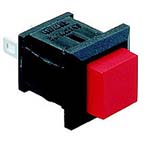
Тематики
- аппарат, изделие, устройство...
- выключатель кнопочный, кнопка
Обобщающие термины
EN
FR
Русско-английский словарь нормативно-технической терминологии > нажимная кнопка с направляющей
-
33 система физических величин
система физических величин
система величин
Совокупность физических величин, образованная в соответствии с принятыми принципами, когда одни величины принимают за независимые, а другие определяют как функции независимых величин.
Примечание. В названии системы величин применяют символы величин, принятых за основные. Так система величин механики, в которой в качестве основных приняты длина L, масса М и время Т, должна называться системой LMT. Система основных величин, соответствующая Международной системе единиц (СИ), должна обозначаться символами LMTIQNJ, обозначающими соответственно символы основных величин - длины L, массы М, времени Т, силы электрического тока I, температуры Q, количества вещества N и силы света J.
[РМГ 29-99]EN
system of quantities
set of quantities together with a set of non-contradictory equations relating those quantities
NOTE – Ordinal quantities, such as Rockwell C hardness, are usually not considered to be part of a system of quantities because they are related to other quantities through empirical relations only. Nominal properties, such as colour of light, are not quantities and hence are not part of a system of quantities.
Source: ISO/IEC GUIDE 99:2007 1.3
[IEV number 112-01-07]FR
système de grandeurs, m
ensemble de grandeurs associé à un ensemble de relations non contradictoires entre ces grandeurs
NOTE – Les grandeurs ordinales, telles que la dureté C de Rockwell, ne sont généralement pas considérées comme faisant partie d'un système de grandeurs, parce qu'elles ne sont reliées à d'autres grandeurs que par des relations empiriques. Les propriétés qualitatives, telles que la couleur d’une lumière, ne sont pas des grandeurs et ne font donc pas partie d’un système de grandeurs.
Source: ISO/IEC GUIDE 99:2007 1.3
[IEV number 112-01-07]Тематики
- метрология, основные понятия
Синонимы
EN
DE
FR
- systeme de grandeurs physiques
- système de grandeurs, m
2.6. Система физических величин
Система величин
D. Grofiensystem
E. System of physical quantities
F. Systeme de grandeurs physiques
Совокупность физических величин, связанных между собой зависимостями.
Примечание. Для обозначения системы величин указывают группу основных величин (2.7), которые обычно обозначаются символами их размерностей
Примеры. Система величин механики LMT, в которой в качестве основных величин приняты длина /, масса m и время (.
Система величин LMTI, охватывающая механические и электрические величины, в которой в качестве основных величин приняты длина /, масса m, время t и сила электрического тока i
Источник: ГОСТ 16263-70: Государственная система обеспечения единства измерений. Метрология. Термины и определения оригинал документа
Русско-английский словарь нормативно-технической терминологии > система физических величин
-
34 INTRODUCTION
For a small country perched on the edge of western Europe but with an early history that began more than 2,000 years ago, there is a vast bibliography extant in many languages. Since general reference works with bibliography on Portugal are few, both principal and minor works are included. In the first edition, works in English, and a variety of Portuguese language works that are counted as significant if not always classic, were included. In the second and third editions, more works in Portuguese are added.It is appropriate that most of the works cited in some sections of the bibliograpy are in English, but this pattern should be put in historical perspective. Since the late 1950s, the larger proportion of foreign-language works on Portugal and the Portuguese have been in English. But this was not the case before World War II. As a whole, there were more studies in French, with a smaller number in German, Italian, and Spanish, than in English. Most of the materials published today on all aspects of this topic continue to be in Portuguese, but English-language works have come to outnumber the other non-Portuguese language studies. In addition to books useful to a variety of students, a selection of classic works of use to the visitor, tourist, and foreign resident of Portugal, as well as to those interested in Portuguese communities overseas, have been included.Readers will note that publishers' names are omitted from some Portuguese citations as well as from a number of French works. There are several reasons for this. First, in many of the older sources, publishers no longer exist and are difficult to trace. Second, the names of the publishers have been changed in some cases and are also difficult to trace. Third, in many older books and periodicals, printers' names but not publishers were cited, and identifying the publishers is virtually impossible.Some recommended classic titles for beginners are in historical studies: José Hermano Saraiva, Portugal: A Companion History (1997); A. H. de Oliveira Marques, History of Portugal (1976 ed.), general country studies in two different historical eras: Sarah Bradford, Portugal (1973) and Marion Kaplan, The Portuguese: The Land and Its People (2002 and later editions); political histories, Antônio de Figueiredo, Portugal: Fifty Years of Dictatorship (1975) and Douglas L. Wheeler, Republican Portugal: A Political History ( 1910-1926) (1978; 1998). On Portugal's Revolution of 25 April 1974 and contemporary history and politics: Kenneth Maxwell, The Making of Portuguese Democracy (1995); Phil Mailer, The Impossible Revolution (1977); Richard A. H. Robinson, Contemporary Portugal: A History (1979); Lawrence S. Graham and Douglas L. Wheeler (eds.), In Search of Modern Portugal: The Revolution and Its Consequences (1983); Lawrence S. Graham and Harry M. Makler (eds.), Contemporary Portugal: The Revolution and its Antecedents (1979). On contemporary Portuguese society, see Antonio Costa Pinto (ed.), Contemporary Portugal: Politics, Society, Culture (2003).Enduring works on the history of Portugal's overseas empire include: C. R. Boxer, The Portuguese Seaborne Empire, 1415-1825 (1969 and later editions); and Bailey W. Diffie and George Winius, The Foundations of the Portuguese Empire, 1415-1580 (1977); on Portugal and the Age of Discoveries: Charles Ley (ed.), Portuguese Voyages 1498-1663 (2003). For a new portrait of the country's most celebrated figure of the Age of Discoveries, see Peter Russell, Prince Henry 'The Navigator': A Life (2000). A still useful geographical study about a popular tourist region is Dan Stanislawski's Portugal's Other Kingdom: The Algarve (1963). A fine introduction to a region of rural southern Portugal is José Cutileiro's A Portuguese Rural Society (1971).Early travel account classics are Almeida Garrett, Travels in My Homeland (1987) and William Beckford, Recollections of an Excursion to the Monasteries of Alcobaca and Batalha (1969 and later editions). On travel and living in Portugal, see Susan Lowndes Marques and Ann Bridge, The Selective Traveller in Portugal (1968 and later editions); David Wright and Patrick Swift, Lisbon: A Portrait and Guide (1968 and later editions); Sam Ballard and Jane Ballard, Pousadas of Portugal (1986); Richard Hewitt, A Cottage in Portugal (1996);Ian Robertson, Portugal: The Blue Guide (1988 and later editions); and Anne de Stoop, Living in Portugal (1995). Fine reads on some colorful, foreign travellers in Portugal are found in Rose Macauley, They Went to Portugal (1946 and later editions) and They Went to Portugal Too (1990). An attractive blend of historical musing and current Portugal is found in Paul Hyland's, Backing Out of the Big World: Voyage to Portugal (1996); Datus Proper's The Last Old Place: A Search through Portugal (1992); and Portugal's 1998 Nobel Prize winner in Literature, José Sarmago, writes in Journey through Portugal (2001).For aspects of Portuguese literature in translation, see Aubrey F. G. Bell, The Oxford Book of Portuguese Verse (1952 edition by B. Vidigal); José Maria Eça de Queirós, The Maias (2007 and earlier editions); and José Sara-mago's Baltasar and Blimunda (1985 and later editions), as well as many other novels by this, Portugal's most celebrated living novelist. See also Landeg White's recent translation of the national 16th century epic of Luis de Camóes, The Lusiads (1997). A classic portrait of the arts in Portugal during the country's imperial age is Robert C. Smith's The Art of Portugal, 1500-1800 (1968).For those who plan to conduct research in Portugal, the premier collection of printed books, periodicals, and manuscripts is housed in the country's national library, the Biblioteca Nacional de Lisboa, in Lisbon. Other important collections are found in the libraries of the major universities in Coimbra, Lisbon, and Oporto, and in a number of foundations and societies. For the history of the former colonial empire, the best collection of printed materials remains in the library of Lisbon's historic Geography Society, the Sociedade de Geografia de Lisboa, Lisbon; and for documents there is the state-run colonial archives, the Arquivo Historico Ultramarino, in Restelo, near Lisbon. Other government records are deposited in official archives, such as those for foreign relations in the archives of the Ministry of Foreign Affairs, housed in Necessidades Palace, Lisbon.For researchers in North America, the best collections of printed materials on Portugal are housed in the Library of Congress, Washington, D.C.; New York Public Library, New York City; Newberry Library, Chicago, Illinois; and in university libraries including those of Harvard, Yale, Johns Hopkins, Brown, Indiana, Illinois, University of California at Los Angeles, University of California - Berkeley, University of California - Santa Barbara, Stanford, Florida State, Duke, University of New Hampshire, Durham, University of Toronto, University of Ottawa, McGill, and University of British Columbia. Records dealing with Portuguese affairs are found in U.S. government archives, including, for instance, those in the National Archives and Record Service (NARS), housed in Washington, D.C.BIBLIOGRAPHIES■ Academia Portuguesa de História. Guia Bibliográfica Histórica Portuguesa. Vol. I-?. Lisbon, 1954-.■ Anselmo, Antônio Joaquim. Bibliografia das bibliografias portuguesas. Lisbon: Biblioteca Nacional, 1923.■ Bell, Aubrey F. G. Portuguese Bibliography. Oxford: Oxford University Press, 1922.■ Borchardt, Paul. La Bibliographie de l'Angola, 1500-1900. Brussels, 1912. Chilcote, Ronald H., ed. and comp. The Portuguese Revolution of 25 April 1974. Annotated bibliography on the antecedents and aftermath. Coimbra: Centro de Documentação 25 de Abril, Universidade de Coimbra, 1987. Cintra, Maria Adelaide Valle. Bibliografia de textos medievais portugueses. Lisbon: Centro de Estudos Filolôgicos, 1960.■ Costa, Mário. Bibliografia Geral de Moçambique. Lisbon, 1945. Coutinho, Bernardo Xavier da Costa. Bibliographie franco-portugaise: Essai d'une bibliographie chronologique de livres français sur le Portugal. Oporto: Lopes da Silva, 1939.■ Diffie, Bailey W. "A Bibliography of the Principal Published Guides to Portuguese Archives and Libraries," Proceedings of the International Colloquium on Luso-Brazilian Studies. Nashville, Tenn., 1953. Gallagher, Tom. Dictatorial Portugal, 1926-1974: A Bibliography. Durham, N.H.: International Conference Group on Portugal, 1979.■ Gibson, Mary Jane. Portuguese Africa: A Guide to Official Publications. Washington, D.C.: Library of Congress, 1967. Greenlee, William B. "A Descriptive Bibliography of the History of Portugal." Hispanic American Historical Review XX (August 1940): 491-516. Gulbenkian, Fundação Calouste. Boletim Internacional de Bibliografia Luso-Brasileira. Vol. 1-15. Lisbon, 1960-74.■ Instituto Camoes. Faculdade de Letras da Universidade De Coimbra. Repertorio Bibliografico da Historiografia Portuguesa ( 1974-1994). Coimbra:■ Instituto Camoes; Universidade de Coimbra, 1995. Junta De Investigações Científicas Do Ultramar. Bibliografia Da Junta De Investigações Científicas Do Ultramar Sobre Ciências Humanas E Sociais. Lisbon: Junta de Investigações Científicas Do Ultramar, 1975. Kettenring, Norman E., comp. A Bibliography of Theses and Dissertations on Portuguese Topics Completed in the United States and Canada, 1861-1983.■ Durham, N.H.: International Conference Group on Portugal, 1984. Kunoff, Hugo. Portuguese Literature from Its Origins to 1990: A Bibliography Based on the Collections at Indiana University. Metuchen, N.J.: Scarecrow Press, 1994.■ Laidlar, John. Lisbon. World Bibliographical Series, Vol. 199. Oxford: ABC-Clio, 1997.. Portugal. World Bibliographical Series, Vol. 71, rev. ed. Oxford: ABC-Clio, 2000.■ Lomax, William. Revolution in Portugal: 1974-1976. A Bibliography. Durham, N.H.: International Conference Group on Portugal, 1978.■ McCarthy, Joseph M. Guinea-Bissau and Cape Verde Islands: A Comprehensive Bibliography. New York: Garland, 1977.■ Moniz, Miguel. Azores. World Bibliographical Series, Vol. 221. Oxford: ABC-Clio, 1999.■ Nunes, José Lúcio, and José Júlio Gonçalves. Bibliografia Histórico-Militar do Ultramar Portugües. Lisbon, 1956. Pélissier, René. Bibliographies sur l'Afrique Luso-Hispanophone 1800-1890.■ Orgeval, France: 1980. Portuguese Studies. London. 1984-. Annual.■ Portuguese Studies Newsletter. No. 1-23 (1976-90). Durham, N.H.: International Conference Group on Portugal. Semiannual.■ Portuguese Studies Review. Vols. 1-9 (1991-2001). Durham, N.H.: International Conference Group on Portugal. Semi-Annual.. Vols. 10- (2002-). Durham, N.H.: Trent University; Peterborough, Ontario, Canada.■ Rocha, Natércia. Bibliografia geral da Literatura Portuguesa para Crianças. Lisbon: Edit. Comunicação, 1987.■ Rogers, Francis Millet, and David T. Haberly. Brazil, Portugal and Other Portuguese-Speaking Lands: A List of Books Primarily in English. Cambridge, Mass.: Harvard University Press, 1968.■ Santos, Manuel dos. Bibliografia geral ou descrição bibliográfica de livros tantos de autores portugueses como brasileiros e muitos outras nacionalidades, impressos desde o século XV até à actualidade, 2 vols. Lisbon, 1914-25.■ Silva, J. Donald. A Bibliography on the Madeira Islands. Durham, N.H.: International Conference Group on Portugal, 1987.■ Teixeira, Carlos, and G. Lavigne. Os portugueses no Canadá: Uma bibliografia ( 1953-1996). Lisbon: Direção-Geral dos Assuntos Consulares e Comunidades Portuguesas, 1998.■ University of Coimbra, Faculty of Letters. Bibliografia Anual de História de Portugal. Vol. 1. [sources published beginning in 1989- ] Coimbra: Grupo de História; Faculdade de Letras; Universidade de Coimbra, 1992-.■ Unwin, P. T. H., comp. Portugal. World Bibliographical Series, Vol. 71. Oxford, U.K.: ABC-Clio Press, 1987.■ Viera, David J., et al., comp. The Portuguese in the United States ( Supplement to the 1976 Leo Pap Bibliography). Durham, N.H.: International Conference Group on Portugal, 1990.■ Welsh, Doris Varner, comp. A Catalogue of the William B. Greenlee Collection of Portuguese History and Literature and the Portuguese Materials in the Newberry Library. Chicago: Newberry Library, 1953.■ Wiarda, Iêda Siqueira, ed. The Handbook of Portuguese Studies. Washington, D.C.: Xlibris, 2000.■ Wilgus, A. Curtis. Latin America, Spain & Portugal: A Selected & Annotated Bibliographical Guide to Books Published 1954-1974. Metuchen, N.J.: Scarecrow Press, 1977.■ Winius, George. "Bibliographical Essay: A Treasury of Printed Source Materials Pertaining to the XV and XVI Centuries." In George Winius, ed., Portugal, the Pathfinder: Journeys from the Medieval toward the Modern World, 1300-ca. 1600, 373-401. Madison, Wis.: Hispanic Seminary of Medieval Studies, 1995.■ PERIODICALS RELATING TO PORTUGAL■ Africana. Oporto. Semiannual.■ Africa Report. New York. Monthly or bimonthly.■ Africa Today. Denver, Colo. Quarterly.■ Agenda Cultural. Lisbon. Monthly.■ Almanaque do Exército. Lisbon, 1912-40.■ American Historical Review. Washington, D.C. Quarterly.■ Anais da Académia Portuguesa da História. Lisbon.■ Anais das Bibliotecas e Arquivos. Lisbon. Annual.■ Análise do sector público administrativo e empresarial. Lisbon. Quarterly. Análise Social. Lisbon. Quarterly.■ Anglo-Portuguese News. Monte Estoril and Lisbon. 1937-2003. Biweekly and weekly.■ Antropológicas. Oporto. 1998-. Semiannual. Anuário Católico de Portugal. Lisbon. Annual.■ Archipélago. Revista do Instituto Universitário dos Açores. Punta Delgado. Semiannual. Architectural Digest. New York. Monthly. Archivum. Paris. Quarterly. Arqueologia. Oporto. Annual.■ Arqueólogo Portugües, O. Lisbon. 1958-. Semiannual Arquivo das Colónias. Lisbon. 1917-33. Arquivo de Beja. Beja. Annual. Arquivo Histórico Portuguez. Lisbon.■ Arquivos da Memória. Lisbon. 1997-. Semiannual.■ Arquivos do Centro Cultural Portugües [Fundação Gulbenkian, Paris]. Paris. Annual.■ Boletim da Academia Internacional da Cultura Portuguesa. Lisbon. Boletim da Agência Geral das Colónias. Lisbon.■ Boletim da Sociedade de Geografia de Lisboa. Lisbon Quarterly; Bimonthly.■ Boletim da Sociedade Geológica de Portugal. Oporto. Annual.■ Boletim de Estudos Operários. Lisbon. Semiannual.■ Boletim do Arquivo Histórico Militar. Lisbon. Semiannual.■ Boletim do Instituto Histórico da Ilha Terceira. Angra do Heroismo, Terceira, Azores Islands. Semiannual. Boletim Geral do Ultramar. Lisbon. Bracara Augusta. Braga. Brigantia. Lisbon. 1990-. Semiannual.■ British Bulletin of Publications on Latin America... Portugal and Spain. London. 1949-. Semiannual. British Historical Society of Portugal. Annual Report and Review. Lisbon. Brotéria. Lisbon. Quarterly. Bulletin des Etudes Portugaises. Paris. Quarterly.■ Bulletin des Etudes Portugaises et de l'Institut Français au Portugal. Lisbon. Annual.■ Cadernos de Arqueologia. Braga. Semiannual and annual. Monographs.■ Cadernos do Noroeste. Braga, University of Minho. Semiannual.■ Camões Center Quarterly. New York.■ Capital, A. Lisbon. Daily newspaper.■ Clio. Lisbon. 1996-. Annual.■ Clio-Arqueologia. Lisbon. 1983-. Annual.■ Conimbriga. Coimbra.■ Cultura. London. Quarterly.■ Democracia e Liberdade. Lisbon. Semiannual.■ Dia, O. Lisbon. Daily newspaper.■ Diário da Assembleia Nacional e Constituente. Lisbon. 1911.■ Diário da Câmara de Deputados. Lisbon. 1911-26.■ Diário de Lisboa. Lisbon. Daily newspaper.■ Diário de Notícias. Lisbon. Daily newspaper of record.■ Diário do Governo. Lisbon. 1910-74.■ Diário do Senado. Lisbon. 1911-26.■ Documentos. Centro de Documentação 25 de Abril. Coimbra. Quarterly.■ E-Journal of Portuguese History. Providence, R.I. Quarterly.■ Economia. Lisbon. Quarterly.■ Economia e Finanças. Lisbon. Semiannual.■ Economia e Sociologia. Lisbon. Quarterly.■ Estratégia Internacional. Lisbon.■ Estudos Contemporâneos. Lisbon.■ Estudos de economia. Lisbon. Semiannual.■ Estudos históricos e económicos. Oporto. Semiannual.■ Estudos Medievais. Lisbon. Semiannual.■ Estudos Orientais. Lisbon, 1990. Semiannual.■ Ethnologia. Lisbon. Semiannual.■ Ethnologie Française. Paris. Quarterly.■ Ethnos. Lisbon. Semiannual.■ European History Quarterly. Lancaster, U.K., 1970-. Quarterly.■ Expresso. Lisbon. 1973-. Weekly newspaper.■ Facts and Reports. Amsterdam. Collected press clippings.■ Financial Times. London. Daily; special supplements on Portugal.■ Finisterra. Lisbon. Quarterly.■ Flama. Lisbon. Monthly magazine.■ Garcia de Orta. Lisbon. Quarterly.■ Gaya. Oporto. Semiannual.■ Geographica: Revista da Sociedade de Geografia de Lisboa. Lisbon. Quarterly.■ Hispania. USA. Quarterly.■ Hispania Antiqua. Madrid. Semiannual.■ Hispanic American Historical Review. Chapel Hill, N.C. Quarterly. História. Lisbon. Monthly.■ Iberian Studies. Nottingham, U.K. Quarterly or Semiannual.■ Indicadores económicos. Lisbon. Bank of Portugal. Monthly. Ingenium. Revista da Ordem dos Engenheiros. Lisbon. Semiannual.■ International Journal of Iberian Studies. London and Glasgow, 1987-. Semiannual.■ Illustração Portugueza. Lisbon. 1911-1930s. Magazine. Instituto, O. Coimbra. Annual.■ Itinerário. Leiden (Netherlands). 1976-. Semiannual. Jornal, O. Lisbon. Weekly newspaper. Jornal de Letras, O. Lisbon. Weekly culture supplement. Jornal do Fundão. Fundão, Beira Alta. Weekly newspaper. Journal of European Economic History. Quarterly.■ Journal of Modern History. Chicago, Ill. Quarterly.■ Journal of Southern European Society & Politics. Athens, Greece. 1995-. Quarterly.■ Journal of the American Portuguese Culture Society. New York. 1966-81. Semiannual or annual. Ler História. Lisbon. Quarterly. Lisboa: Revista Municipal. Lisbon. Quarterly.■ Lusíada: Revista trimestral de ciência e cultura. Lisbon. 1989-. Three times a year.■ Lusitania Sacra. Lisbon. Quarterly.■ Luso-Americano, O. Newark, N.J. Weekly newspaper.■ Luso-Brazilian Review. Madison, Wisc. 1964-. Semiannual.■ Lusotopie. Paris. 1995-. Annual.■ Nova economia. Lisbon. Semiannual.■ Numismática. Lisbon. Semiannual.■ Oceanos. Lisbon. Bimonthly.■ Ocidente. Lisbon. Monthly.■ Olisipo. Lisbon. Semiannual.■ Ordem do Exército. Lisbon. 1926-74. Monthly.■ Penélope. Lisbon. Semiannual.■ Política Internacional. Lisbon. 1990-. Quarterly.■ Portugal. Annuário Estatístico do Ultramar. Lisbon. 1950-74.■ Portugal em Africa. Lisbon. 1894-1910. Bimonthly.■ Portugal socialista. Lisbon. Semiannual.■ Portugália. Lisbon. Semiannual.■ Portuguese & Colonial Bulletin. London. 1961-74. Quarterly. Portuguese Studies. London. 1985-. Annual.■ Portuguese Studies Newsletter. Durham, N.H. 1976-90. Semiannual.■ Portuguese Studies Review. Durham, N.H. 1991-2001; Trent, Ont. 2002-. Semiannual.■ Portuguese Times. New Bedford, Mass. Weekly newspaper.■ Povo Livre. Lisbon. Monthly.■ Primeiro do Janeiro. Oporto. Daily newspaper.■ Quaderni Portoghesi. Rome. 1974-. Semiannual.■ Race. A Journal of Race and Group Relations. London. Quarterly.■ Recherches en Anthropologie au Portugal. Paris. 1995-. Annual.■ República, A. Lisbon. Daily newspaper.■ Revista Crítica de Ciências Sociais. Coimbra. Quarterly.■ Revista da Biblioteca Nacional. Lisbon. Quarterly.■ Revista da Faculdade de Direito da Universidade de Lisboa. Lisbon. Quarterly.■ Revista da Faculdade de Letras. Lisbon. Quarterly. Revista da Faculdade de Letras. Oporto. Semiannual. Revista da Universidade de Coimbra. Coimbra. Quarterly. Revista de Ciência Política. Lisbon. Semiannual. Revista de Ciências Agrárias. Lisbon. Semiannual. Revista de Economia. Lisbon. 1953-. Three times a year. Revista de Estudos Anglo-Portugueses. Lisbon. Annual. Revista de Estudos Históricos. Rio de Janeiro. Semiannual. Revista de Guimarães. Guimarães. Semiannual. Revista de História. São Paulo, Brazil. Semiannual. Revista de História Económica e Social. Oporto. Semiannual. Revista de Infanteria. Lisbon. Quarterly.■ Revista Internacional de Estudos Africanos. Lisbon. Semiannual.■ Revista Lusitana. Lisbon. Quarterly.■ Revista Militar. Lisbon. Quarterly.■ Revista Portuguesa de História. Coimbra. Quarterly.■ Revue Geographique des Pyrenees et du Sud-Ouest. Paris. Semiannual.■ Sábado. Lisbon. Weekly news magazine.■ Seara Nova. Lisbon. 1921-. Bimonthly.■ Século, O. Lisbon. Daily Newspaper.■ Selecções do Readers Digest. Lisbon. Monthly.■ Semanário económico. Lisbon. Weekly.■ Setúbal arqueologica. Setúbal. Semiannual.■ Sigila. Paris. 1998-. Semiannual.■ Sintria. Sintra. Annual.■ Sociedade e Território. Revista de estudos urbanos e regionais. Oporto. 1986-. Quarterly.■ Studia. Lisbon. Quarterly.■ Studies in the History of Gardens and Designed Landscapes. New York. Quarterly.■ Studium Generale. Oporto. Quarterly.■ Tempo, O. Lisbon. Daily newspaper.■ Tempo e o Modo, O. Lisbon. 1968-74. Quarterly.■ Trabalhos da Sociedade Portuguesa de Antropologia. Oporto. Semiannual.■ Trabalhos de Antropologia E Etnologia. Lisbon. Semiannual.■ Trabalhos de Arqueologia. Lisbon. Annual.■ Translation. New York. Quarterly.■ Ultramar. Lisbon. 1960-71. Quarterly.■ Veja. São Paulo. Weekly news magazine.■ Veleia. Lisbon. Semiannual.■ Vida Mundial. Lisbon. Weekly news magazine.■ West European Politics. London. Quarterly. -
35 линия
линия
-
[IEV number 151-12-27]EN
line
device connecting two points for the purpose of conveying electromagnetic energy between them
NOTE 1 – Electromagnetic energy may be extracted from or supplied to a line at an intermediate point.
NOTE 2 – Examples of lines are two-wire line, polyphase line, coaxial line, waveguide.
Source: 466-01-01 MOD, 601-03-03 MOD
[IEV number 151-12-27]FR
ligne, f
dispositif reliant deux points et destiné à transmettre de l'énergie électromagnétique entre eux
NOTE 1 – De l'énergie électromagnétique peut être extraite d'une ligne ou lui être fournie en un point intermédiaire.
NOTE 2 – Des exemples de lignes sont une ligne bifilaire, une ligne polyphasée, une ligne coaxiale, un guide d'ondes.
Source: 466-01-01 MOD, 601-03-03 MOD
[IEV number 151-12-27]EN
DE
FR
Русско-английский словарь нормативно-технической терминологии > линия
-
36 метка
1) General subject: blaze (на дереве), guide mark, guide-mark, hack, mark, mark point (на имитаторе спутника при испытаниях), marking (на белье), notch, score, scotch, scratch, speckle, tin, (в ген.и label (Радиоактивный изотоп или идентифицируемый биохимическими либо иммунологическими методами лиганд (например, флуорофор), связывающийся с макромолекулой. Позволяет обнаружить меченое вещество в образце)2) Computers: tab3) Geology: datum mark4) Aviation: scribe mark5) Naval: sentinel7) Engineering: blip (для подсчёта и поиска документов или кадров при микрофильмировании), cue (на фильме), cursor (шкалы), index mark, label identifier, location mark, matchmark, nick, sign, tag, token9) Railway term: bench mark10) Economy: check (знак проверки), flag11) Automobile industry: tick12) Polygraphy: identifying tag, jigger, patch, presentation, rule13) Psychology: tag (на животном)14) Information technology: attribute, bullet, check mark, label name, margin (в языке КОБОЛ), scope15) Oil: datum, gauge mark16) Genetics: label (радиоактивная)17) Cartography: beacon, graduating mark, graduation line, mire (в меридианных инструментах для отсчёта азимута), reading line, reference mark18) Geophysics: identifier19) Drilling: index, scribed line20) Network technologies: identification, (окончания канального уровня) trailer21) Polymers: check22) Programming: label (имя, обозначающее место передачи управления с помощью инструкции goto)23) Automation: eyemark, indent mark, note, registration mark, witness mark24) Plastics: dent25) leg.N.P. earmark27) Makarov: benchmark, brand, cachet, guideline, imprint (на корешке переплётной крышки с именем владельца, издателя или переплётчика), labelling, notch (уровня воды), print, stamp28) Horse breeding: freeze-mark29) Security: taggant (Метка, проявляющаяся при специальном воздействии / с помощью специального оборудования. Относится к средствам защиты третьего уровня (технологии судебной экспертизы).)30) Internet: Mark (В телекоммуникациях меткой называют присутствие сигнала. Метка эквивалентна двоичной единице. Противоположное состояние называется space (пробел. пропуск), оно эквивалентно бинарному 0)31) SAP.fin. reversal date32) oil&gas: math's label -
37 отметка
1) General subject: Plimsoll line, credit (в школе), grade, guide mark, guide-mark, mark, mark point (на имитаторе спутника при испытаниях), marking, nota bene, rating (в школе), tick, (целевая) goal2) Computers: check mark, score3) Aviation: index mark, index marker, log report, log-entry4) Naval: Plimsoll mark, sounding (глубины), spotting in5) Medicine: symptom sign8) Engineering: check point, dot, grade (поверхности грунта), labeling, level (высоты), marker, marking off, notch, reference mark9) Chemistry: flagging10) Construction: datum mark, bench12) Railway term: counter line13) Law: notation14) Accounting: check (в документе; англ. tick)15) Architecture: mark (высотная)16) Hydrography: elevation17) Mining: elevation (высоты), fixed datum (при съёмке), nick, reading, sight (при маркшейдерской съёмке)18) Diplomatic term: nota bene (около места в документе, на которое желают обратить внимание)19) Forestry: beacon20) Metallurgy: indication22) Psychology: entry23) Telecommunications: marker pip24) Topography: spot level26) Oil: subsea depth, point, tag28) Business: registration, tally30) Polymers: label (на образцах, изделиях)31) Automation: eyemark, indent mark, registration mark, witness mark32) Robots: gage mark33) leg.N.P. grade (in education)34) Makarov: benchmark, criterium, dab, designation (величины), elevation (leveling), elevation head (высота над условным нулевым уровнем), fix (напр. на карте), graduation, graduation line, index, mark (знаний, поведения), mark (метка), pip (не экране индикатора), record, vertical control point, zero datum35) Security: stamp36) Billiards: spot37) Aluminium industry: (высотная) elevation38) Electrical engineering: pip (на экране индикатора) -
38 знак
ensigngauge markgauge marksгеод.guide markгеод.guide marksmarknotesignsymboltick -
39 prowa|dzić
impf Ⅰ vt 1. (wieść) to lead [dziecko, zwierzę]- prowadzić kogoś do stołu to lead sb over a. to escort sb to the table- co czwartek prowadziła go na spacer/na badanie krwi every Thursday she took him for a walk/blood test ⇒ zaprowadzić2. (być pierwszym) to lead [grupę, wycieczkę]- prowadzić mazura/poloneza to lead the mazurka/polonaise3. (przesuwać, wodzić) prowadzić pióro/ołówek to guide a pen/pencil- prowadzić smyczek to draw the bow, to bow- prowadzić piłkę/krążek to dribble the ball/puck- prowadzić ręką/palcem po czymś to run one’s hand/finger over sth ⇒ poprowadzić4. (kierować pojazdem) to drive [samochód, motocykl]; to fly [samolot]- ona bardzo dobrze prowadzi she’s a very good driver5. (doprowadzać) to carry- żyły prowadzą krew do serca the veins carry the blood to the heart- te rury prowadziły wodę do starego domu these pipes conveyed water to the old house6. (kierować w tańcu) to lead [partnerkę]- przyjemnie się z nim tańczy, bo dobrze prowadzi it’s fun to dance with him because he leads well- pewnie prowadził swą partnerkę w tańcu he led his dancing partner confidently7. (sprawować nadzór) to run [dom, firmę, sklep, restaurację]; to preside over, to chair [spotkanie, zebranie, obrady]- prowadzić orkiestrę to conduct an orchestra8. (realizować, wykonywać) to conduct [badania]; to carry on, to have [rozmowę]; to do [interesy]- prowadzić spór to have an argument- prowadzić korespondencję to carry on a. to conduct (a) correspondence- prowadzić dziennik/dziennik pokładowy to keep a diary/log (book)- prowadzić dochodzenie/śledztwo to carry out a. conduct an investigation a. inquiry- prowadzić sprzedaż obuwia sportowego/mebli ogrodowych kryt. to sell sports shoes/garden furniture- prowadzić wykład to give a. deliver a lecture- prowadzić lekcję to conduct a. hold (a) class- prowadzić sprawę to hear a case9. Mat. prowadzić równoległą to draw a parallel line ⇒ poprowadzić 10. Budow. to construct [drogę, chodnik] ⇒ poprowadzić 11. Muz. to lead [linię melodyczną] 12. Ogr. to train [krzewy, pnącza] 13. Techn. prowadzić wiertło to guide a drill- prowadzić chodnik (w kopalni) to drive a heading (in the mine)Ⅱ vi 1. (wskazywać drogę) to lead- te schody prowadzą do piwnicy the staircase leads to the cellar- ścieżka prowadziła do stacji/przez las the path led to the station/through the woods2. (przodować) to lead, to take the lead- prowadzić 2:0 to lead 2-0- prowadzić o 5 sekund to lead by 5 seconds- prowadzić trzema punktami to have a lead of three points- w pierwszej połowie nasi prowadzili 1:0 our team took a 1-0 lead in the first half- socjaliści prowadzili w pierwszej turze wyborów the Socialists took the lead in the first round of the elections3. (powodować) to cause vt (do czegoś sth); to lead (do czegoś to sth)- palenie często prowadzi do raka płuc smoking often causes lung cancer- takie postępowanie prowadzi do śmieszności such behaviour makes one look ridiculousⅢ prowadzić się 1. (trzymać się) spacerowali prowadząc się pod rękę/za ręce they were walking along arm in arm/holding hands- prowadzą się jak zakochani they behave a. carry on as though they were in love2. (postępować) kobieta/dziewczyna źle się prowadząca a woman of loose morals, a woman of easy virtue- przyzwoicie się prowadziła she led a blameless life- prowadził się nienagannie he conducted himself with the utmost propriety książk.- mówili, że się źle prowadziła they said she was a woman of easy virtue- □ dźwięk prowadzący Muz. leading note■ prowadzić kogoś do ołtarza to lead sb to the altar- prowadzić dom otwarty to keep (an) open house- prowadzić kogoś na pasku a. na sznurku to have/keep sb on a short a. tight leash- prowadzić beztroskie/hulaszcze życie to lead a life of pleasure/a life of dissipation a. a decadent life- prowadzić bujne życie towarzyskie to have an active social life; (często wychodzić z domu) to go out a lot; (przyjmować gości) to entertain a lot- do niczego nie prowadzić to lead nowhereThe New English-Polish, Polish-English Kościuszko foundation dictionary > prowa|dzić
-
40 превращаться в слух
разг.listen, one's whole being concentrated in hearing; cf. be (become) all ears; pay full attention; strain one's ears to catch the slightest noiseНо вот он, проводив глазами сынишку, глухо покашлял, снова заговорил, и я весь превратился в слух. (М. Шолохов, Судьба человека) — He watched his son run down to the water, then coughed and again began to speak, and I became all ears.
Днём новый проводник не появился. Не пришёл он и ночью. Акимов, встревоженный, лишившийся сна, то и дело выходил на берег реки, вставал на кромку яра и, весь обратившись в слух, настораживался. (Г. Марков, Сибирь) — All that day there was no sign of the new guide. Nor did he appear during the night. Akimov, alarmed and uneasy, could not sleep; every now and then he went to the river, stood on the edge of the bank and listened, his whole being concentrated in hearing.
Полевой в упор смотрел на закипающую в котле воду, но видно было, что весь он превратился в слух и силится уловить каждый шорох там, за садом. (В. Беляев, Старая крепость) — He was staring fixedly at the water steaming in the iron pot, but anyone could see that he was straining all his senses to catch the slightest noise from out there, beyond the orchard.
Она приготовила блокнот, шариковую ручку и очки - записывать имена и даты, и с первыми словами экскурсовода обратилась в слух, боясь что-то важное пропустить. (В. Перуанская, Кикимора) — She got out her hotebook, ball-point pen and glasses to make a note of names and dates, and as soon as the guide started speaking she paid full attention, afraid of missing anything important.
Русско-английский фразеологический словарь > превращаться в слух
См. также в других словарях:
Guide des 100 meilleurs restaurants de France — Sommaire 1 Historique 2 Le guide gastronomique 3 Interactivité du guide 4 Palmarès 2007/2008 … Wikipédia en Français
Guide Du Routard — Le Guide du routard est une collection de guides touristiques française fondée en avril 1973 par Michel Duval et Philippe Gloaguen, dans le sillage des back packers guides américains et du célèbre Hitch hiker s Guide to Europe publié en 1971. La… … Wikipédia en Français
Guide du Routard — Le Guide du routard est une collection de guides touristiques française fondée en avril 1973 par Michel Duval et Philippe Gloaguen, dans le sillage des back packers guides américains et du célèbre Hitch hiker s Guide to Europe publié en 1971. La… … Wikipédia en Français
Guide du Rôliste Galactique — Cet article fait partie de la série Jeu de rôle Jeux : Liste par genre • Catégories par genre • Liste alphabétique • Autres : Éditeurs • … Wikipédia en Français
Guide Rock — Guide Rock, NE U.S. village in Nebraska Population (2000): 245 Housing Units (2000): 162 Land area (2000): 0.504389 sq. miles (1.306361 sq. km) Water area (2000): 0.000000 sq. miles (0.000000 sq. km) Total area (2000): 0.504389 sq. miles… … StarDict's U.S. Gazetteer Places
Guide Rock, NE — U.S. village in Nebraska Population (2000): 245 Housing Units (2000): 162 Land area (2000): 0.504389 sq. miles (1.306361 sq. km) Water area (2000): 0.000000 sq. miles (0.000000 sq. km) Total area (2000): 0.504389 sq. miles (1.306361 sq. km) FIPS… … StarDict's U.S. Gazetteer Places
Guide Parker — Robert M. Parker, Jr. Robert M. Parker, Jr. Robert M. Parker, Jr., né le 23 juillet 1947 à Baltimore, Maryland aux États Unis, est un dégustateur américain de vins, fils de paysan et avocat de profession. Il s est fait connaître, grâce à son… … Wikipédia en Français
Note (typography) — Endnote redirects here. For other uses, see Endnote (disambiguation). Footnote redirects here. For the Hebrew film, see Footnote (film). For the usage of footnoting on Wikipedia, see Wikipedia:Cite sources and Wikipedia:Footnotes. A note is a… … Wikipedia
Guide Michelin — Pour les articles homonymes, voir Michelin (homonymie). Couverture du Guide Michelin de 1929. Le Guide Michelin, souvent surnommé Guide rouge … Wikipédia en Français
Guide du routard — Le Guide du routard est une collection de guides touristiques française fondée en avril 1973 par Michel Duval et Philippe Gloaguen, dans le sillage des back packers guides américains. Ces guides, au nombre de 140 en 2007, sont édités depuis 1975… … Wikipédia en Français
Note of hand — Hand Hand (h[a^]nd), n. [AS. hand, hond; akin to D., G., & Sw. hand, OHG. hant, Dan. haand, Icel. h[ o]nd, Goth. handus, and perh. to Goth. hin[thorn]an to seize (in comp.). Cf. {Hunt}.] 1. That part of the fore limb below the forearm or wrist in … The Collaborative International Dictionary of English
